Resources for a Holier Lent
By Fr. Wesley Walker
It always helps to have a guide. Dante needed Virgil to get through hell and purgatory, Frodo needed Gandalf to get to Moria, Merlin had to advise Arthur, the three Christmas ghosts guided Scrooge into becoming human again. As we are about to embark on an epic journey of our own in the forty days of Lent, we may find the quest more navigable if we choose a wise guide to help us reach our Paschal destination. To this end, below are ten resources that have acted as a guide in my own life that I would recommend to anyone who is looking for a guide of their own. It’s not an exhaustive list, but it is a start.
Purgatorio by Dante
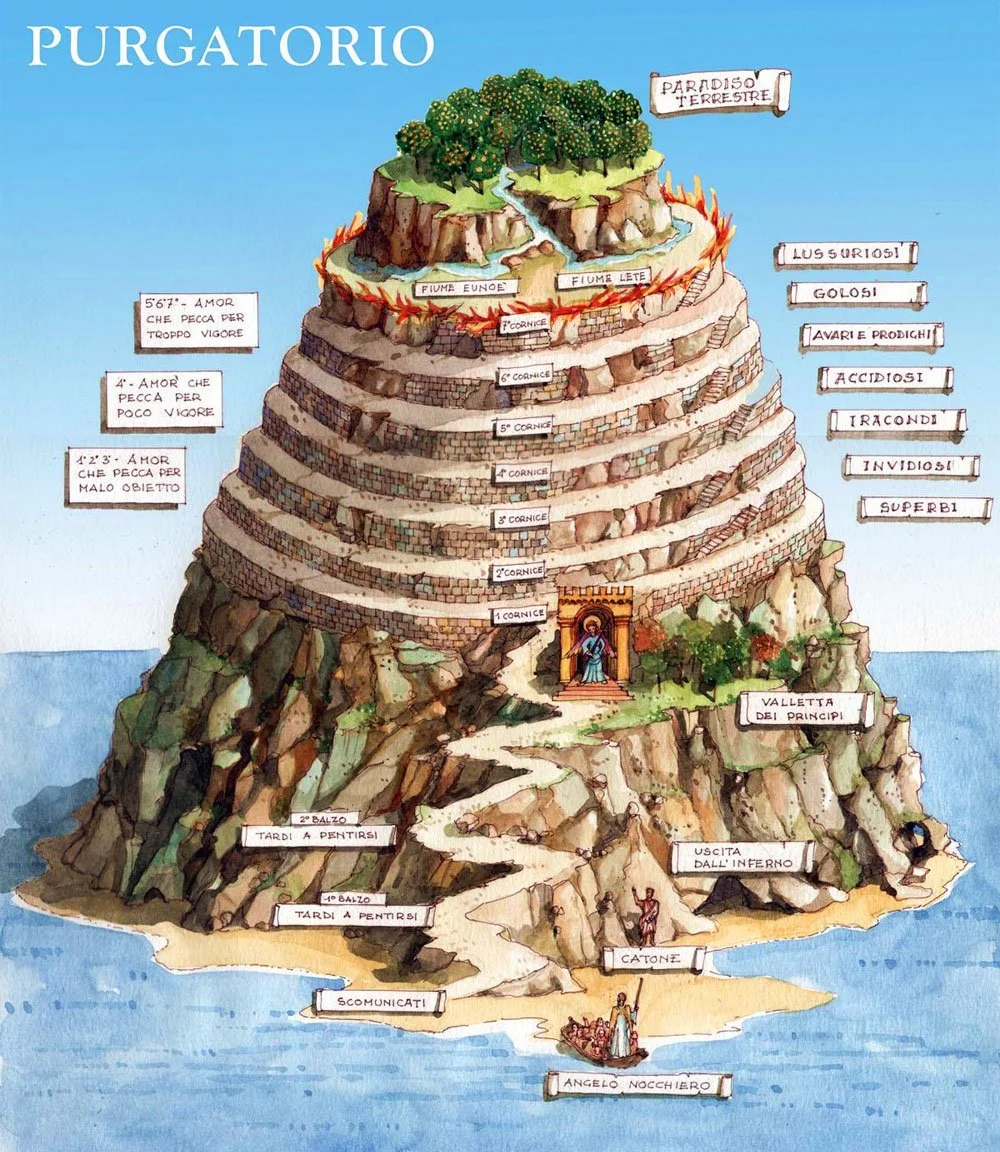
All of the Divine Comedy is worth reading. However the best and most relevant portion of the trilogy is Purgatorio.
After Dante descends through the circles of hell and observes its many horrors, he arrives on the beaches of Mount Purgatory. The souls in Purgatory are “saved” in that their final destination of heaven is assured, but they have to be purified of the seven deadly sins first.
The Christian life is one of purgation of vice and acquisition of virtue. This should be the thrust of our whole lives but especially during Lent. Having depicted the sufferings of hell, Dante invites us to a better way, a more human way.
If the prospect of journeying alongside Dante is overwhelming, considering a guide to guide you through it. A Beginner’s Guide to Dante’s Divine Comedy by Jason M. Baxter is an excellent choice.
The Great Divorce by C.S. Lewis

What if the residents of hell could, at any point, take a bus ride out and get to heaven? What would need to change about them to be able to stay in paradise? Would they even want to be there at all? These are some of the many questions explored by C.S. Lewis in his short but dense classic that I like to call “diet Dante.” It pairs well with the Divine Comedy but it also condenses many of the same themes and makes them more accessible.

Malcolm Guite is an Anglican poet, priest, and academic. The Word in the Wilderness features a poem selected by Guide for each day in Lent and includes some devotional commentary on it. It’s a great book for anyone, but especially someone who wants to read more poetry but may not know where to start.
Here’s a preview of the content, Guite’s own poem for Ash Wednesday:
Receive this cross of ash upon your brow
Brought from the burning of Palm Sunday’s cross;
The forests of the world are burning now
And you make late repentance for the loss.
But all the trees of God would clap their hands,
The very stones themselves would shout and sing,
If you could covenant to love these lands
And recognize in Christ their lord and king.
He sees the slow destruction of those trees,
He weeps to see the ancient places burn,
And still you make what purchases you please
And still to dust and ashes you return.
But Hope could rise from ashes even now
Beginning with this sign upon your brow.
Lilith by George MacDonald
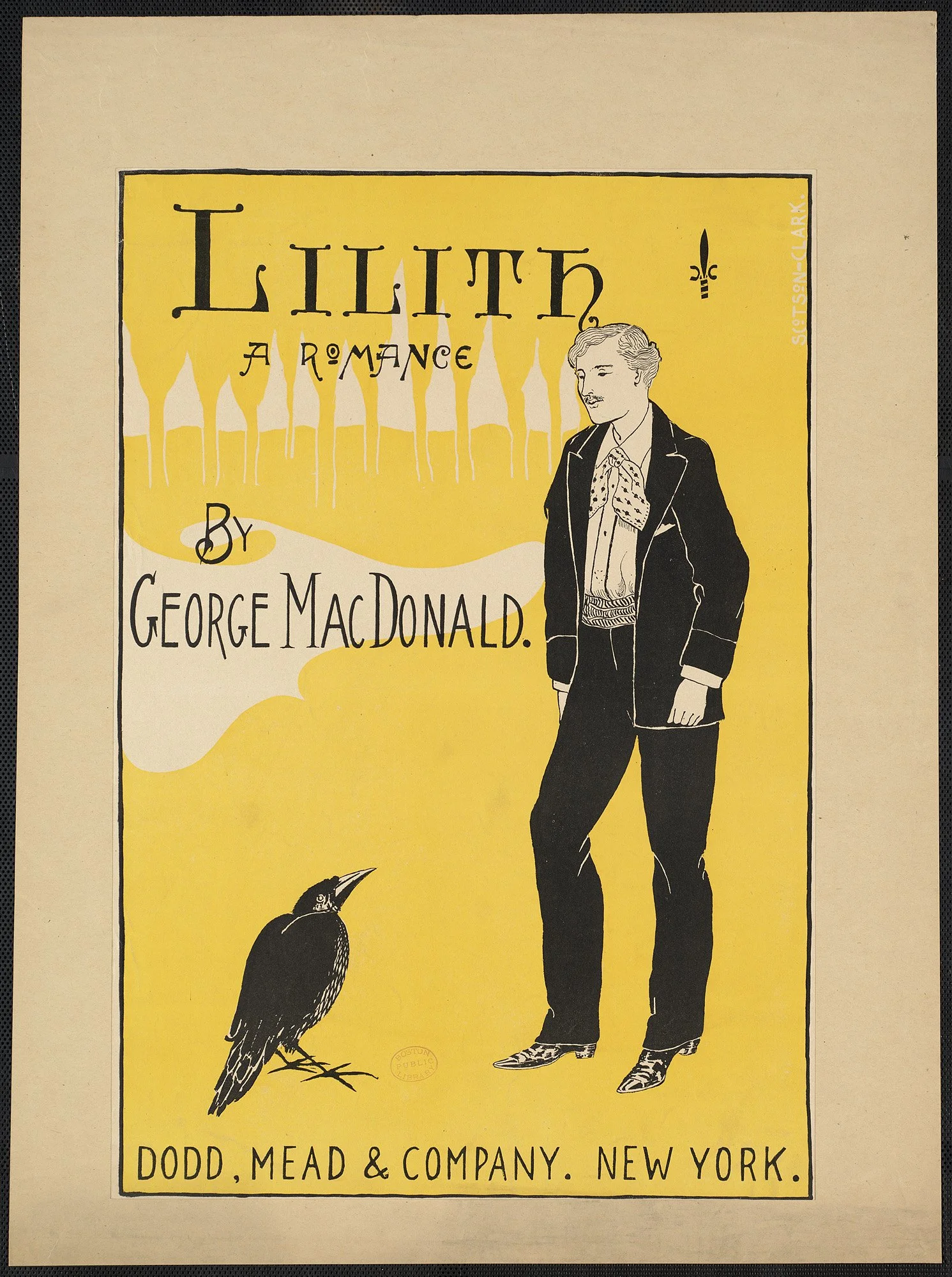
Lilith by George MacDonald—the literary mentor of C.S. Lewis—is a fantasy novel in which a man from our world is drawn into a parallel universe by a Raven. In this other world, he encounters many fantastical things, including Lilith, who, according to some Jewish tradition, was Adam’s original wife before she was seduced by evil and fell before the creation of Eve. The story is about the redemption of the cosmos and deals with themes of death, judgment, and reconciliation, all of which are pertinent for the Lenten season.
I recently had the privilege of discussing this novel with my friend, Junius Johnson. You can watch that video below if you’re interested:
Christian Proficiency by Martin Thornton
In a recent sermon, I mentioned the Pre-Lent and Lent are seasons that center on training us in the disciplines of the Christian life. Martin Thornton was an Anglican priest and ascetical theologian whose work can help us better acquire those disciplines as we have received them in the Anglican tradition.
The Book of Common Prayer, he argues, is an ascetical system; it structures our prayer life. What is the shape of that prayer life? According to the BCP, it’s weekly Holy Communion, daily Morning and Evening Prayer, and a robust private prayer life developed in consultation with a spiritual director.
We have done some work on Thornton and the rule here at St. Paul’s. Below are some resources that might be helpful whether you’re interested in reading Christian Proficiency this Lent or not”
Rule of Prayer: Session 2 - The Threefold Cord: Mass, Daily Office, and Prayer
Rule of Prayer: Session 3 - Spiritual Direction: Implementing the Rule
The Daily Office Workshop that we hosted in March 2024 which focuses on how to pray Morning and Evening Prayer
Jesus of Nazareth: Holy Week: From the Entrance into Jerusalem to the Resurrection by Joseph Cardinal Ratzinger (Pope Benedict XVI)
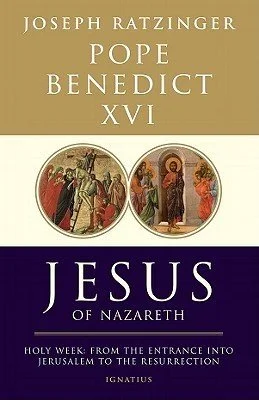
At the beginning of Lent, we join our Lord in setting our faces towards Jerusalem. The Lenten season culminates during the events of Holy Week: Palm Sunday, Maundy Thursday, Good Friday, and Holy Saturday. Ratzinger is a terrific guide through these events as he engages the biblical text from the great Western theological tradition. He will have you thinking about Holy Week in new (but really old) ways.
The Divided Soul: Duty and Desire in Literature and Life by Heidi White
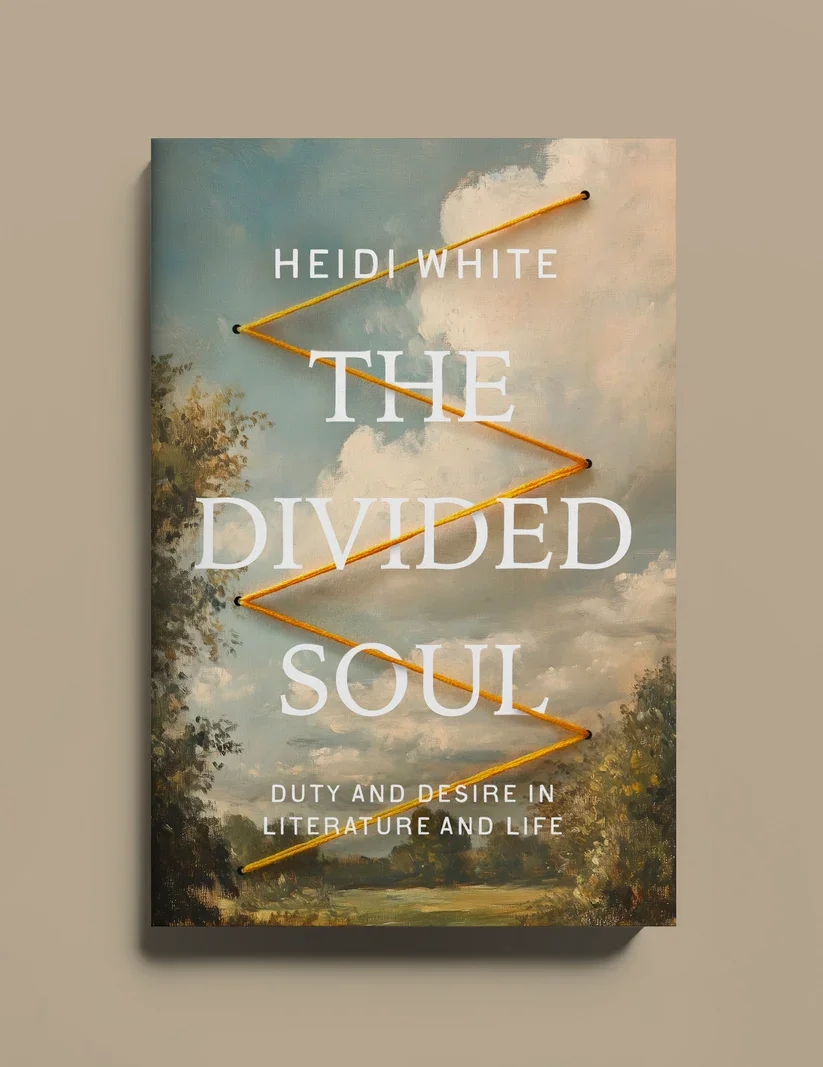
Heidi White gave a wonderful talk at St. Paul’s through the Eliot Society. Her central thesis is that all literature revolves around two poles: desire and duty. She traces this back to the story of the prodigal son: the prodigal represents desire and the elder brother represents duty.
Before sin, Adam and Eve would have experienced a harmony between duty and desire. They knew what they should do and they wanted to do it. Sin disintegrates the human person and pits our duties and desires against one another.
Part of the discipline of Lenten fasting is that we learn to control our passions and to bring our desire back into harmony with our duty. By drawing from literature White can further help us as we become more united with ourselves.
Note: you cannot buy her book on Amazon; it can be purchased at Goldberry Press here.
The Noonday Devil: Acedia, the Unnamed Evil of Our Times by Jean-Charles Nault
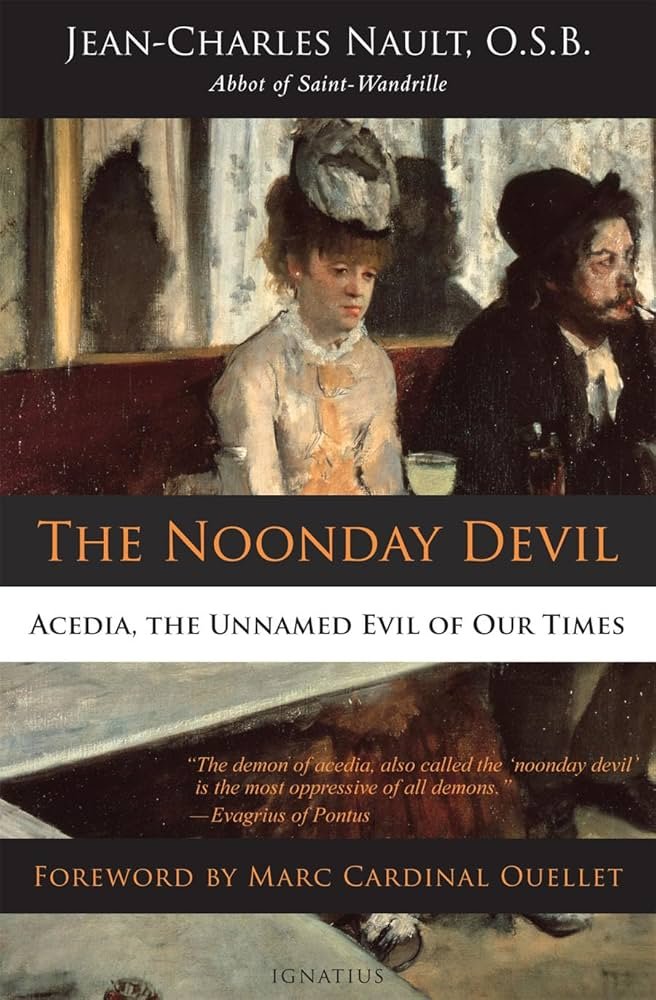
Acedia is the most pervasive sin you’ve never heard of. It has been defined a few different ways throughout Church history. Evagrius of Pontus tells us that acedia is a spiritual lack of care, the “temptation to withdraw from the narrowness of the present so as to take refuge in what is imaginary; it is the temptation to quit the battle so as to become a simple spectator of the controversy that is unfolding in the world” (135). Thomas Aquinas defines acedia as sadness about a spiritual good and a disgust with activity.
Nault contends that acedia has created a major crisis in the Church. To help us remedy acedia, we need the medicine of joyful perseverance, to be faithful in the little things, to meditate on Scripture, to remember death. and to focus on the Incarnation.
Images of Pilgrimage: Paradise and Wilderness in Christian Spirituality by Robert Crouse
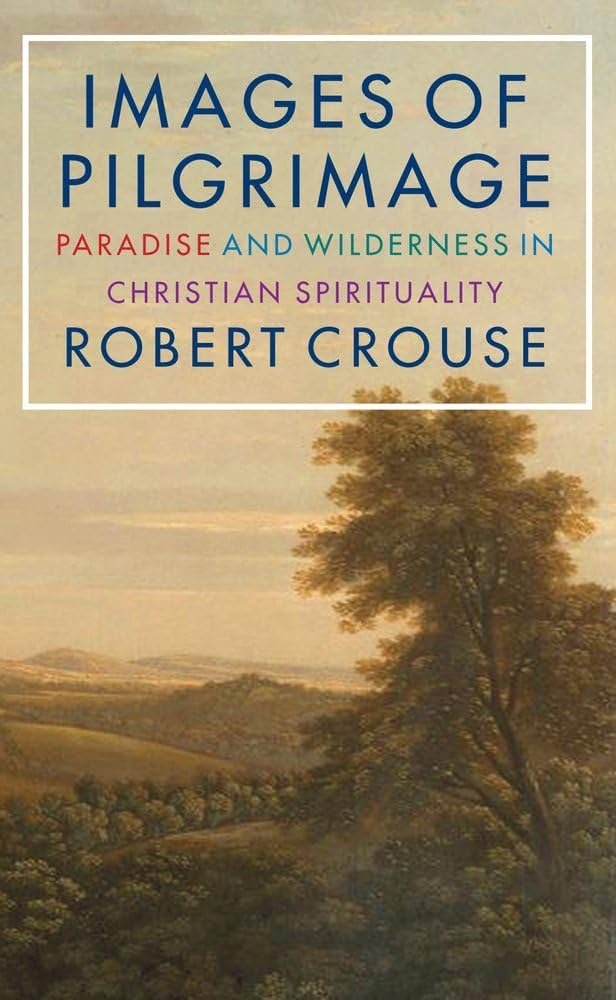
Lent begins in the wilderness. The first Sunday in Lent’s Gospel reading details Jesus’ 40 days in the wilderness which acts as the template for our Lenten fast. But just like Israel entered the Promise Land after 40 years of wandering, our Lenten journey will terminate in the Paschal celebration.
Robert Course, an Anglican priest and theologian, offers reflections for those of us who are making the journey from the wilderness of the world to Paradise. He frequently engages with Dante and Augustine.
I wrote more about this book previously in “From the Rector’s Bookshelf: Images of Pilgrimage by R.D. Crouse”.
Sermons for Lent and the Easter Season by Bernard of Clairvaux

St. Bernard of Clairvaux lived from 1090 until 1153. He was a Cistercian monk and was known for his preaching.
These sermons are a wonderful way to think and pray through Lent!