NEWS

Reflection: The Palm Sunday Processional

Palm Sunday is the beginning of Holy Week. I’ve always found it to be a strange way to begin Holy Week because of the way the crowds celebrate Jesus’ arrival despite the fact that he was dead less than a week later. Still, the point of the liturgical observations of Holy Week is to walk with Our Lord through the story: we enter Jerusalem with him, we sup with him and the disciples at the Last Supper, we strip the altar as we reflect on Judas’ betrayal, we reflect on the horridness of the Crucifixion, while also venerating the Cross as a beautiful symbol of our redemption. At the Easter Vigil, we anticipate the resurrection through the reading of Old Testament prophecies and the blessing of the baptismal font where new Christians will be birthed. Finally, on Easter morning, we celebrate the fact that “He is not here; for he is risen.”
The Palm Sunday Processional, as it’s currently practiced, goes all the way back to at least the fourth century. The first record of it that we have is in the diary of a Spanish pilgrim to Jerusalem who noted that the Christian inhabitants of the city would process into the city with palms while singing hymns. I take this to mean the tradition had been established for some time prior to this record. We know the tradition spread until it was made a virtually universal liturgical practice by the fifth century. As Western Christians, we receive it from the liturgical work of Gregory the Great who made it a normal practice while he was Bishop of Rome (440-461).
Biblically, the Palm Sunday Processional can be traced back to all four of the Gospels, which all describe Jesus riding into Jerusalem on a donkey while the people lay palm branches on the ground and shouted "Hosanna!" This event fulfilled the prophecy in Zechariah 9:9, part of Sunday’s Old Testament reading, which states, “Rejoice greatly, O daughter of Zion; shout, O daughter of Jerusalem: behold, thy King cometh unto thee: he is just, and having salvation; lowly, and riding upon an ass, and upon a colt the foal of an ass.”
The Palm Sunday Processional is significant for several reasons. As mentioned above, it marks the beginning of Holy Week, a time of deep reflection and penance for Christians around the world. Secondly, it symbolizes Jesus' arrival as the long-awaited Messiah, the fulfillment of God's promise to send a savior to the world. Thirdly, it represents the paradox of Jesus' kingship, as he entered Jerusalem not on a magnificent horse, but on a humble donkey. It reminds us that, unlike most earthly kings, Jesus does not win his victory through great military strength, impressive political machinations, or charismatic personality—quite the opposite! Jesus wins his victory through his suffering and death on the Cross, reminding us of St. Paul’s words in I Corinthians 1:23-24, “We preach Christ crucified, unto the Jews a stumblingblock, and unto the Greeks foolishness; But unto them which are called, both Jews and Greeks, Christ the power of God, and the wisdom of God.”
The Palm Sunday Processional is an opportunity for us to reflect on our lives. In what areas of our lives do we need to open our arms and receive him who “comes in the name of the Lord”? How have we been like the Pharisees and religious leaders who opposed Jesus?
Palm Sunday is an old tradition. As we process, I encourage you to consider the fact that Christians like you have been doing this for over 1,500 years. But more importantly, use the Processional as an opportunity to remember Jesus’ sacrifice and love for us so that we can approach Holy Week with open hearts and minds, ready to deepen our relationship with God as we commemorate the cosmos-changing events that took place 2,000 years ago.
“All glory, laud, and honor
to you, Redeemer, King,
to whom the lips of children
made sweet hosannas ring.
You are the King of Israel
and David's royal Son,
now in the Lord's name coming,
the King and Blessed One.
The company of angels
is praising you on high;
and we with all creation
in chorus make reply.
The people of the Hebrews
with palms before you went;
our praise and prayer and anthems
before you we present.
To you before your passion
they sang their hymns of praise;
to you, now high exalted,
our melody we raise.
As you received their praises,
accept the prayers we bring,
for you delight in goodness,
O good and gracious King!”

Reflection: Why A Continuing Anglican Church? A Personal Reflection
By Matthew Gray

About 5 years ago I was what you would call a “parish orphan”. My faith had gone through a complete deconstruction. This deconstruction took me to a wide variety of churches and denominations. After a somewhat difficult and anxious journey, I settled here at St. Paul’s Anglican Church. There are four reasons why I chose to make a continuing Anglican parish my home. My hope is that these will help other parish orphans find a home.
The 1928 Book of Common Prayer played a big role in my journey to continuing Anglicanism. The concept of “common prayer” was very comforting in a world of change. Hearing the same readings in church Sunday after Sunday is a wonderful thing. These repeated readings of the lectionary start to sink deep into the mind and stir the soul. Every year you will hear the same readings and get new perspectives on the biblical texts, and hopefully apply them to your life. The other part of common prayer is the daily office. In my opinion, there is no better way to systematically read through the scriptures. If you use the lectionary you will read from the Psalms, Old testament, and New testament every morning and evening. Again, the same readings will be read every year allowing them to become better understood, and applied. The common prayer tradition can really help you to understand and apply scripture.
Doctrine and theology were another important factor in my journey to the continuum. Saint Vincent of Lérins was a monk in the 5th century. He defined the word catholic as, “what has been believed everywhere, always, and by all.” Continuing Anglicans see themselves as part of the “one, Holy, Catholic, and Apostolic Church”. As a church we do a great job at believing what has been believed everywhere, always, and by all. We have bishops who can trace their lineage all the way back to ancient times. We believe in the Trinity, the use of sacraments, such as baptism and communion, and use a liturgy in our worship. You can find these elements throughout the catholic (universal) church. We are truly part of the universal (catholic) church that our Lord Jesus Christ founded.
Pastoral care plays a large part in Anglican ministry. This made a huge impression on me in my journey to St. Paul’s. The parishes in the Continuum are small in comparison to a large non-denominational or Roman Catholic church. This allows our priests and deacons to personally know their parishioners. It is not uncommon to see our priest’s children playing with the other children in the parish, or one of our priest or deacons meet up with parishioners for lunch after a service. It is a comforting and wonderful thing to observe.
The last reason is more personal. Serious Christians, or as the famous Anglican writer Martin Thornton would call, “proficient Christians” have a place in the continuing Anglican parishes. Many people in our post-modern world are looking for truth and stability. We are not looking for the latest fads or trends in our search for truth. Continuing Anglican parishes use the tried and trusted methods of church life, theology, and worship. The clergy and laity take their faith seriously. It is not uncommon to see many services of Holy Communion, Morning Payer, and Evening prayer every week. It is also common to see multiple bible and theology study groups. All of this allows a parishioner to truly develop into a better Christian and follower of Jesus Christ.
Father Gordon Anderson a priest in the Anglican Province of America once wrote on his blog, “So really, for me and for many other people, the reason we are in the continuing Anglican churches is because of genuine liturgical and theological convictions. We have read and studied a lot, and we have been to many different churches in a number of different traditions, and finally we have found our home in the continuing church.” I could not have said it any better.

Shrove Tuesday Success!
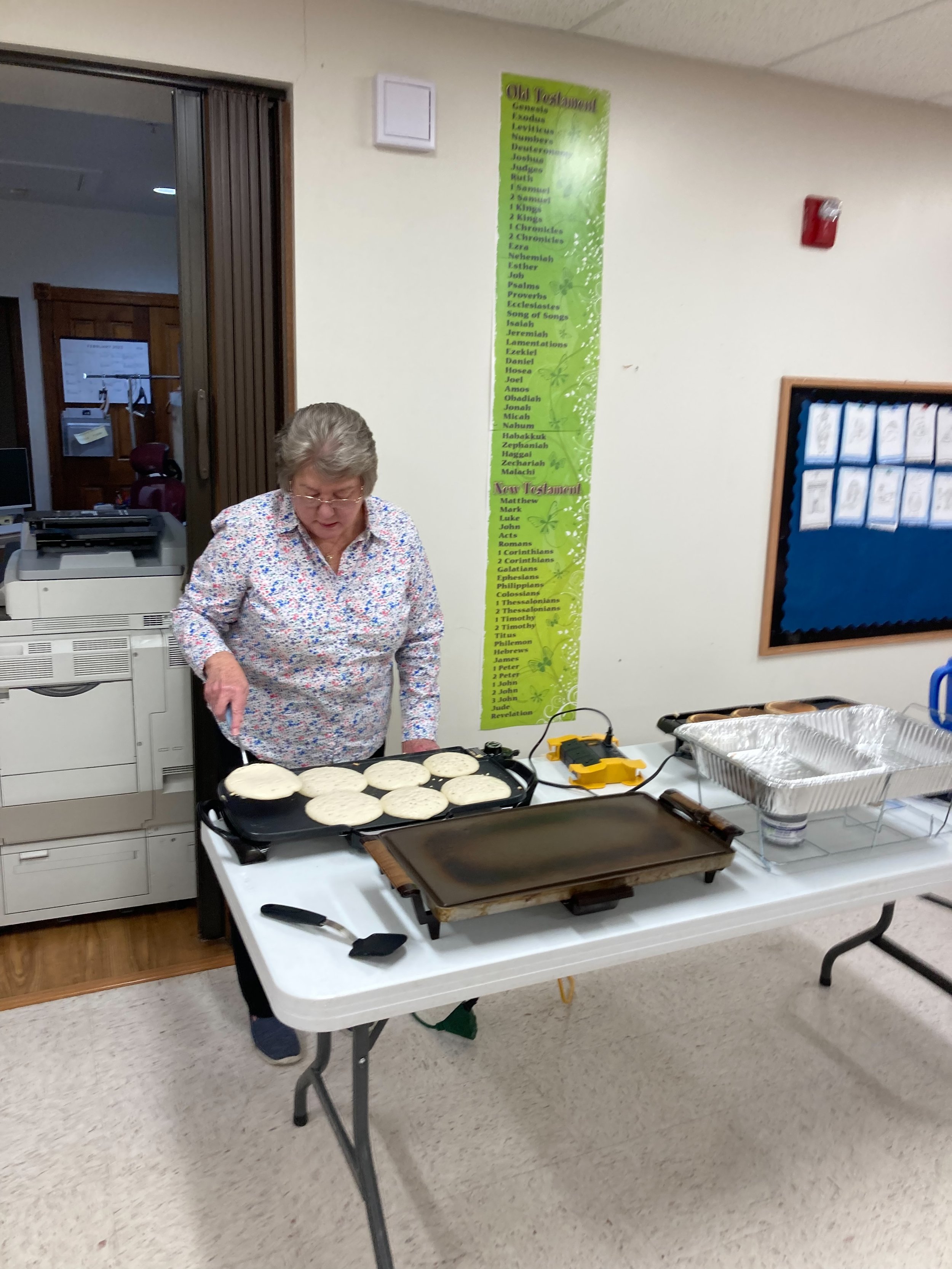
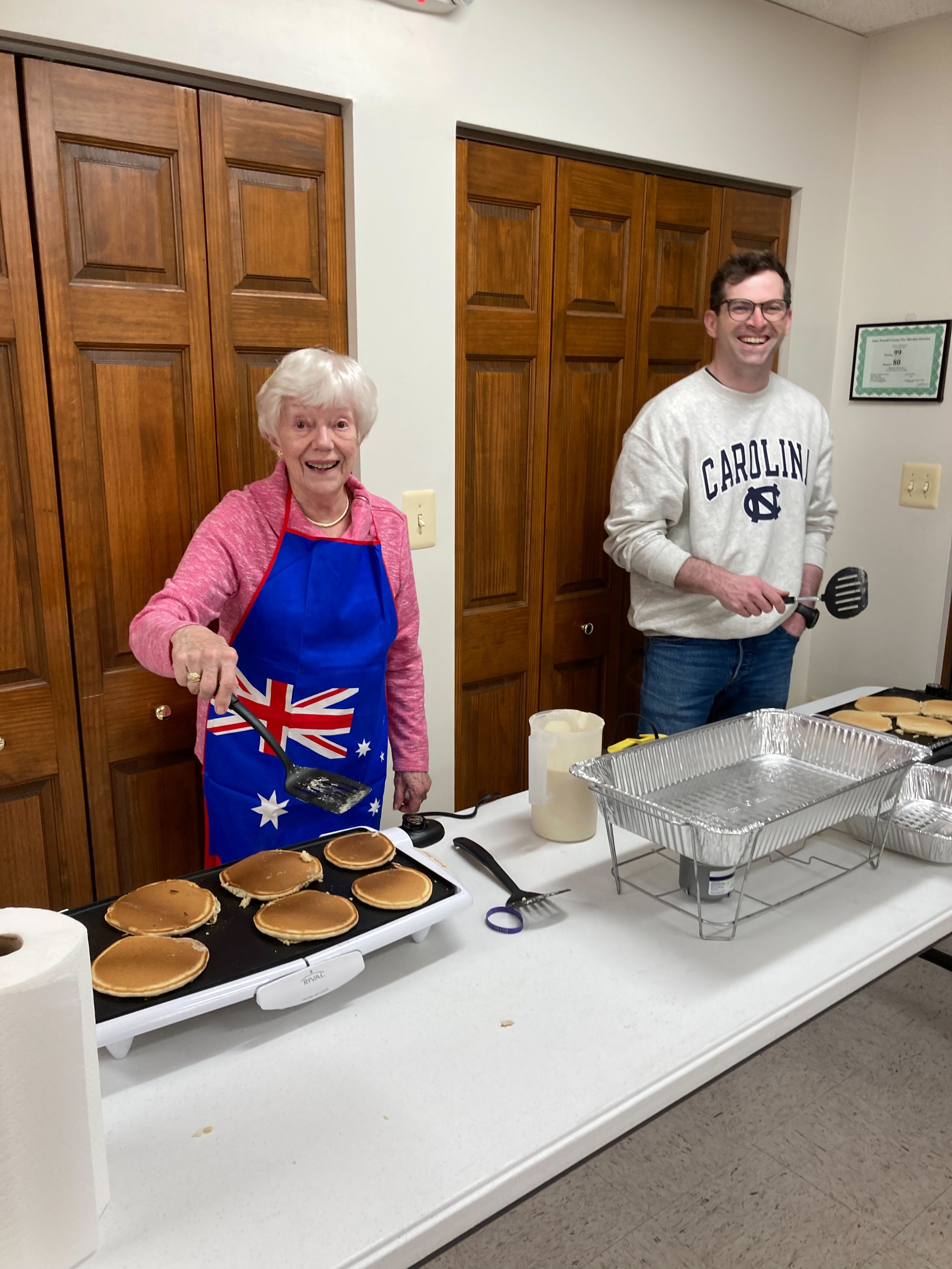
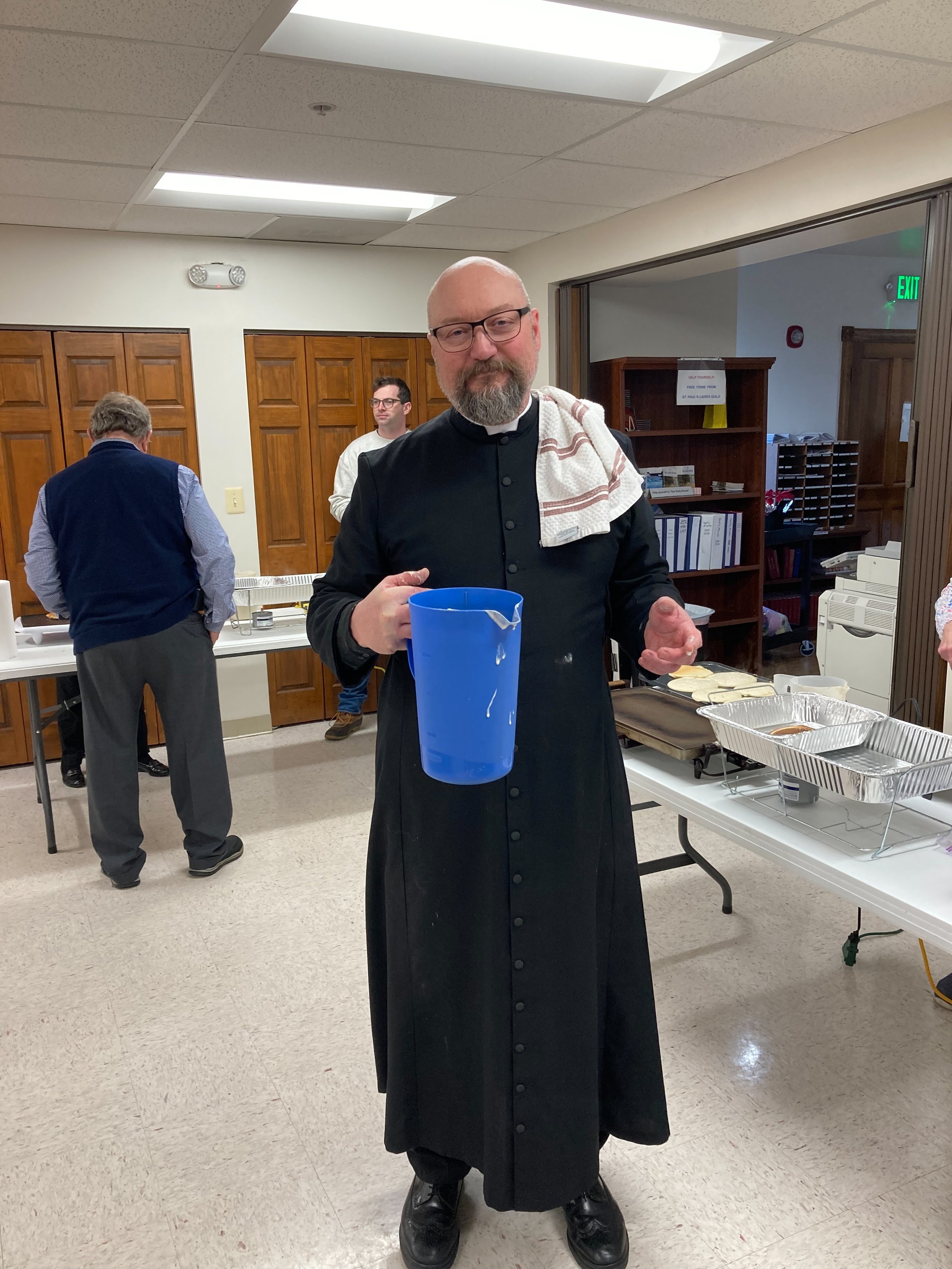
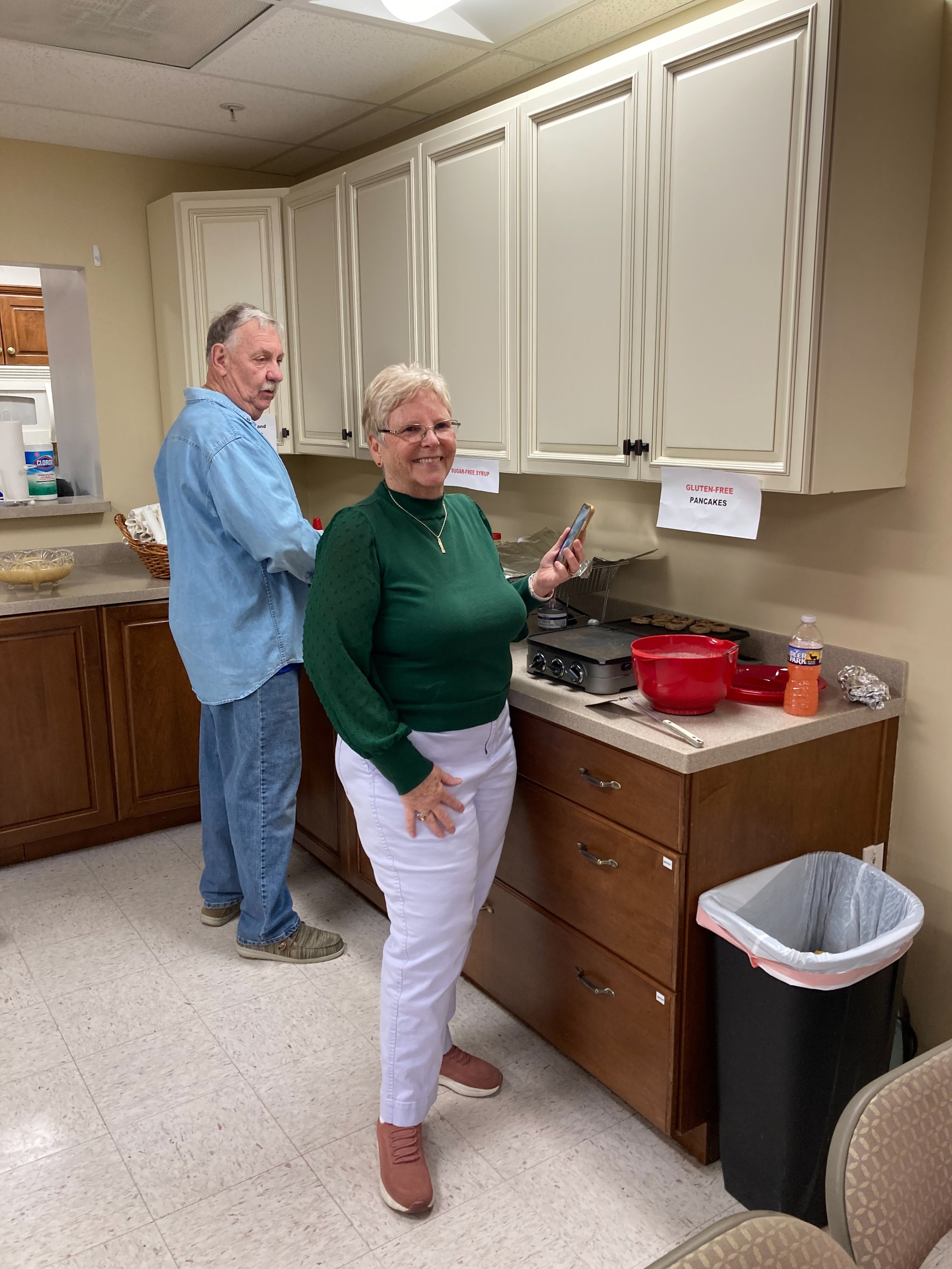
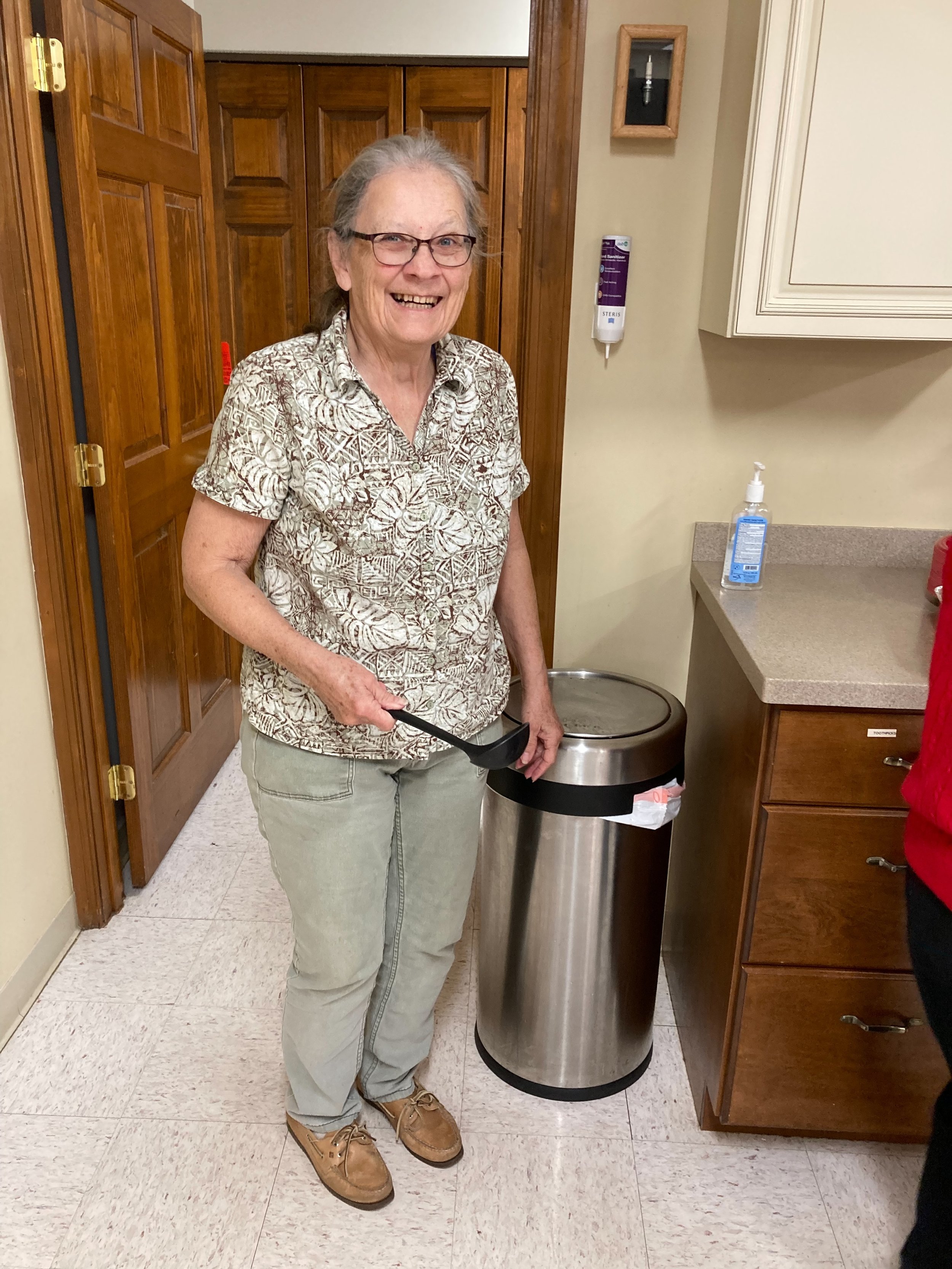
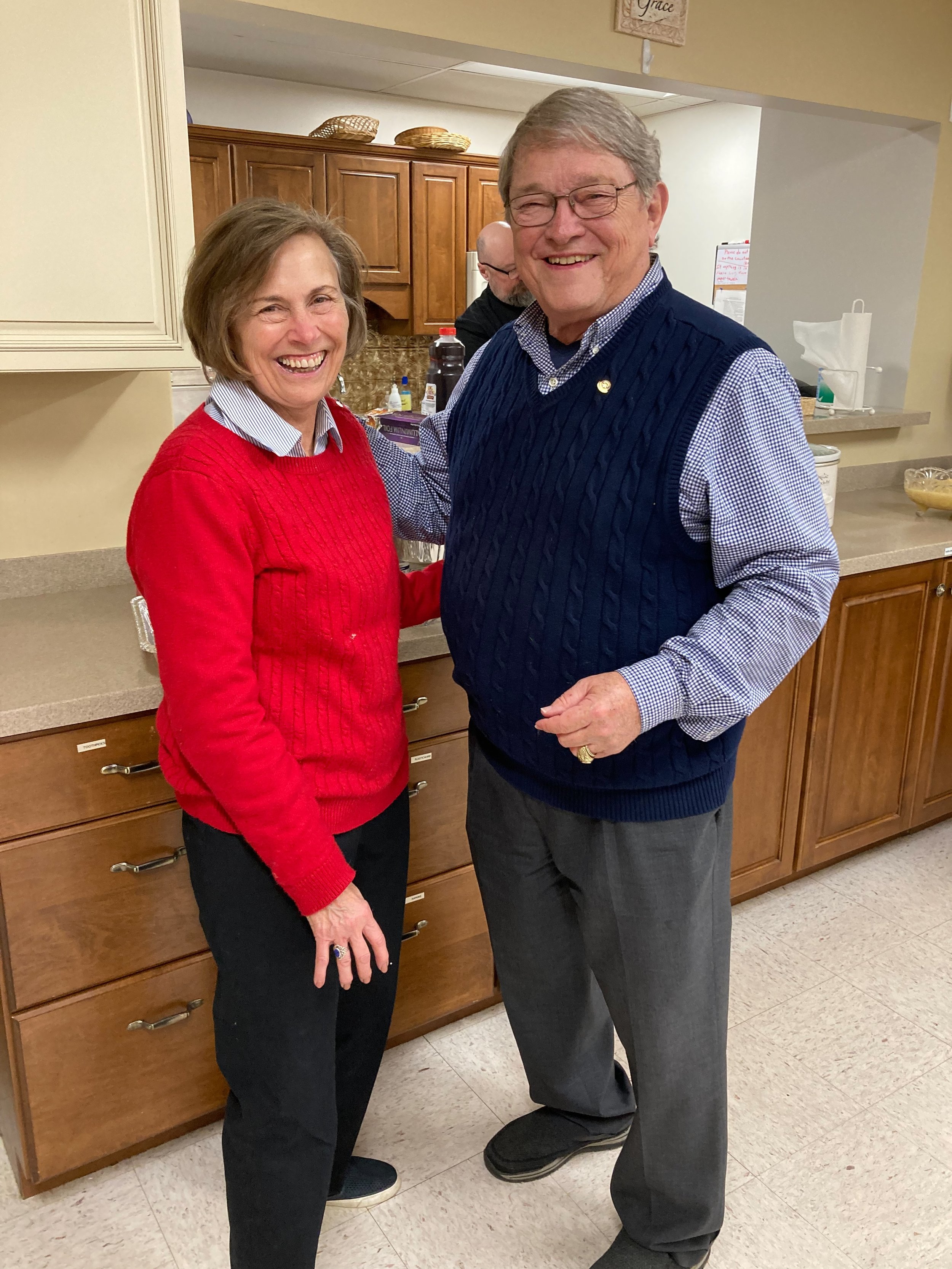
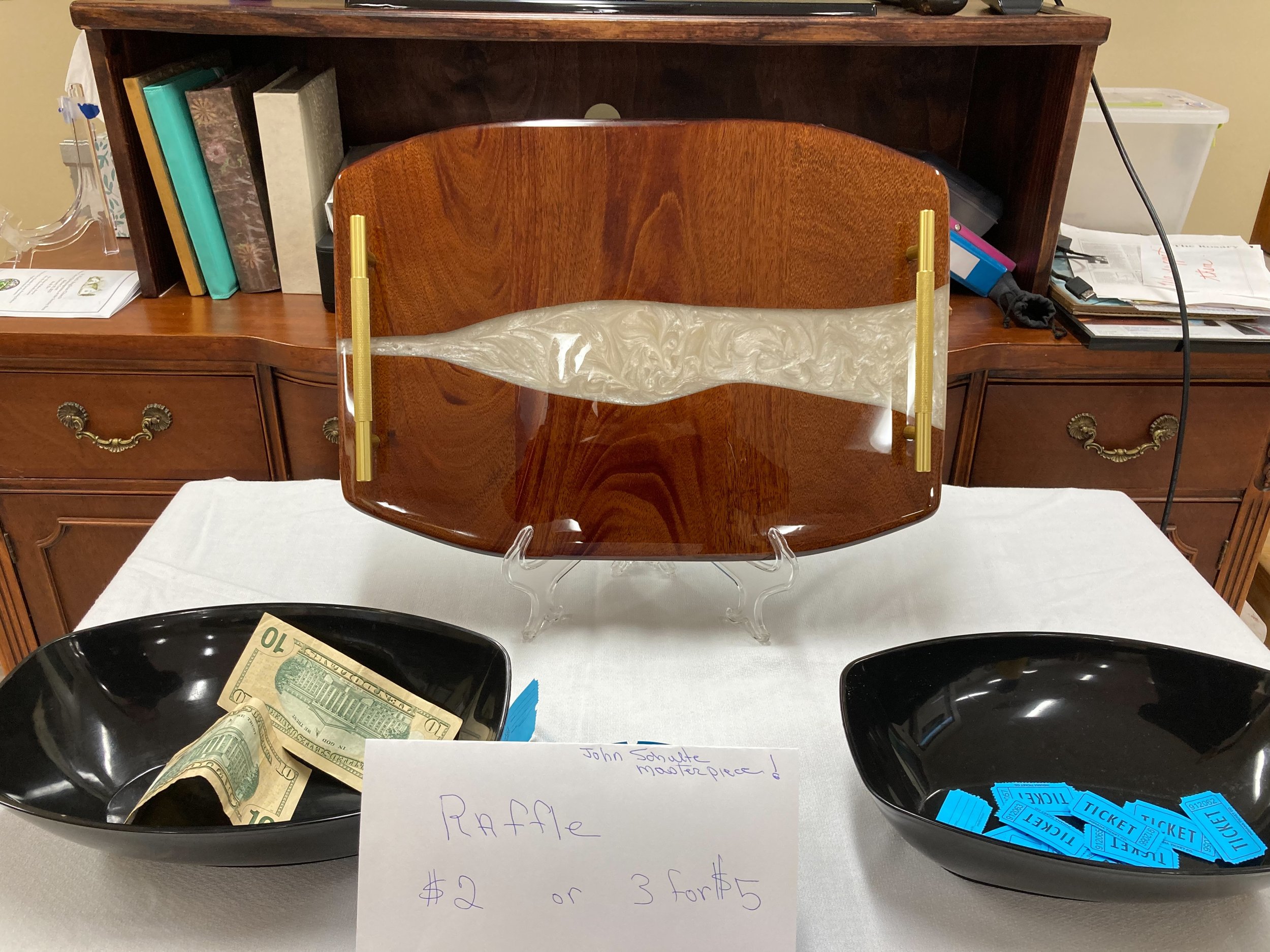
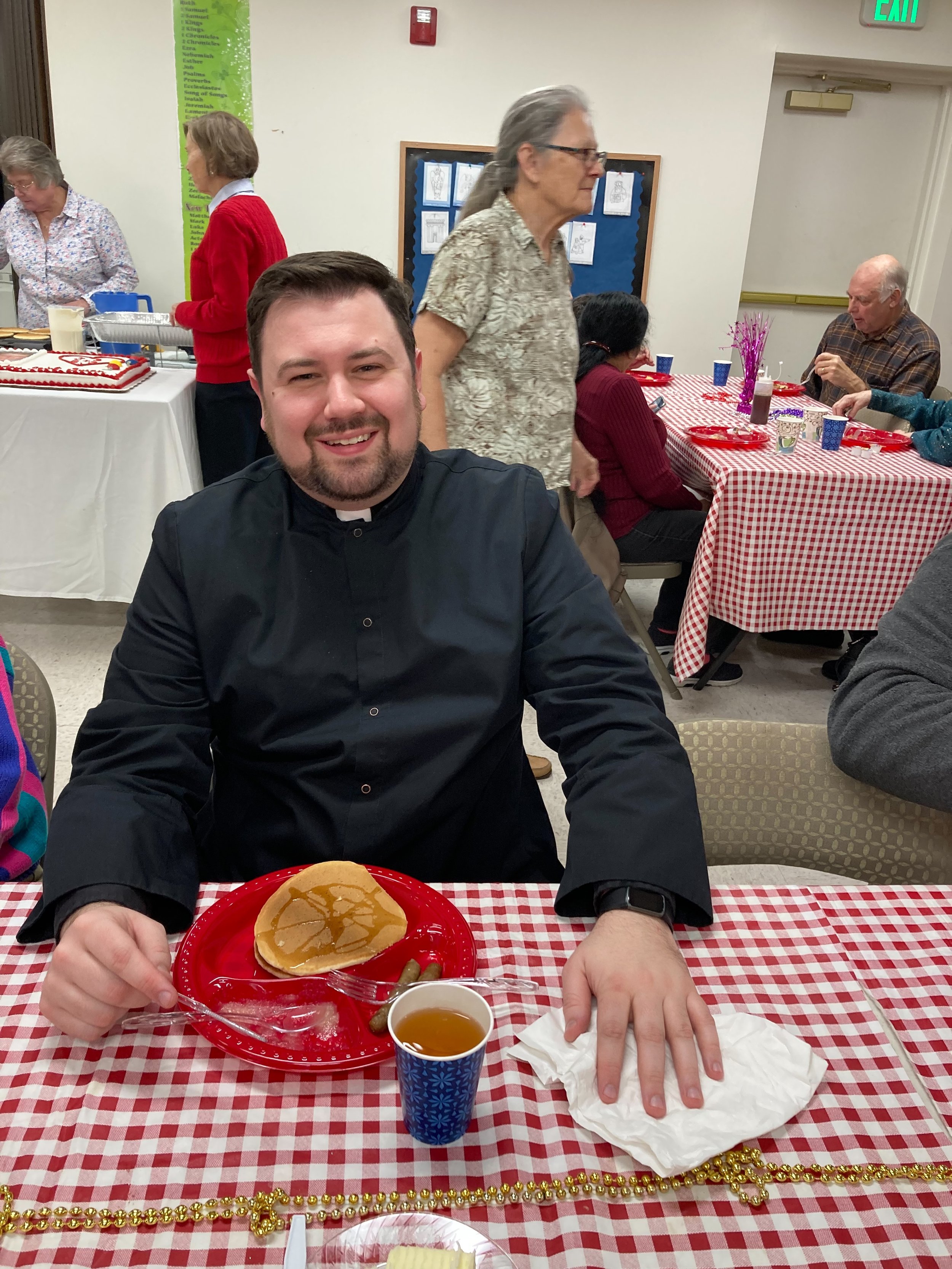
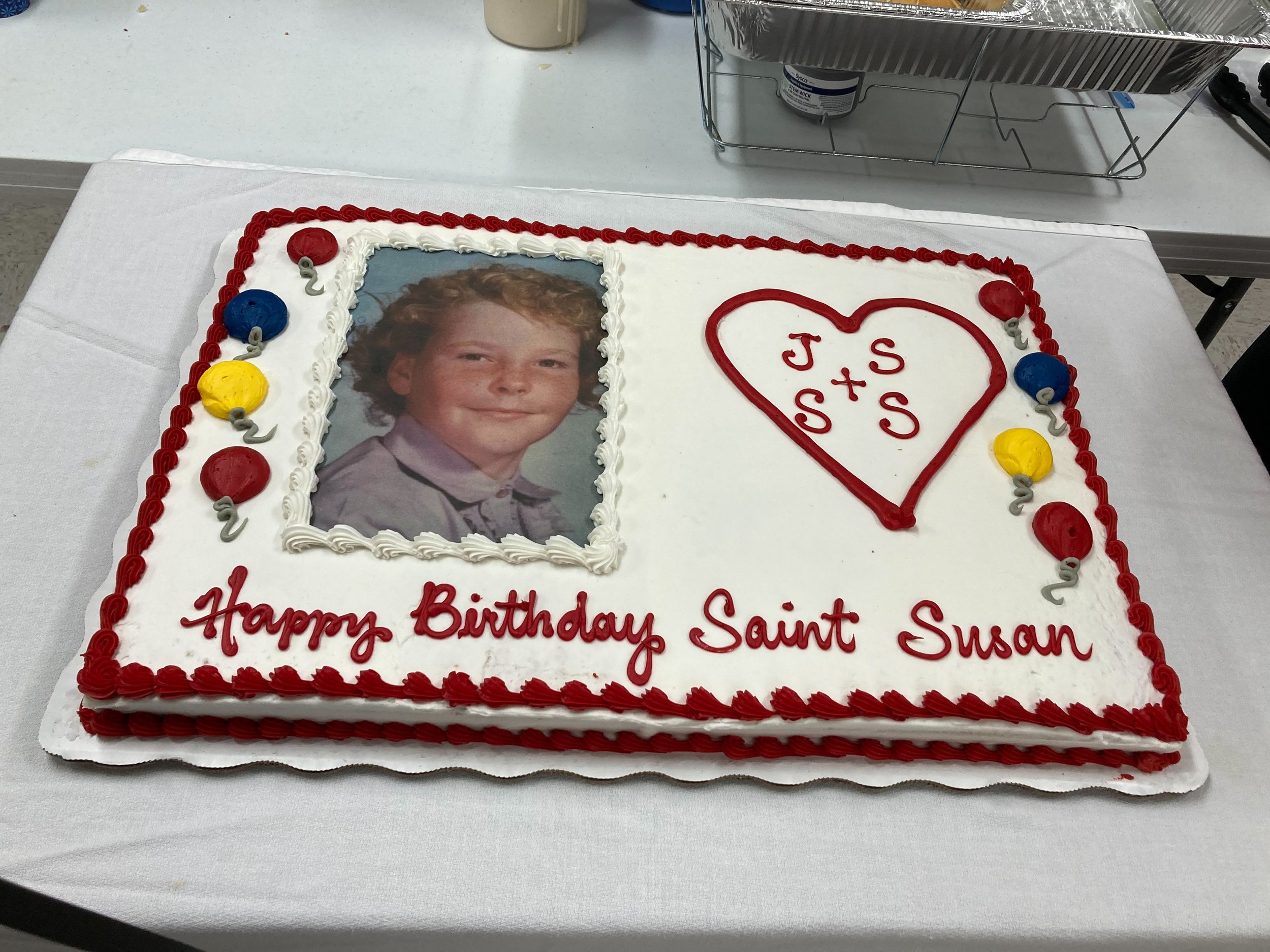
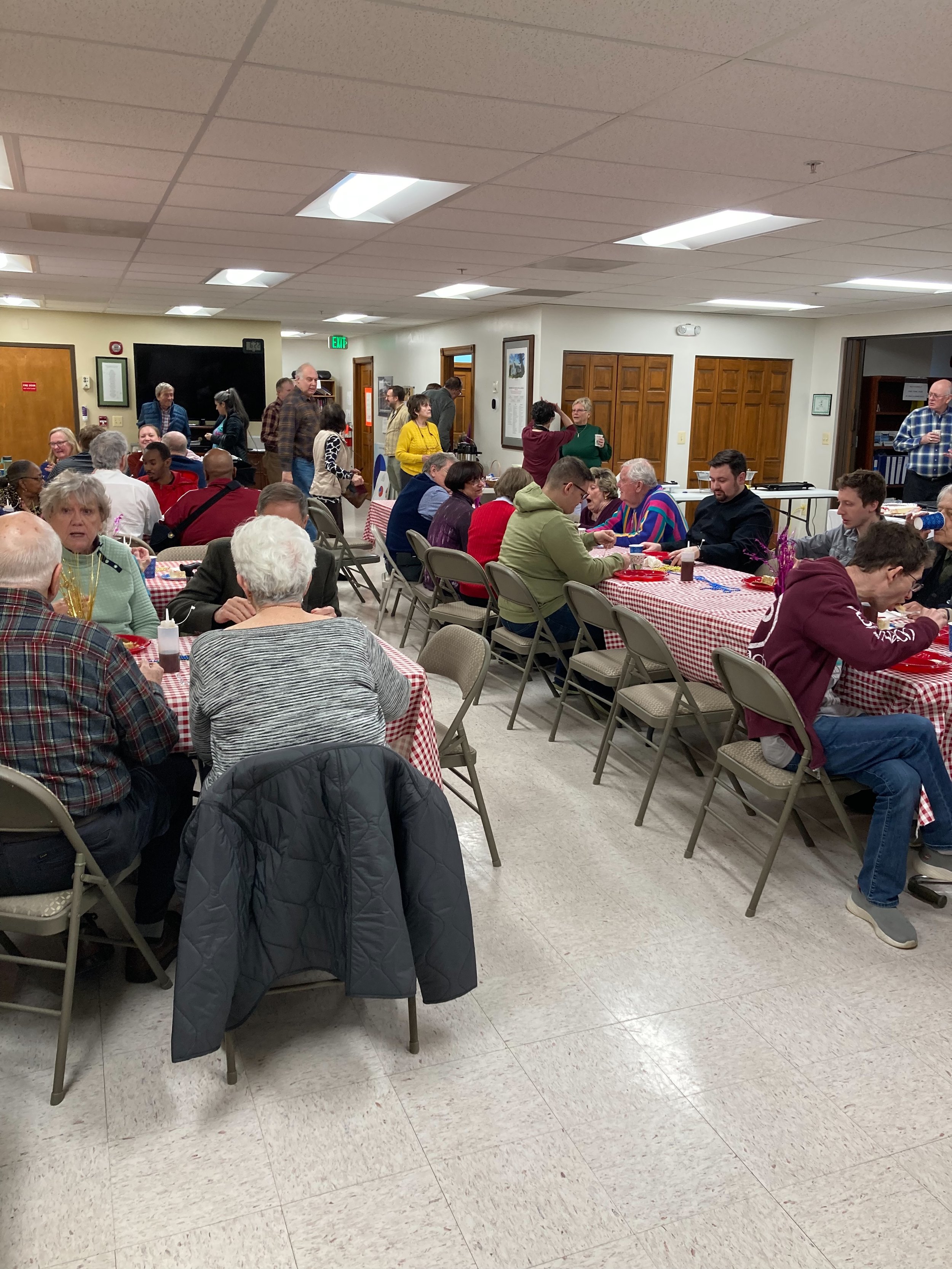
Shrove Tuesday was a great success! Thanks to Joan Smith, Cathy Gates, the Hospitality Committee, everyone who flipped pancakes, and all those who came!


Reflection: Recovering Pre-Lent

By Fr. Wesley Walker
This Sunday is the first of three “gesima” Sundays. These three weeks form a season called Shrovetide or Pre-Lent. "Gesima" means "days." Each week during Pre-Lent, we count down how many days until Easter: Septuagesima means 70 days until Easter, Sexagesima means 60, and Quinquagesima means 50. Shrovetide culminates in Shrove Tuesday when people customarily make their confession and enjoy a big Shrove Tuesday meal (see Cathy’s announcement above) as a preparation for the Lenten fast. Confession provides a clean conscience to free the person up to embrace spiritual discipline; the Shrove Tuesday feast provides a clean pantry so that we’re not tempted by the extra fat and sugar. During this season, there are three things we can reflect on to make the most of the time: self-examination and confession, fasting, and spiritual disciplines.
“Examine your lives and conversations by the rule of God’s commandments; and whereinsoever ye shall perceive yourselves to have offended, either by will, word, or deed, there to bewail your own sinfulness, and to confess yourselves to Almighty God, with full purpose of amendment of life” (BCP 87).
The first thing we can do to maximize Shrovetide is to engage in self-examination and confession. The Christian life has two movements, purgation and discipline. Purgation is the negative work we do in the removal of habits and sins that harm us; discipline is the positive action of embracing something good that forms and shapes us further into the image of Christ. As a result, Shrovetide is a prelude for Lent that focuses on the purgation aspect, making it a perfect season to engage in self-examination and confession. Self-examination can be done prayerfully in many ways. The 10 Commandments or the Seven Deadly Sins can provide helpful templates. Here is one from I use often and regularly give to people who inquire.
During the Exhortation, the Book of Common Prayer requires the priest to tell his congregation that anyone who struggles with sin to “come to me, or to some other Minister of God’s Word, and open his grief; that he may receive such godly counsel and advice, as may tend to the quieting of his conscience, and the removing of all scruple and doubtfulness.” The Sacrament of Penance is a wonderful privilege by which we are assured forgiveness of our sins. Anyone who wants to take advantage of this can always talk to me.
According to the BCP, the Forty-Days of Lent are days that require fasting (p. li). For most people, this means eating two small meals a day. Further, on Fridays in Lent, it is customary to practice abstinence which means abstaining from meat. During this Shrovetide, we are not obligated to fast or practice abstinence, but it is a good time to plan ahead. Maybe that means researching and planning meals or practicing fasting or abstinence now so that it’s a more seamless practice when Lent starts.
Fasting, however, is not a discipline to be performed on its own. While it is important to teach us how to master our passions, we also want to use the opportunities fasting provides us to embrace positive spiritual disciplines. During Lent, we embrace prayer, fasting, and almsgiving. These disciplines can begin to be practiced now. Sometimes it helps to figure out what spiritual disciplines work best for you by working with a spiritual director. You’re welcome to talk to any of the clergy at St. Paul’s about that!
Pre-Lent is a great opportunity for us to make the most out of the upcoming Lenten season. Self-examination and Confession, preparation for fasting, and practicing spiritual disciplines are great places to start! I pray your Shrovetide is a blessed one!


Winter Relief: Sunday, January 15
The Missions support for the Winter Relief homeless dinner at Riva Trace Baptist Church will be on Sunday, January 15, 2023. We will meet at 4:30pm, serve the clients at 5pm, and join them for dinner. We have not locked in the meal yet but will keep you posted. If you would like to join us, please contact Laura Smith at (443)370-4686.
Reflection: Bearing Burdens and St. Paul's Pantry
By Fr. Wesley Walker
“Bear ye one another’s burdens, and so fulfil the law of Christ.” -Galatians 6:2 (KJV)
One of the most compelling Scriptural depictions of the Church is somatic: we are the Body of Christ (Rom 12:4–8; 1 Cor 12:12–27; Eph 3:6; 4:15–16; 5:23; Col 1:18, 24). This genius metaphor allows for St. Paul to emphasize the vocation, gifts, and contributions of the individual member of the body while also maintaining a strong emphasis on unity. Your hand is not your foot, but they are both part of you. Further, the Body that is the Church finds its unity under the Lordship of Jesus Christ, its head.
You are a body and a soul. No one sees your soul, however. We only see the a person’s body. Bodies are sacramental then because they visibly express an invisible reality. Just as your body expresses who you are, so the Body of Christ expresses who he is. We are the hands and feet of Christ, showing him to the world and to other members of the Body.
Our organic unity as the Body means that the health of the individual member and the health of the collective are intricately tied together. "If one part suffers, all the parts suffer with it, and if one part is honored, all the parts are glad" (1 Cor 12:26). This entails solidarity between the members, as St. Paul instructs in Romans 12:15: “Rejoice with them that do rejoice, and weep with them that weep.”
For these reasons, I am excited about a new ministry we’re launching here at St. Paul’s that we’re calling St. Paul’s Pantry (see Lynn's announcement above). The goal is for us to be able to provide meals for members of our parish who may be ill, injured, or otherwise unable to cook meals. As many have learned from experience, being a caregiver can feel overwhelming and isolating. We hope and pray that this ministry will work to care for those in need and help us better come alongside those in tough situations. We want to bear each others burdens.
Here’s what this looks like practically. I was able to acquire a freezer that will go in the shed behind the church. We’re hoping to collect frozen meals that we can store there. When an emergency happens and a family may need meals, we will coordinate with them and make sure they’re provided for. If you feel led, you’re welcome to prepare a frozen meal and bring it by the church! And remember, this isn’t just a meal, it’s an opportunity to share God’s love with those in our parish community who are in need of prayer, support, and care.