NEWS

"I Will Offer the Eucharist for You" by Lee Stevens
In Sunday’s sermon, Fr. Wesley mentioned that he and Fr. David pray for each member of St. Paul’s at least once a week at the intentions of Holy Communion. The tract,“I will Offer the Eucharist for You,” explains what that means. It was originally written by Lee Stevens, a member of the Order of the Holy Cross. The text is as follows:
Recently, a very earnest and much puzzled young Church woman said to me, “Father, what is all this business of offering the Holy Eucharist ‘with special intention’ for persons and things? Can’t we offer at least our Eucharistic worship without spoiling it by begging God for something through it? We do plenty of begging in our private prayers, and it seems to me that’s the place for it. Please explain.”
Because there may be many others to whom this idea of offering the Eucharist with special intention is new or strange, let’s investigate the meaning of it.
The Holy Eucharist is like a great jewel having many facets, each sparkling and glowing with its own special wonder and brilliance. It is first of all an act of praise, adoration, worship…the most perfect we can offer to God because it is our Lord’s own act and He lets us share in it. It is, again, the supreme act of thanksgiving to Almighty God for Himself and for all His blessings bestowed upon us and all men. (The word “Eucharist” comes from the Greek and means thanksgiving.) And yet again, the Eucharist is our great God-given means of communion and union with Himself: we are fed with the Divine Life when we receive Christ’s precious Body and Blood in our Communions, and are made one with Him. But the wonderful glowing heart of the jewel lies here: It is the Great Sacrifice of our Lord offered on the Cross for the salvation of the whole world! A little deeper consideration of this sacrificial aspect of the Eucharist will bring out the answer to our friend’s question.
On the Cross of Calvary that first Good Friday Jesus offered Himself to God the Father to be the full, perfect, and sufficient Sacrifice, Oblation, and Satisfaction for the sins of the whole world. That Sacrifice was made once and for all on that Cross. As our Great High Priest in heaven, Jesus is continually offering, pleading that Sacrifice before the Father for us all. It is the work of His sacred Humanity now, there at the right hand of the Father.
On the night before He died, Jesus left us a wonderful way in which we can share in His offering of His Sacrifice to the Father, a way in which we can participate in His Great work of salvation. He gathered His Apostles together for a Last Supper. At that meal He instituted the Great Sacrament we call the Holy Eucharist. He said to them, “DO THIS.” They began immediately after Pentecost to “do this,” and the Church has continued to “do this” as its chief act of worship ever since. We “do this” at ever Eucharist we offer.
At each Celebration we offer again to the Father the Sacrifice Christ offered on the Cross. What Jesus did at Calvary we re-present to God the Father. We offer again and again the Great Victim, His Body broken and Blood outpoured for the world…though no longer as a bloody sacrifice. (Jesus is not destroyed again in the Eucharist.) It is now a sacrificial memorial of the precious body and Blood offered to the Father…that Sacrifice so freely given on Calvary by the saving Christ. Jesus is continually offering It to His Father in Heaven. In the Eucharist we on earth have our share in what is going on in Heaven.
Jesus offered and continues to offer His Sacrifice of Himself for one purpose: the salvation of the whole world, and of every individual human soul. The merits He won for mankind on Calvary are limitless. He has won for us far more grace than will ever be needed for the salvation of every soul who has ever lived or ever shall live. All grace flows from His Cross. We, in our turn, offer His Great Sacrifice in every Eucharist for the salvation of the whole world and of every individual human soul. And it is our wonderful privilege to offer It with special intention for any particular soul whose special need is known to us. In doing so, we are asking that the merits won by Christ on Calvary, as they are to be bestowed through this particular Eucharist, may be applied to that soul; that the special graces needed by that soul may be supplied to it by our Lord. For example, we offer the Great Sacrifice with special intention for Aunt Sarah for comfort in her bereavement; for William in critical illness; for conversion for Everett; for Charles who is being ordained Priest today; etc. We may offer It also for special things, events, activities, etc., as when we offer the Eucharist for God’s blessing upon the life and work of the Order of the Holy Cross; for the peace of the world; for the Missions of the Church. We may offer It for the repose of the souls of the faithful departed; ordinarily this is done through a Requiem, although one may offer any Eucharist with this intention.
It is not clear from the foregoing, then, that the greatest possible act of love you can perform for any person is to offer the Great Sacrifice of the Eucharist with special intention for that person in his need? You are pleading Christ’s perfect Sacrifice in his behalf…the one perfect thing you can do on earth! Not until the last day will it be known to you how great the blessings you called down upon him…blessing he otherwise would not have had.
Now…a few practical helps. Set the intention with which you plan to offer the Eucharist on the night before as part of your regular preparation. Have one intention or as many as you wish. (My Bishop says the more the better!) Here is a simply prayer for directing your intention:
“O God, who makest the unworthy worthy, the unclean clean, and sinners to be holy, cleanse my heart and soul from all stain of sin, that I may worthily assist at Thy holy Altar; and grant that the Sacrifice to be here offered may be acceptable to Thee. I intend to offer It in union with Thy One, Holy, Catholic, Apostolic Church:
As an Act of Adoration;
As a thanksgiving for all Thy mercies
As a sin-offering for all my sins and offenses;
As an Act of Supplication
for the salvation of all men,
for Thy whole Church,
for my family and friends,
for the faithful departed,
for all sick and suffering,
for the dying,
and especially for (here list your special intentions),
and for myself, that I may grow in vritue and obtain the rewards of Thy Kingdom. Amen.”
Make it a point to be in Church at least five minutes before the Service begins. Kneel down and say:
In the Name of the Father and of the Son and of the Holy Ghost. Amen.
You regular prayers and Immediate preparation for this Eucharist.
Repeat the above prayer for directing your intention.
There are various ways of recalling your special intention during the Service. Do it any way most comfortable for you. You can renew it consciously at the Offertory. You can take it with you as you go up to the Altar Rail to receive (or have it in mind as you make your Spiritual Communion in your pew, if you are not receiving sacramentally at this Eucharist).
After the Celebration is over, as you linger to make your thanksgiving, make it a point to thank God for the wonderful blessings He has bestowed, unknown to you, upon those for whom you have just offered the Sacrifice.
Reflection: The Three Dimensions of Forgiveness and the Problem of Self-Forgiveness

During the events leading up to Jesus’ crucifixion, the Gospels give us two characters who fall but take radically different courses of action in response. The first is Judas who, in light of his betrayal of Jesus, spirals into self-destruction, unable to turn to God or the other Apostles for forgiveness. The second character presented by the Gospels is St. Peter who denies Jesus thrice after he was arrested. John 21:1-19 details the intimate scene in which Jesus restores Peter by asking three times, “lovest thou me more than these?” One of these characters was able to receive forgiveness from God; the other was not. St. Peter was restored to become one of the greatest preachers in history while Judas died in a nihilistic act of suicide.
Forgiveness is the event and or process of releasing someone from a debt, resentment, or grudge. Forgiveness can be, and often is, a struggle. It has three dimensions: the vertical, the horizontal, and reflexive.
The vertical dimension of forgiveness pertains to our relationship with God. Divine forgiveness is unidirectional: God forgives us when we sin. We cannot forgive God because he can’t sin. We see this one-direction of forgiveness at the very beginning when God kills an animal and covers Adam and Eve after their sin. This primeval sacrifice foreshadows not only the intricate Old Testament sacrificial system, but also the ultimate sacrifice of Christ on the Cross which pays the debt of sin we couldn’t pay. Jesus offered his perfect life and death to God the Father, earning infinite rewards, what the Book of Common Prayer, calls merits. But since Jesus is God, he has no need for these rewards and so he passes them on to those who are in Christ. We receive those merits through our baptismal reality. We believe in “one baptism for the remission of sins.” Baptism immerses us into the Christ story that brings about forgiveness for our sins. Without forgiveness, we could only experience God’s justice which, in our state of sin, would only ever bring death. Forgiveness from God is the foundation for all other kinds of forgiveness. Only God can begin the cycle of forgiveness, restoration, and healing.
The horizontal dimension of forgiveness involves at least two human parties, either individual or corporate. First, there is the party that is wronged, in perception or by action. And of course, one of the first tasks is to determine the nature of the wrong: did it actually happen or was it imagined; was it done on purpose or by accident? Then there is the guilty party, the person or group of people who committed the wrong. Forgiveness, in this context, means releasing the other person from a debt or grudge, whether they ask for it or not. For this reason, horizontal forgiveness is not the same thing as reconciliation. When one party sins against another, it drives the two apart. Forgiveness does not necessarily repair the gap between the two parties in an actual sense; reconciliation is a further process initiated by forgiveness in which both parties attempt to bridge the gap caused by the initial sin so that a relationship is restored.
The vertical and horizontal aspects of forgiveness are connected. Horizontal forgiveness is commanded of Christians because they have been forgiven in the vertical dimension. This is what St. Paul gets at in Ephesians 4:32, “Be ye kind one to another, tenderhearted, forgiving one another, even as God for Christ’s sake hath forgiven you.” The Lord’s Prayer makes it clear that the status of our vertical forgiveness can be affected by our capacity for horizontal forgiveness: “And forgive us our trespasses as we forgive those who trespass against us.”
The third and final dimension of forgiveness is reflexive. When we sin, it’s possible that we judge ourselves more harshly than others do. Indeed, we may even judge ourselves harsher than God does. Because sin is finite and there are some sins worse than others, it’s possible that we deem what we did as worse than what it was. For all the damage and horror that sin can bring on others, it’s always worse to commit a wrong than to be wronged because sin warps us. Whatever violence we unleash on others, it’s always a more severe violence done to ourselves. In his autobiography, Frederick Douglass requires the inhumanity of various slave masters. The most tragic example was the wife of his master when he lived in Baltimore. Initially, she was kind of Frederick because she had never participated in the demonic slave trade before. She even taught him to read. But when her husband chastised her for treating Douglass humanely, she began acting cruelly towards Douglass so dramatically that he describes the change in her disposition from that of an angel to that of a demon. Forgiving ourselves isn’t so much about releasing our selves from a debt as being convinced of what has been said in the vertical and horizontal dimensions. Self-forgiveness is integrating ourselves around what God has already made true about ourselves.
Much of the modern literature about self-forgiveness is dangerous because the modern world doesn’t see or recognize the vertical component of forgiveness, which inevitably warps the horizontal and reflexive dimensions. One major problem with self-forgiveness is an authority issue: if I have wronged God and others, who am I to forgive myself, especially if I have not been forgiven by those I’ve wronged? A second problem with rhetoric around self-forgiveness is laxity. This occurs when we let ourselves off too easily. “Oh, it wasn’t that bad,” we may tell ourselves. This problem is related to an additional one which is scrupulosity, the vice of being too hard on ourselves. Ultimately, this isn’t just a sin against ourselves, but against God, because we are effectively saying his justice is insufficient. If we lack authority to forgive ourselves and are constantly risking laxity or scrupulosity, then we need a voice outside of ourselves to assure us that we are forgiven. This voice is the Word of God: “Father, forgive them, for they do not know what they are doing.”
In coming newsletter reflections, we are going to talk about our identity in Christ, the importance of confession, and the application of self-forgiveness.
Reflection Questions
Reflect on St. Matthew 27:1-10. How are each of the three dimensions of forgiveness neglected in this passage?
Think about a time you were forgiven. How did you feel? What were the results?
Think about a time you have forgiven someone else. How did you feel? What were the results?
Create a list of people you feel God is calling you to forgive. Remember, Jesus Christ has died on the cross for each person on your list. Commit to praying for the people on your list on a regular basis and, if you find yourself unable to forgive them, remember that Jesus has forgiven them.

Reflection: The Anglican Joint Synods 2023
In 2017, the Anglican Province of America, Anglican Church in America, and the Anglican Catholic Church signed an Intercommunion Concordat. This intercommunion agreement means that each of the participating churches recognize each other as valid, share clergy, and cooperate together towards the common end of “full, institutional, and organic union with each other, in a manner that respects tender consciences, builds consensus and harmony, and fulfills increasingly our Lord’s will that His Church be united” and “to seek unity with other Christians, including those who understand themselves to be Anglican, insofar as such unity is consistent with the essentials of Catholic faith, order, and moral teaching.” As a result of the Concordat, the three churches now gather together every three years for what is called a Joint Synod. At the Synod, we conducted the business of our own individual dioceses and provinces while also doing activities together—Morning and Evening Prayer, Mass, and various talks by bishops and clergy from across the Continuing Anglican Movement.
From a business perspective, synod went well with no major business conducted. We finalized the diocesan budget and heard many reports about parishes that are growing and flourishing. The Domestic Missions Board has done great work through the yearly Lenten Appeal to revitalize dormant parishes by bringing in new priests who can serve full time. The Board announced an additional focus on church planting to supplement this revitalization work moving forward. The diocese is growing and, with continued work, it will continue!
In his “State of the Church” Synod address, our Bishop, Chandler Holder Jones, cast a vision of what the APA can and should be. He emphasized that we are a missional church that needs to be about doing the work of spreading the Gospel. Assuming current trends continue, the Church in America will continue to lose people. No longer is it assumed that folks will attend a parish. In this inhospitable landscape, only healthy churches will survive. What does it mean to be a healthy church? Not programs, not political activism, not a country club aesthetic; a healthy church is one that is faithful to Scripture and Tradition and that makes disciples. Our current cultural moment, while apparently bleak, is an opportunity. The harvest is ripe!
In response to this challenge and opportunity, the Bishop laid out principles for action.
1) Our communion with our Lord and Savior Jesus Christ must be personal and real. Do we have a personal relationship with him?
2) Personal holiness is the greatest attractant for evangelization.
3) We need Bible-centered and Bible-saturated religion that understands Scripture as a way we encounter God.
4) We need Sacramental participation in all seven Sacraments—Baptism, Confirmation, Reconciliation, Unction, Holy Matrimony, Ordination, and Unction. These should be celebrated regularly and with all reverence and beauty.
5) Parishes must be active in Christian formation.
6) We have to be obedient to the Tradition of the Church and avoid private judgment, submitting ourselves to the Scriptures and the Primitive Church.
7) We need faithful discipleship that pushes us to deepening holiness that manifests itself in good works.
8) In addition to discipleship, we need to be evangelists. All Christians are called to preach Christ crucified.
9) We must maintain an unswerving commitment to the Anglican tradition as we have received it through the Affirmation of St. Louis.
These are wonderful exhortations from our shepherd and Bishop. The encouraging thing is that many of these points are already in practice at St. Paul’s. However, I would ask you to reflect on these points and pray that God would enable our parish to continue to be about our mission, and that wherever we are falling short, that God would give us the grace to grow!

Reflection: What We Talk About When We Talk About Holiness
Recently, I was visiting a parishioner in the hospital and he made a great point: sometimes, those of us who have been raised in the Church use certain words and we take them for granted without pausing to consider what they truly mean. Words like Glory, fellowship, and salvation are so pervasively used that we often lose sight of their meaning. I was reminded of this phenomenon this week at St. John’s College where we recently launched a book discussion group with some of our St. Paul’s students. We were discussing C.S. Lewis’ masterful book The Great Divorce and, in the course of the conversation, I threw out the term “grace.” Someone asked me to define that term and I balked, realizing that it denotes a much more complex idea than I was prepared to explain in the moment.
A common term we use a lot, and the one I want to focus on today, is holiness. We talk about God as holy and our desire to acquire holiness. But what does it mean to be holy?
Kadesh. Hagios. These are the Hebrew and Greek words most commonly used in the Bible for “holy.” In Latin, the term is sanctus from which we get our word sanctuary, a holy place set apart for the worship of God. Holiness refers to set apartness. When it comes to morality, this carries a sense of purity but it refers to more than that. Usually, when people are set apart, they are set apart for something.
After passing through the Red Sea, Moses and Israel sing, “Who is like unto thee, O Lord, among the gods? Who is like thee, glorious in holiness, fearful in praises, doing wonders?” In I Samuel 2:2, Hannah, the mother of Samuel, echoes her forefathers’ sentiments by praying, “There is none holy as the Lord: For there is none beside thee: Neither is there any rock like our God.” It’s God’s holiness that causes him to be worshipped in heaven in Isaiah 6:3: “Holy, holy, holy is the Lord of hosts: The whole earth is full of his glory.” God is holy because no one else is like him. As our Creator, God is completely and utterly distinct from his creation. While us creatures can be good or bad, God is perfect; while we waiver between virtue and vice, he is constant. It’s not that God acts a certain way and proves that he’s holy; the opposite is true: God is holy and so his actions are holy.
In the Old Testament, one of the implications of God’s holiness is that the people of Israel, his Chosen People, were called to be holy. Because God is holy and Israel was to represent God to the world, they were called to be holy too. In Leviticus 19:2, God instructs Israel, “Ye shall be holy: for I the Lord your God am holy.” Israel’s holiness was always derivative of God’s holiness; they could become holy by participating in God’s life. How were they to do this? The answer is the Law of Moses which teaches us how to live in ways that are pleasing to God. Israel’s Law set them apart from their neighbors. They had to eat differently, live differently, and worship differently than the nations around them.
The New Testament calls the Church to an analogous holiness. In fact, the kind of holiness Christians are called to is more radical because it’s from the inside out. One of the problems with law in general is that it is behavior management. One can abide by the letter of the law and still miss the real purpose. The Christian law is interior. It’s not enough to not commit adultery because you shouldn’t even lust. It’s not enough to not murder because you shouldn’t even get angry at someone in your thought. This is a totalizing holiness that cuts to the heart of the person. That’s why St. Paul summarizes Christian ethics with a singular word: love. “He that loveth another hath fulfilled the law” (Rom 13:8). In a world characterized by violence and hatred, the love God shows us, and that we can then extend to others, sets us apart.
But what is holiness for? The answer has two parts that connect like a graph with vertical and horizontal axes. The first and primary reason for our holiness is the vertical dimension. It’s through holiness we worship God. “Present your bodies a living sacrifice, holy, acceptable unto God, which is your reasonable service” (Rom 12:1). In the Old Testament, an animal might be sacrificed to God as a picture of the coming redemption through Jesus Christ. Now that redemption is here, we respond not by killing an animal but by living into the fact that we have been set apart by God. We understand that we were bought at a great price (I Cor 6:20) and so we offer God ourselves in an attempt at reciprocity. As we pray during the Holy Communion liturgy, “although we are unworthy, through our manifold sins, to offer unto thee any sacrifice; yet we beseech thee to accept this our bounden duty and service” (BCP 81). For Christians, being holy means offering God every part of who we are, not holding anything back, but giving him our whole selves.
The horizontal axis of holiness is also indispensable. “Thou shalt love the Lord thy God with all thy heart, and with all thy soul, and with all thy mind. This is the first and great commandment. And the second is like unto it; Thou shalt love thy neighbour as thyself.” Humans are created in God’s image; if we don’t love others, we can’t love God and vice-versa. Holiness is not an opportunity to look down on others, like in the instance of the Pharisee who uses his perceived holiness to look down on the poor publican. Rather, our holiness should cause us to reach out towards others, to love them better, as a way of evangelism. This was the case for Israel in the Old Testament. Psalm 67 draws out the universal intention of God. He chose Israel so “That thy way may be known upon earth, Thy saving health among all nations. Let the people praise thee, O God; Let all the people praise thee” (vv. 2–3). One of my favorite novels is The Samurai by Shusaku Endo. Without giving too much away, one of the characters performs an act that he knows will bring him martyrdom in Japan. When a puzzled government official interrogates this character as to why he would do something that he knows would bring him death, he responds by saying “Your question itself is the answer. You have said that what I did was ridiculous. I understand that. But why did I knowingly perform such a ridiculous act? Why did I deliberately do something that seems so lunatic? Why did I come to Japan knowing I would die? Think about that that sometime. If I can die and leave you and Japan to deal with that question, my life in this world will have had meaning.” This character makes a peculiar decision for the purpose of Japan’s salvation. The question of Israel’s holiness, and now, the Church’s holiness should be a “splinter in the mind” that causes people to wonder why we act the way we do. That wonder should give way to awe as they grasp the transformative mystery of God’s love and power.
If it’s true that holiness has a two-pronged goal of worship God and bringing the nations to him, the remaining question is how do we become holy. In one sense, at Baptism, you are made holy because Baptism seals us with the Holy Spirit and marks us as Christ’s own forever. Still, holiness is an area in which we can grow as we participate in God’s life. This begins with the grace he gives us at Holy Communion: just like he fed the people of Israel with manna from heaven as they wandered toward the Promise Land so he feeds us with himself as we approach our heavenly destiny. But this is the beginning, not the end. The story that’s played out every Mass should be transposed into our own lives. This happens when we recognize not only who we are but whose we are.

Old Time Bible Hour: Tuesday, August 29, 2023 - St. Gregory of Nyssa on the Life of Moses

The Old Time Bible Hour is a once-a-month session where we look at how Christian who have gone before us read the Scriptures.
Here at St. Paul’s, our Old Testament readings on Sunday are about to take us through the life of Moses. Prepare by attending the Old Time Bible Hour as we read and discuss St. Gregory of Nyssa’s brilliant treatment of the Moses story from The Life of Moses.
Gregory of Nyssa, a prominent figure in the fourth-century Christian church, was born in Cappadocia, Asia Minor, around 335 AD. Renowned for his deep theological insights and philosophical prowess, he played a pivotal role in shaping the doctrine of the Trinity and Christian mysticism. As a theologian and bishop, Gregory authored numerous influential works, delving into topics ranging from the nature of God to the soul's journey toward union with the divine. Without him, we may not have the Nicene Creed. His legacy endures as a beacon of intellectual rigor, spiritual exploration, and devotion to Christ's teachings.
Our discussion will take place on Tuesday, August 29. Evening Prayer will be prayed at 6:30p in the Chapel followed by the discussion at 7p.

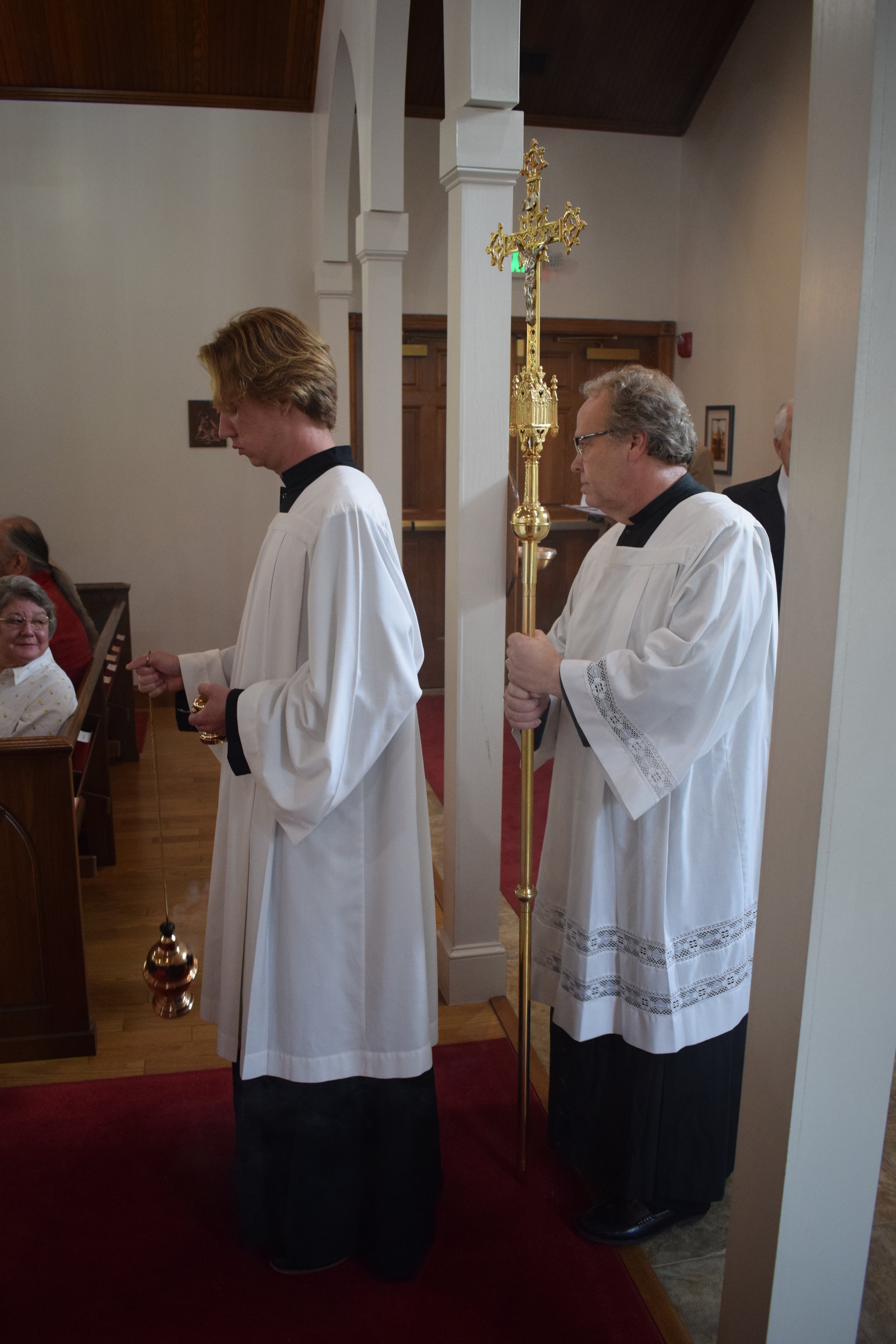
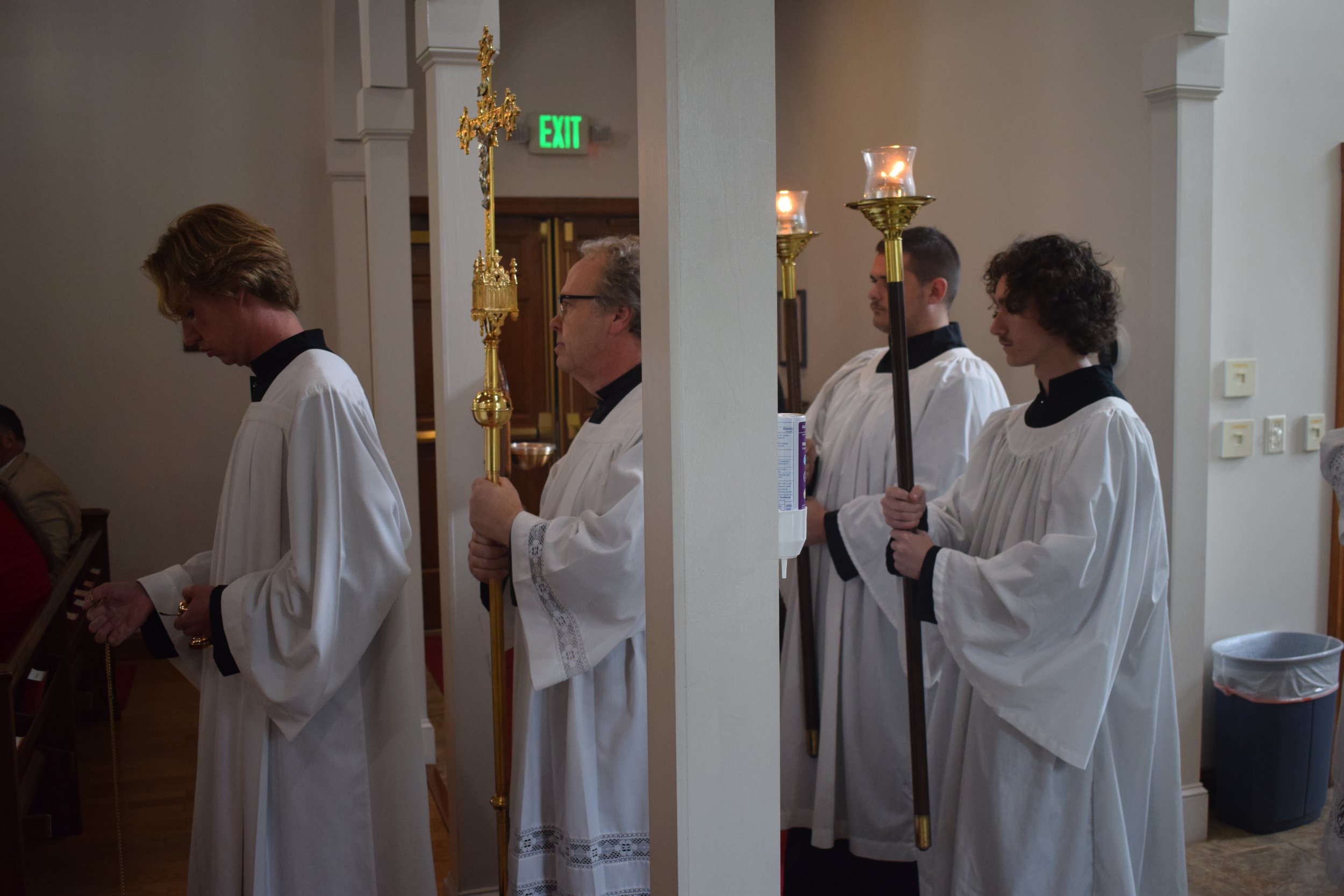
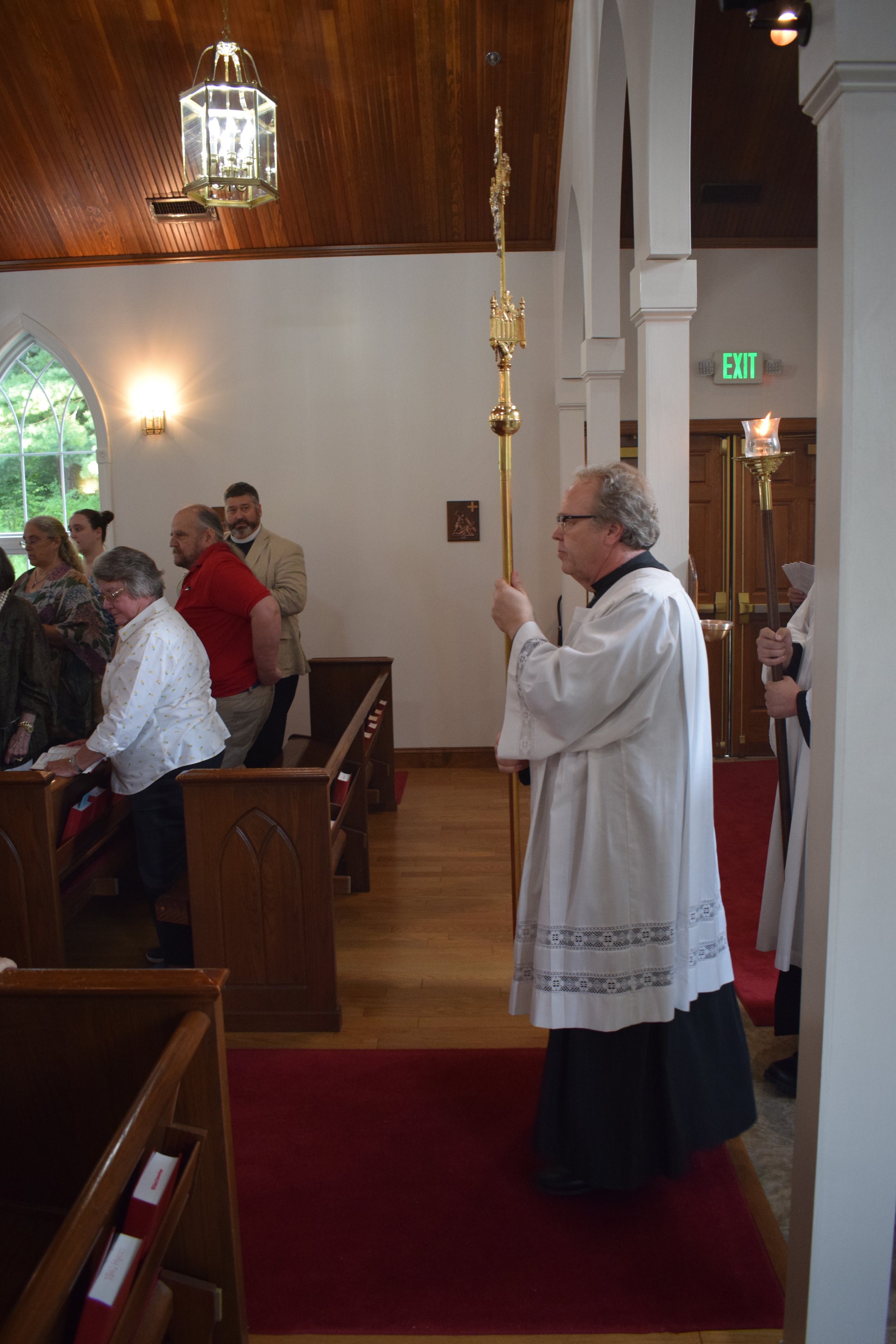
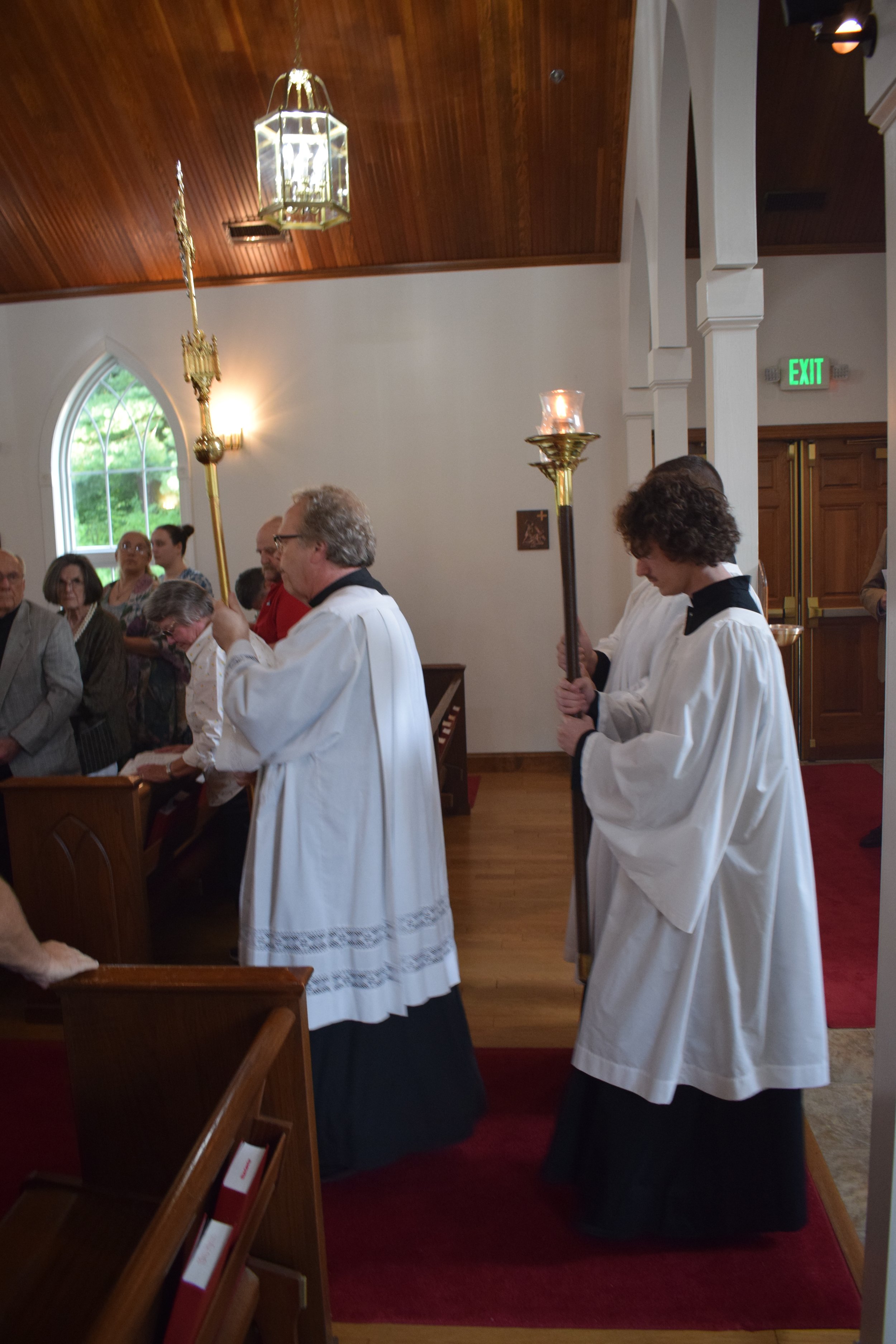
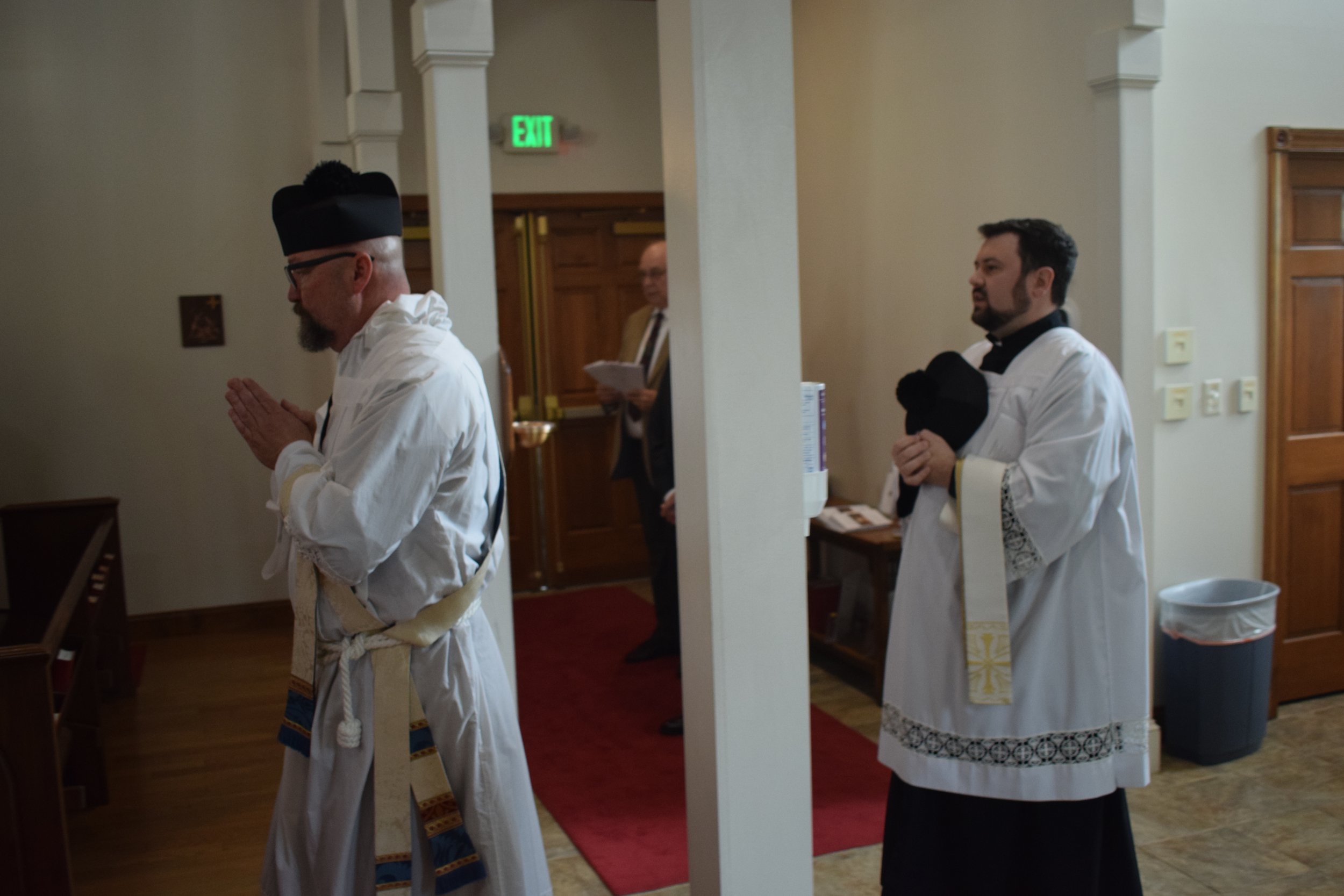
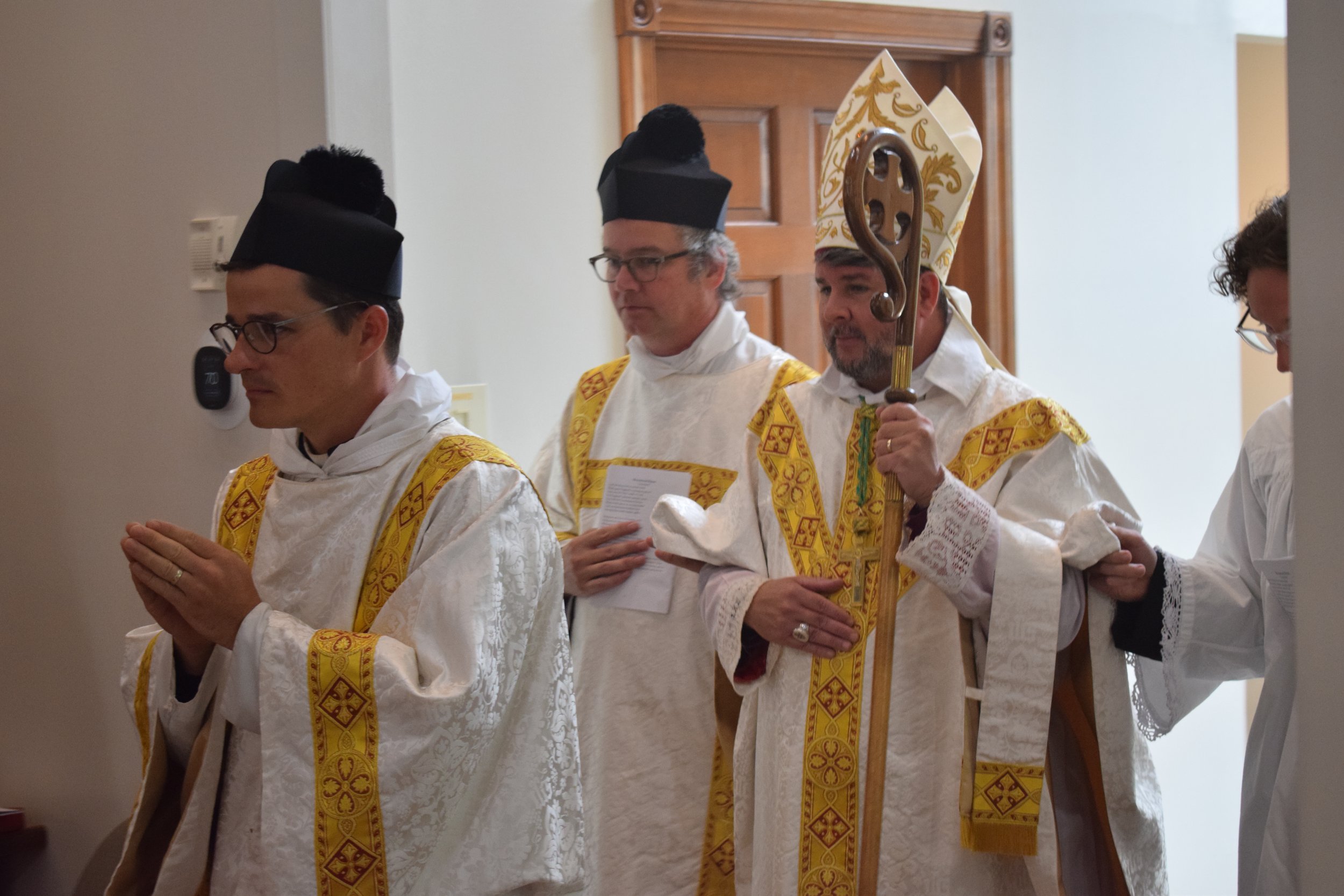
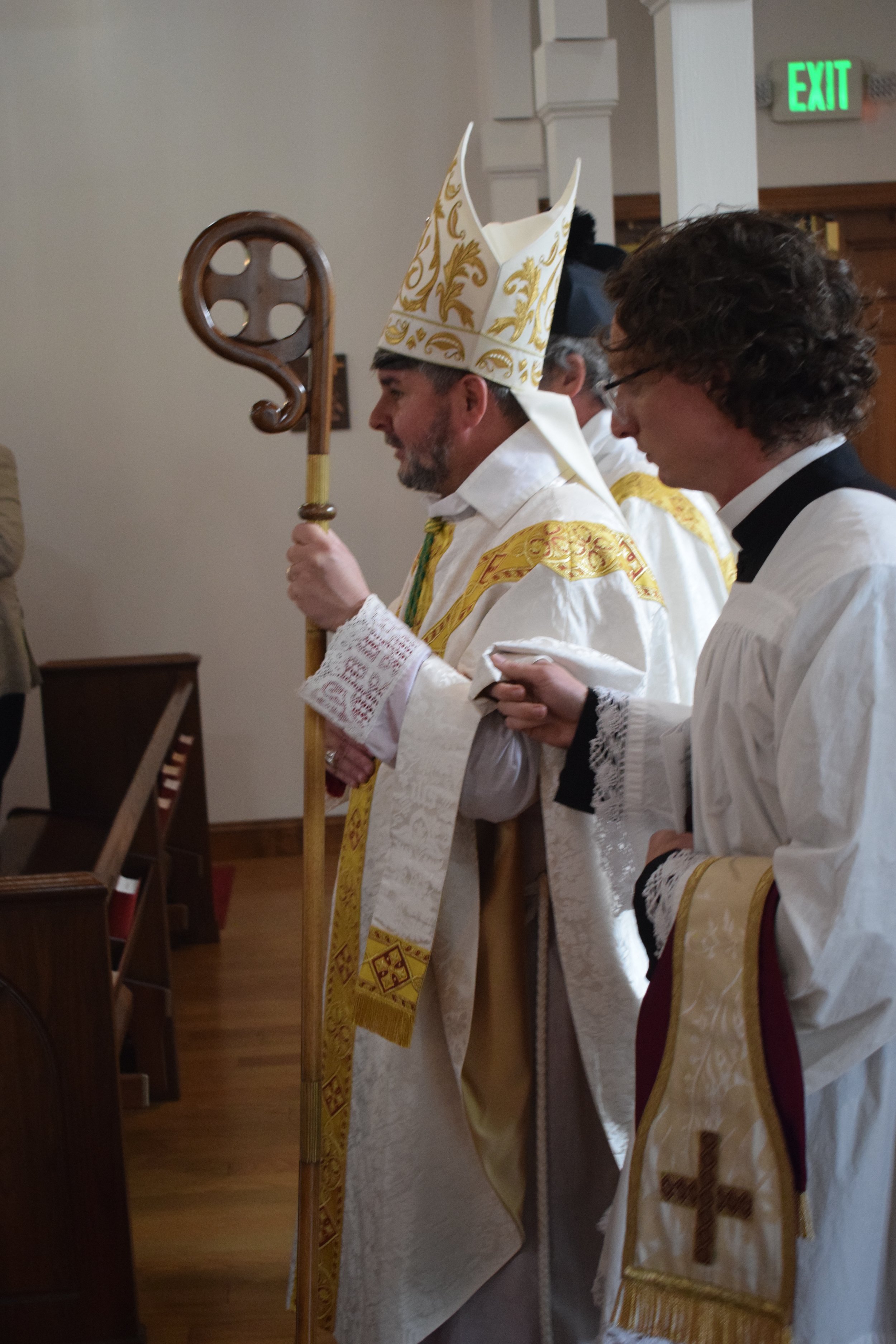
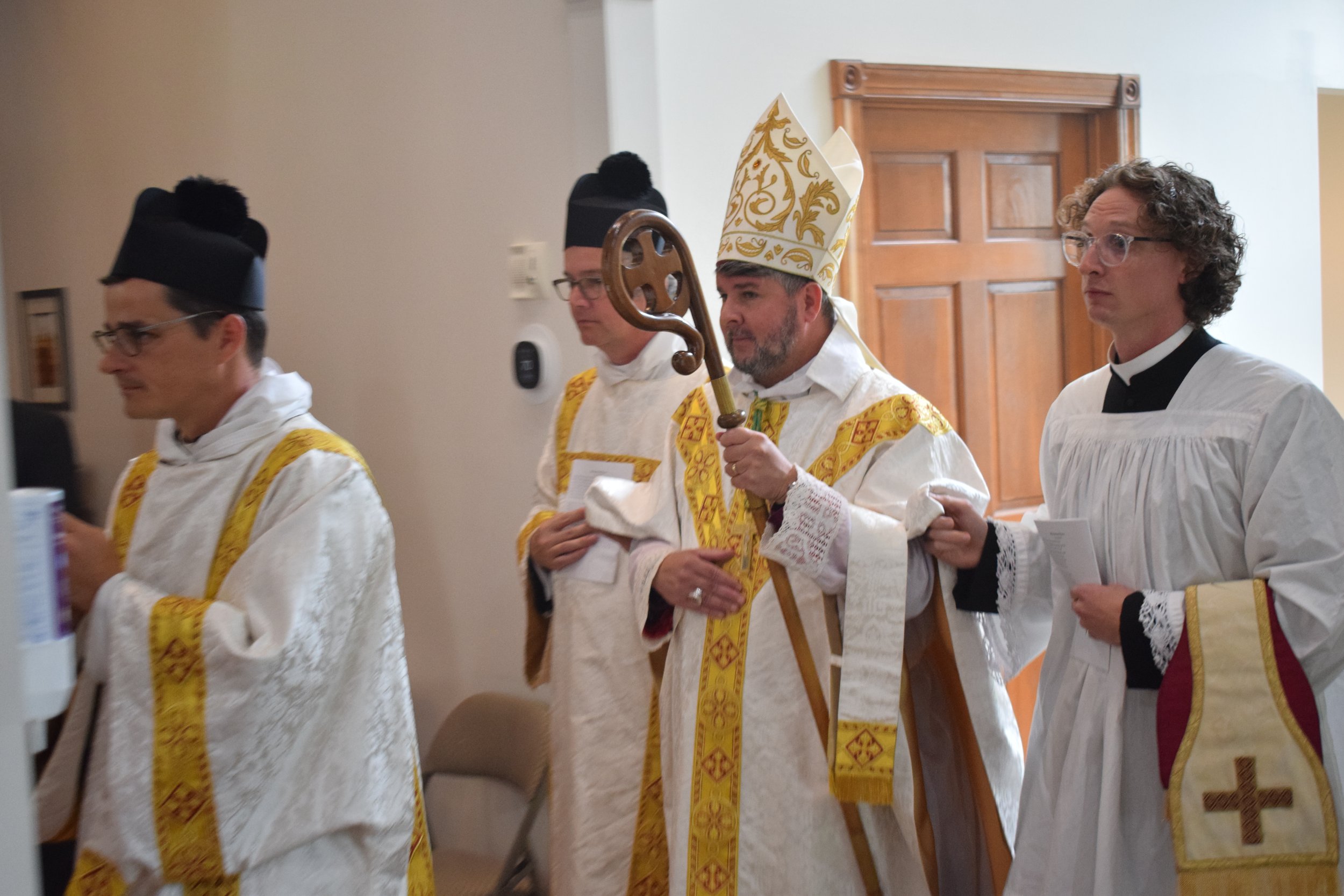
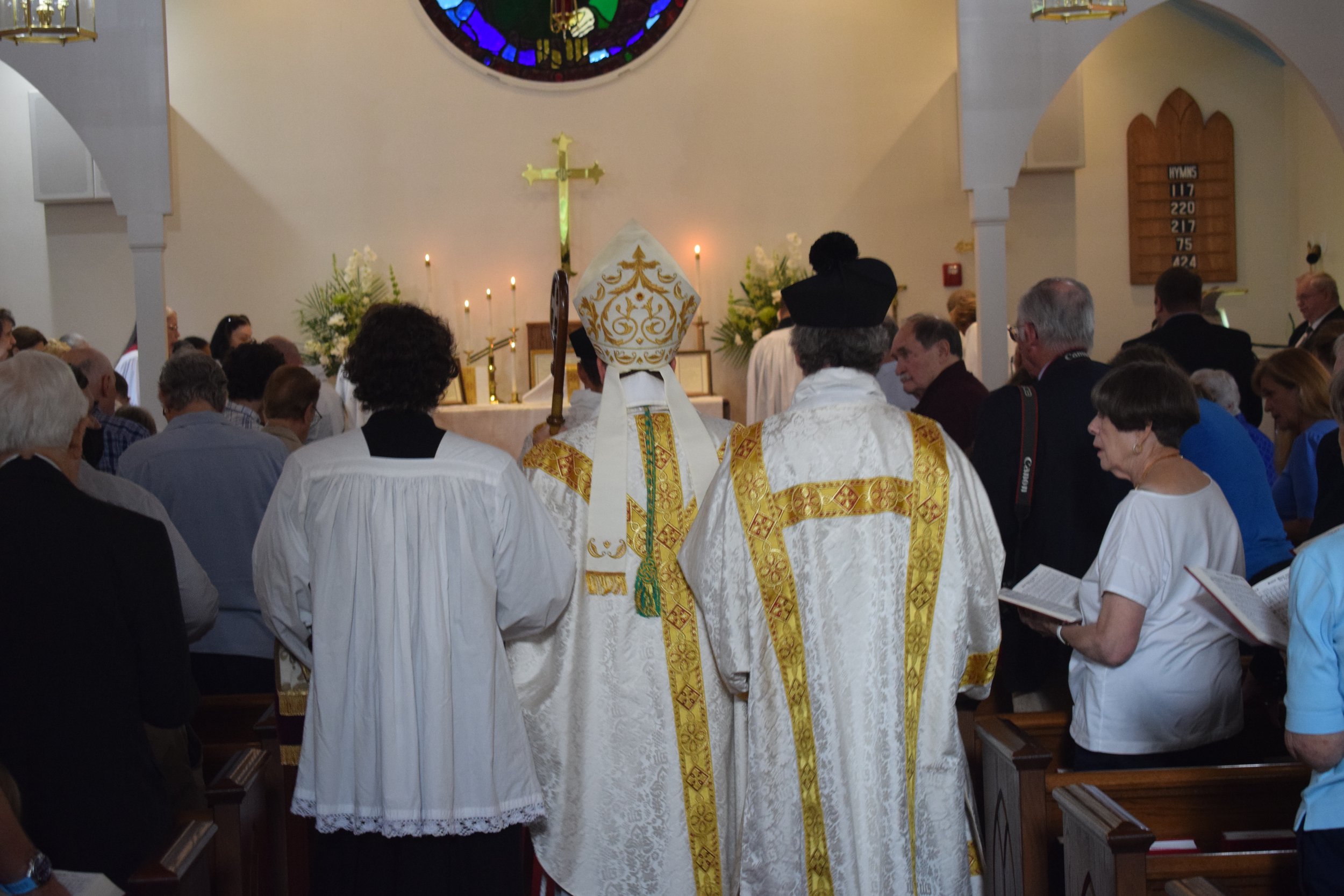
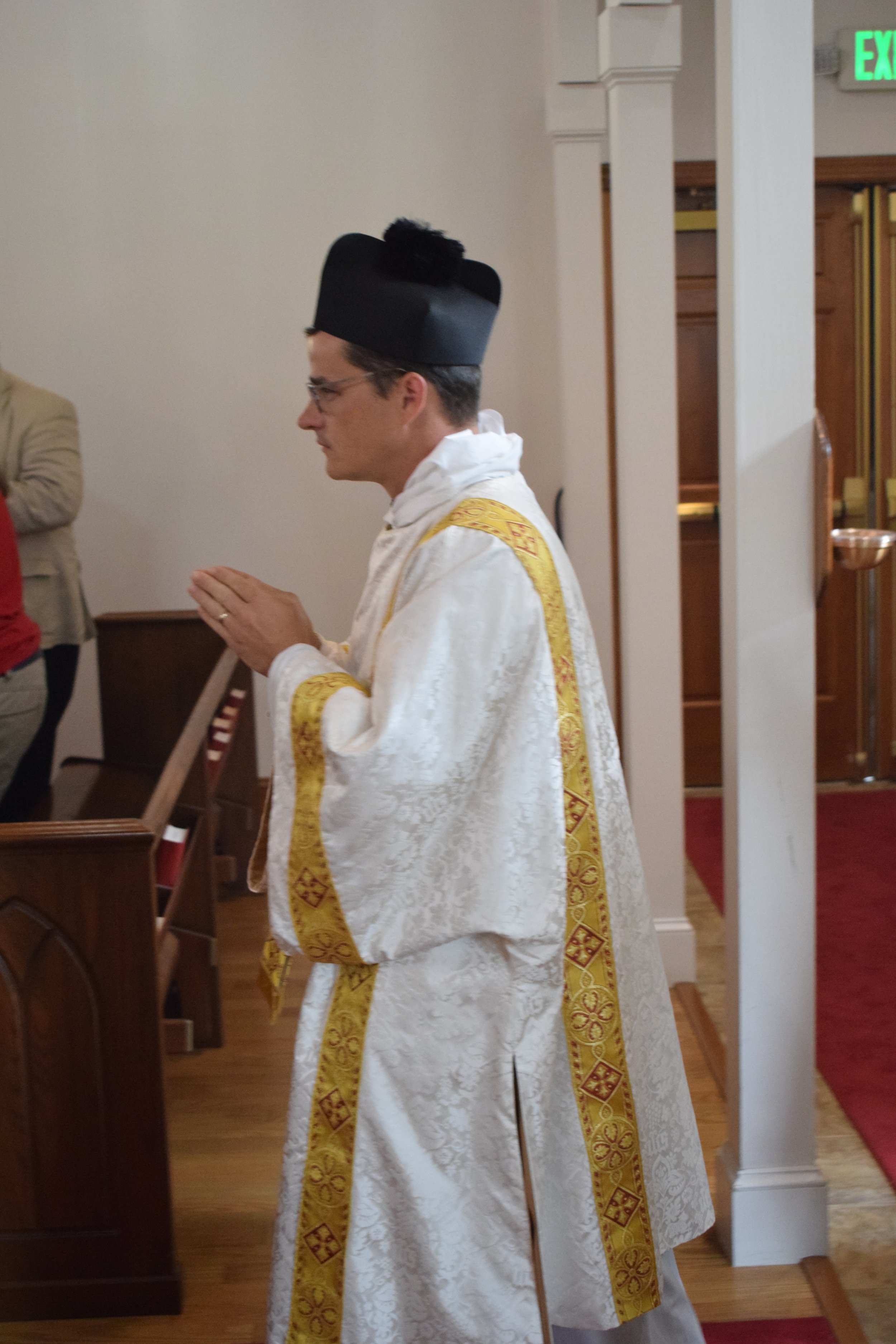
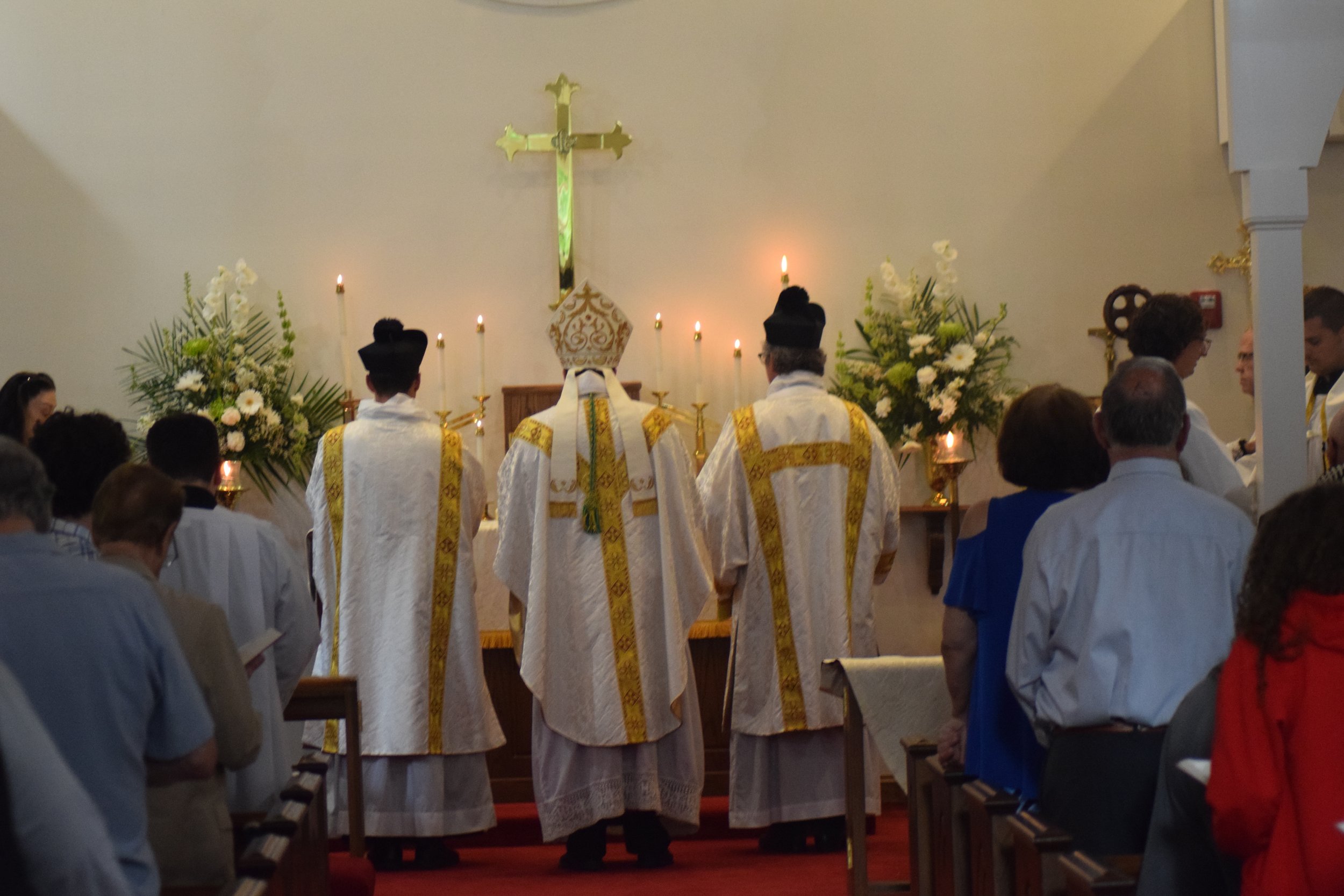
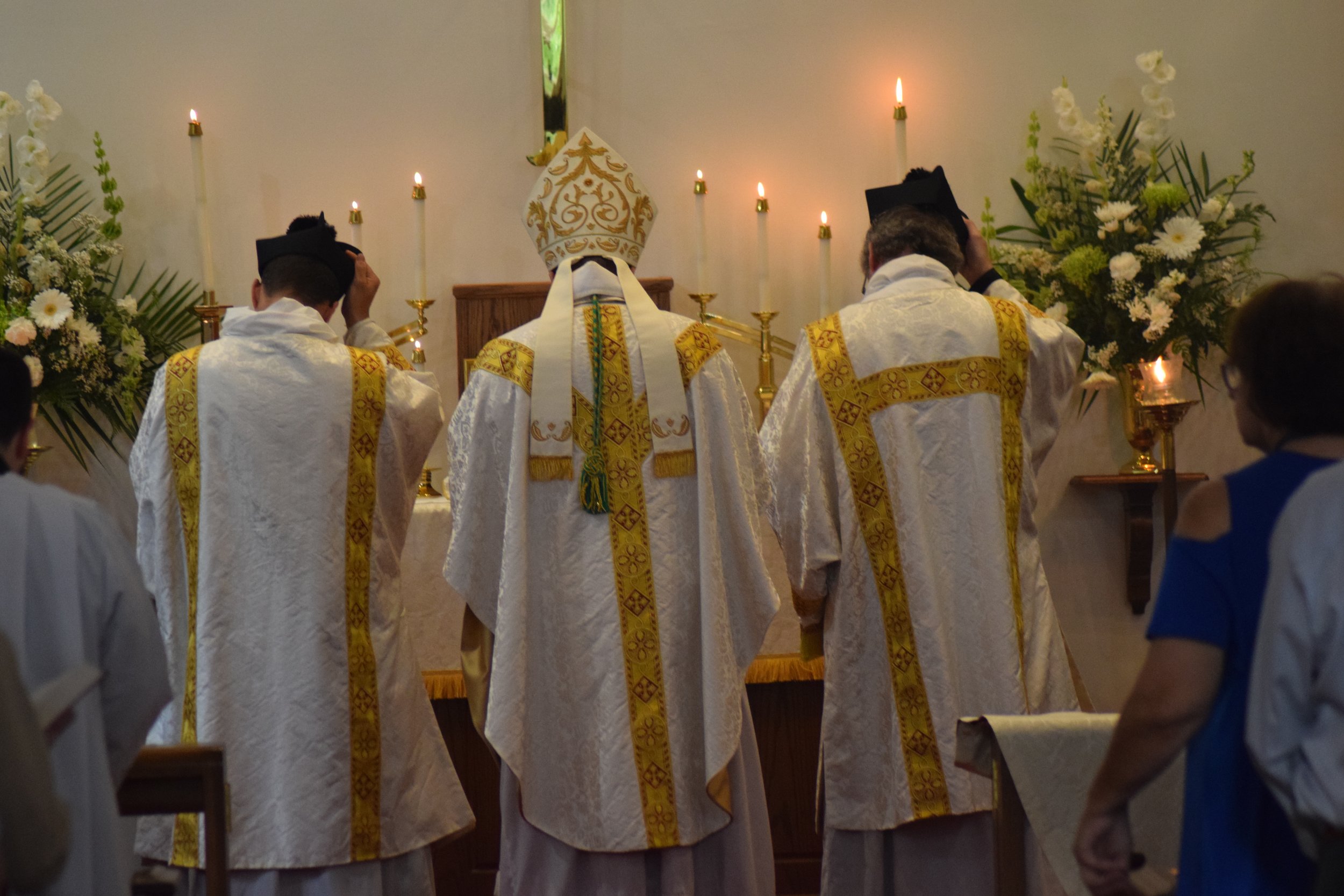
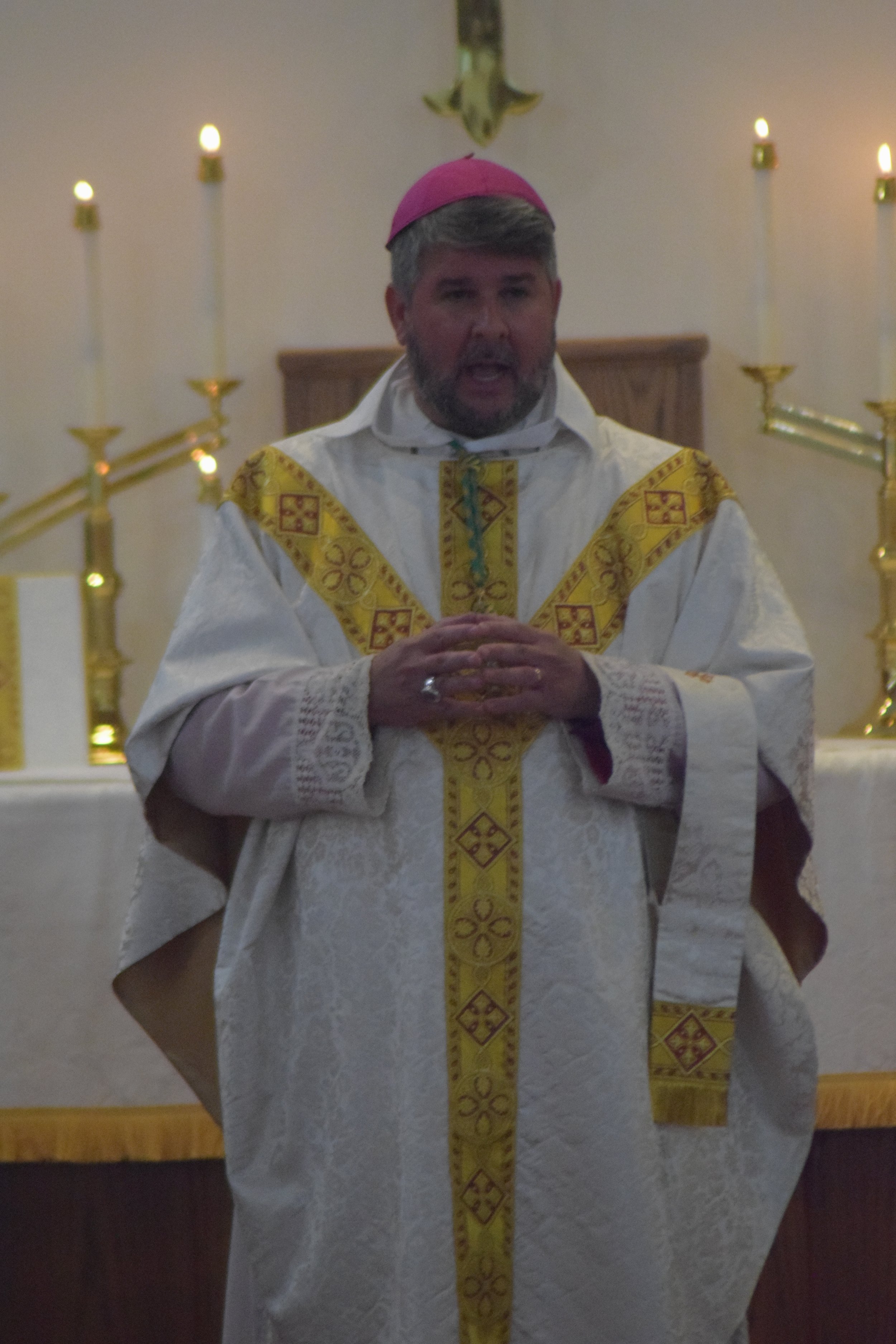
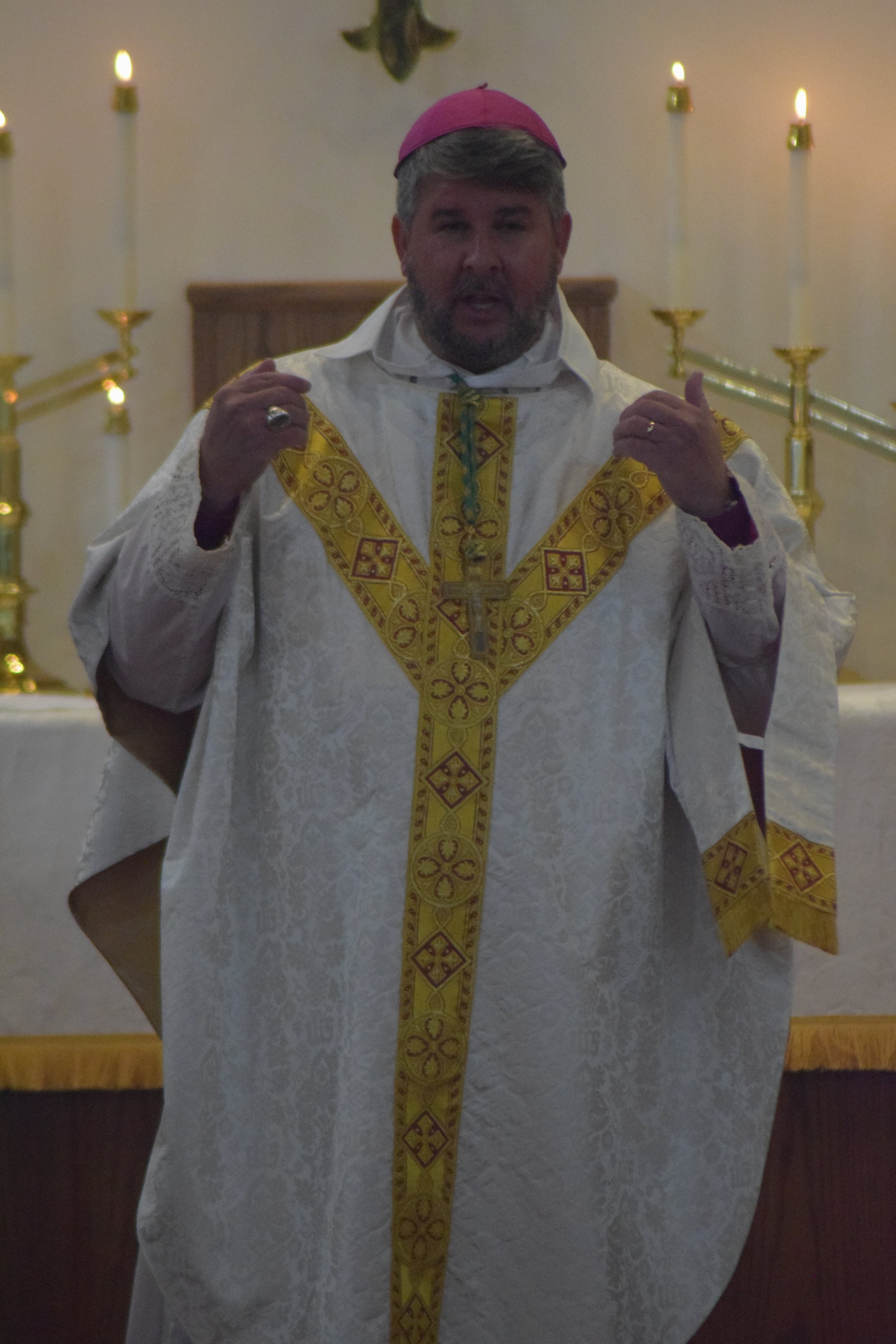
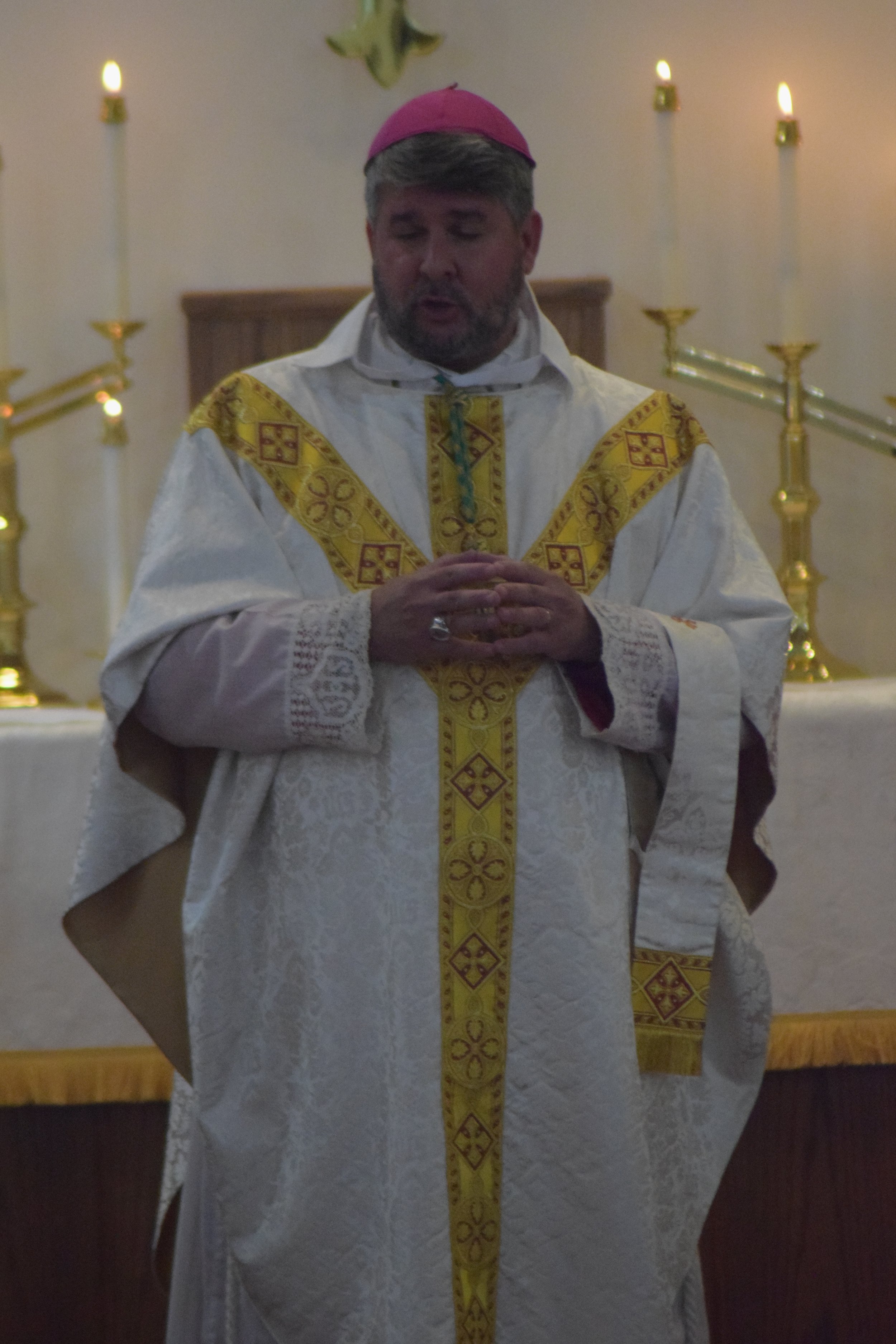
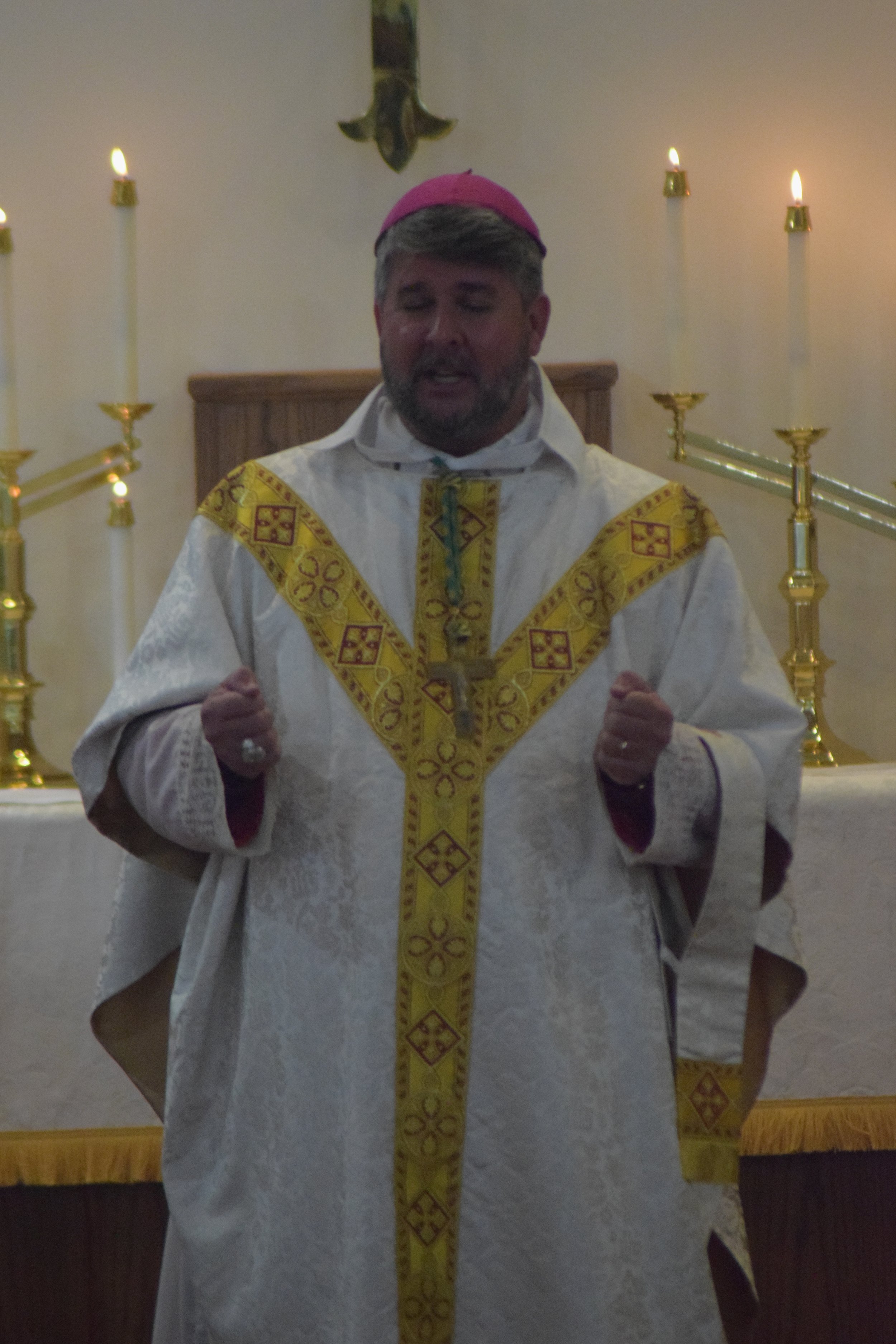
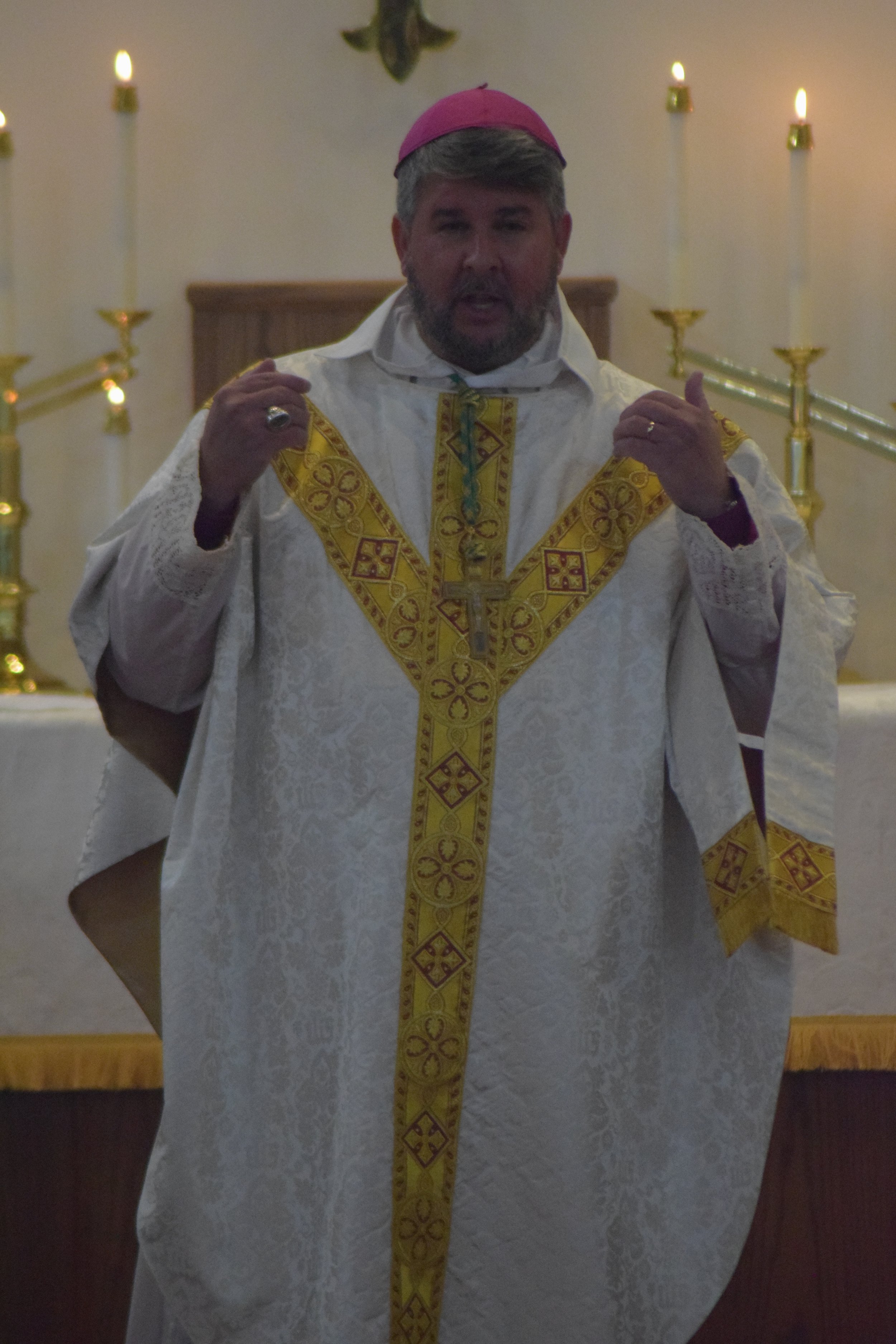
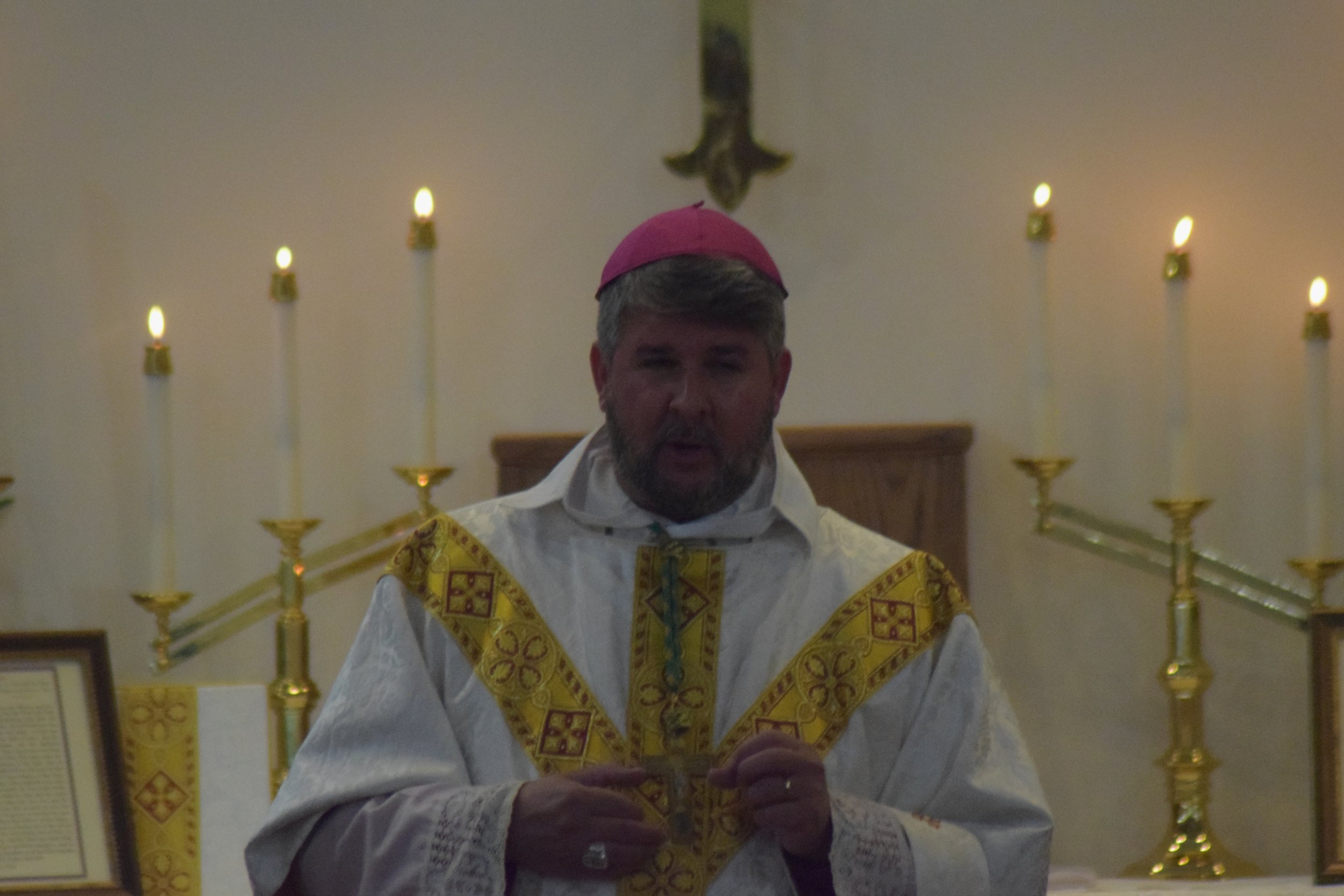
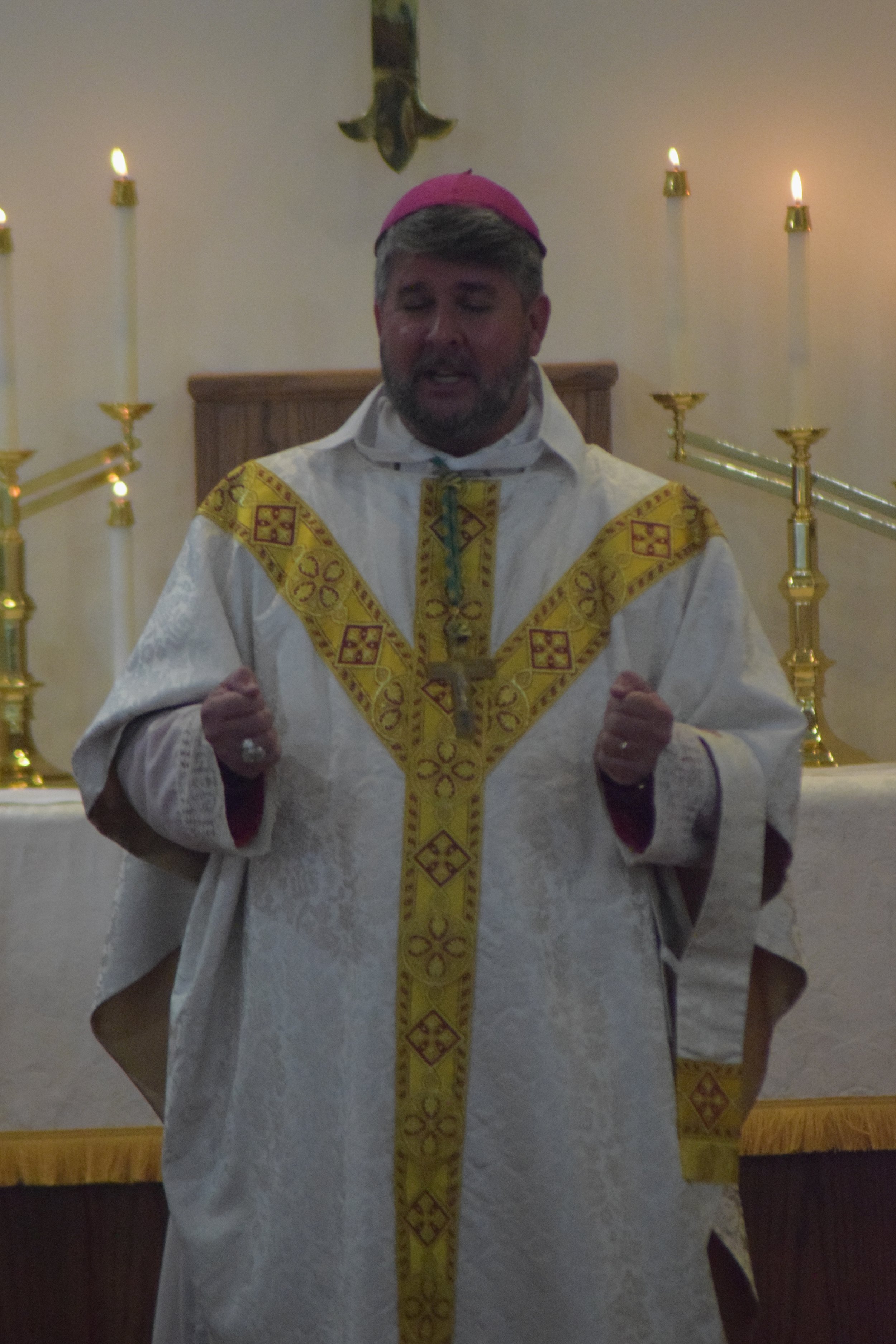
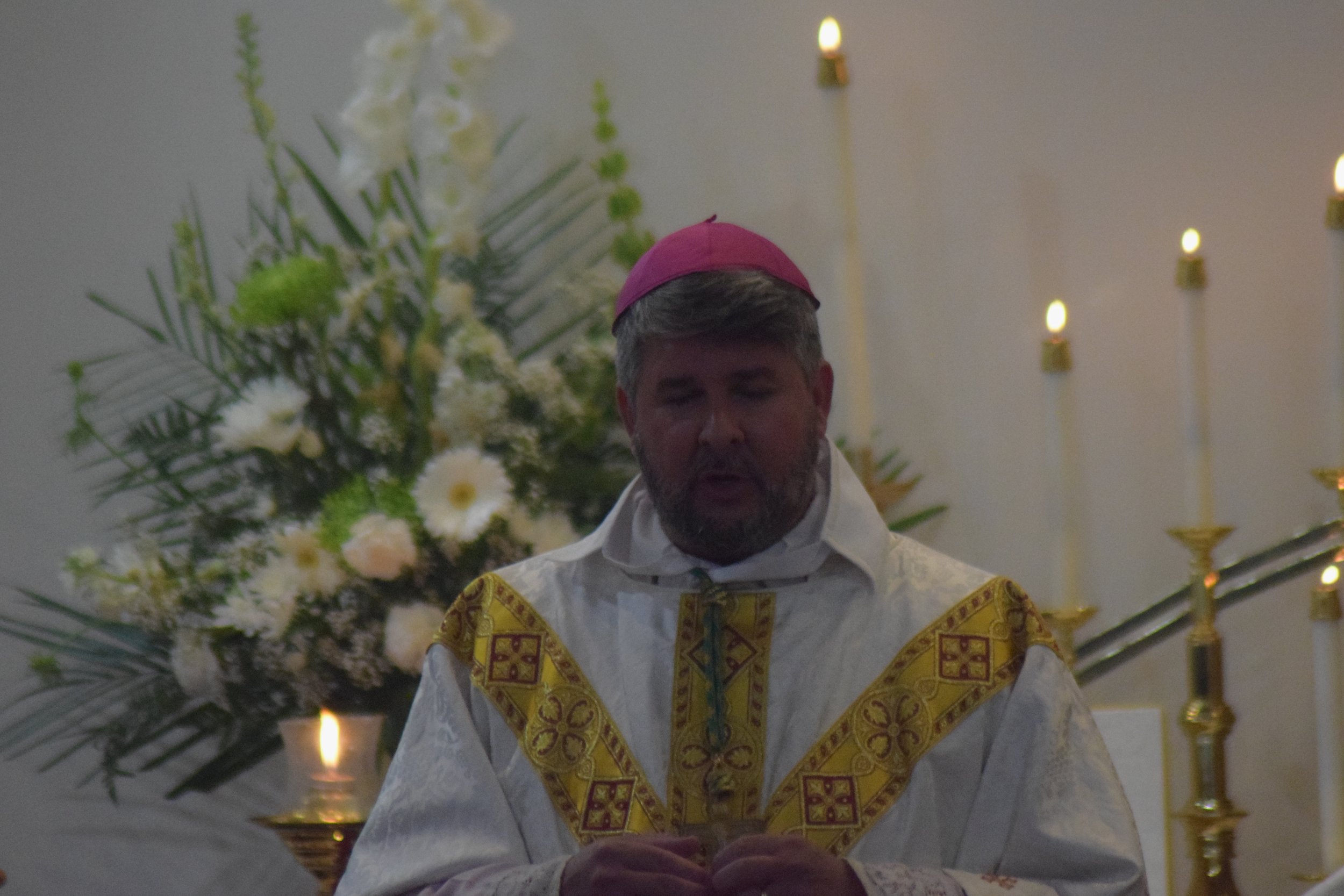
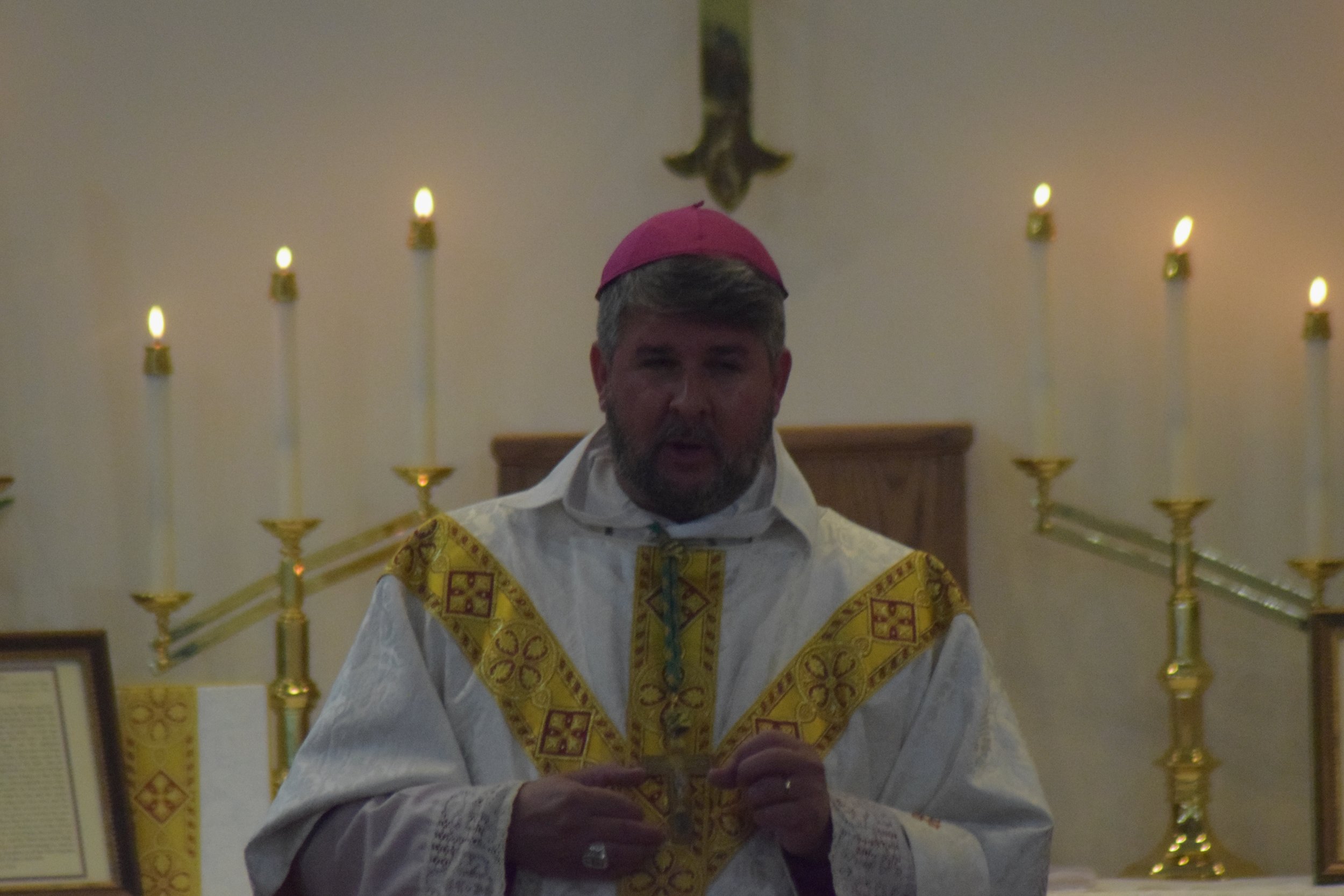
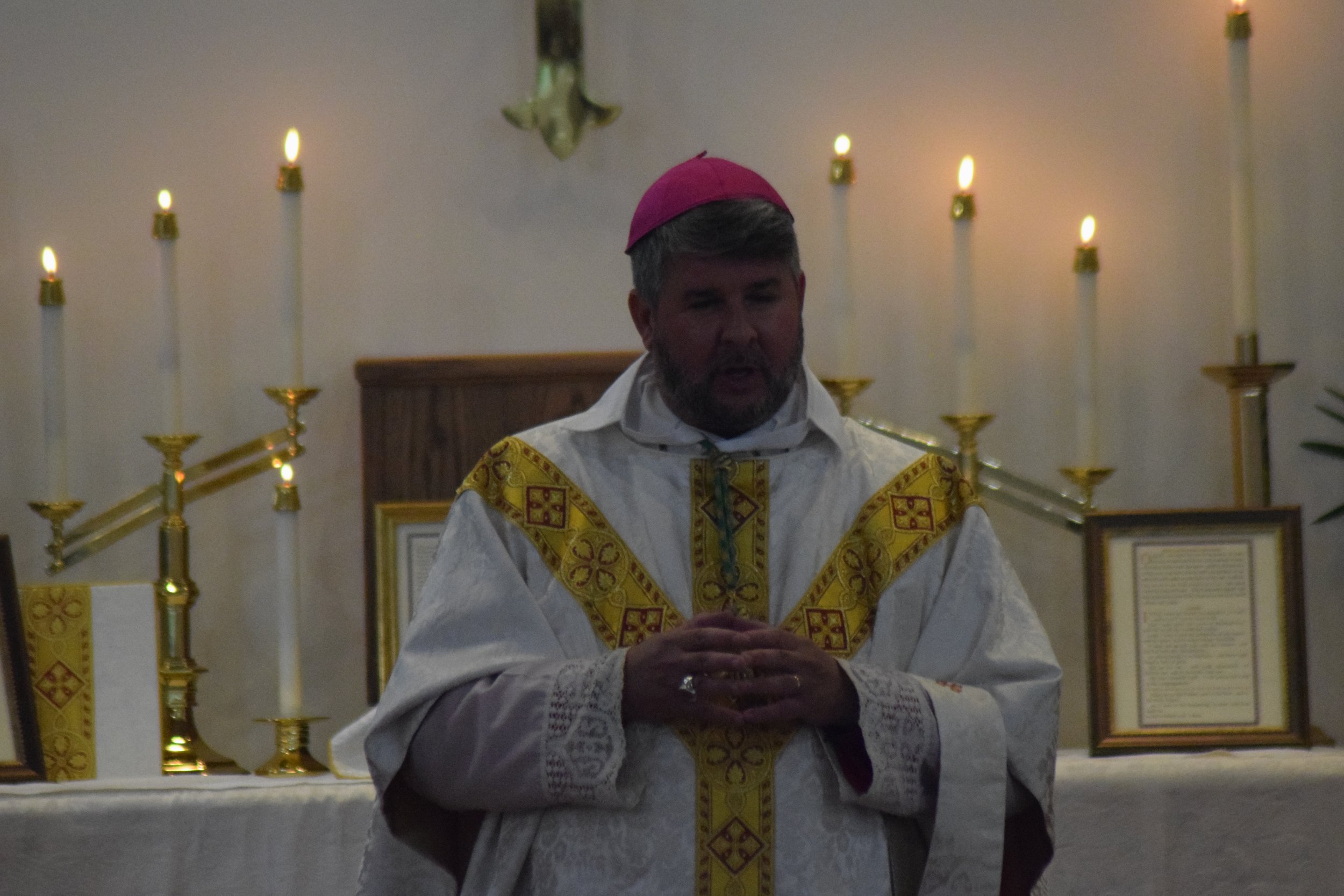
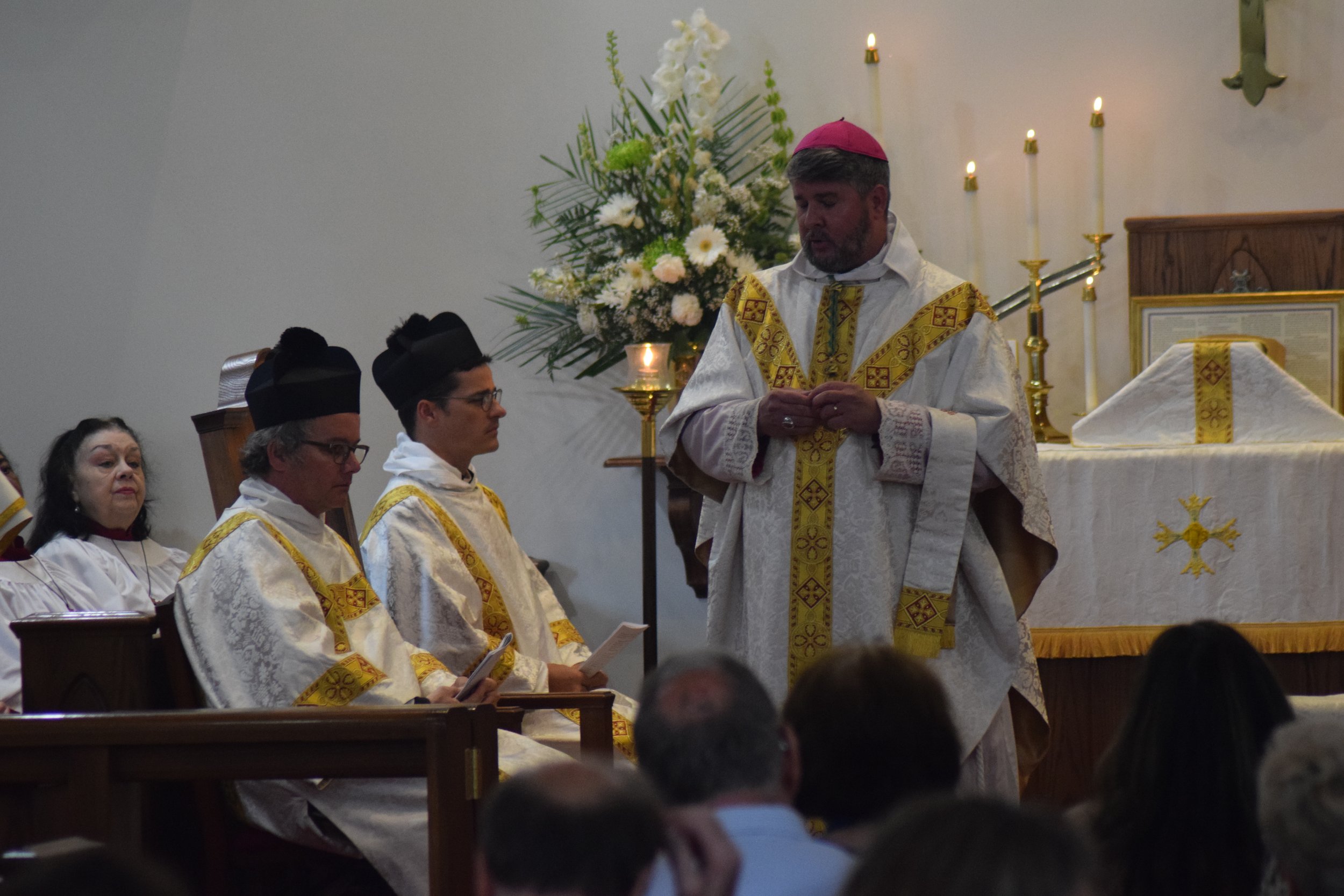
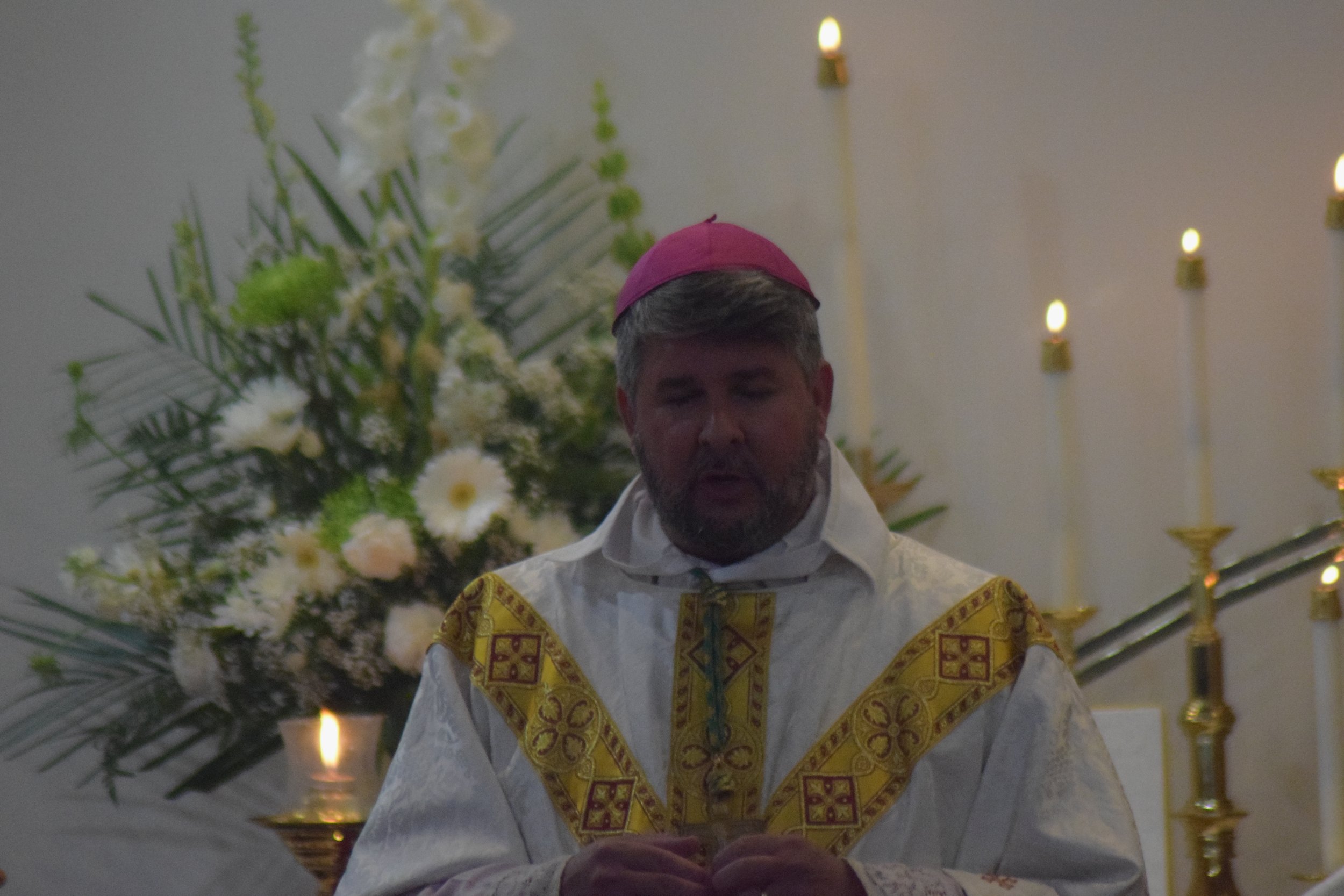
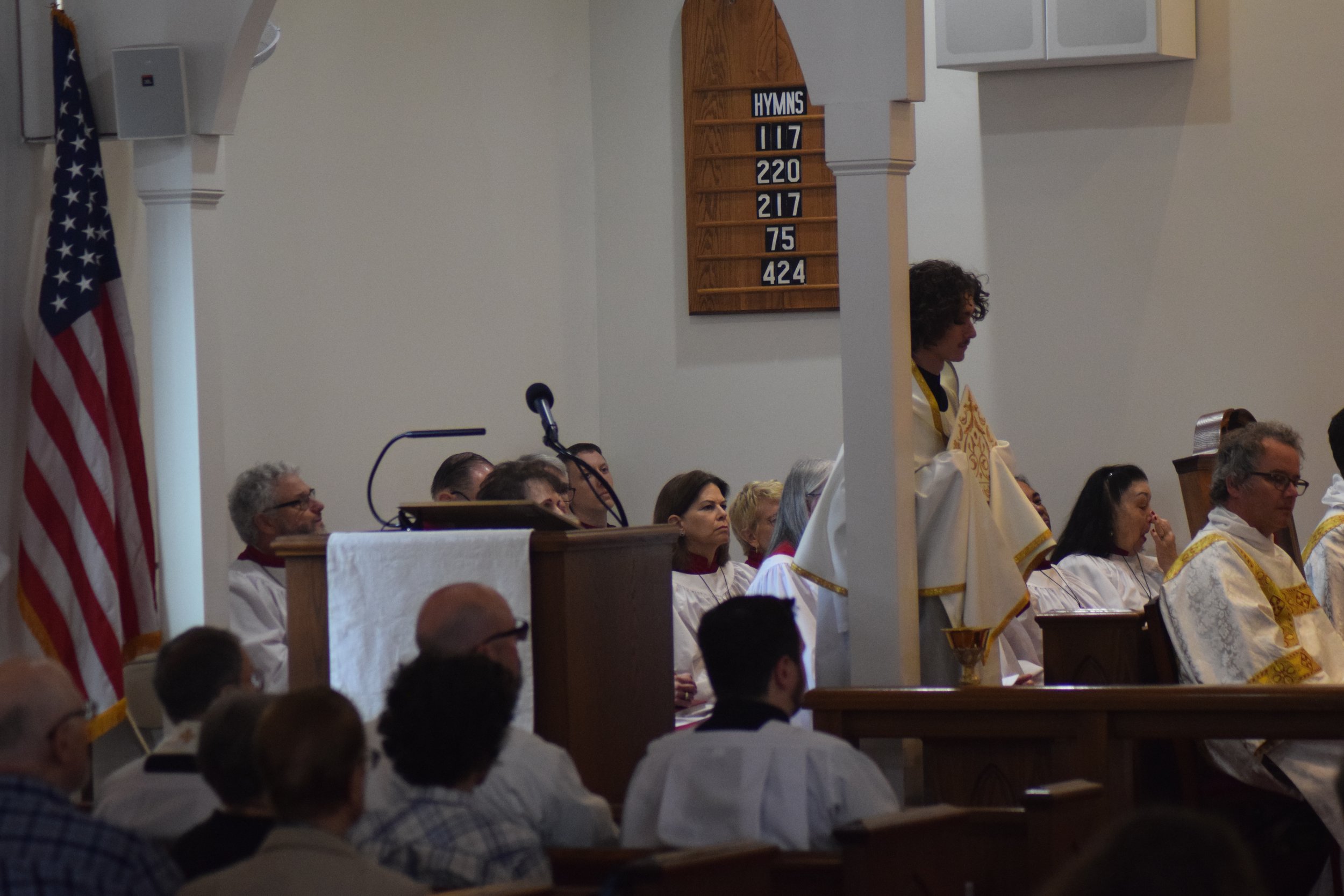
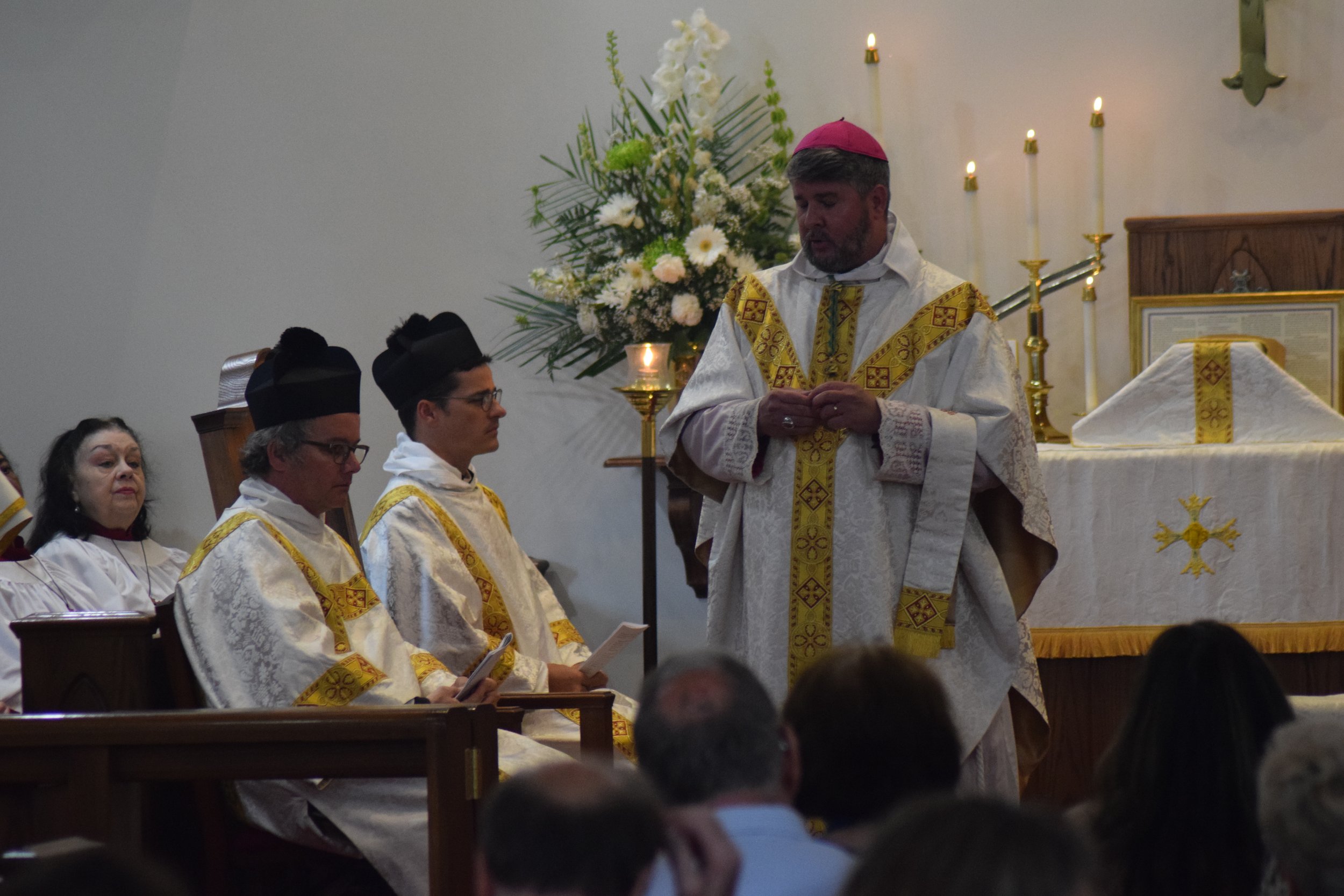
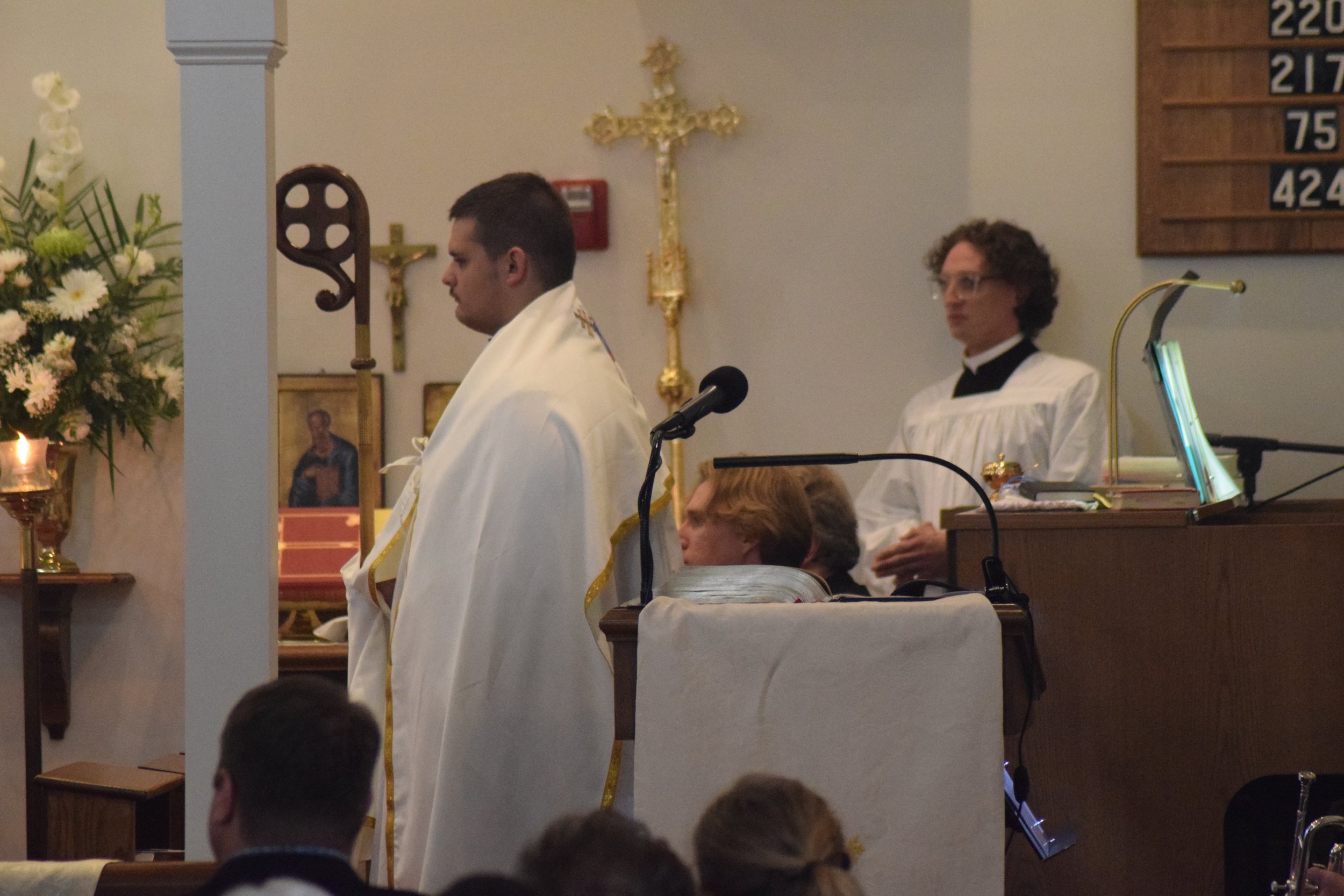
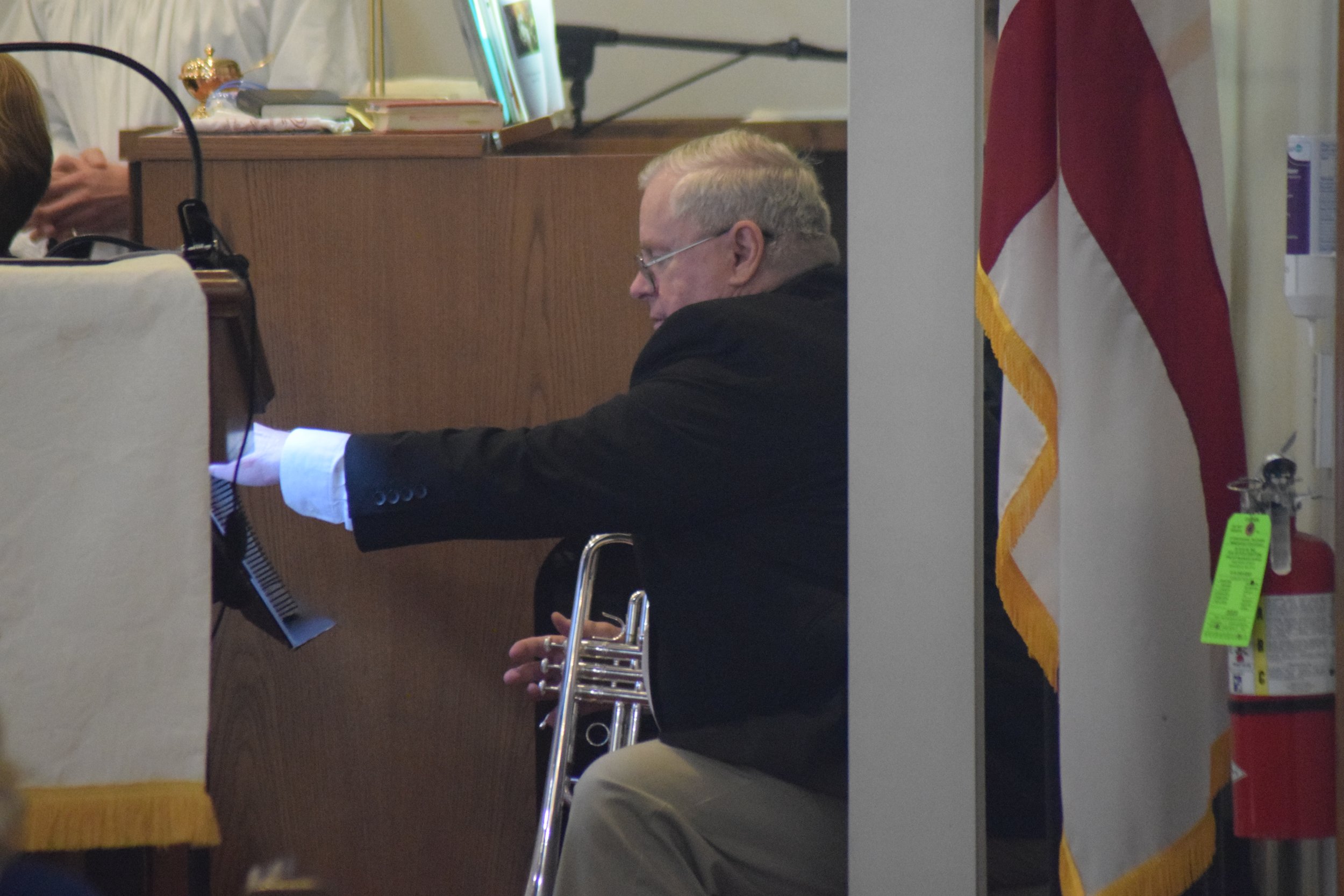
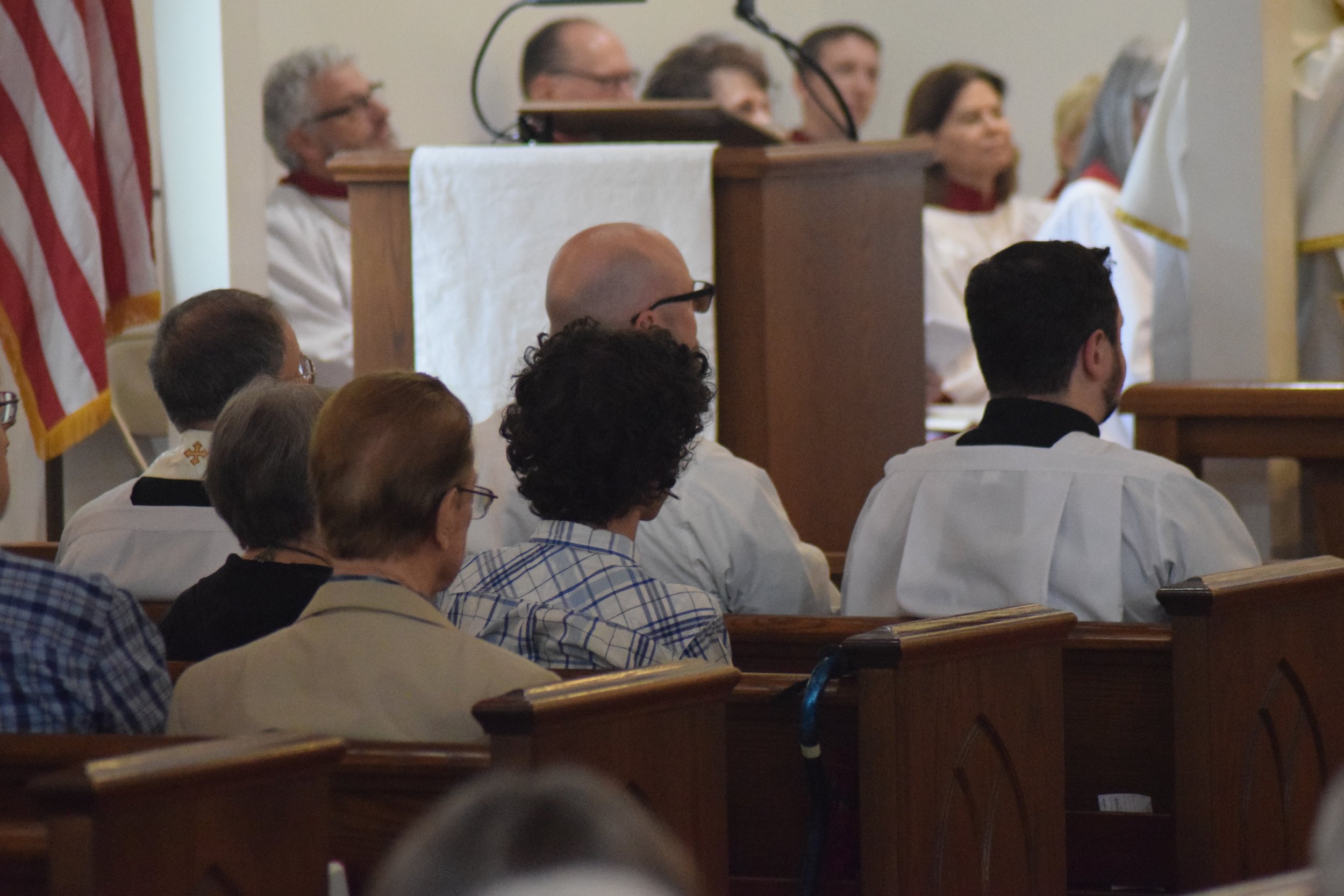
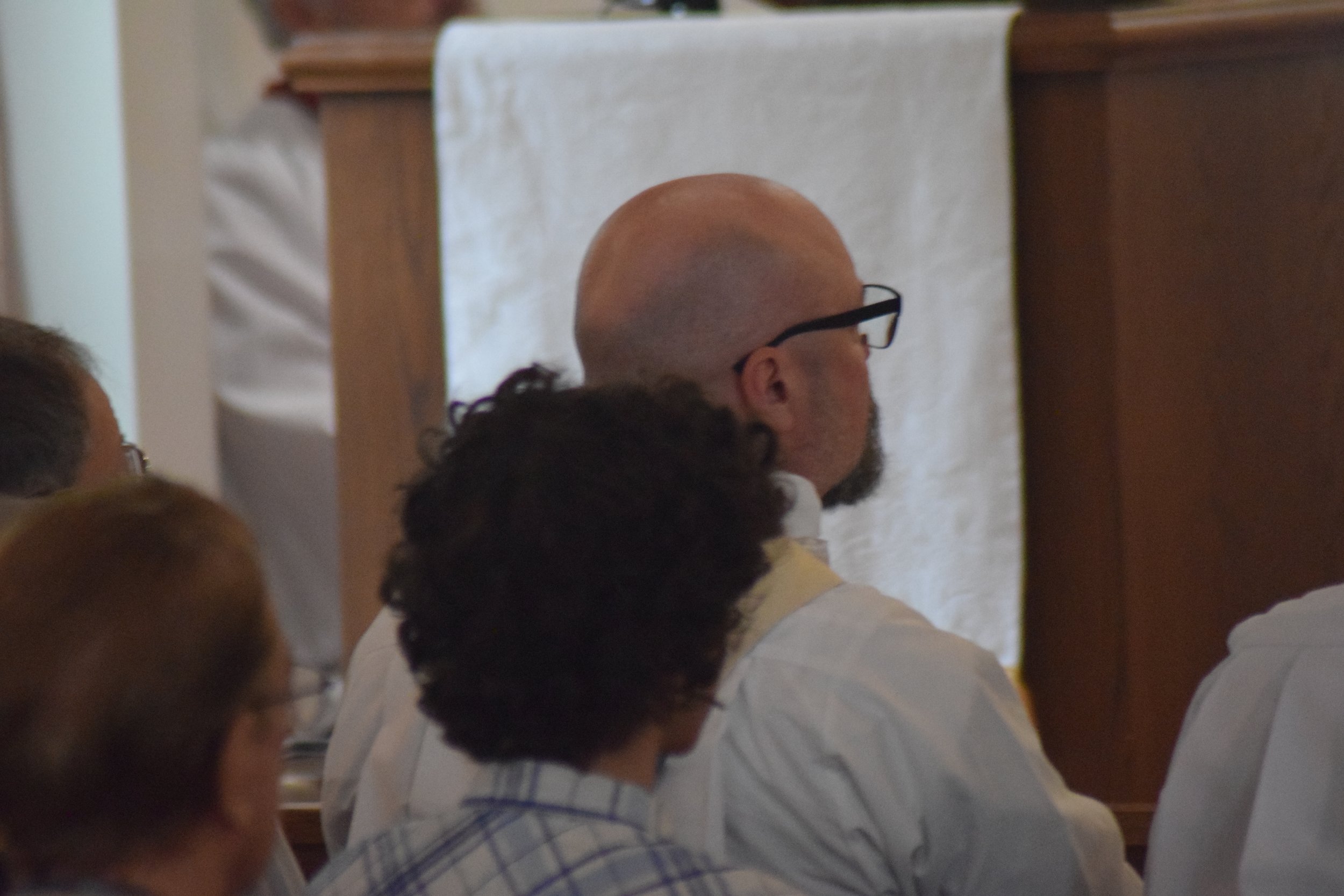
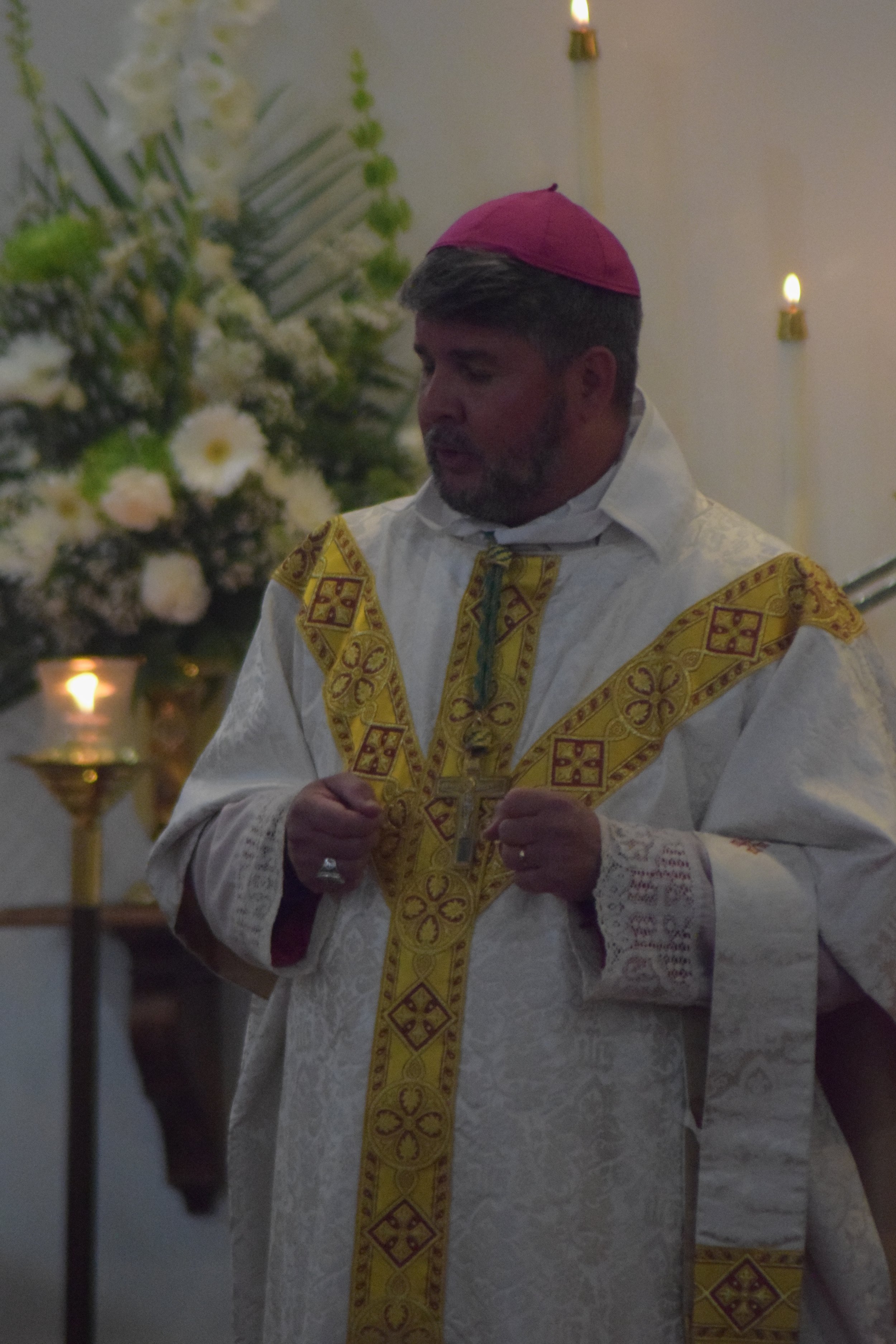
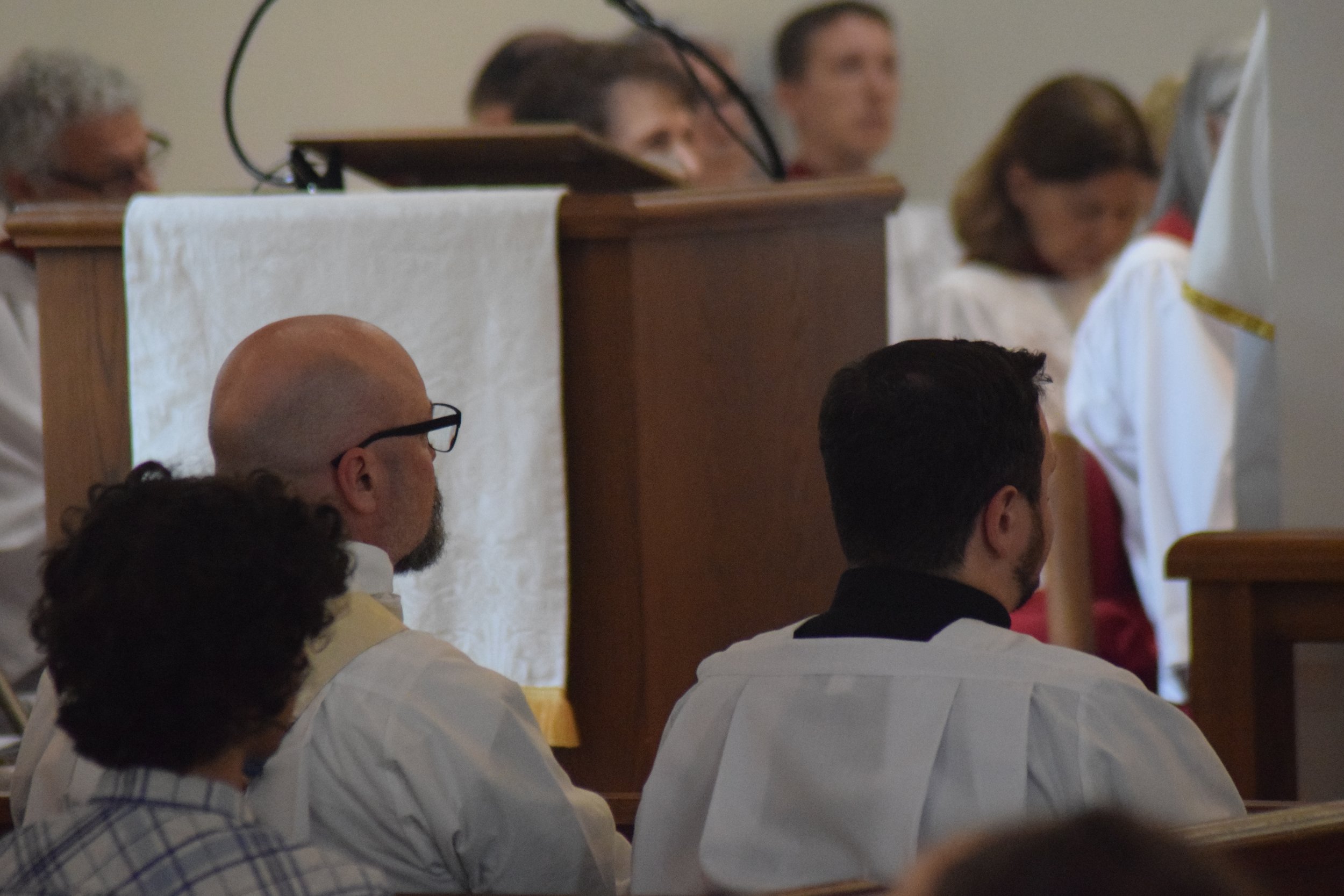
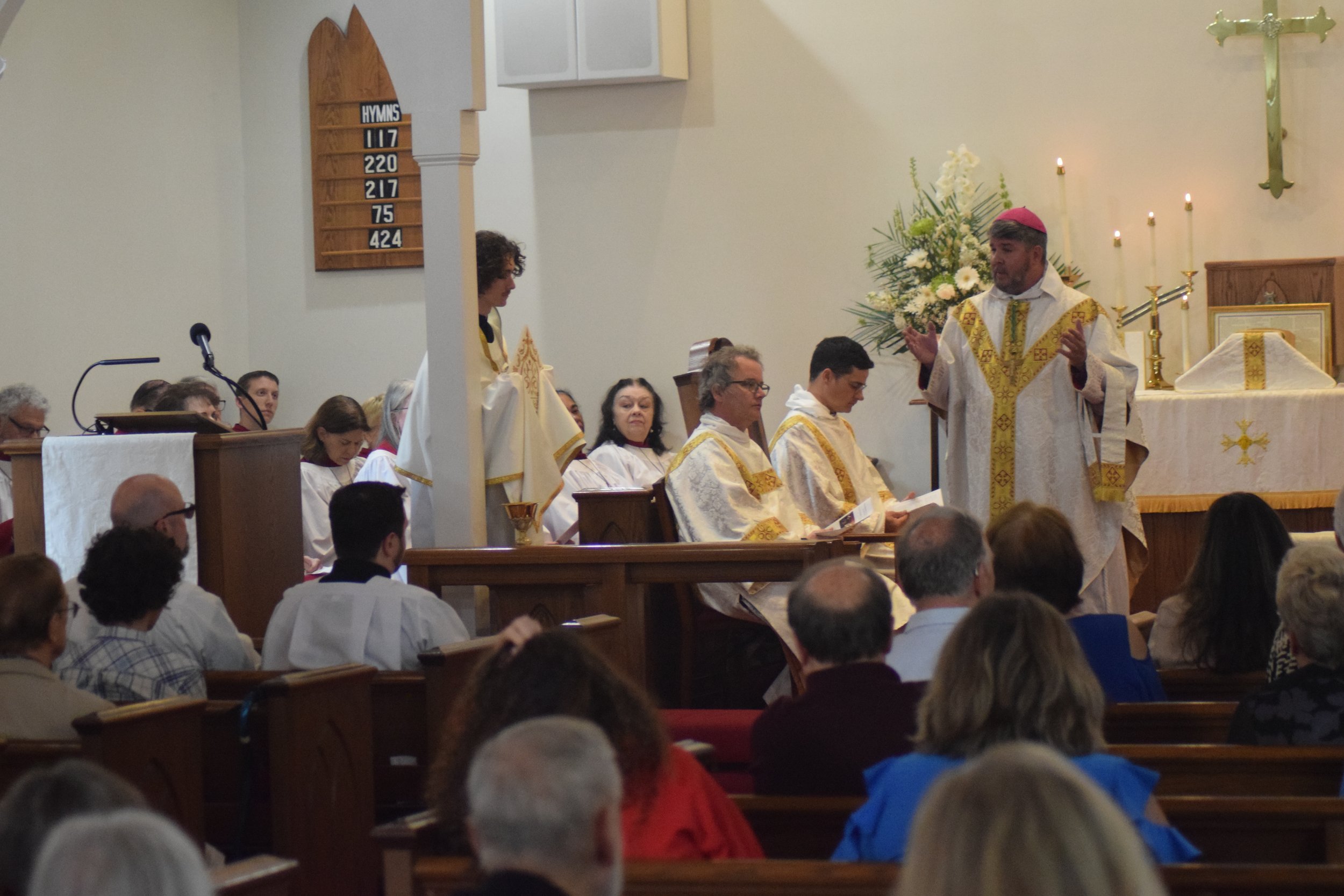
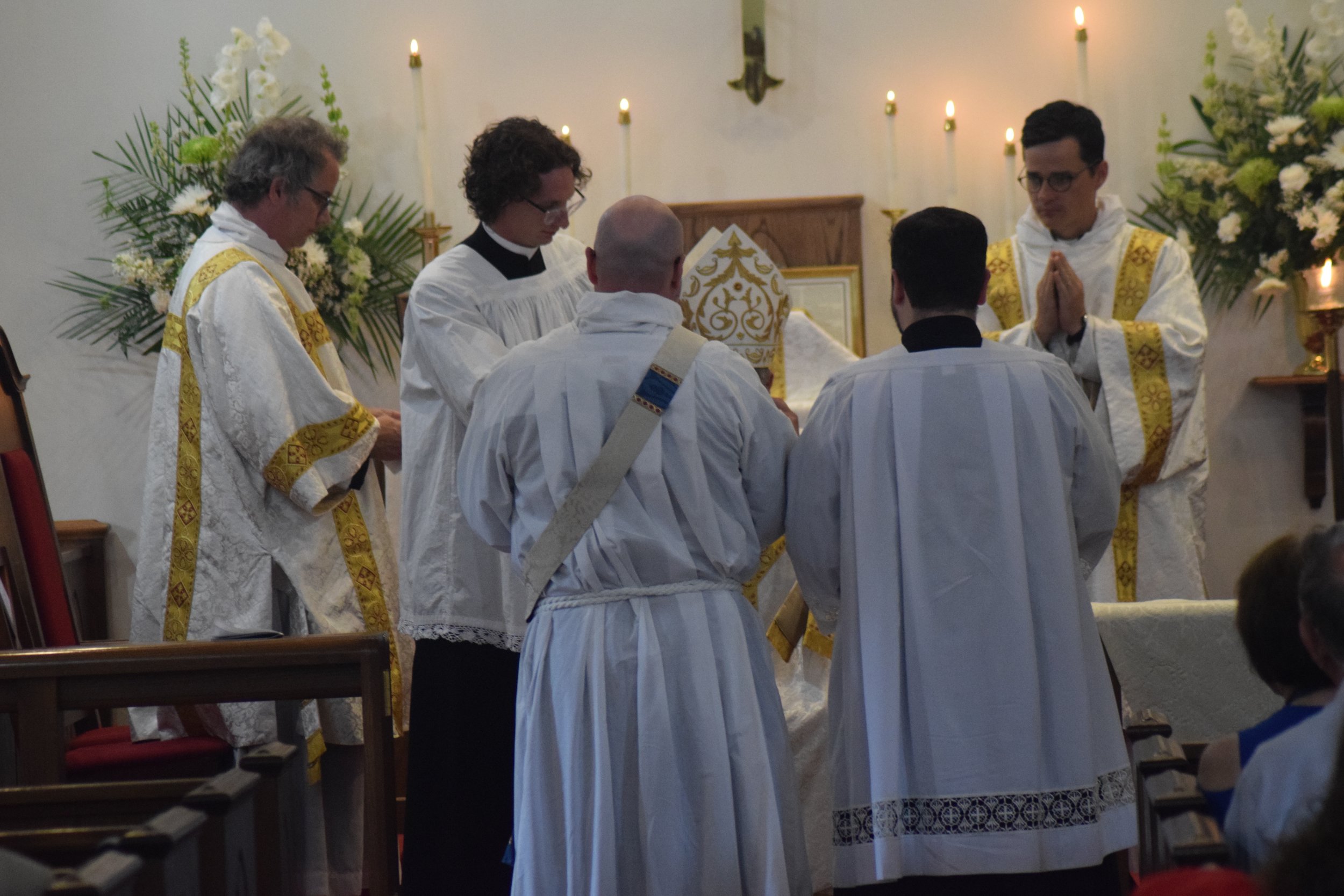
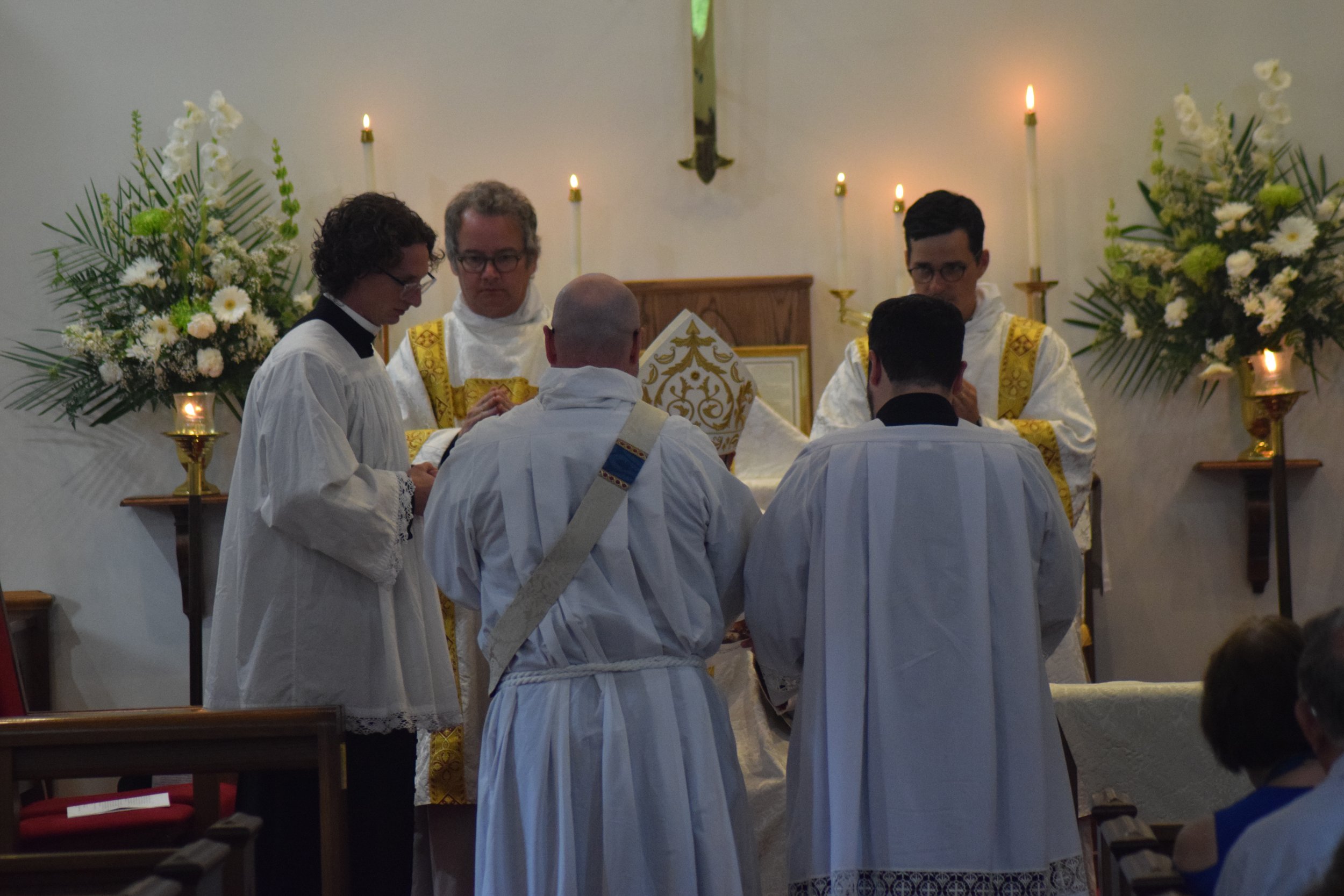
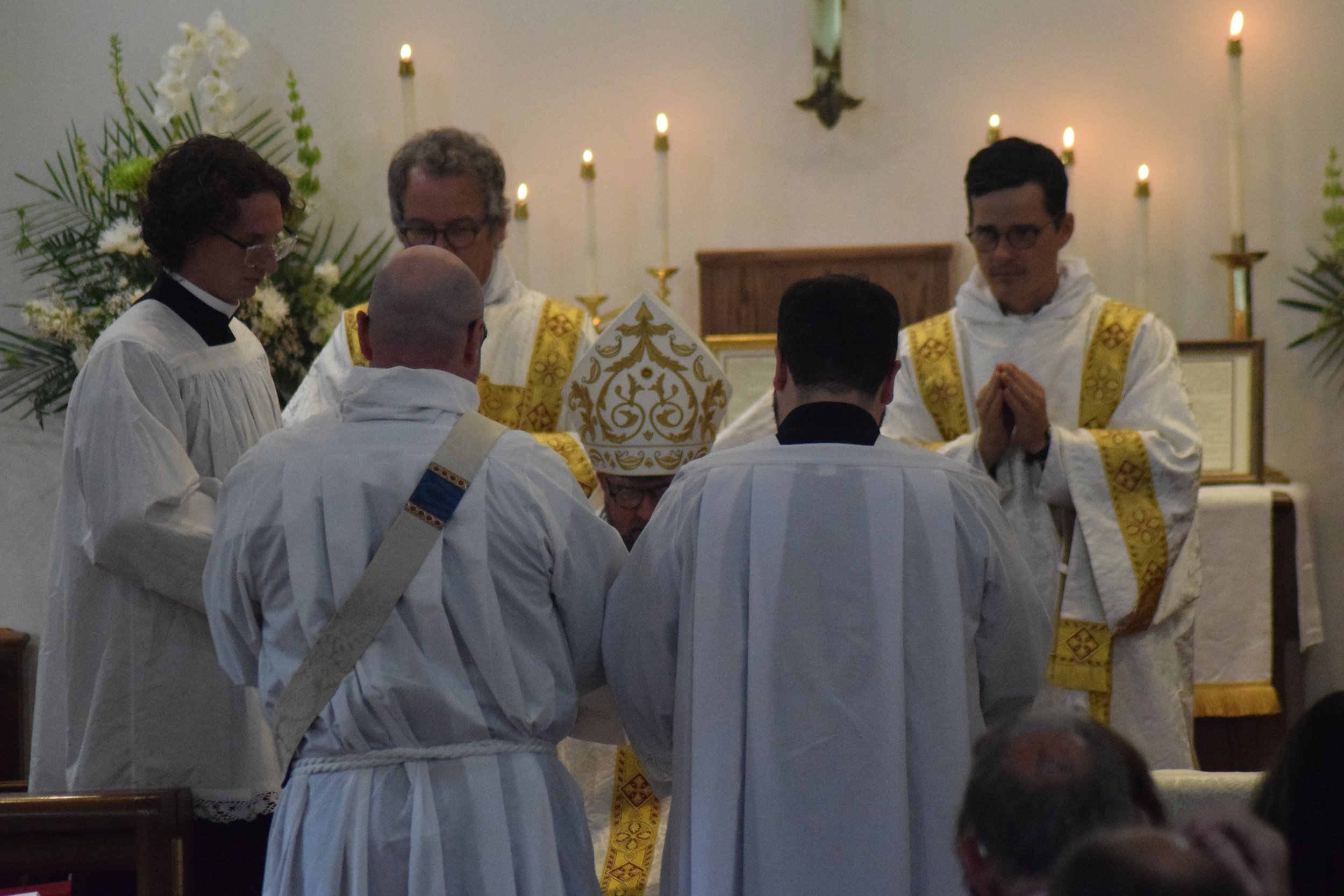
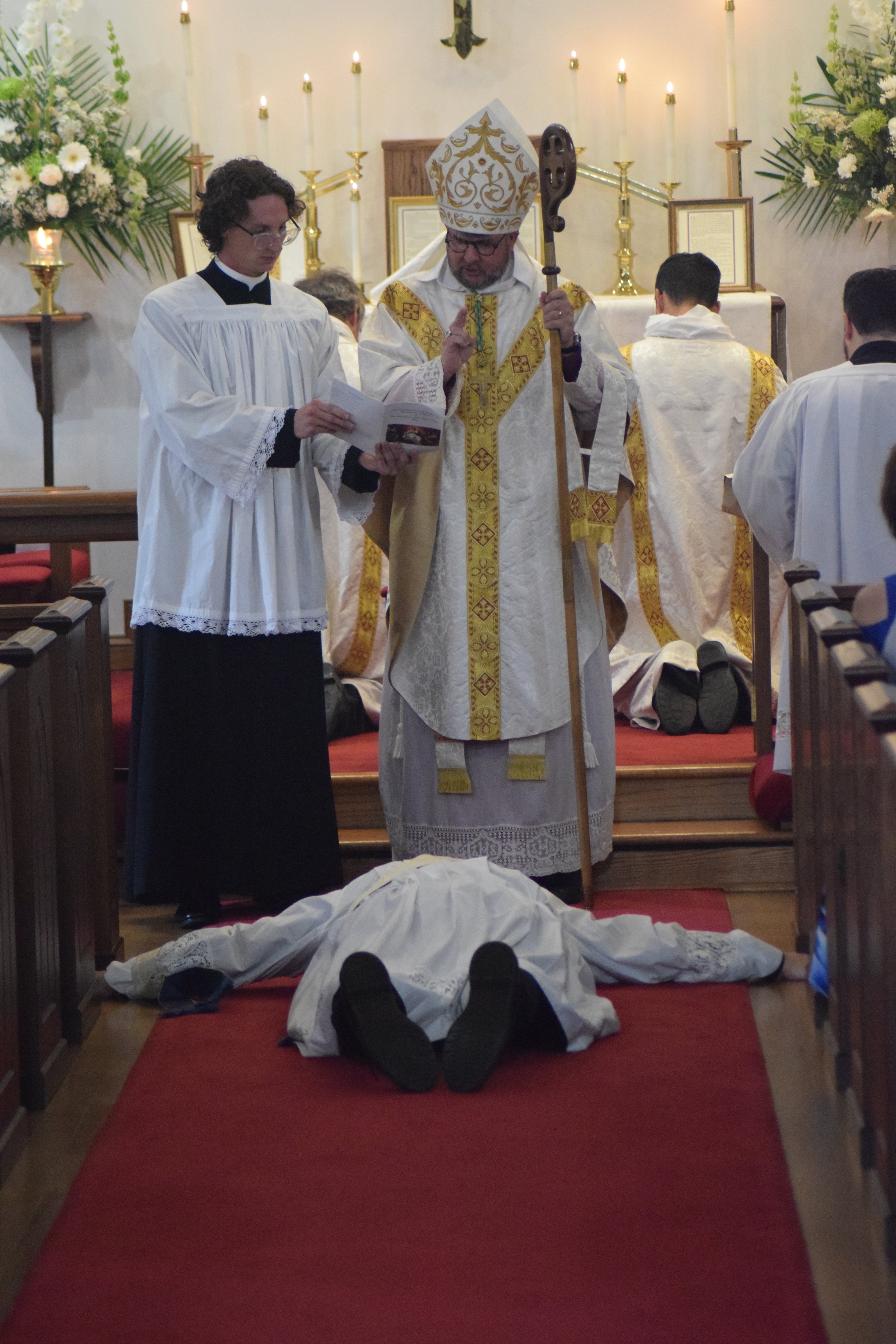
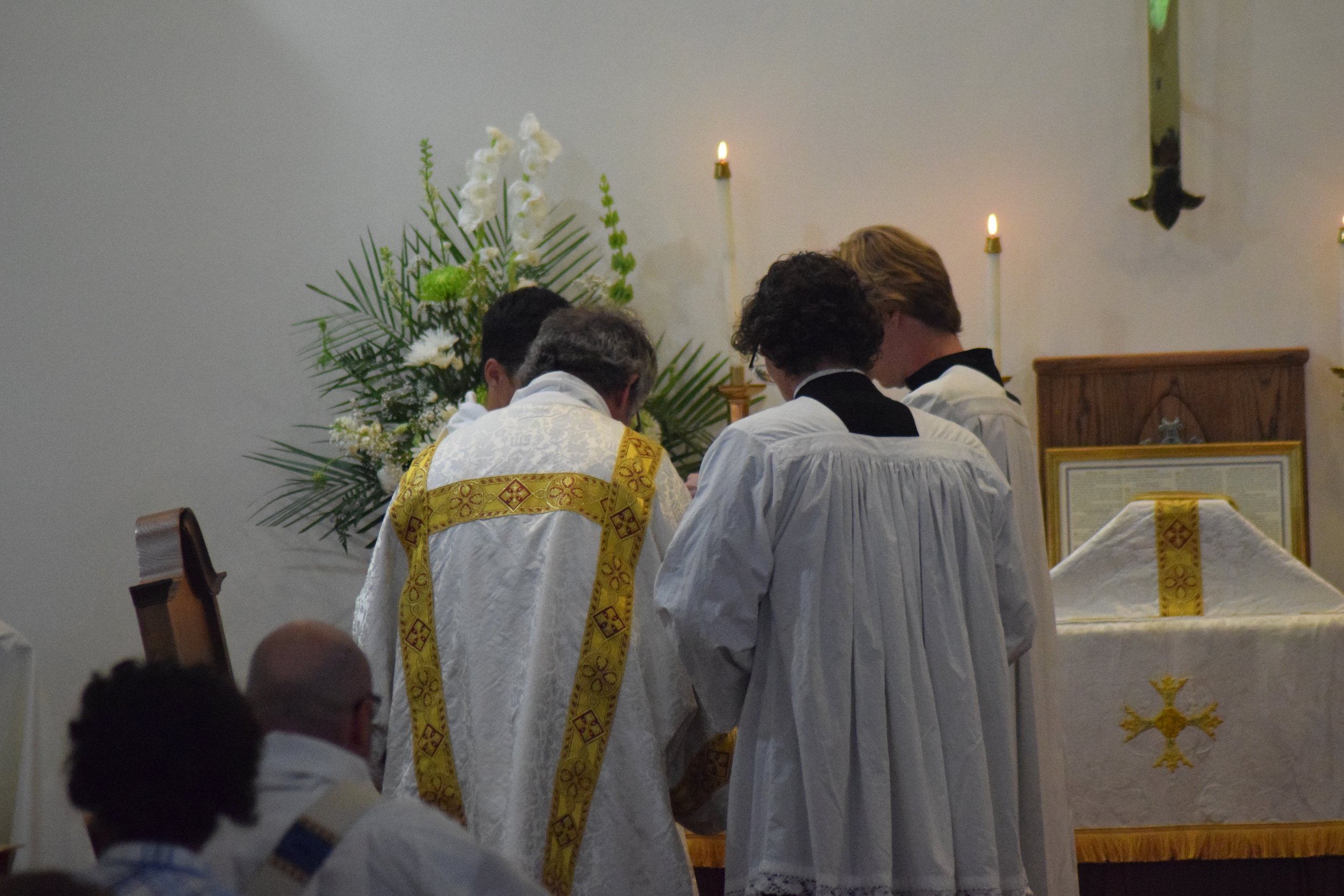
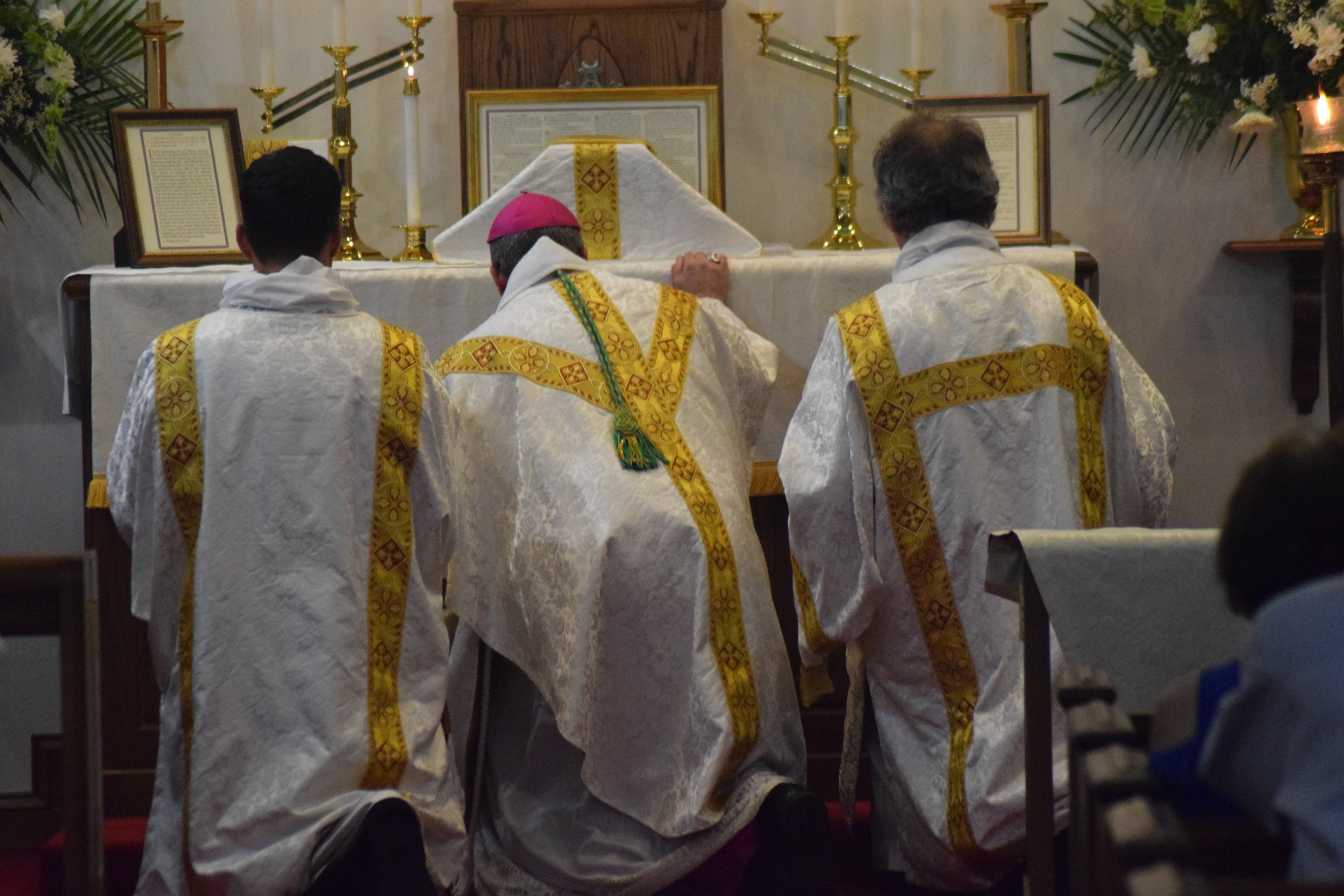
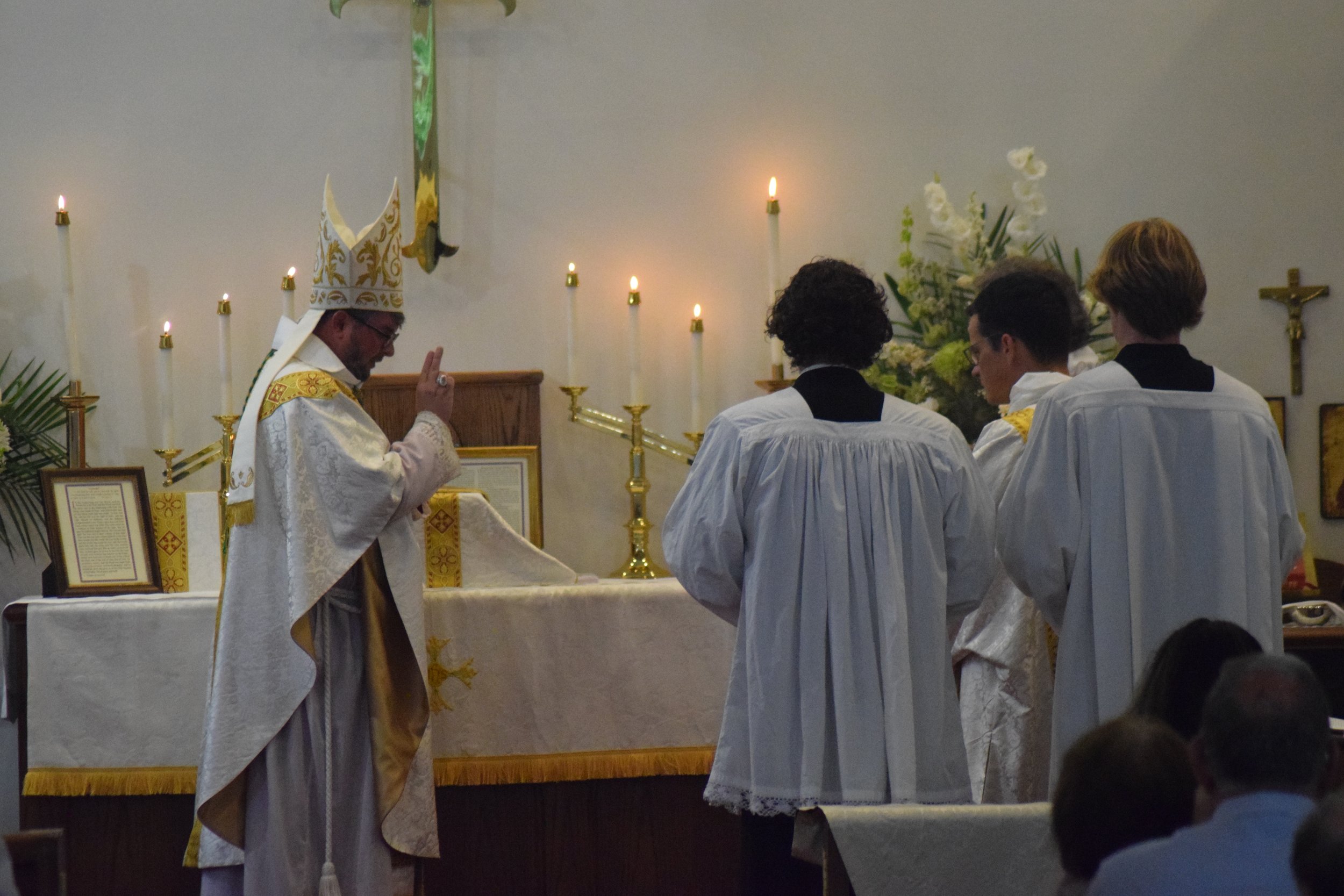
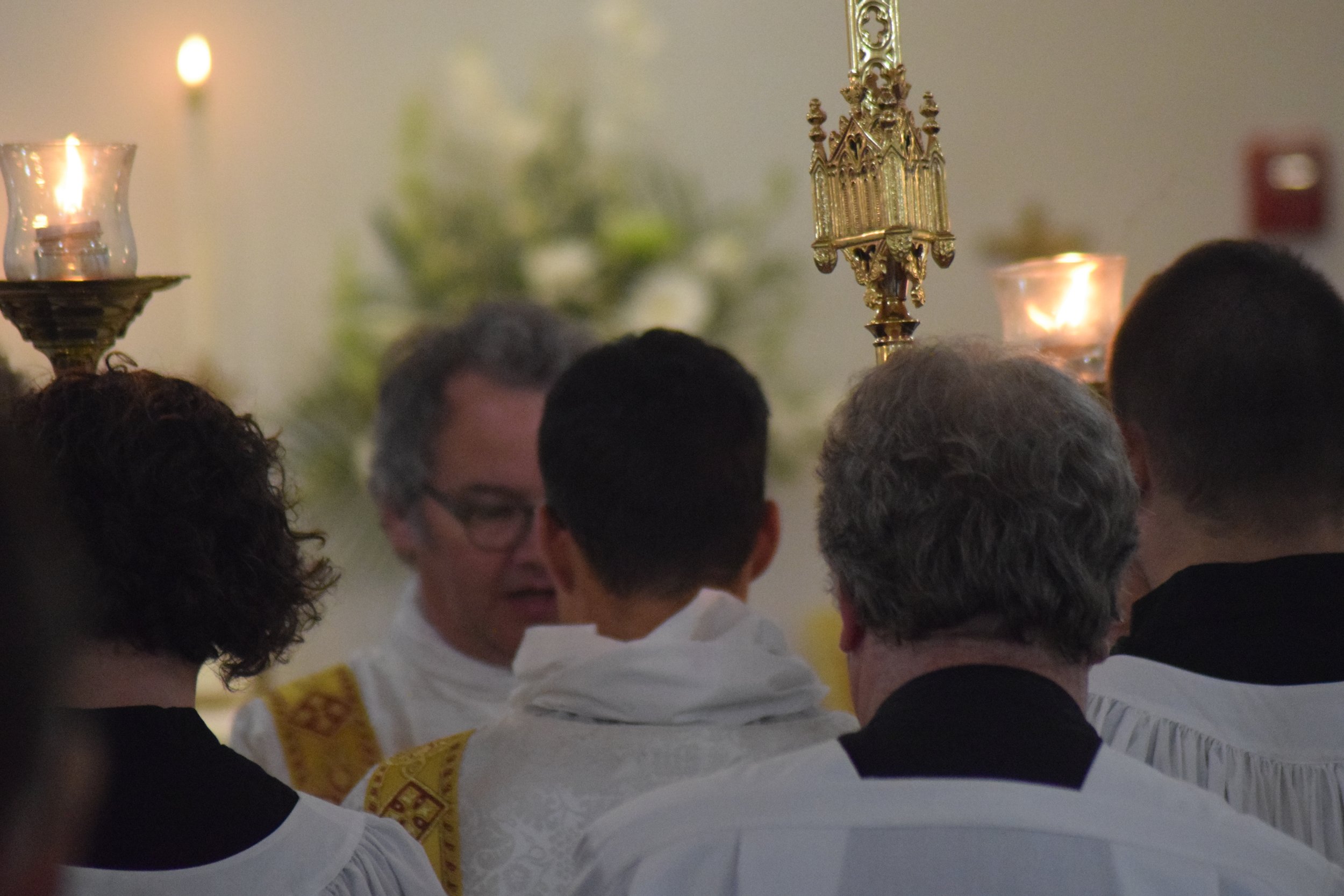
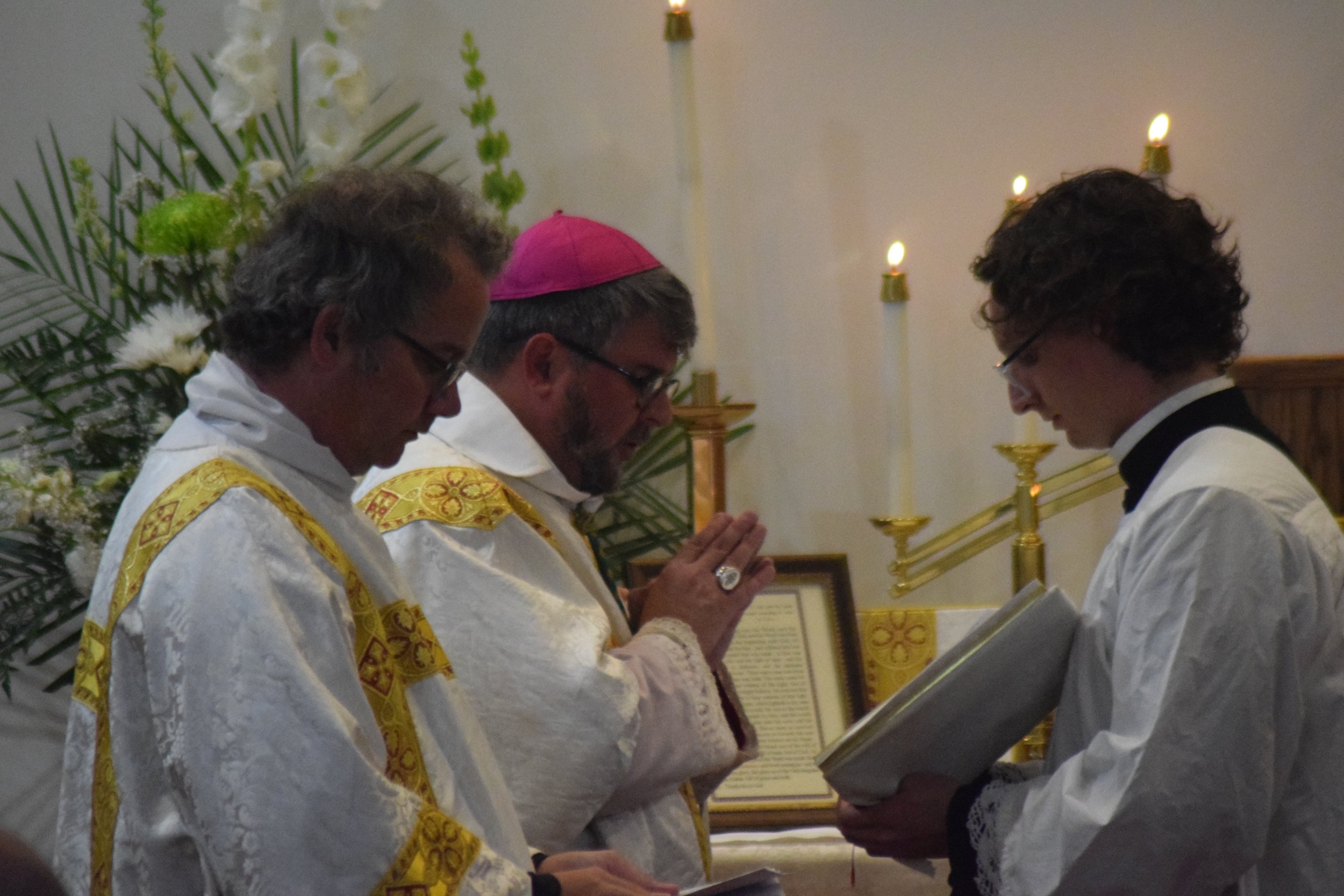
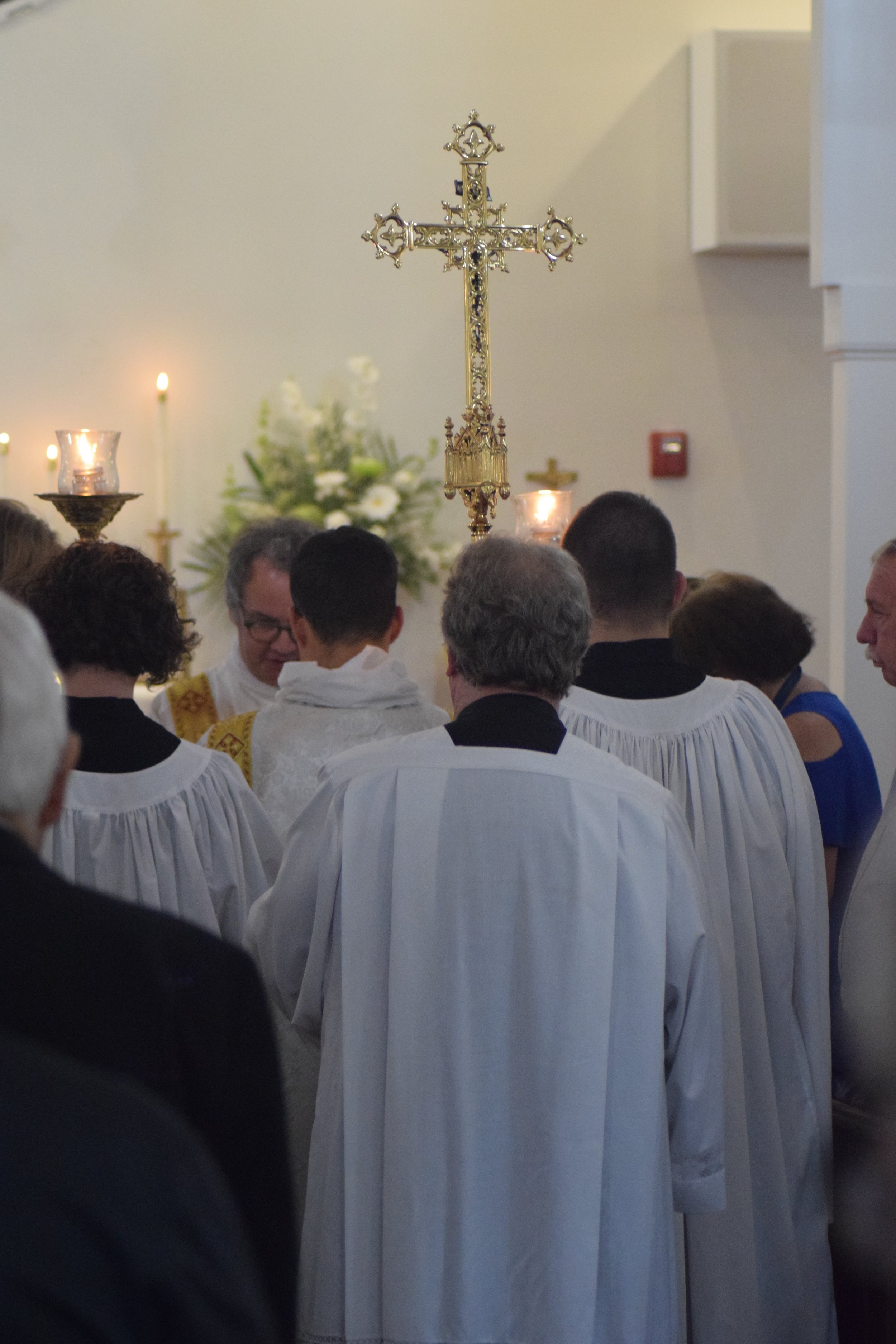
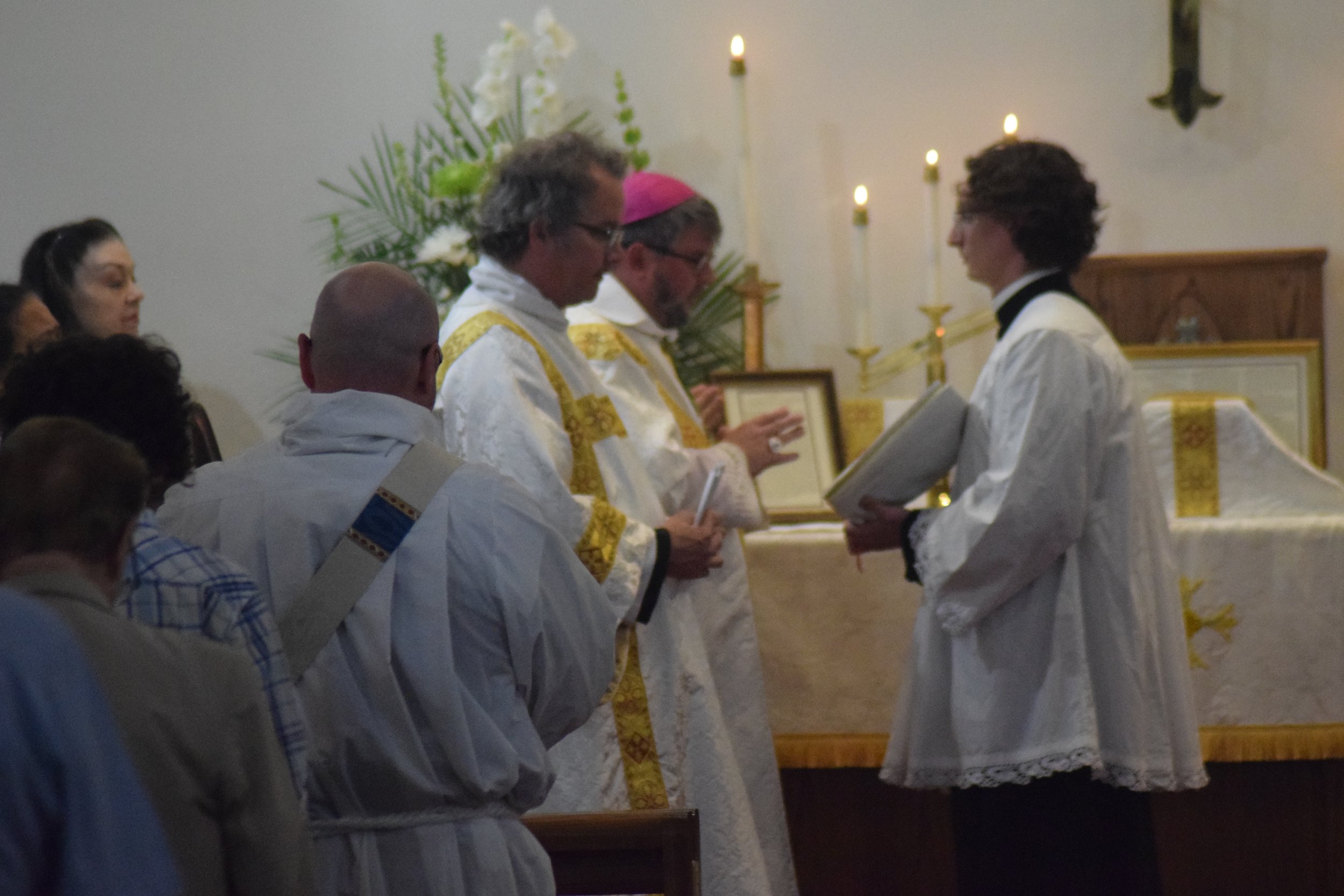
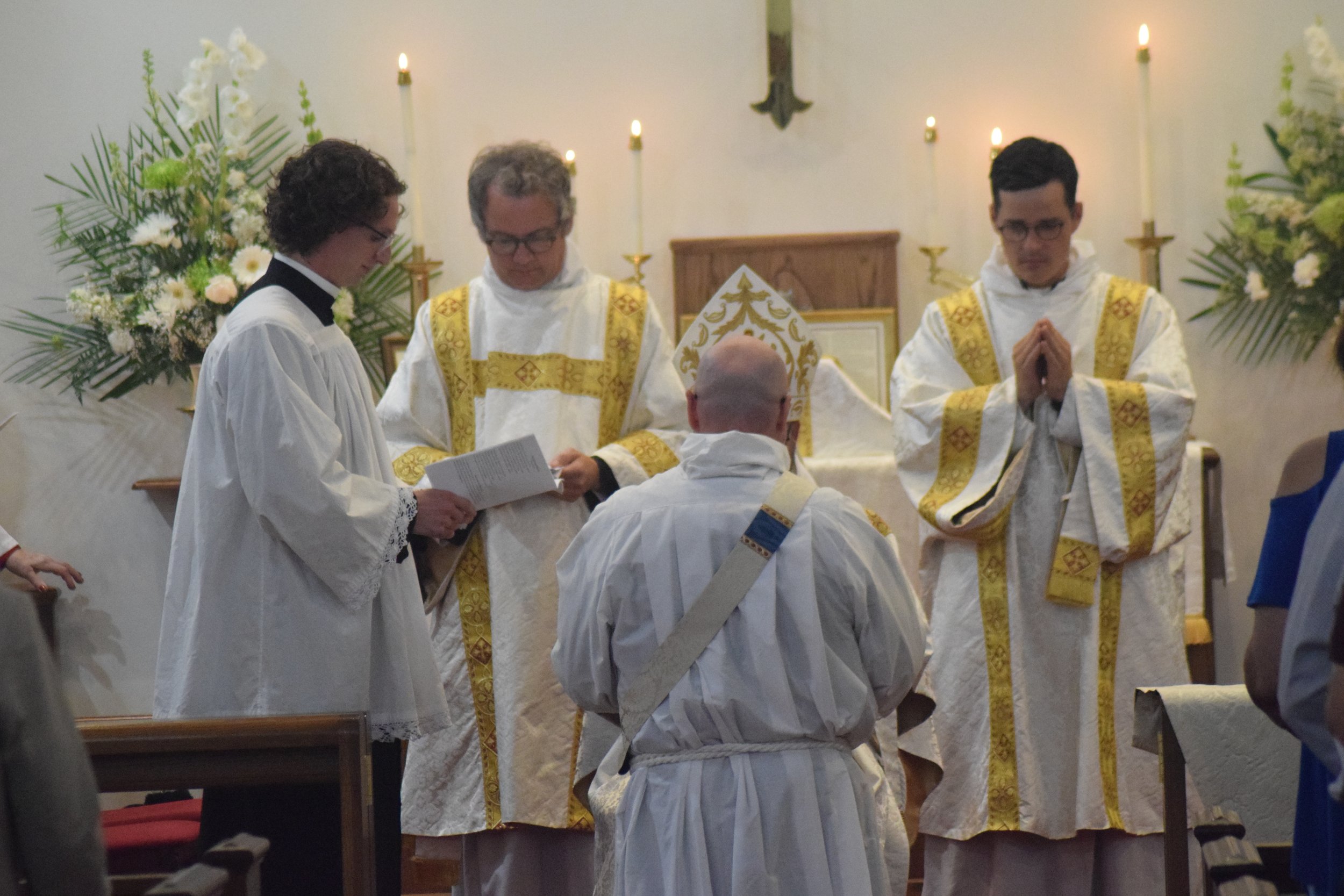
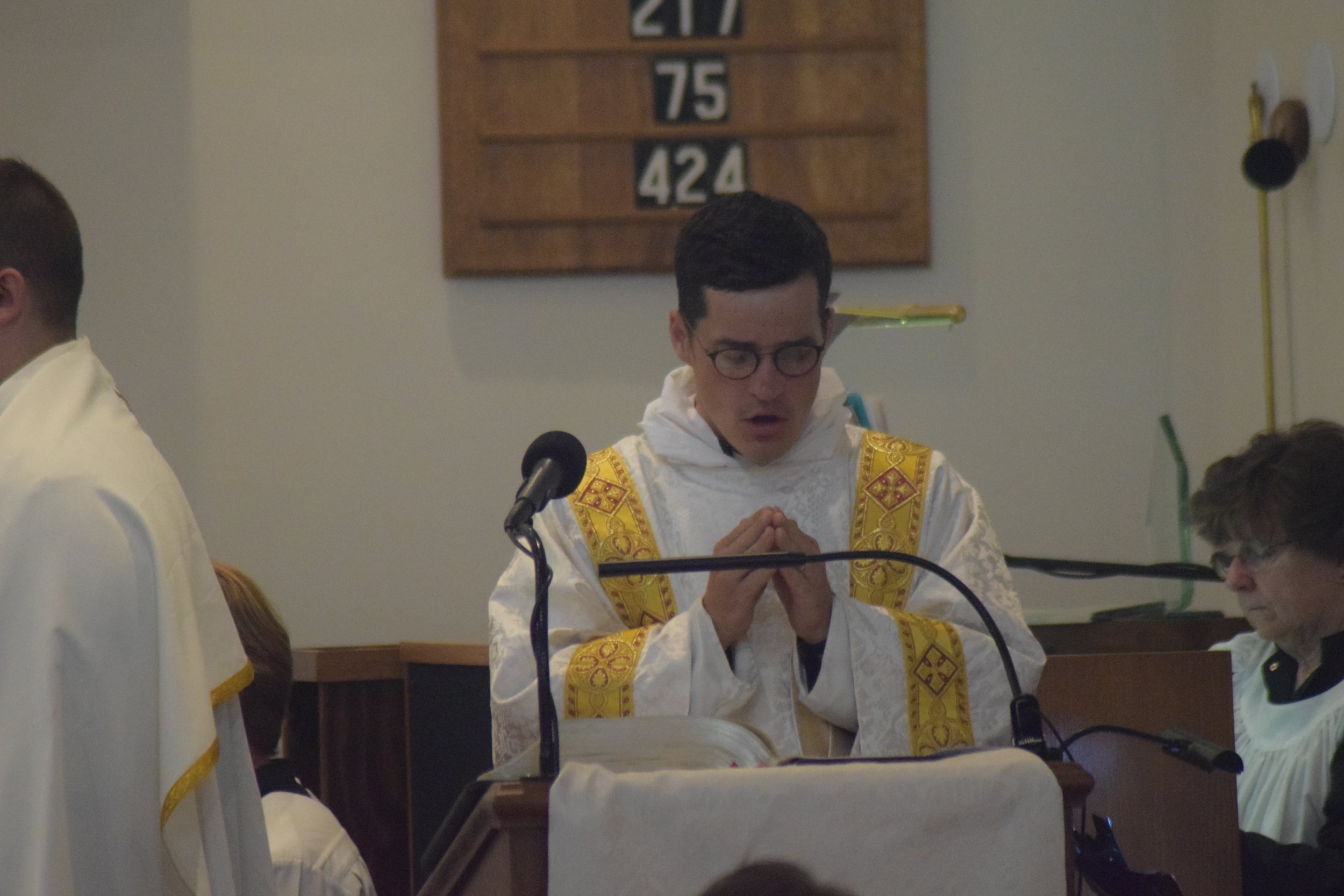
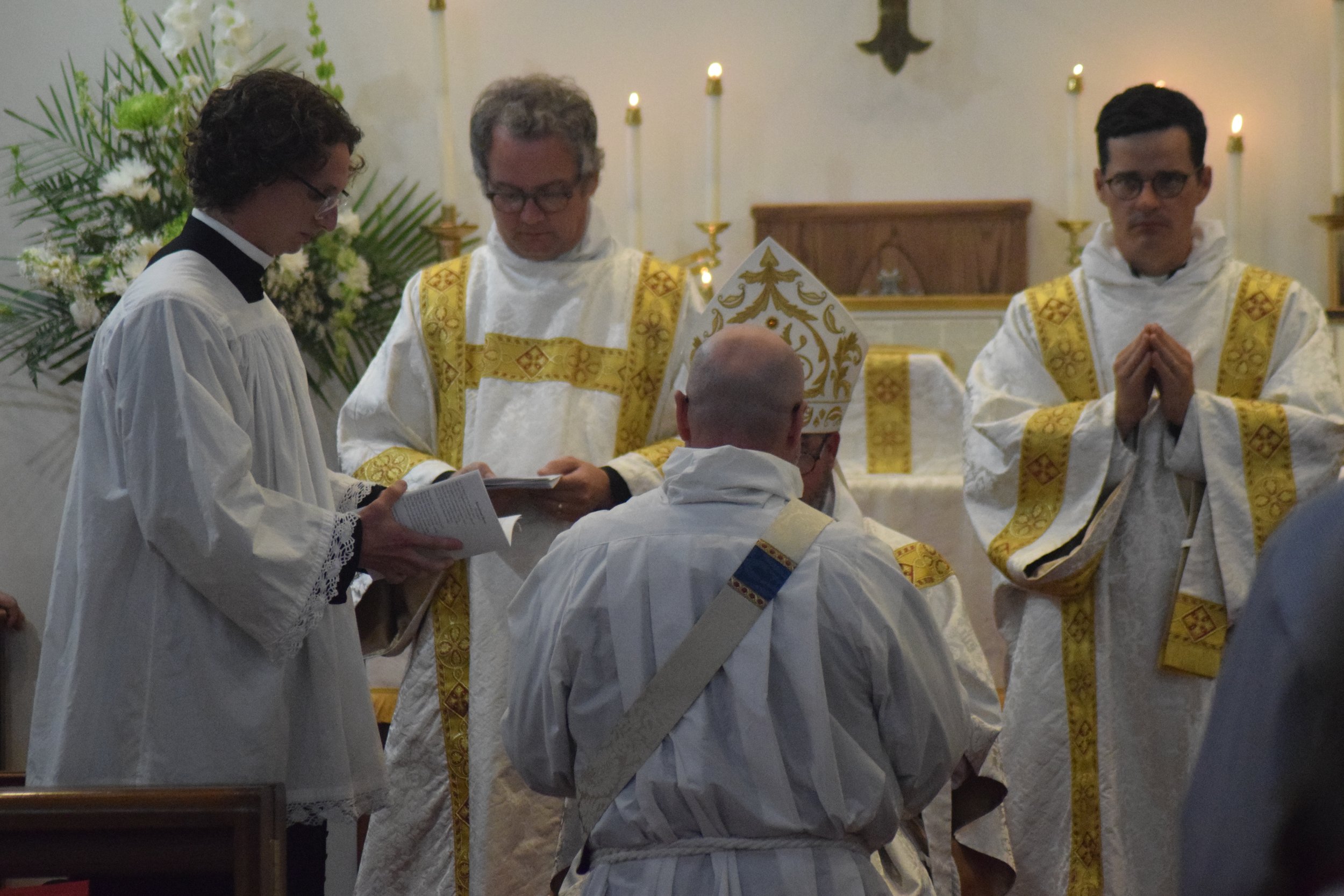
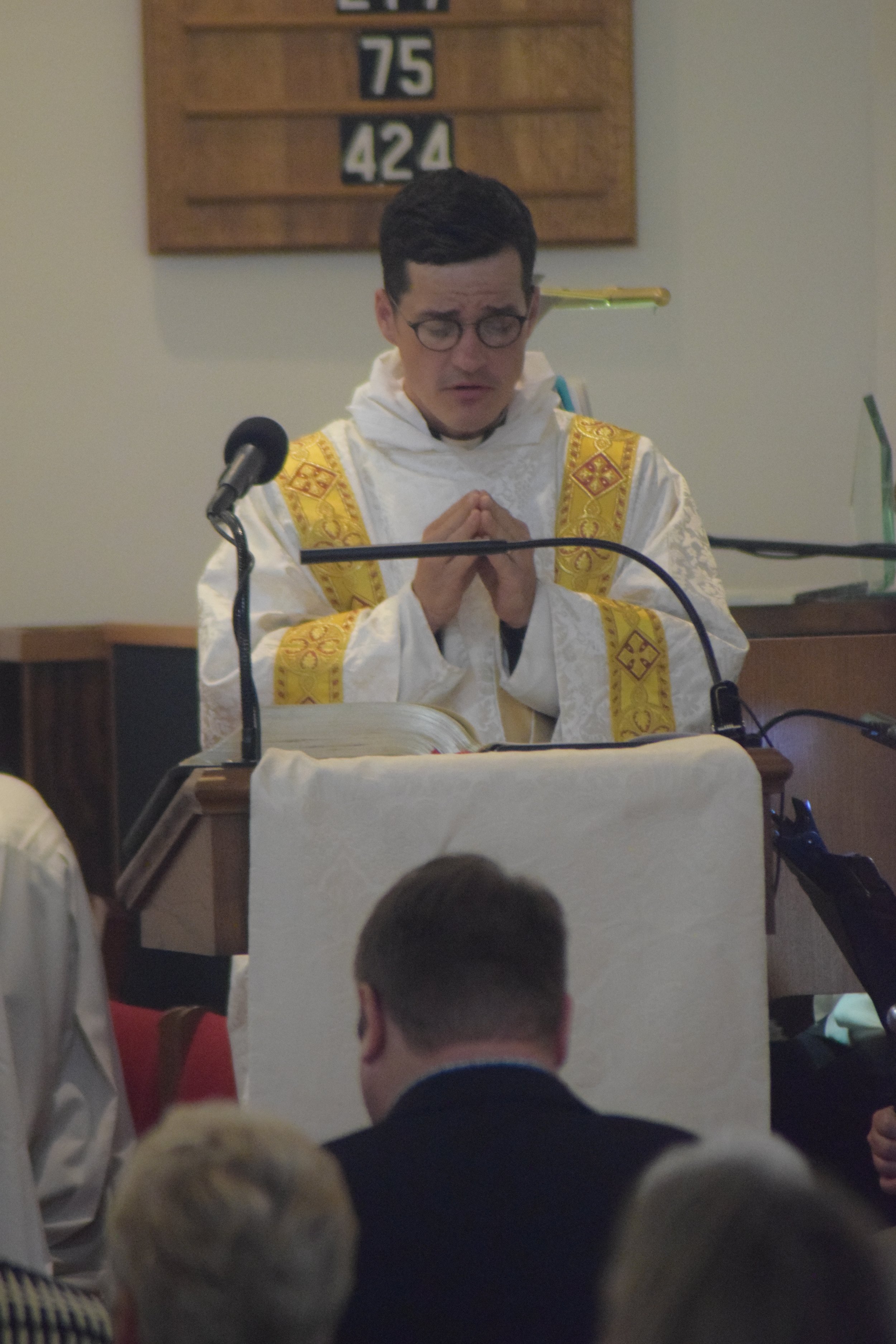
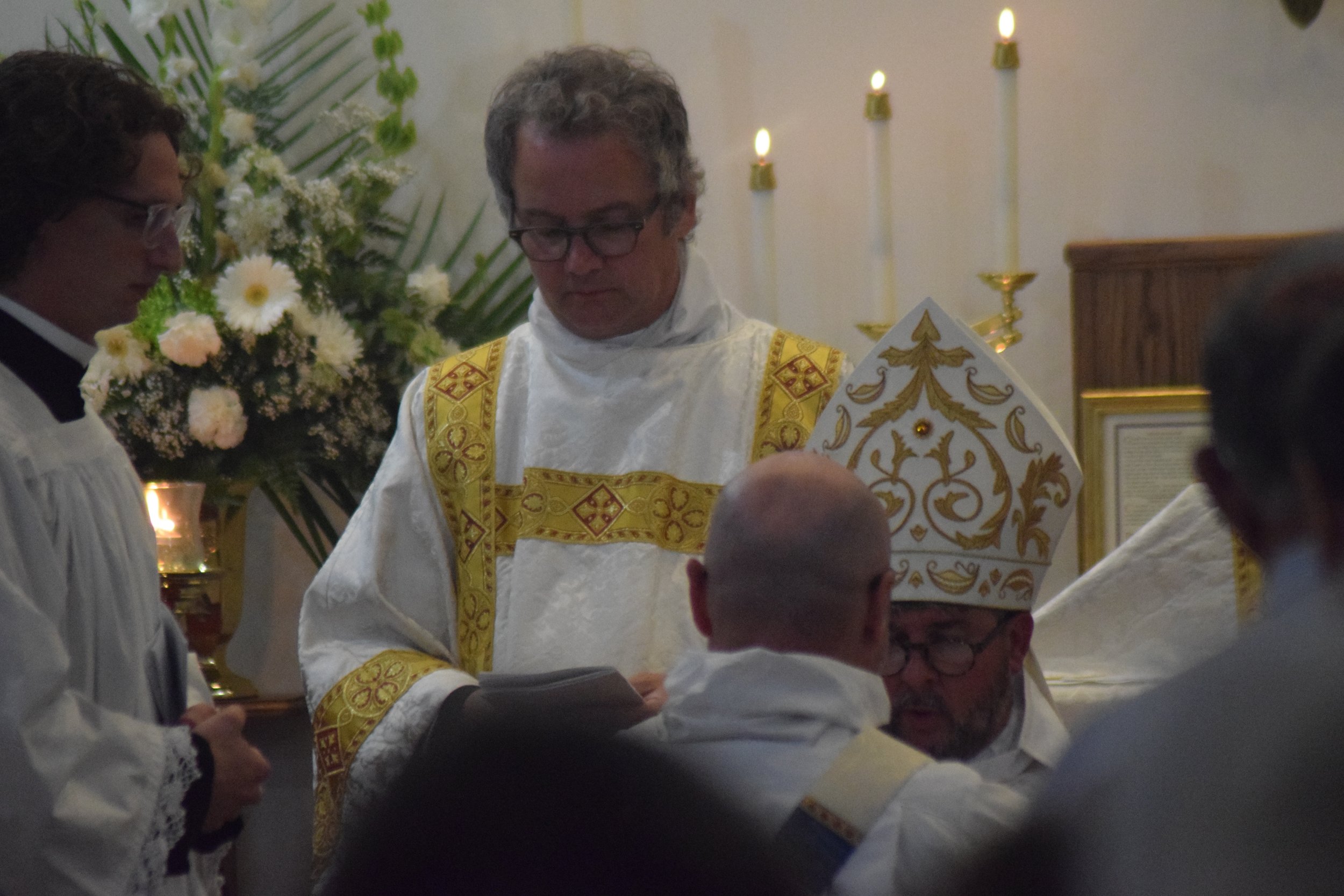
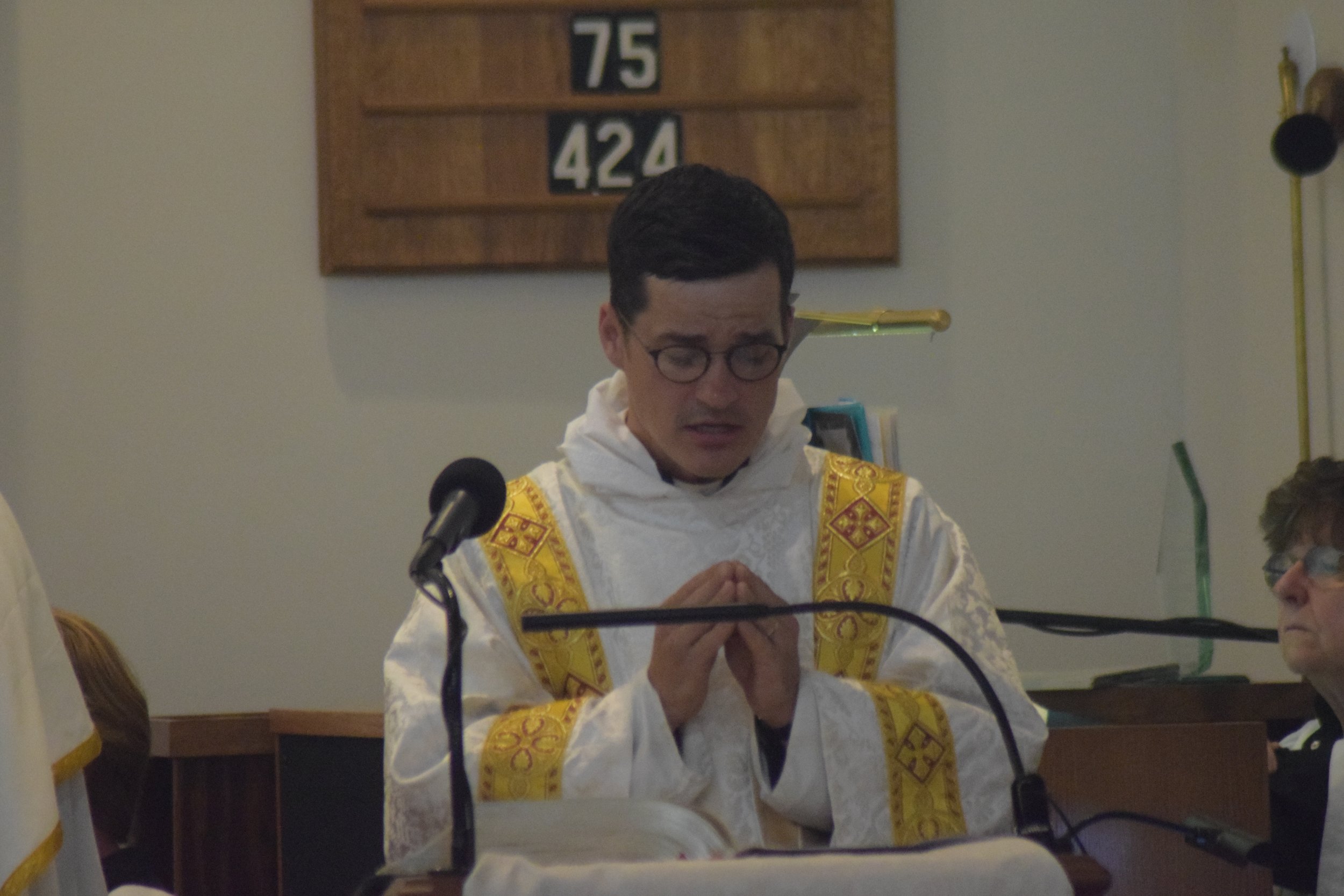
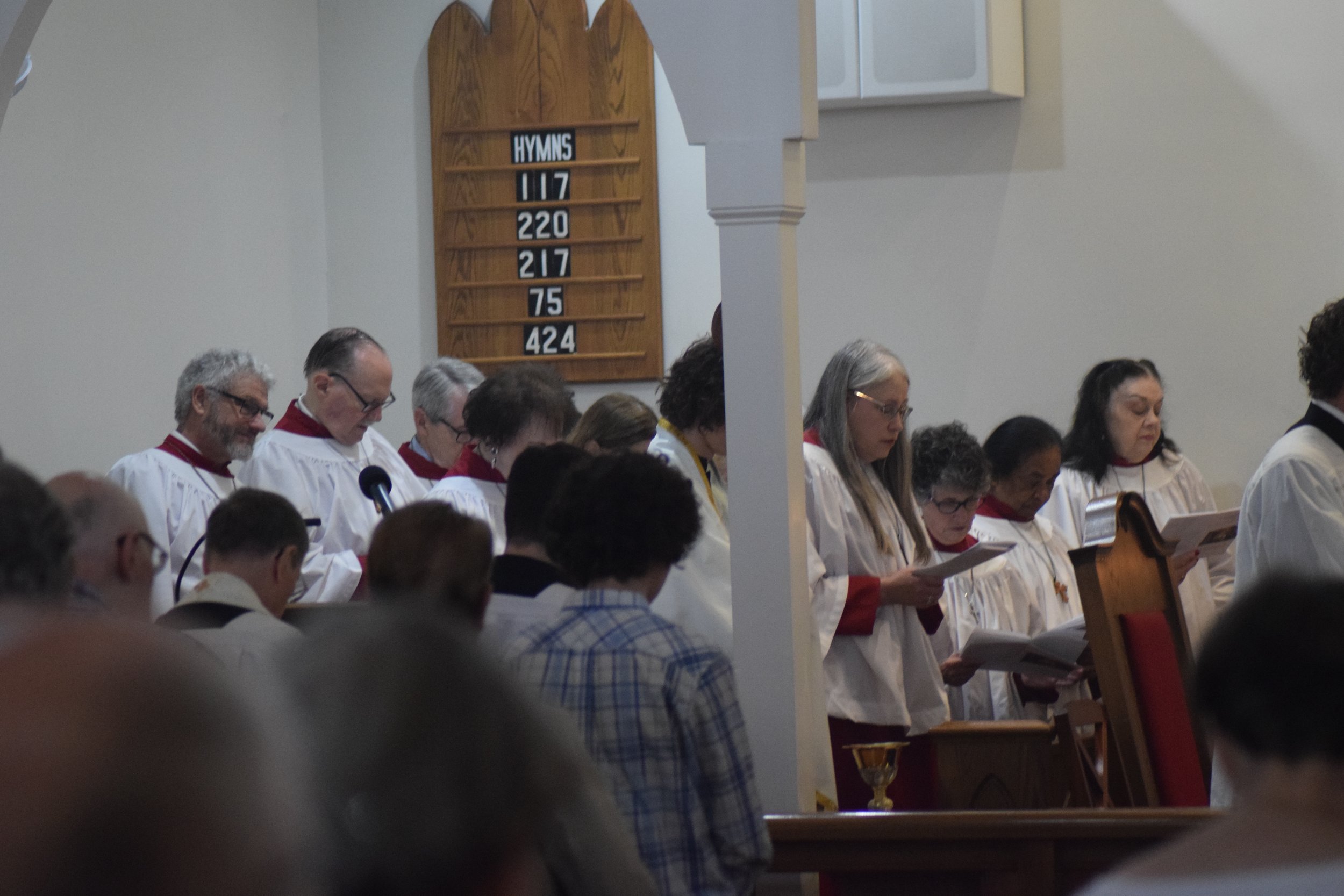
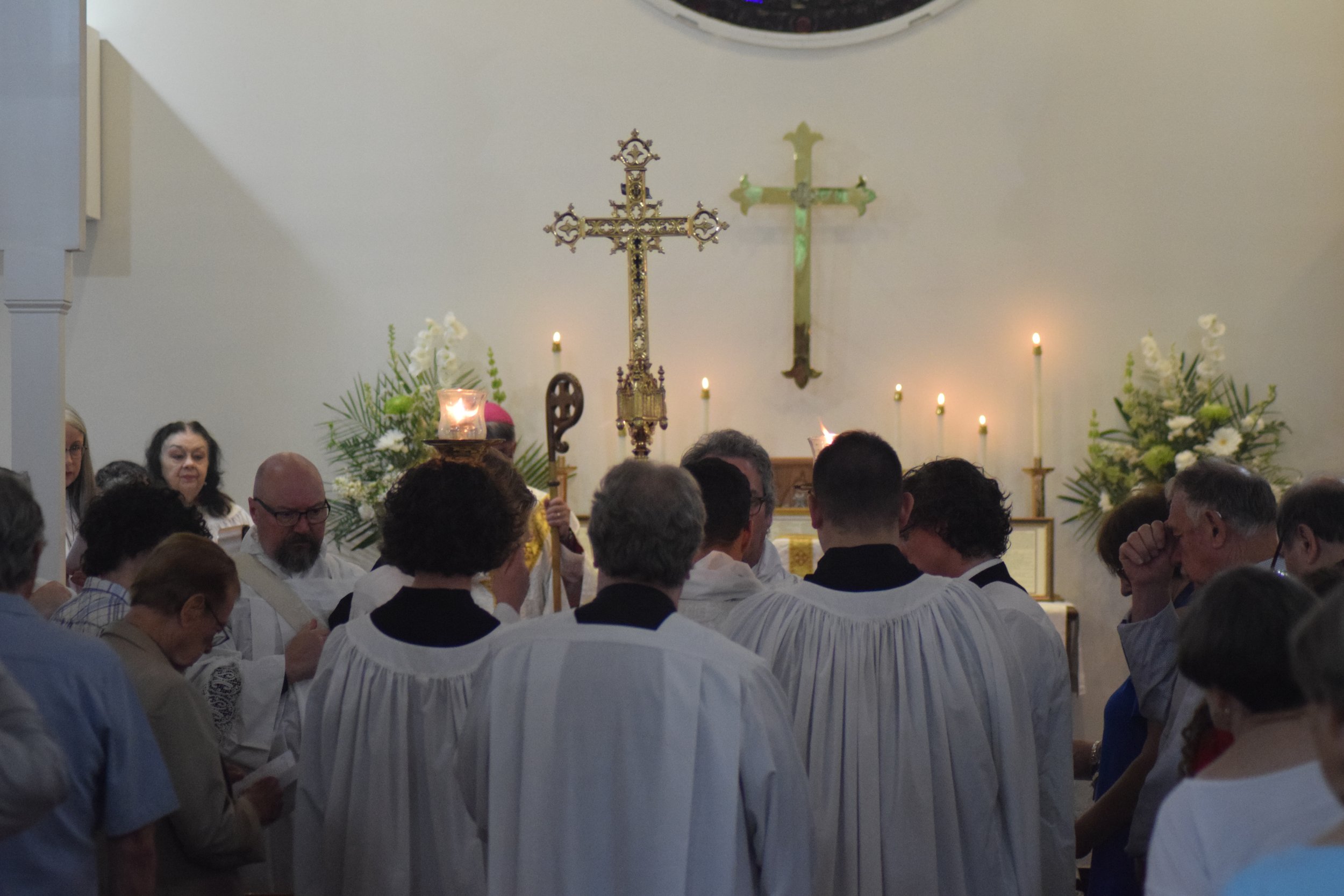
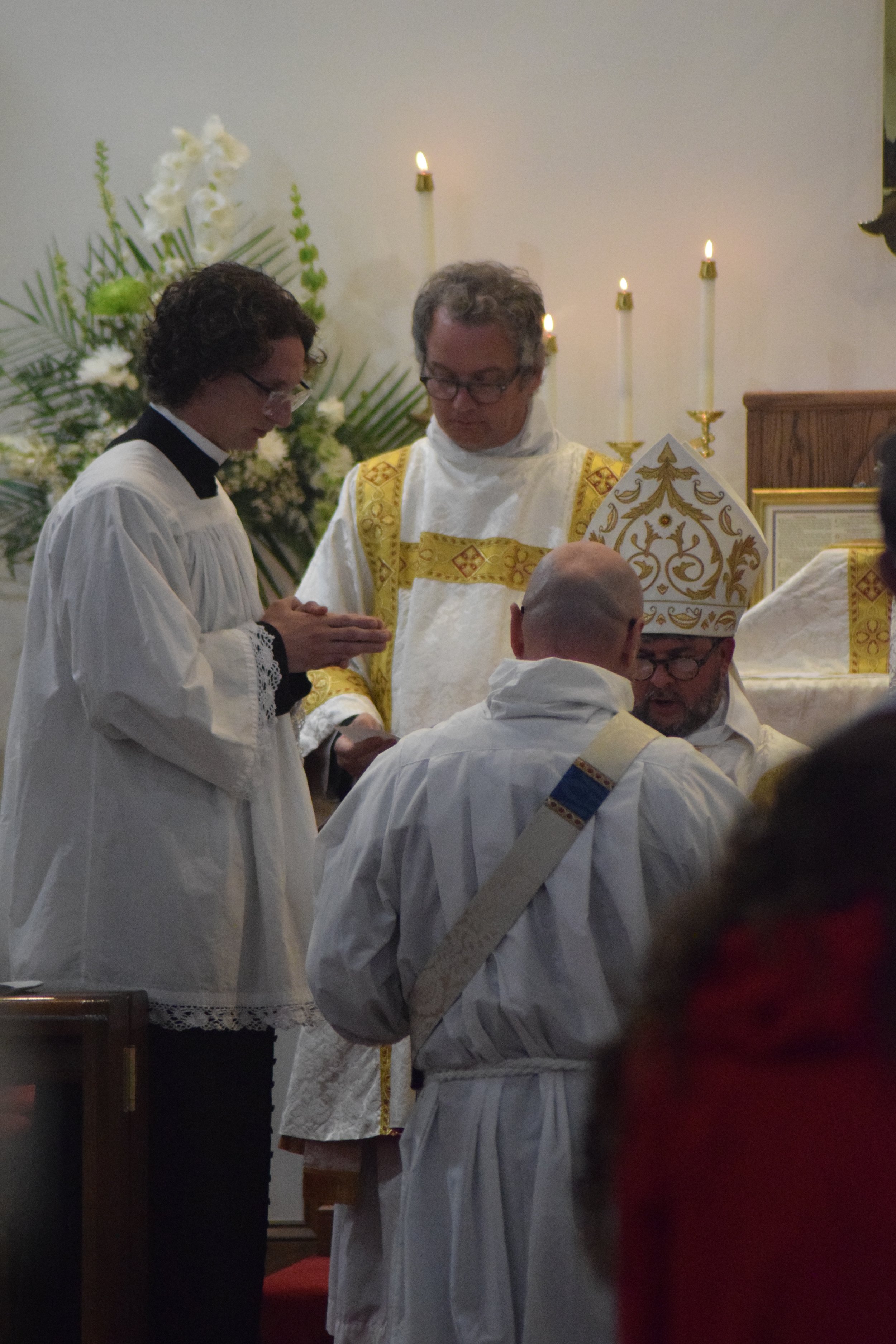
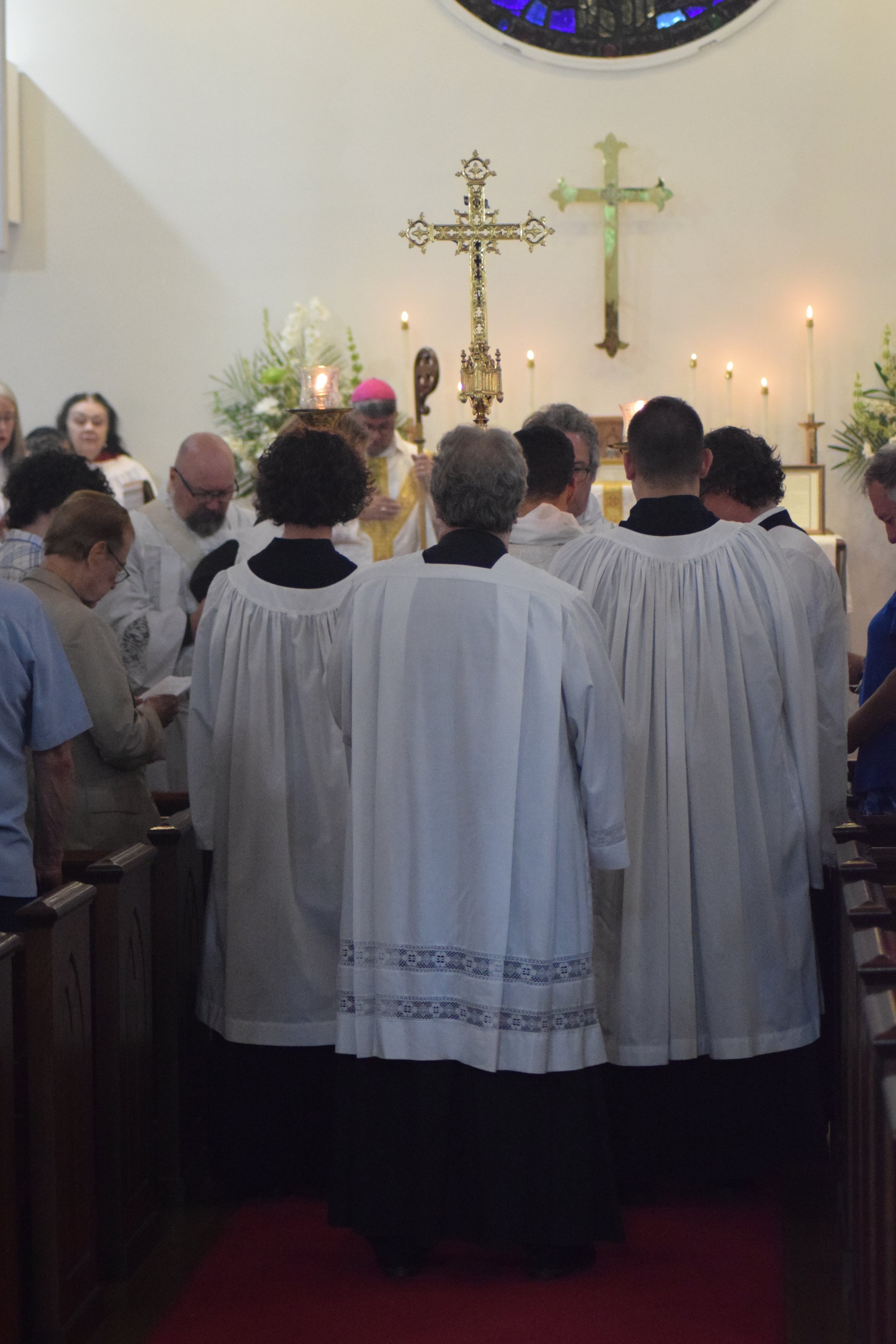
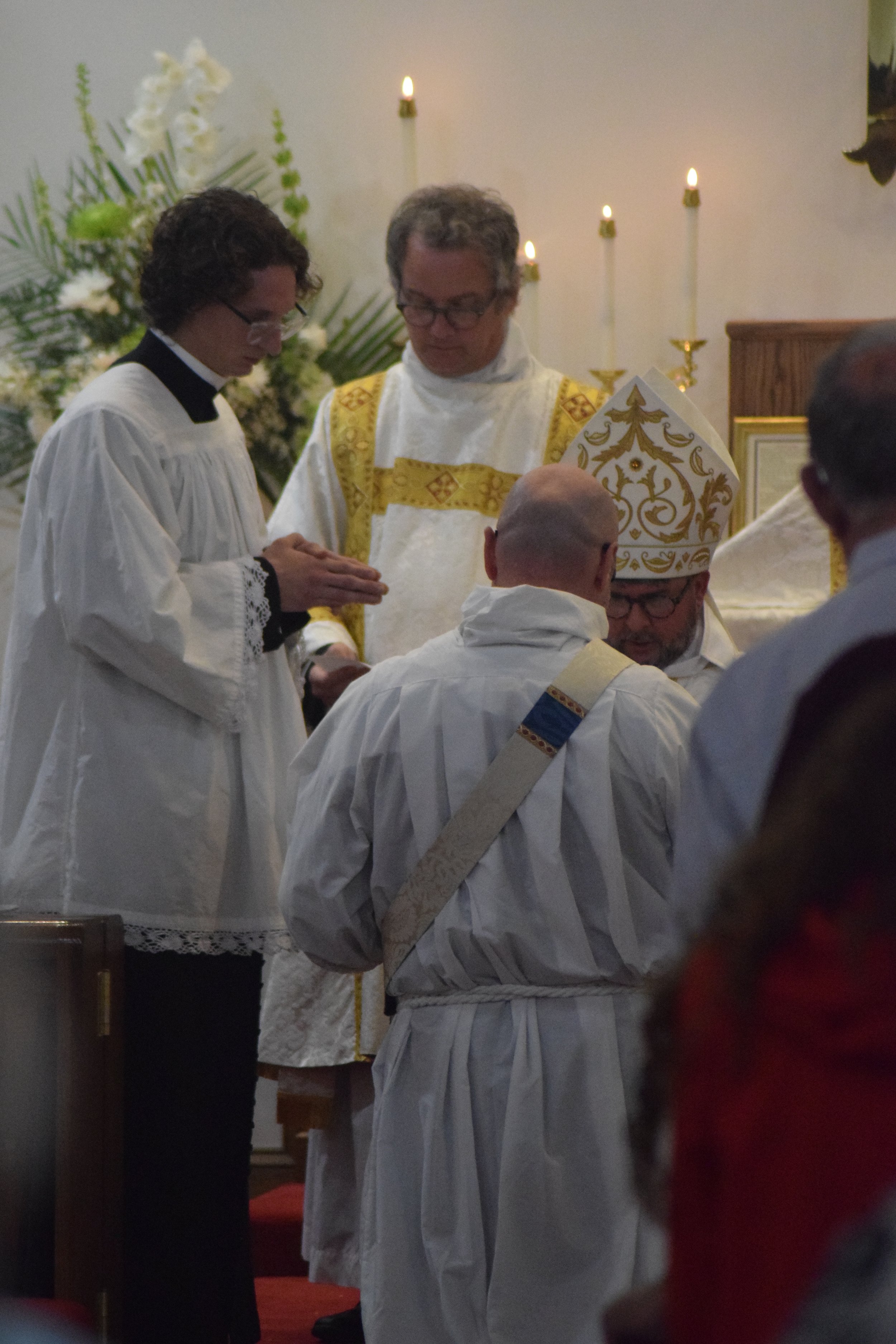
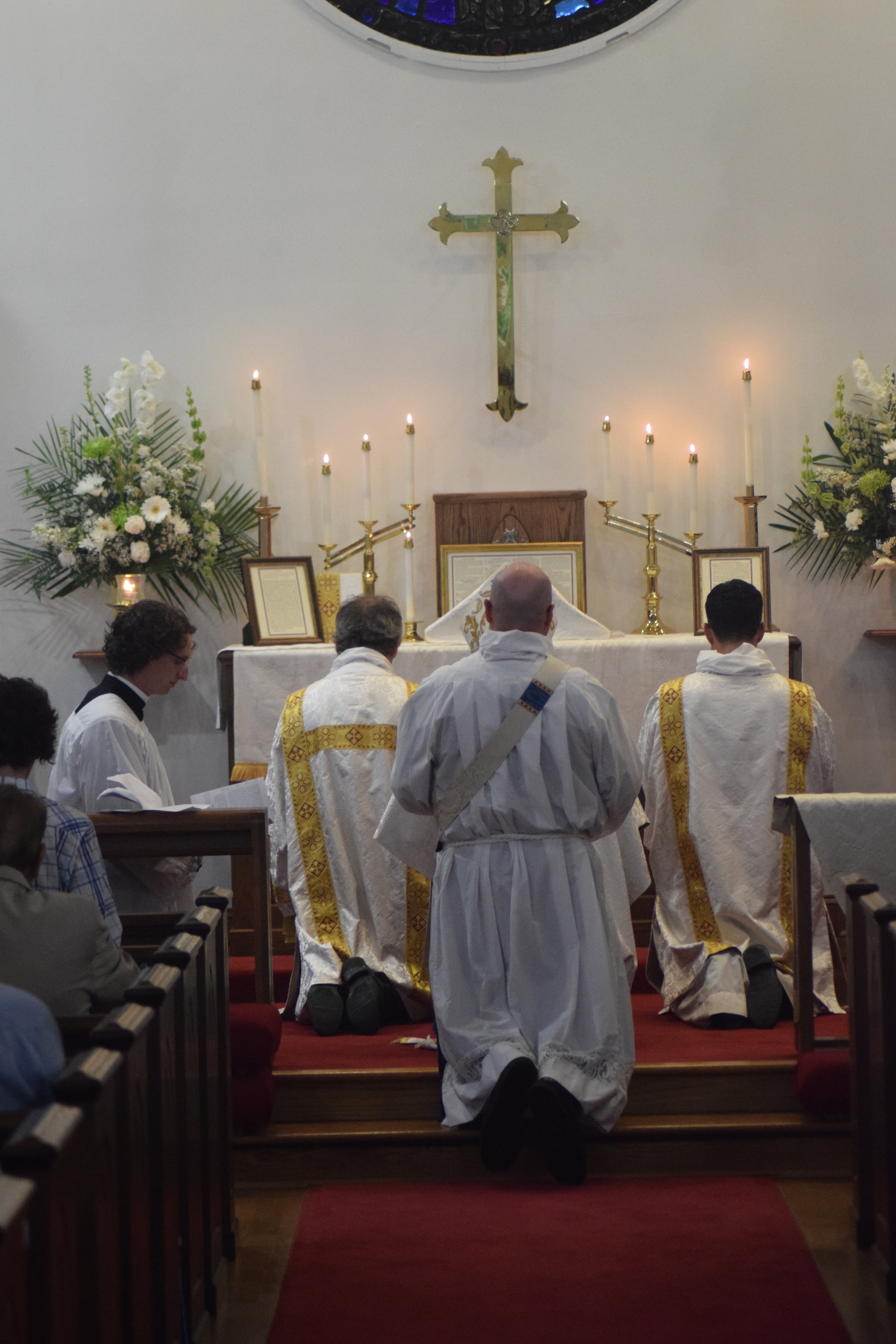
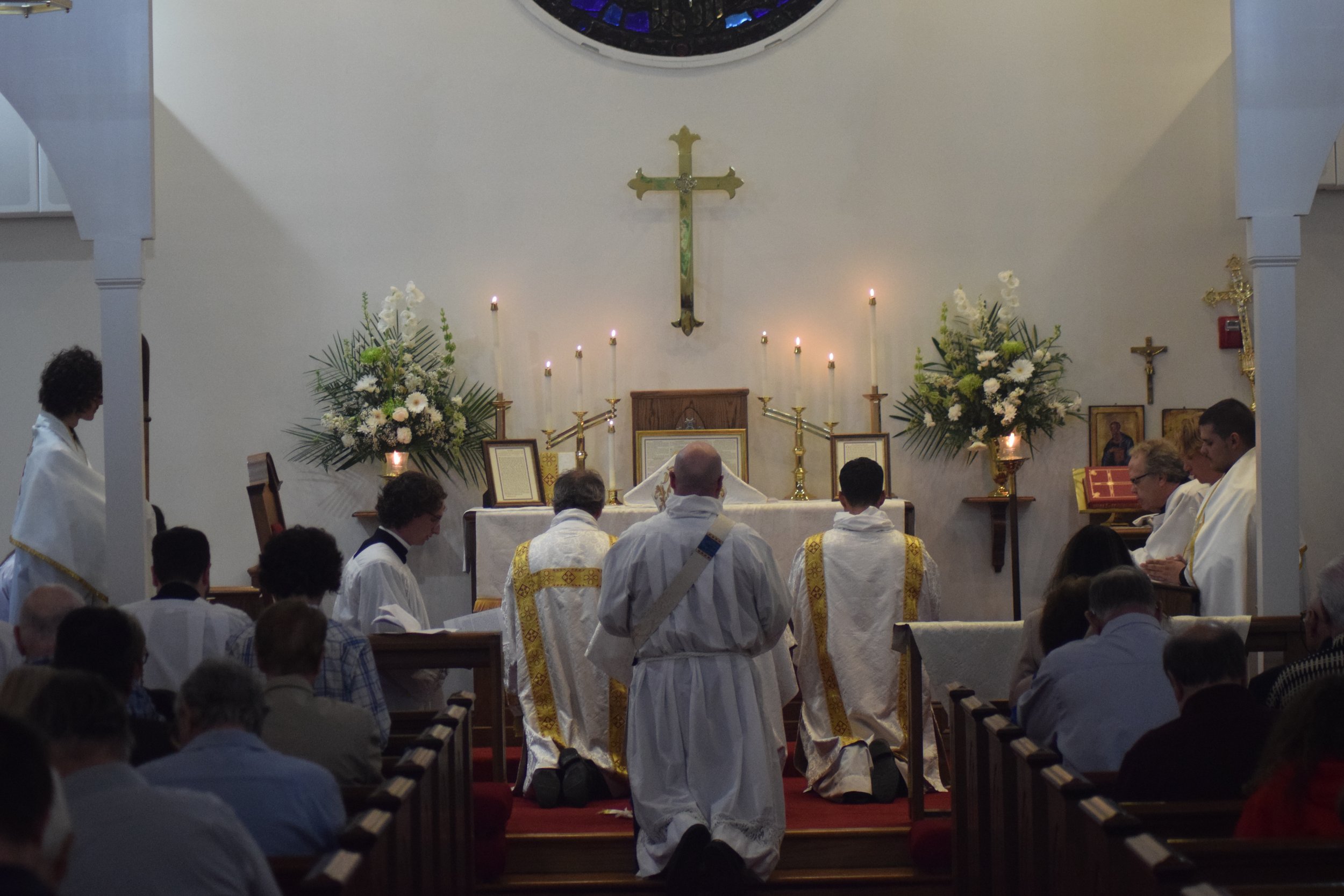
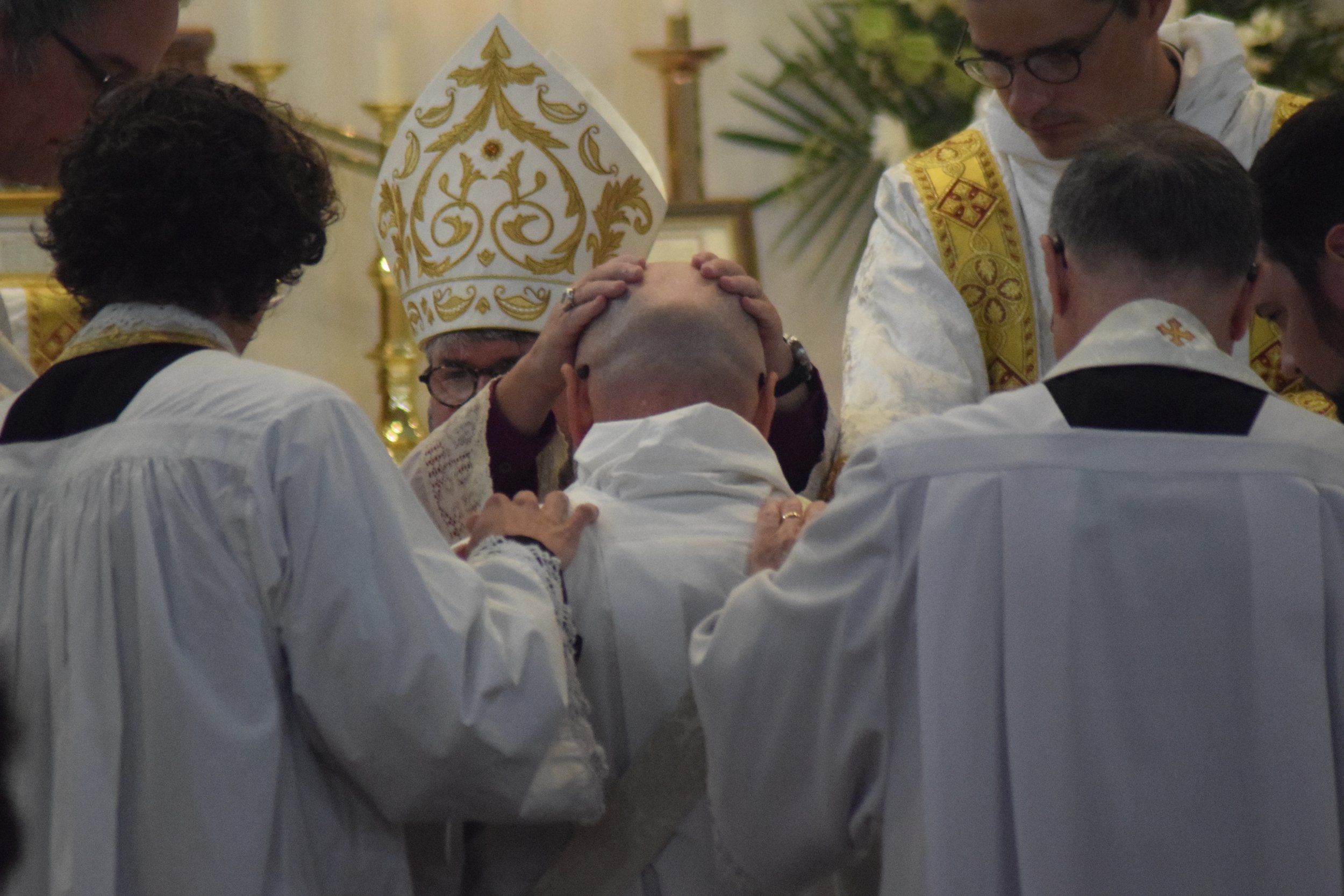
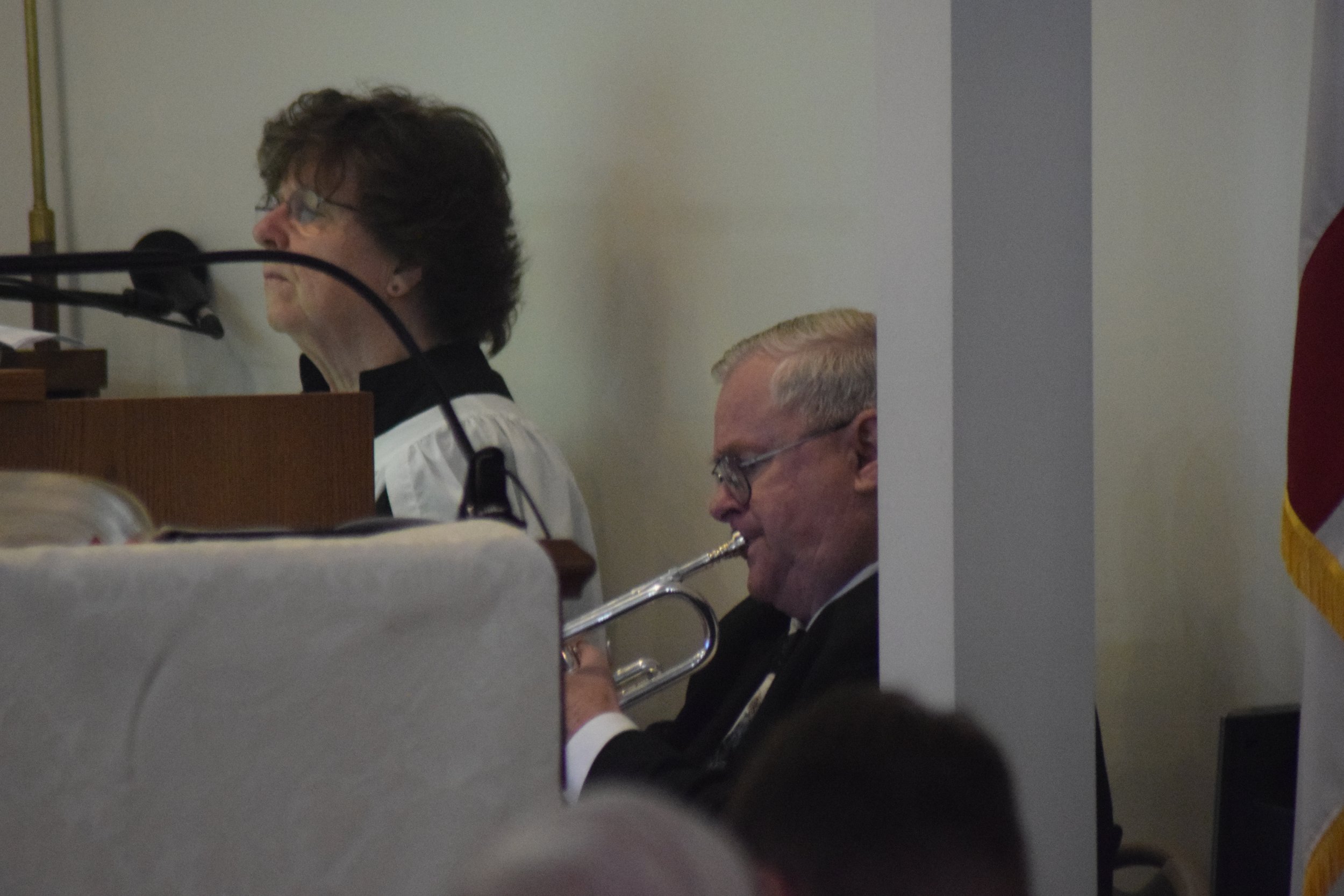
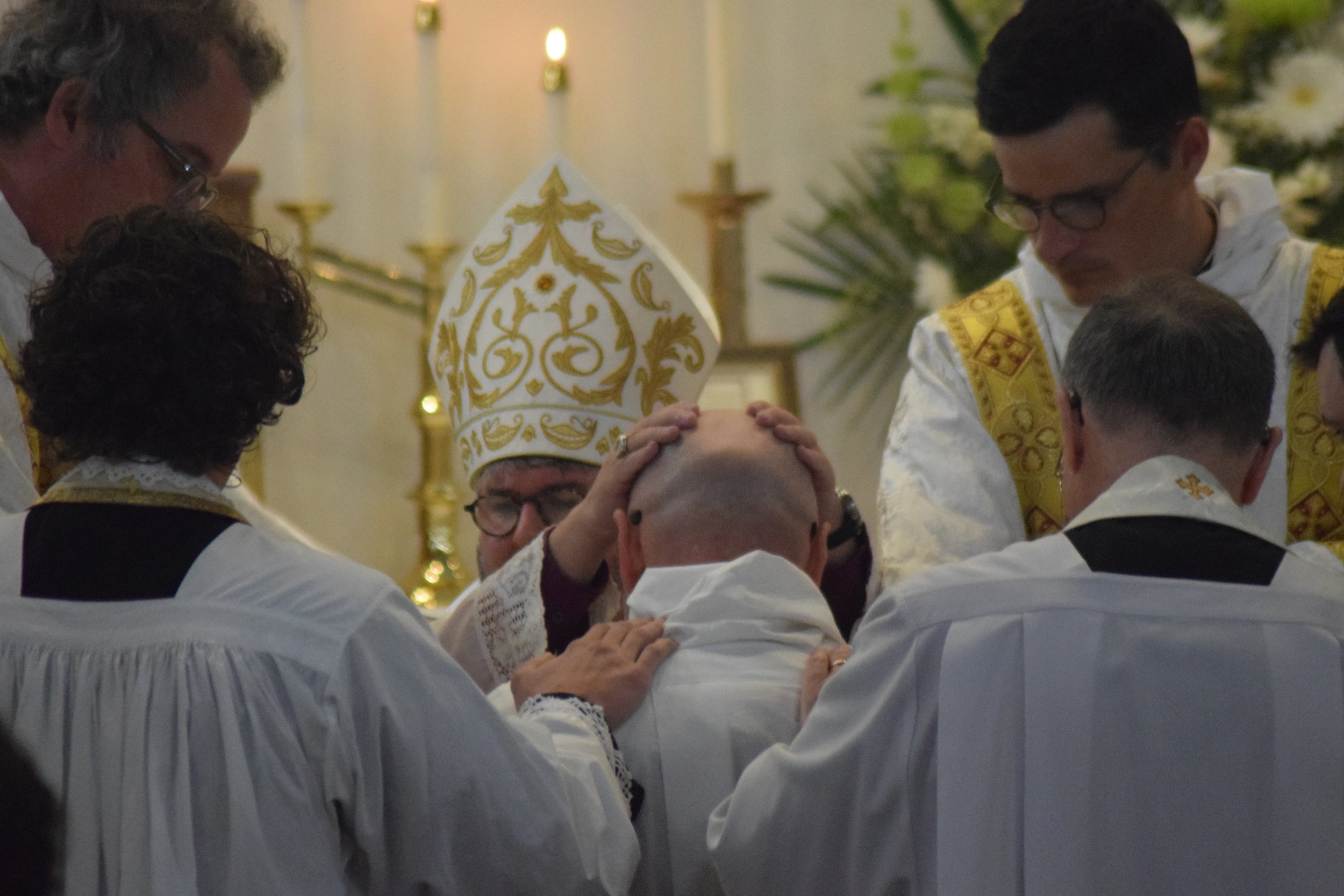
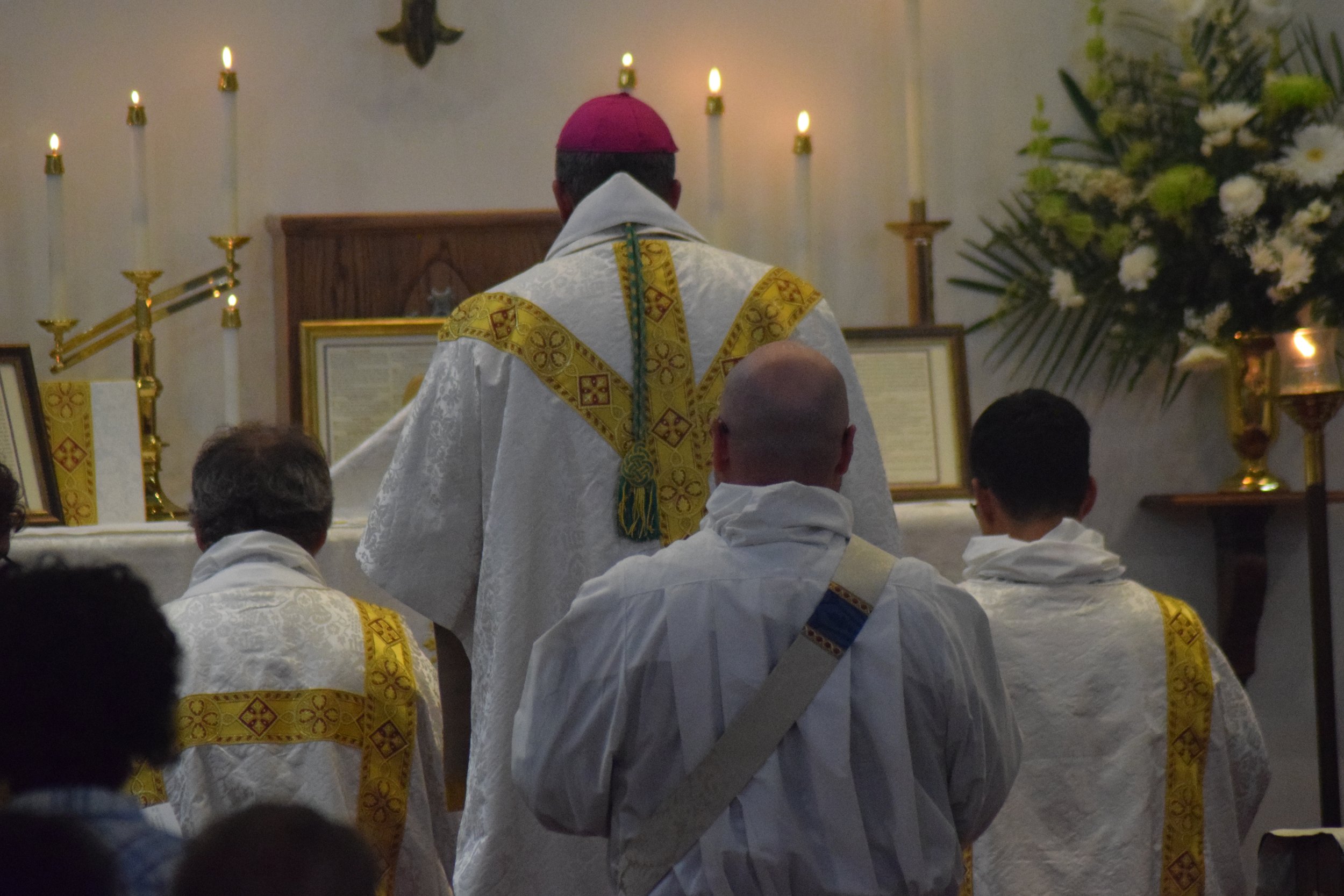
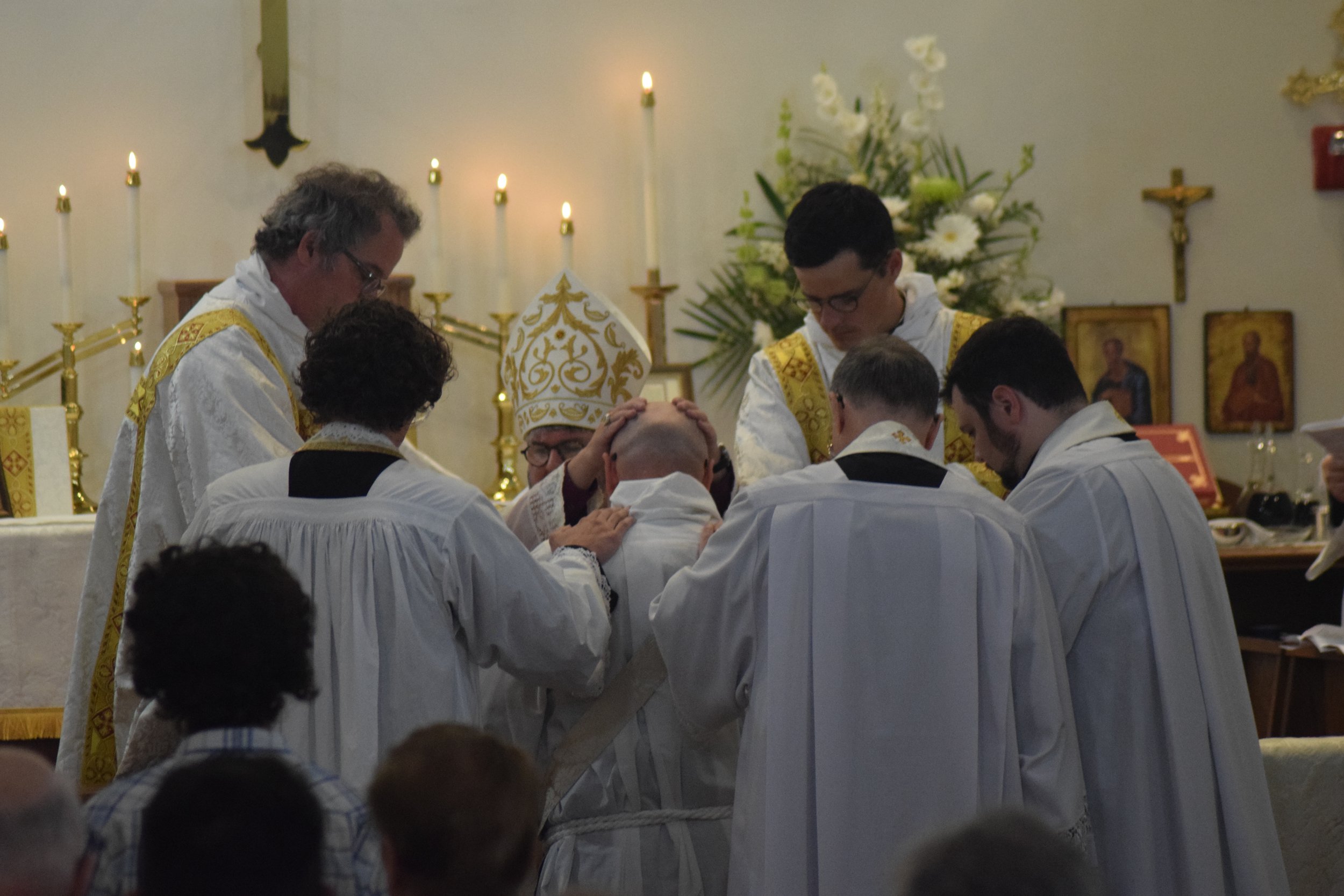
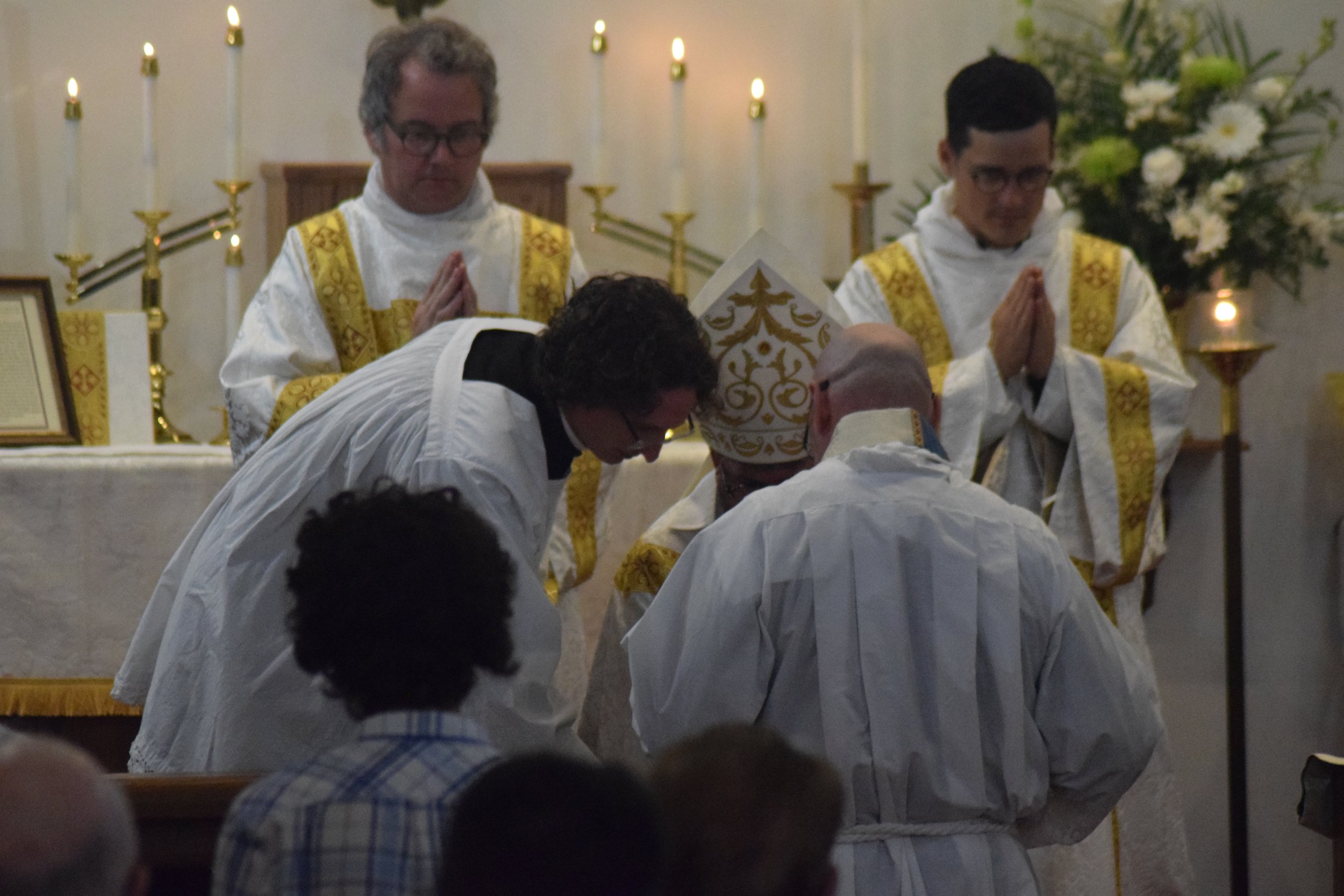
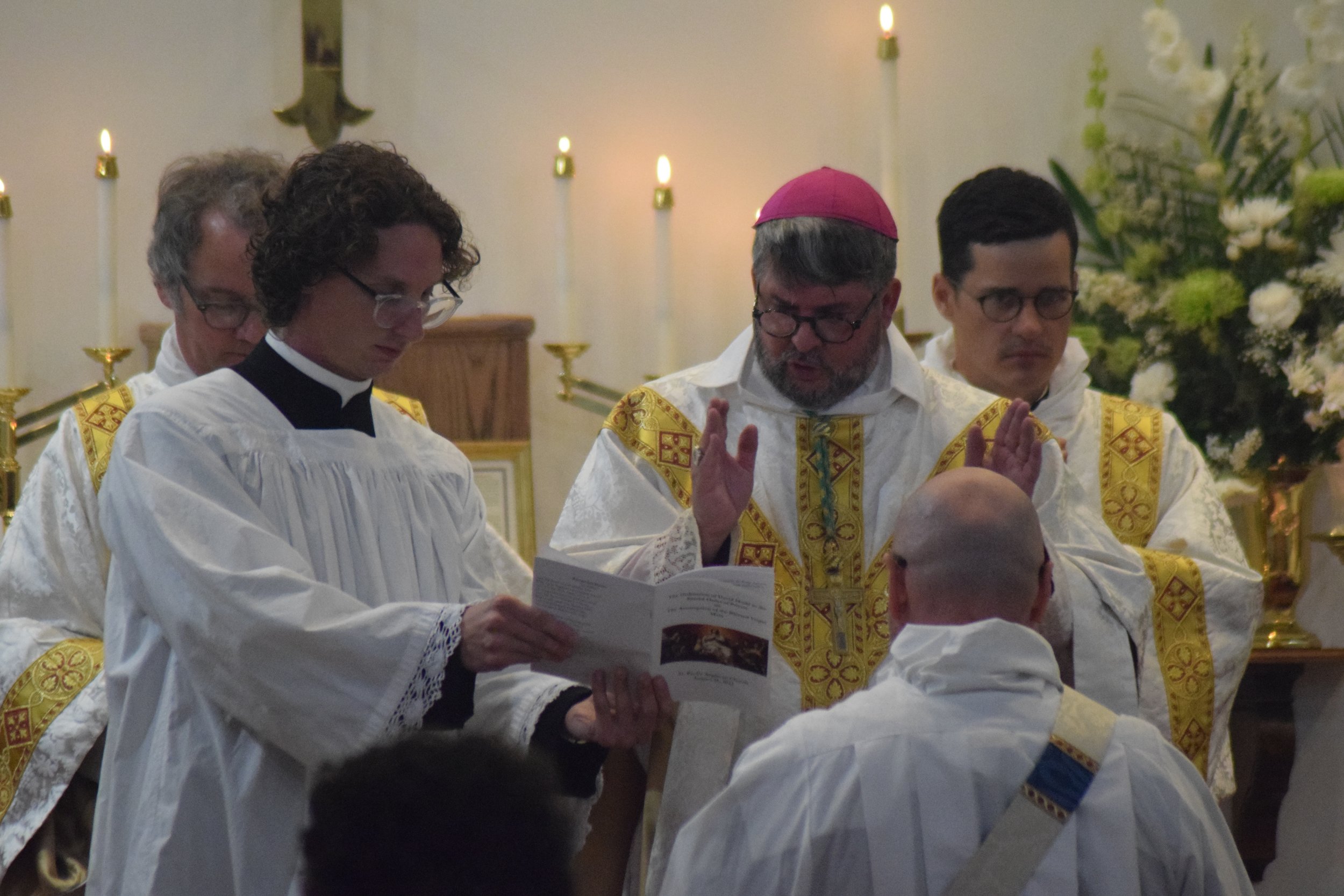
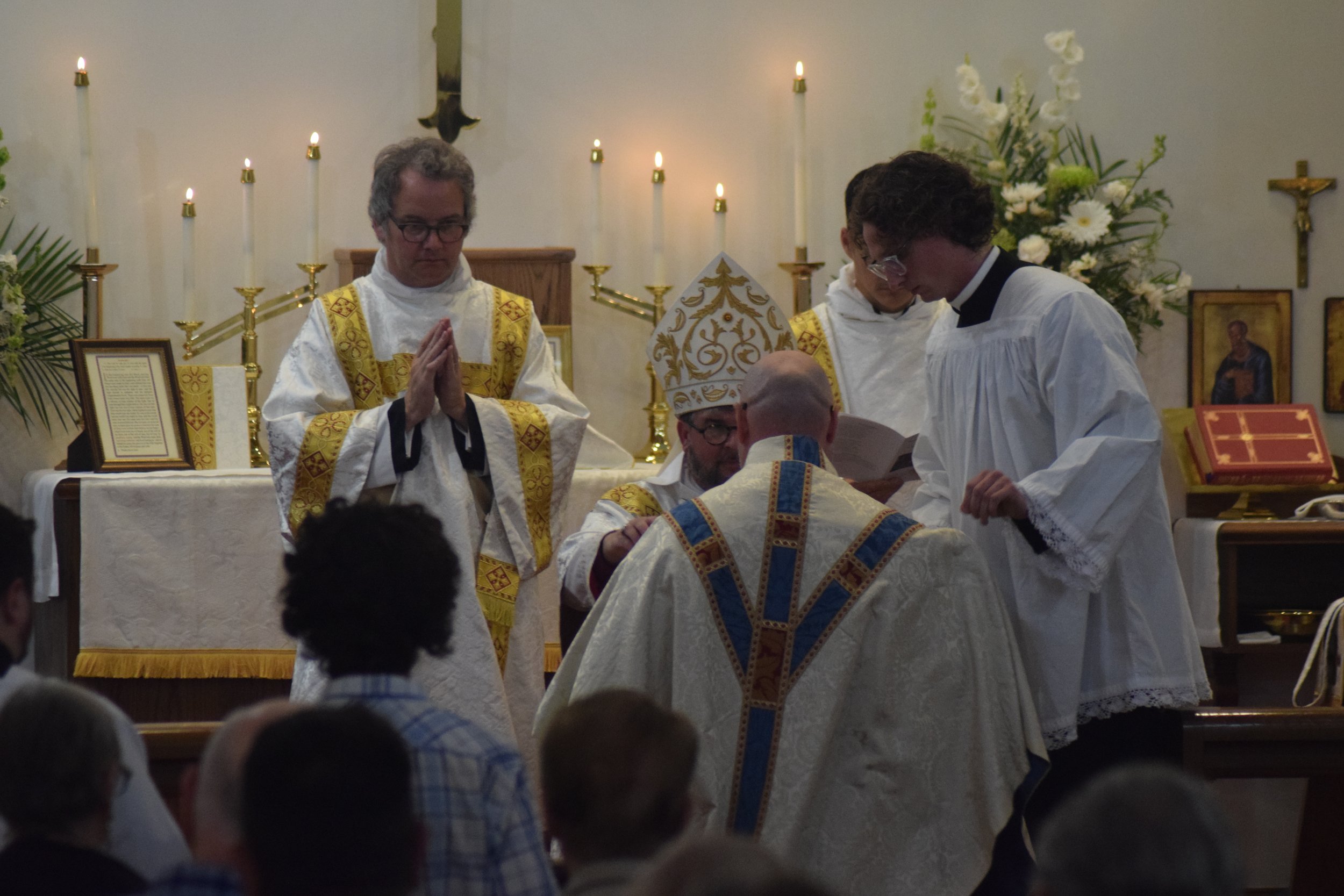
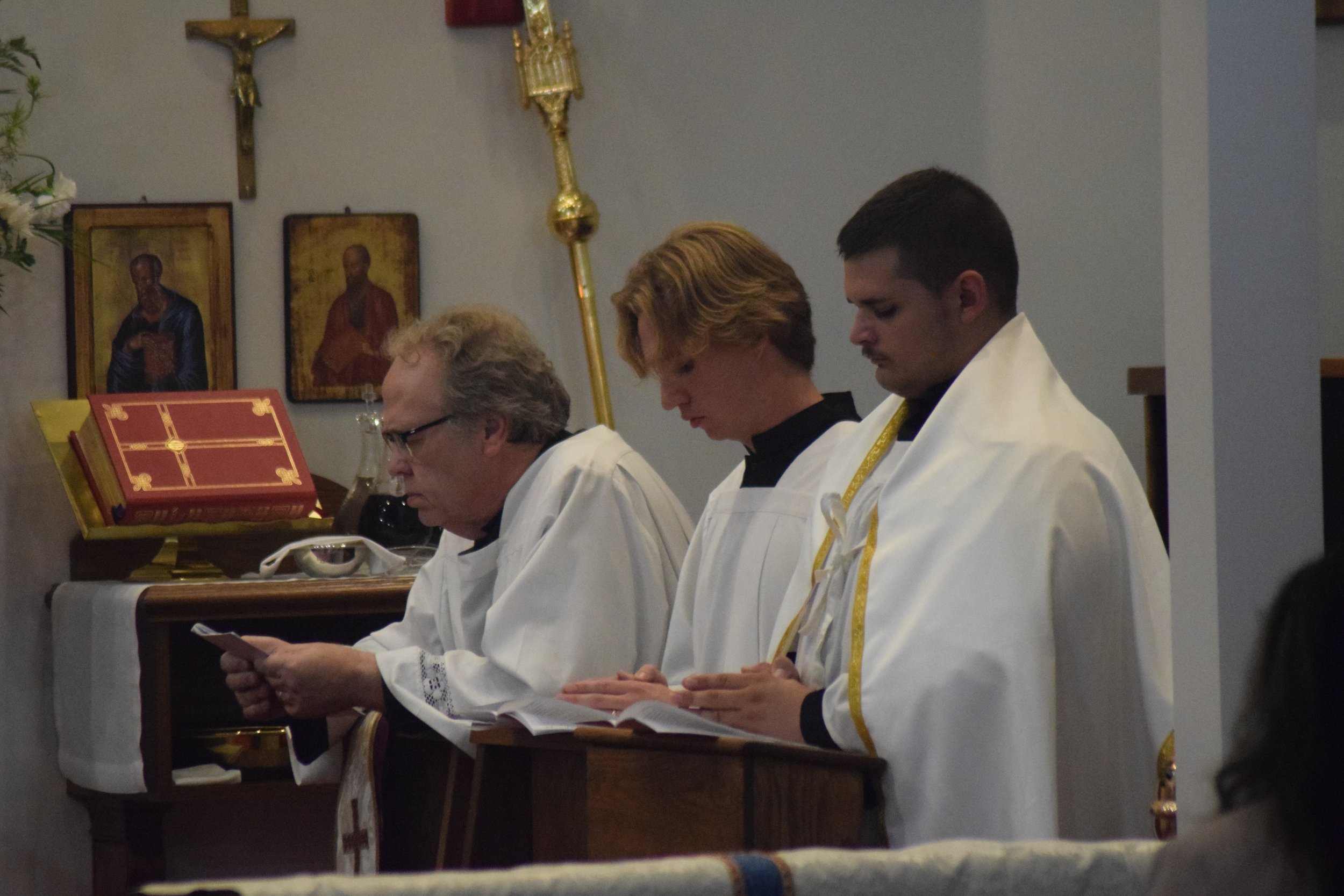
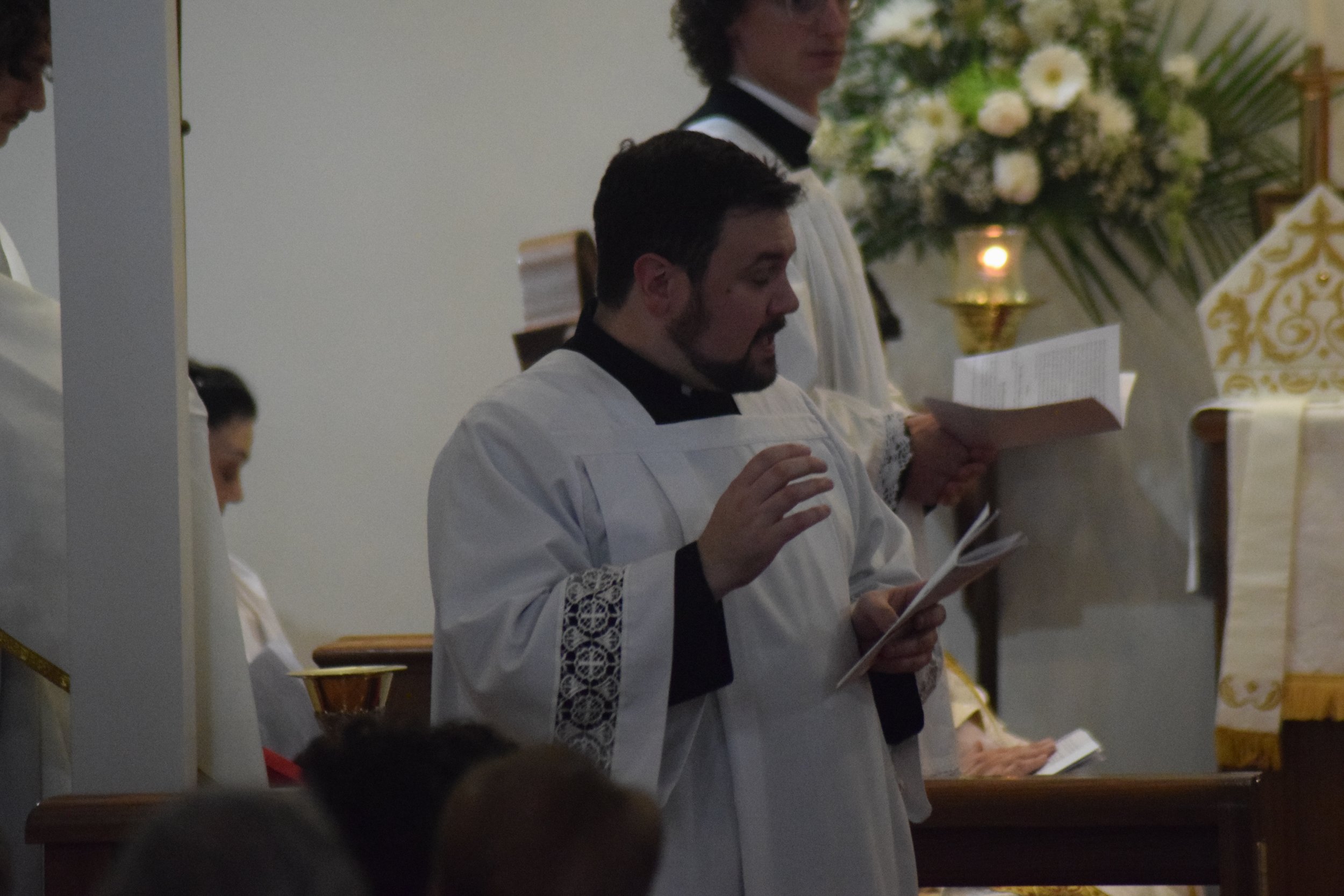
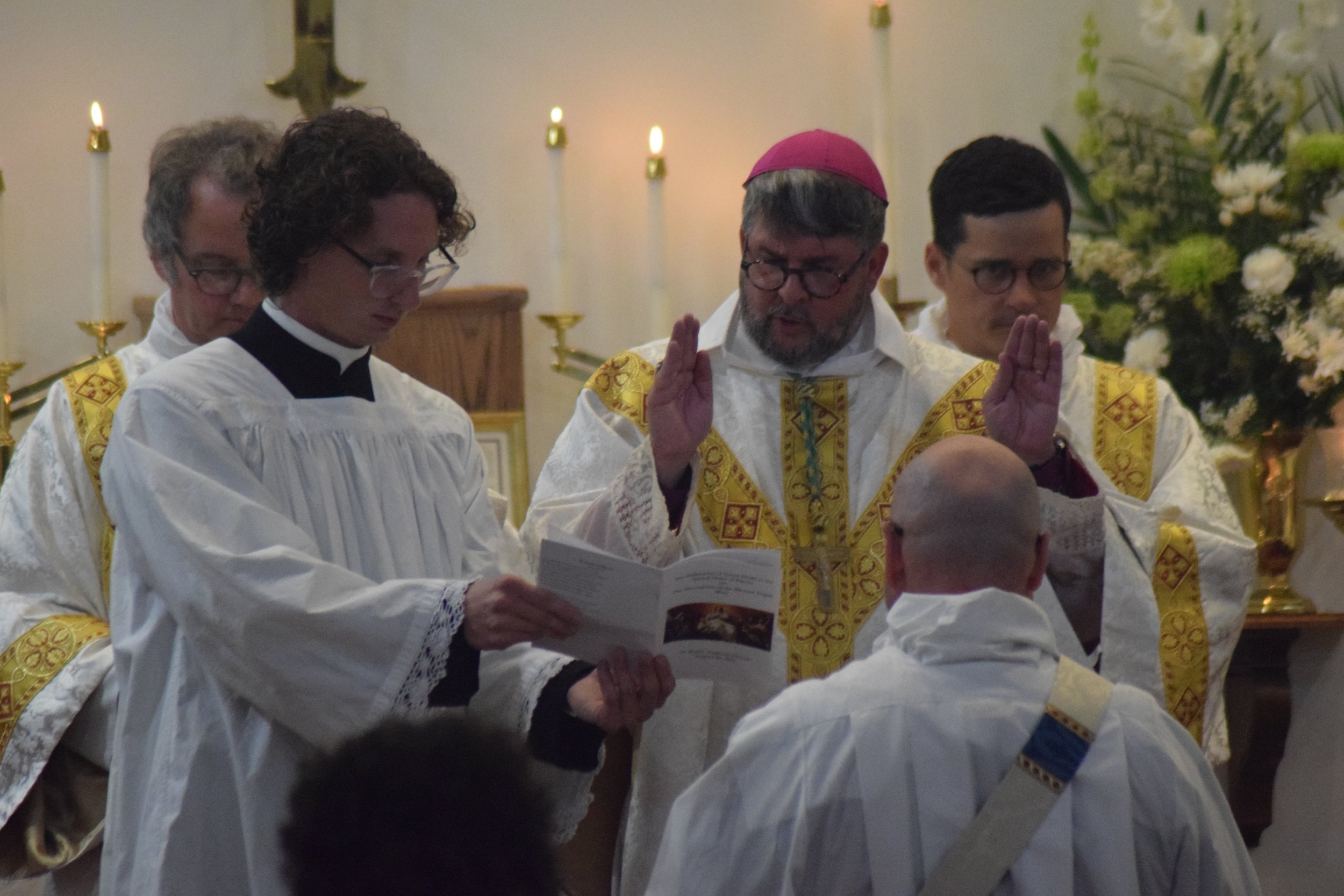
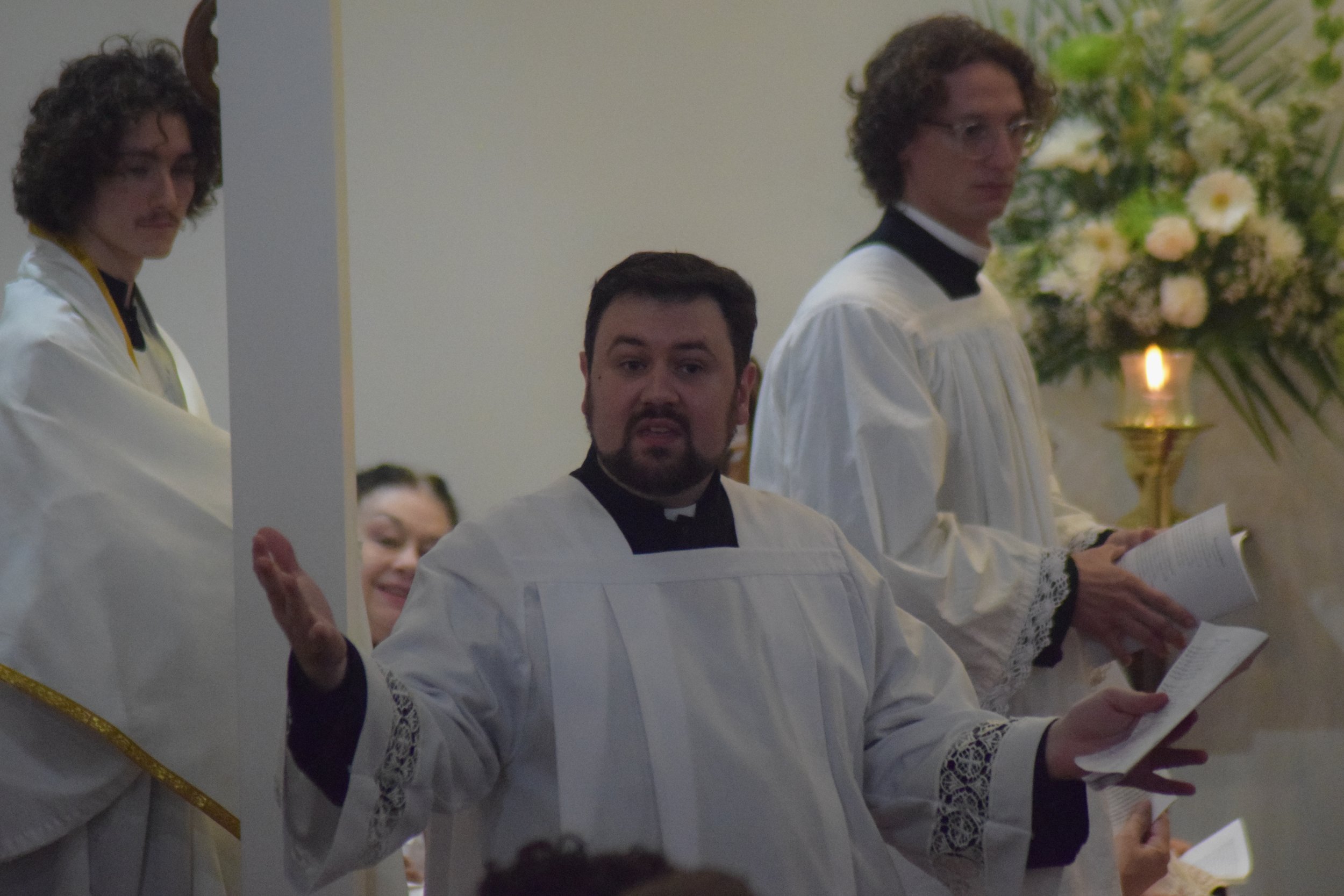
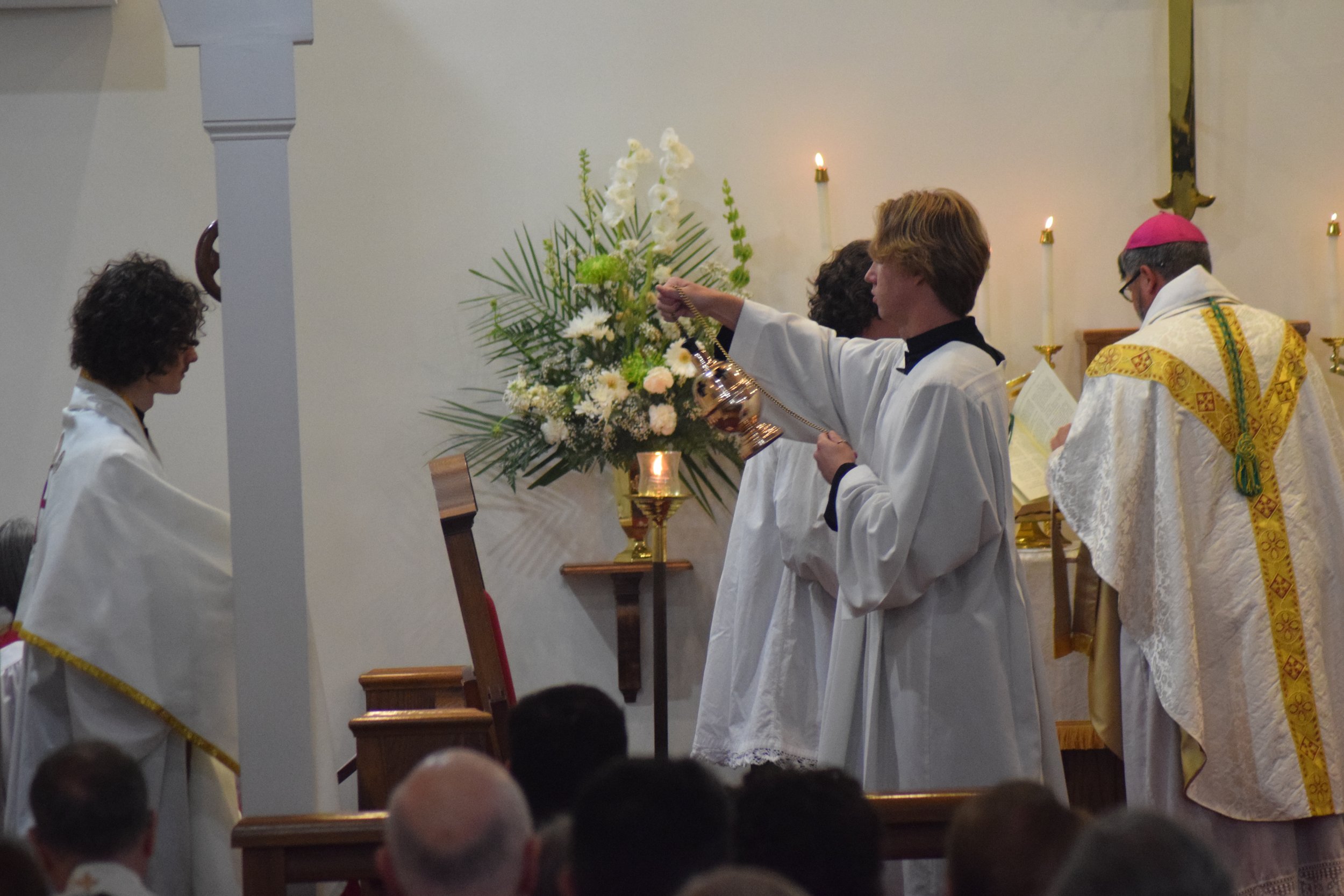
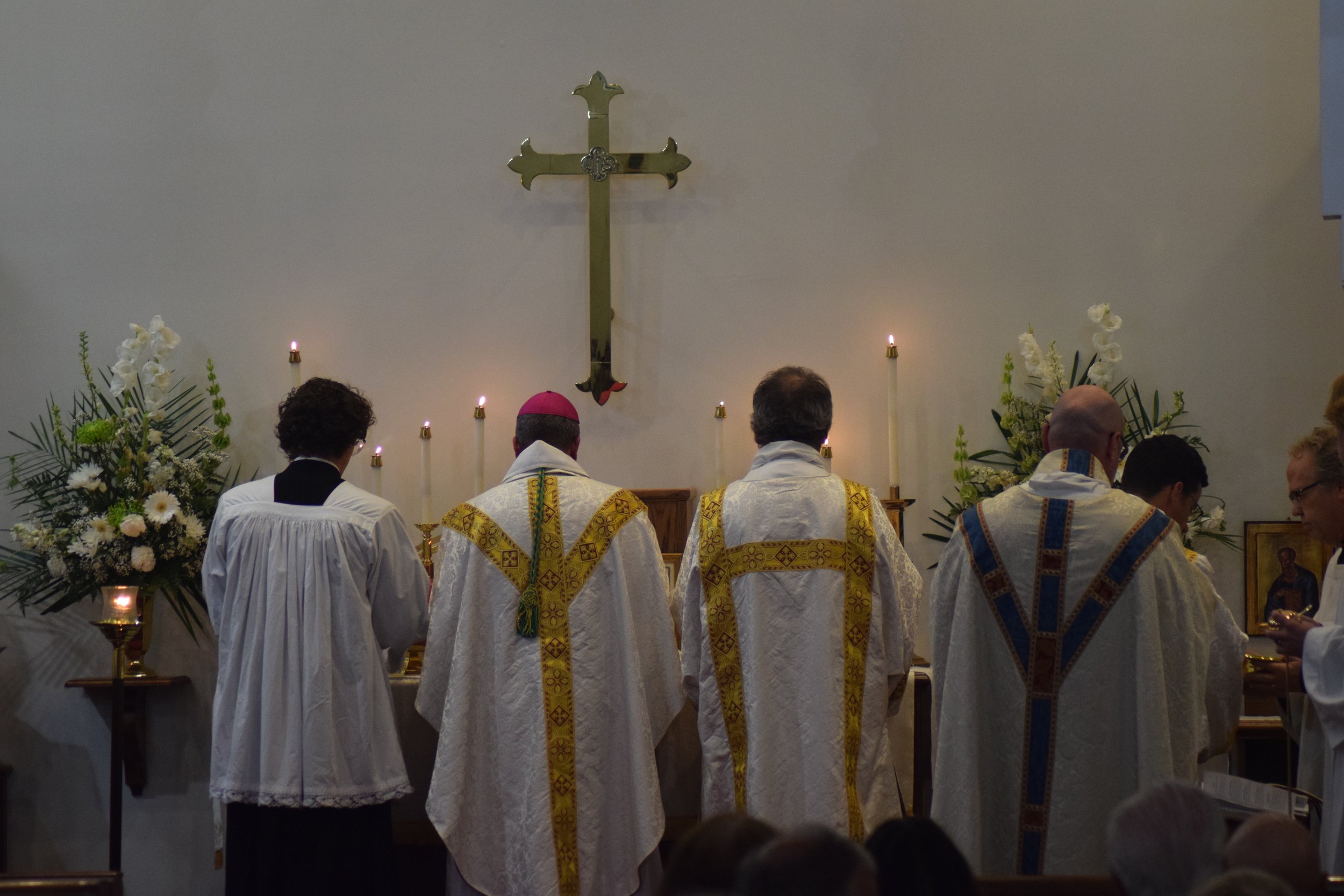
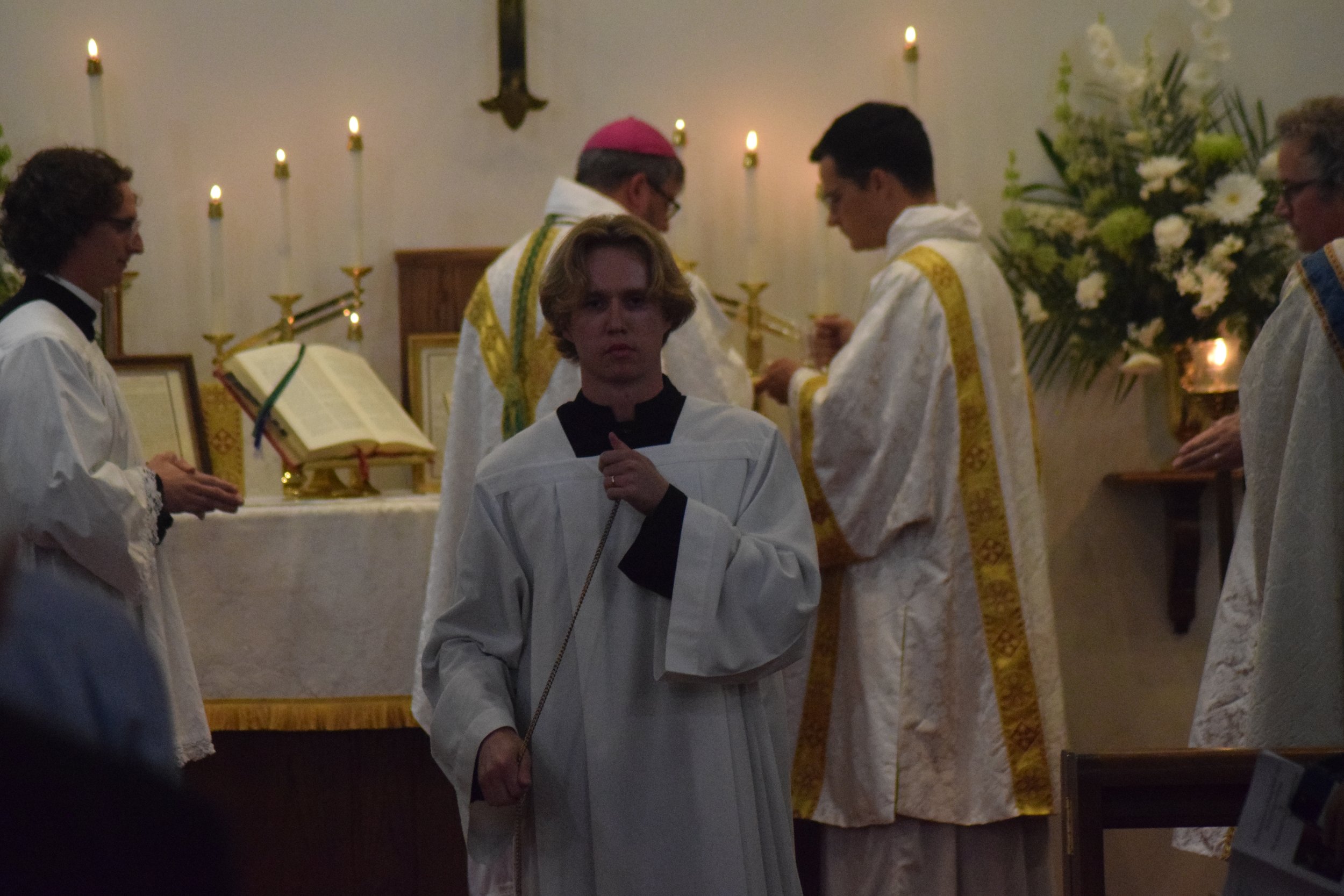
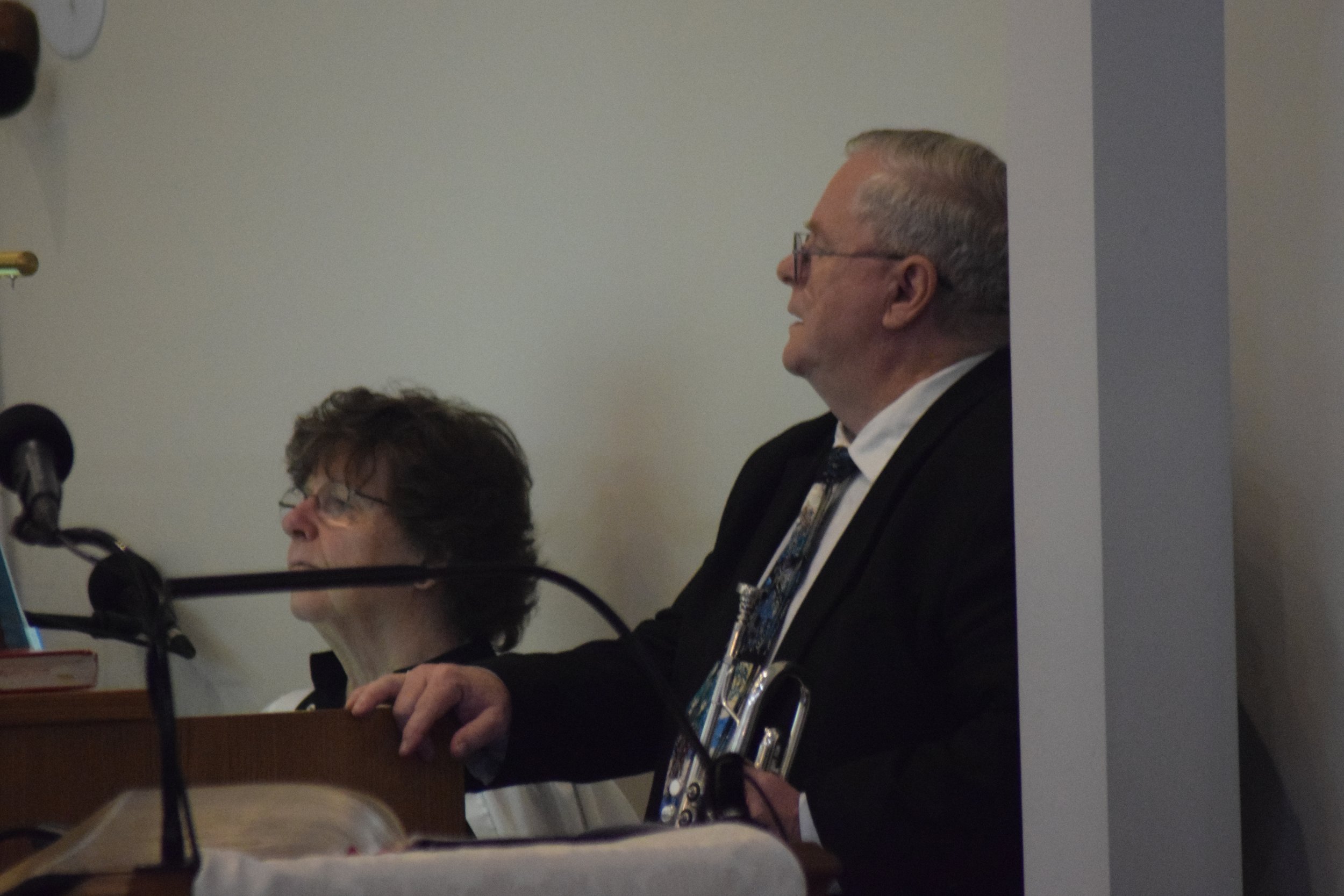
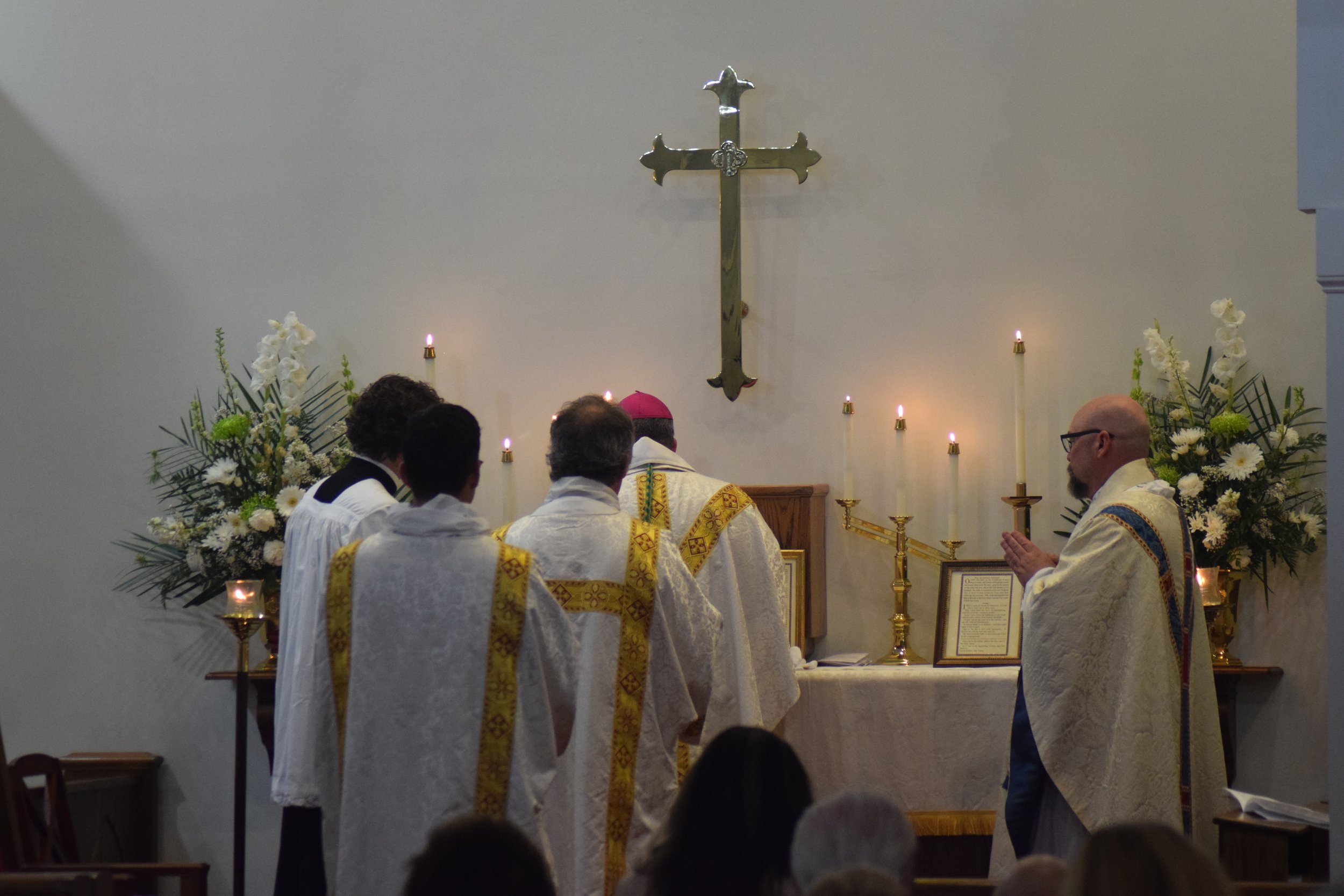
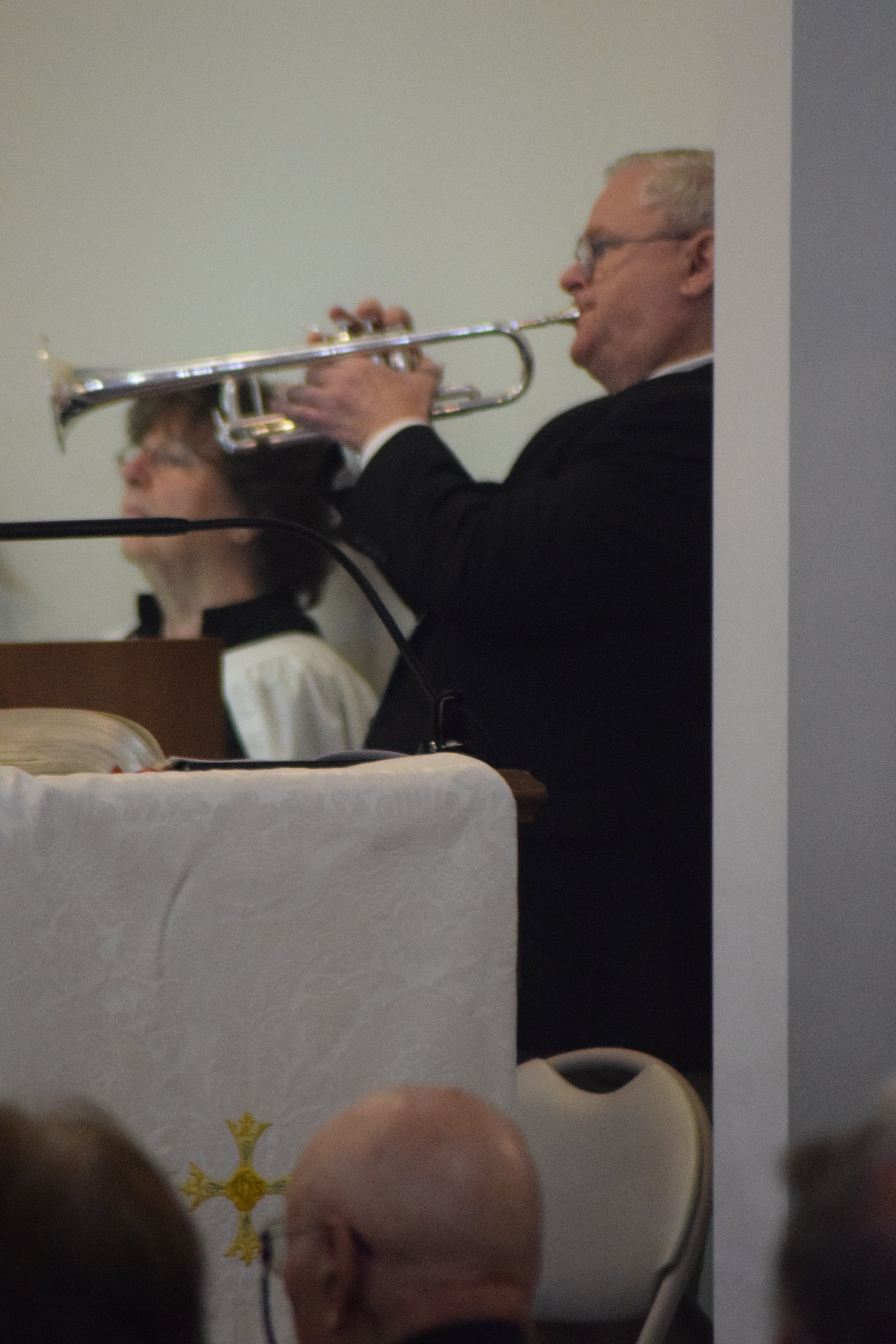
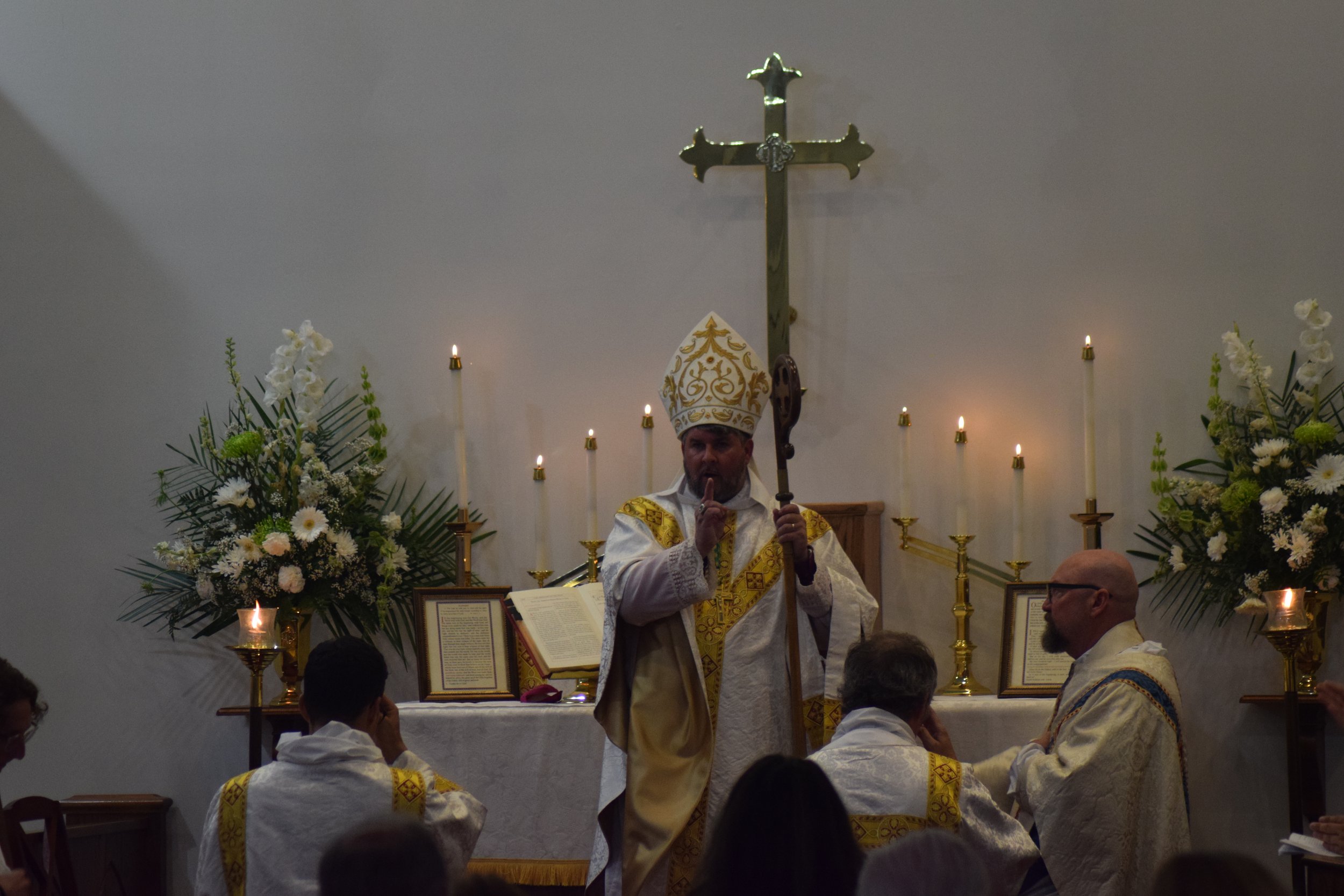
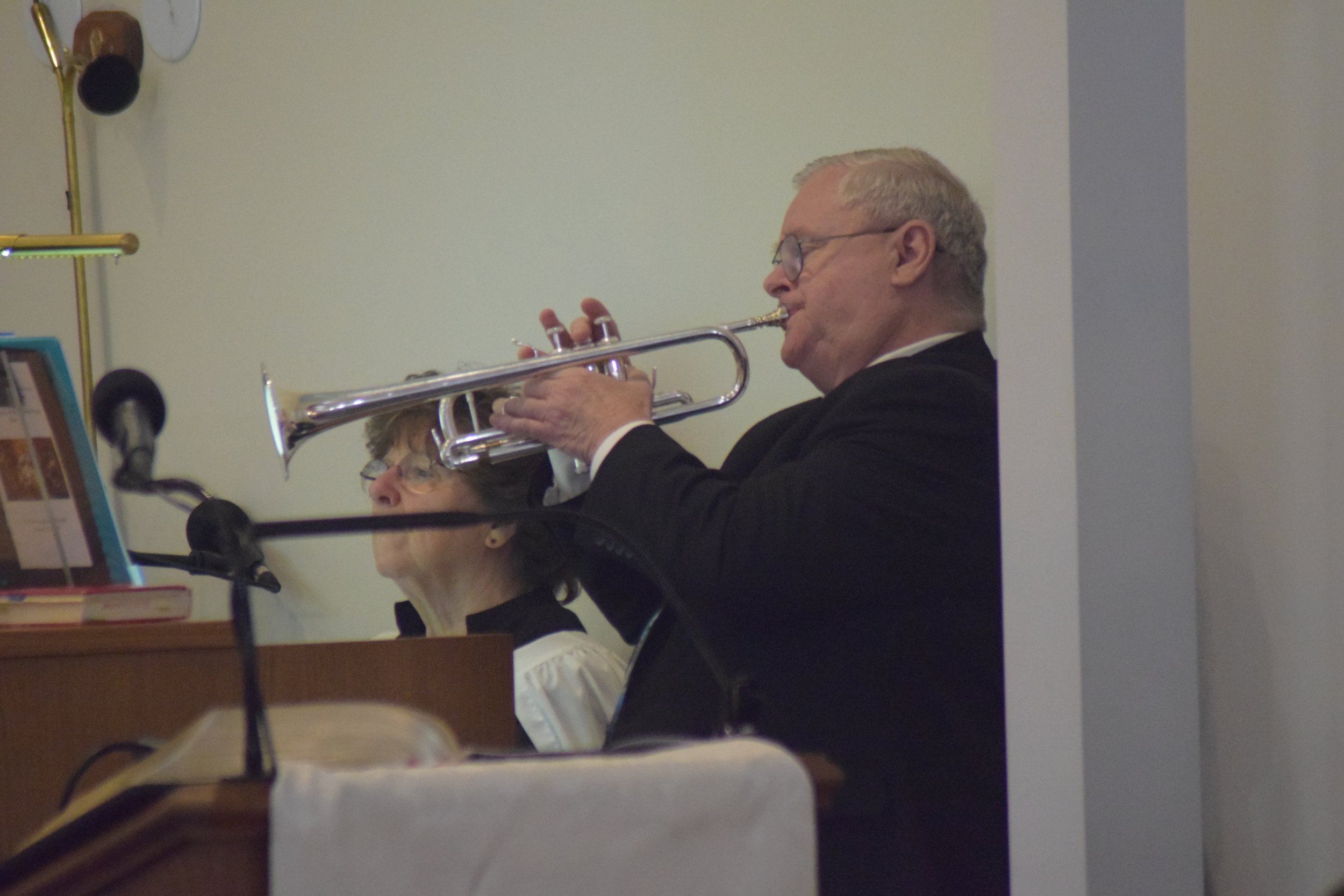
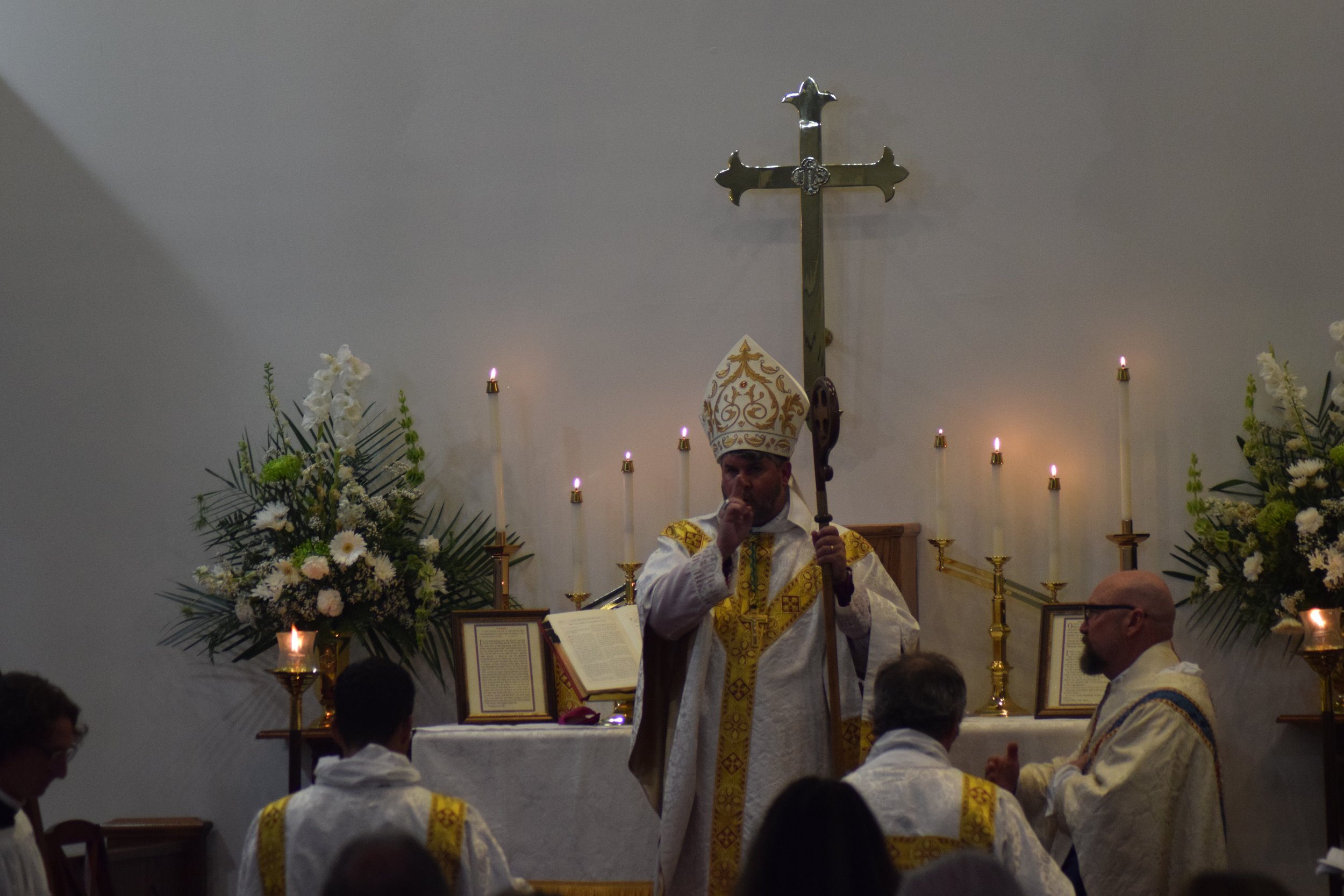
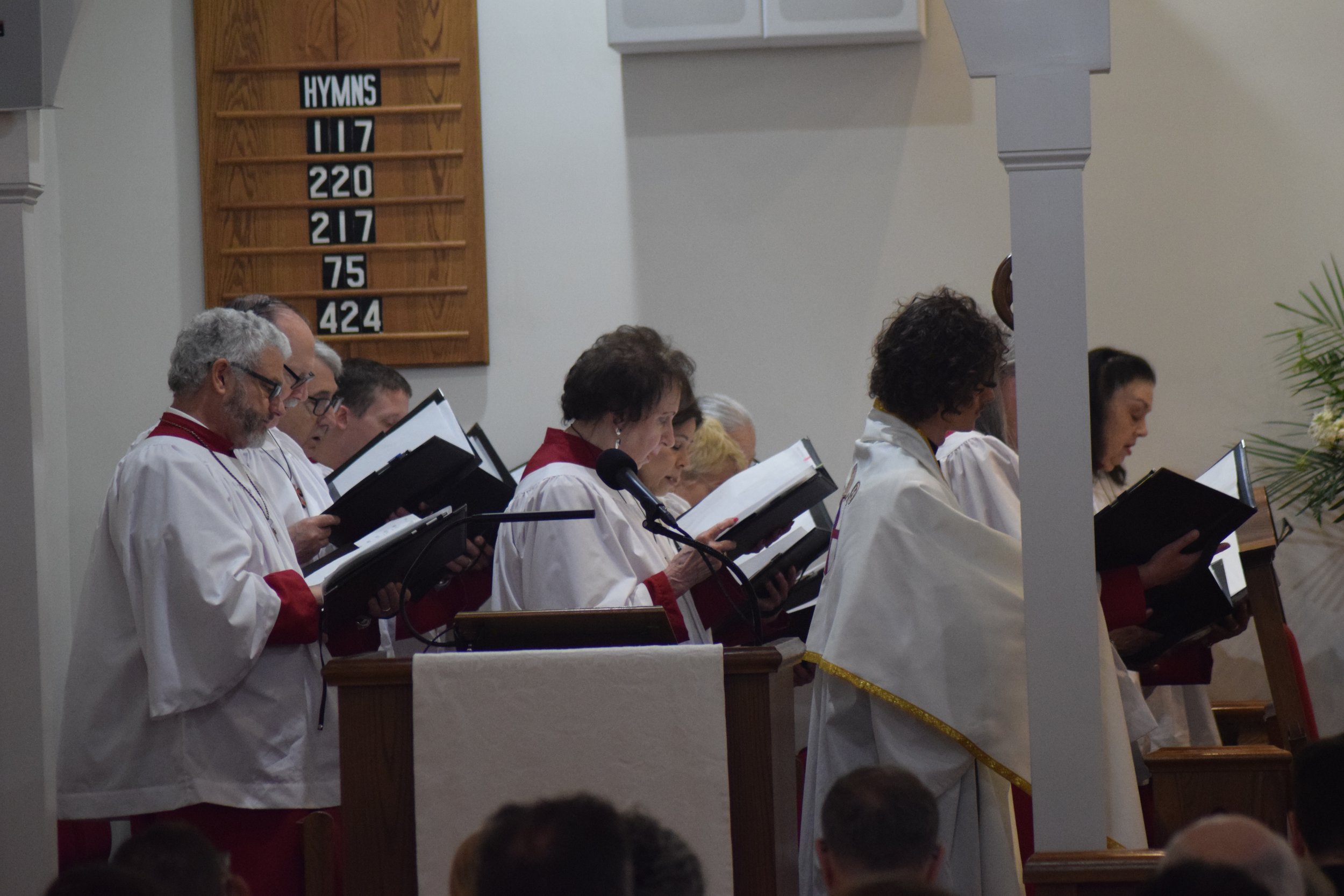
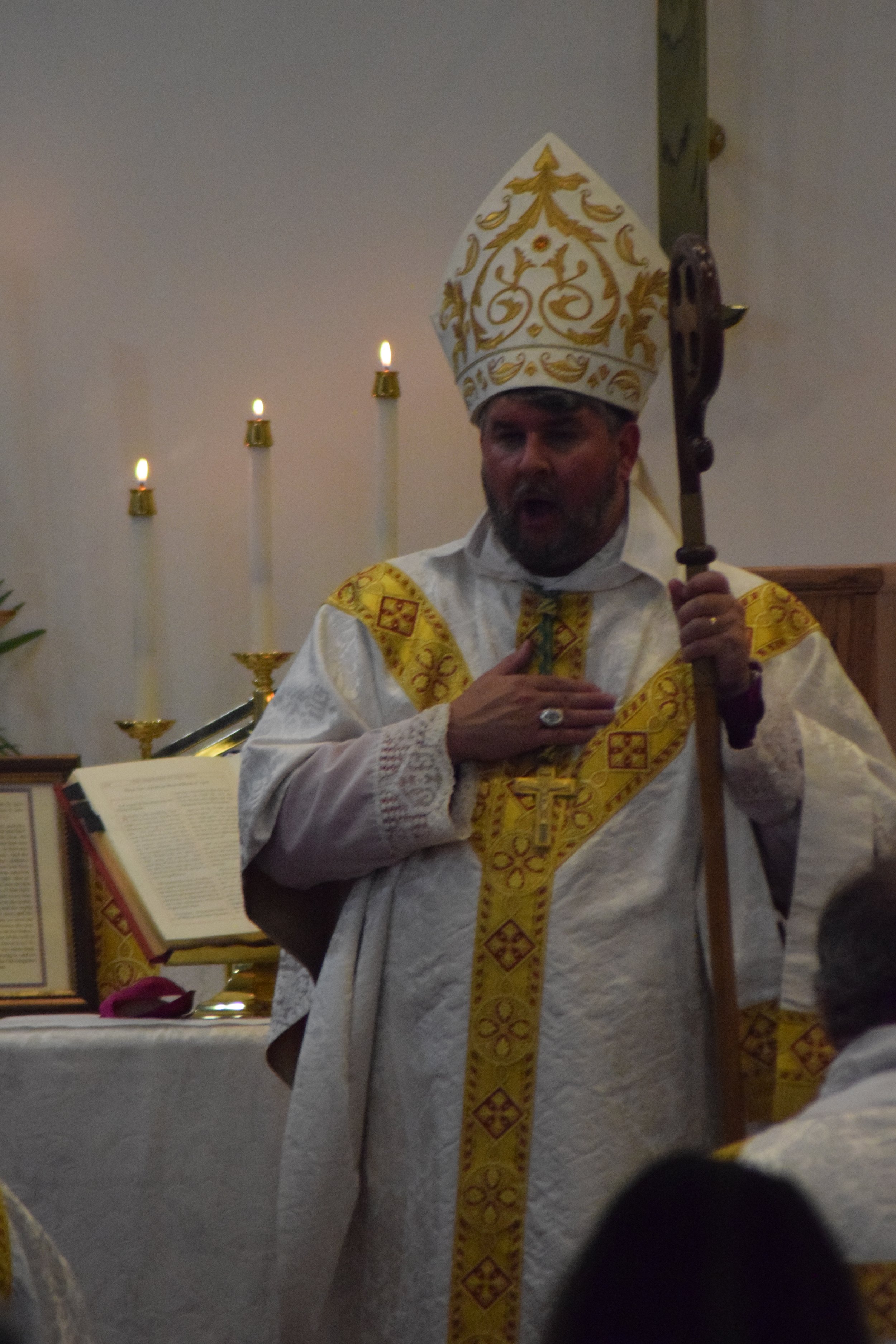
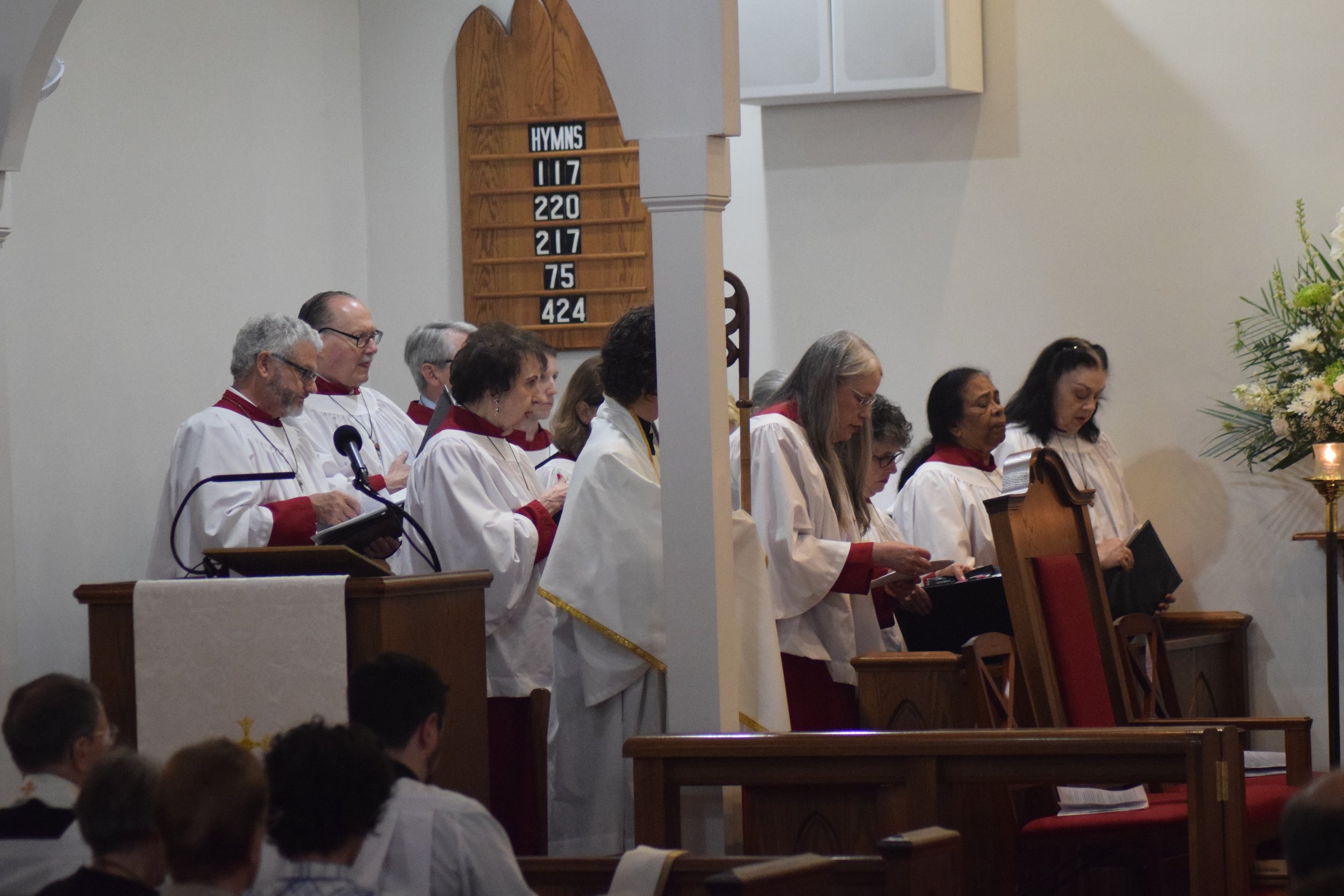
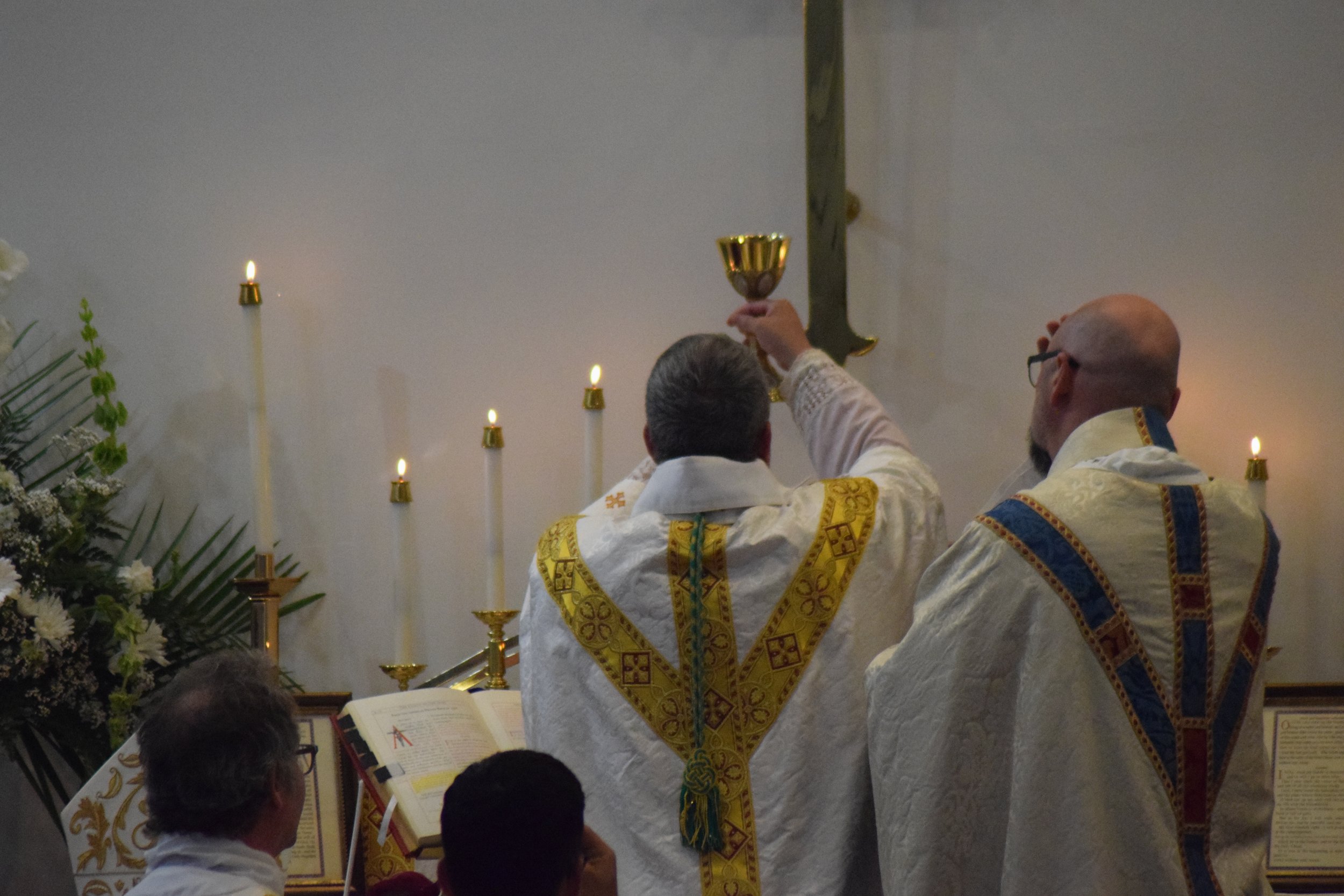
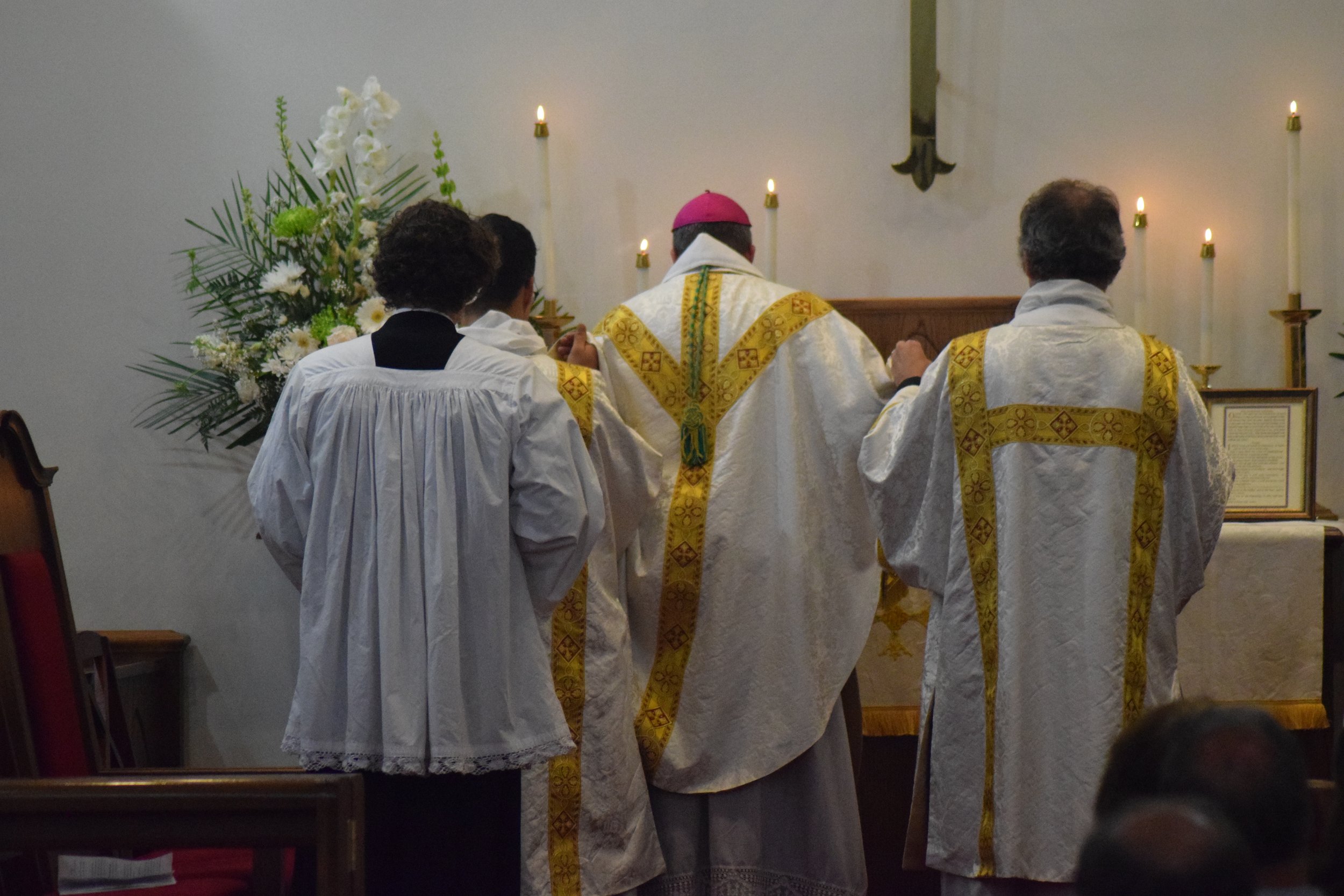
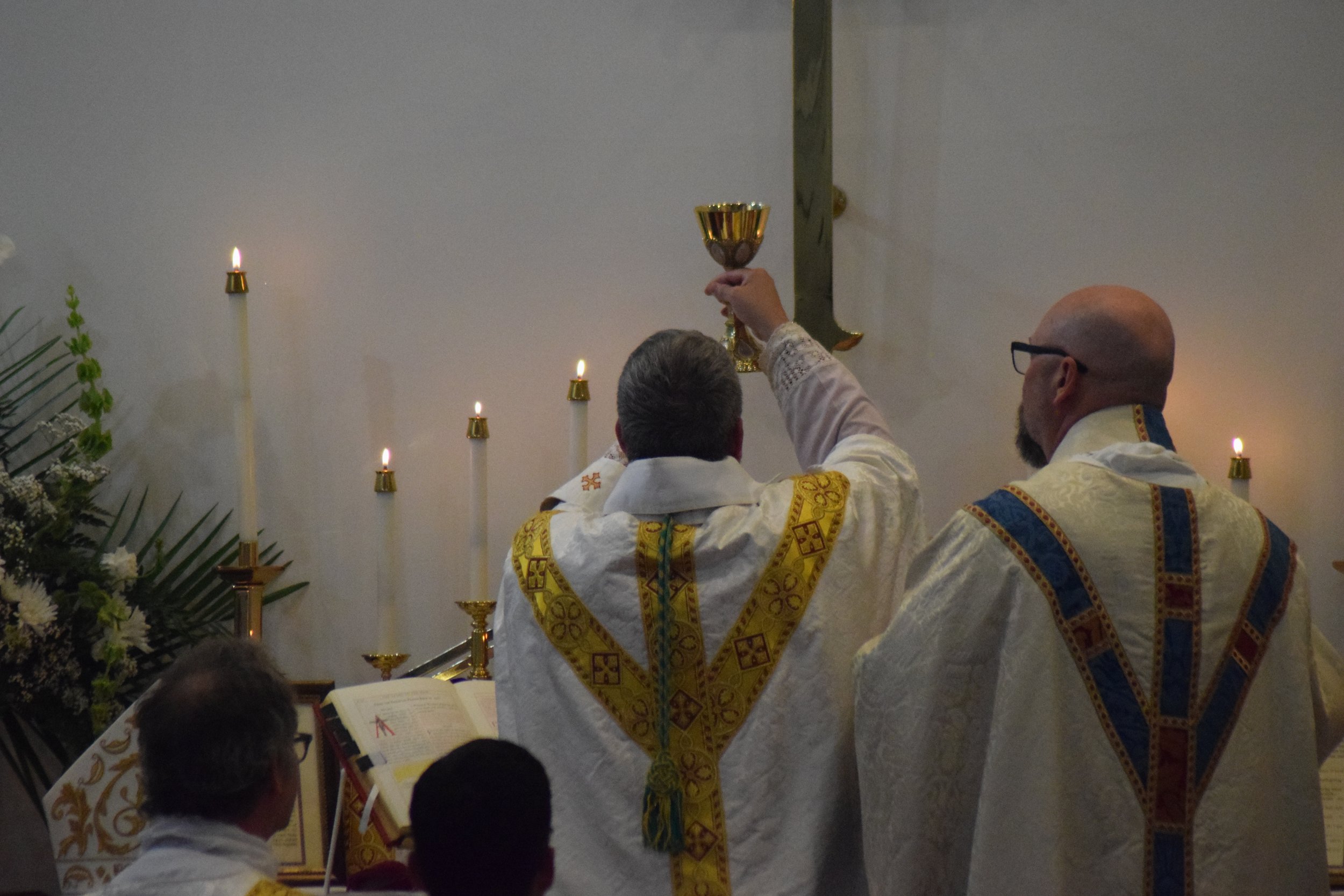
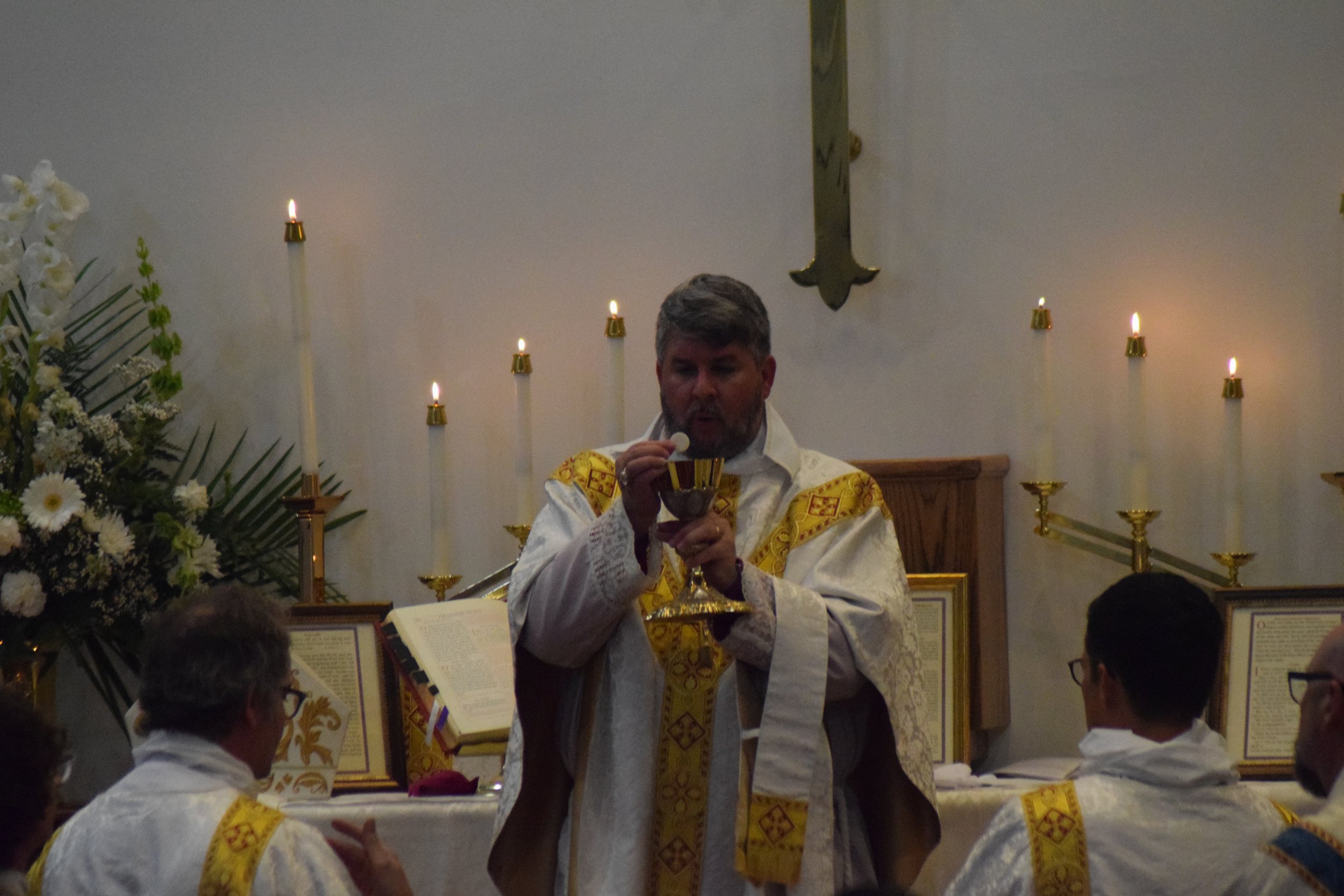
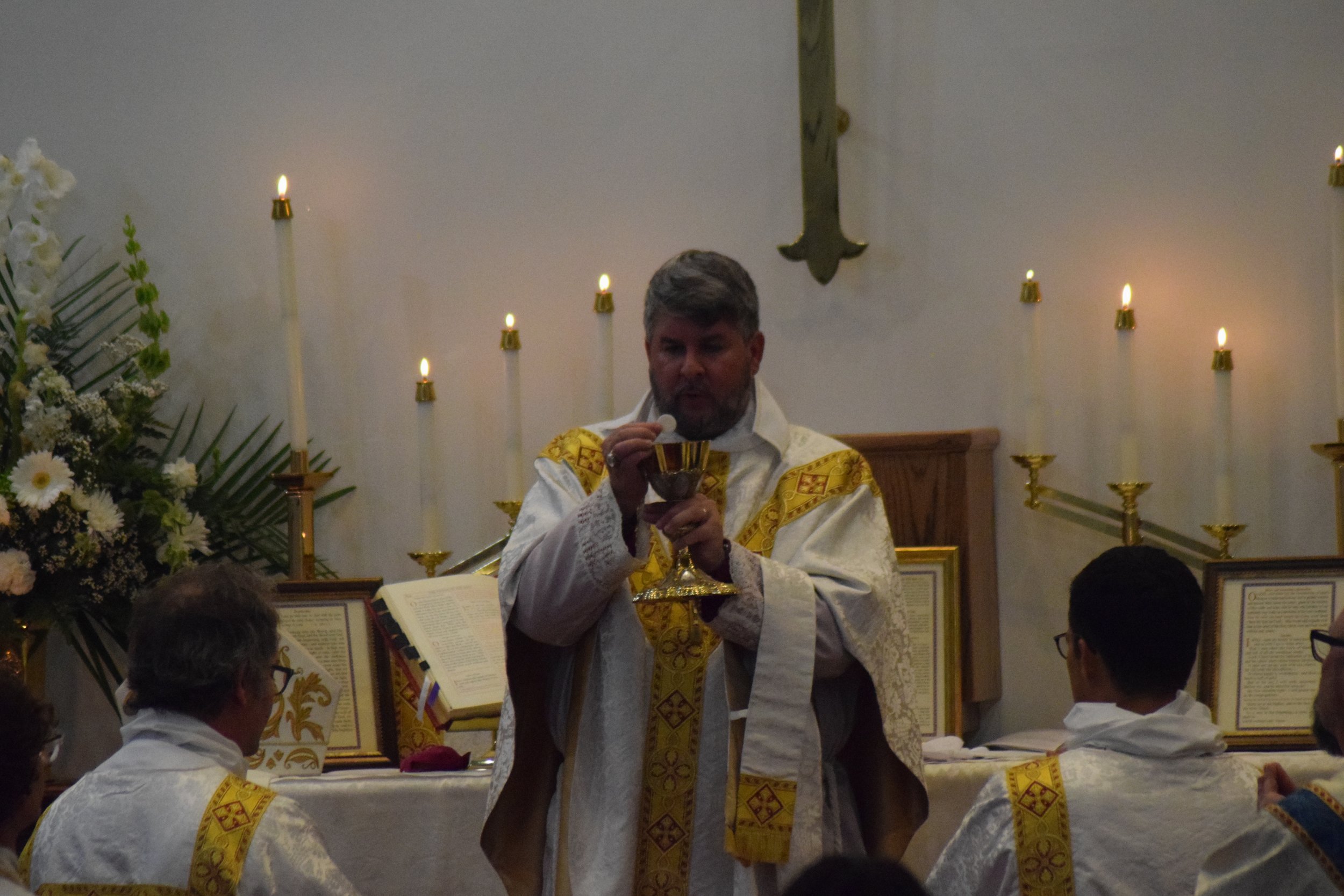
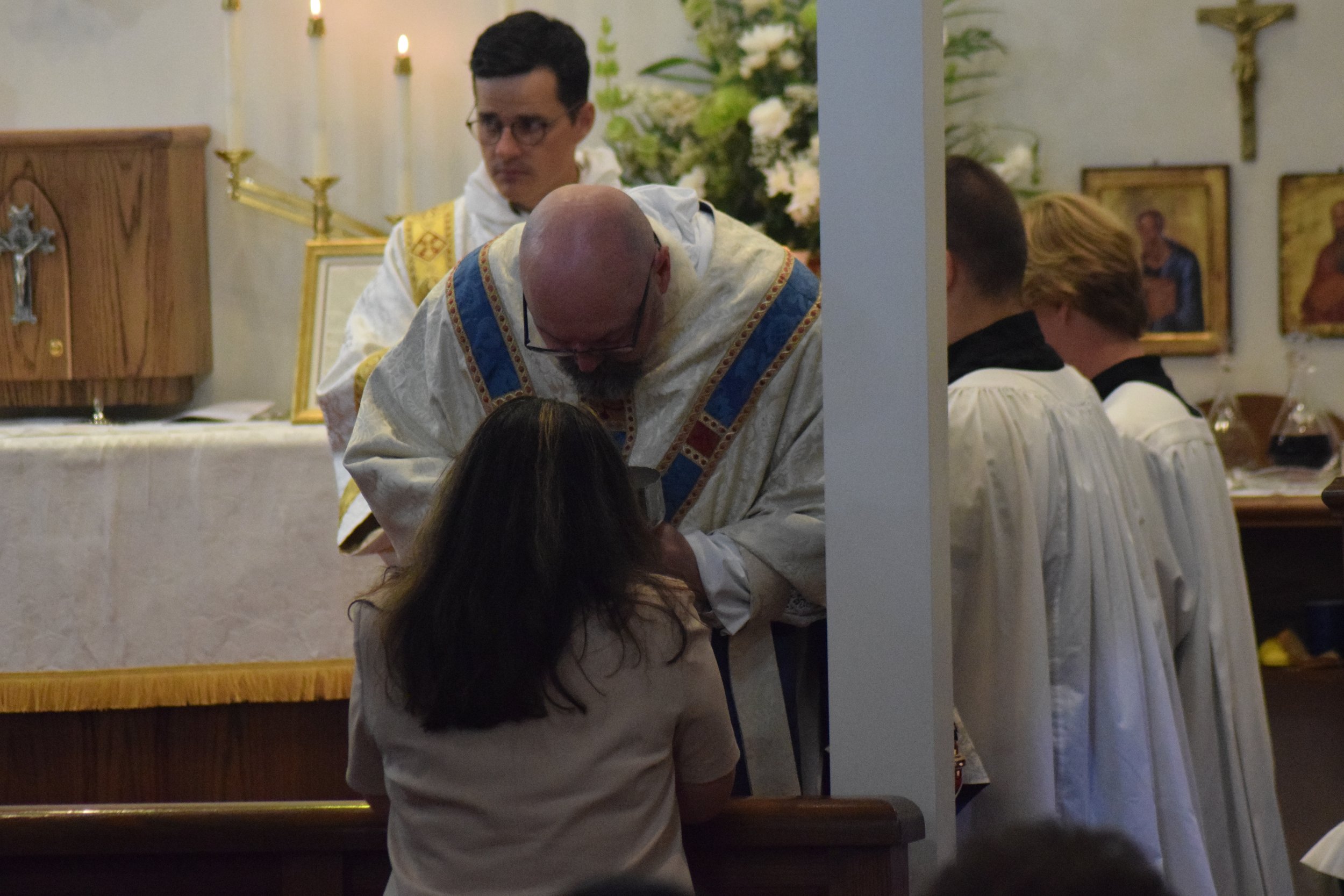
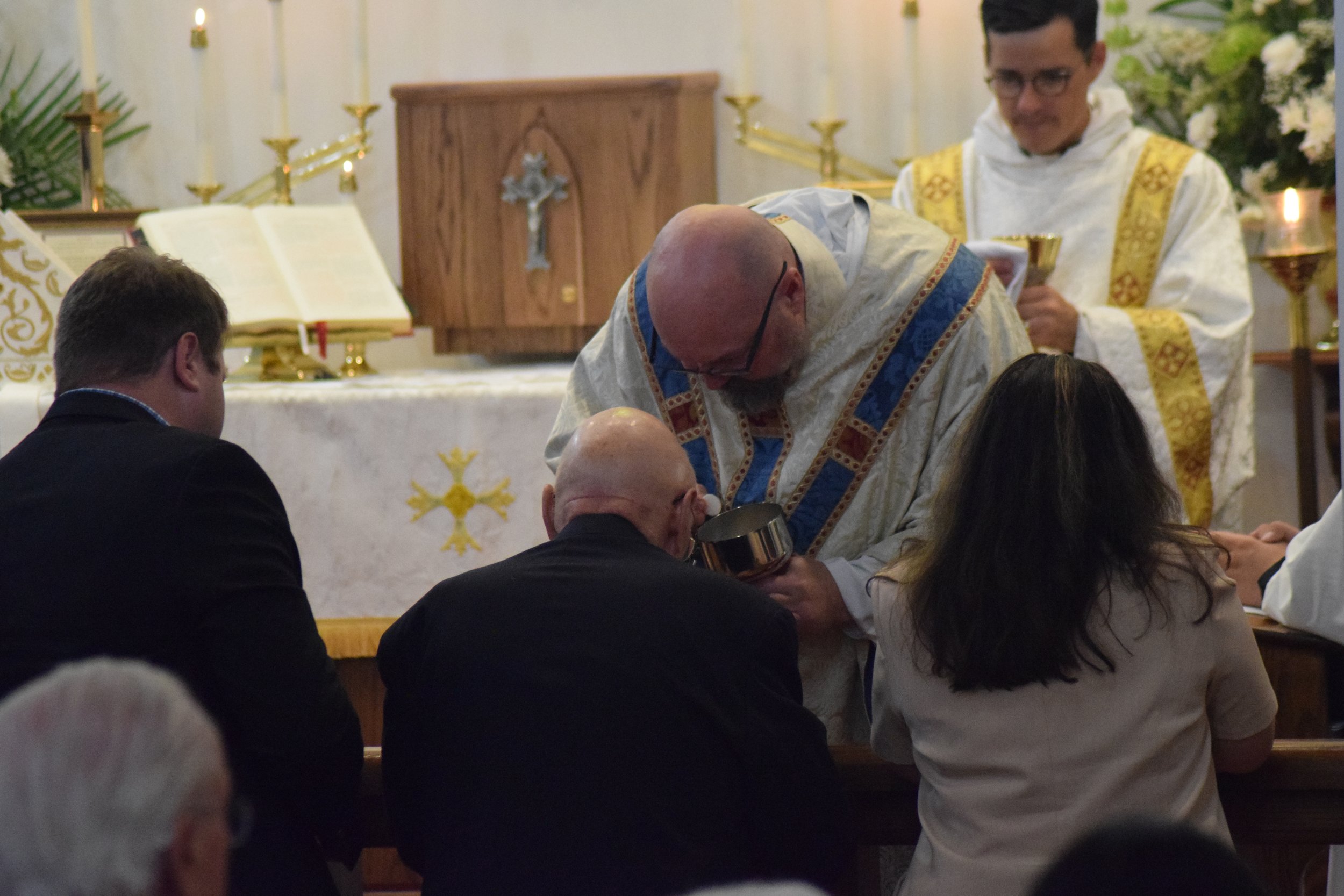
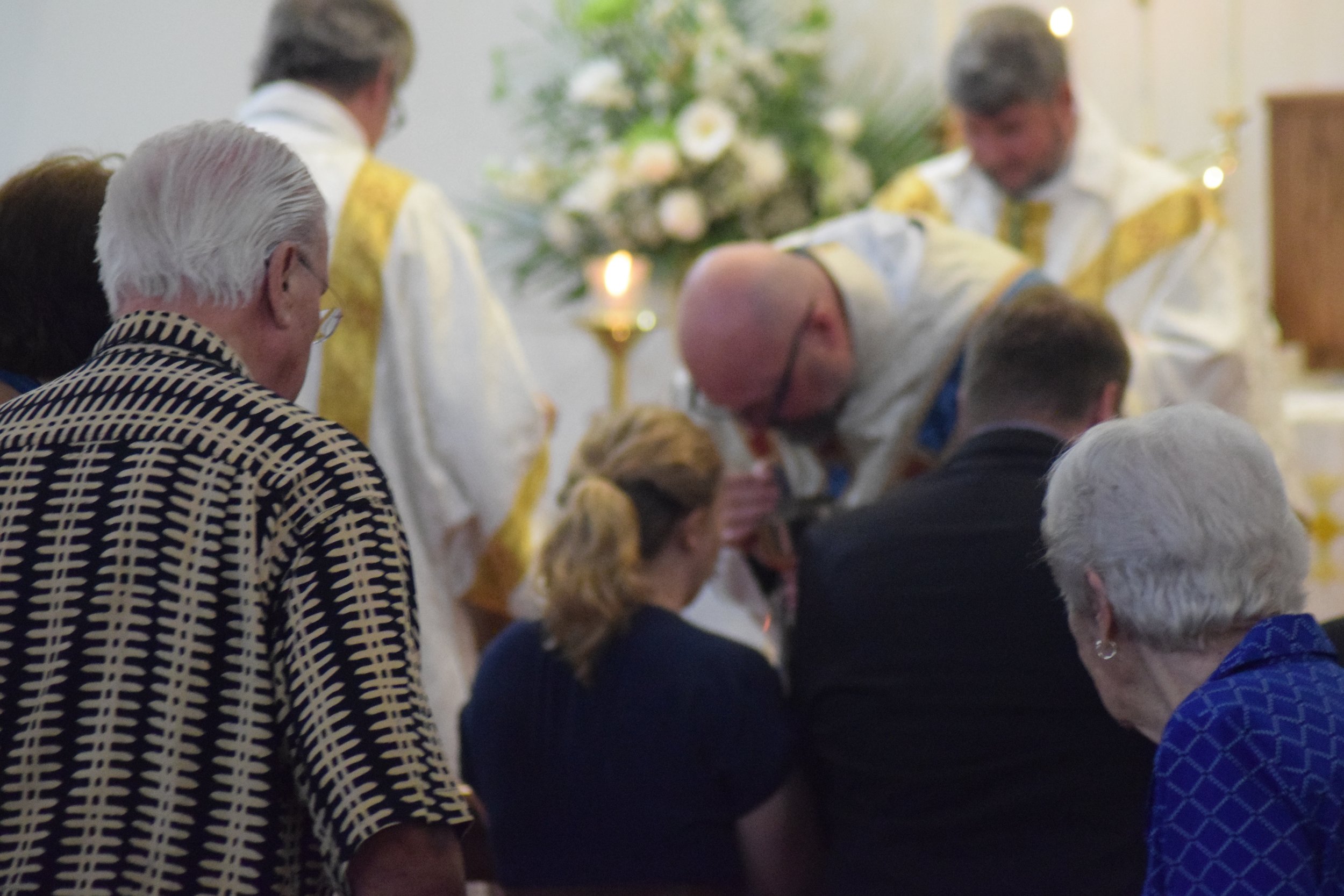
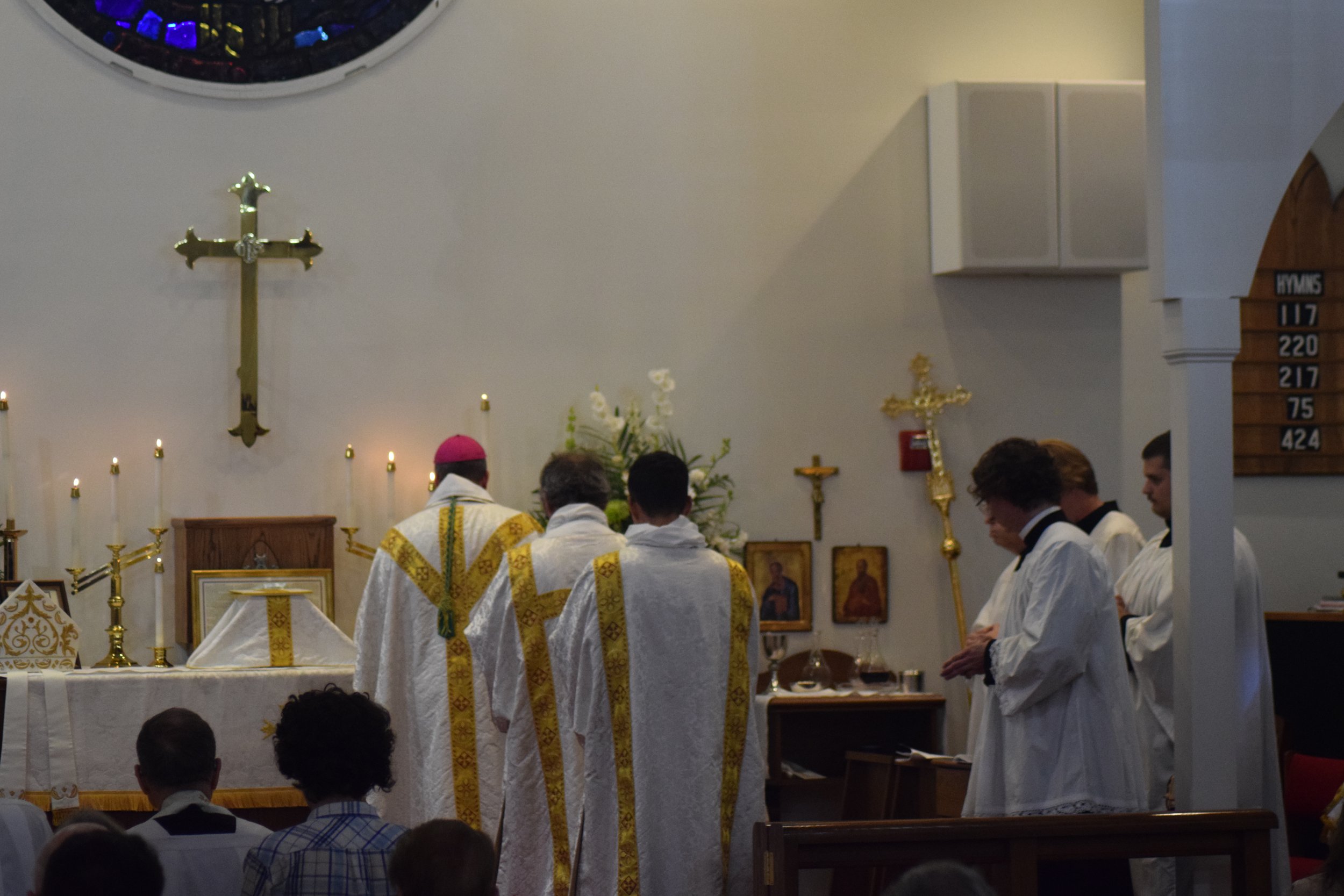
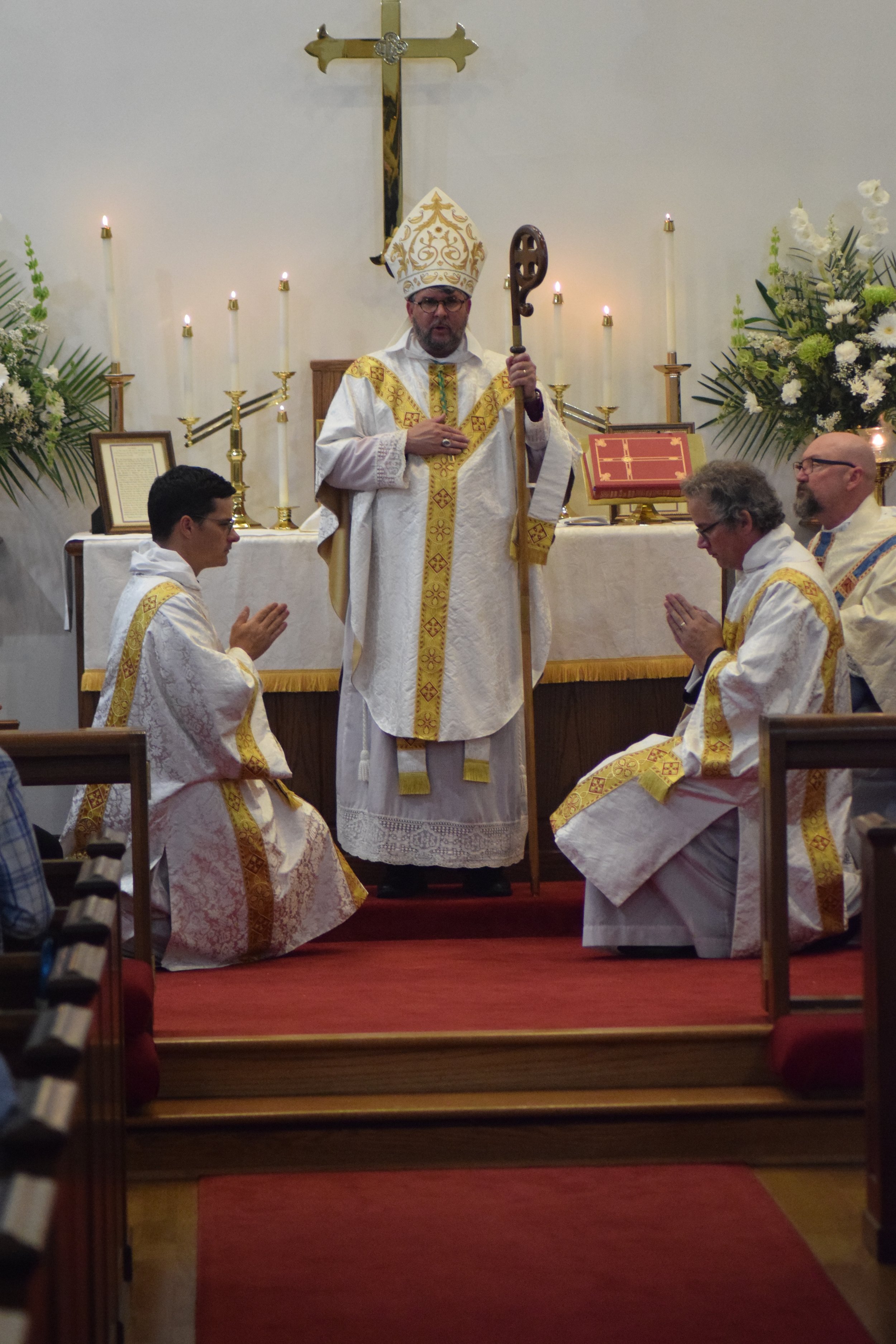
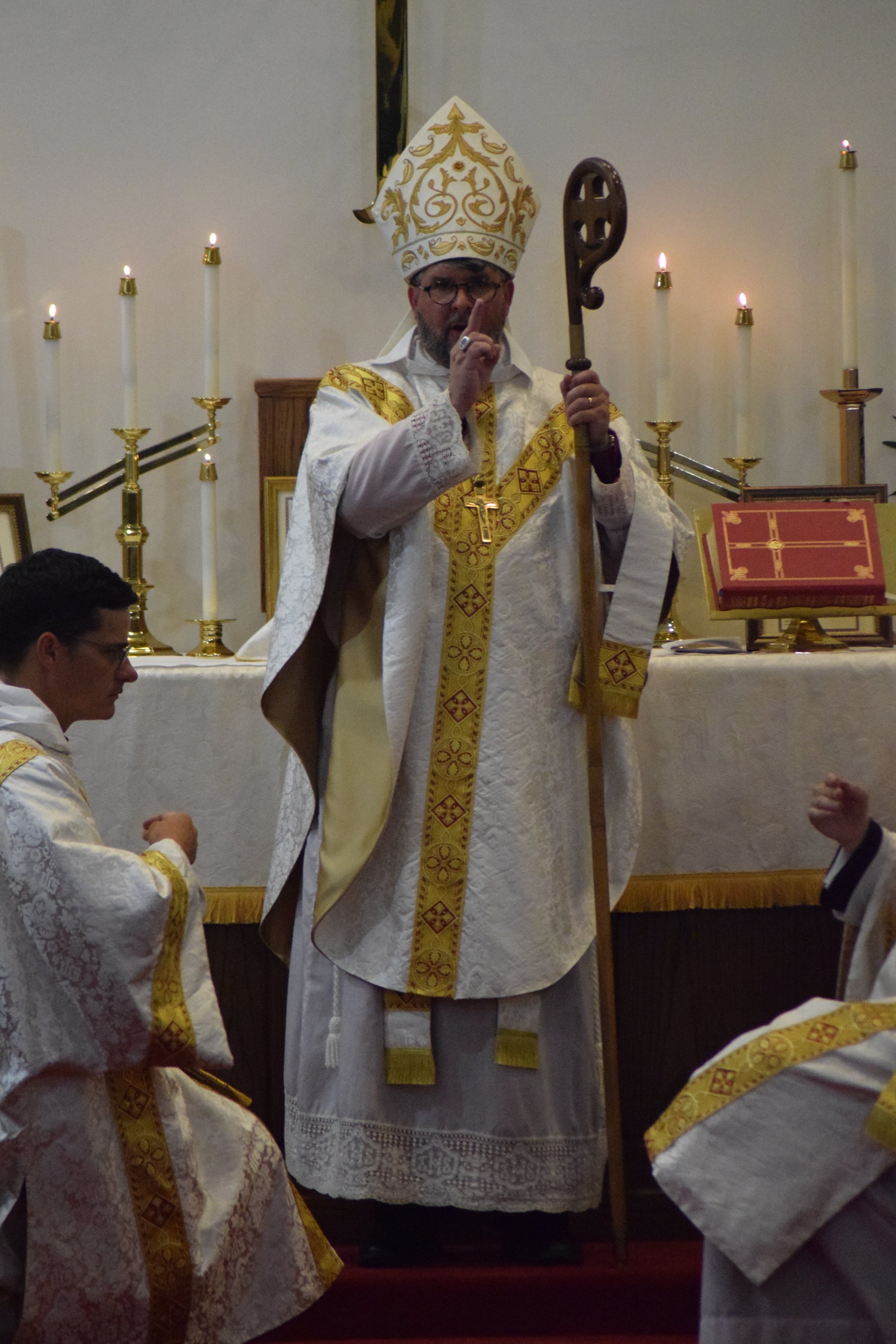
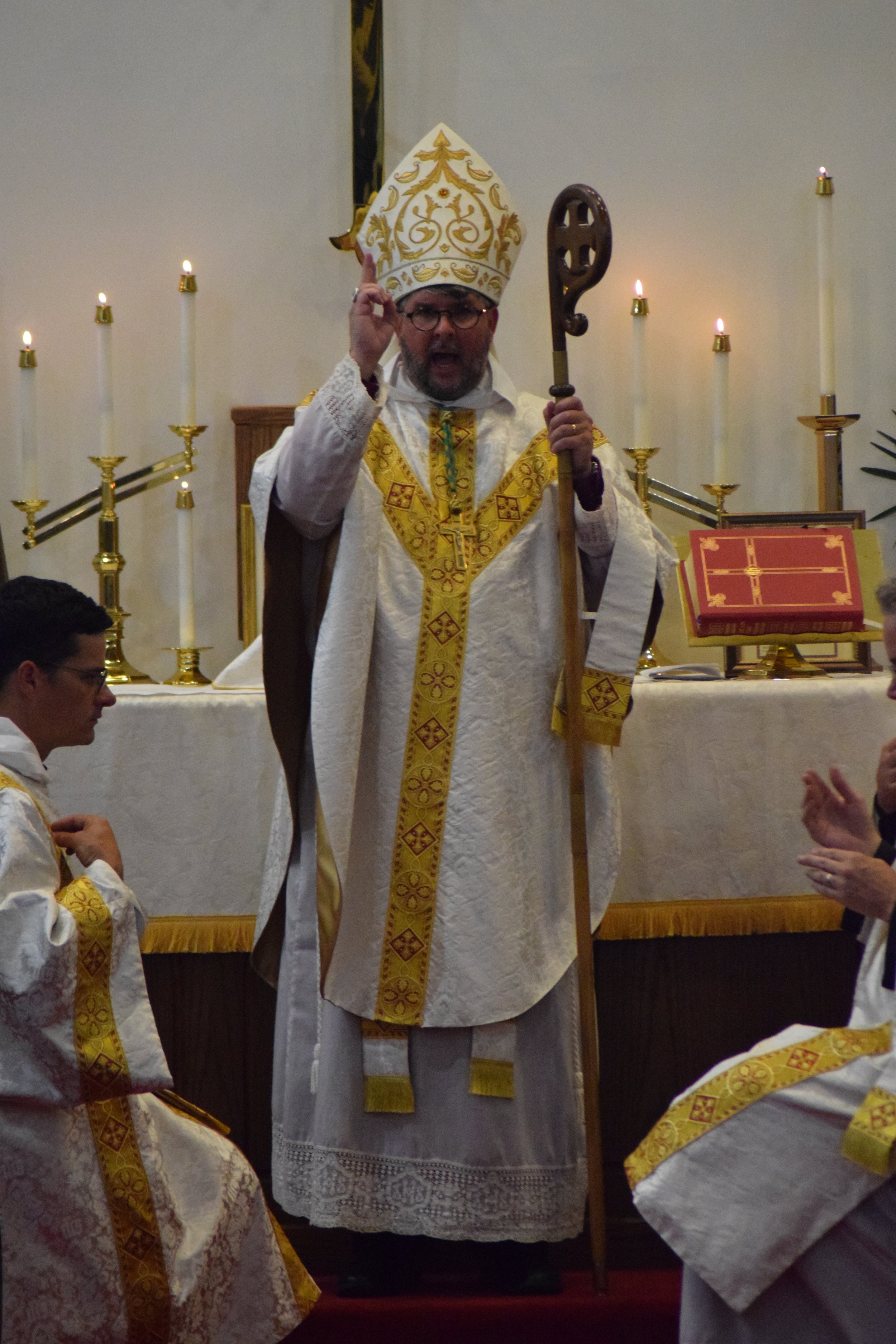
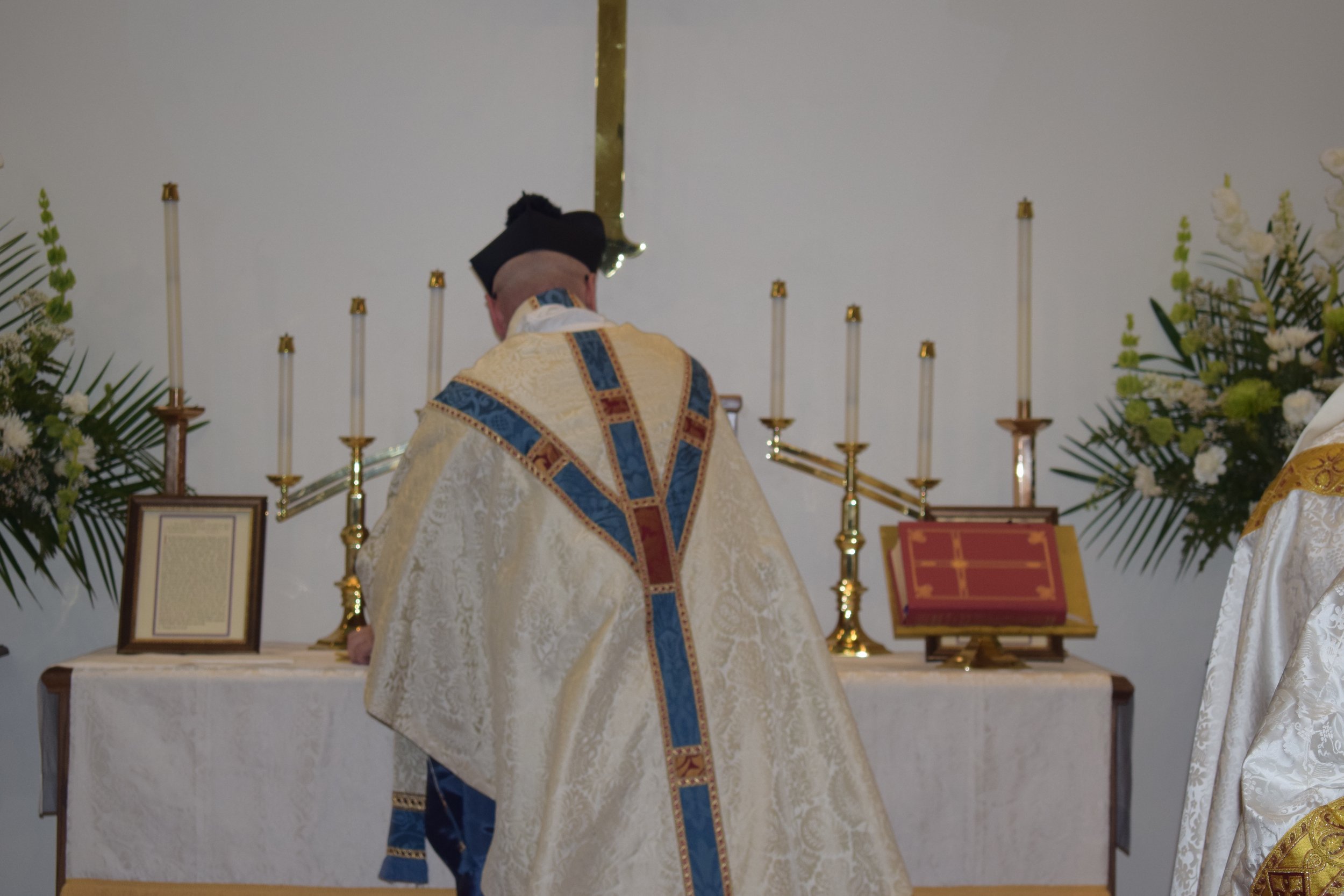
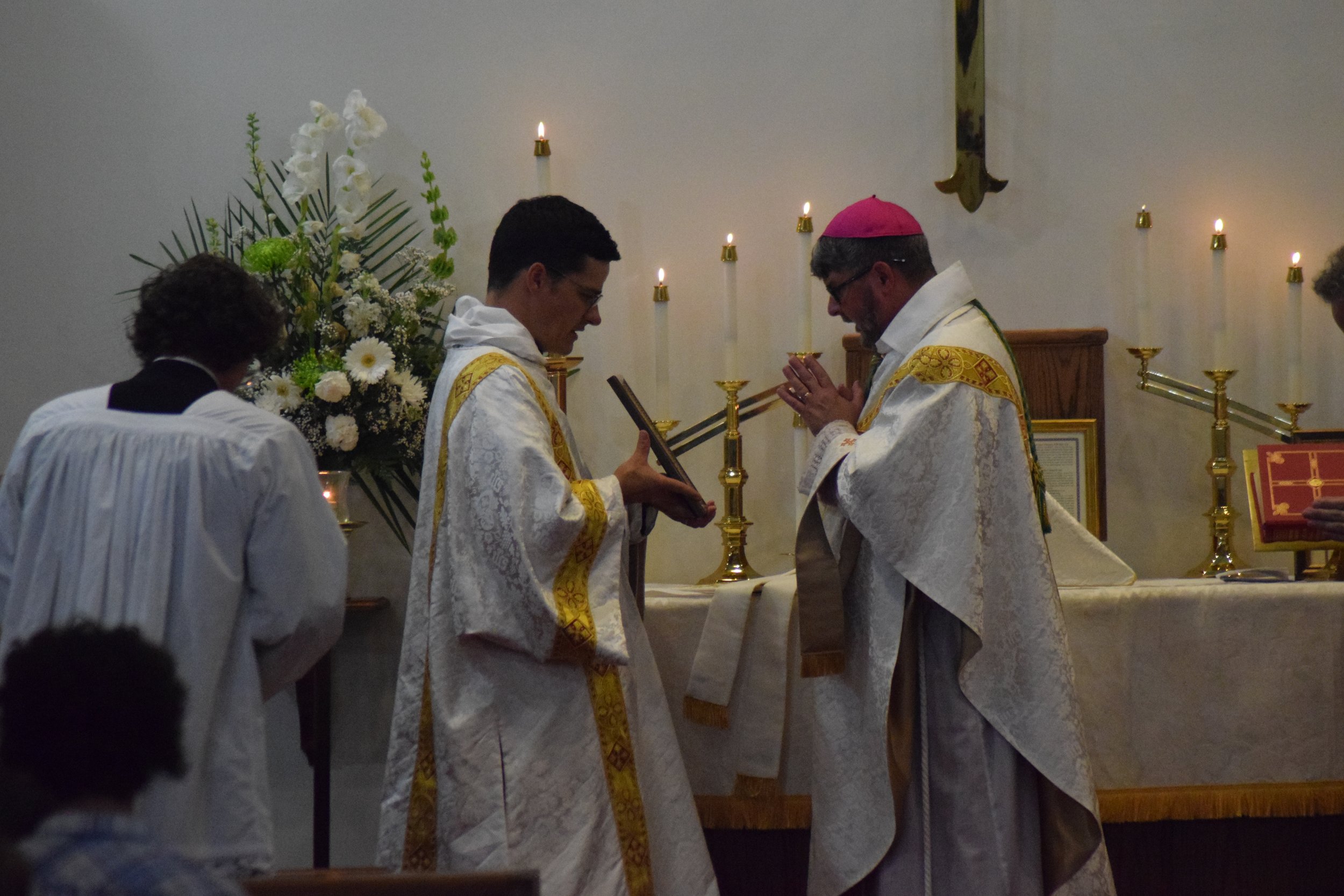
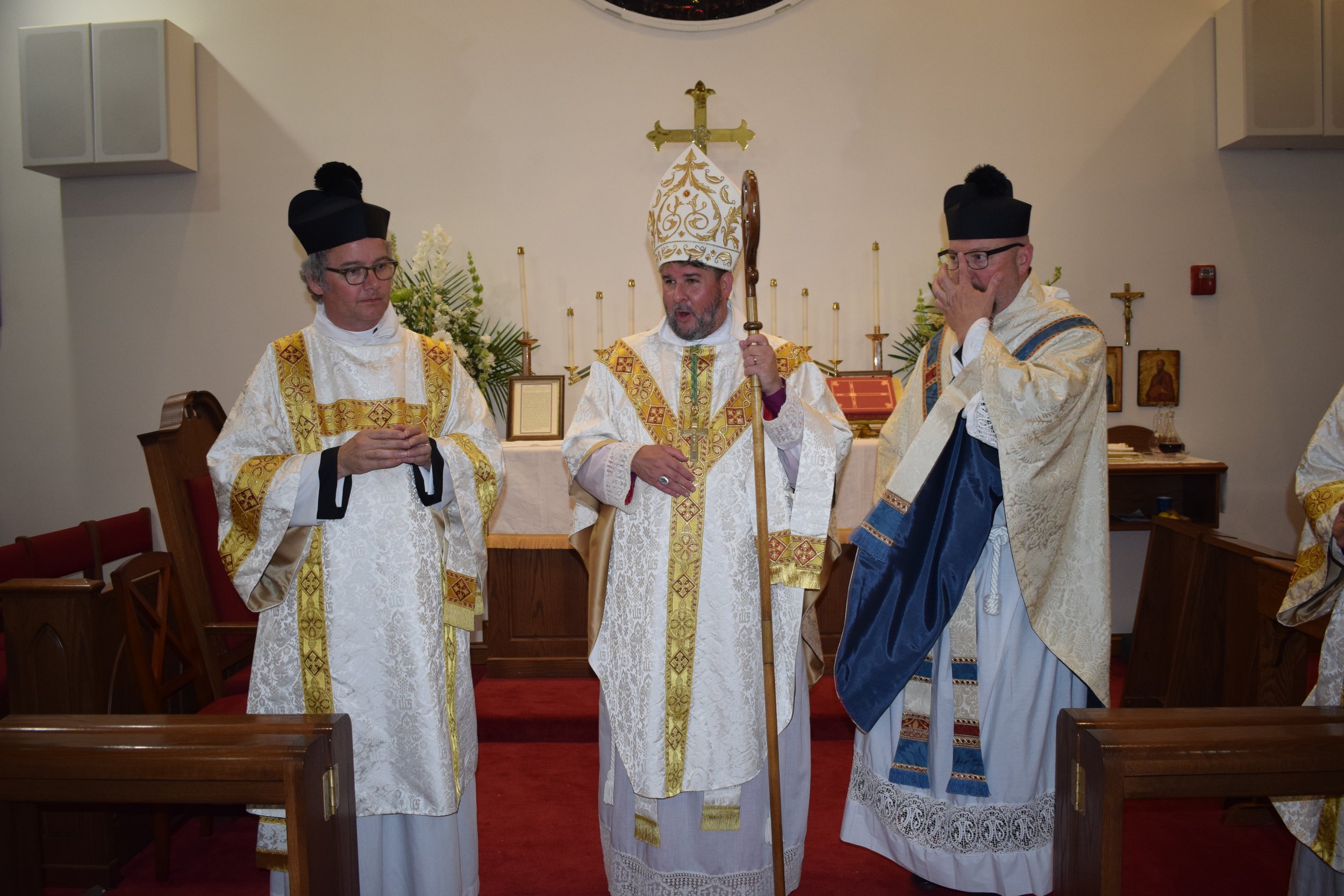
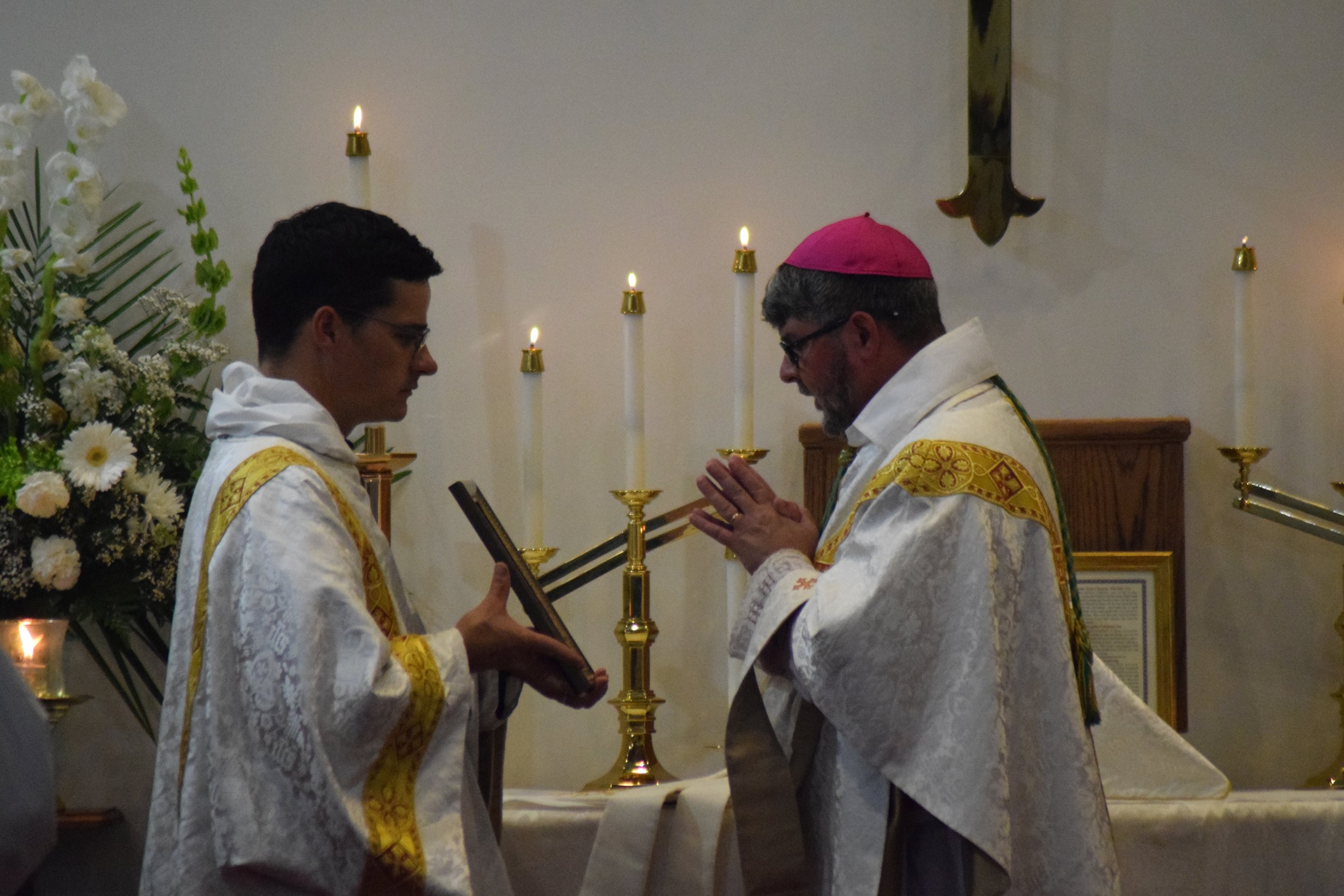
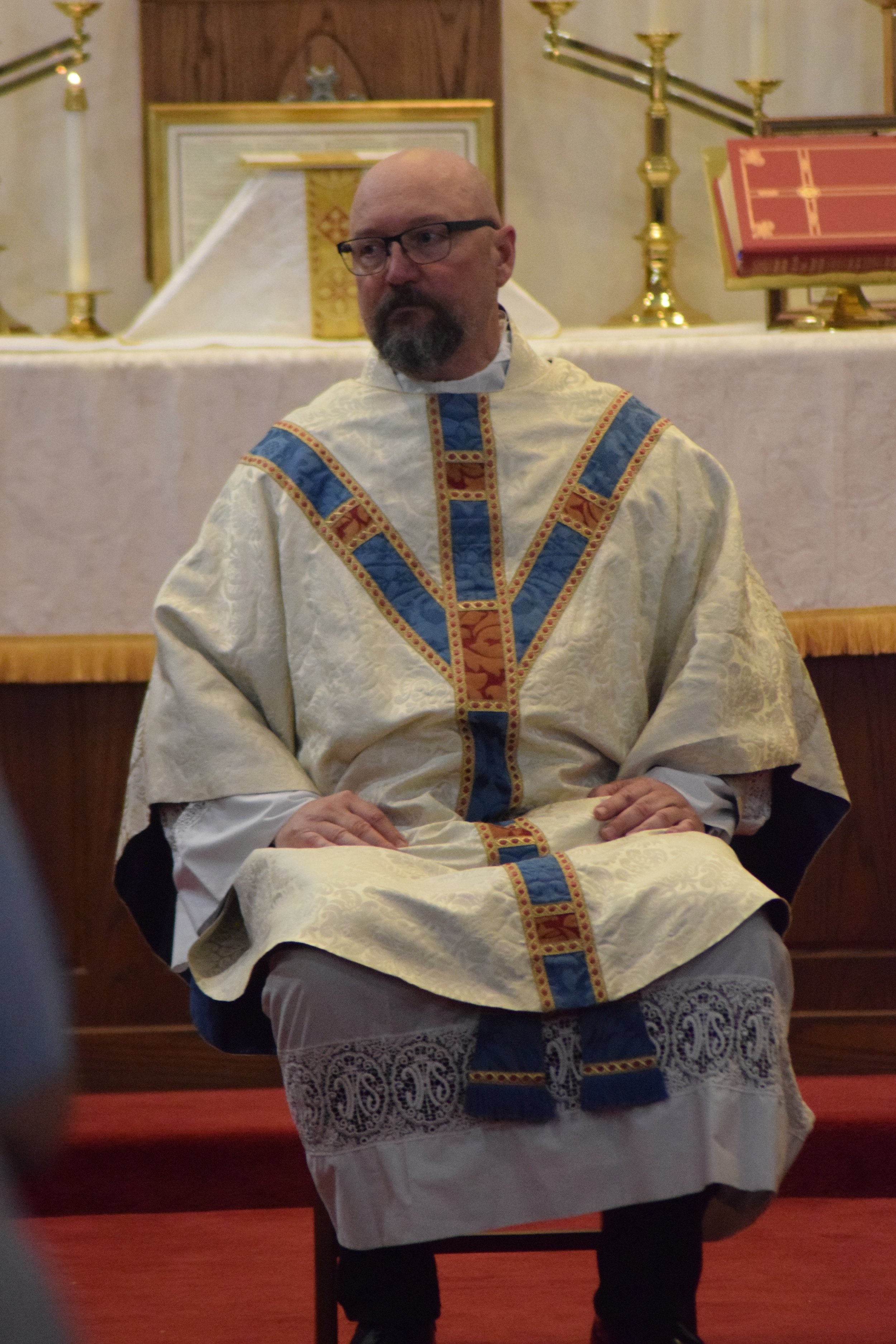
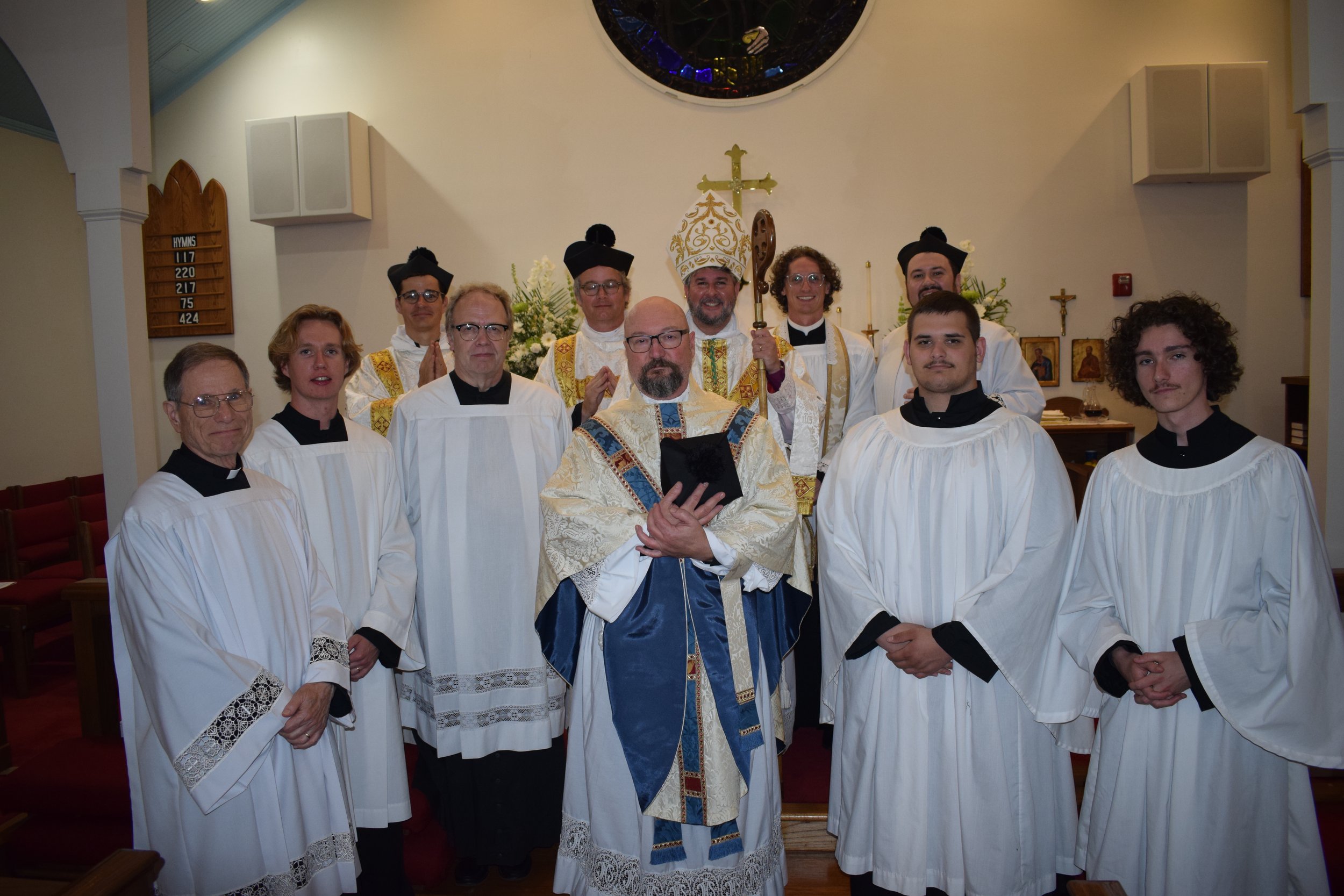
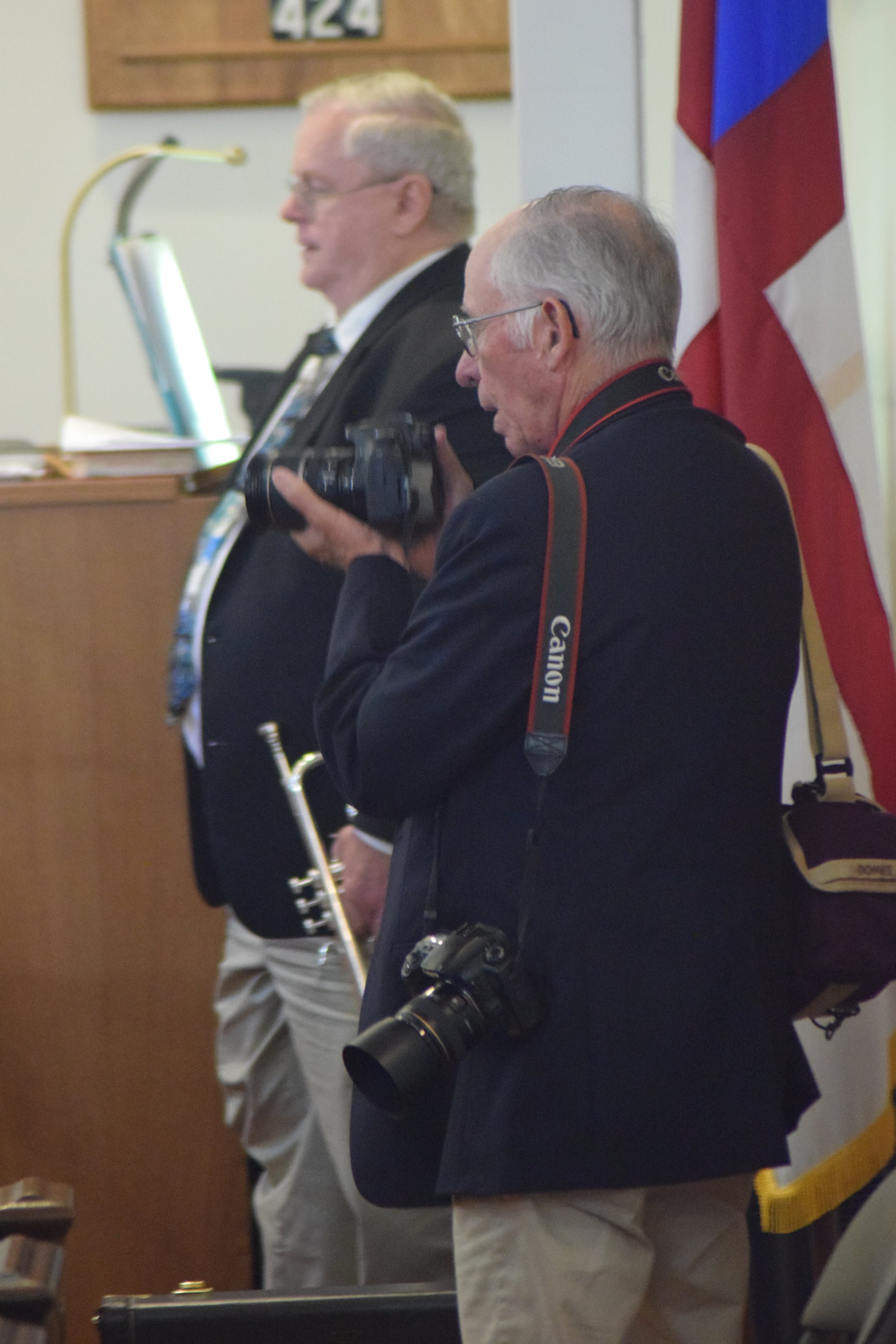
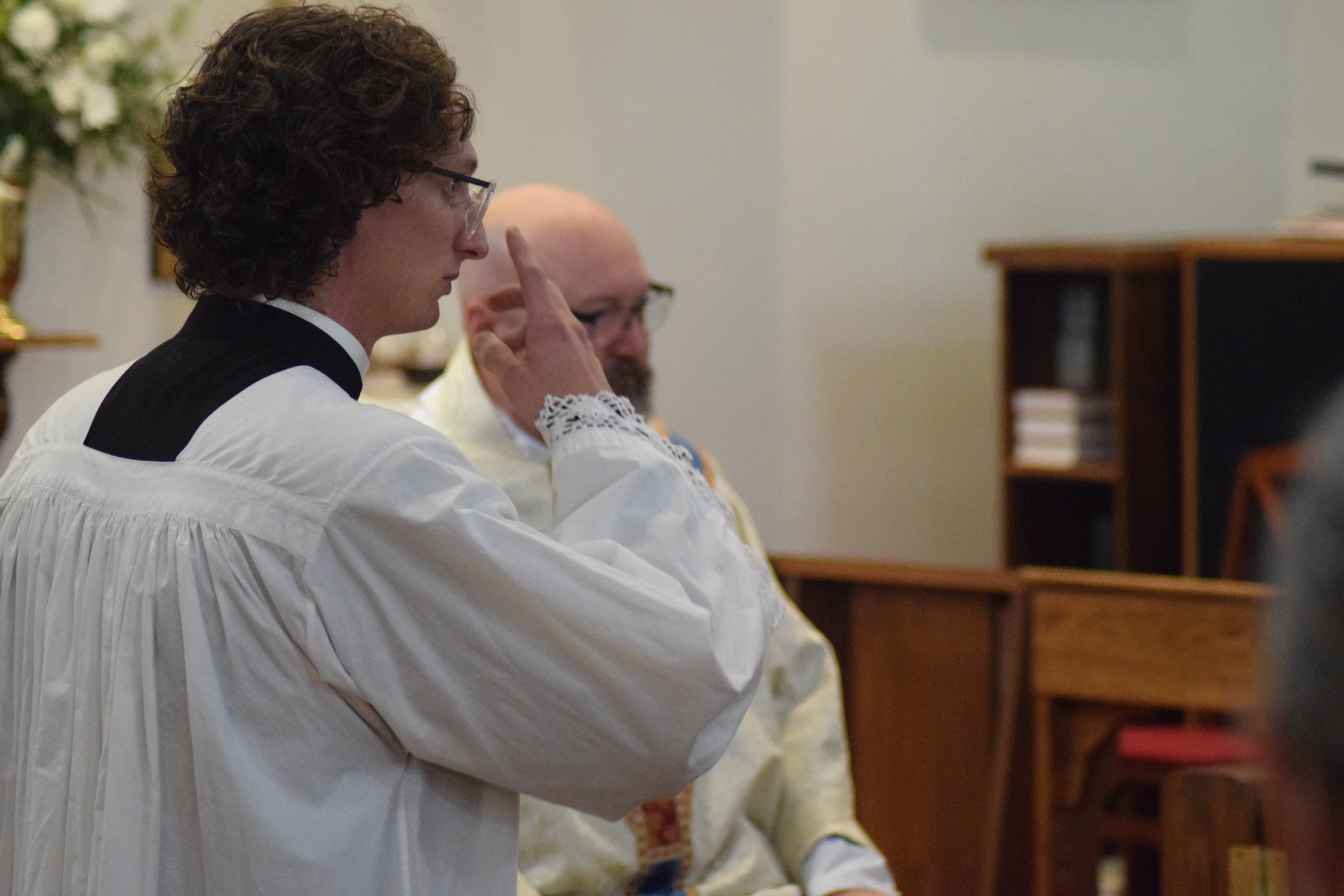
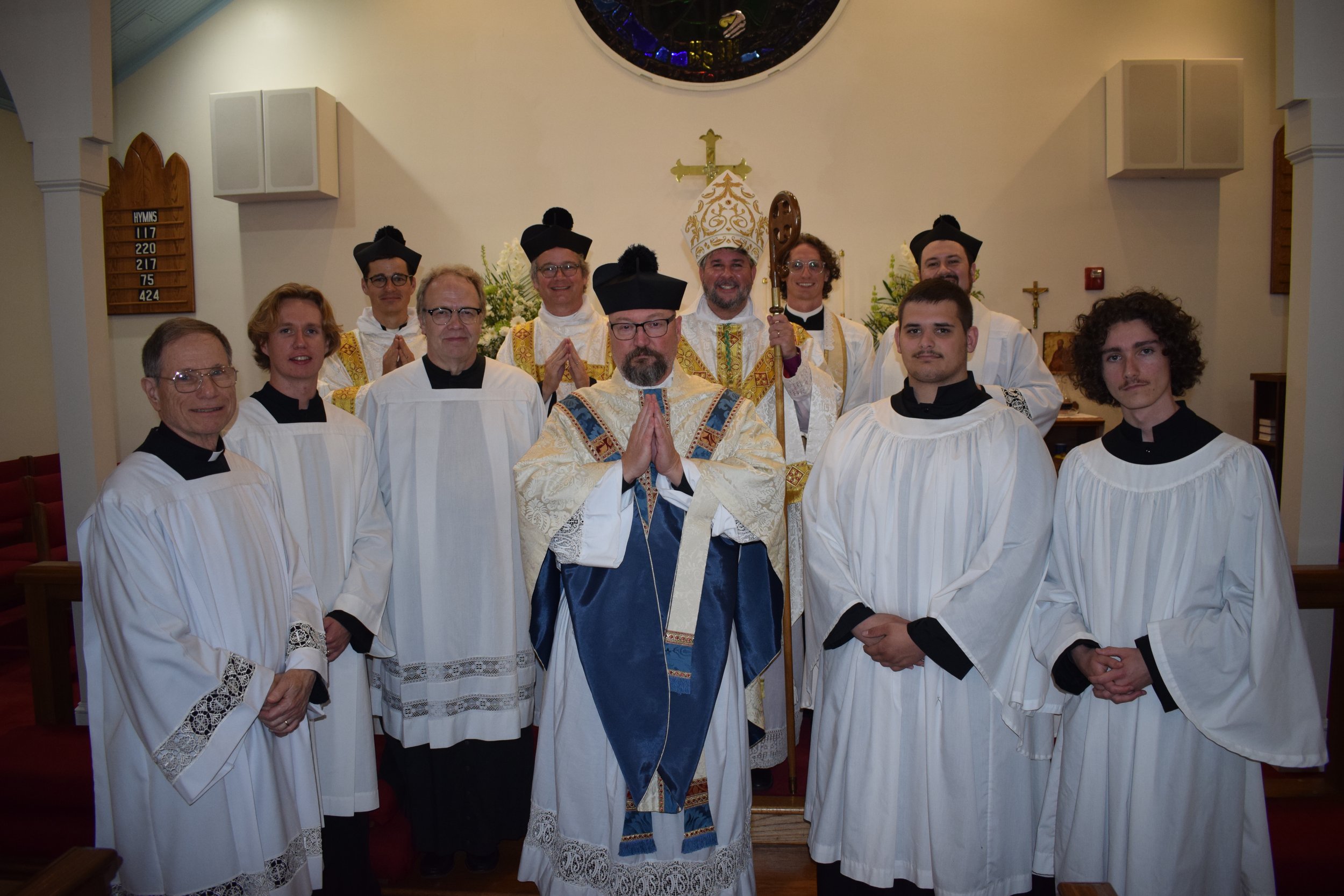
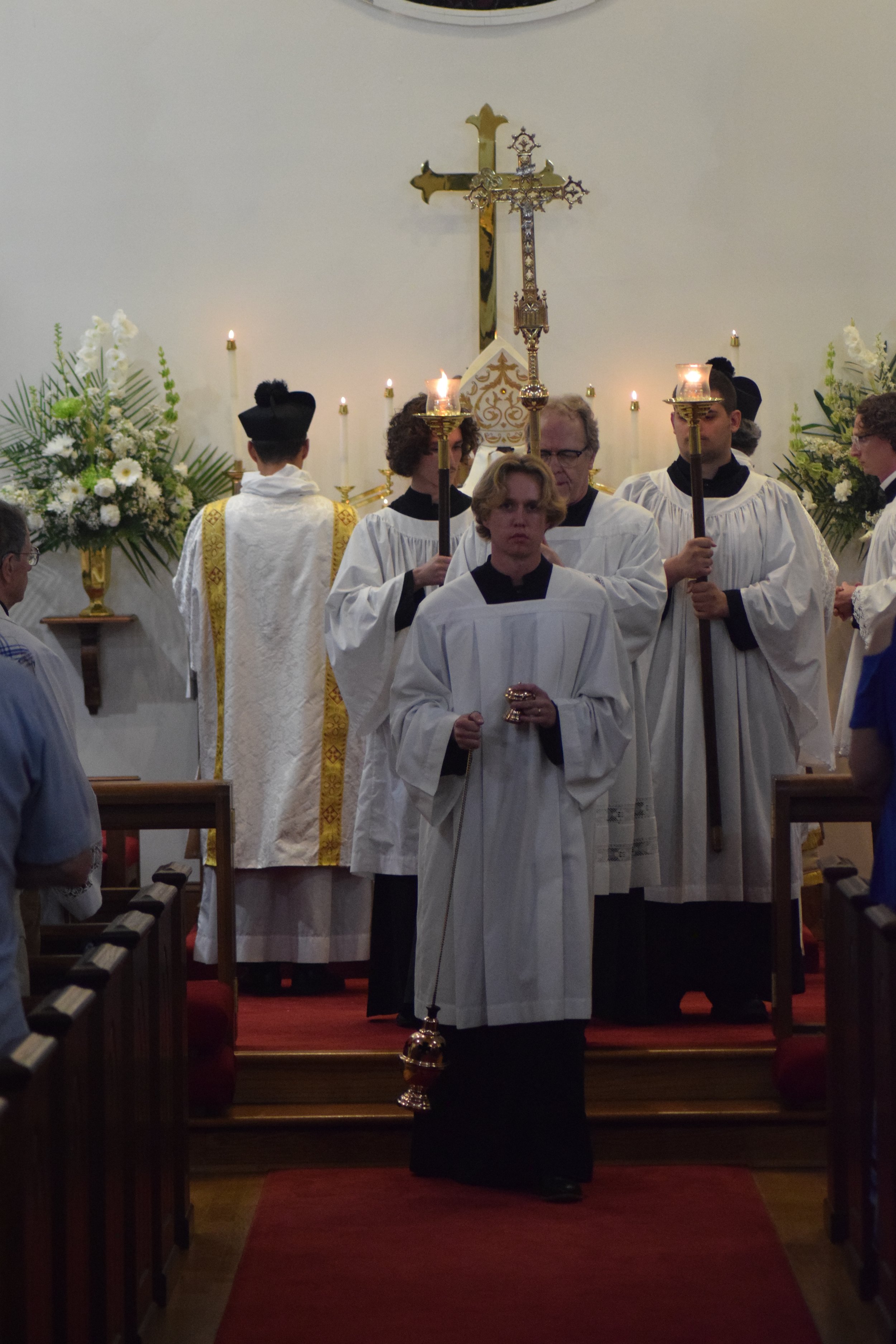
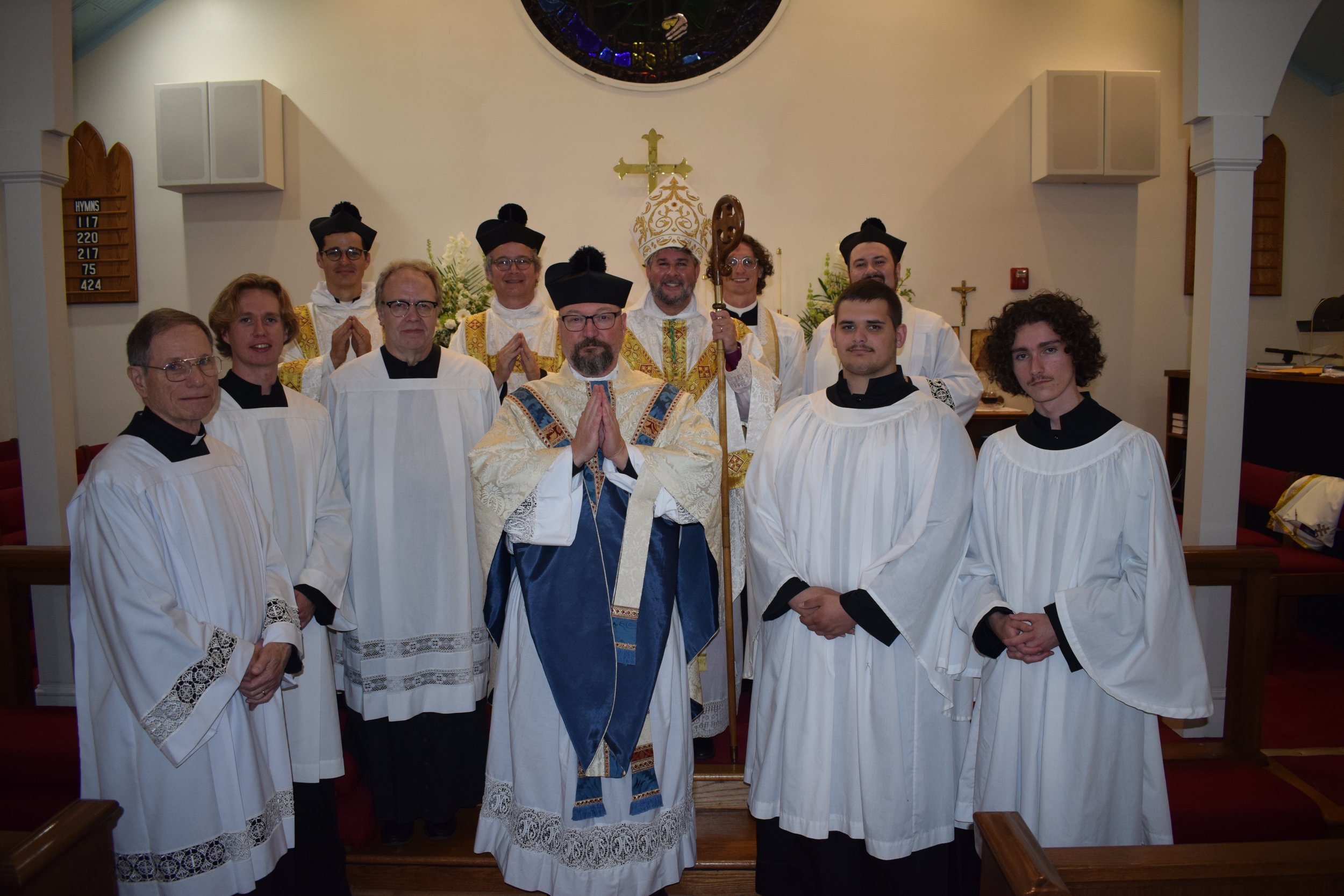
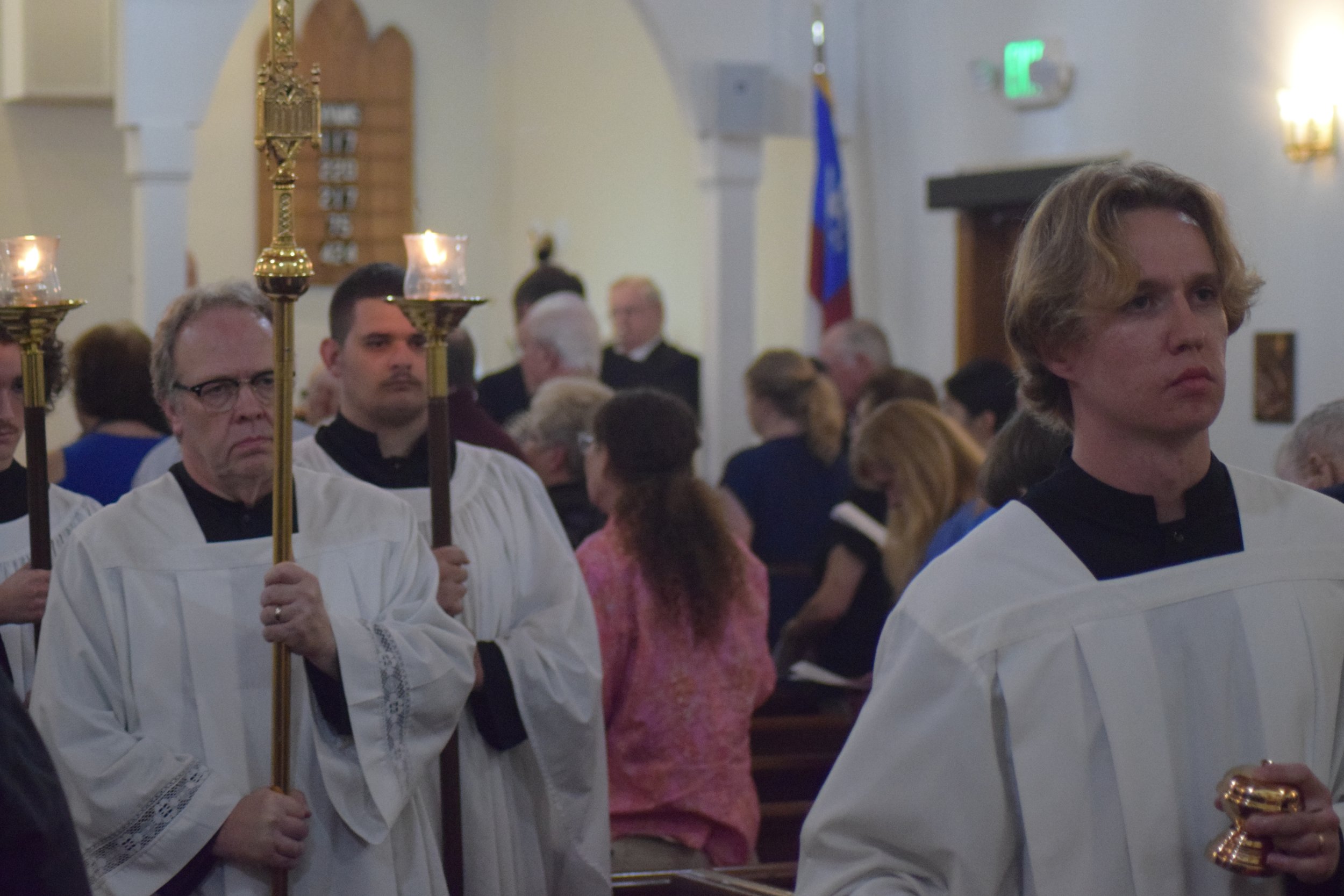
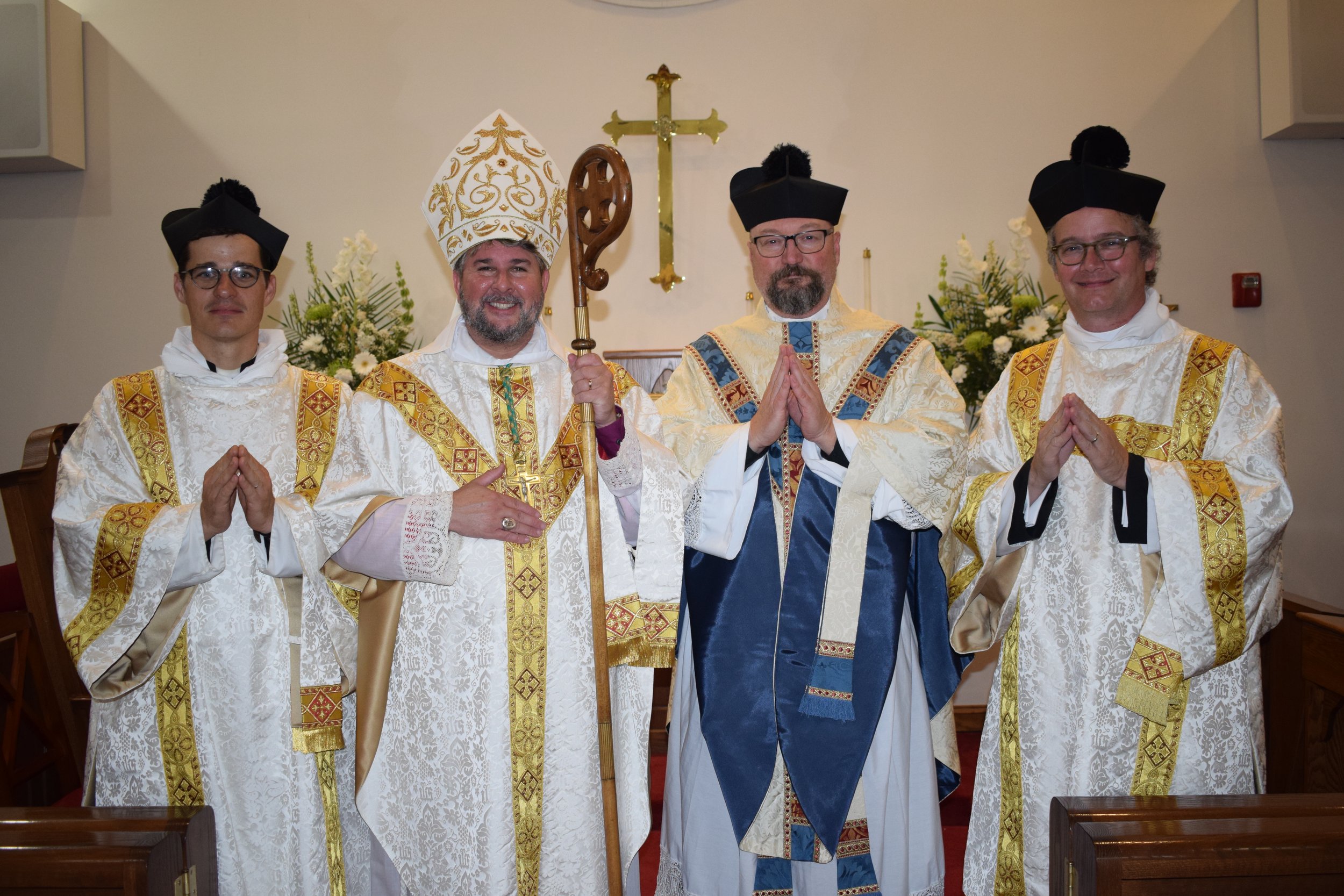
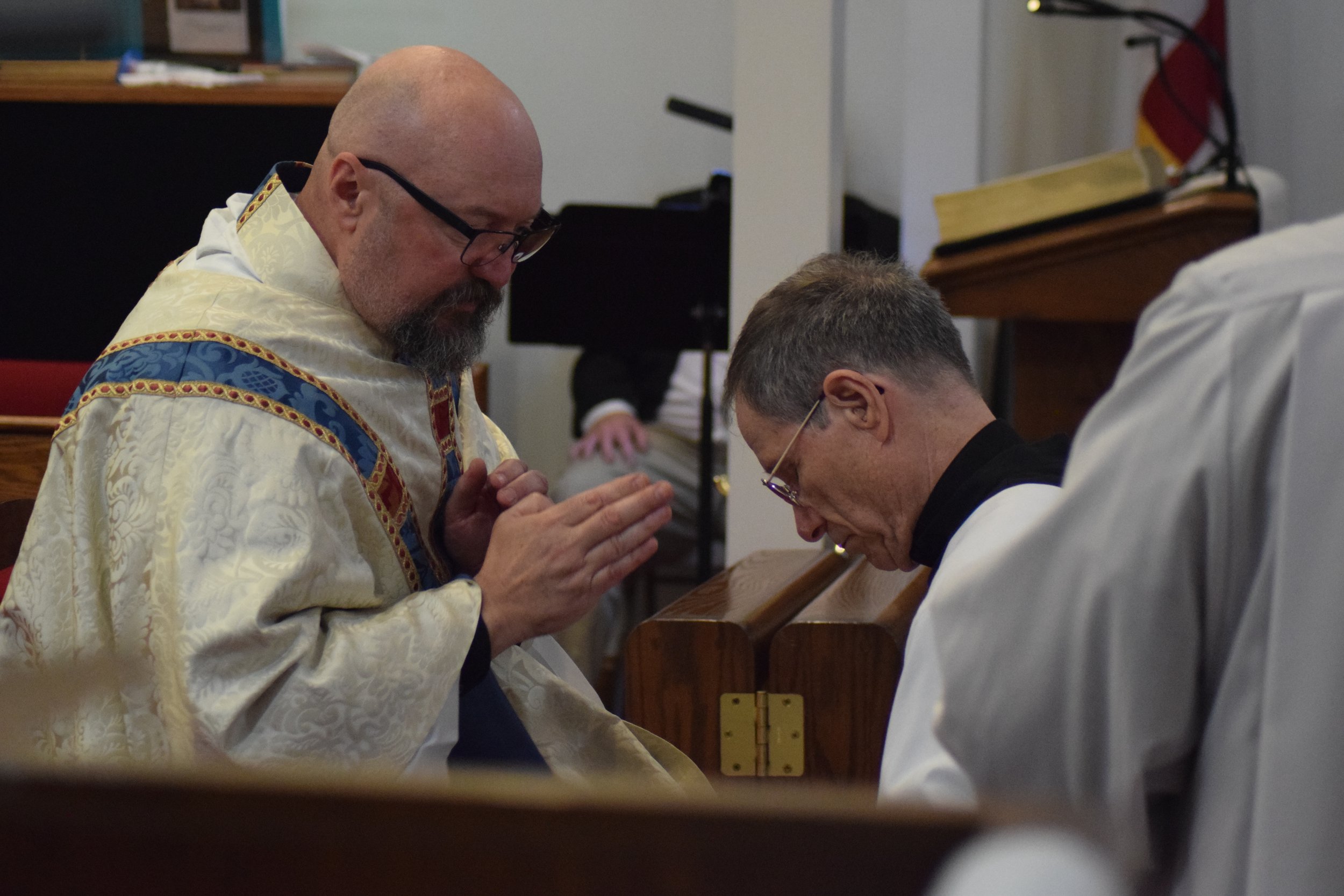
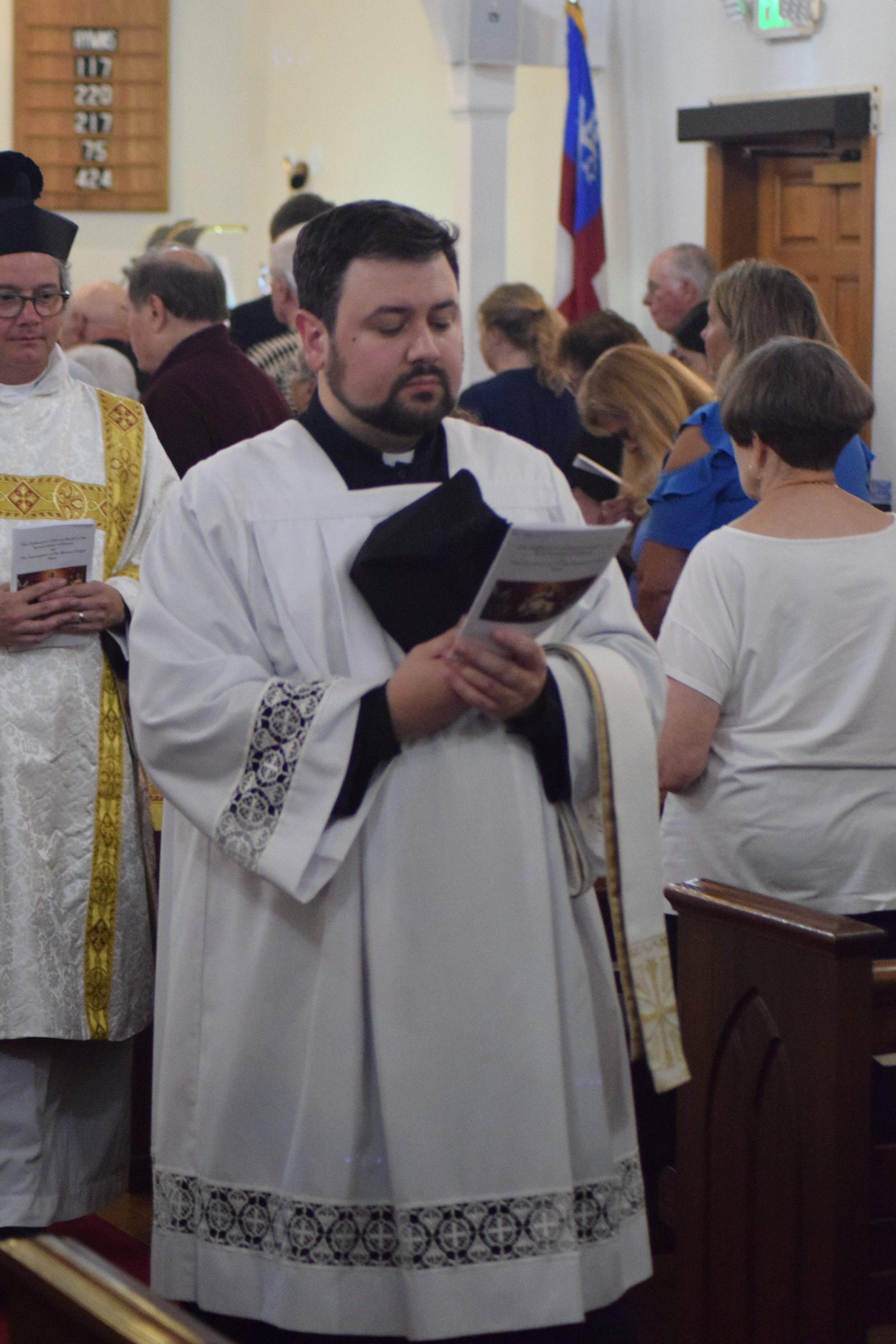
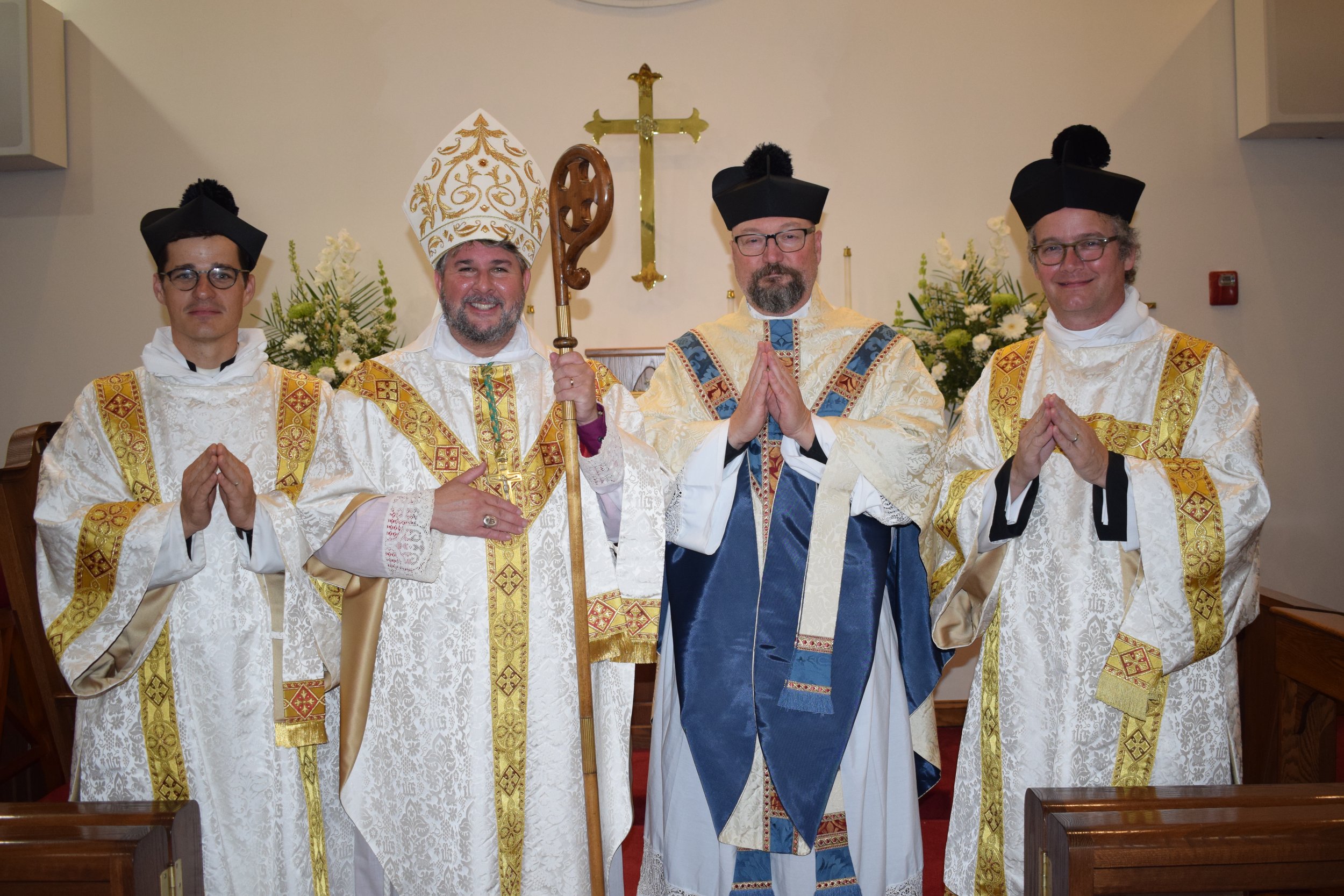
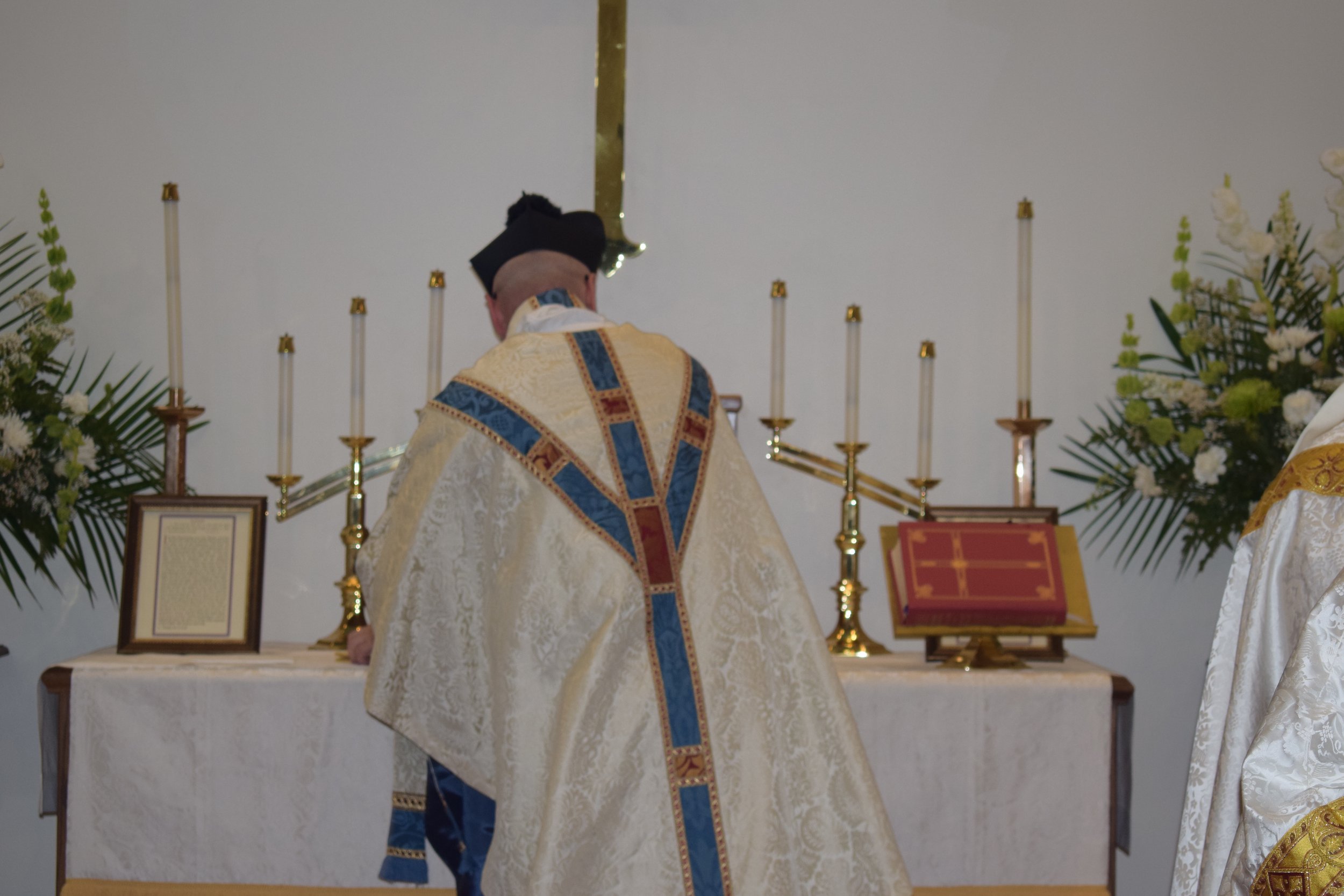
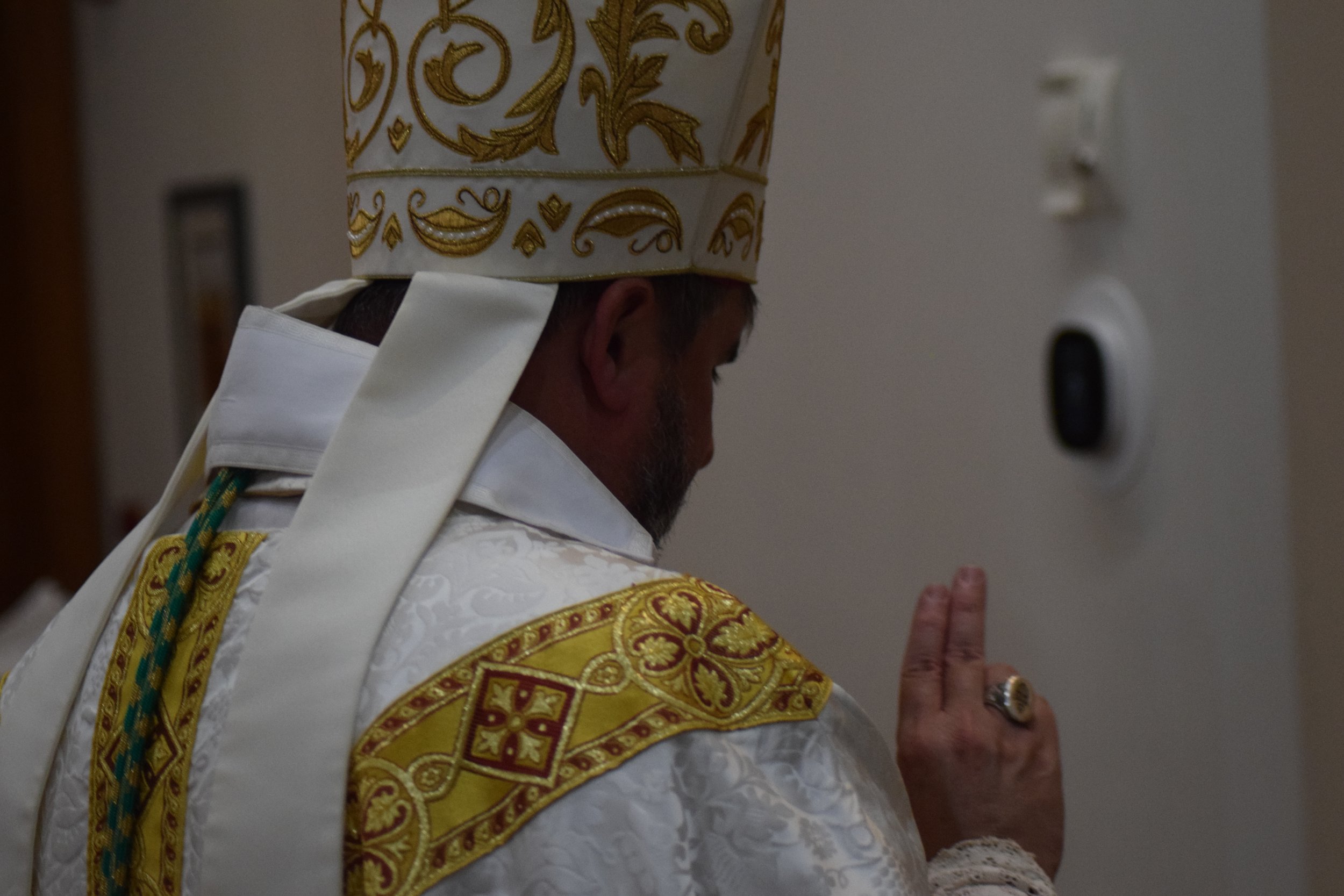
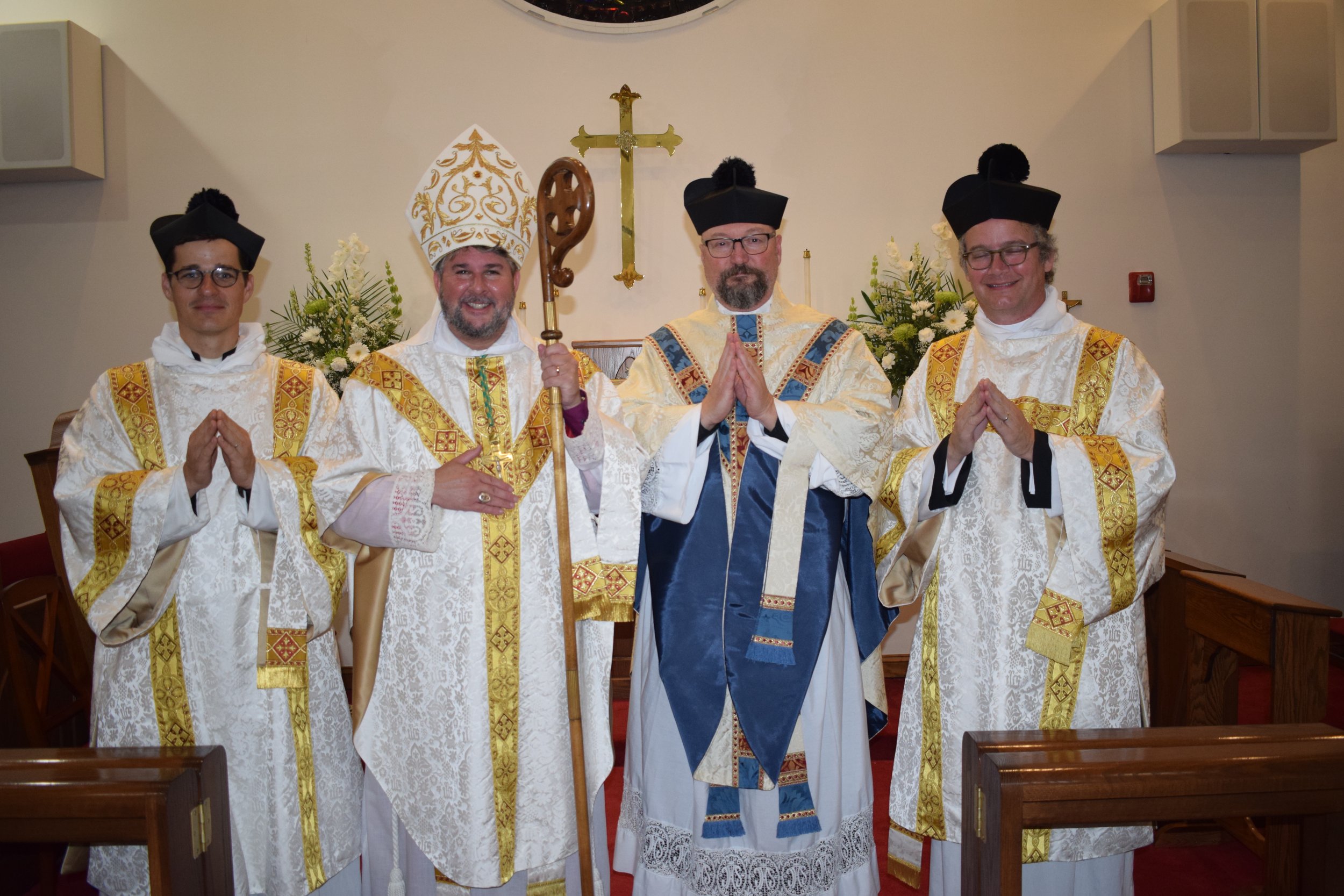
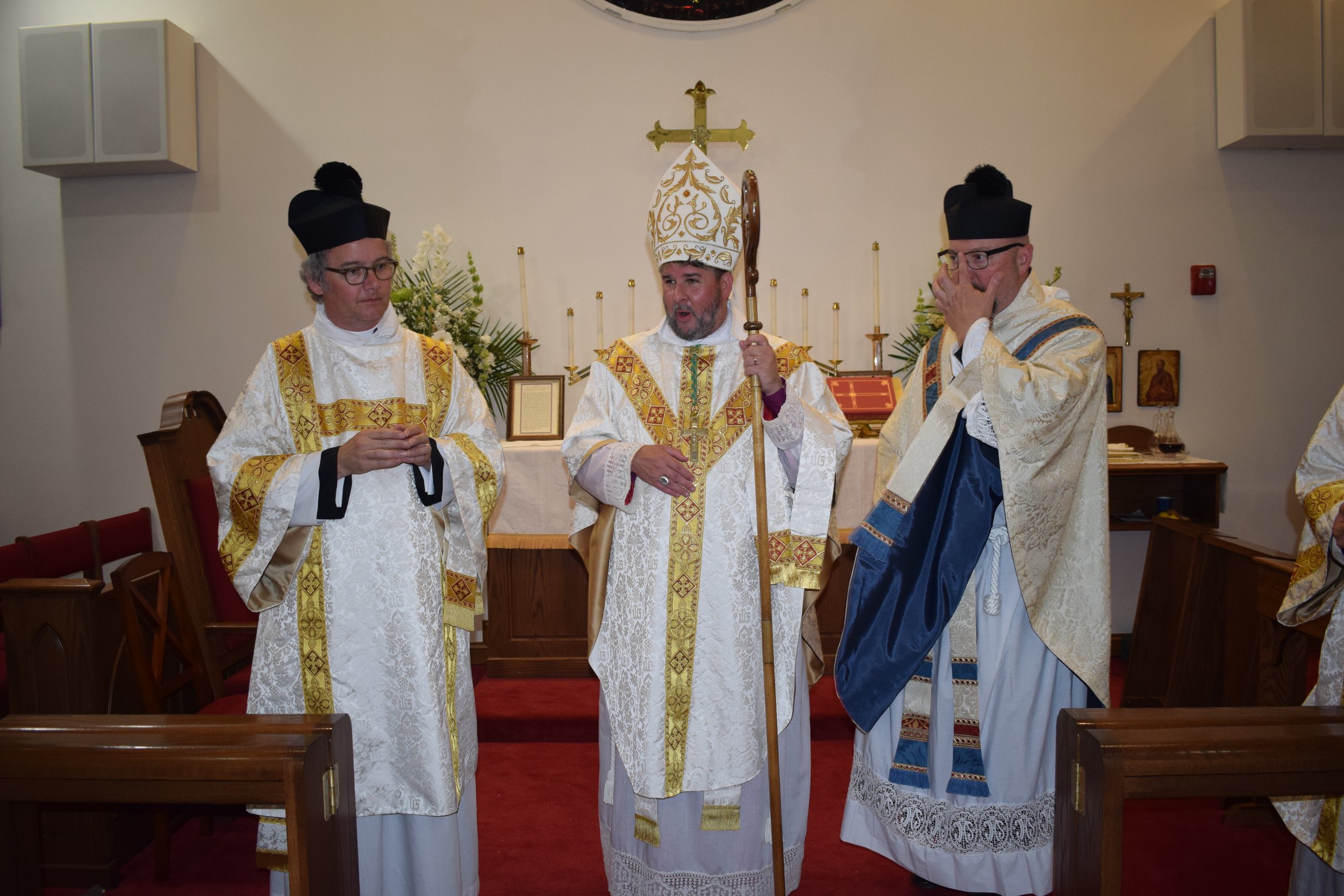
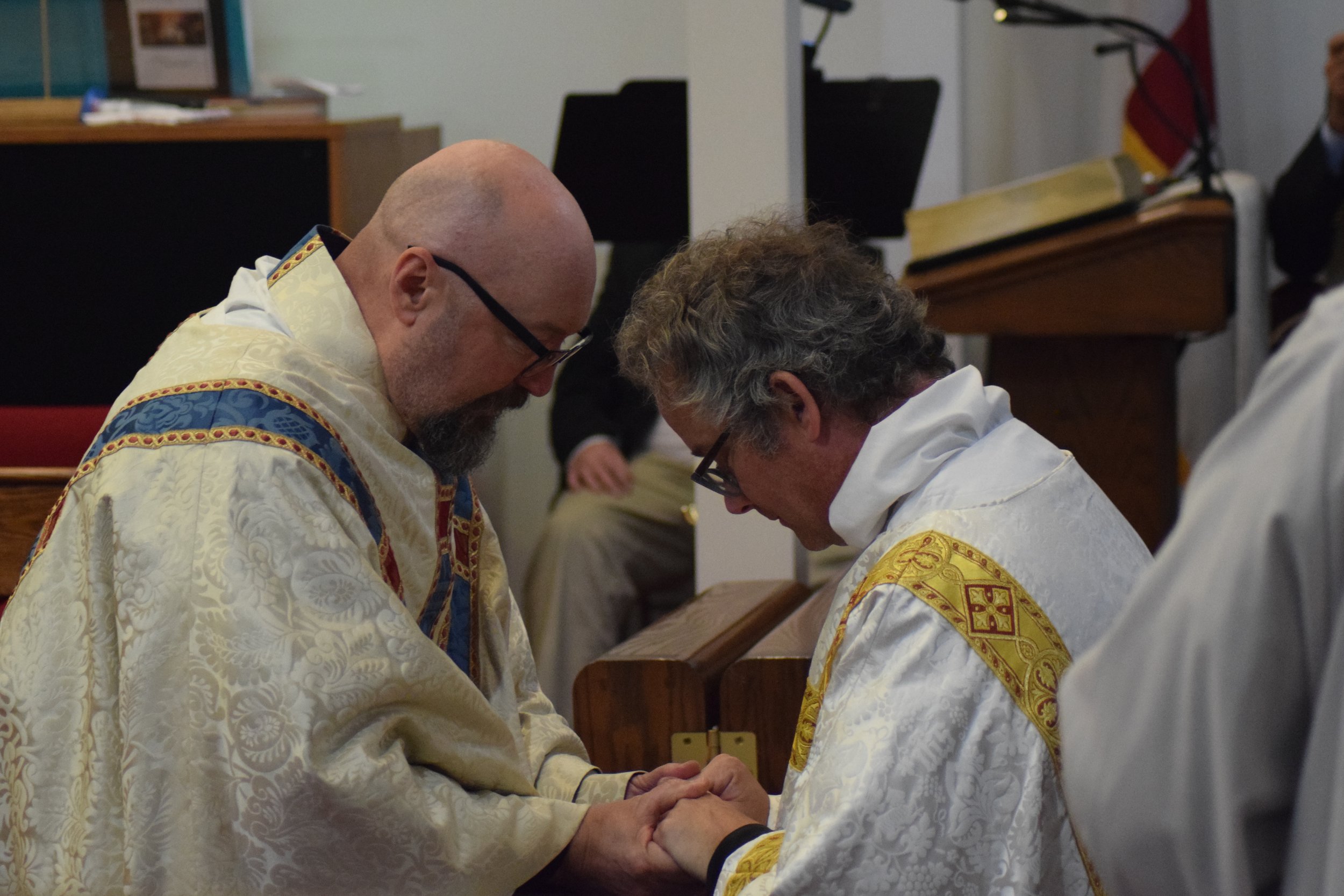
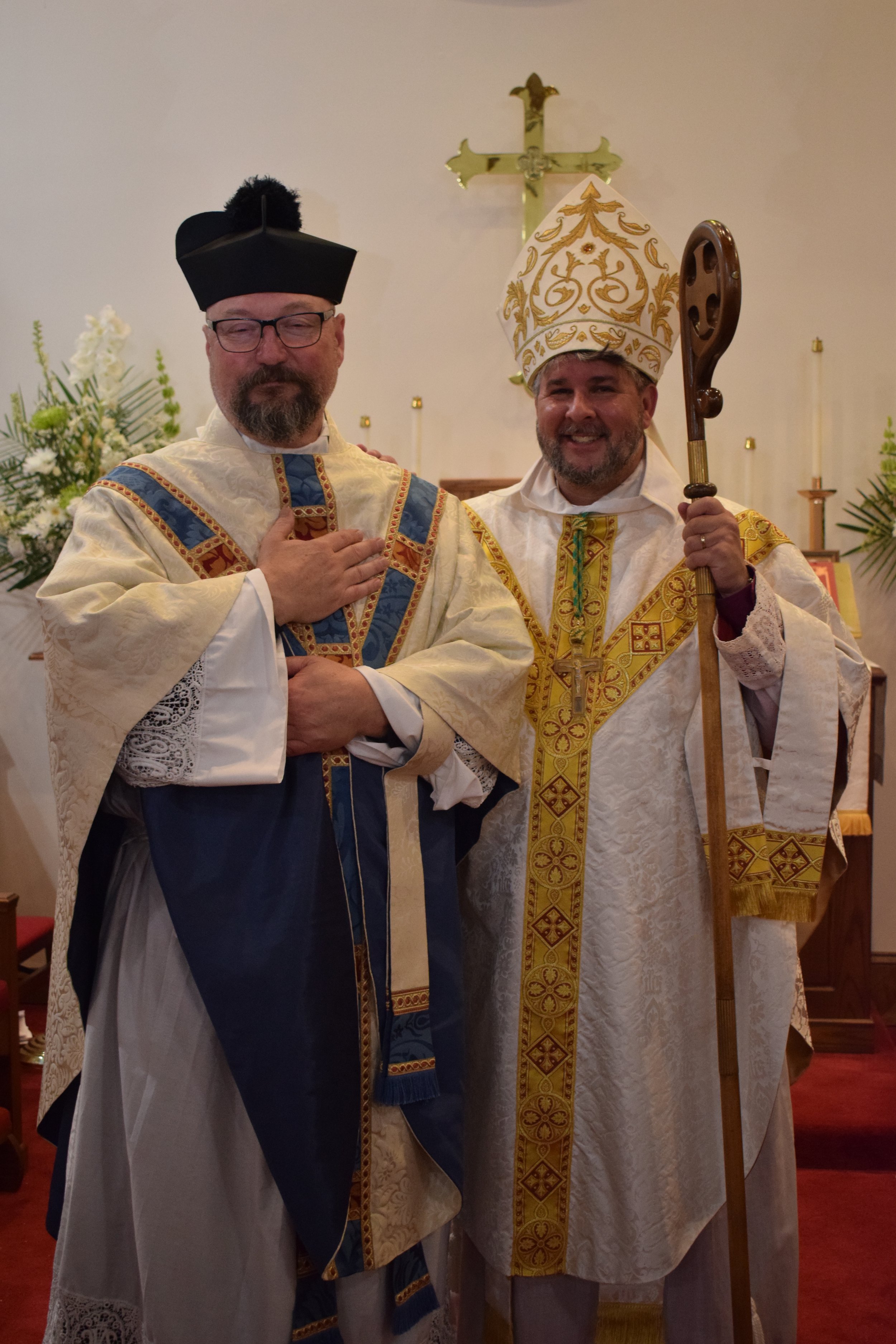
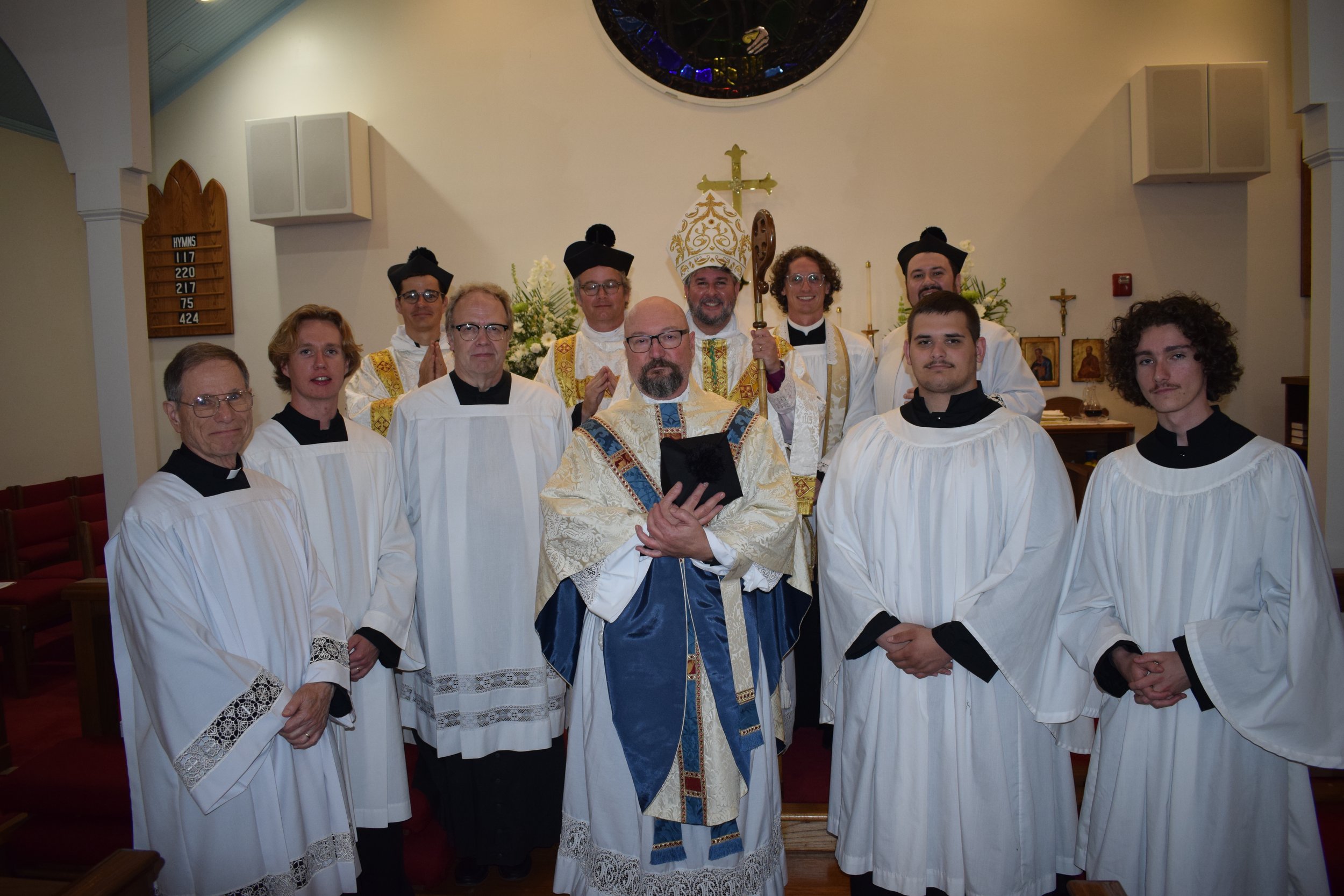
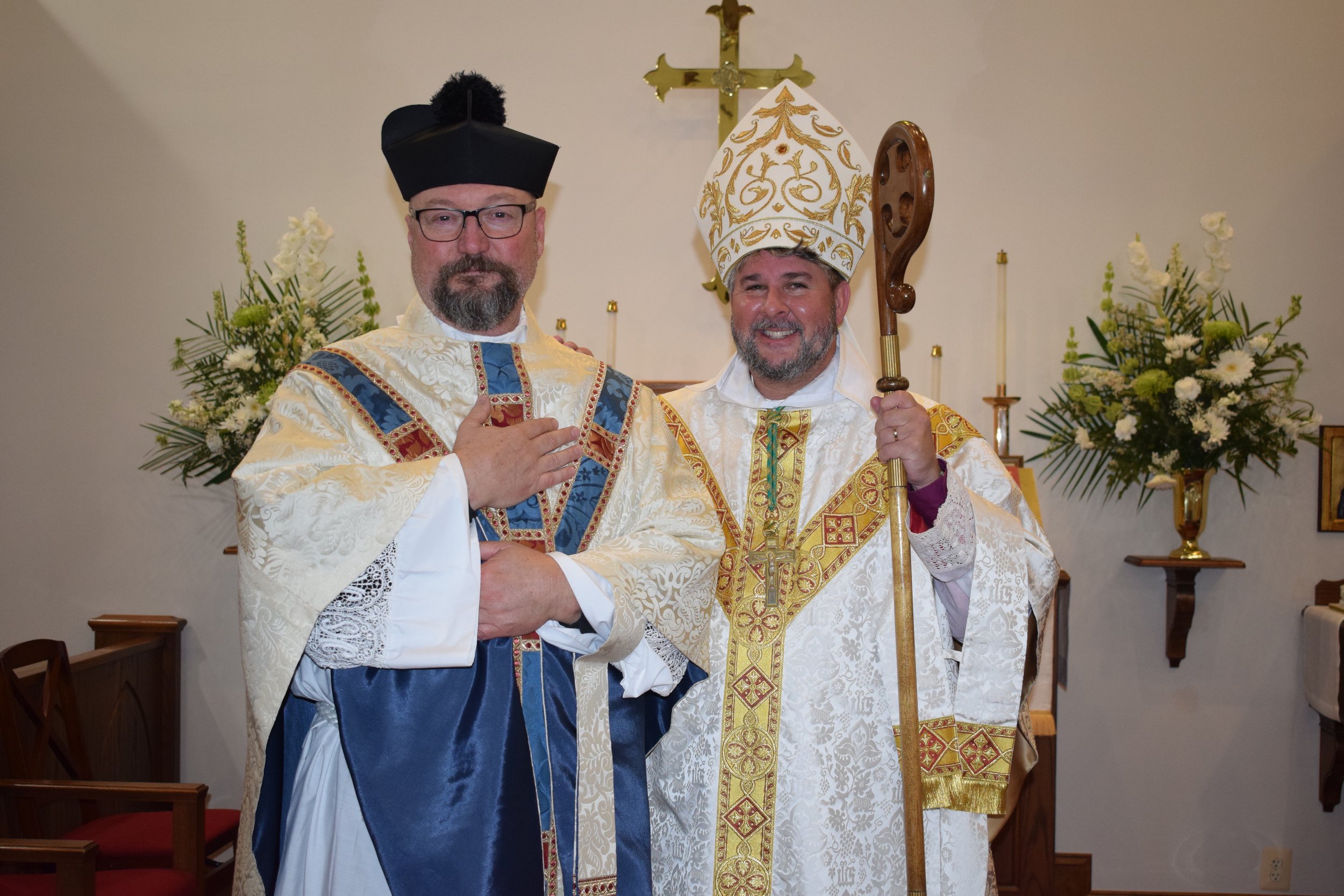
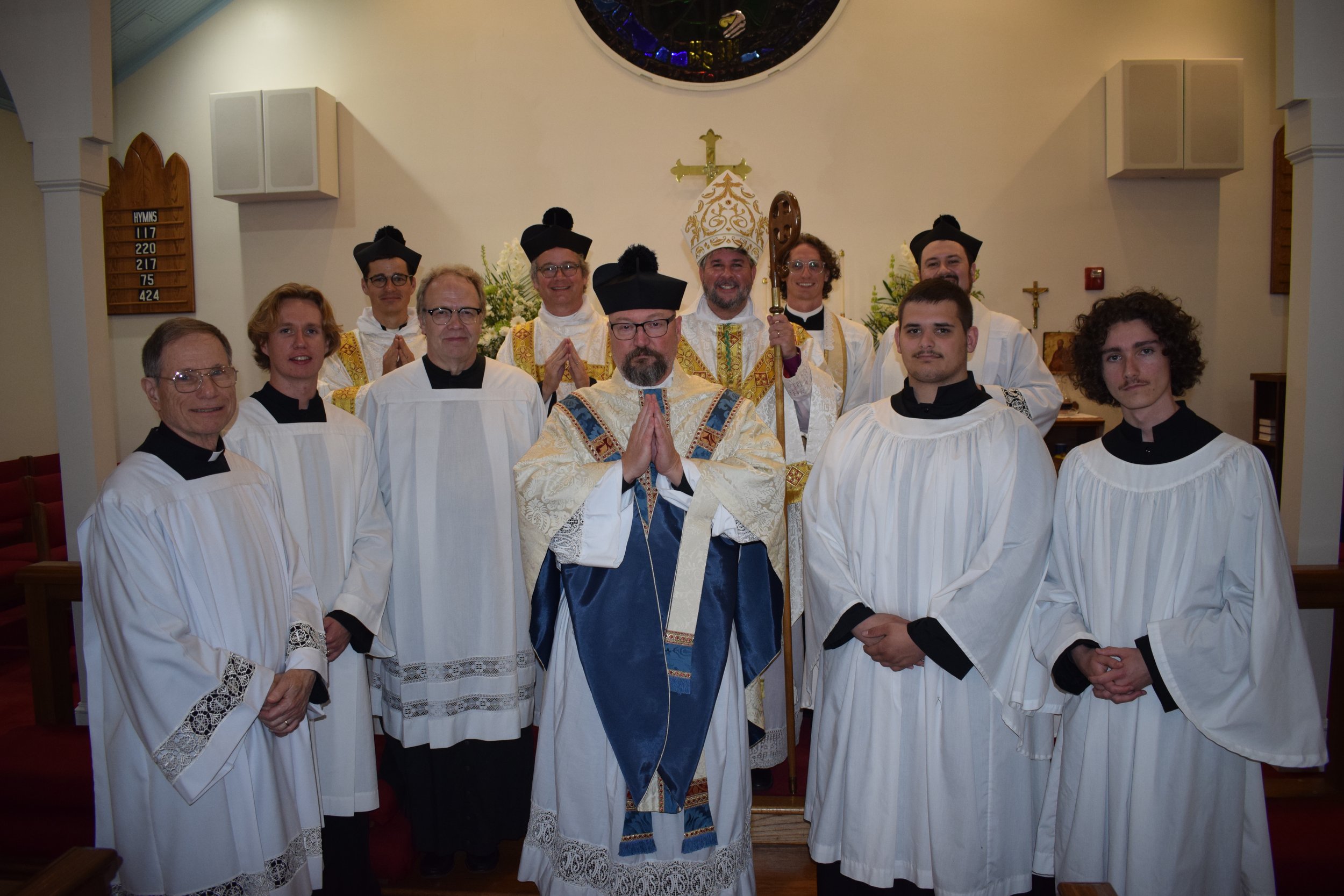
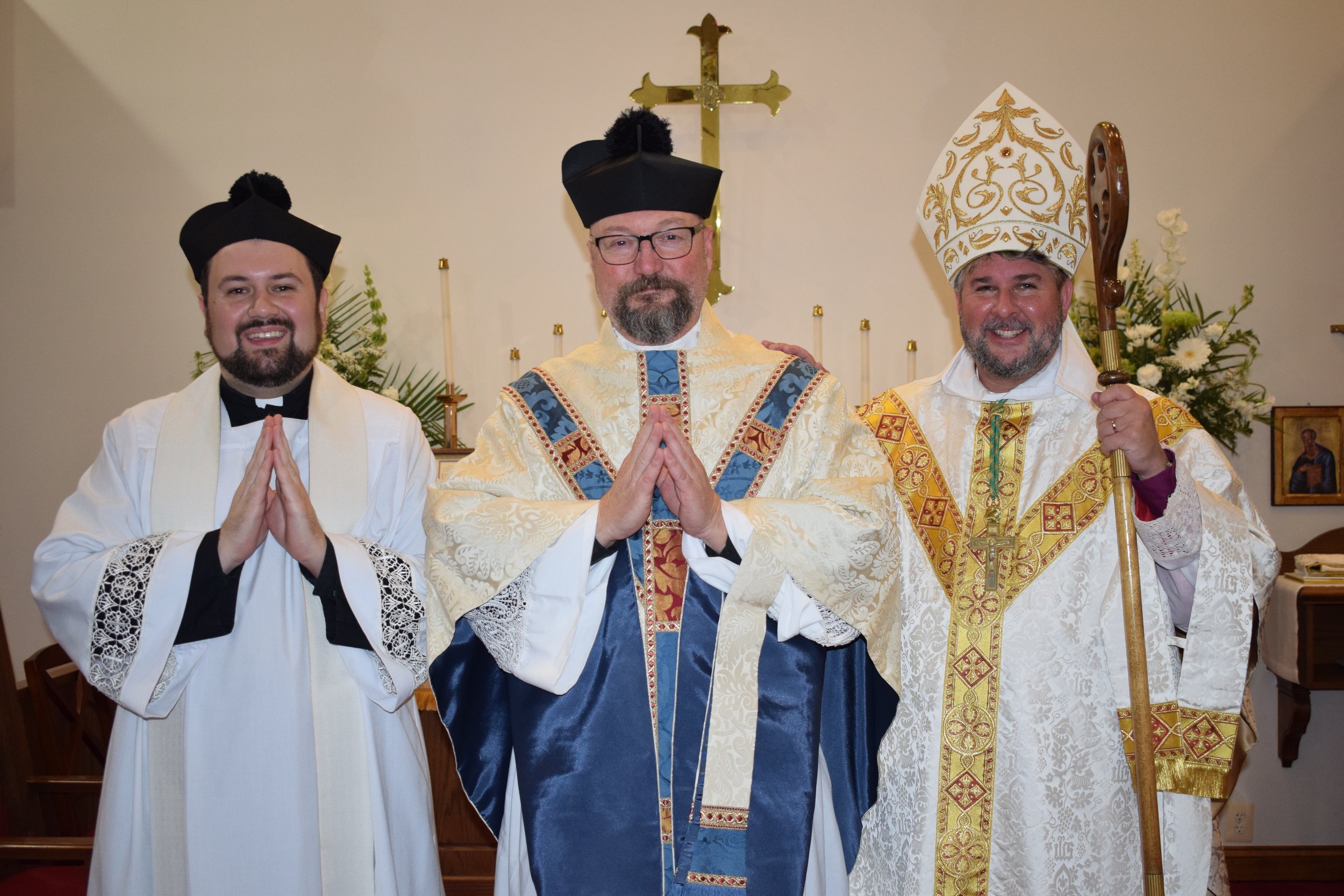
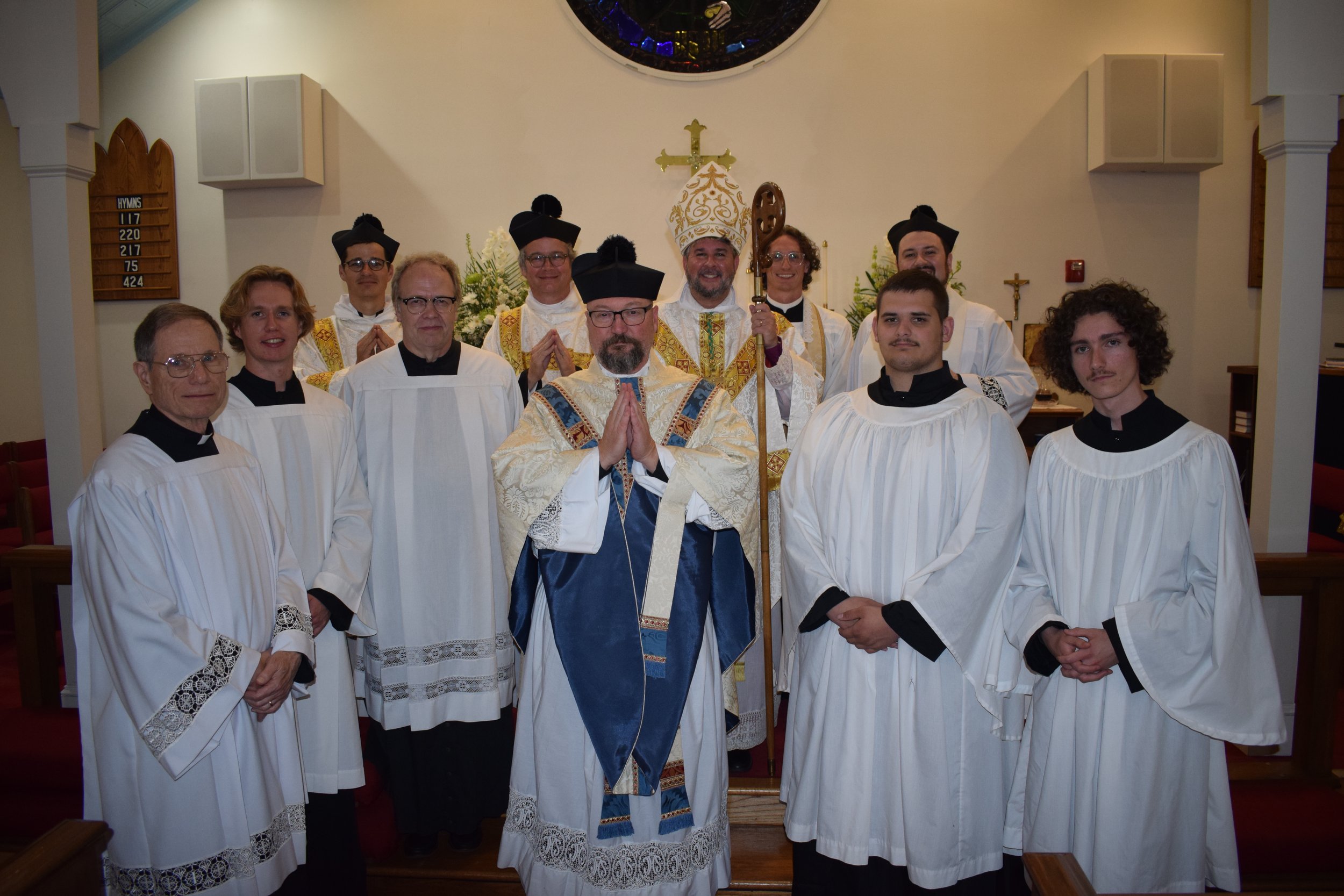
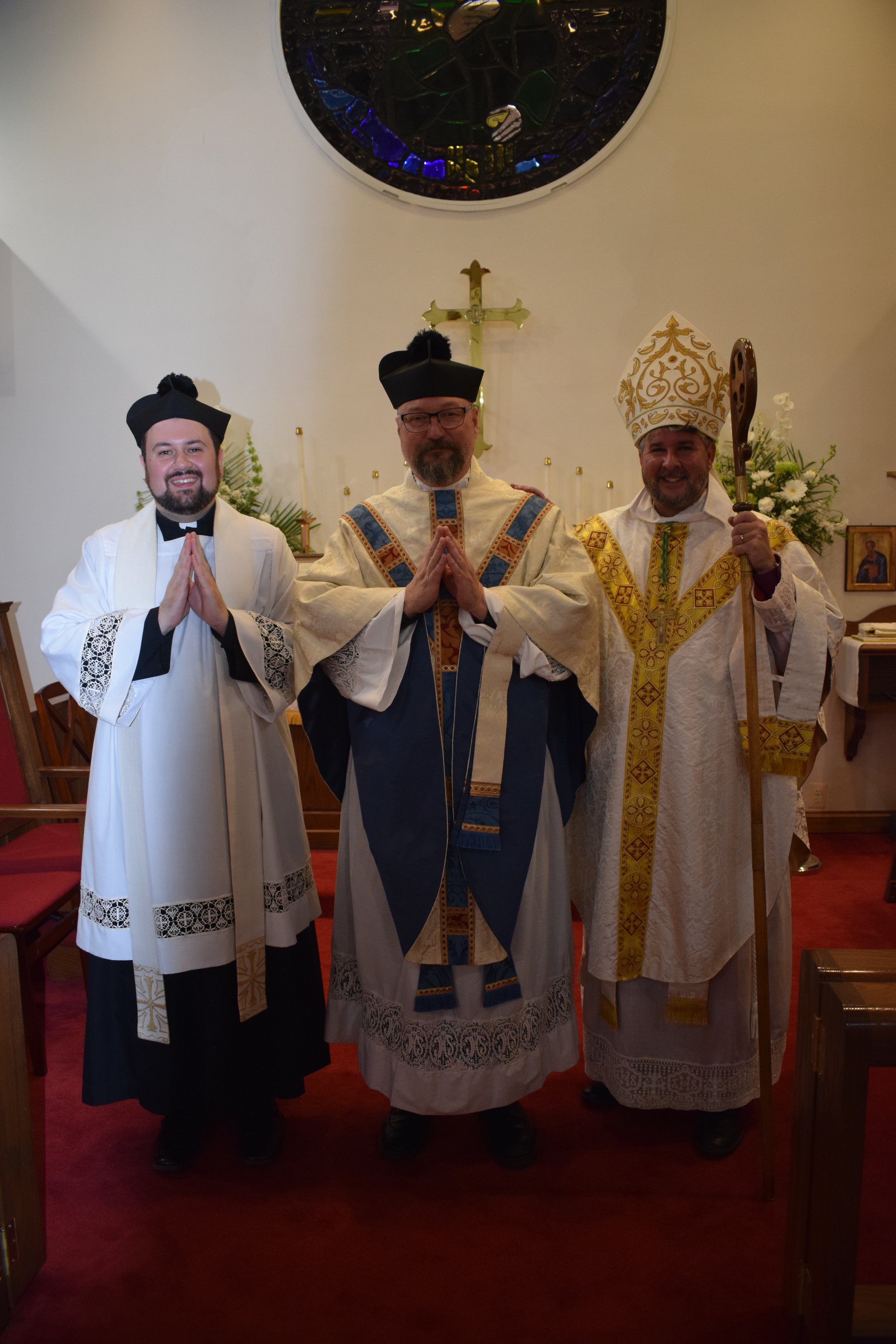
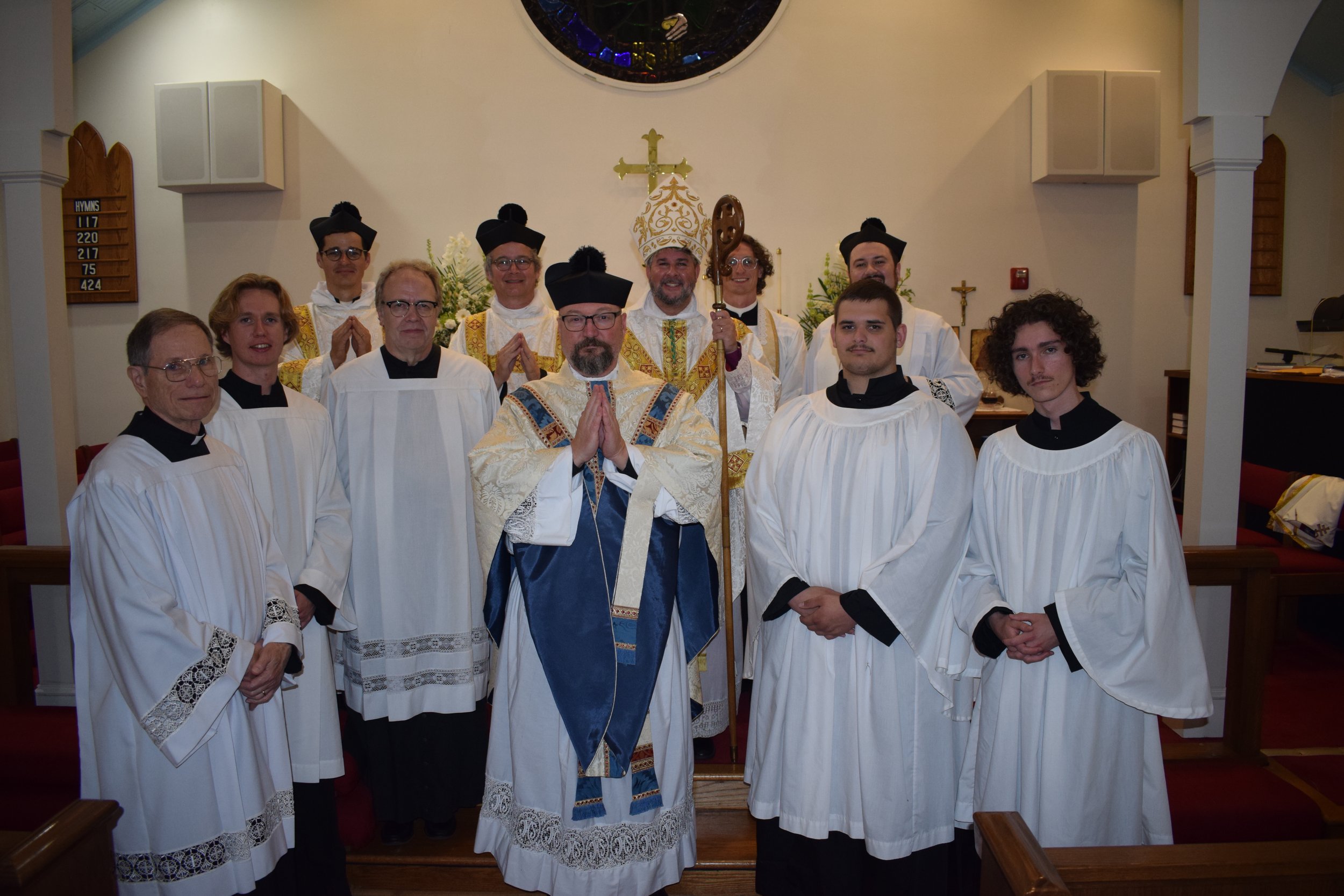
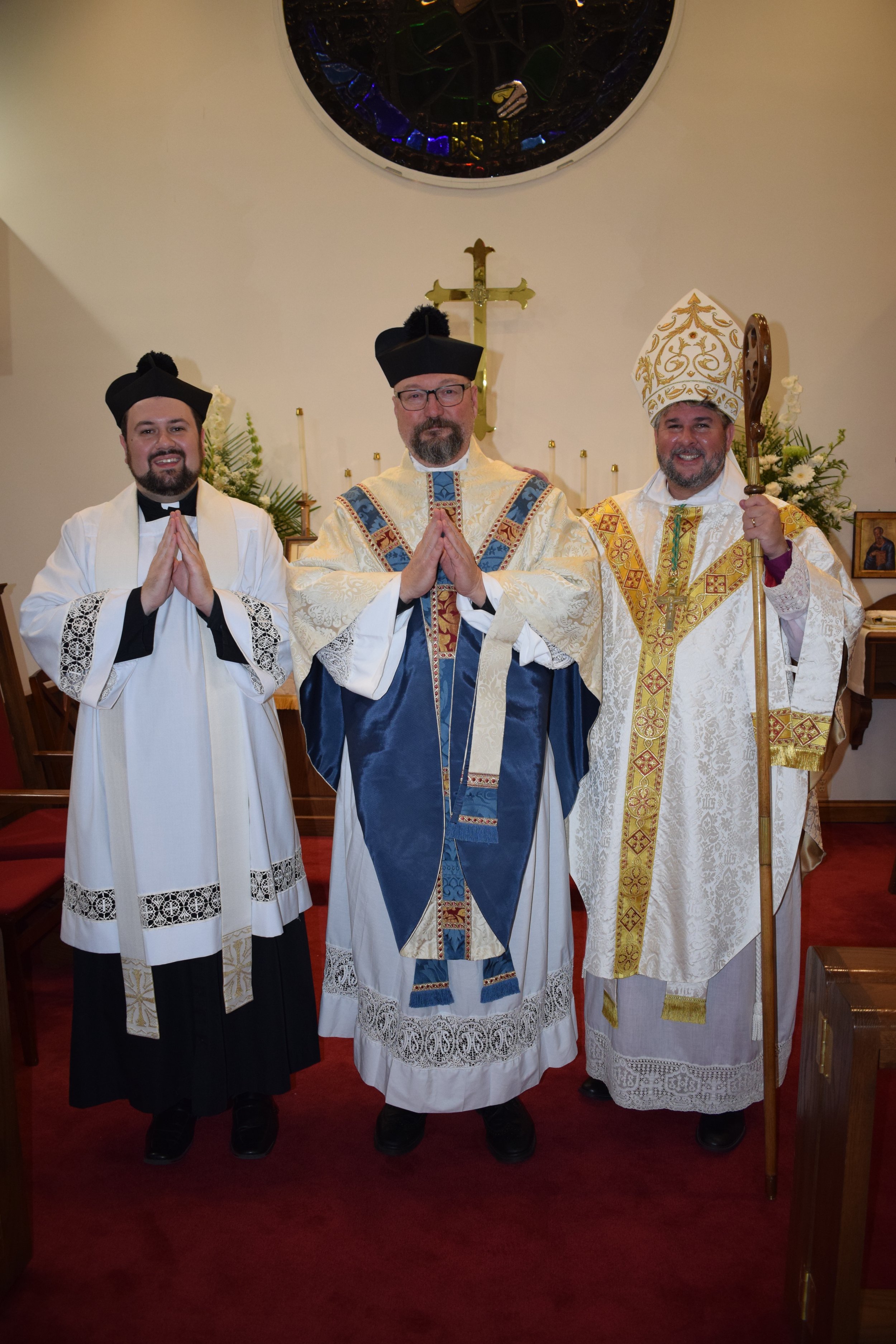
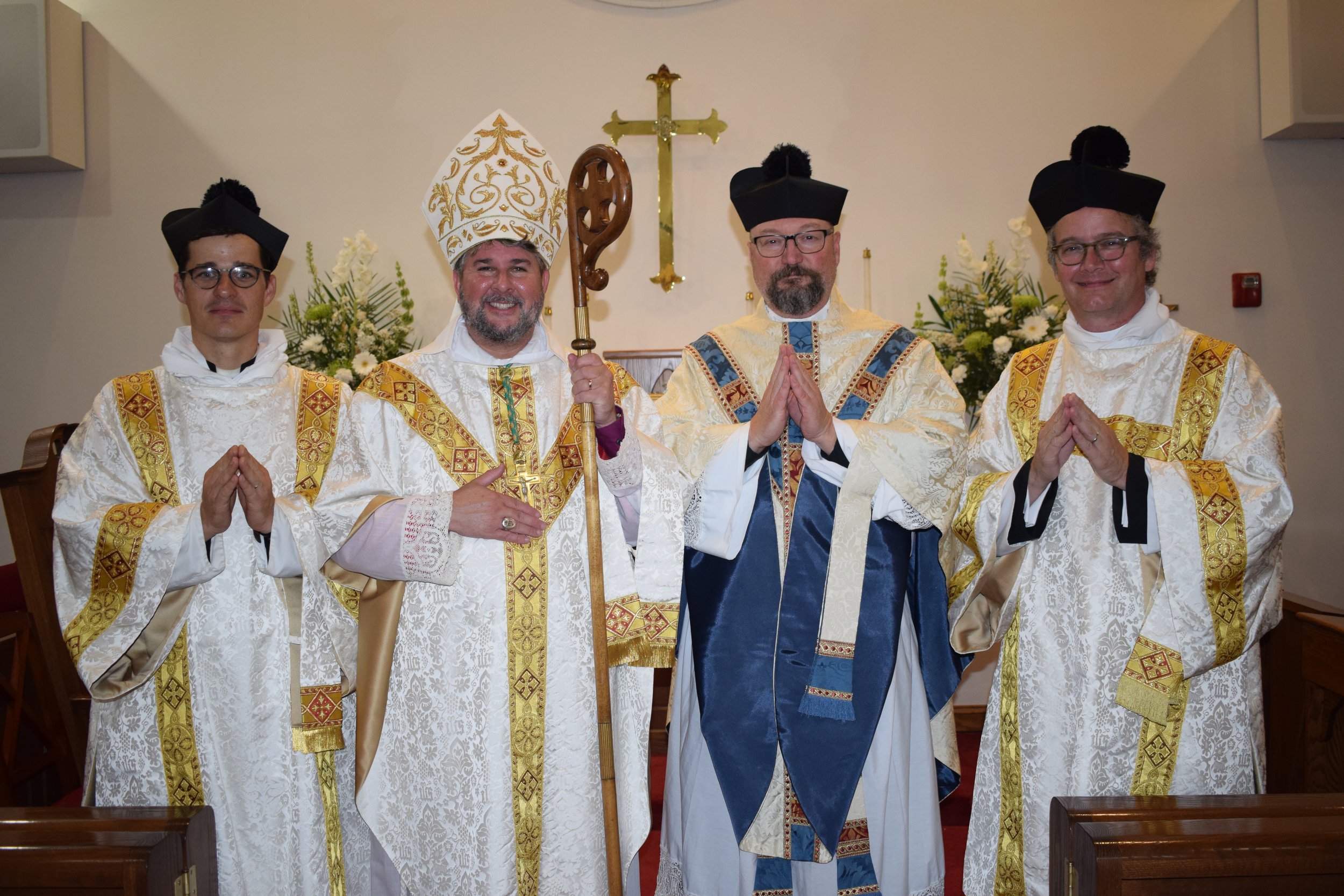
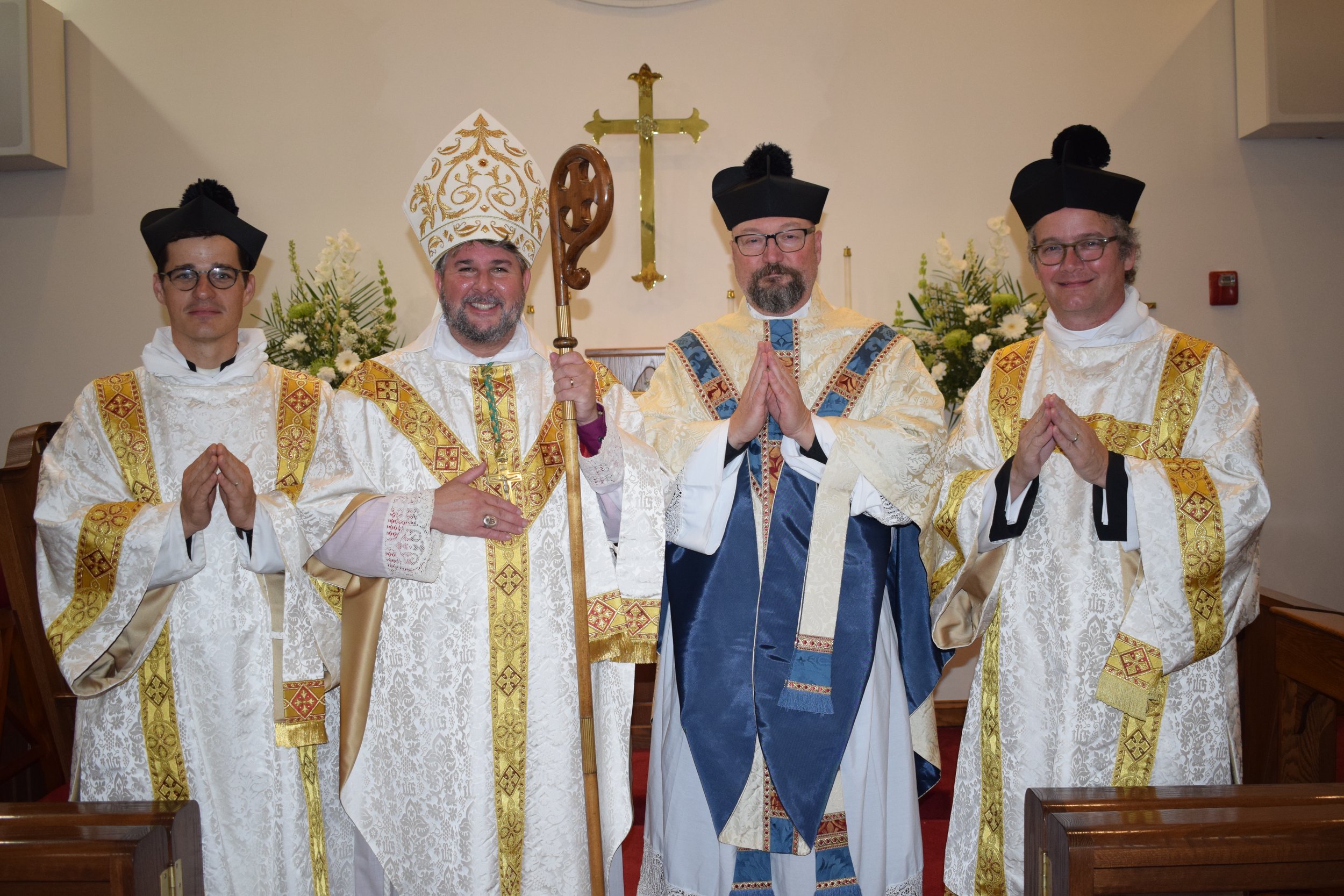
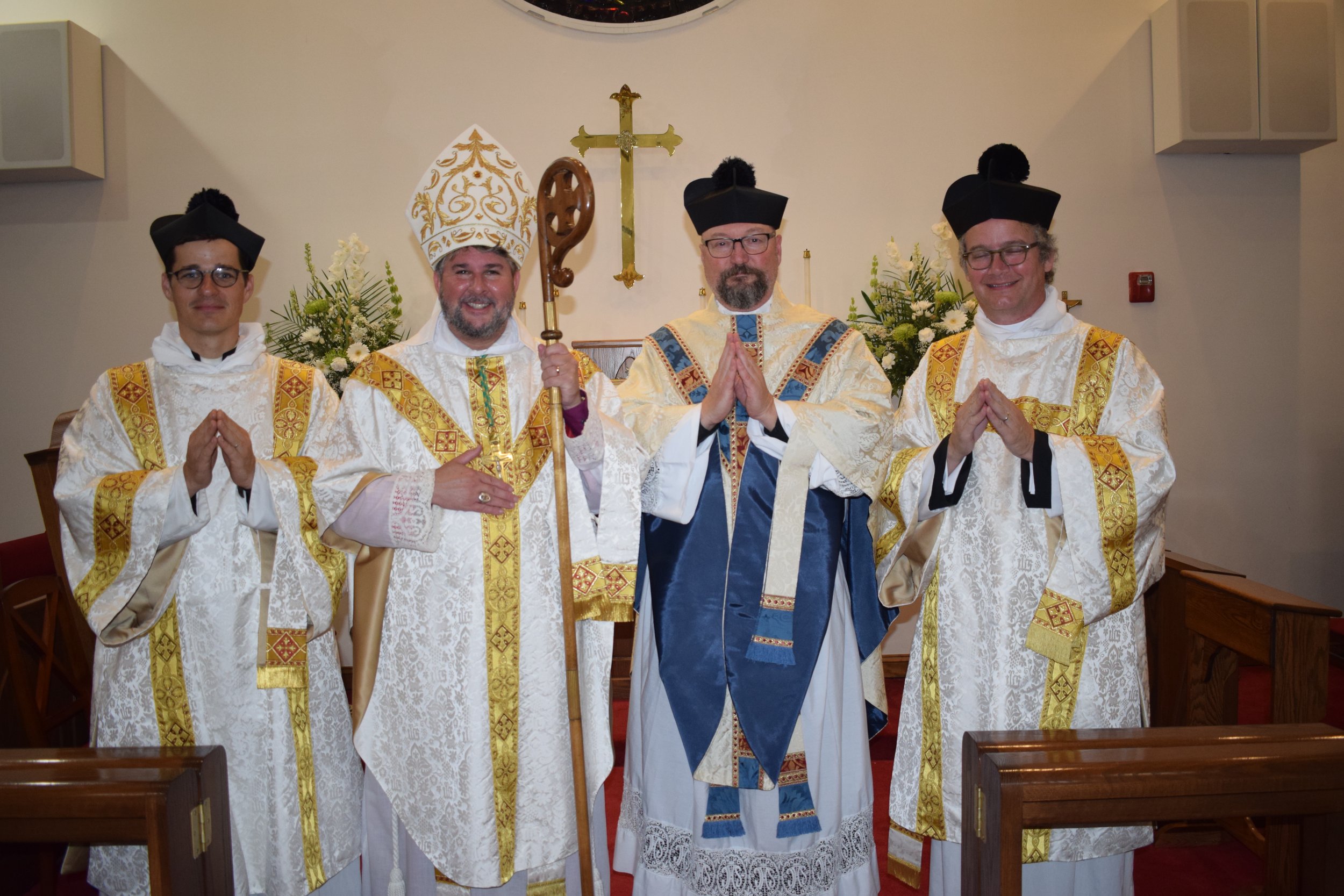
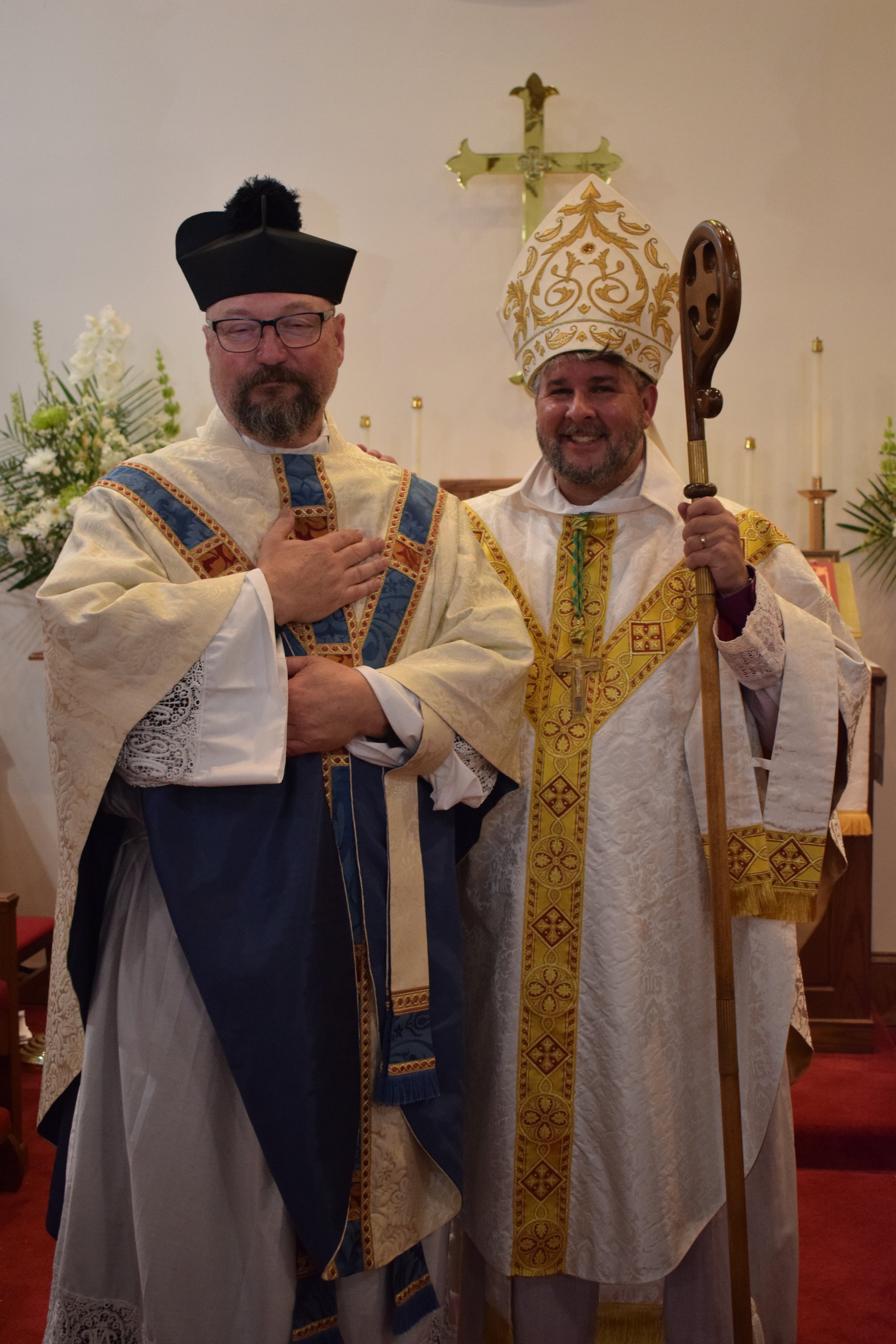
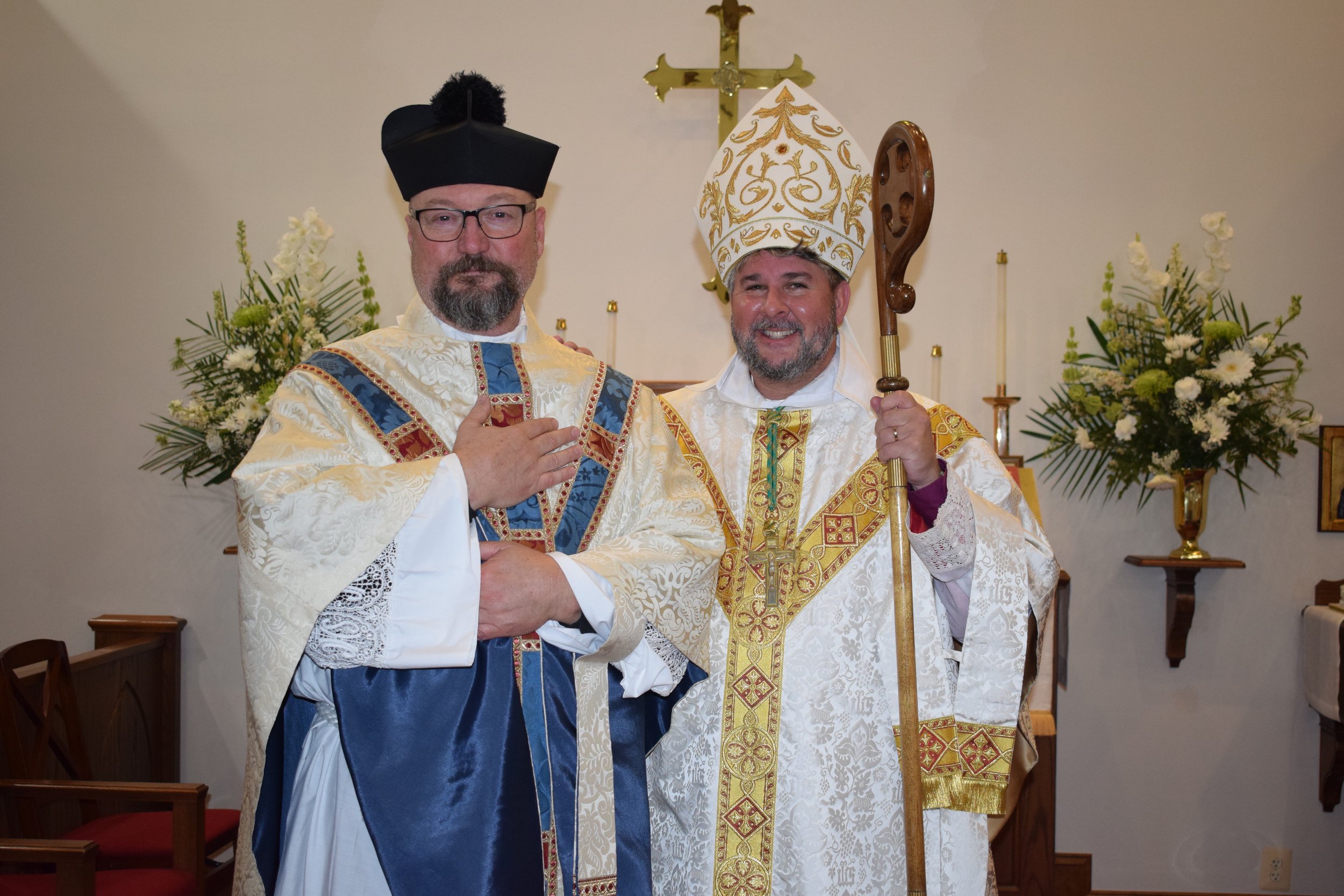
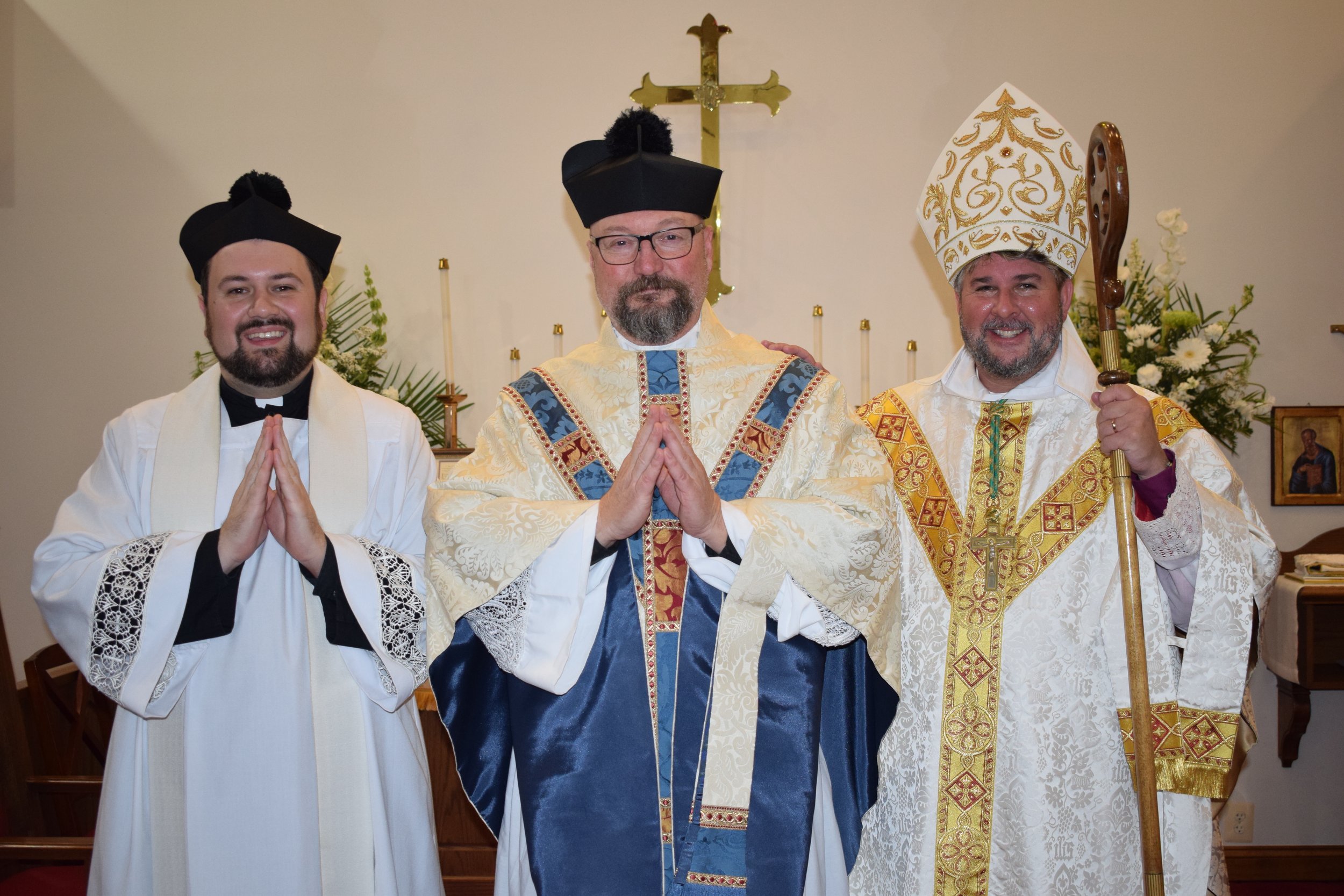
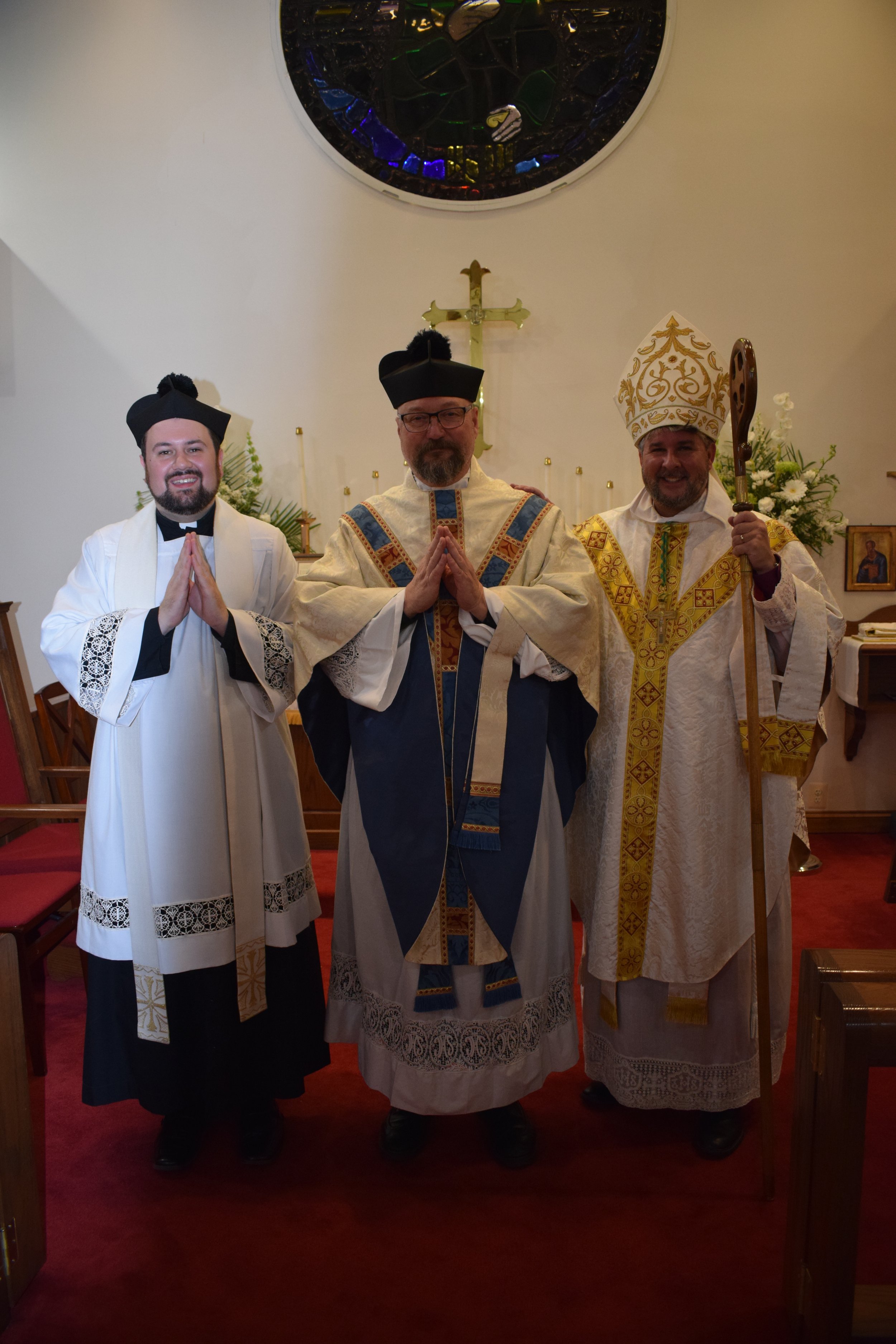
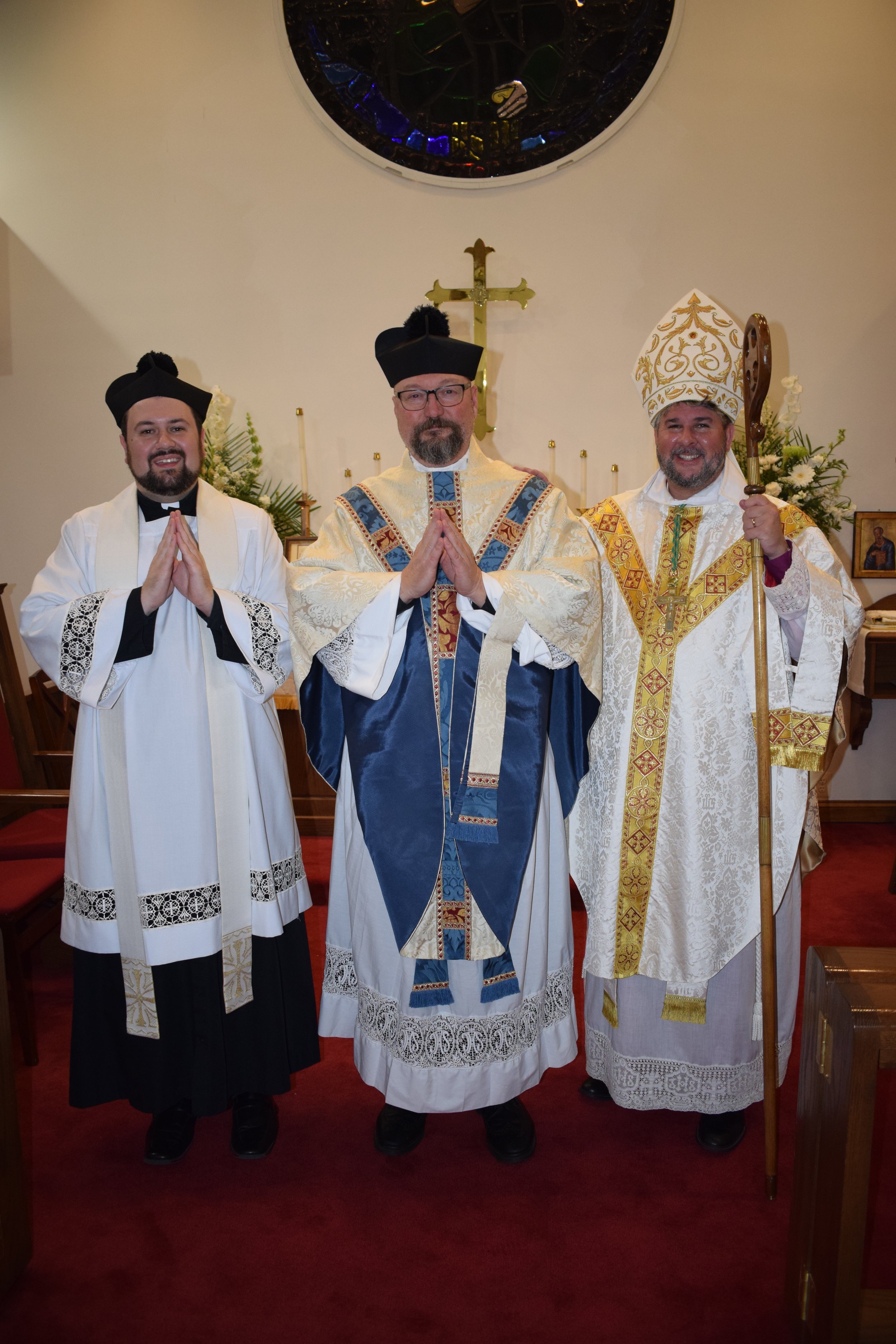

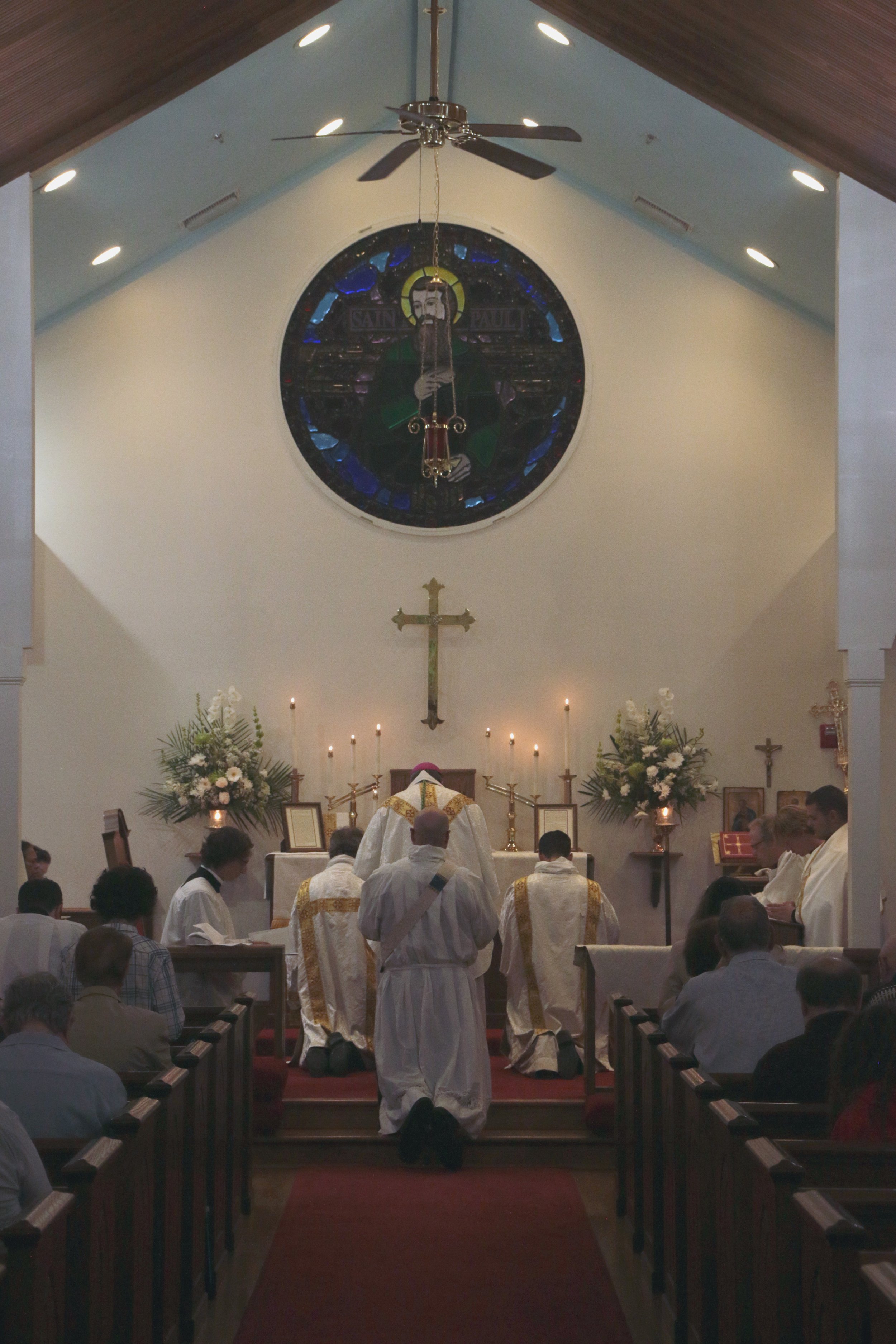
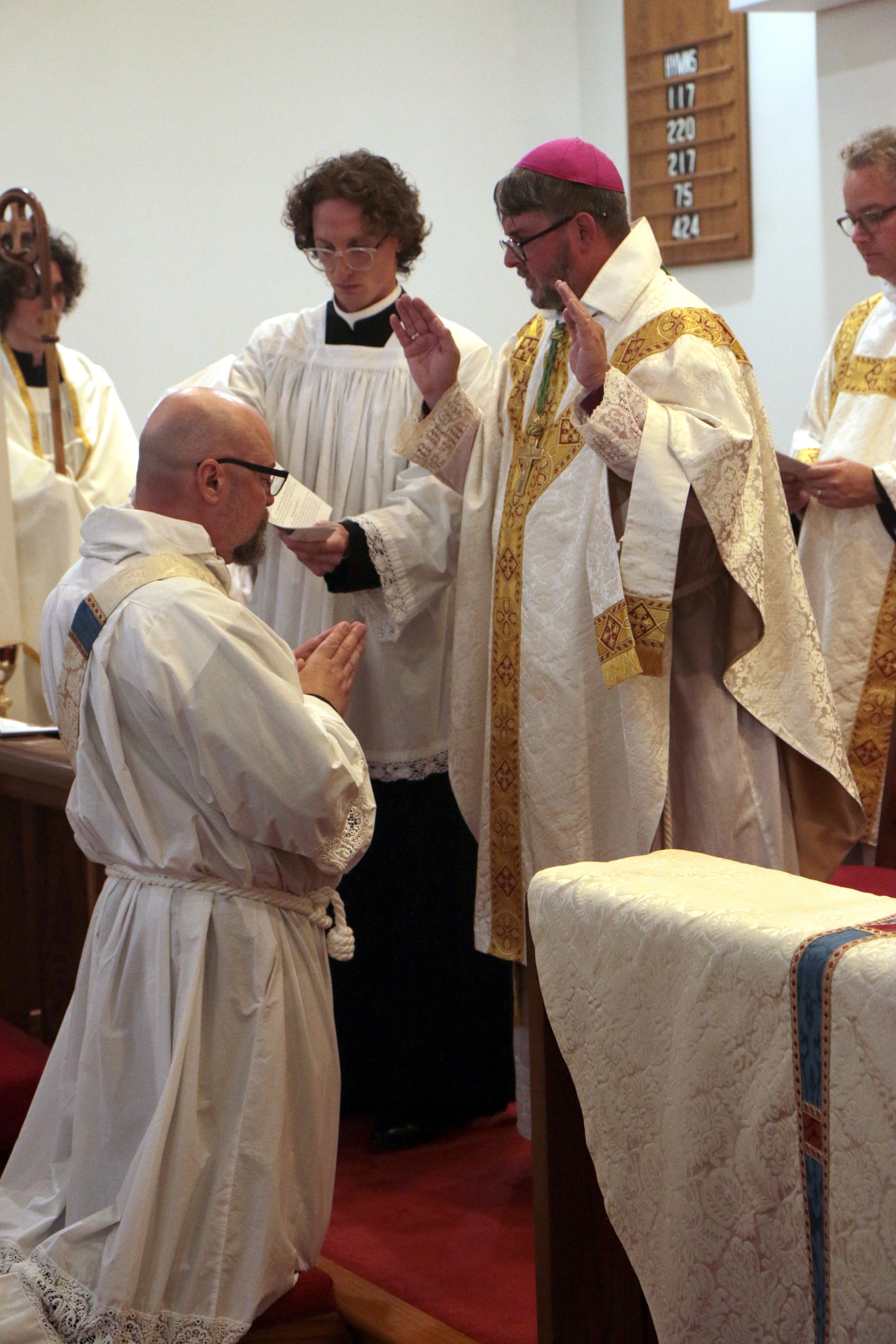
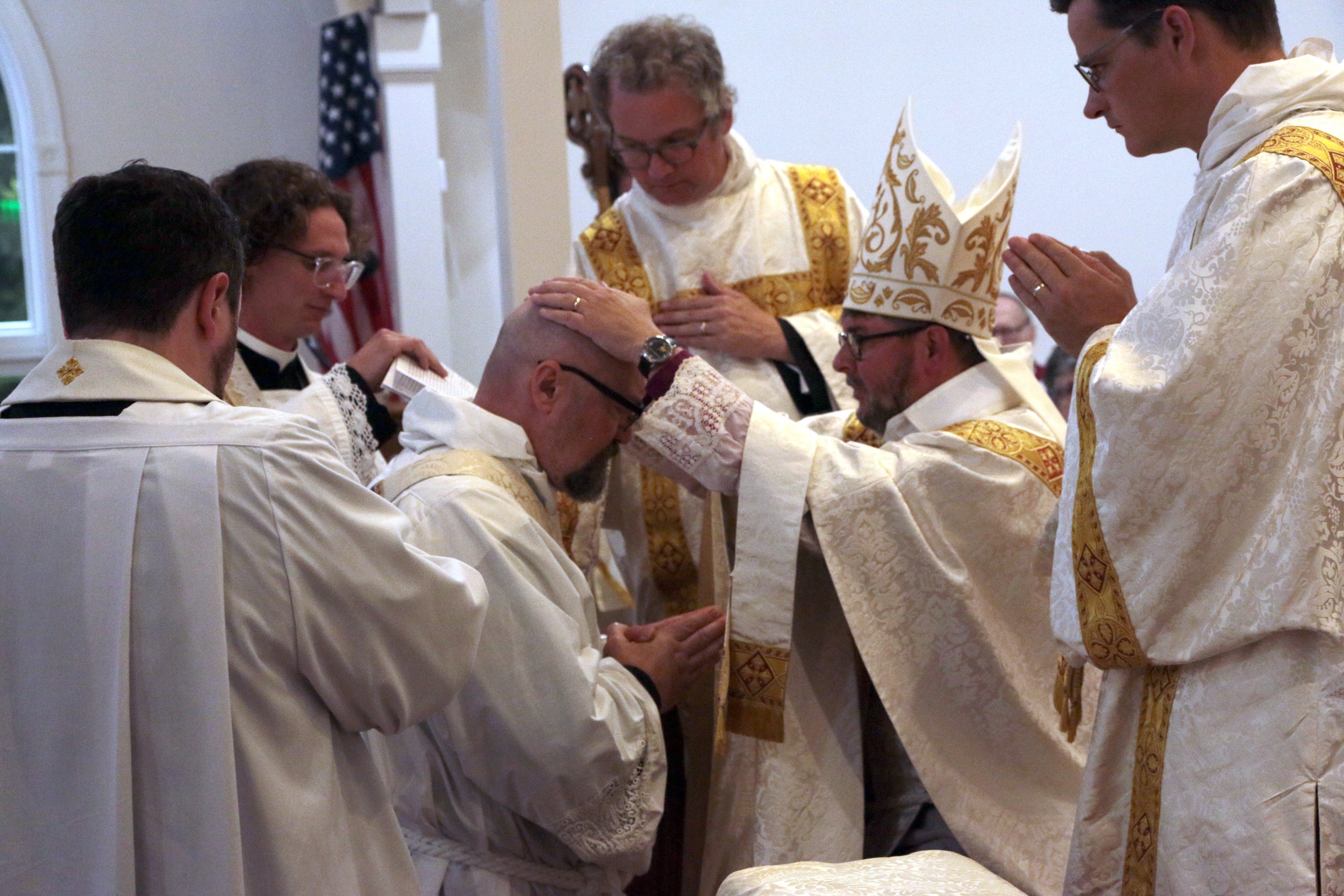
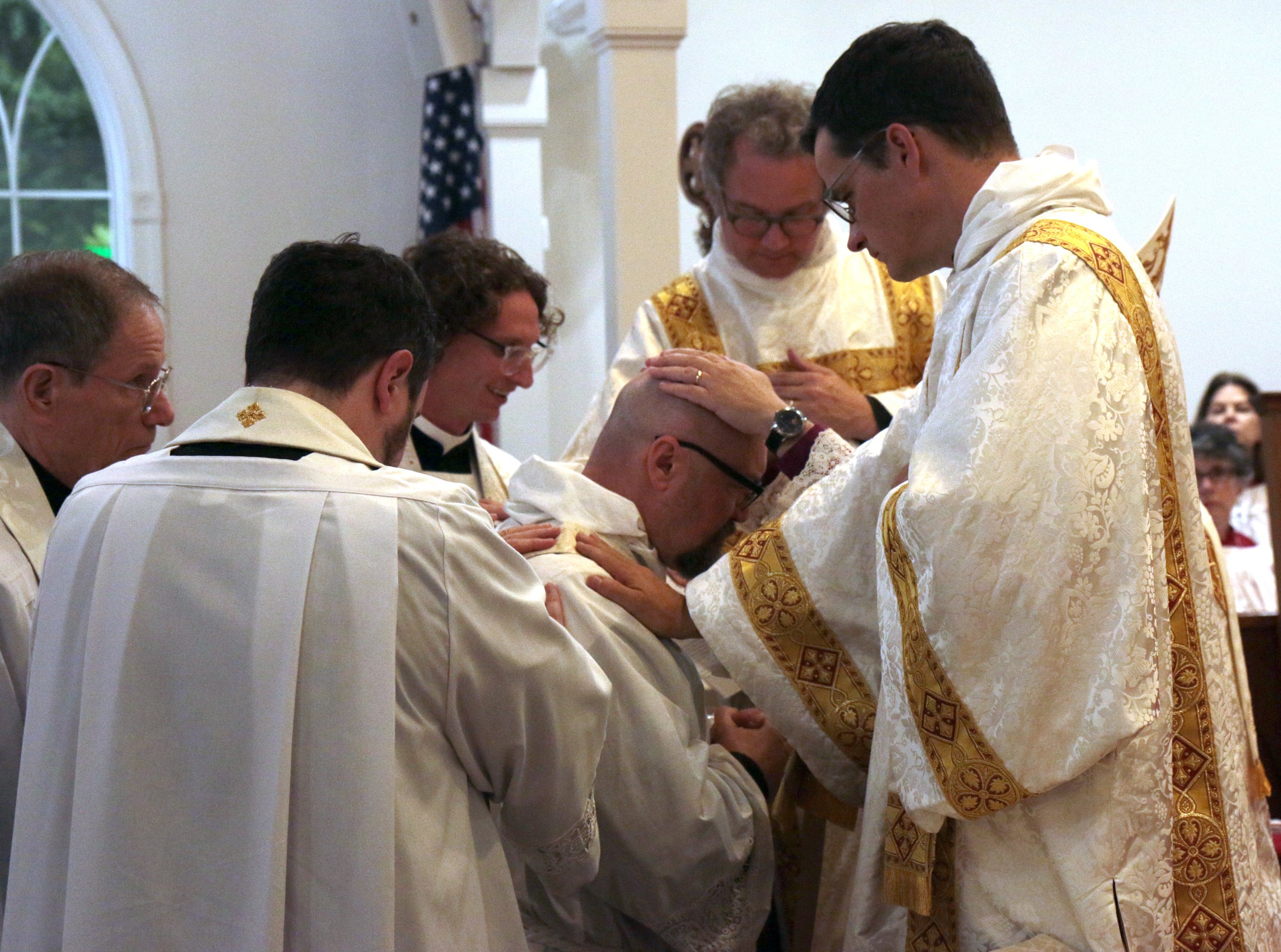
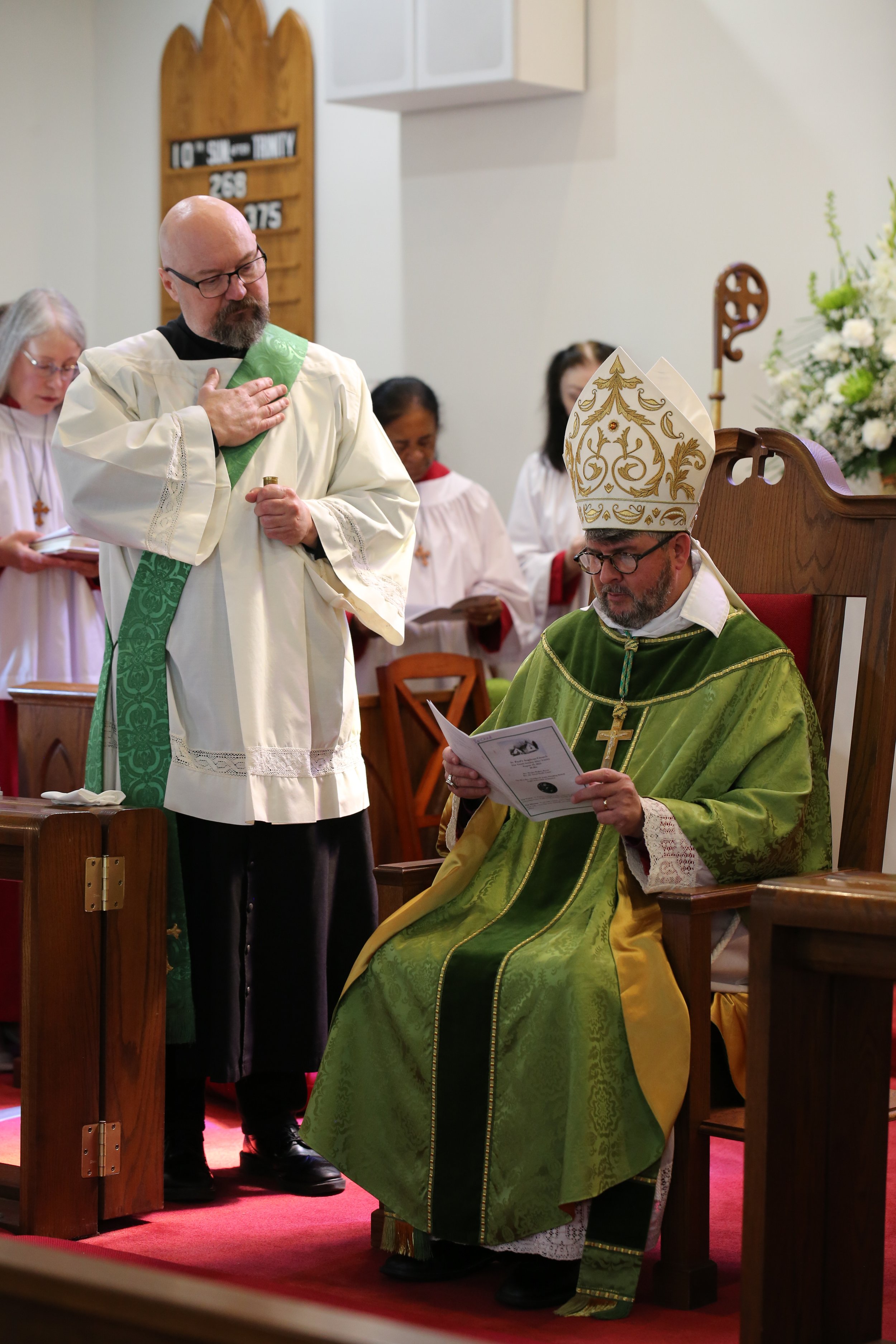
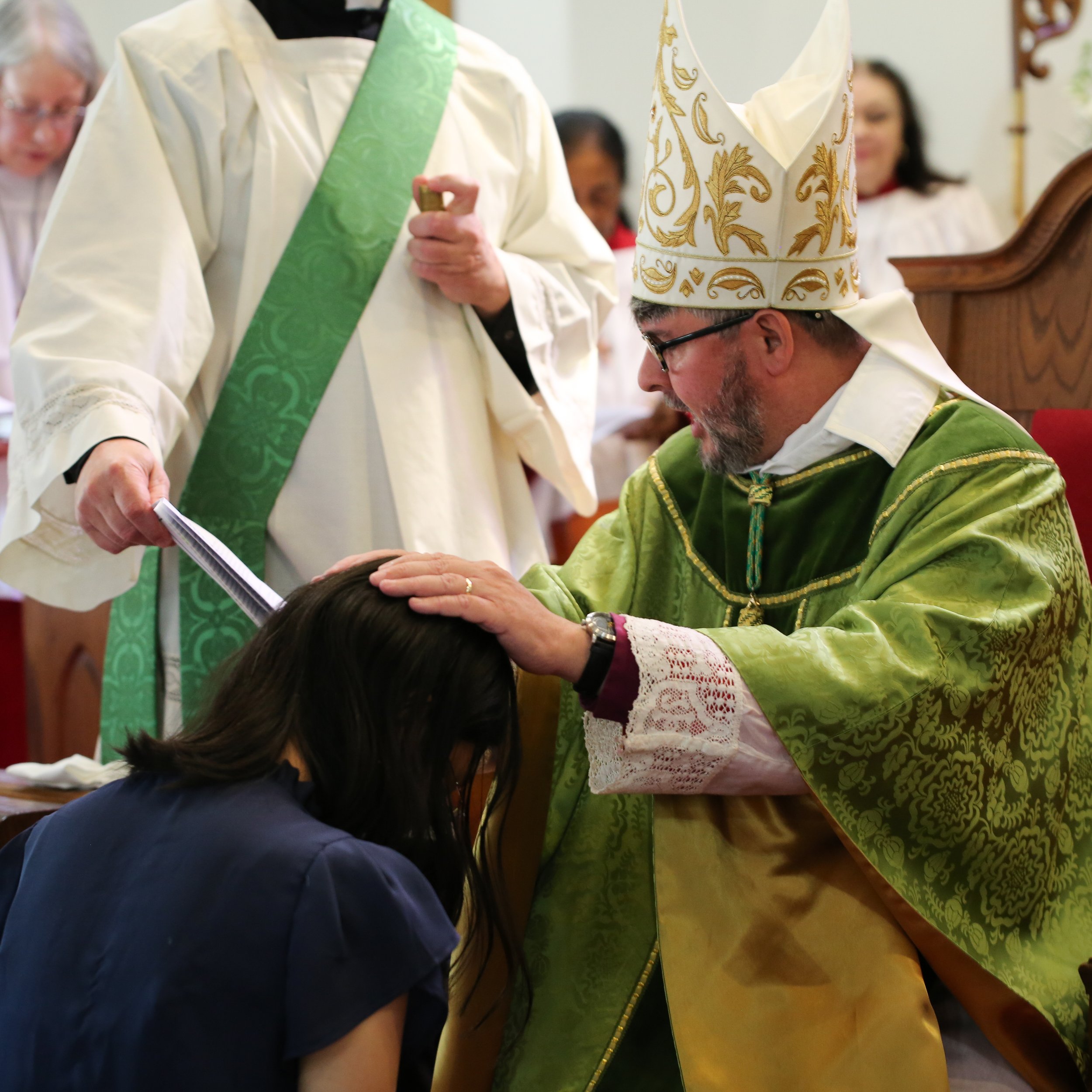
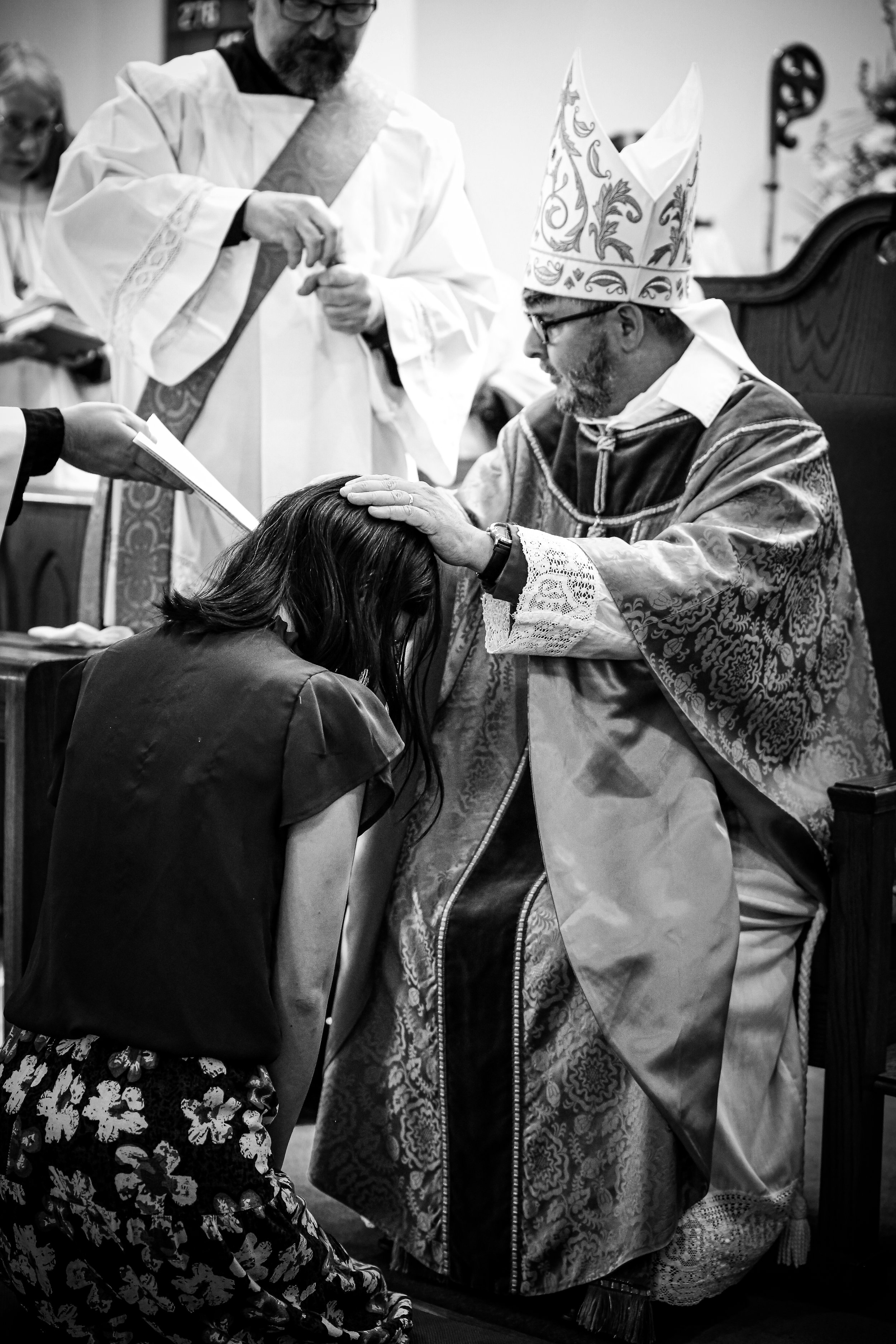
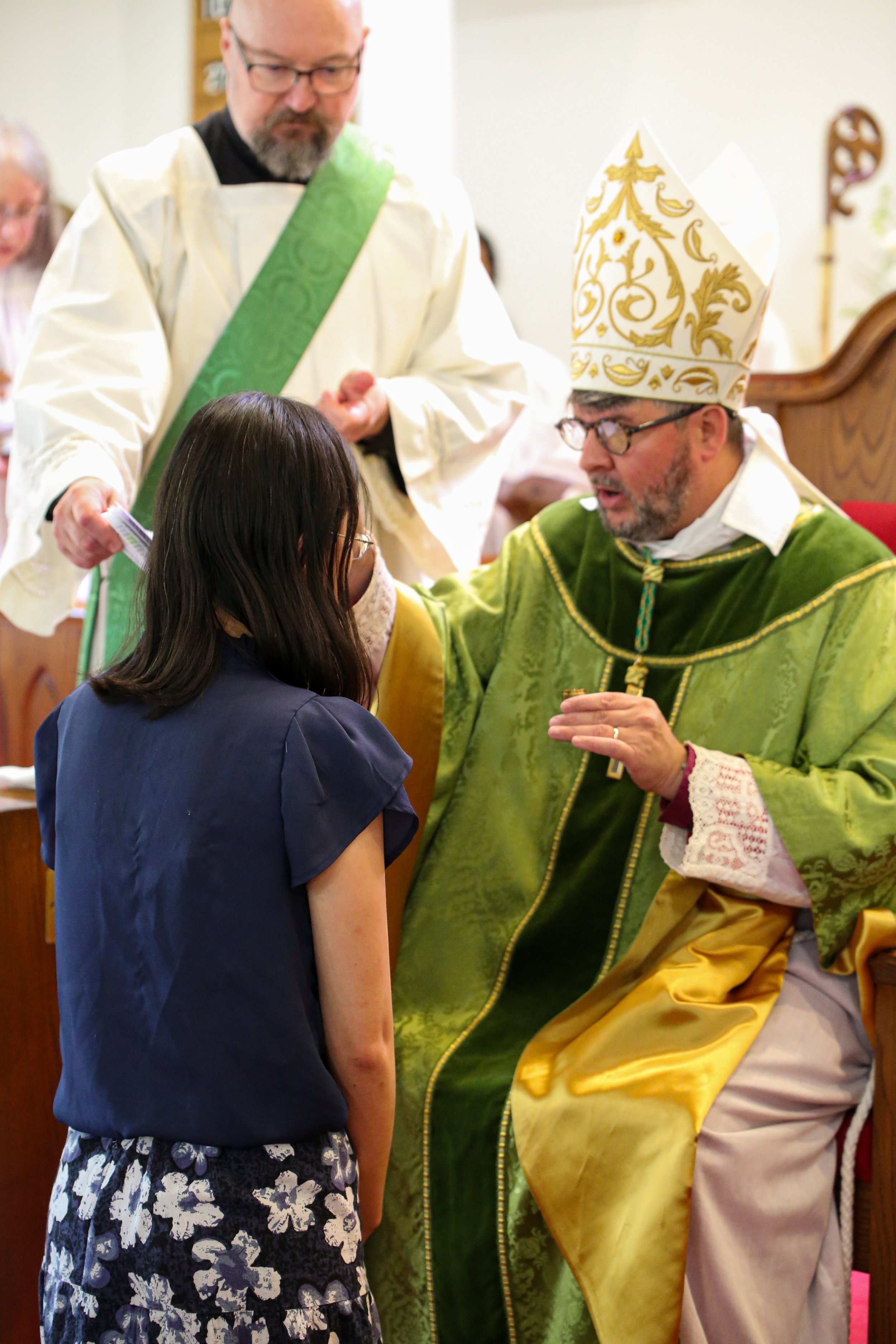
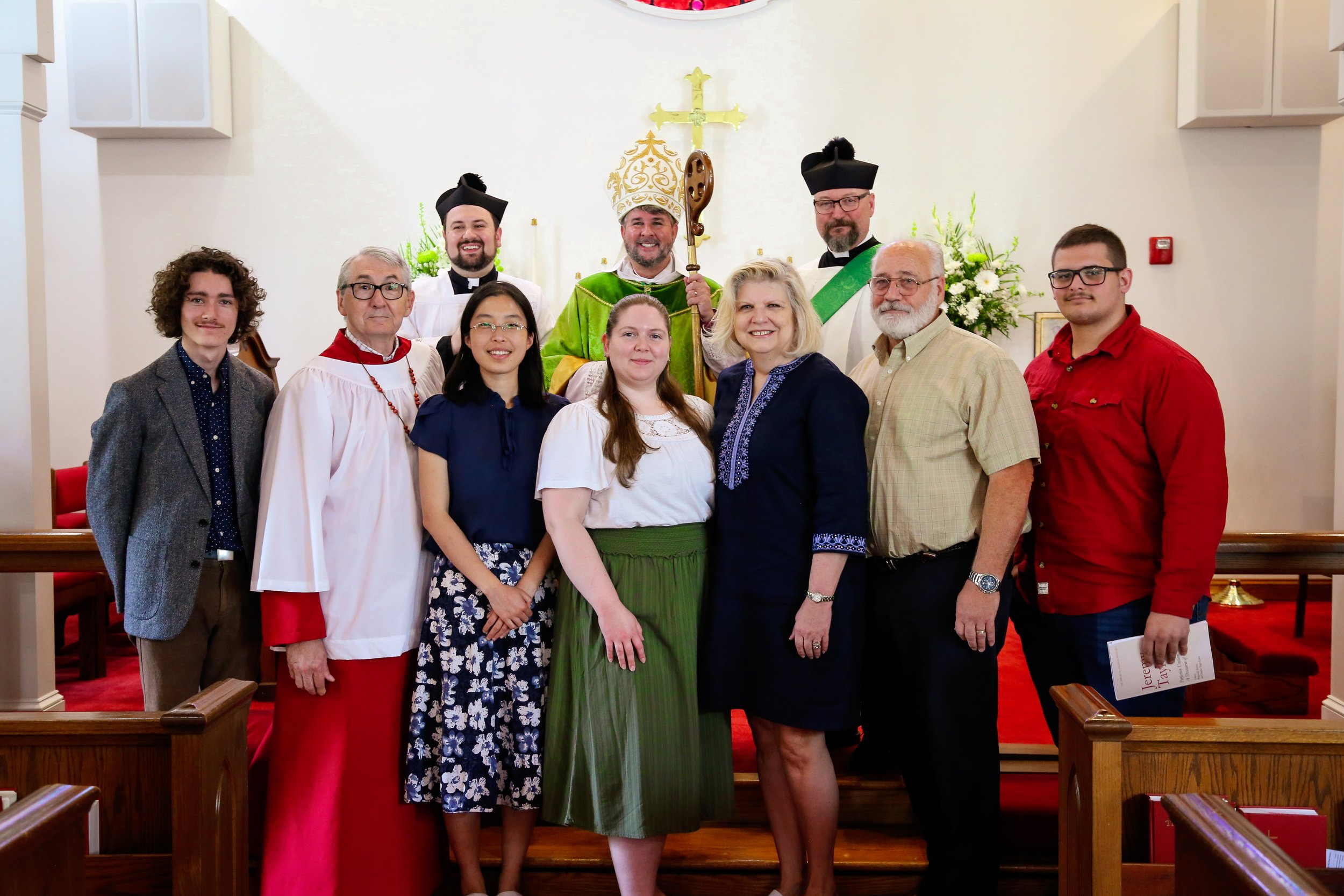
August 13, 2023: A Wonderful Episcopal Visitation
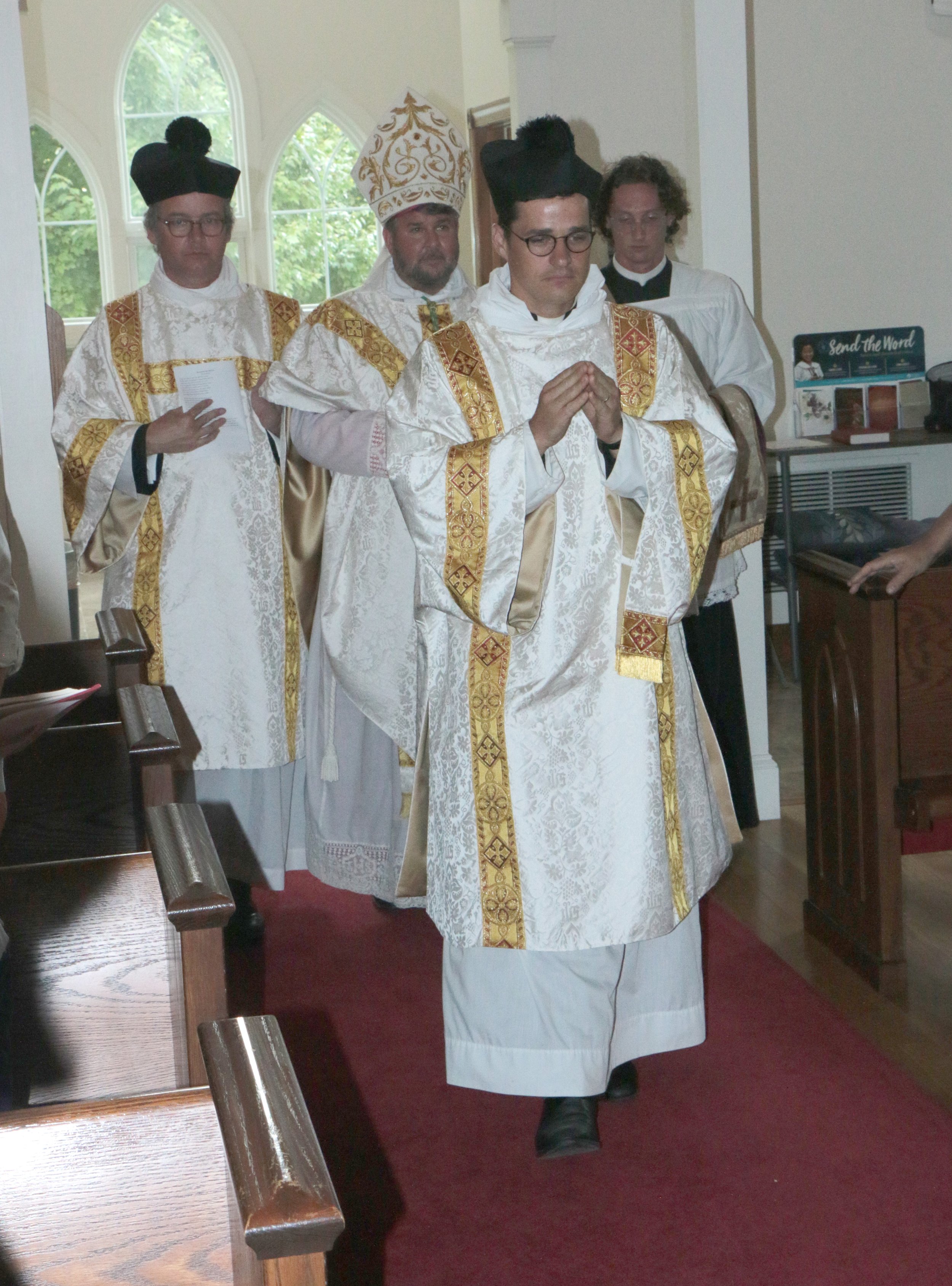
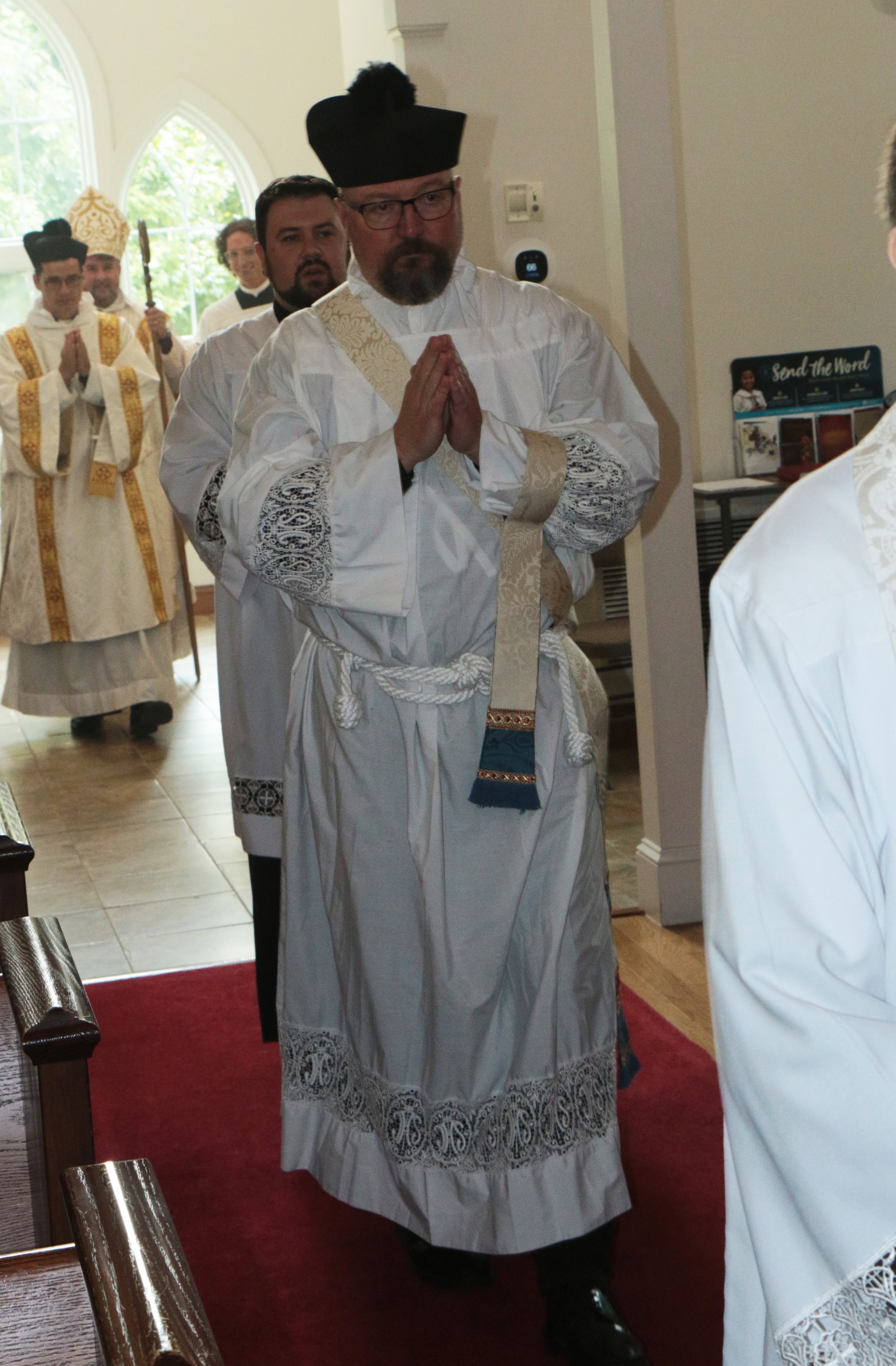
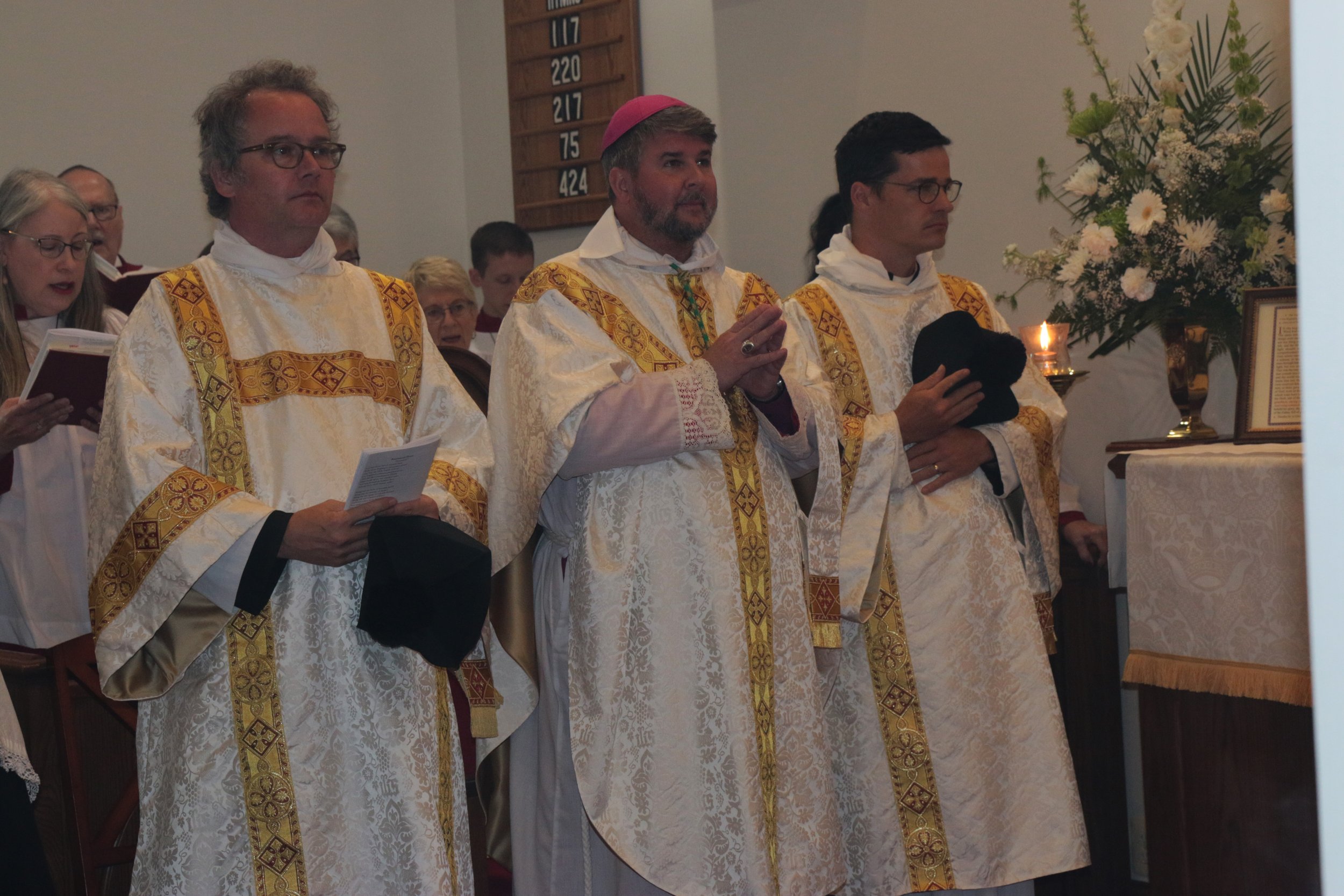
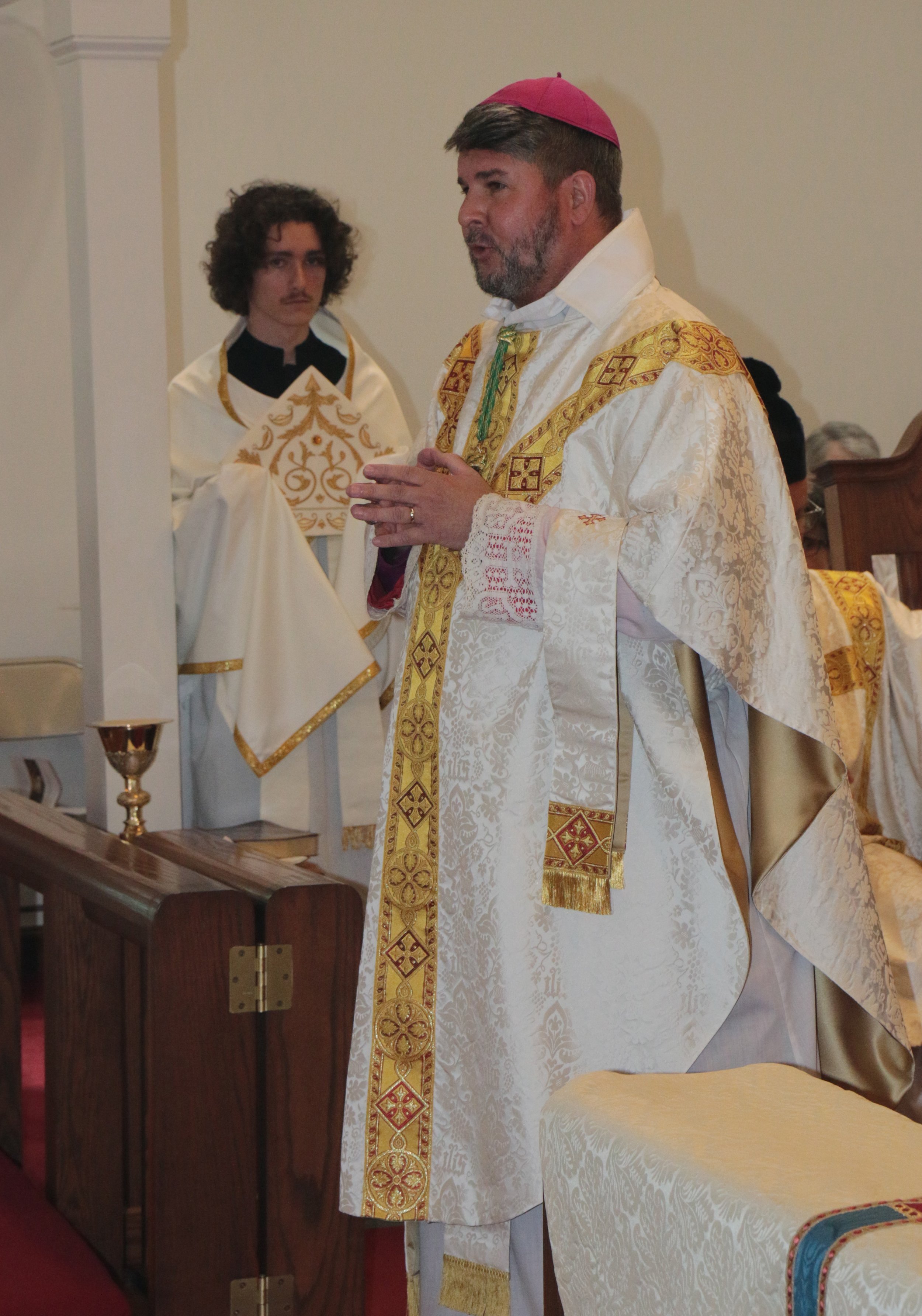
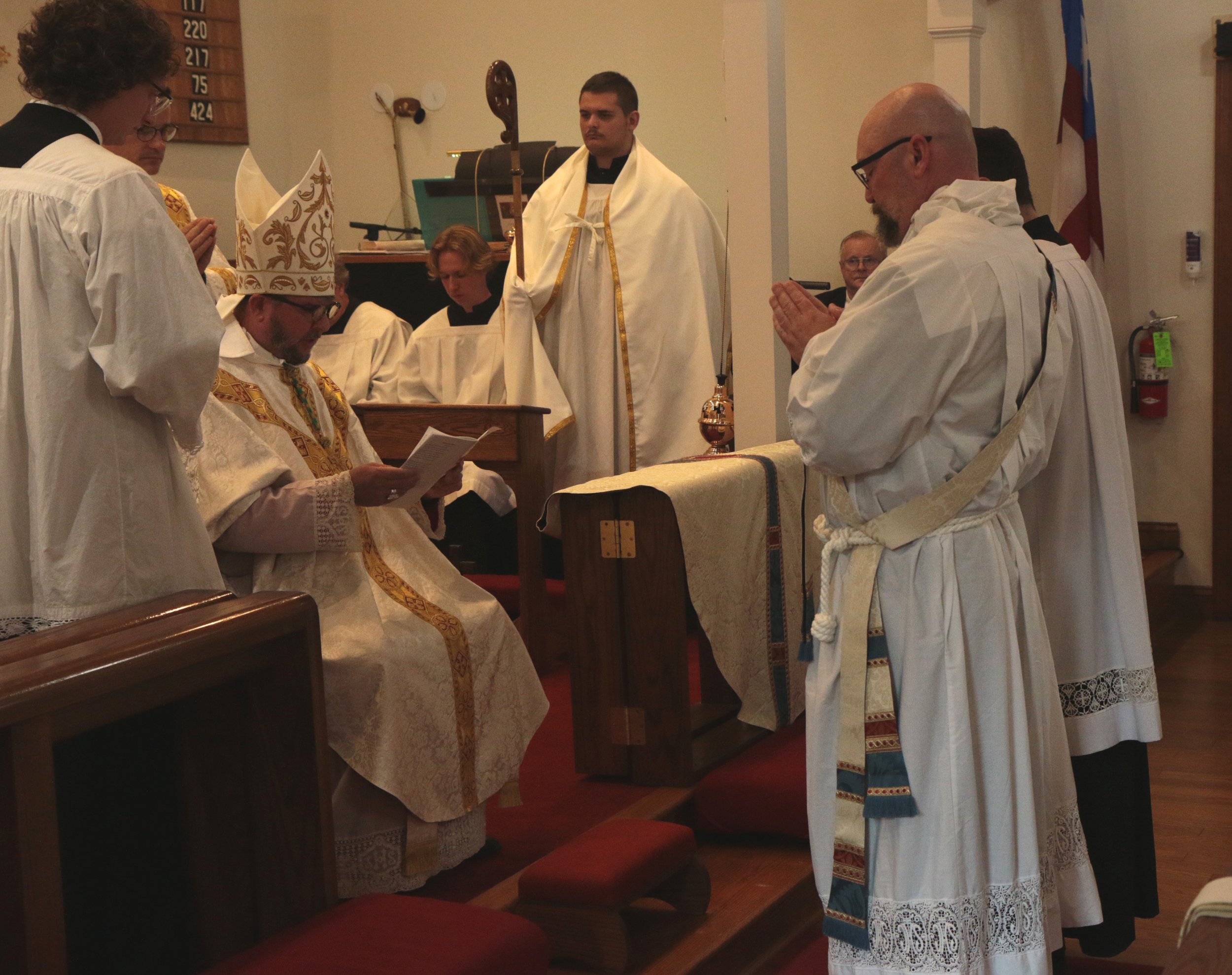
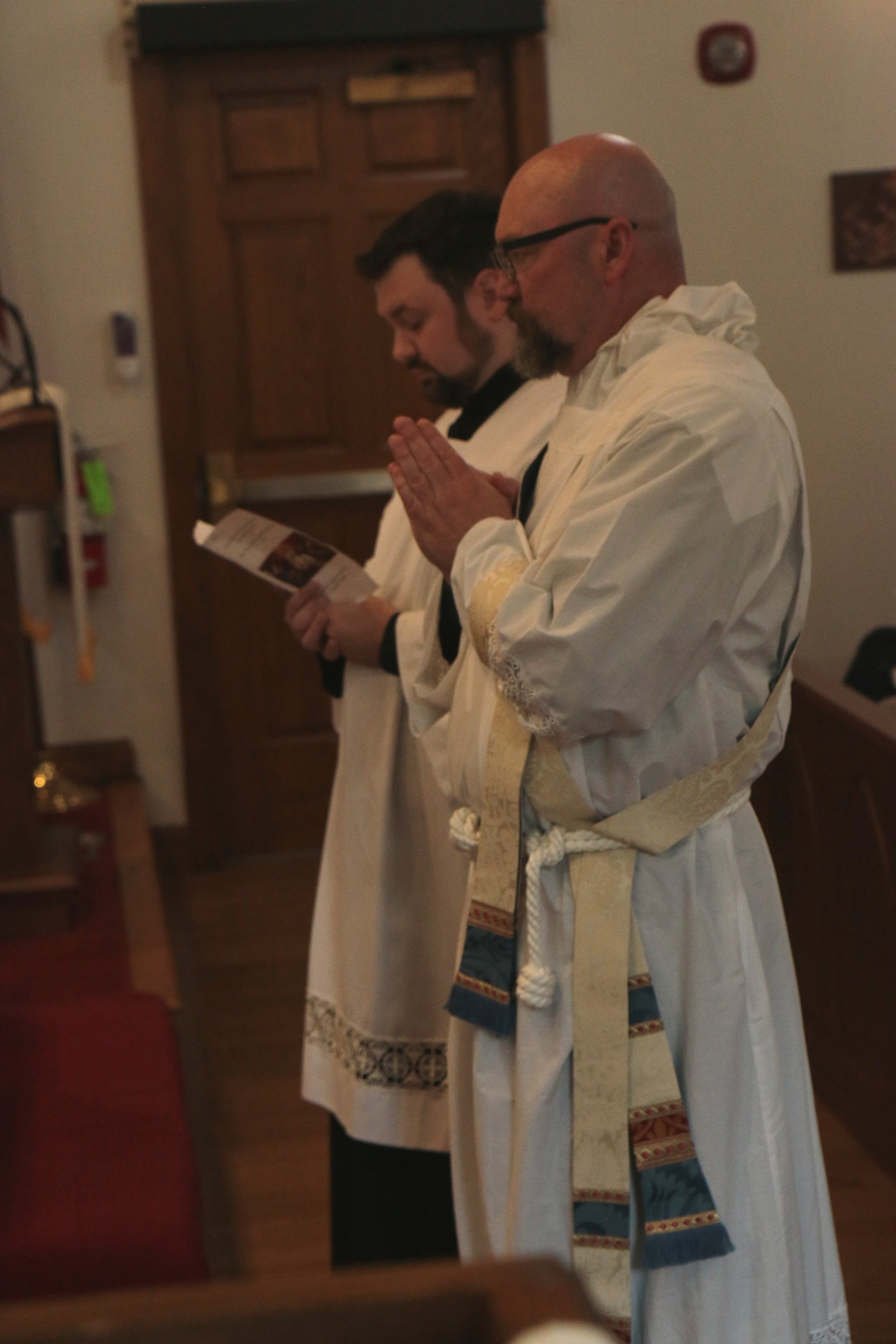
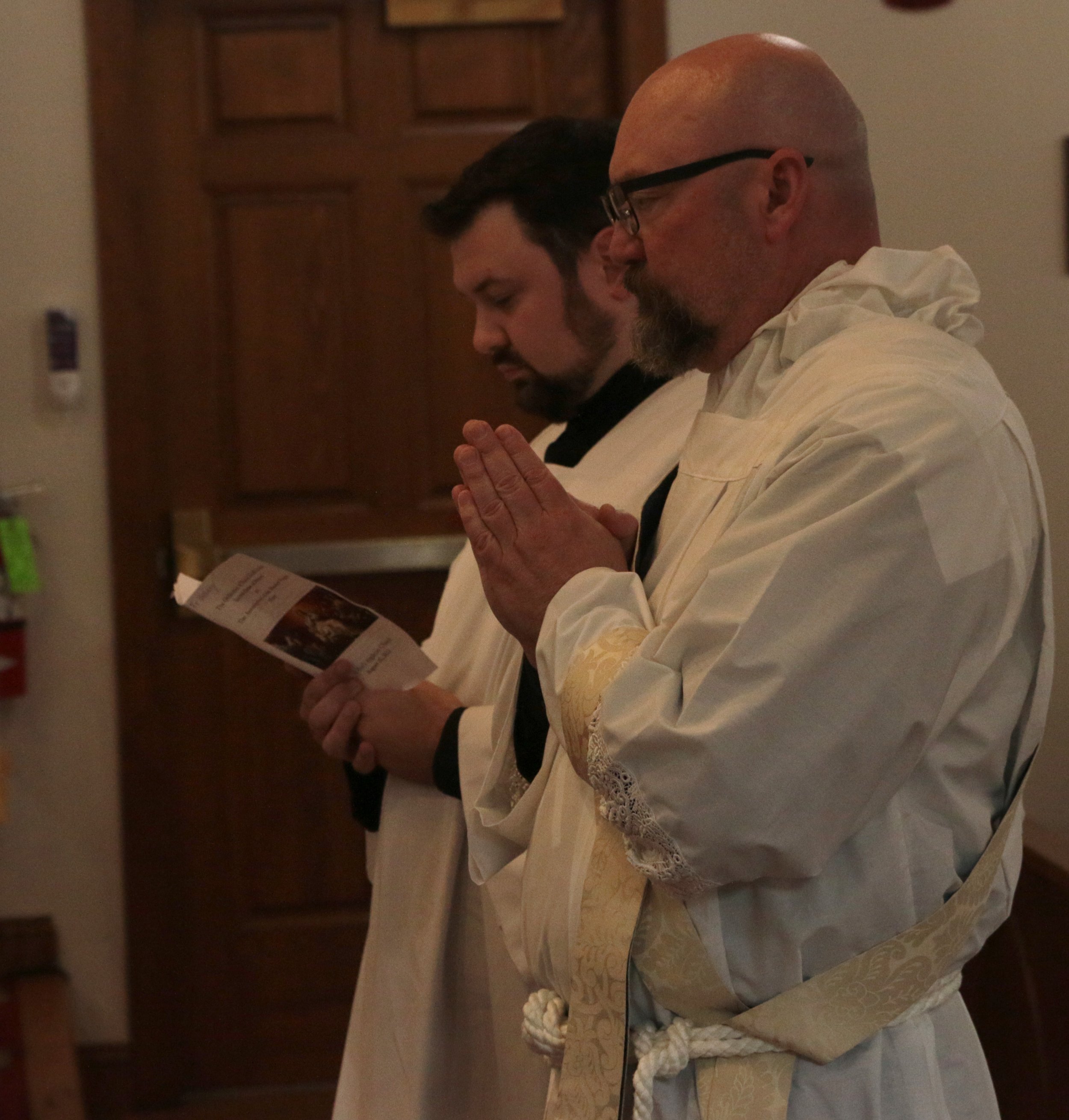
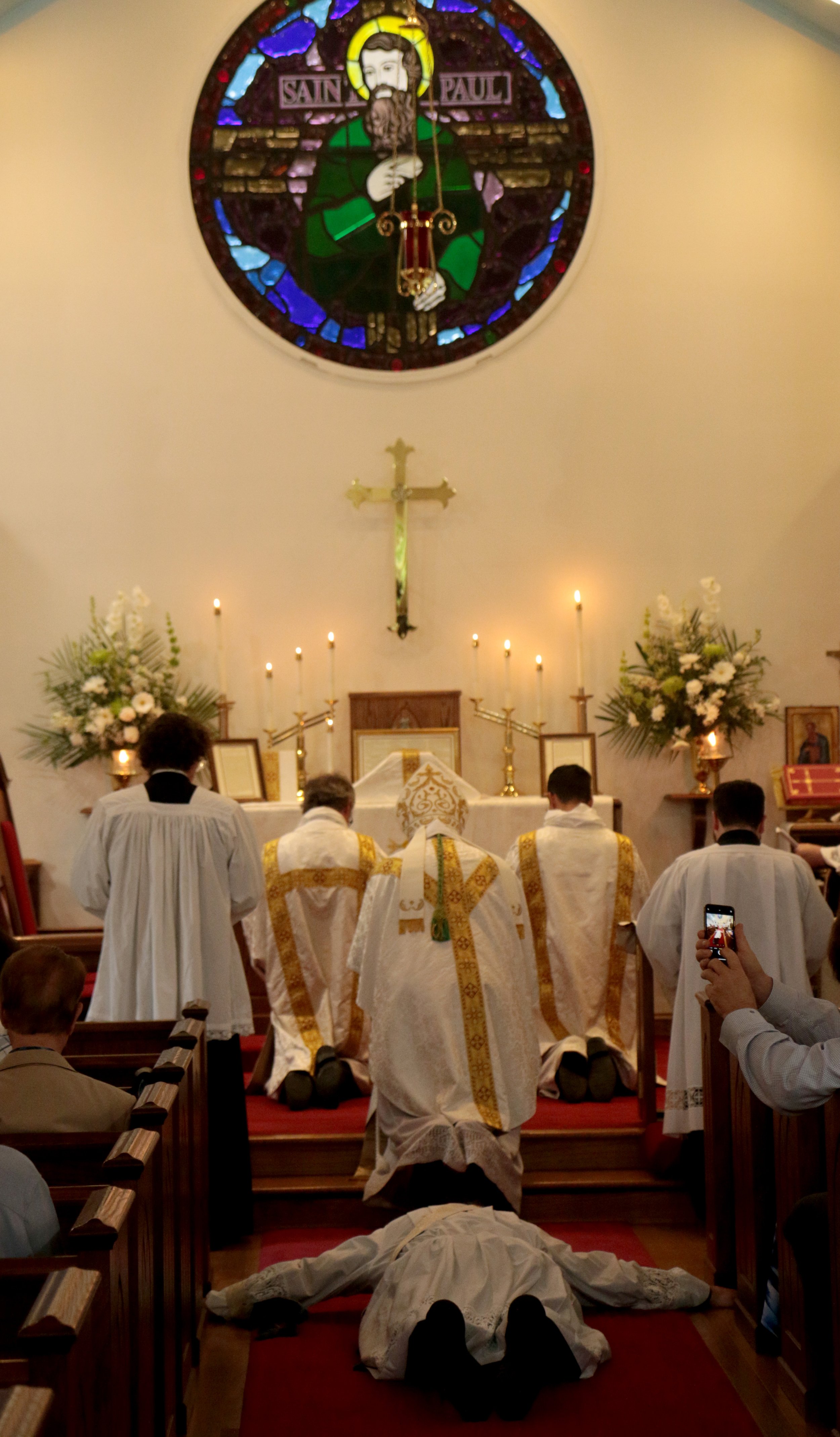
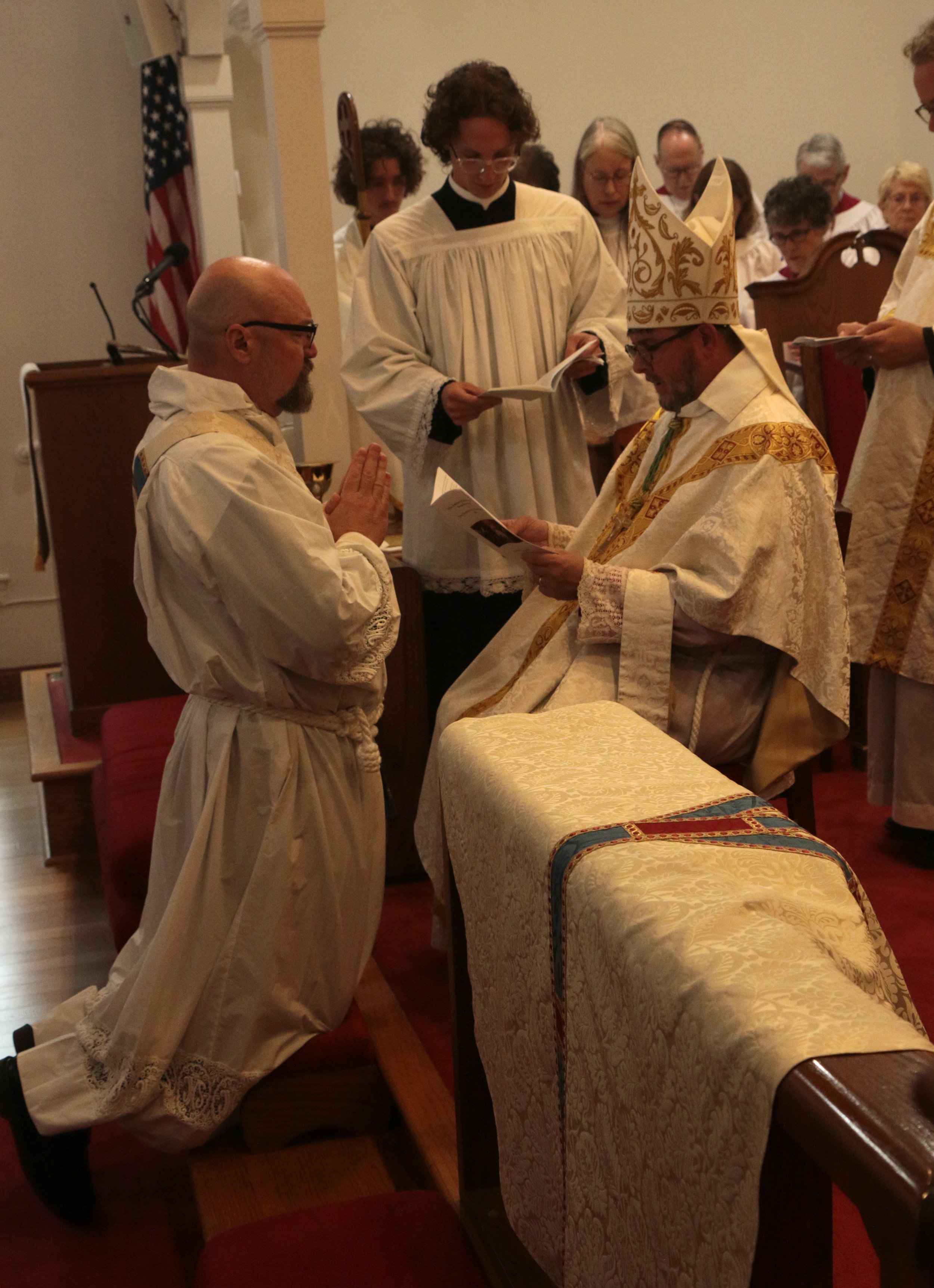
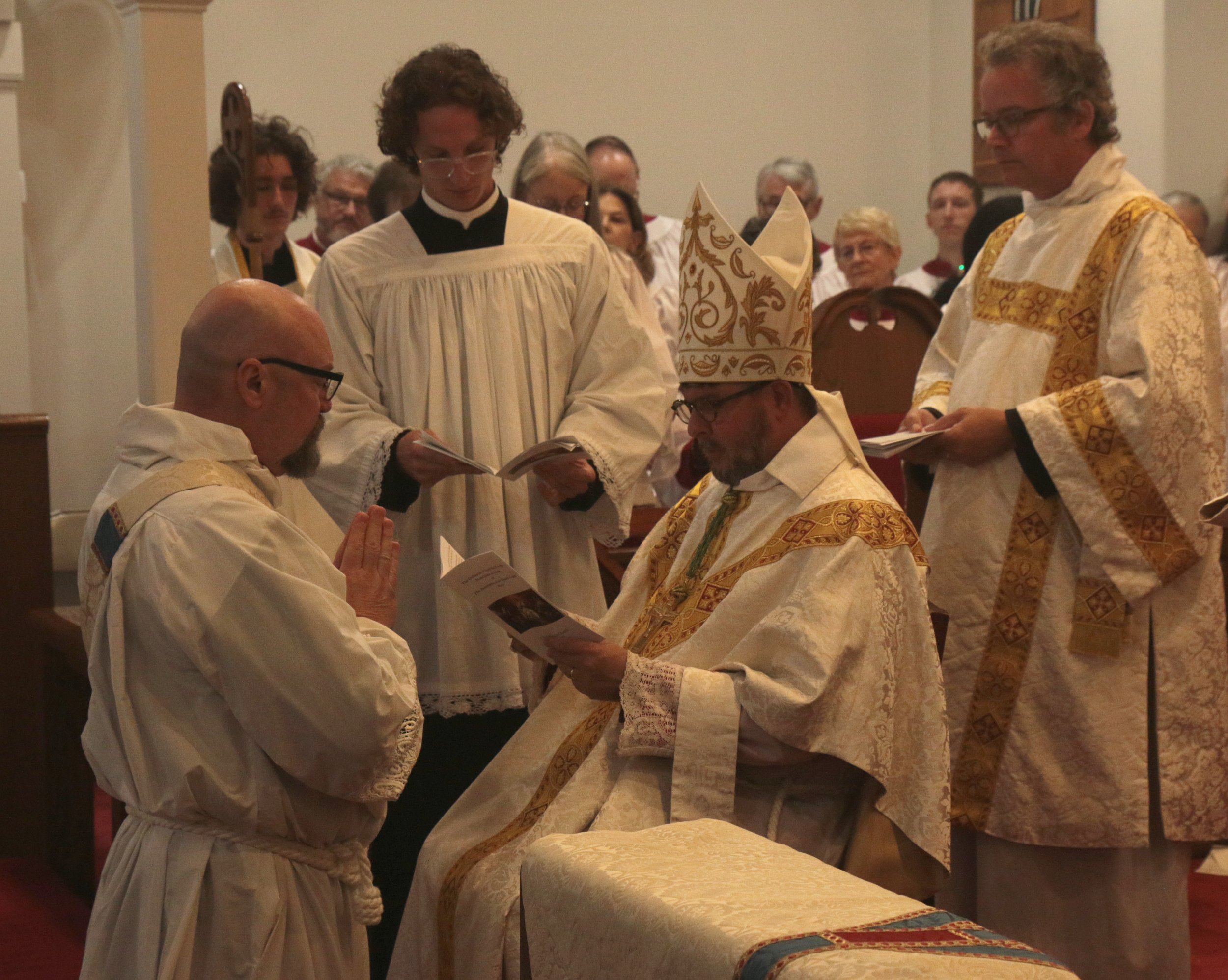
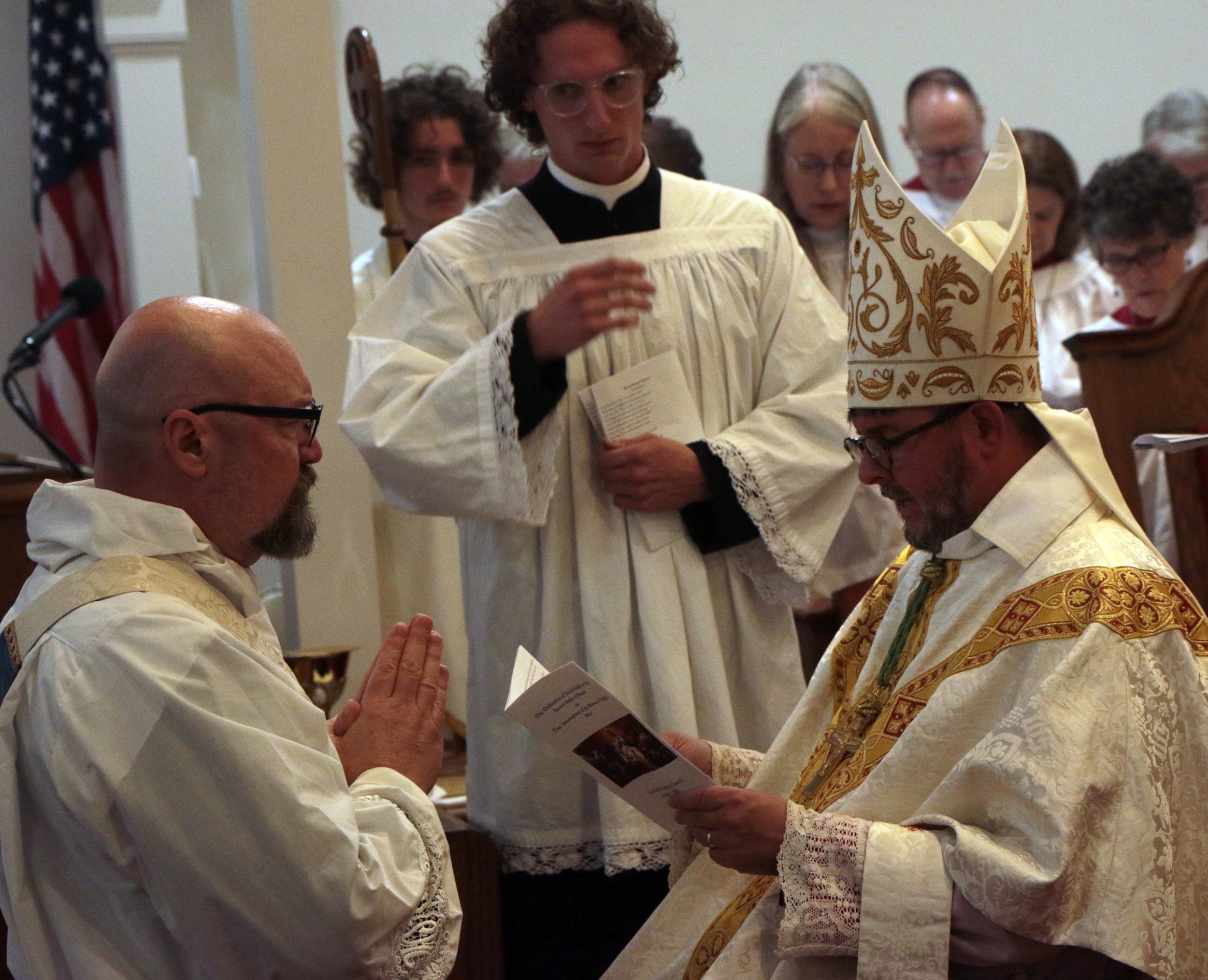
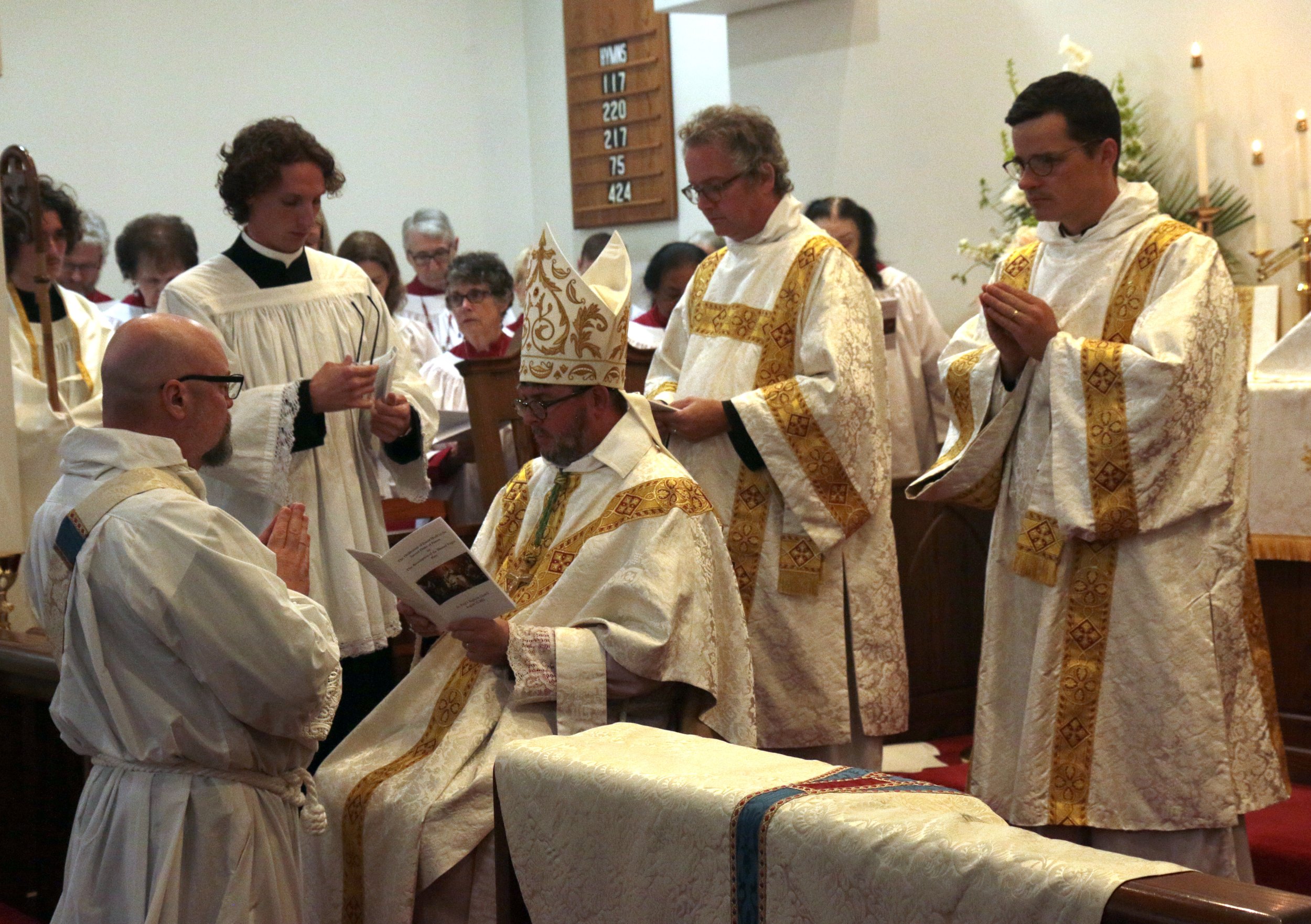
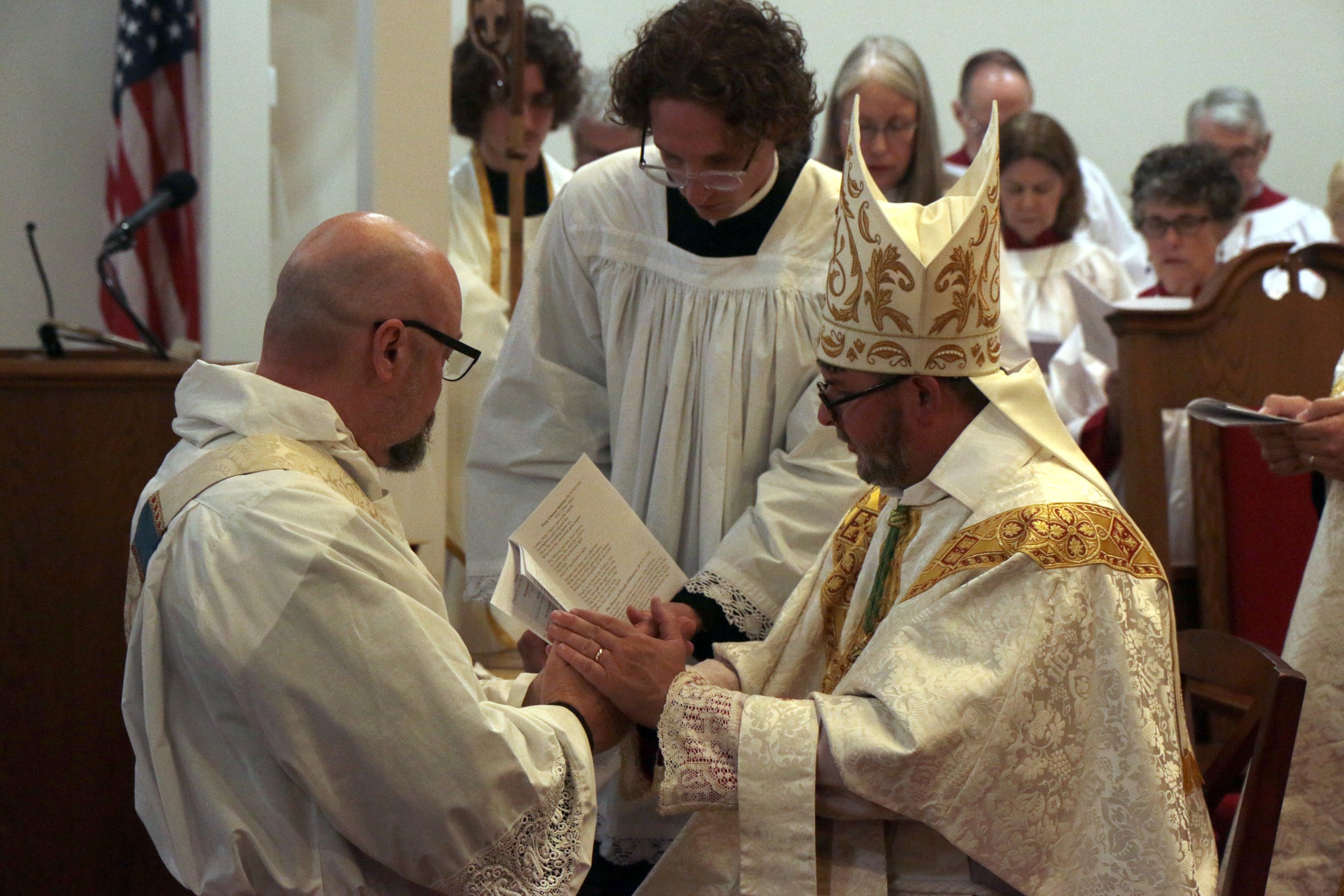
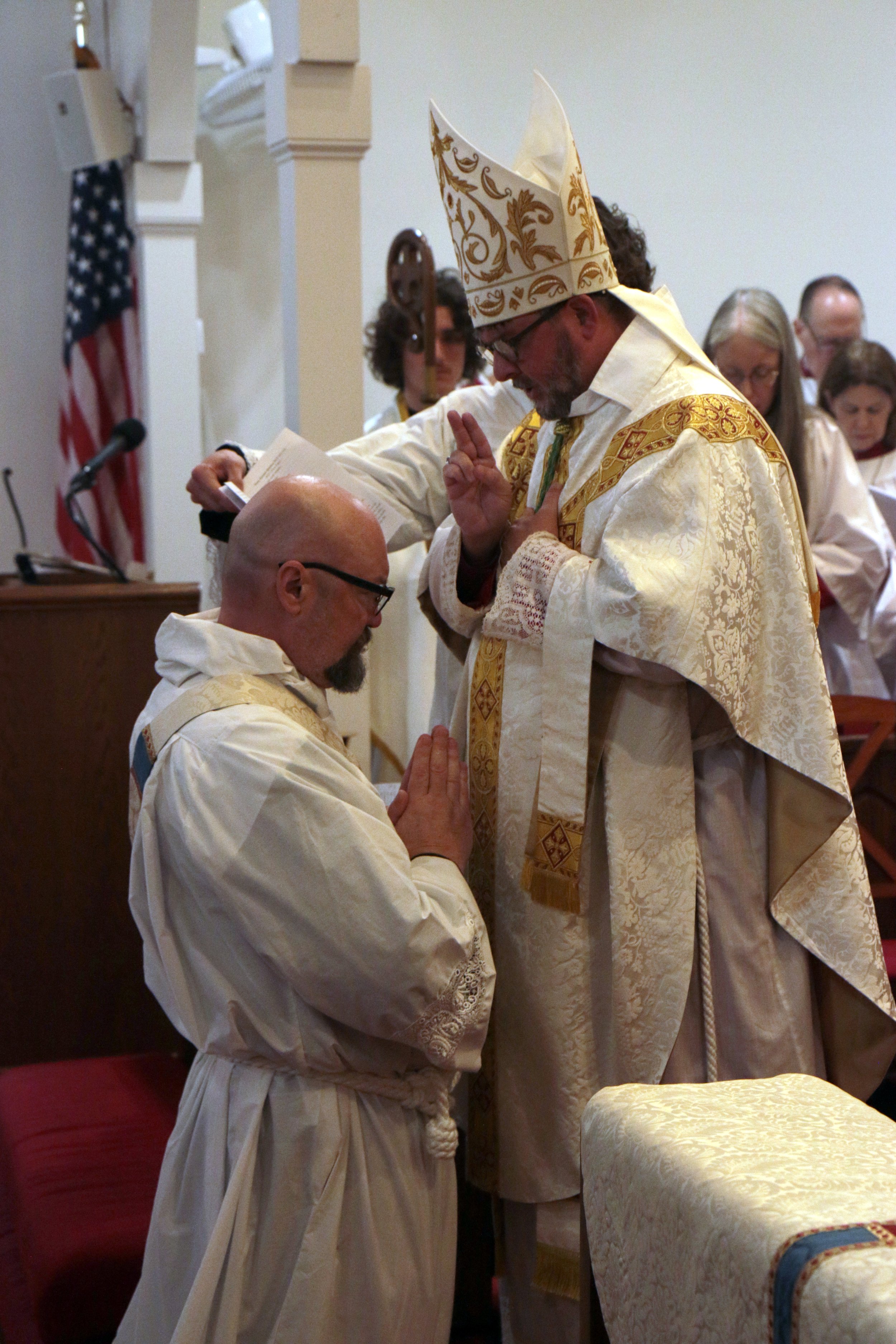
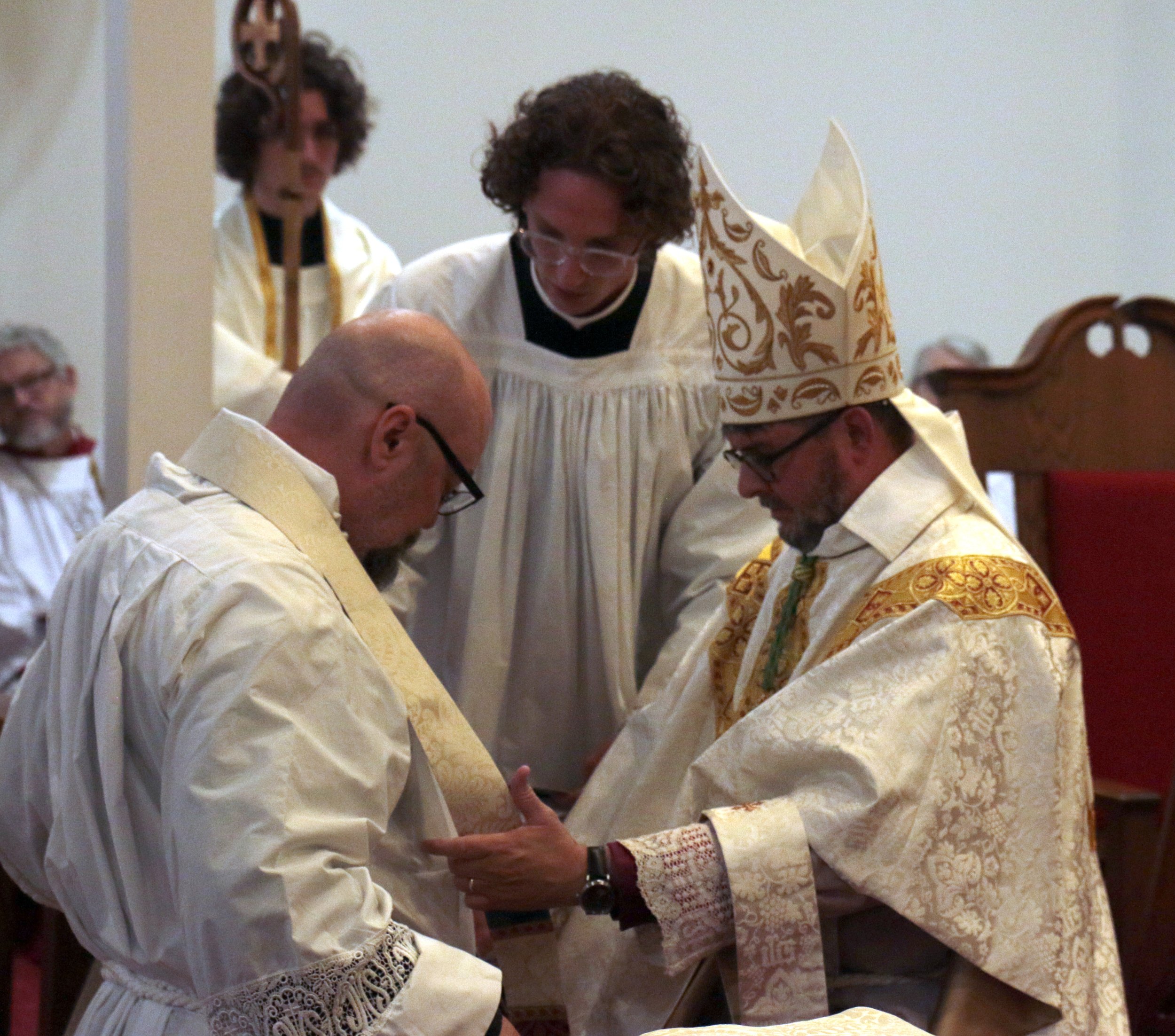
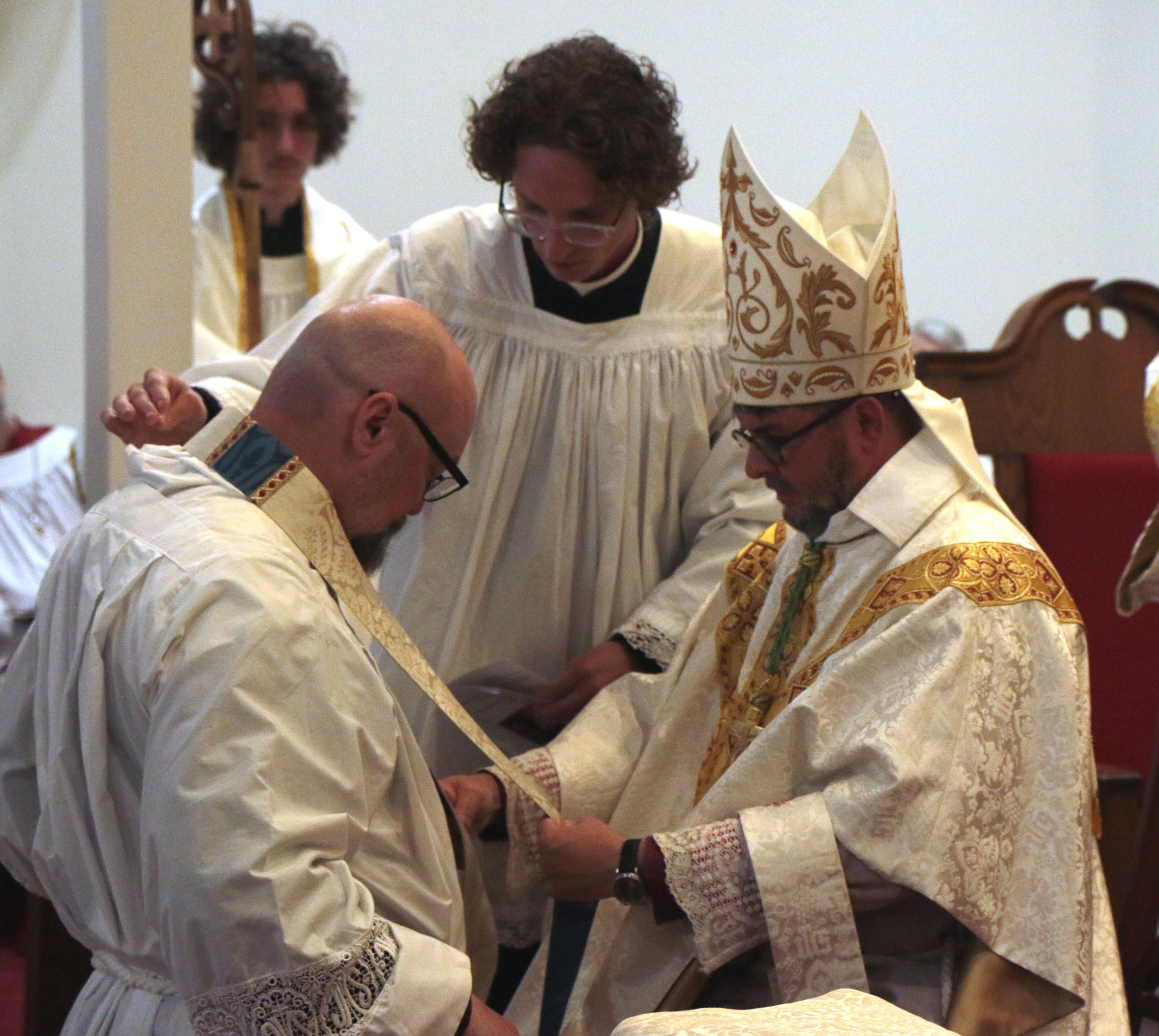
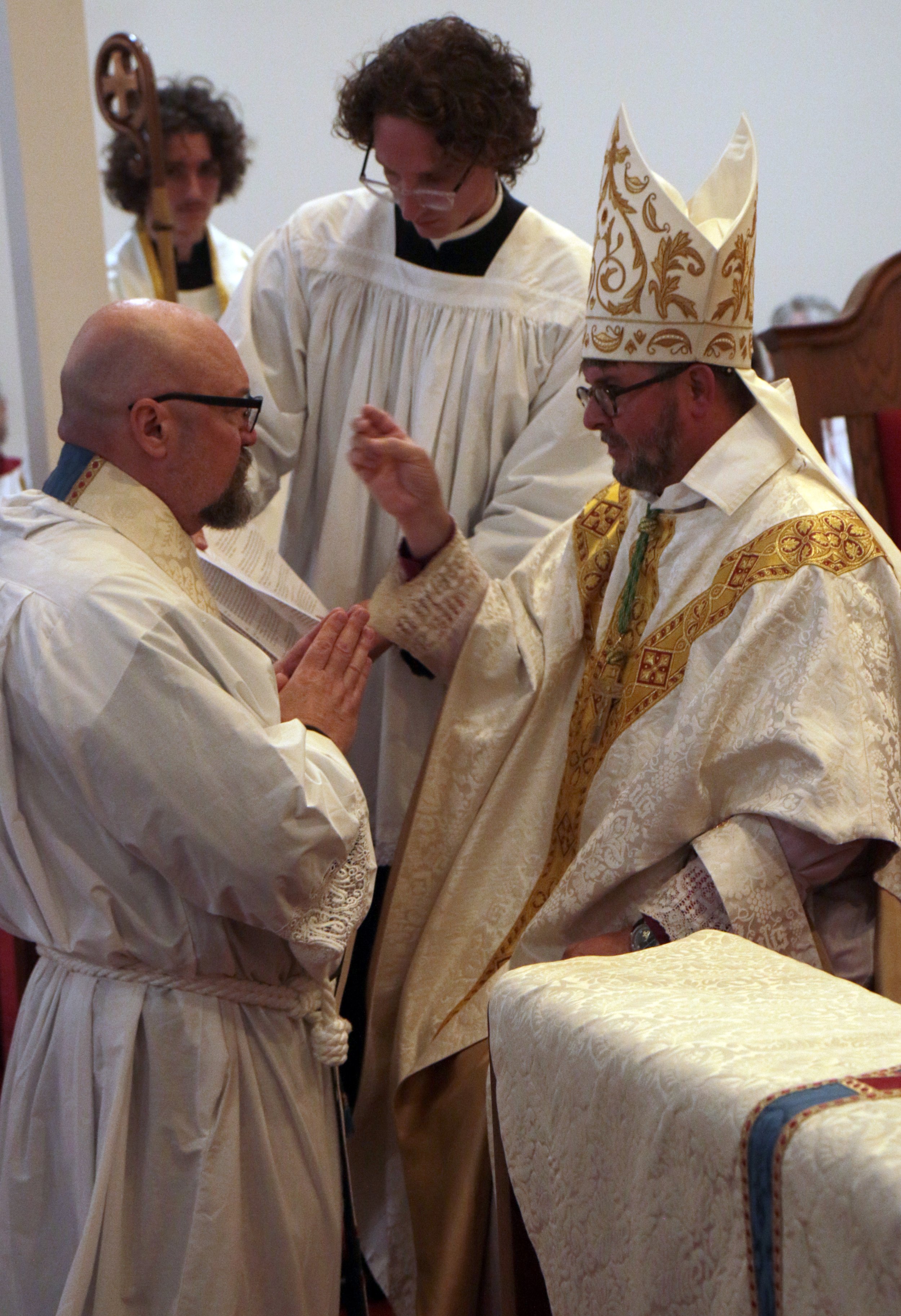
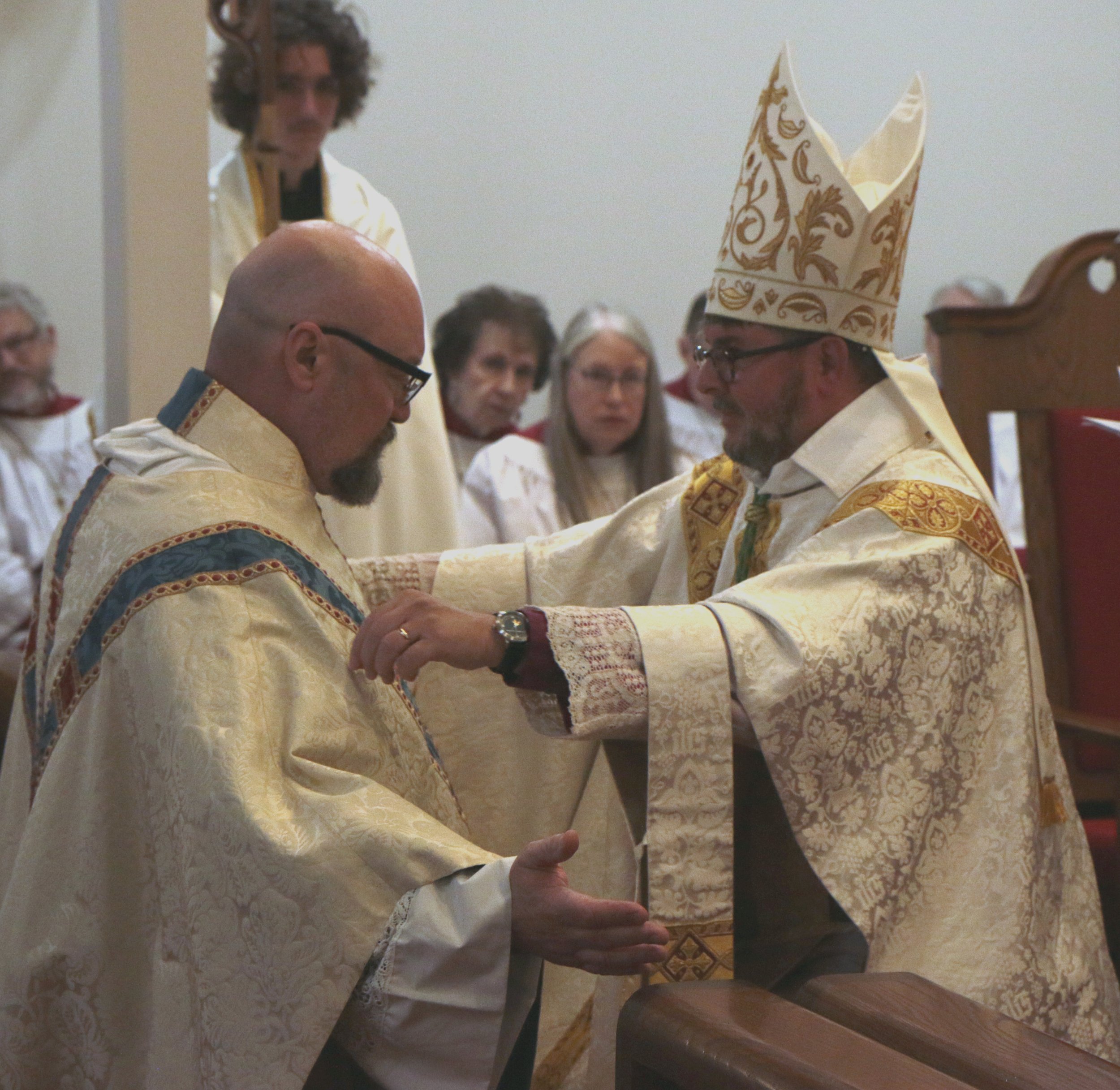
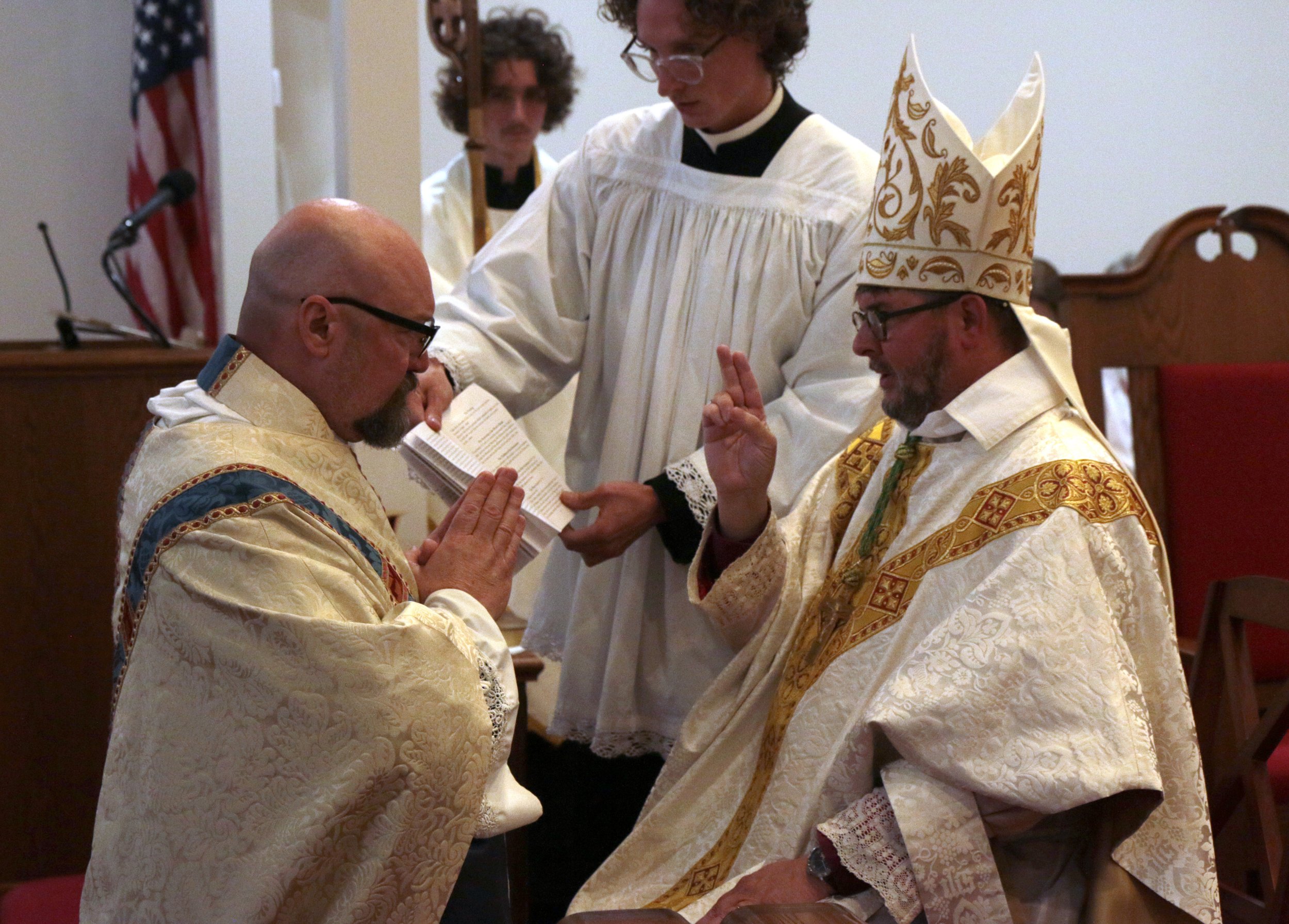
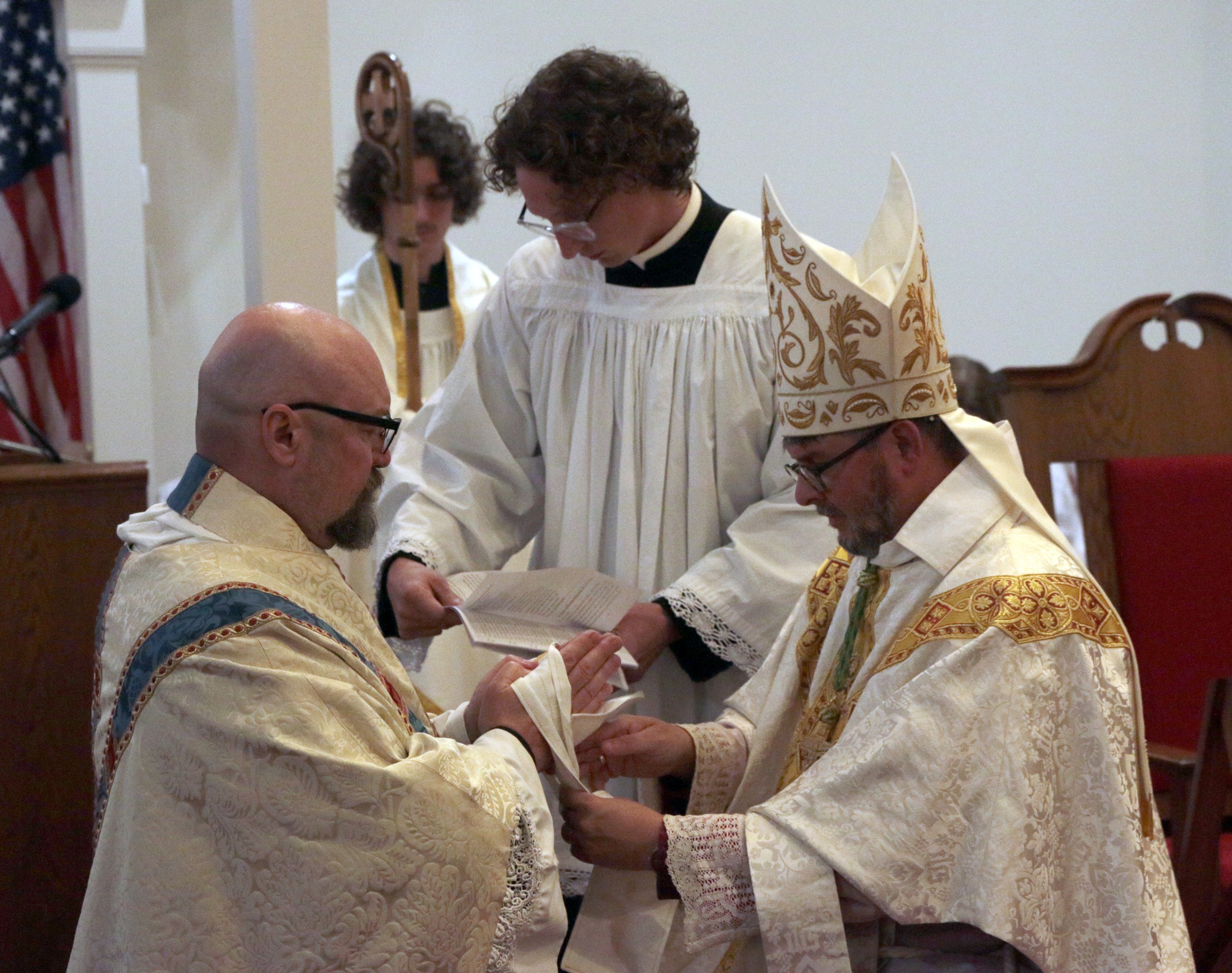
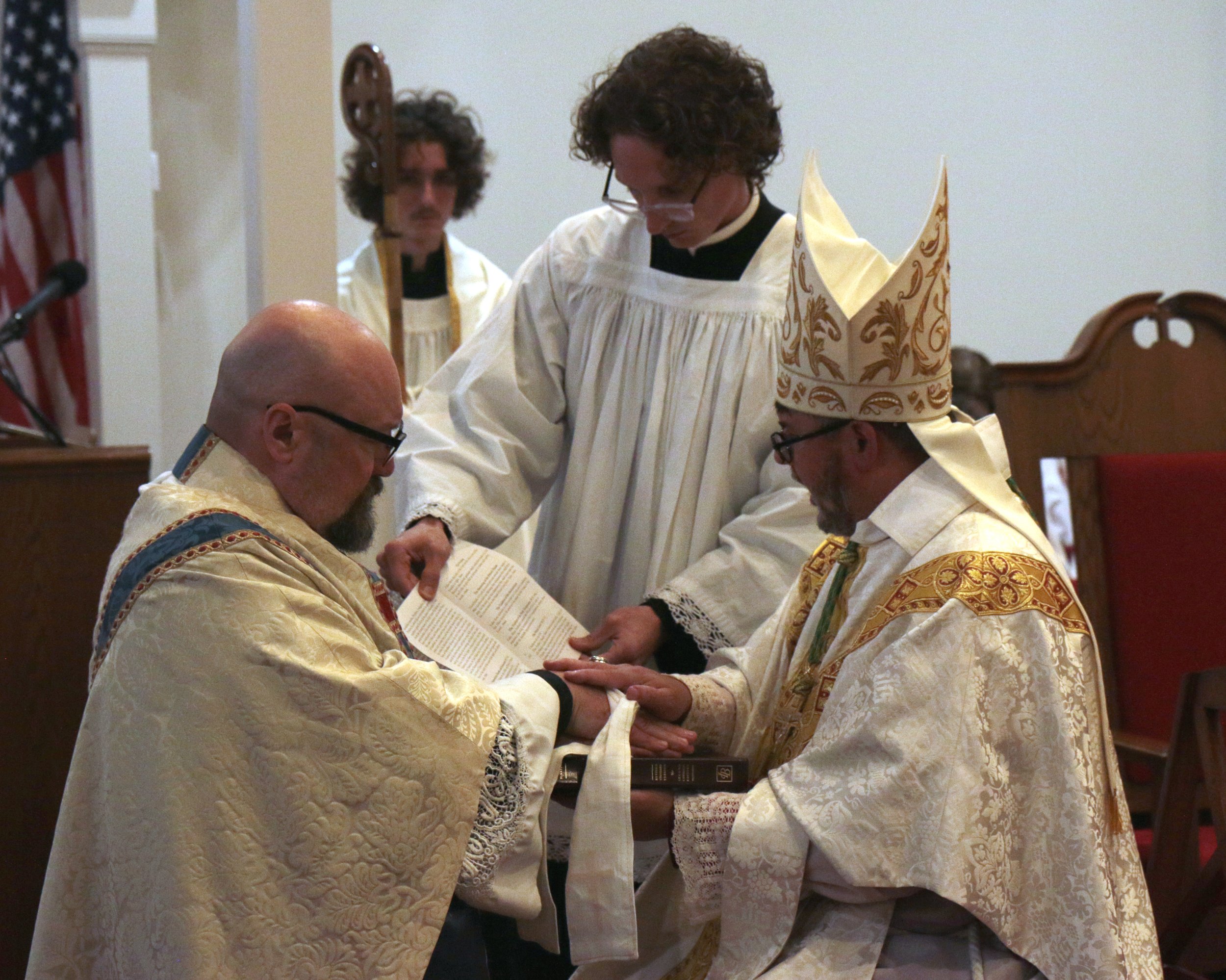
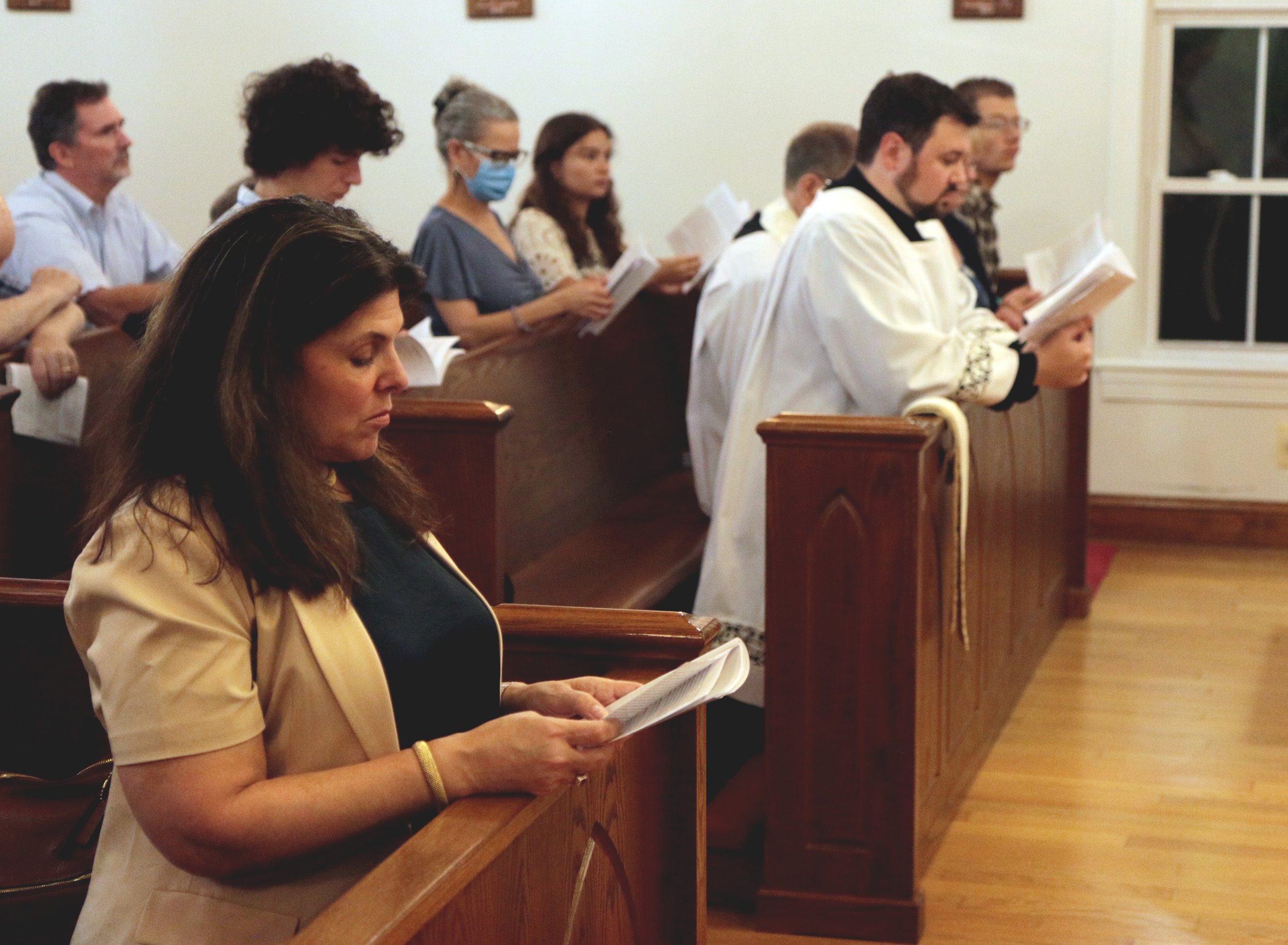
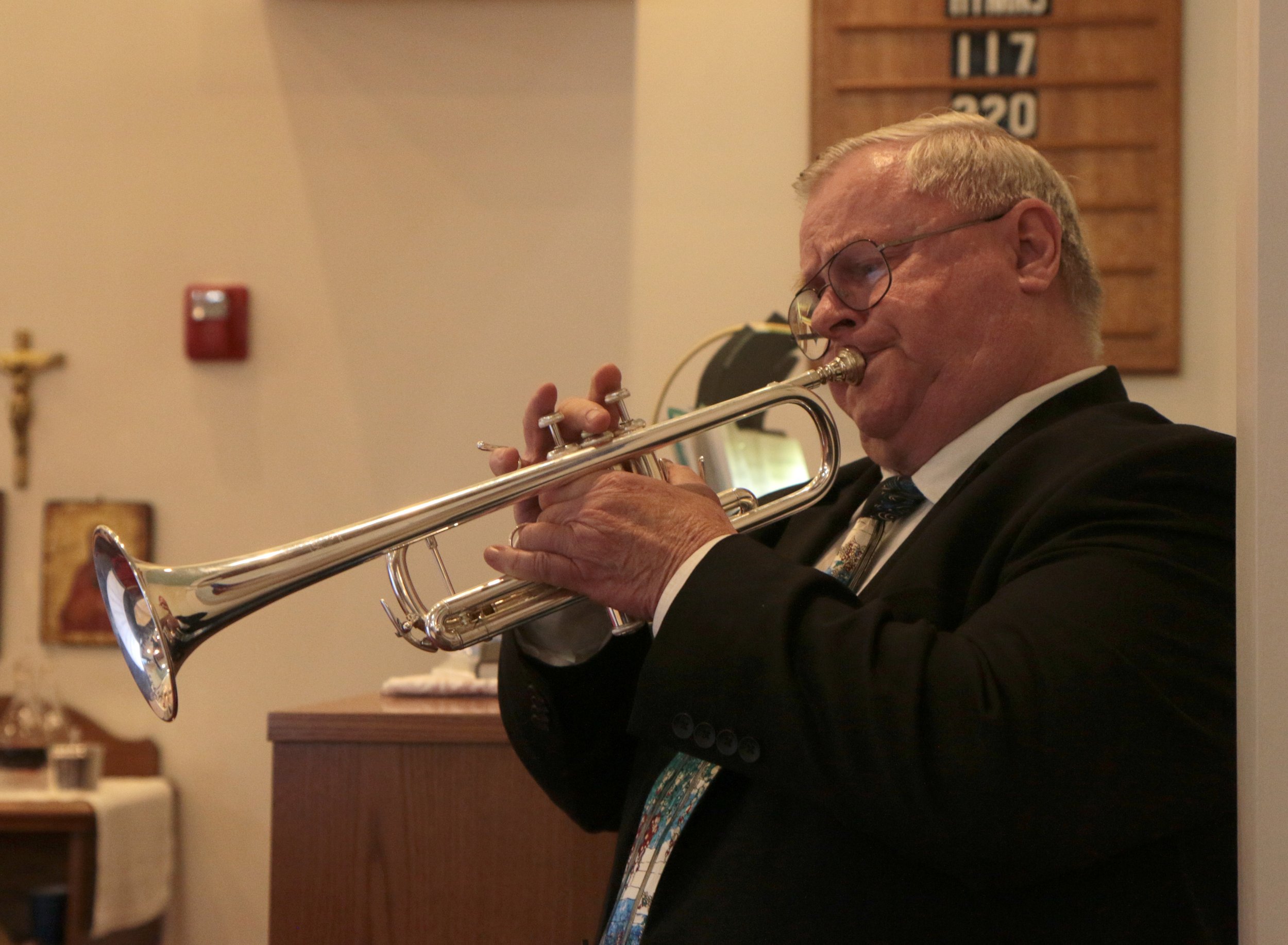
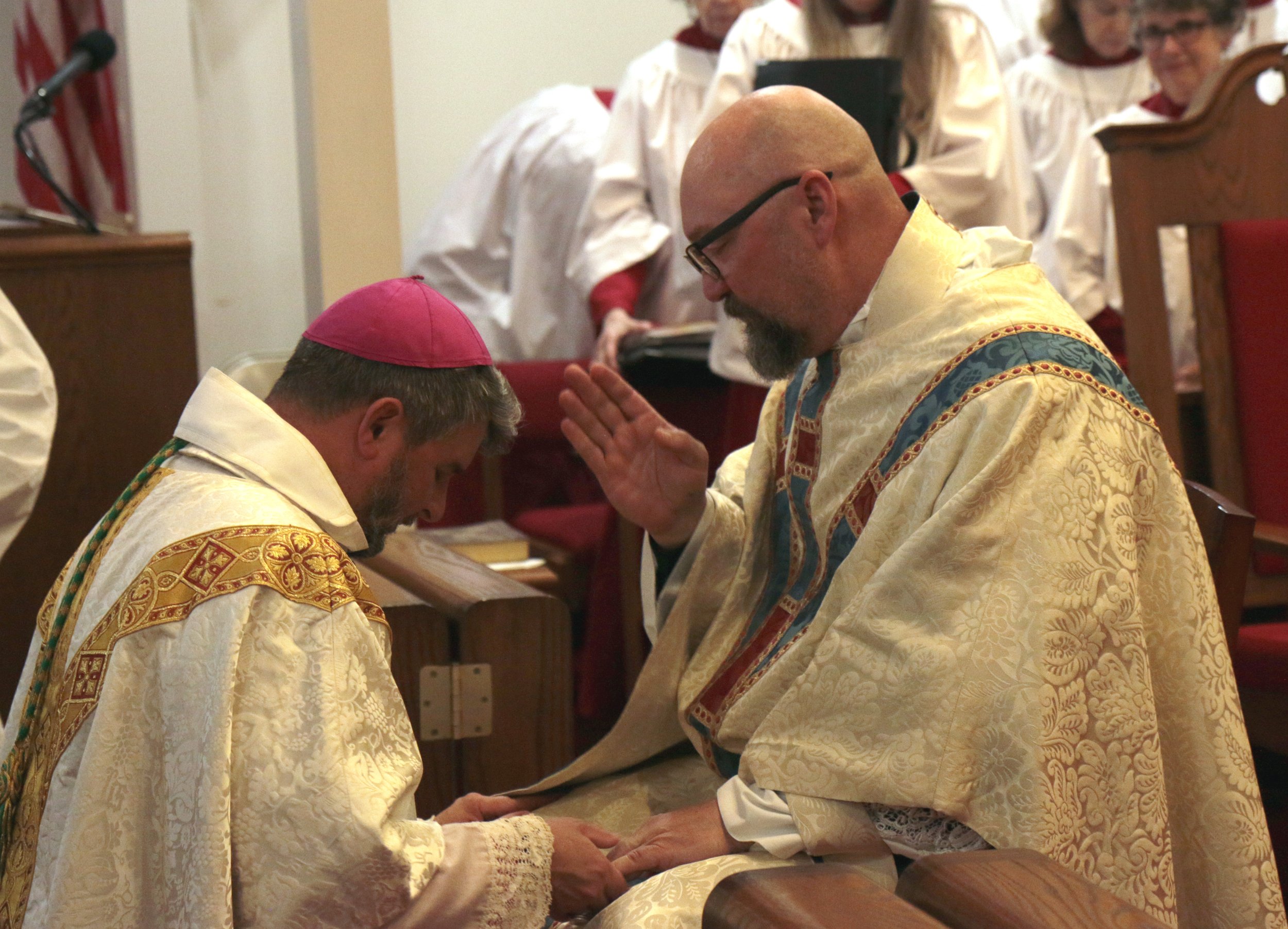
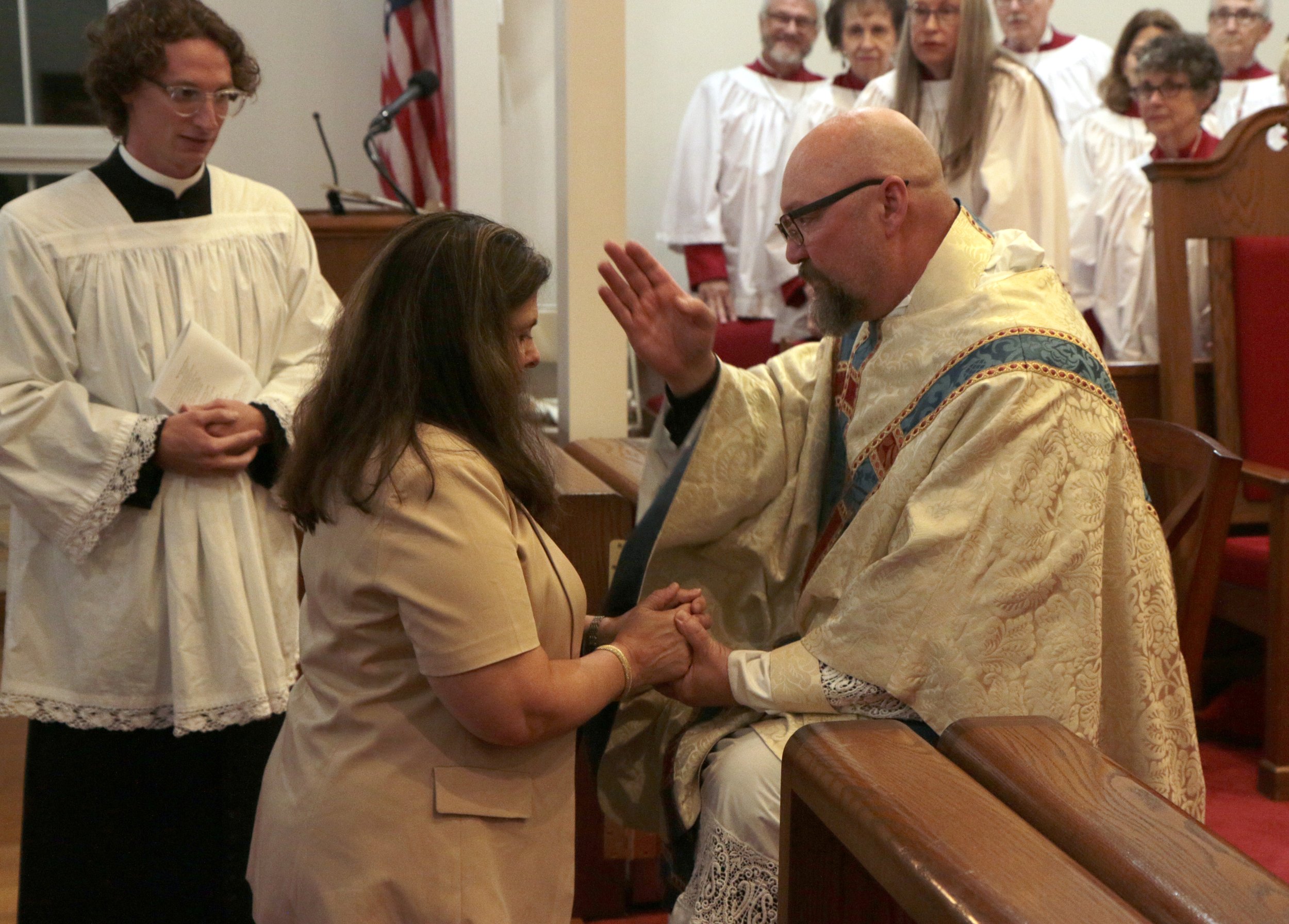
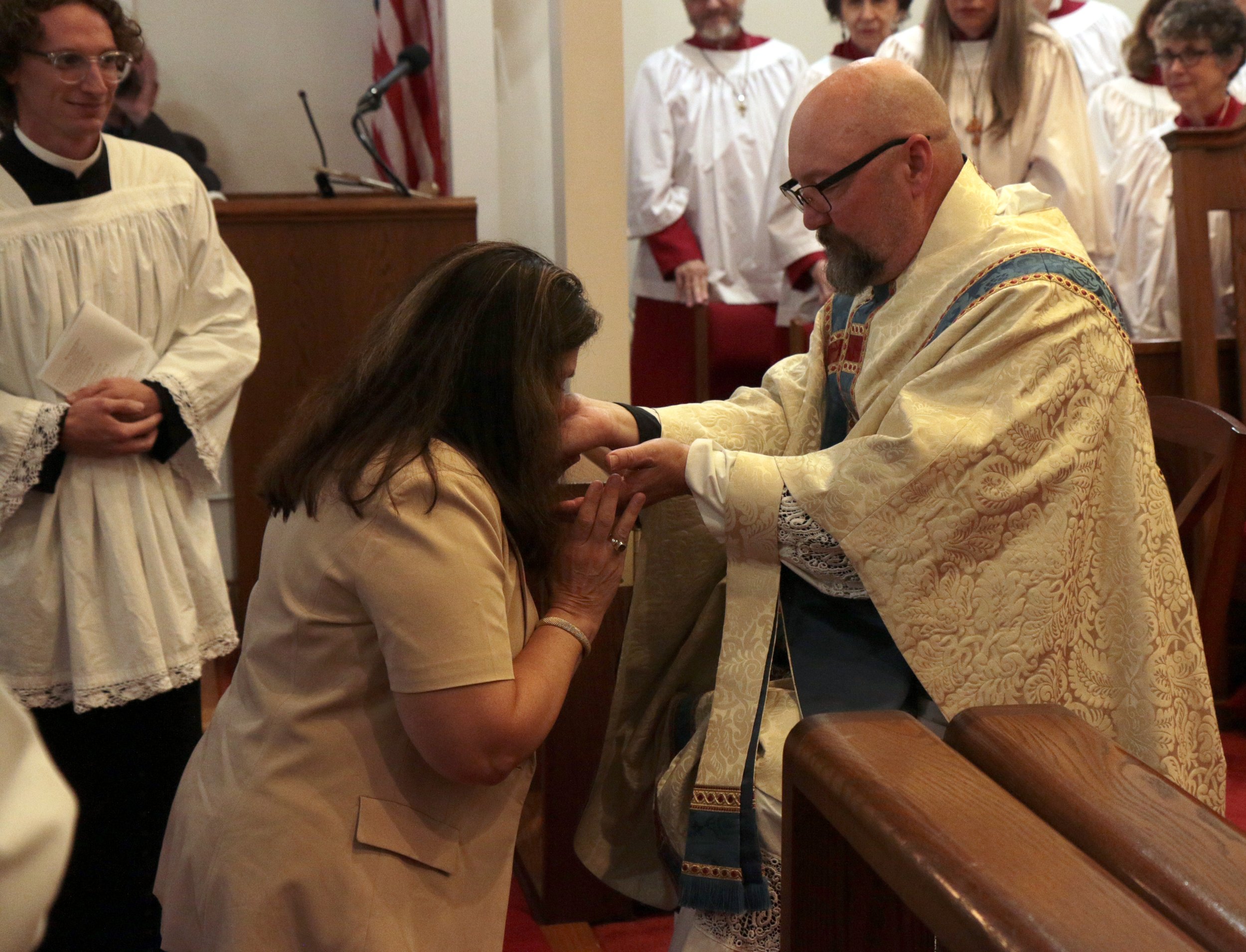
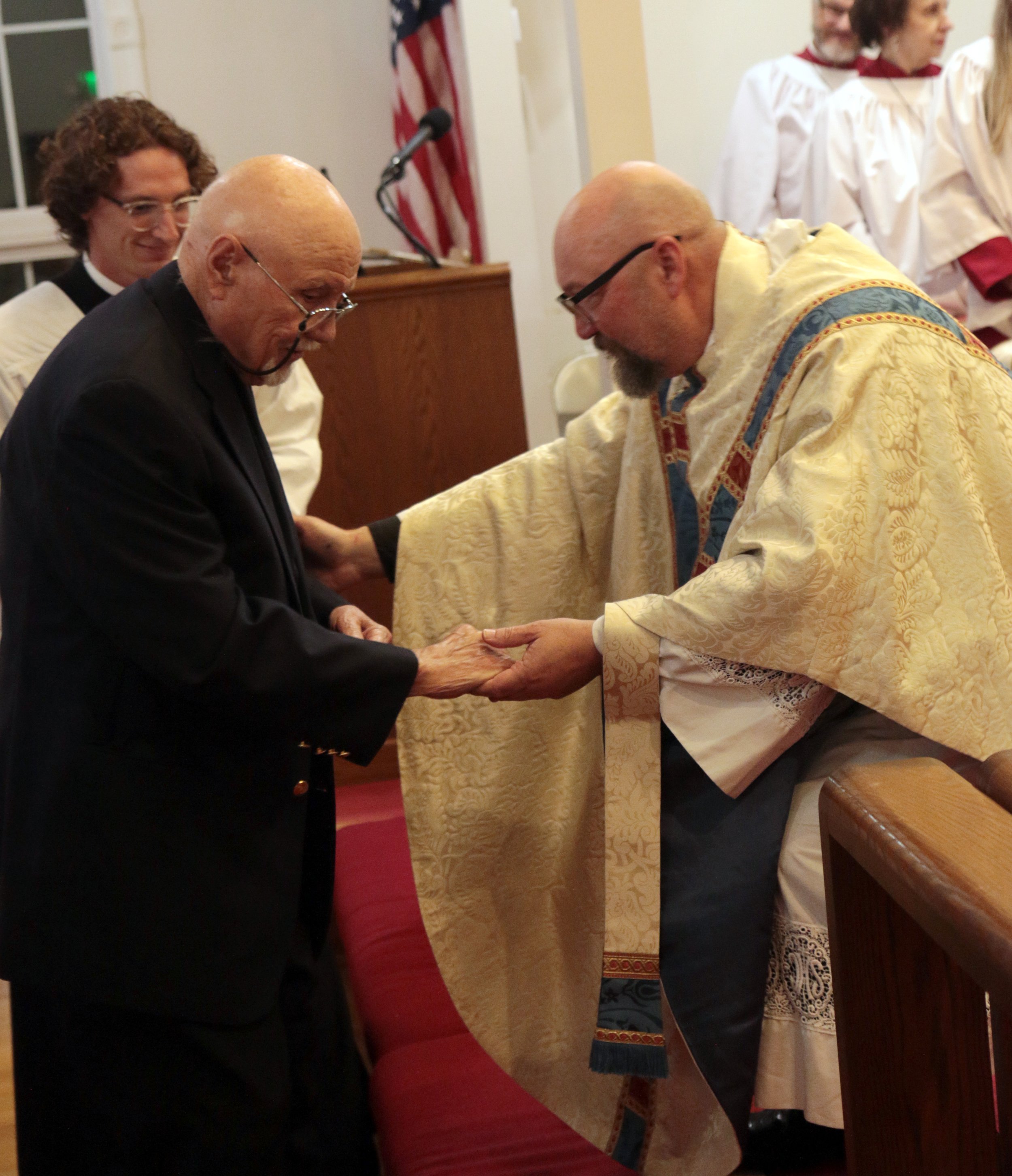
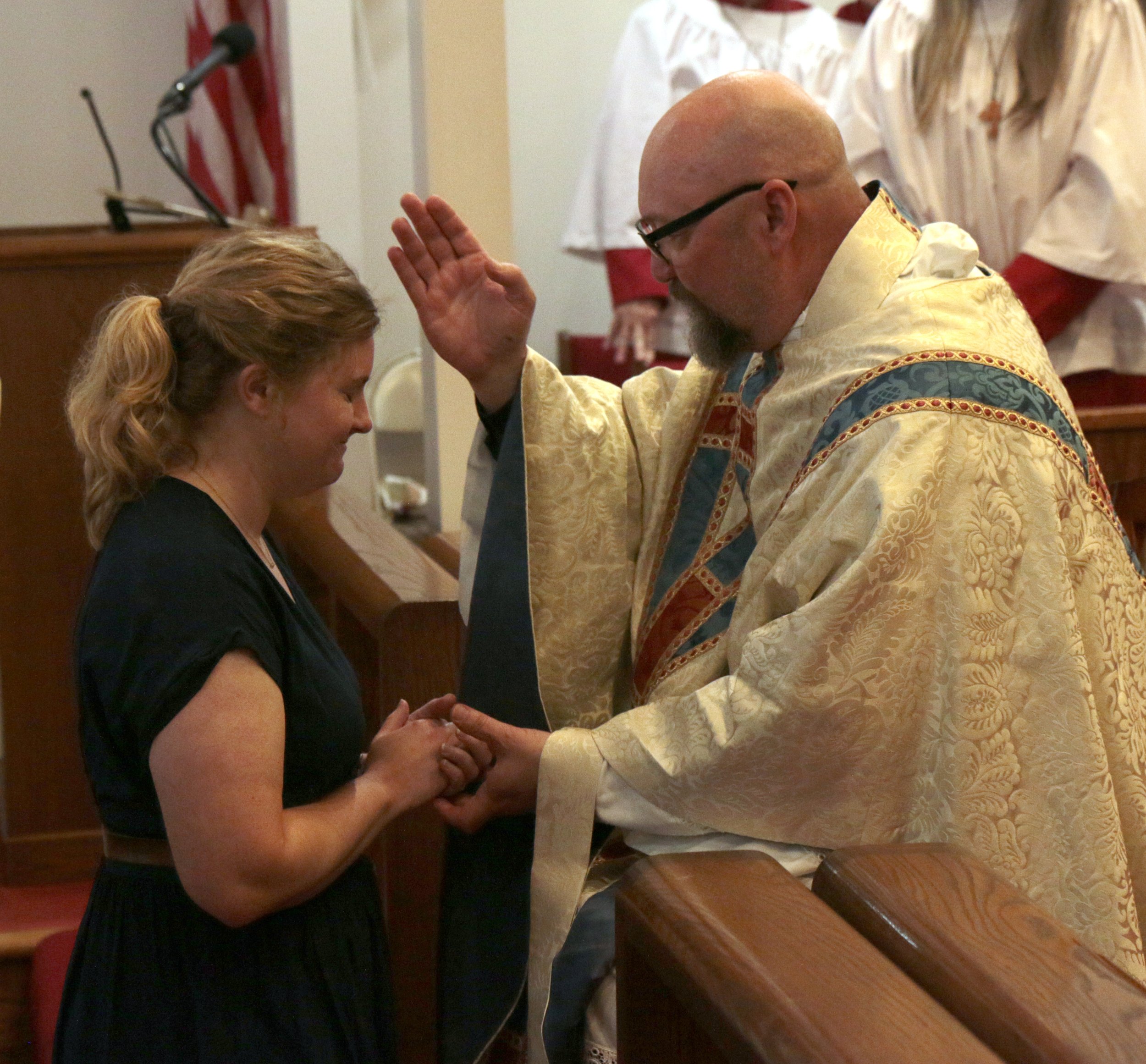
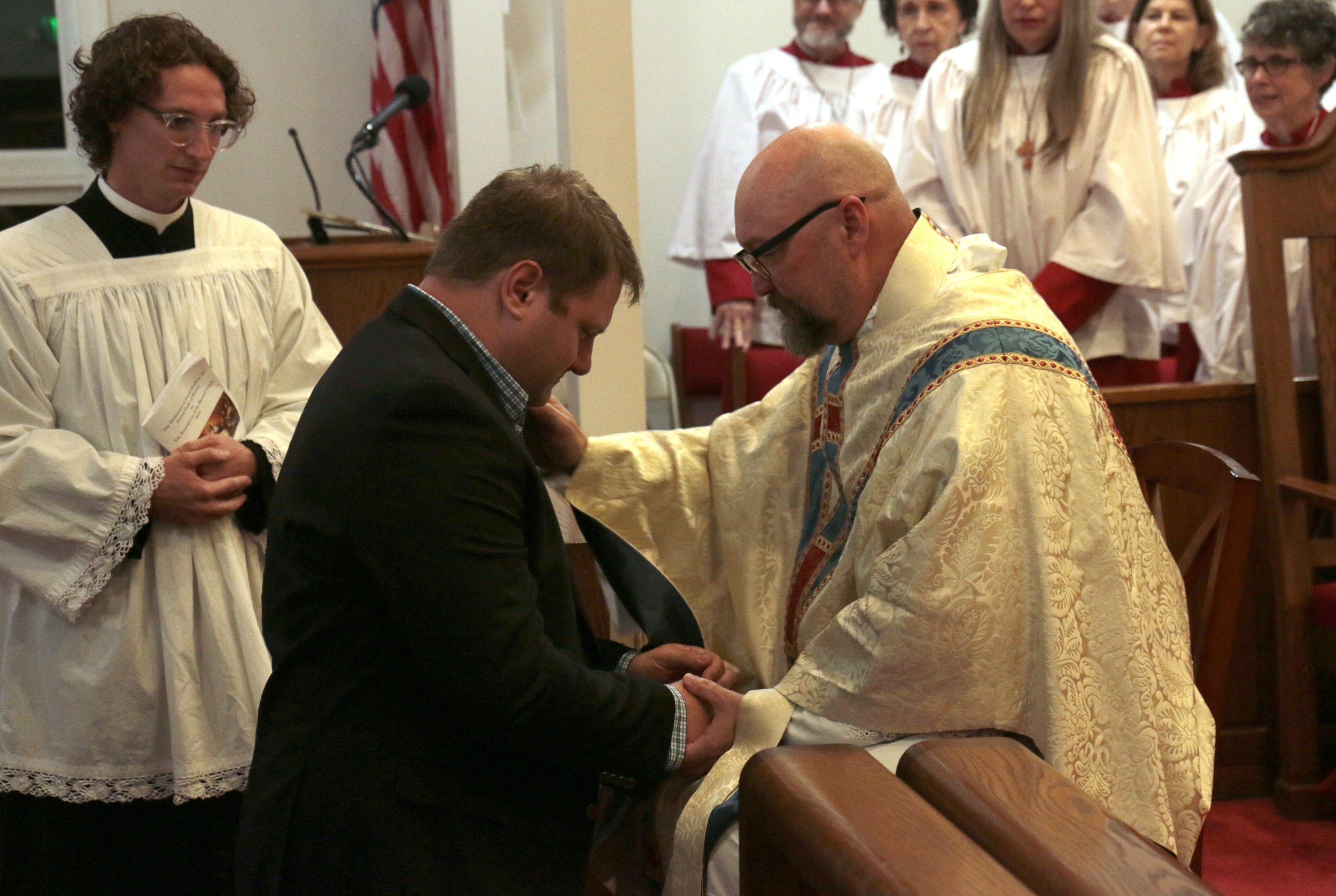
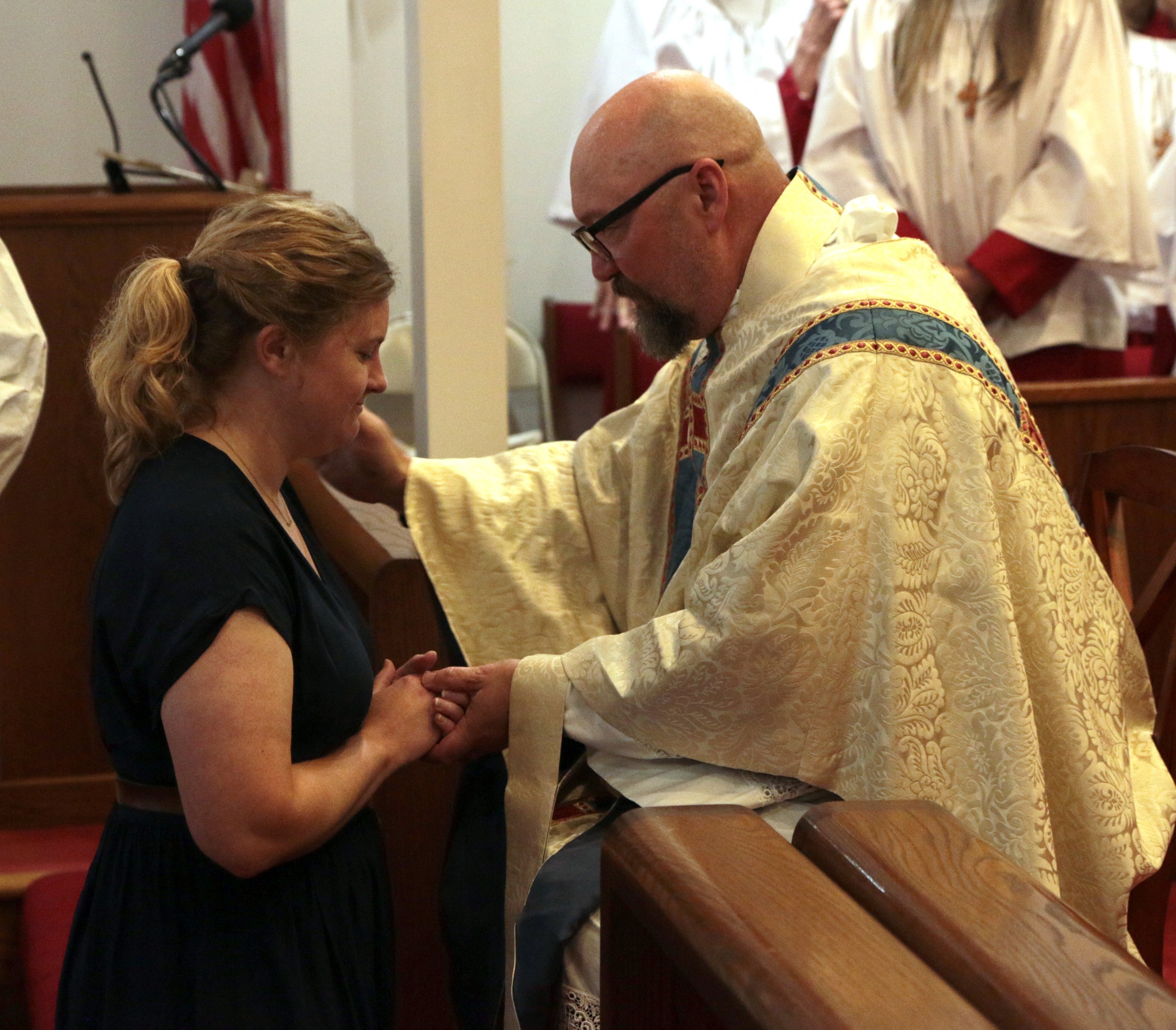
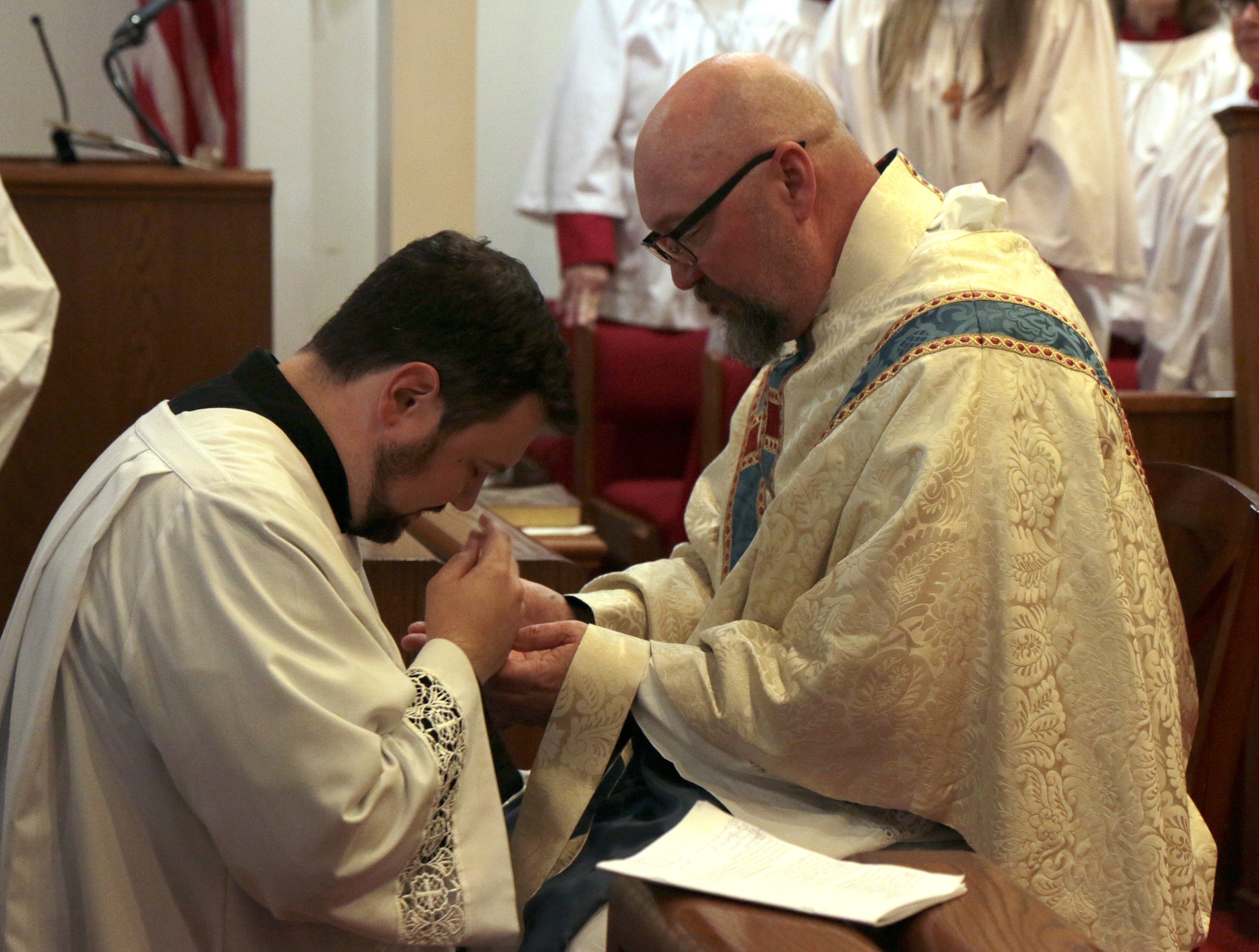
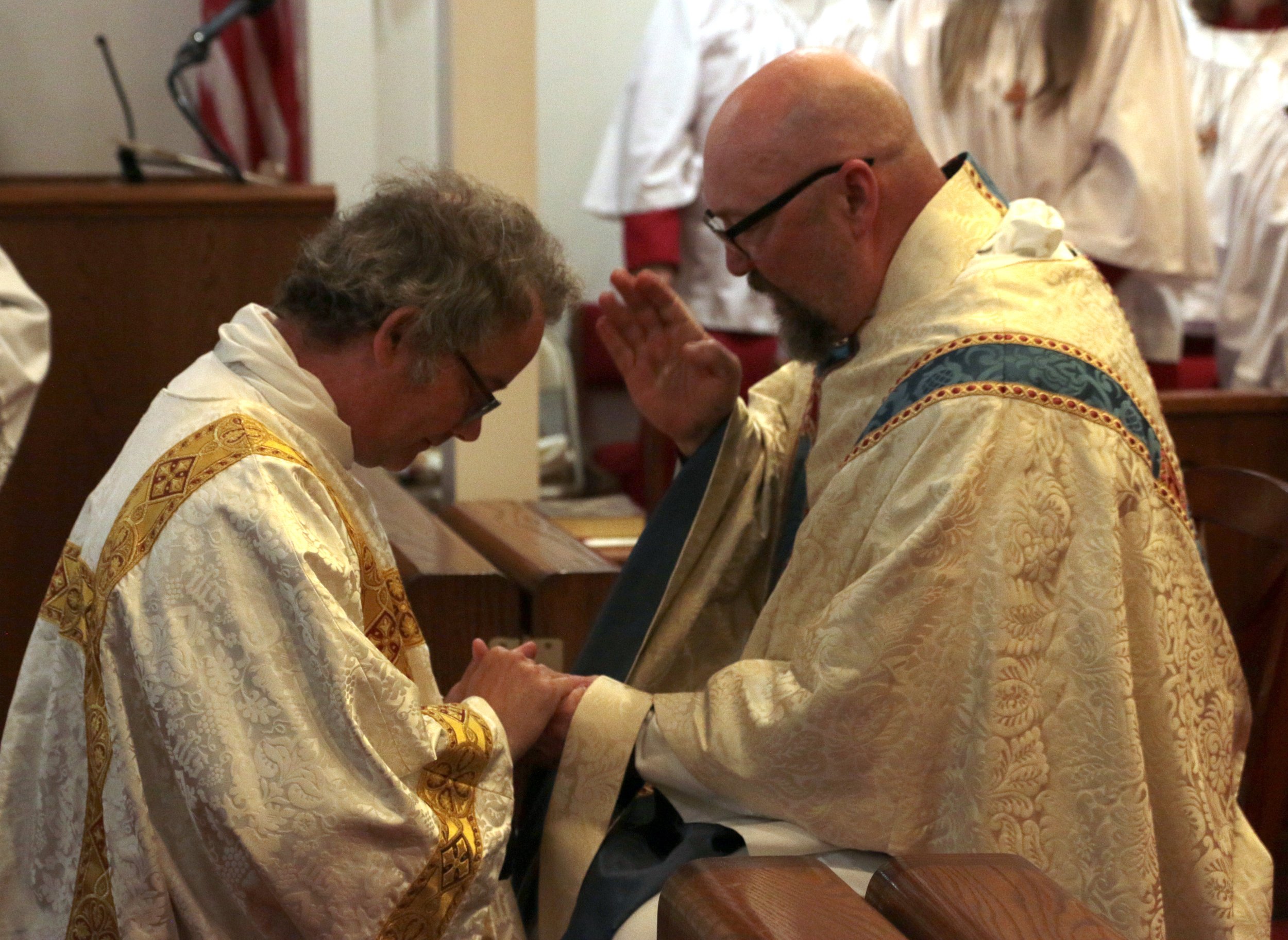
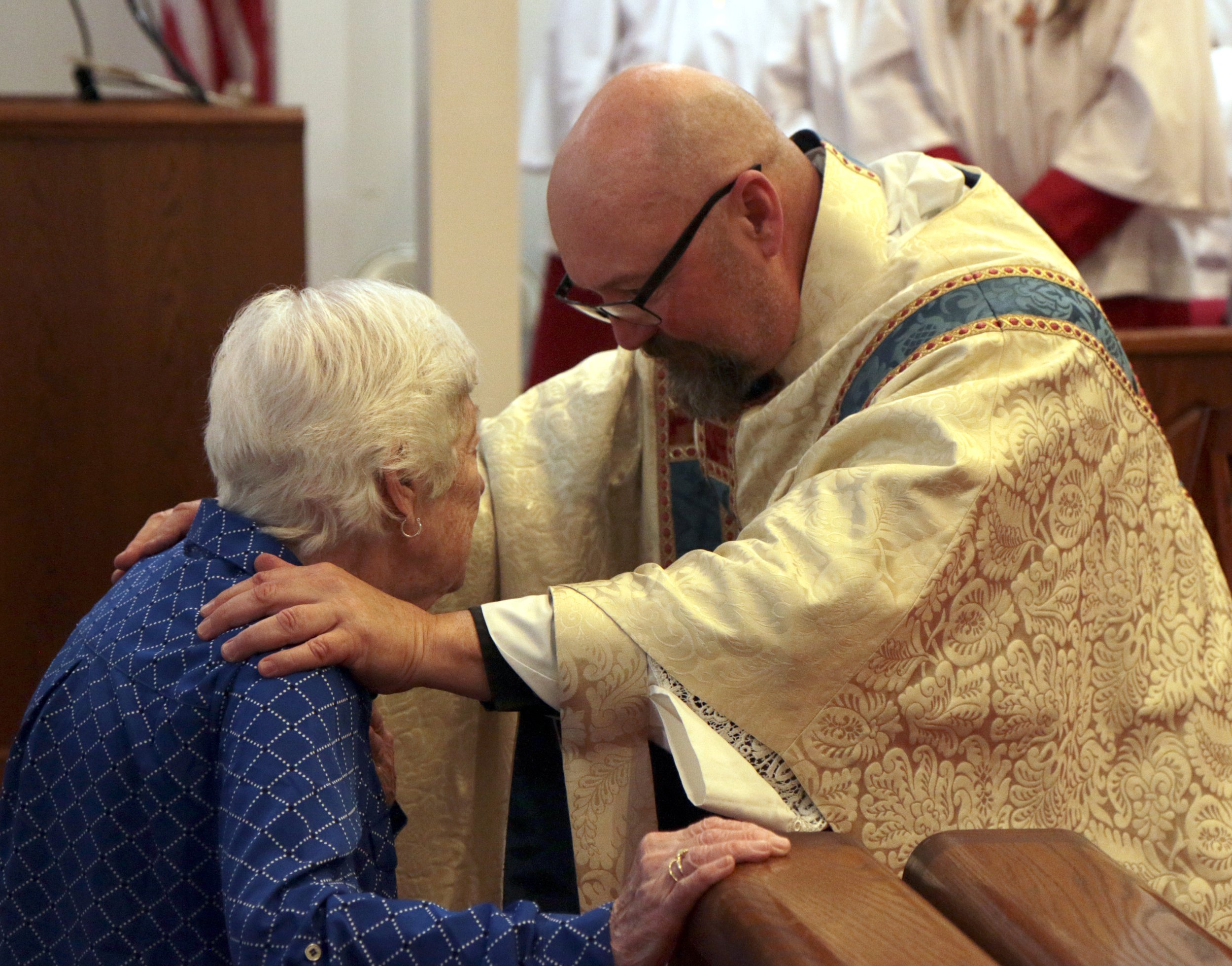
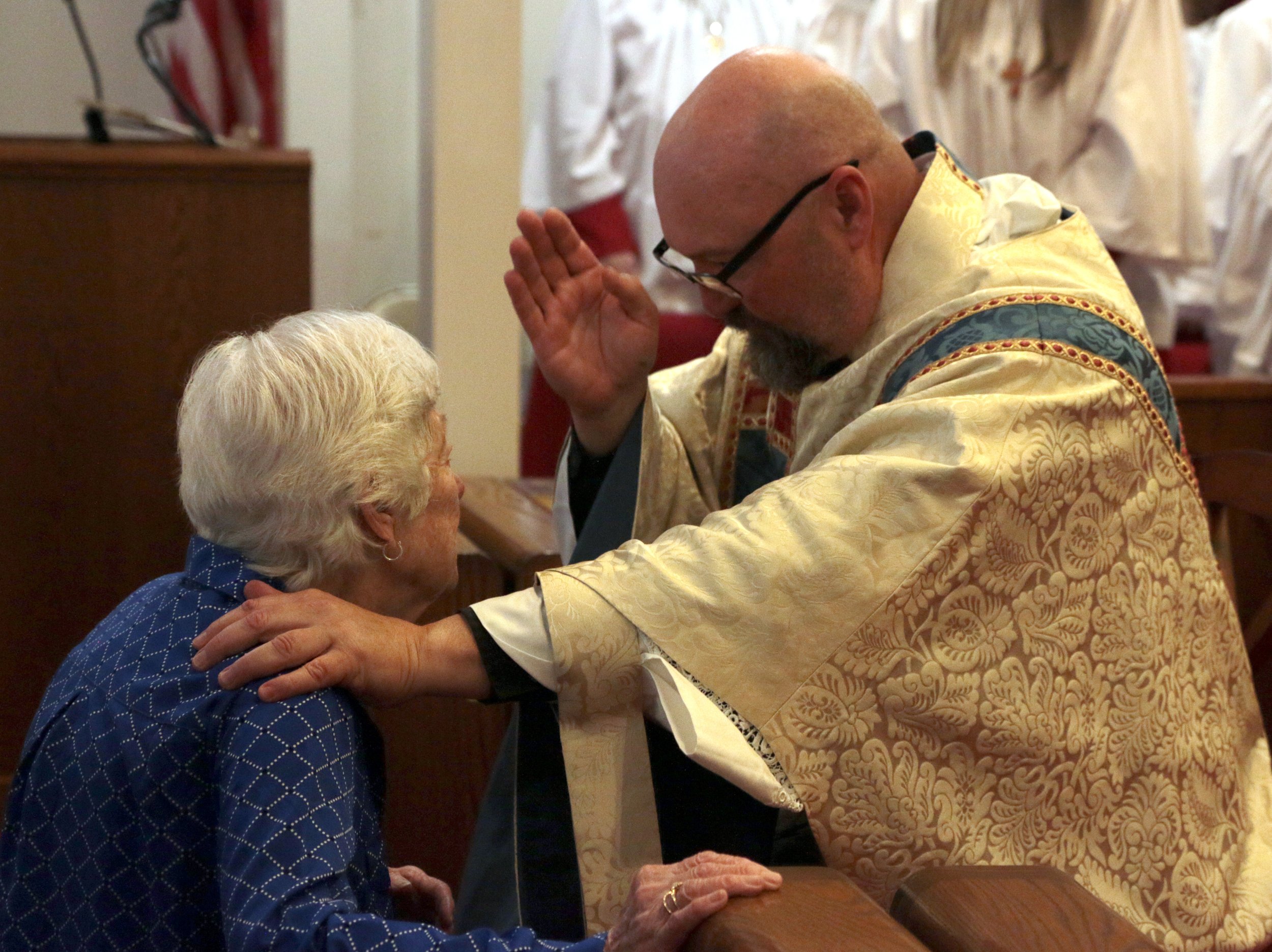
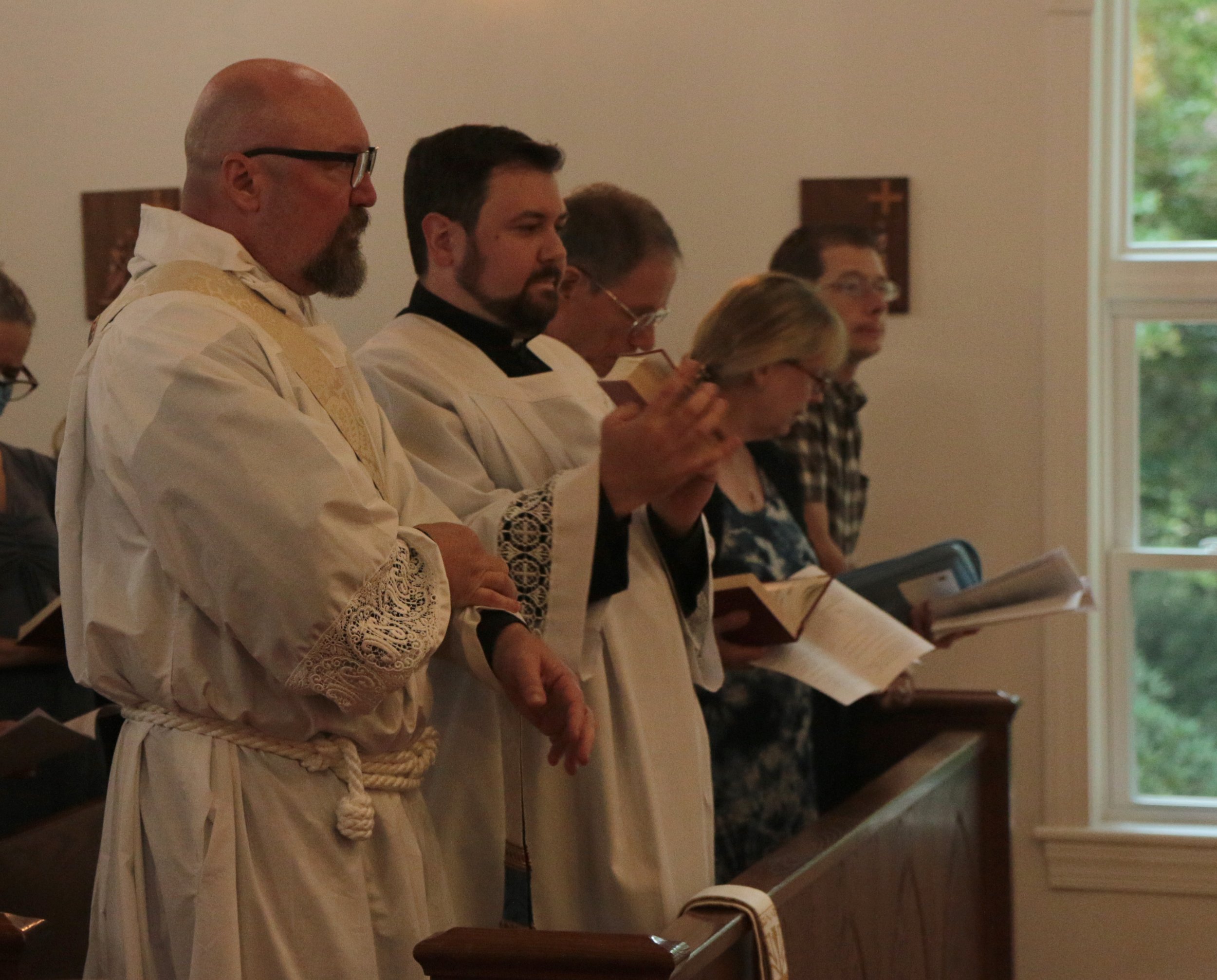
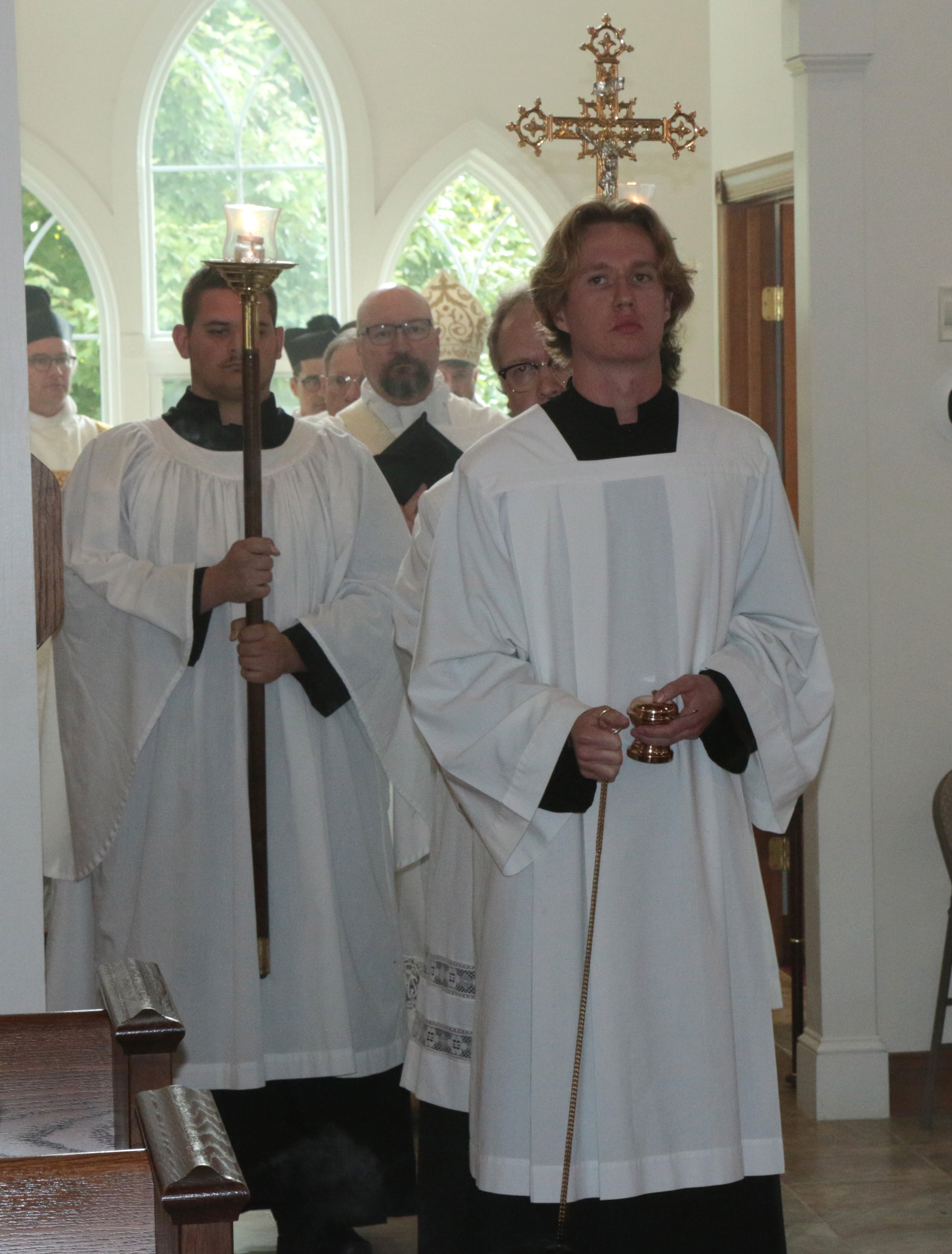
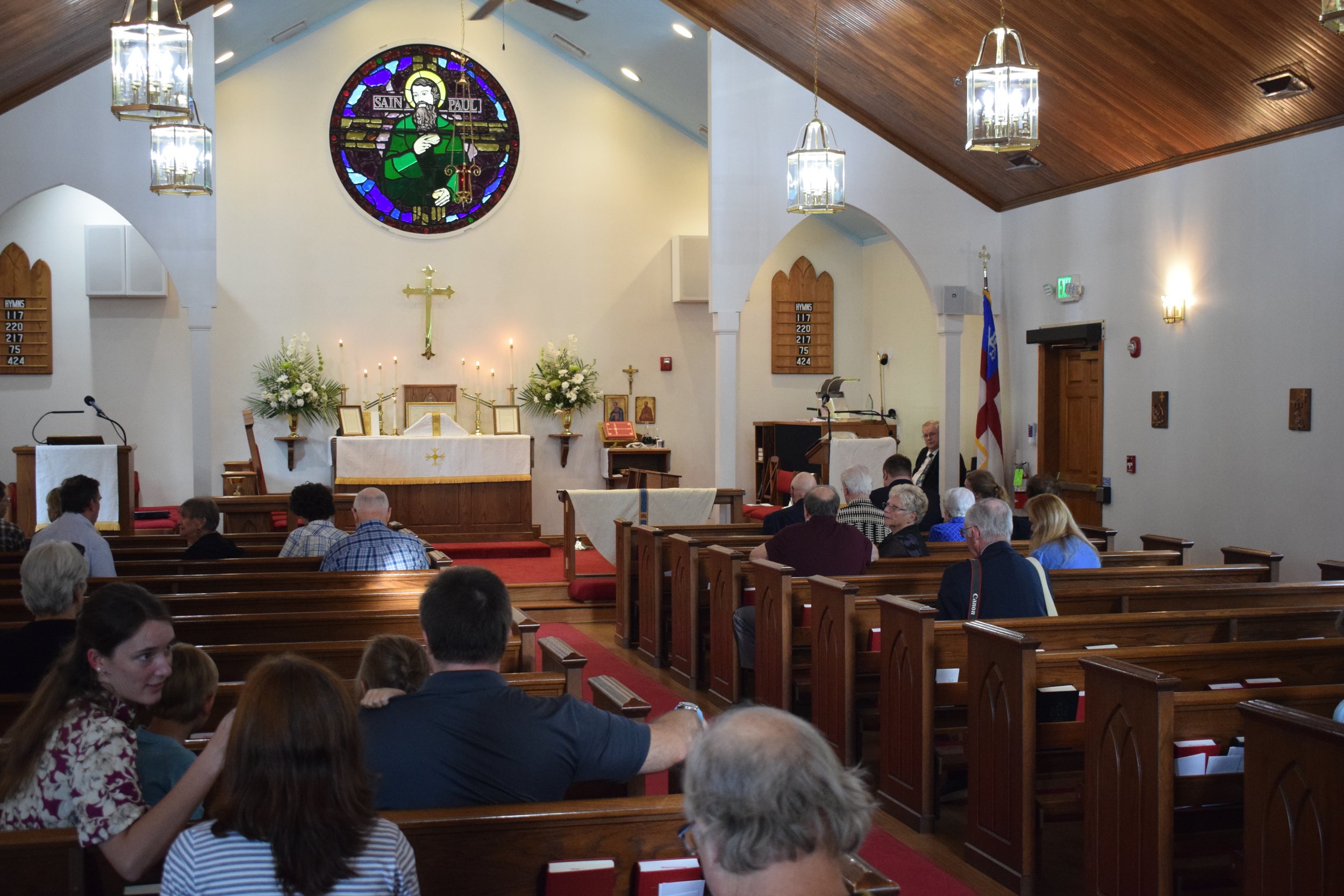
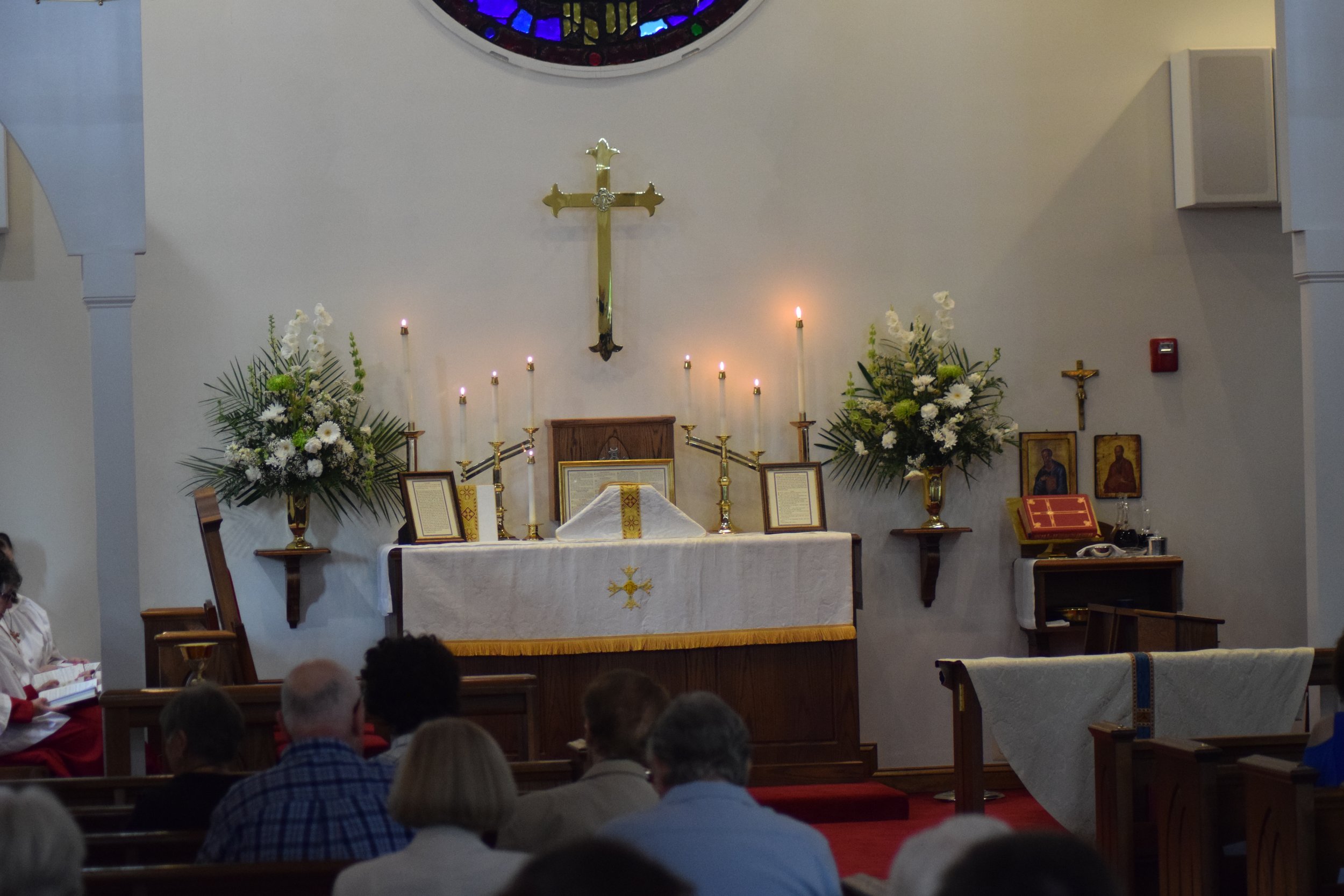
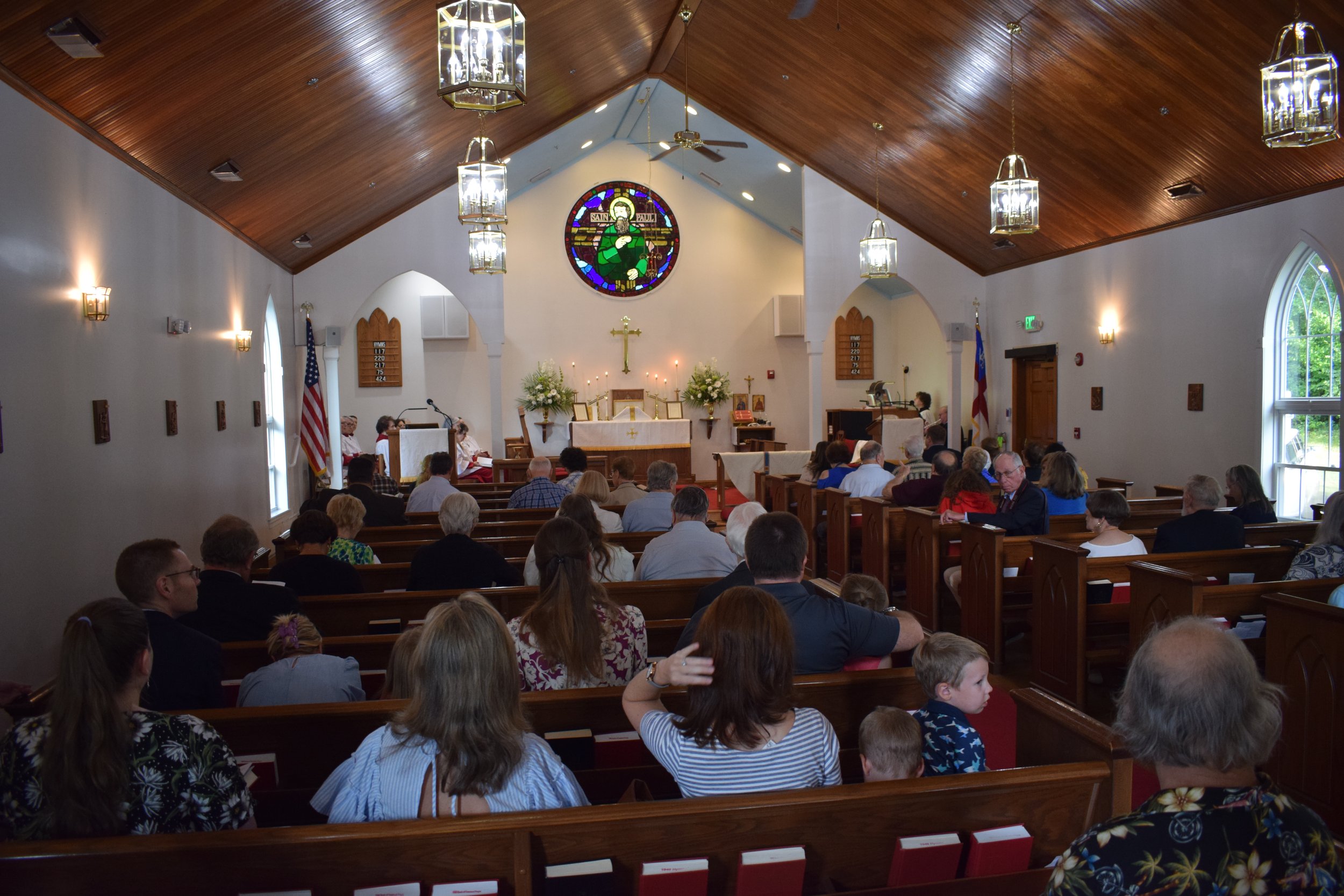
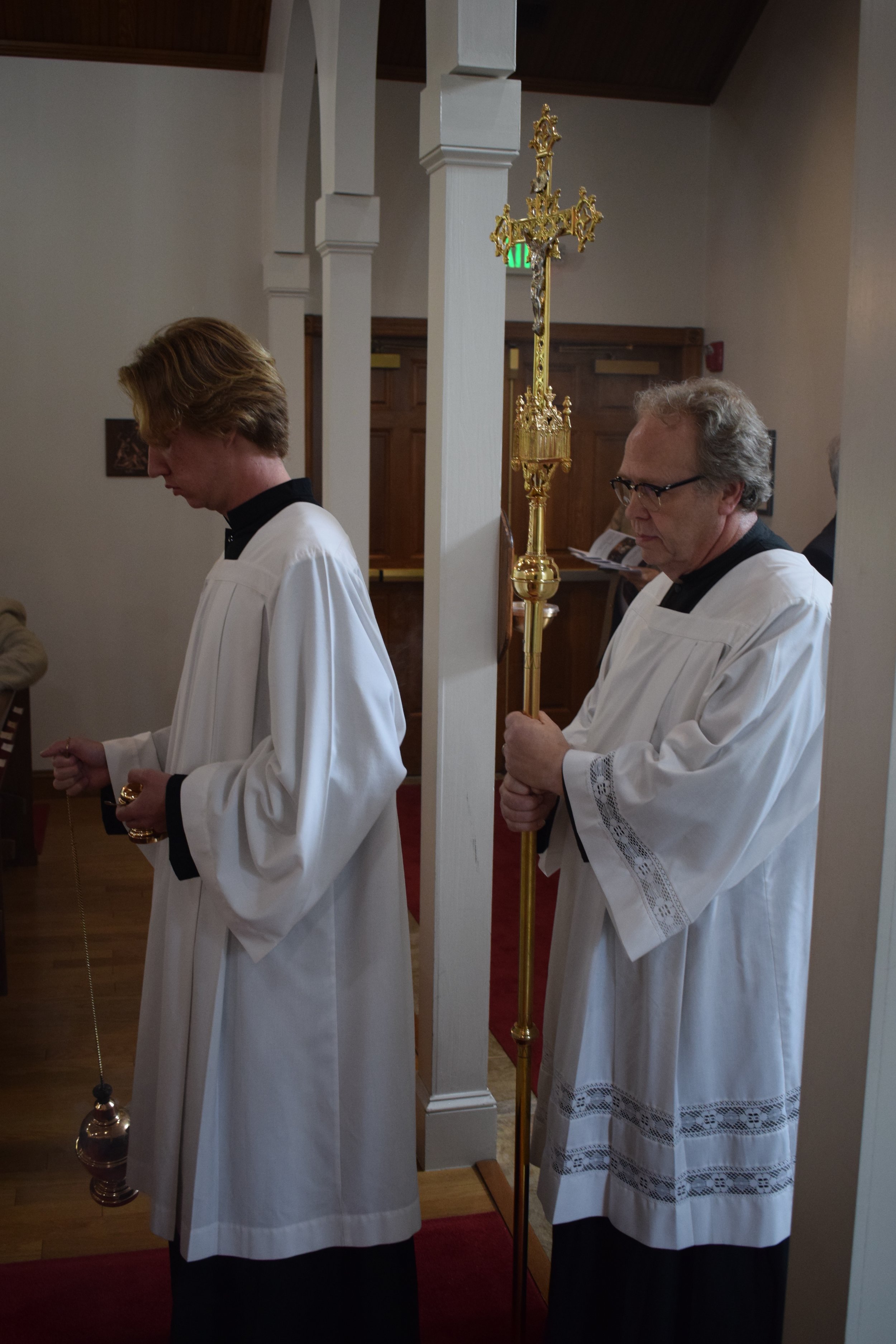
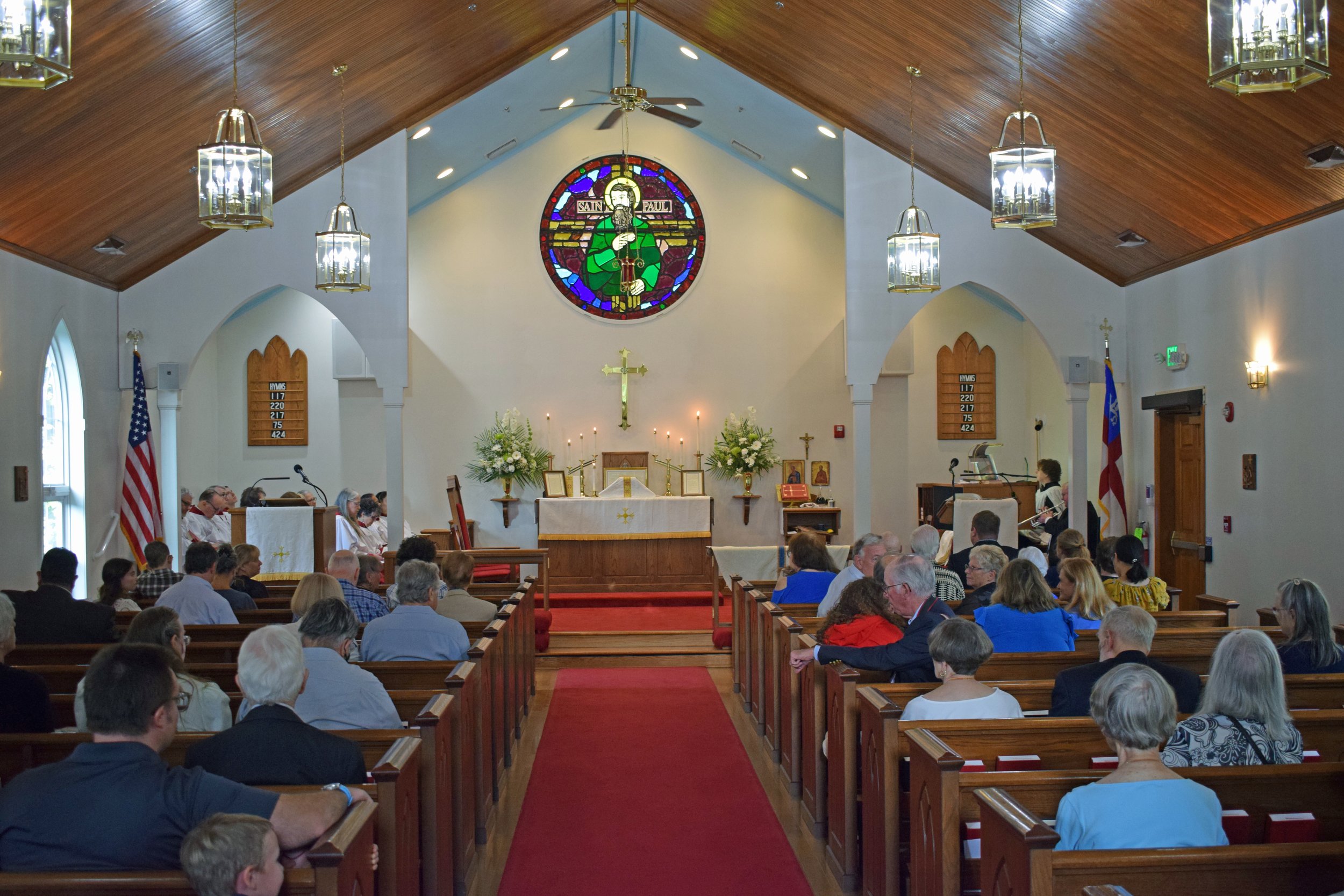
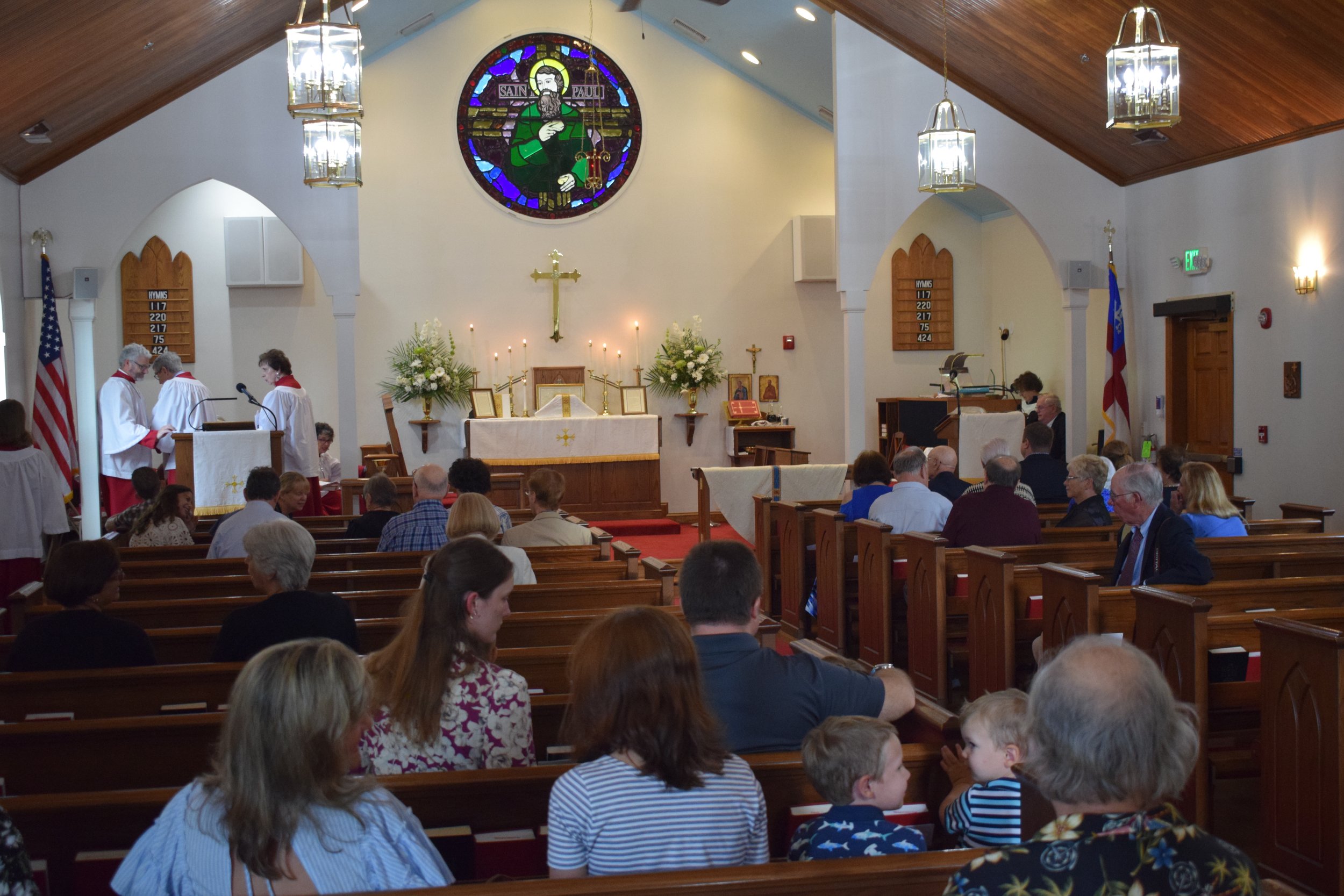
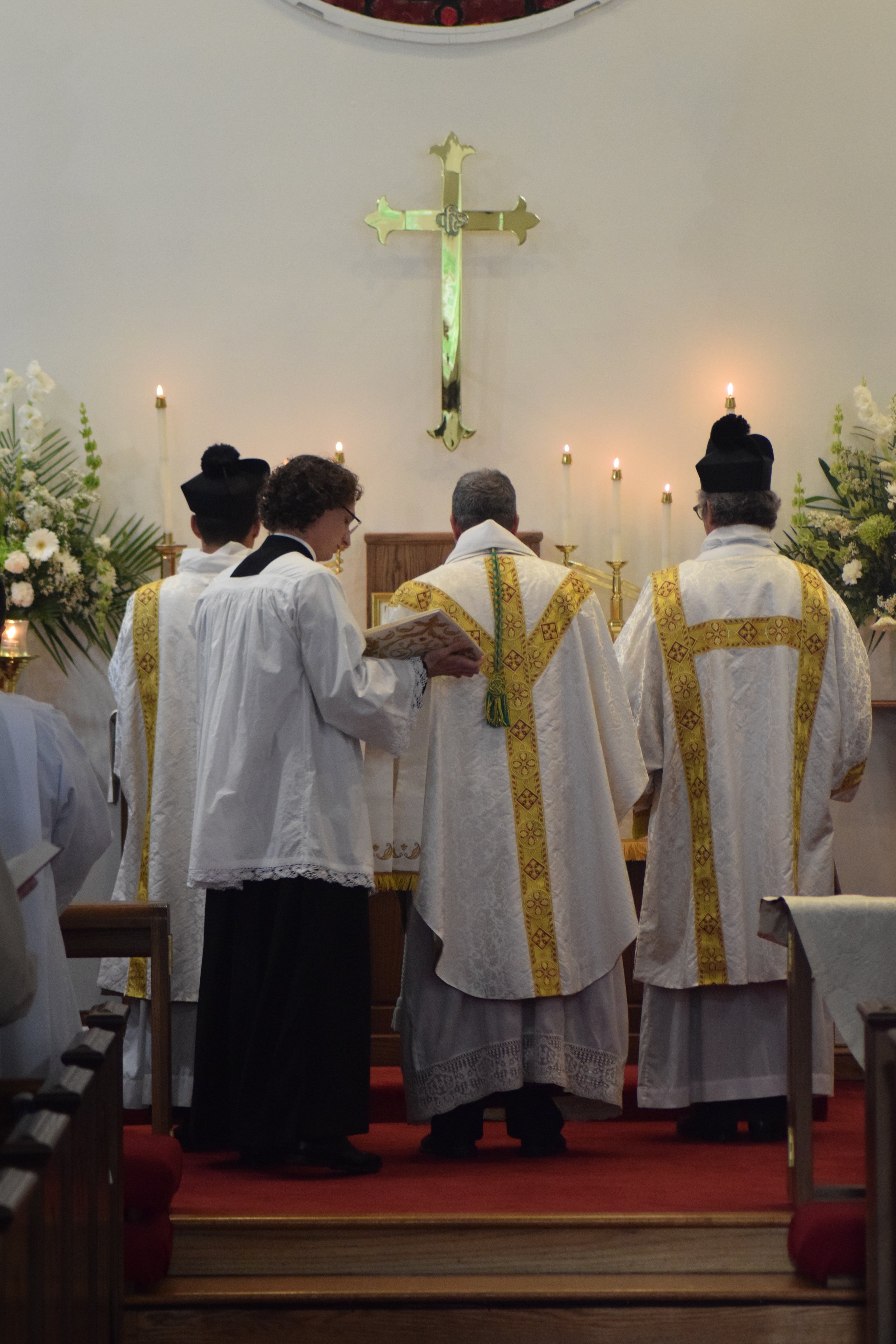
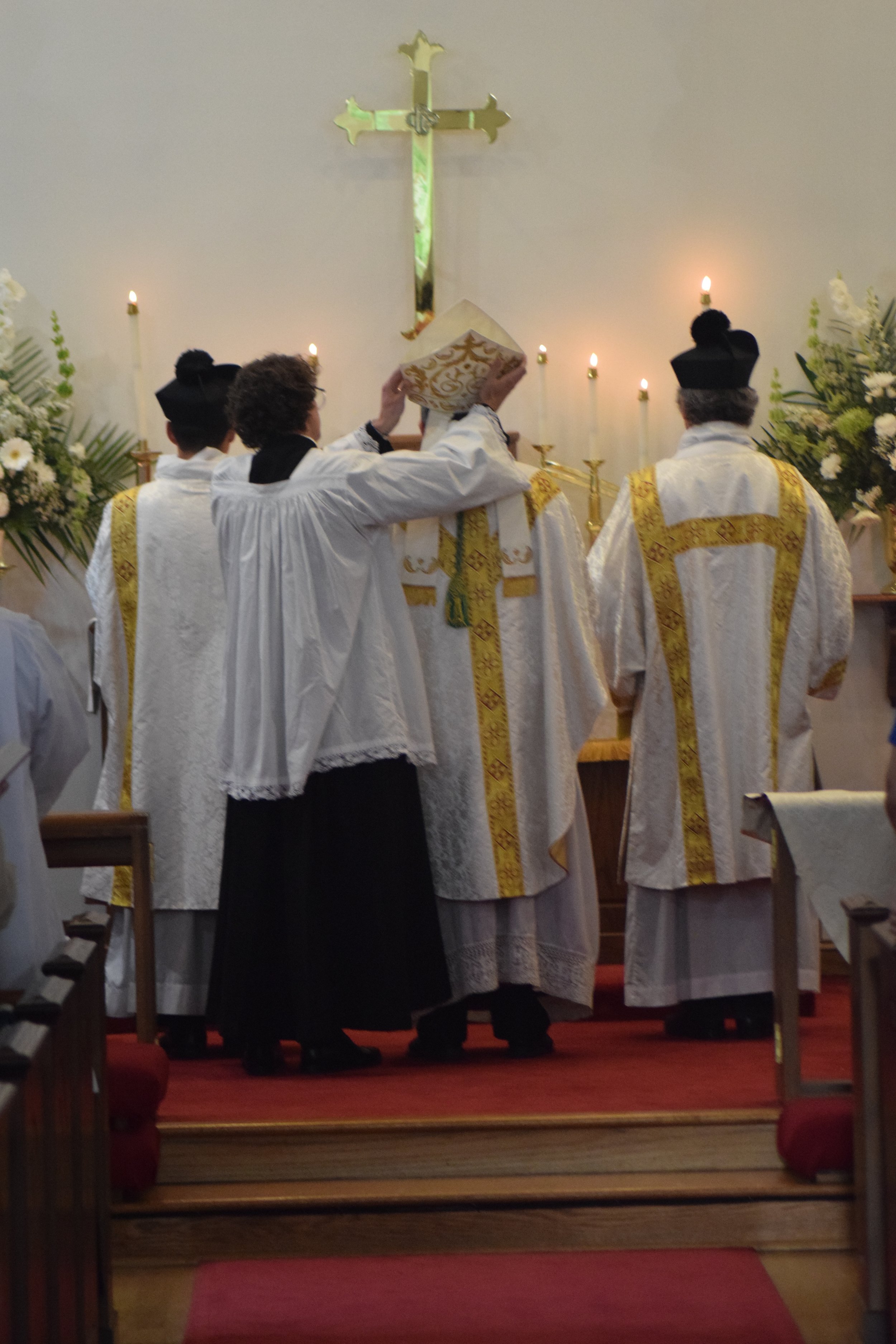
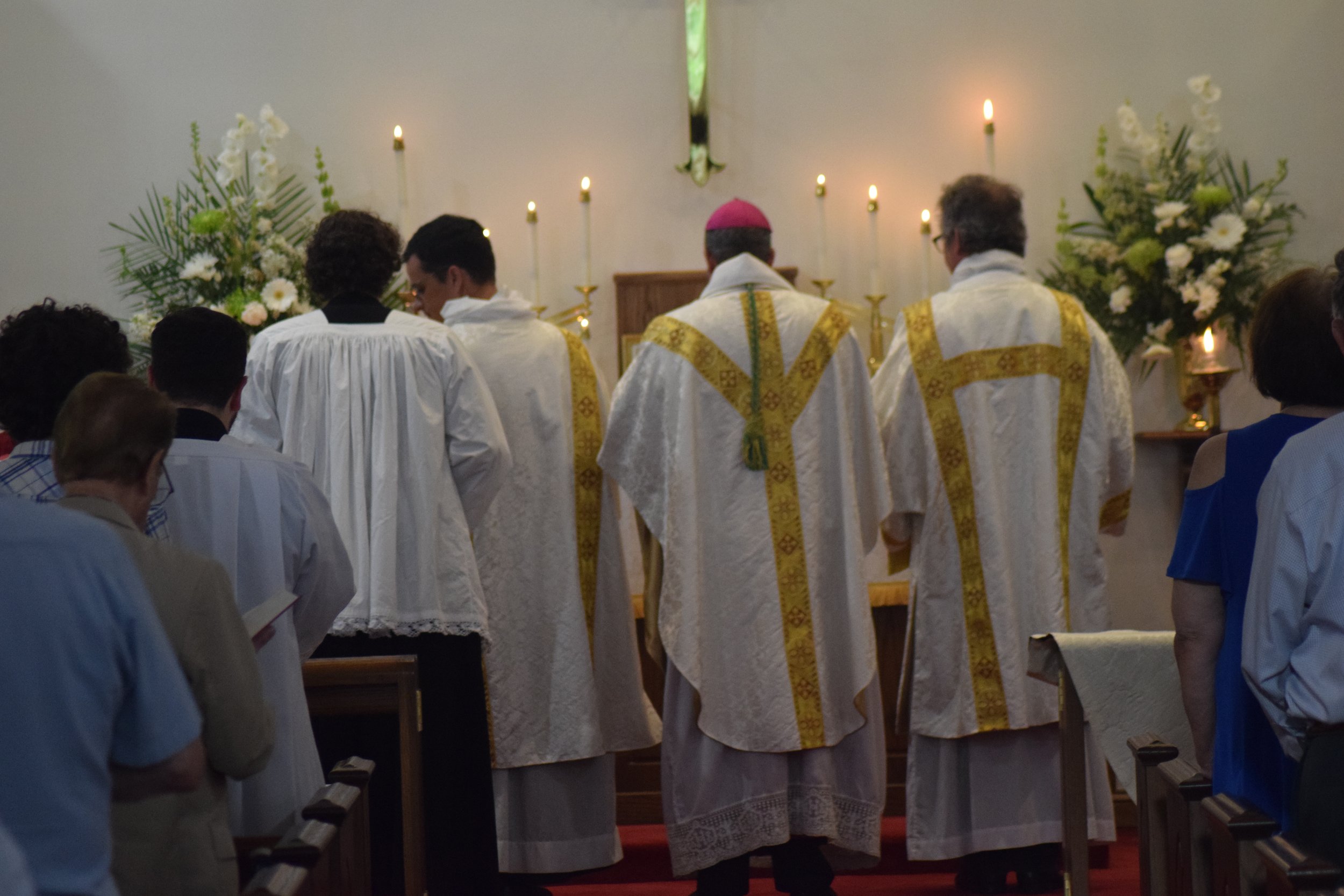
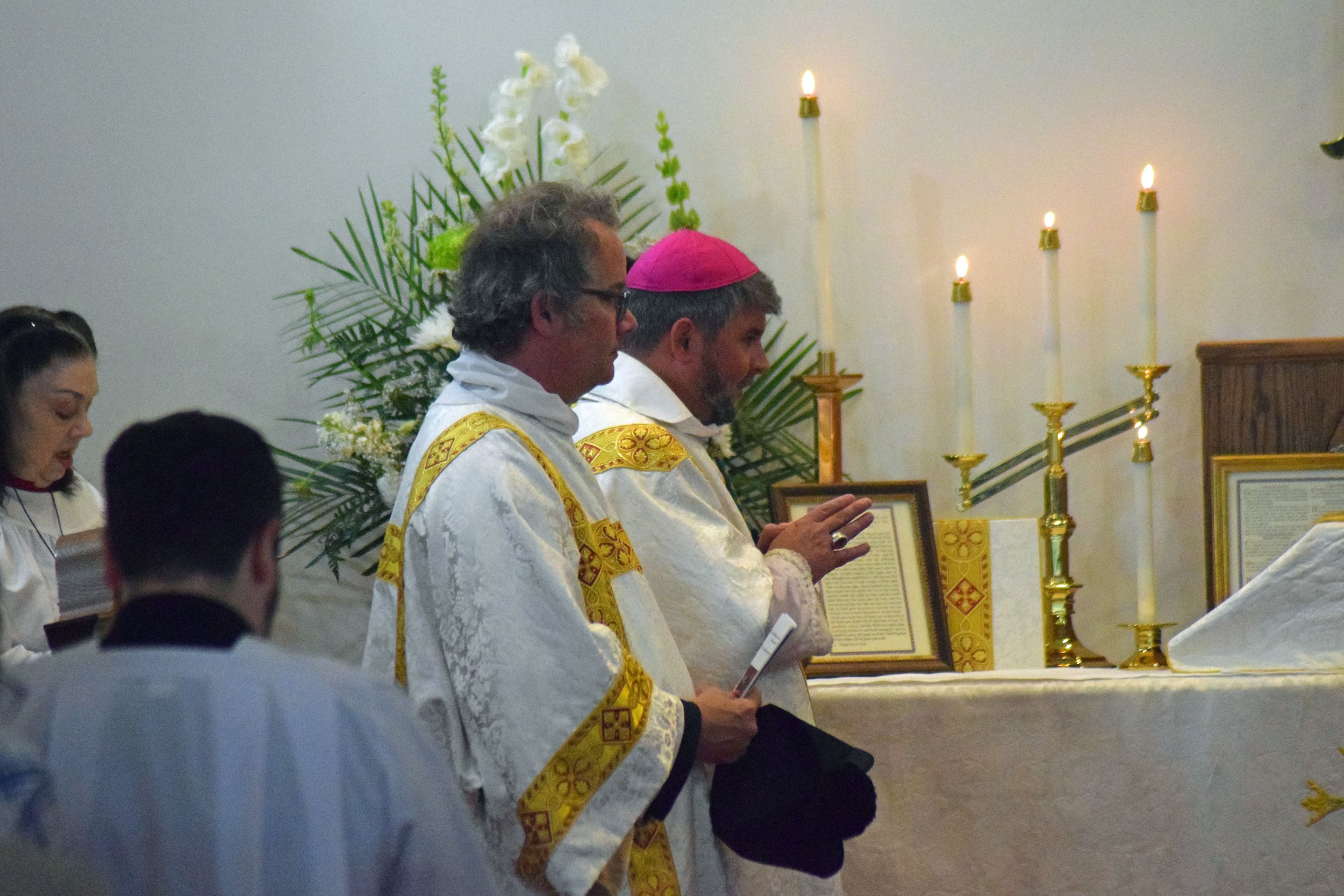
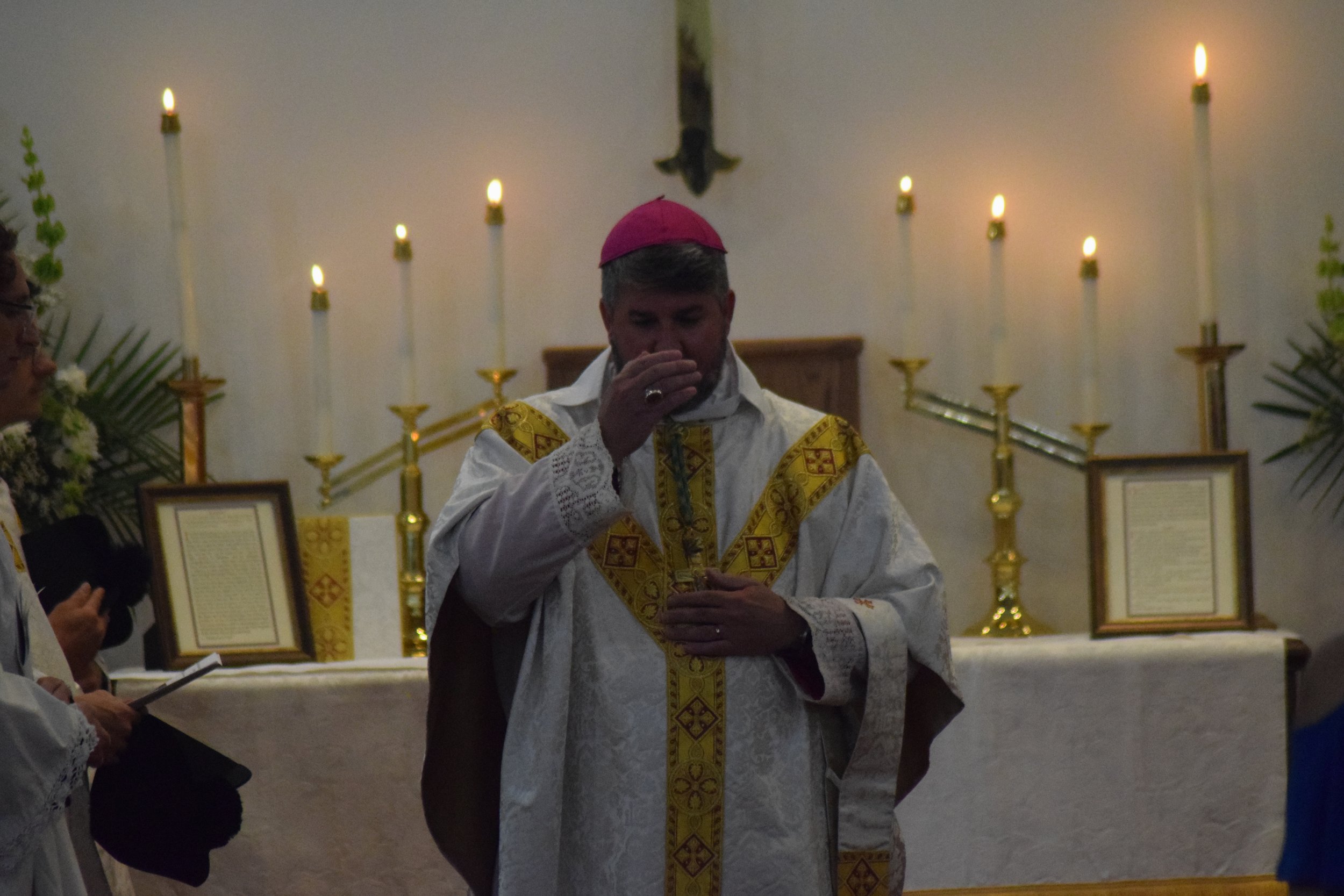
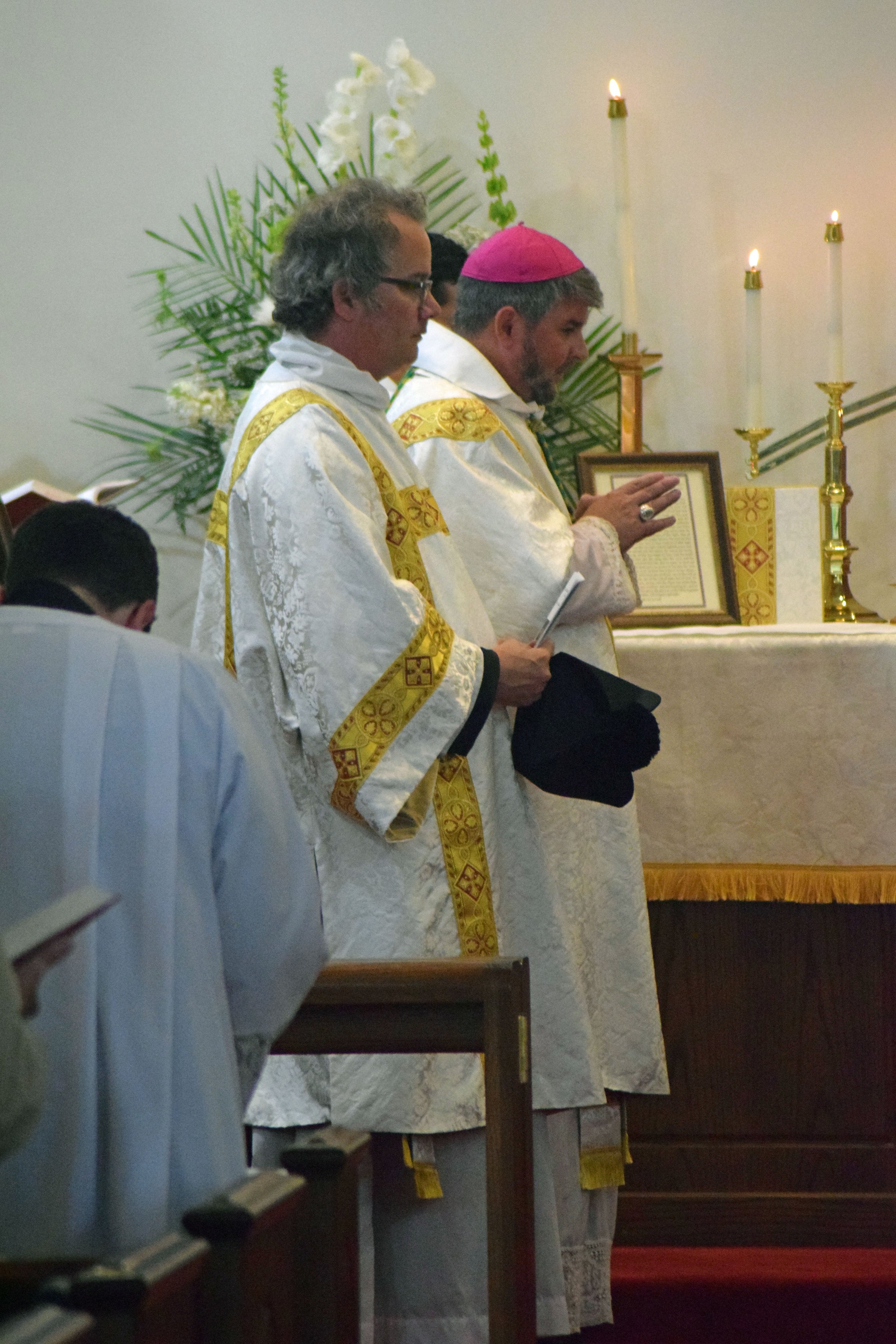
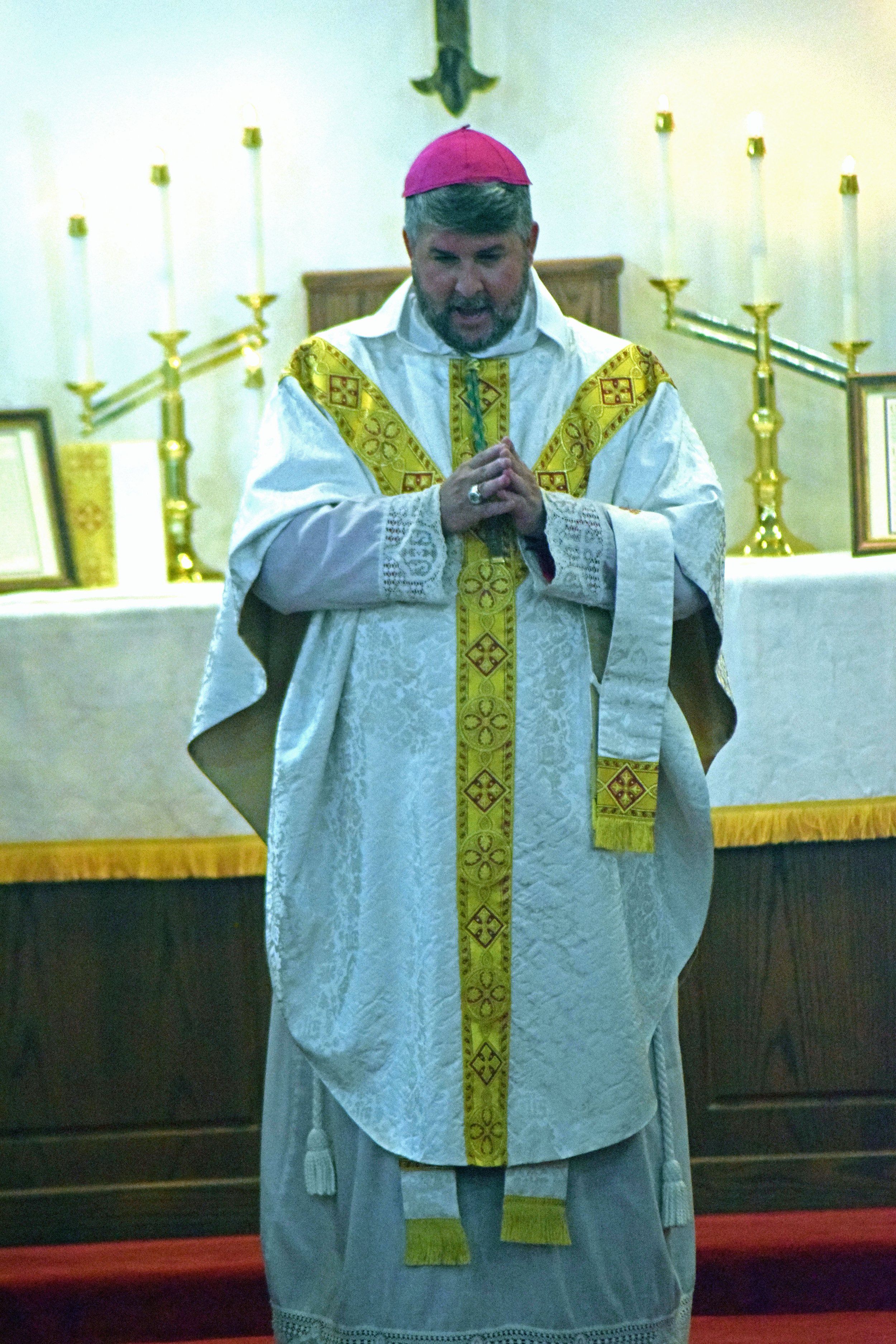
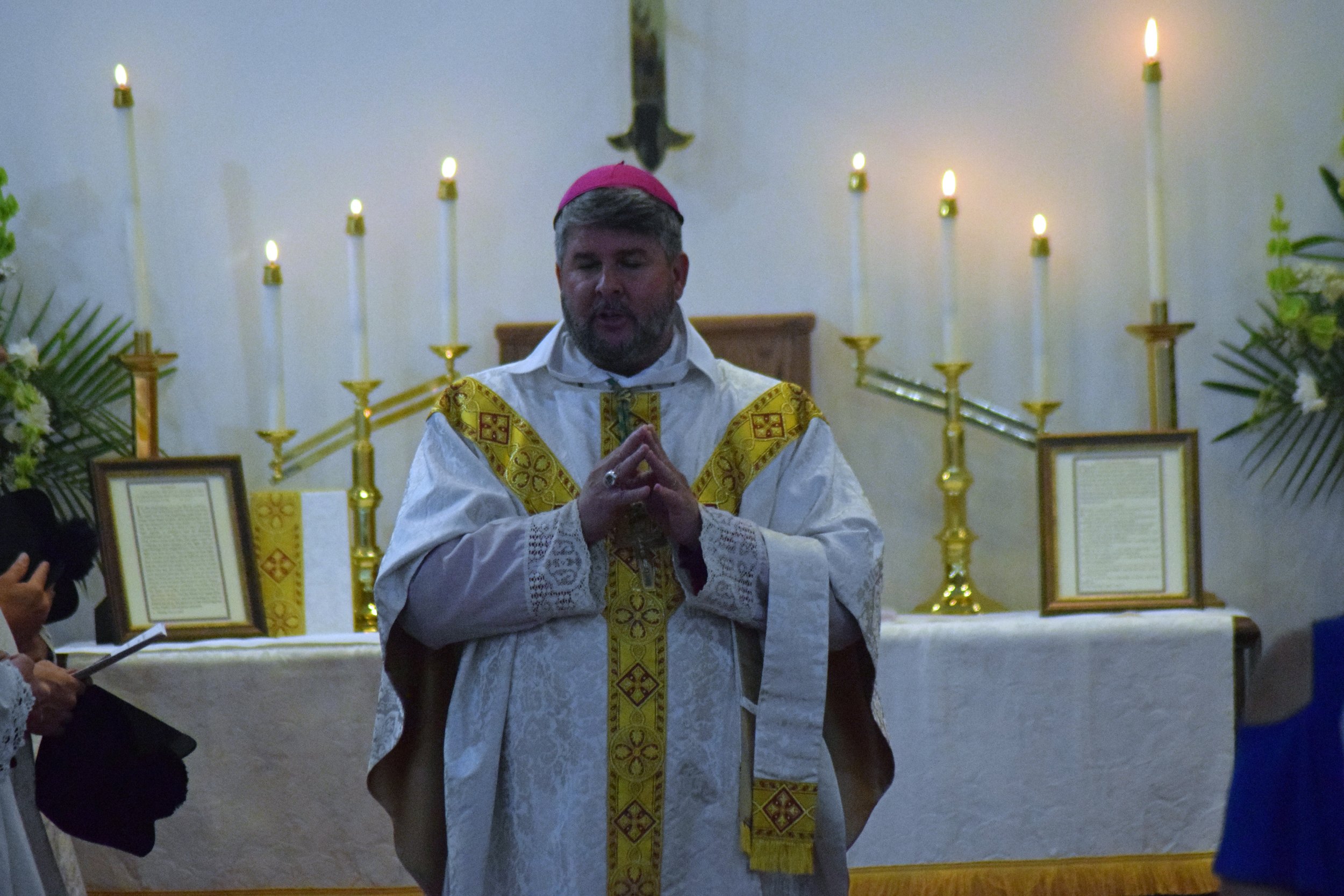
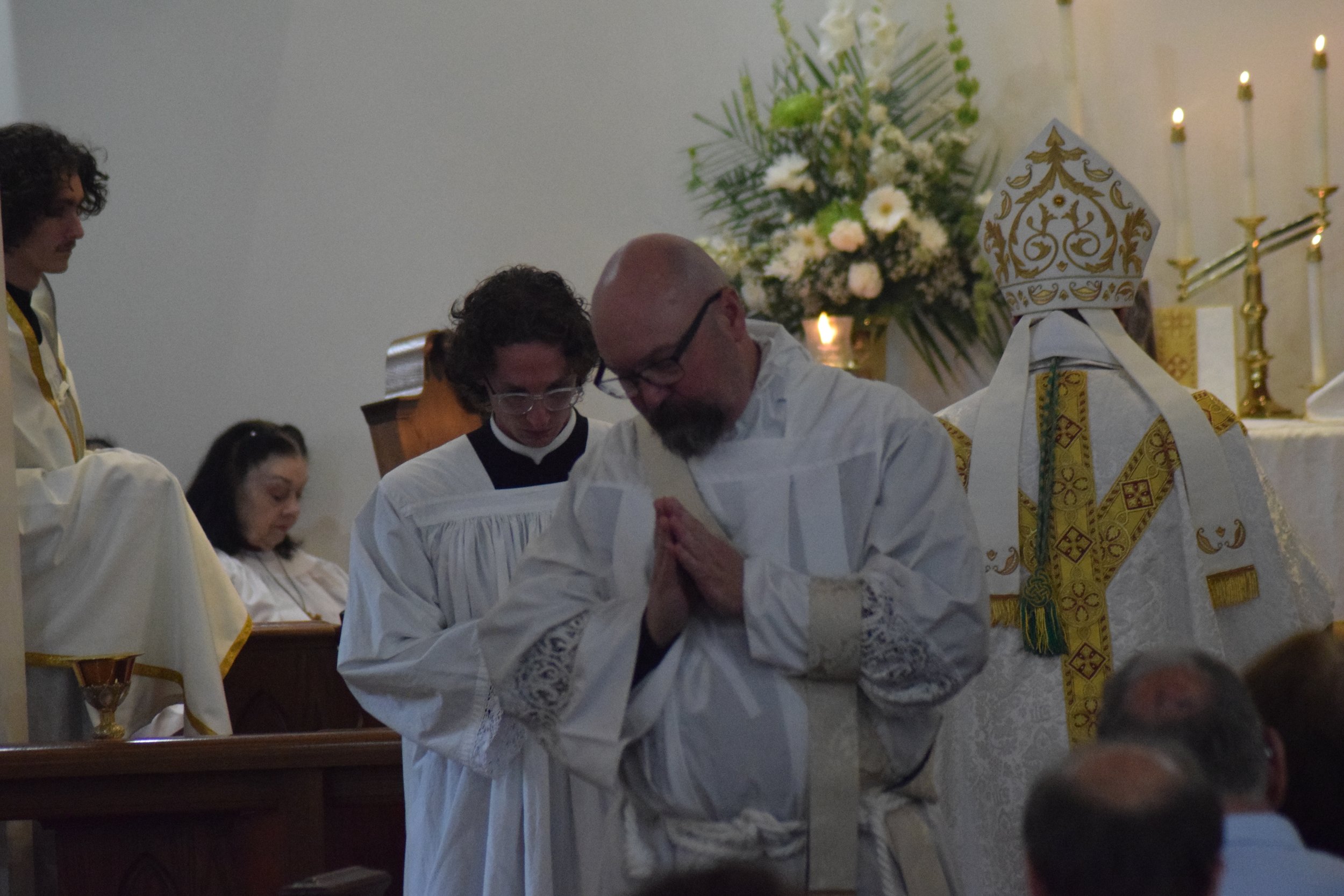
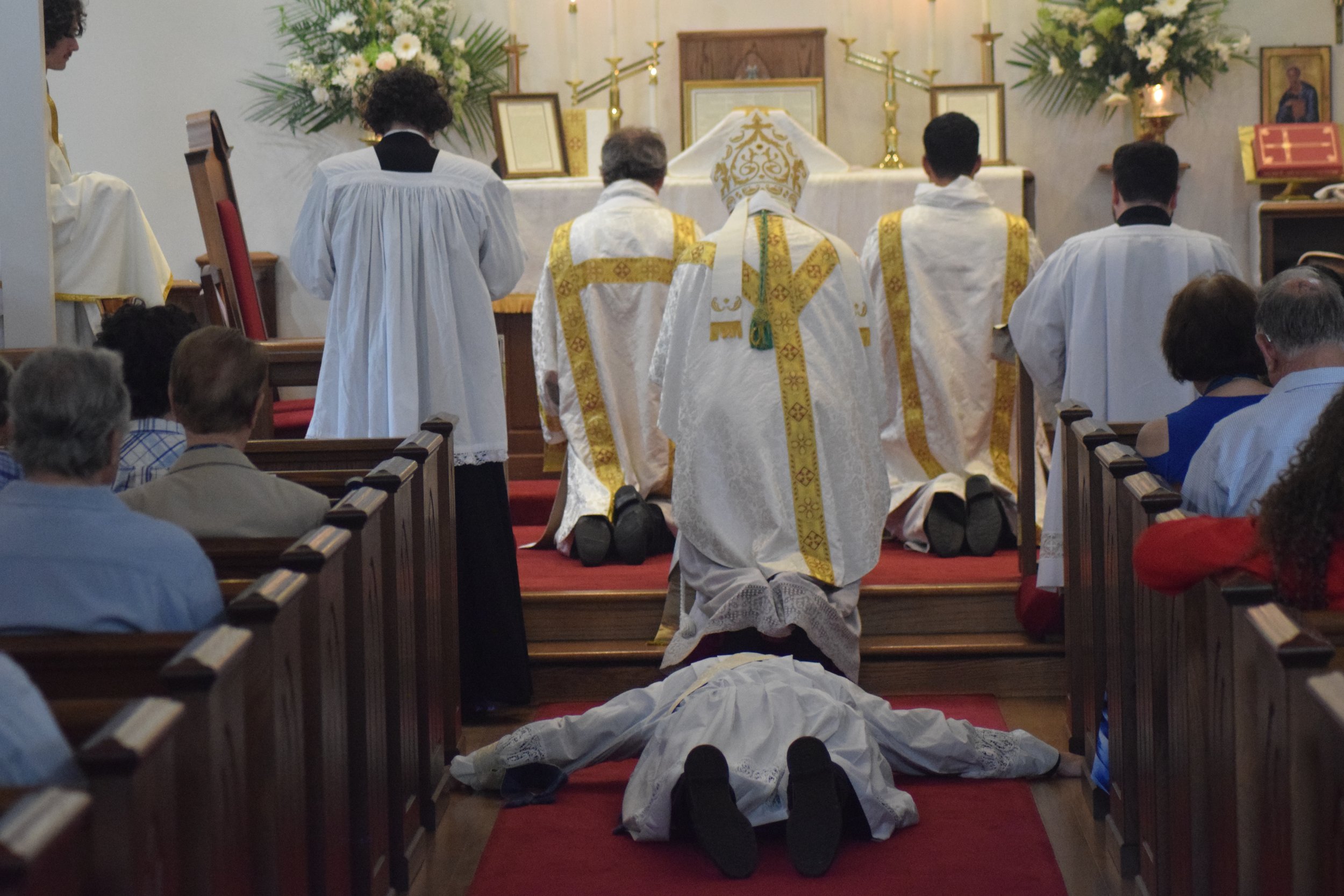
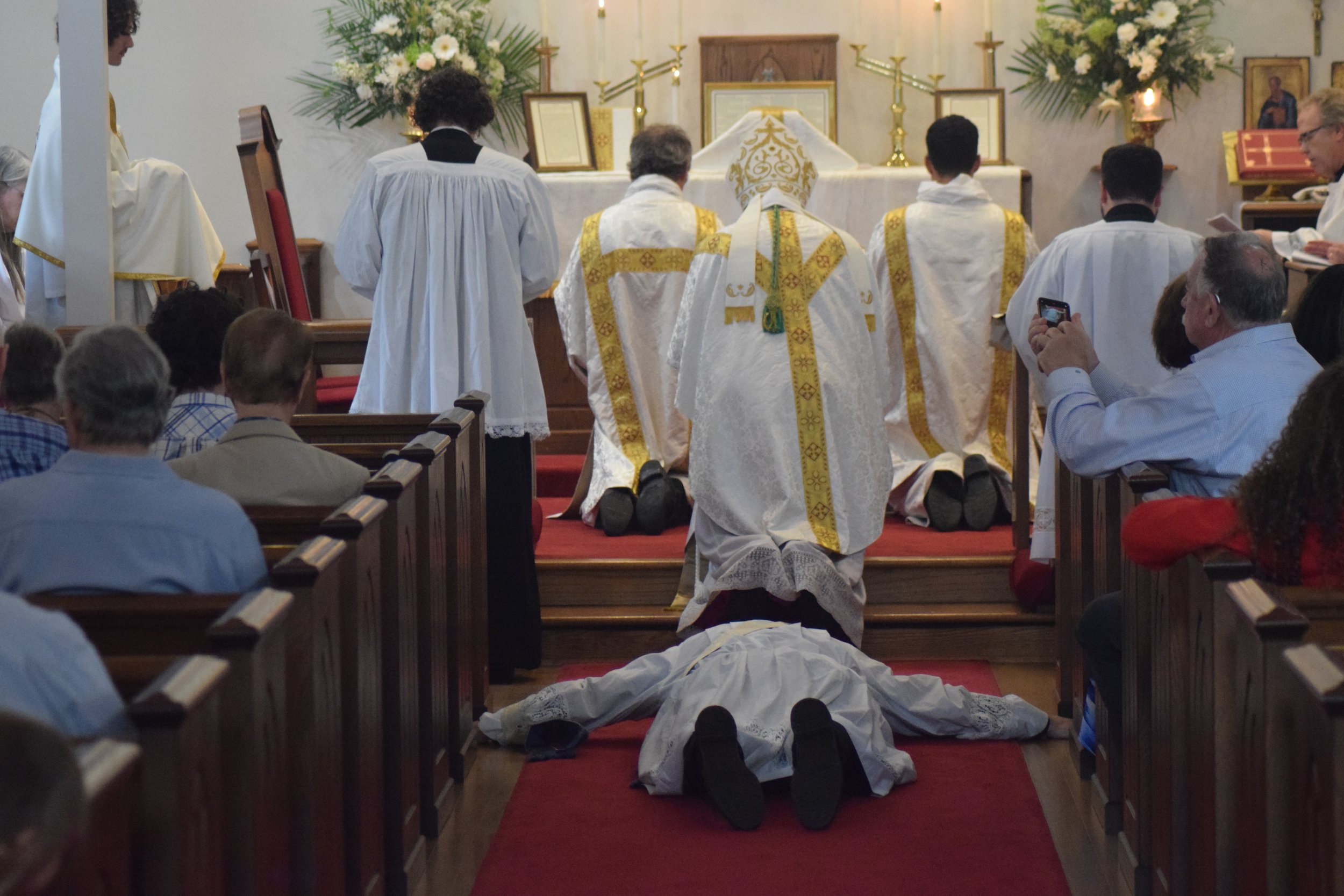
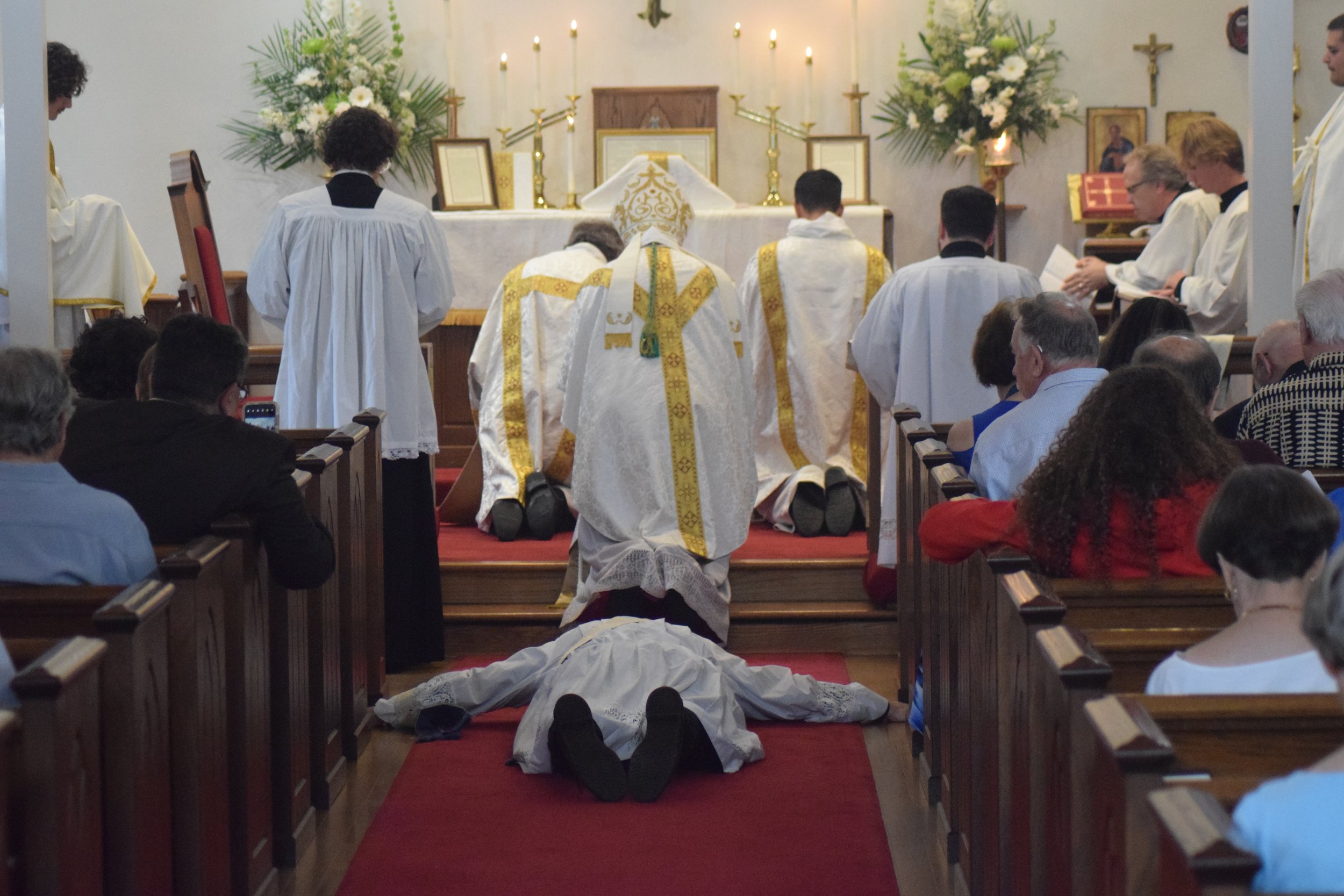
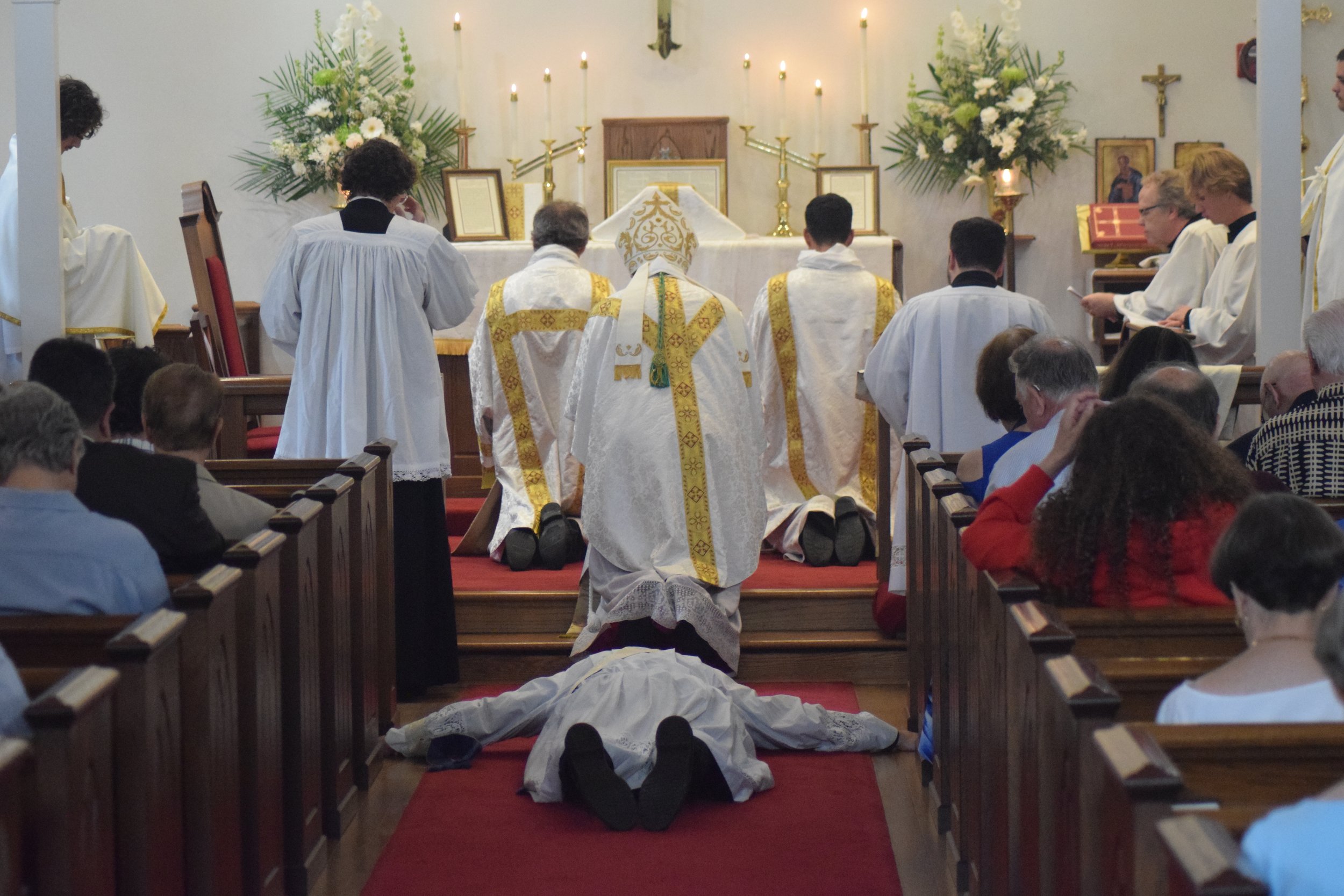
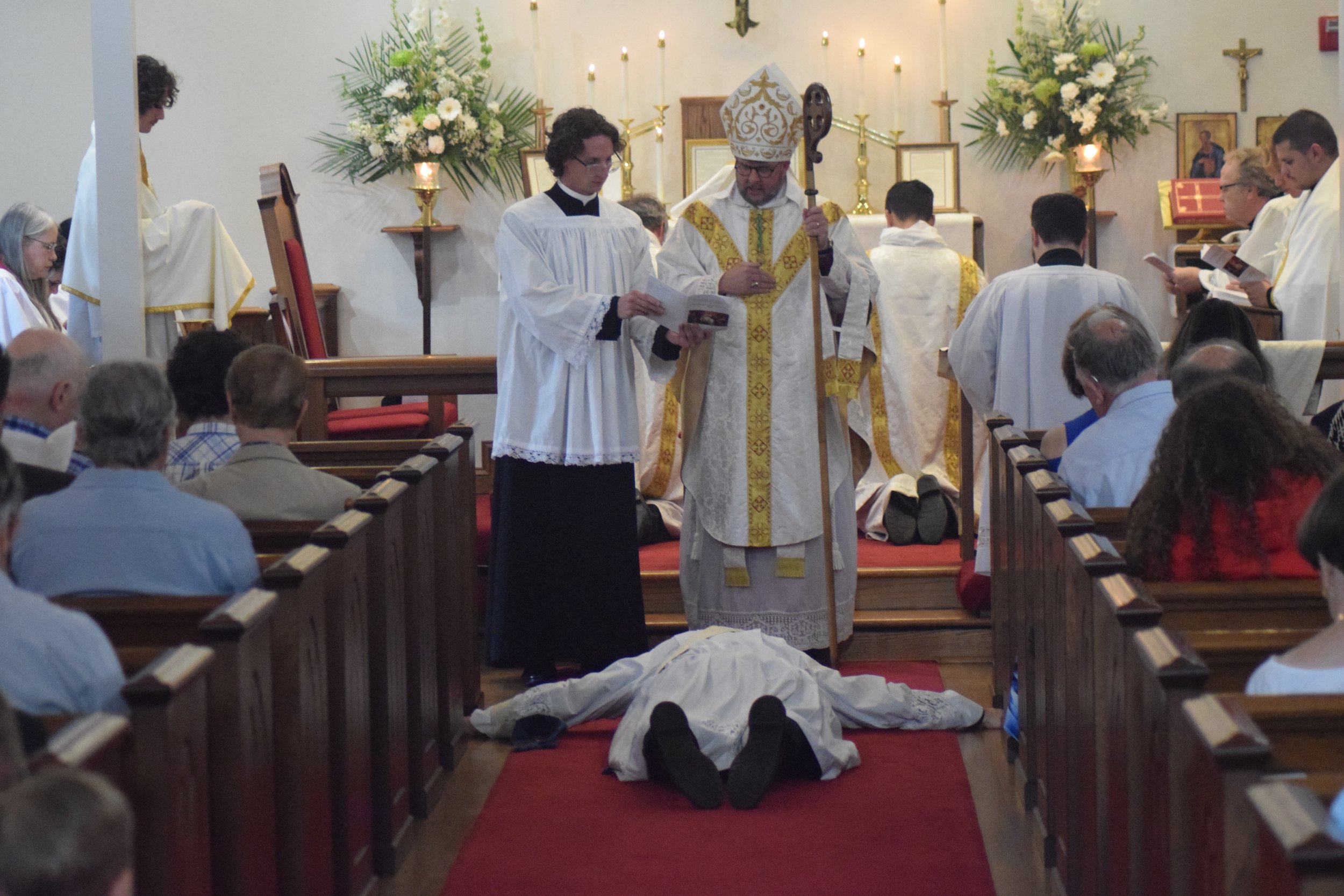
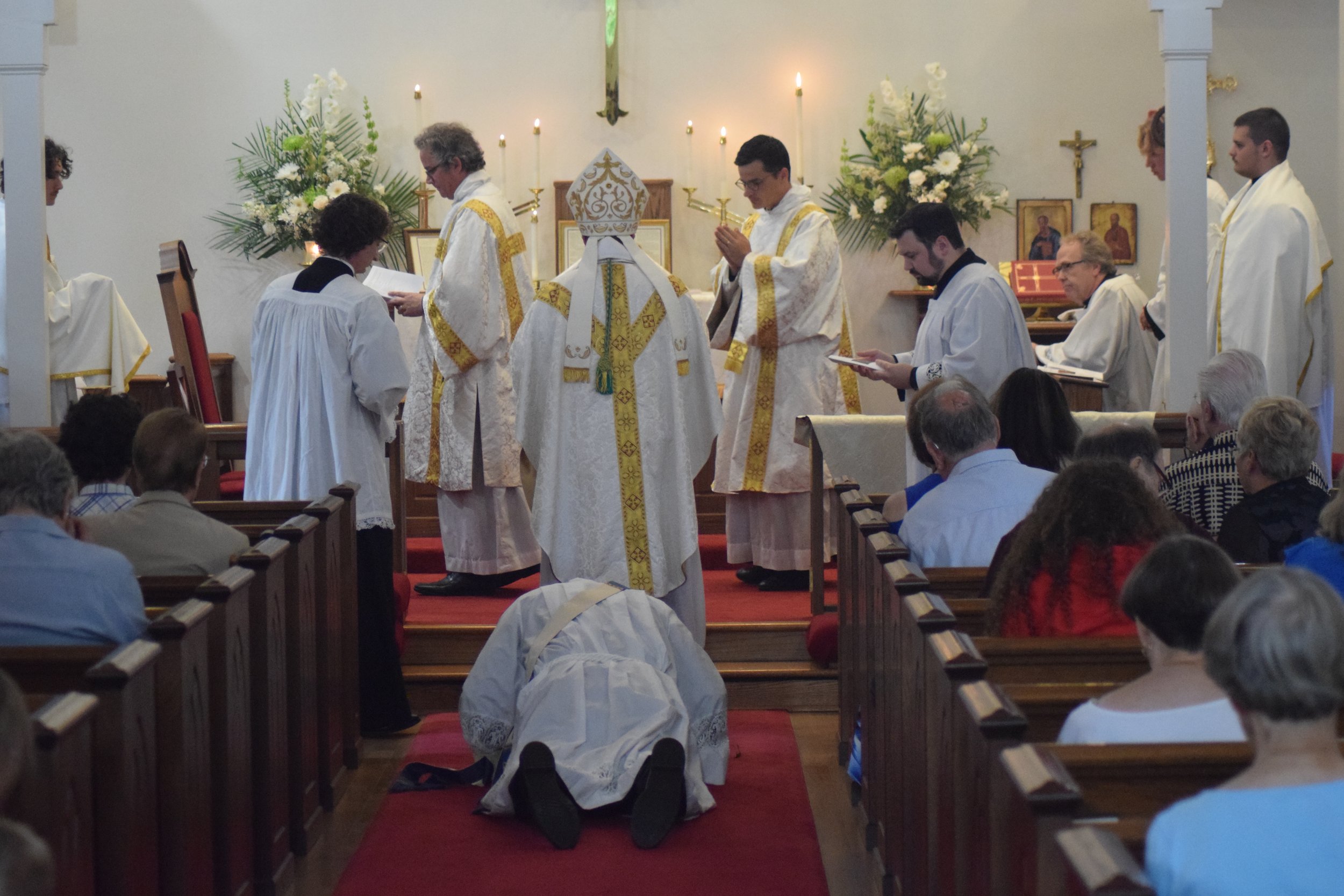
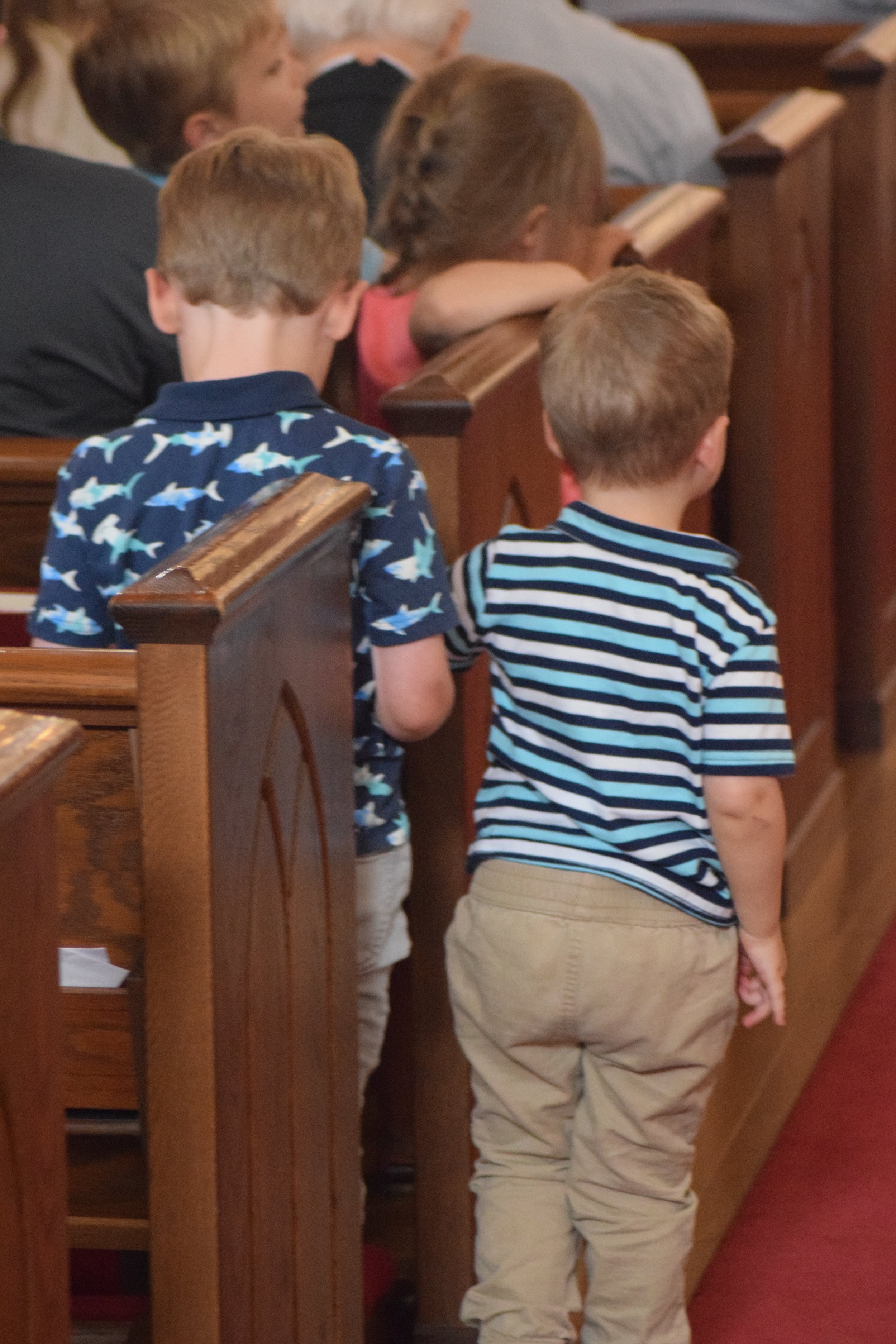
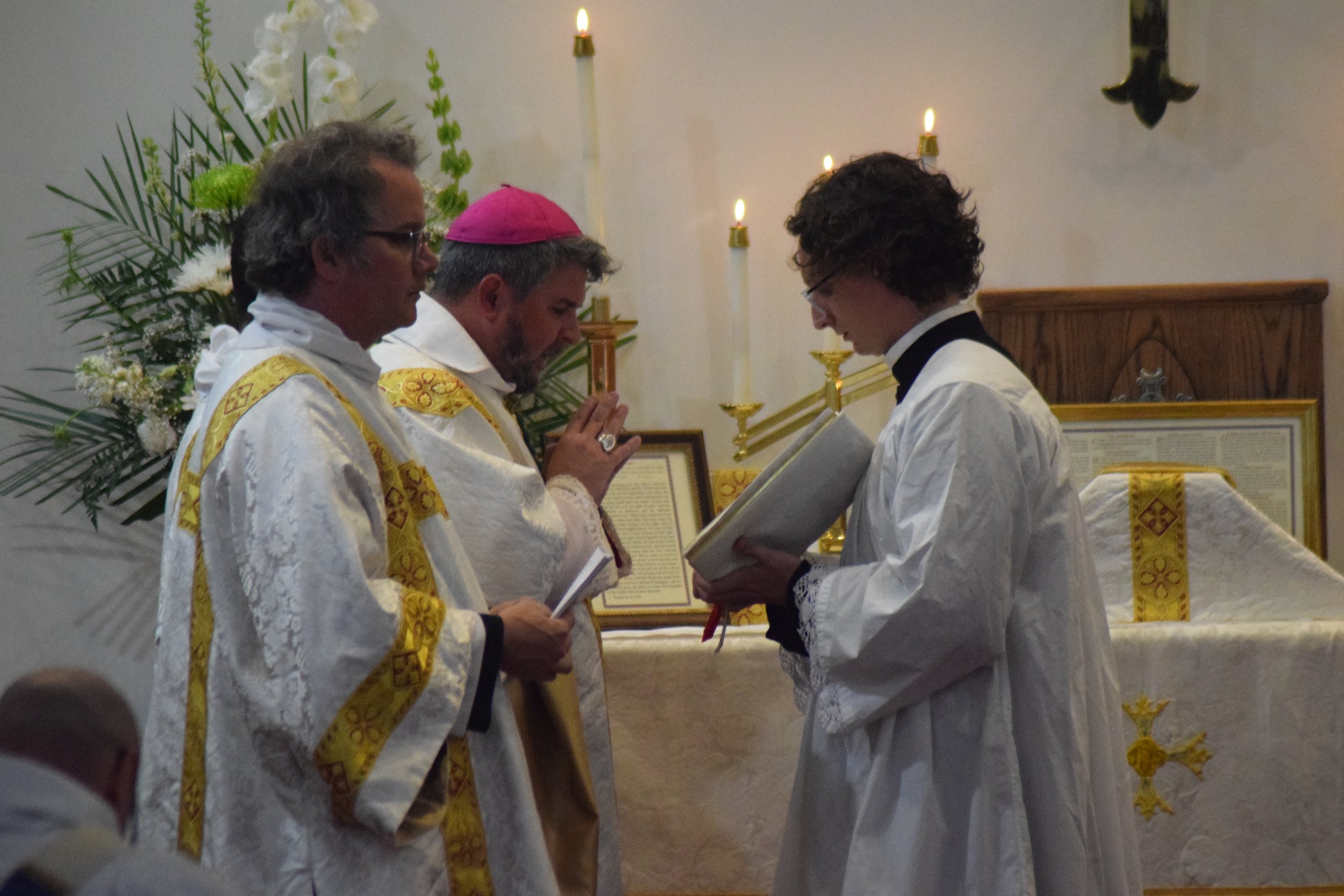
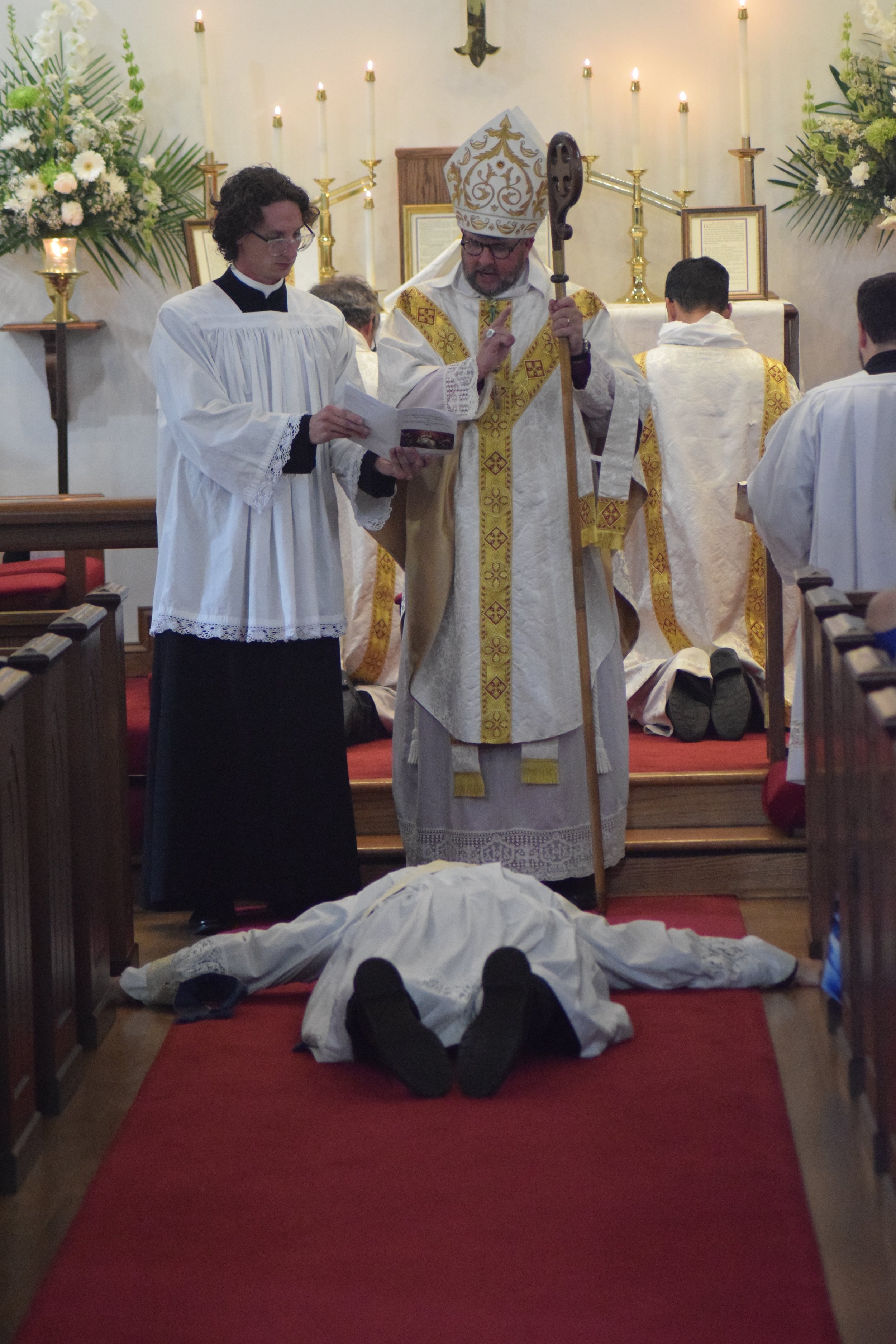
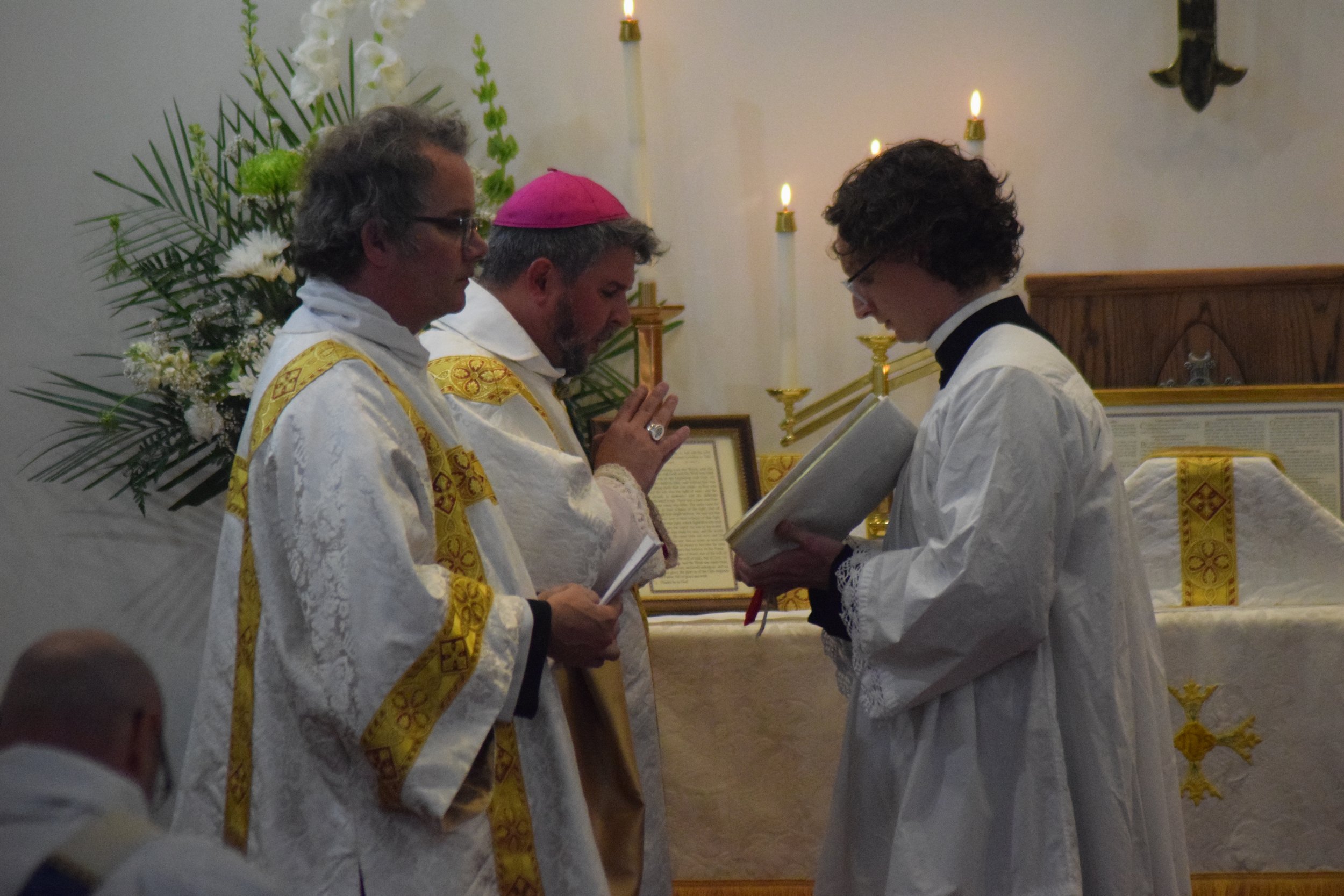
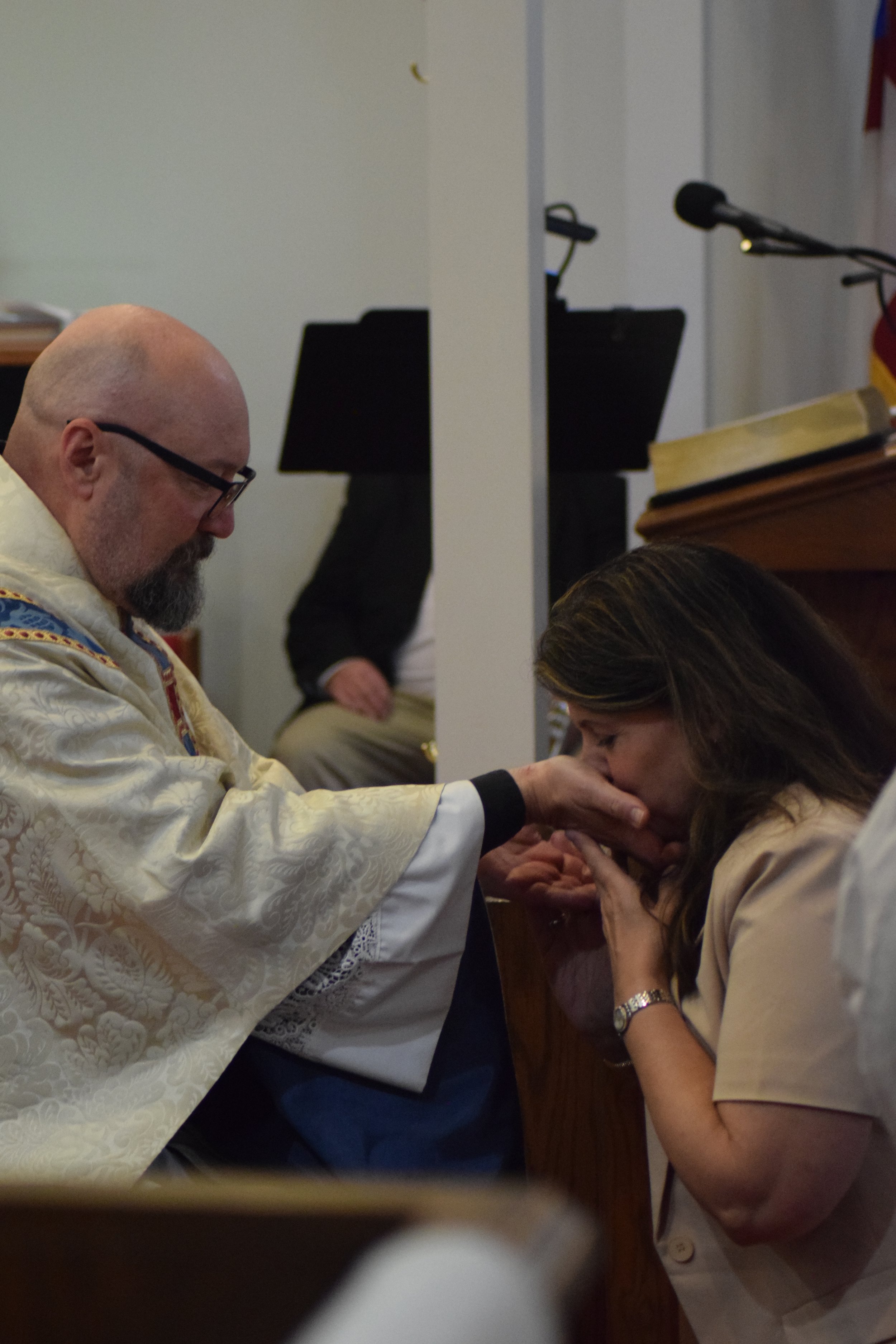
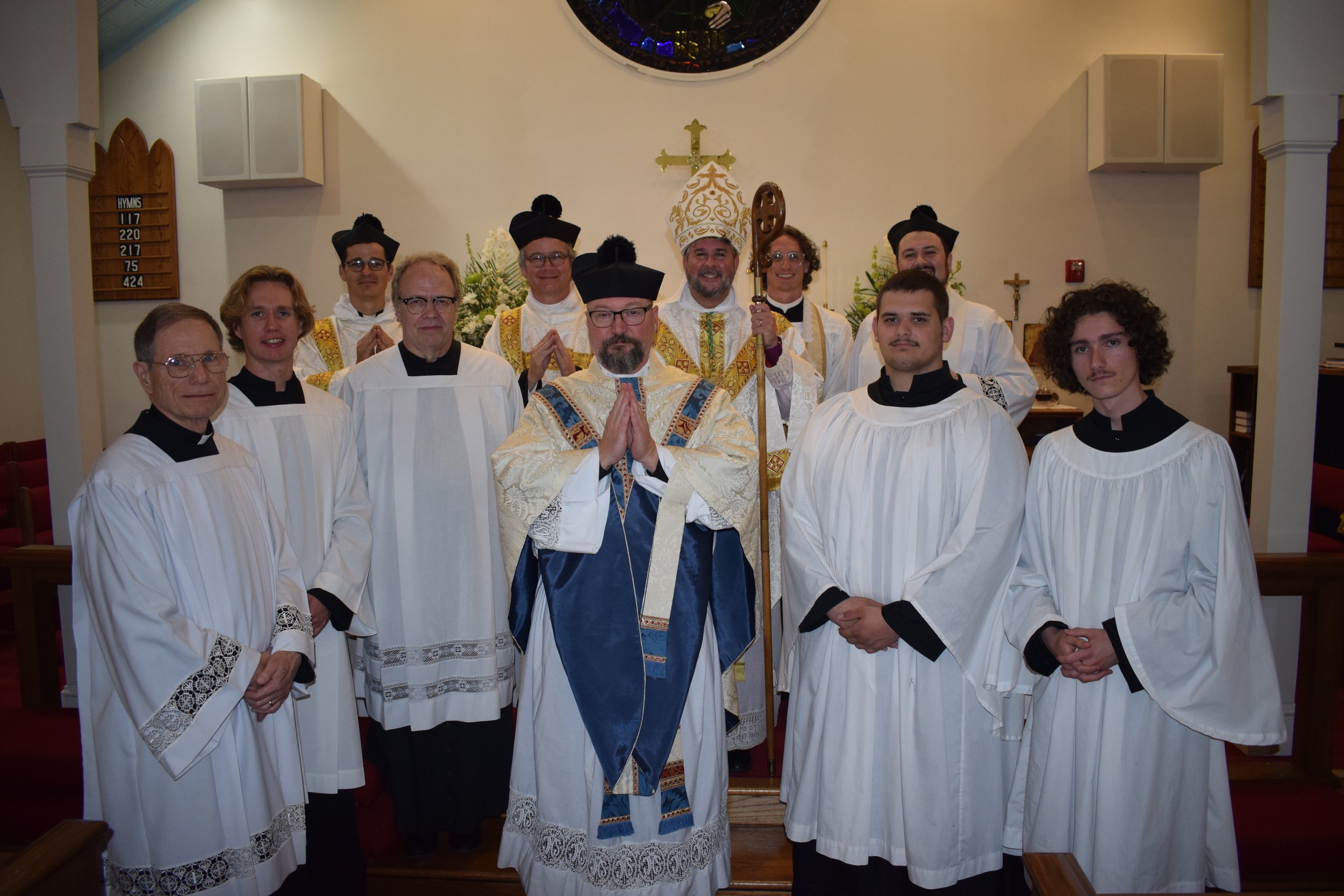
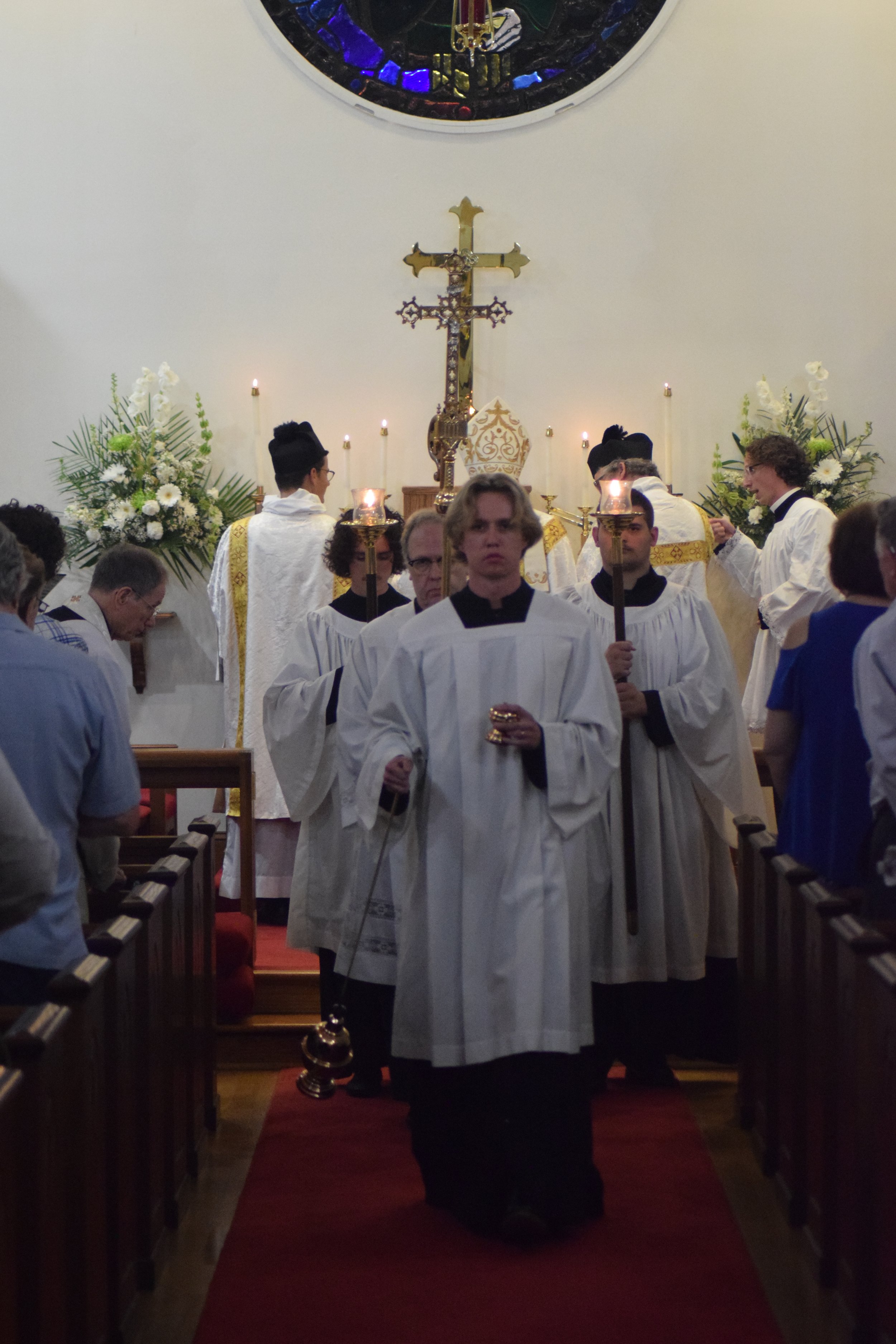
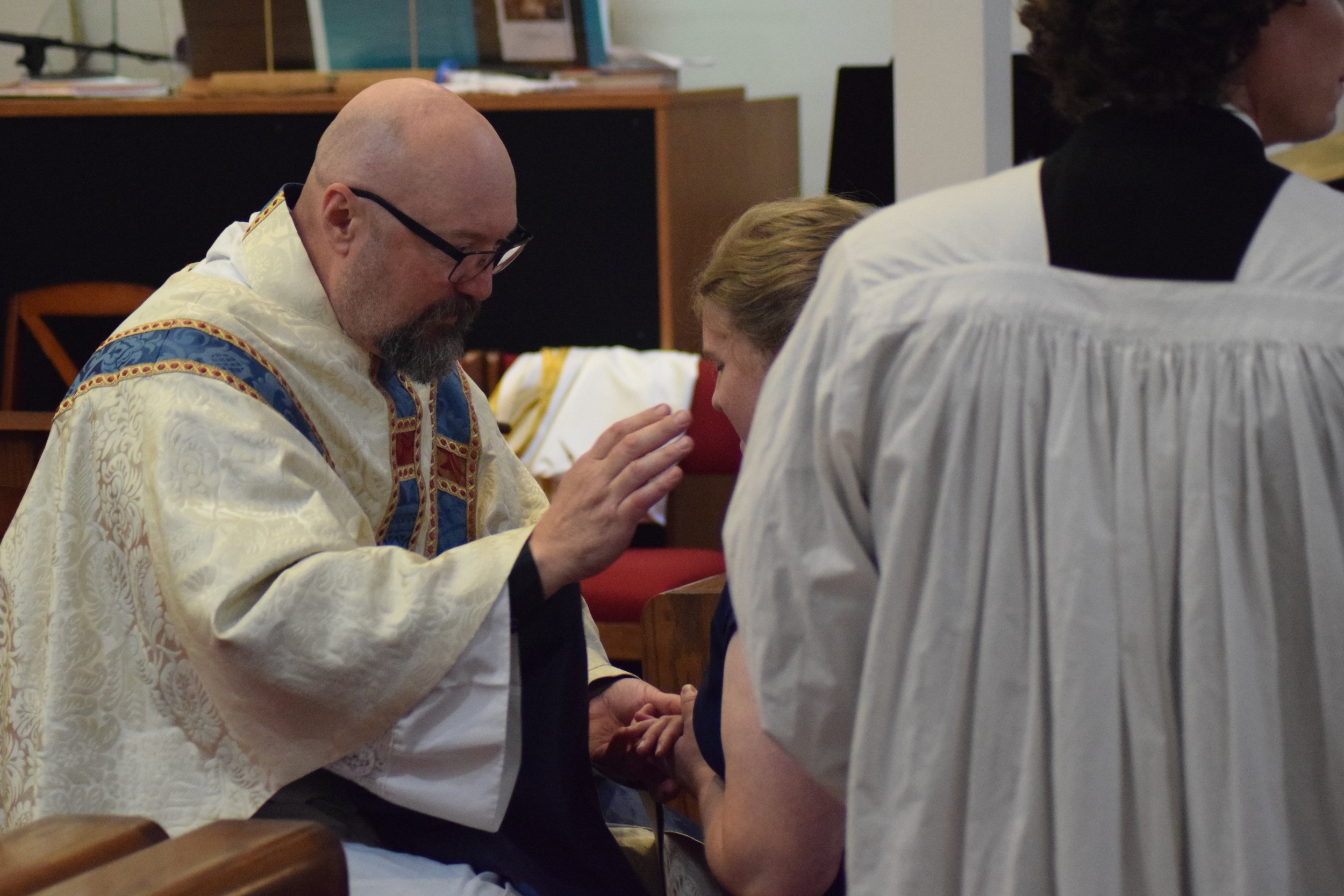
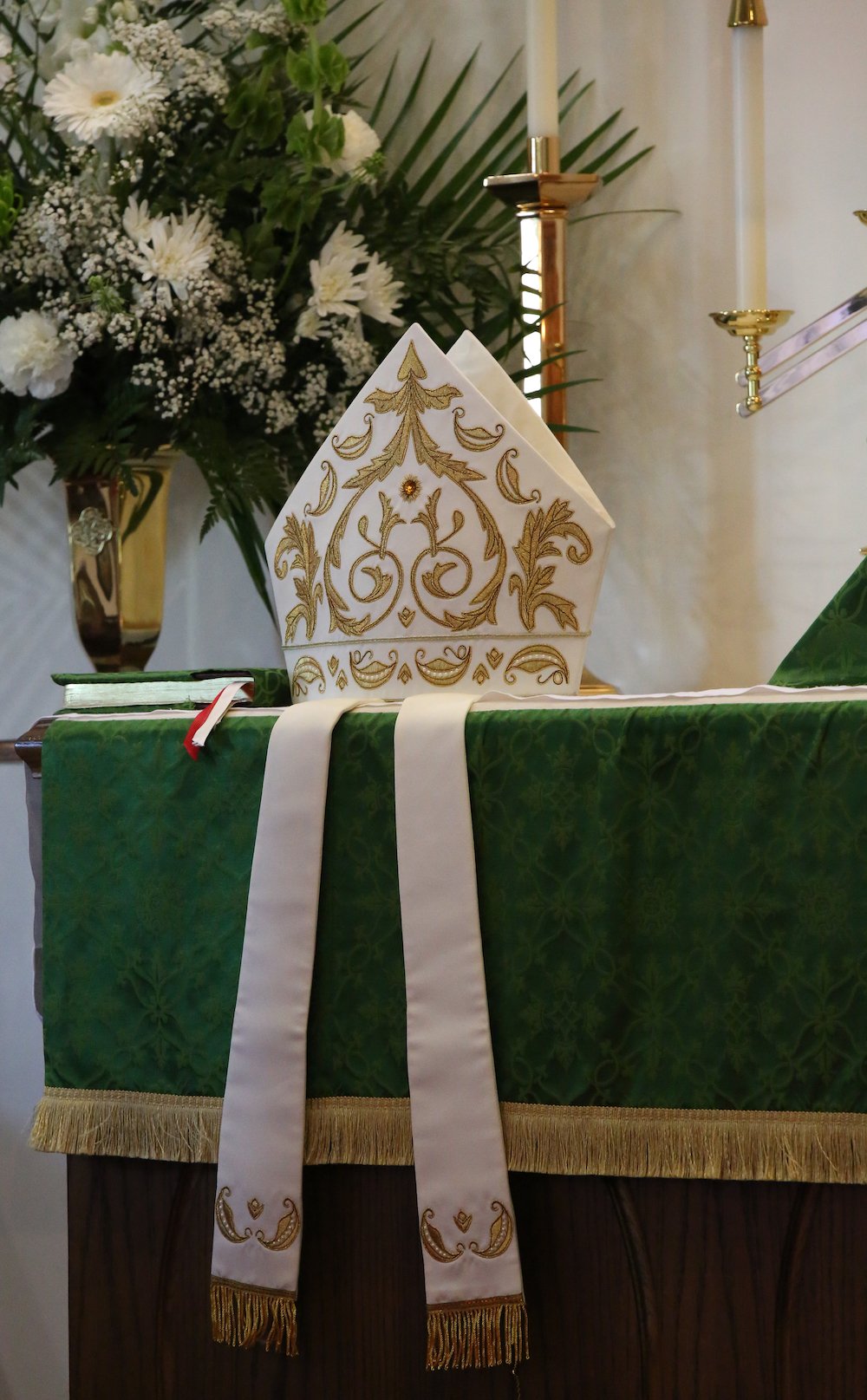
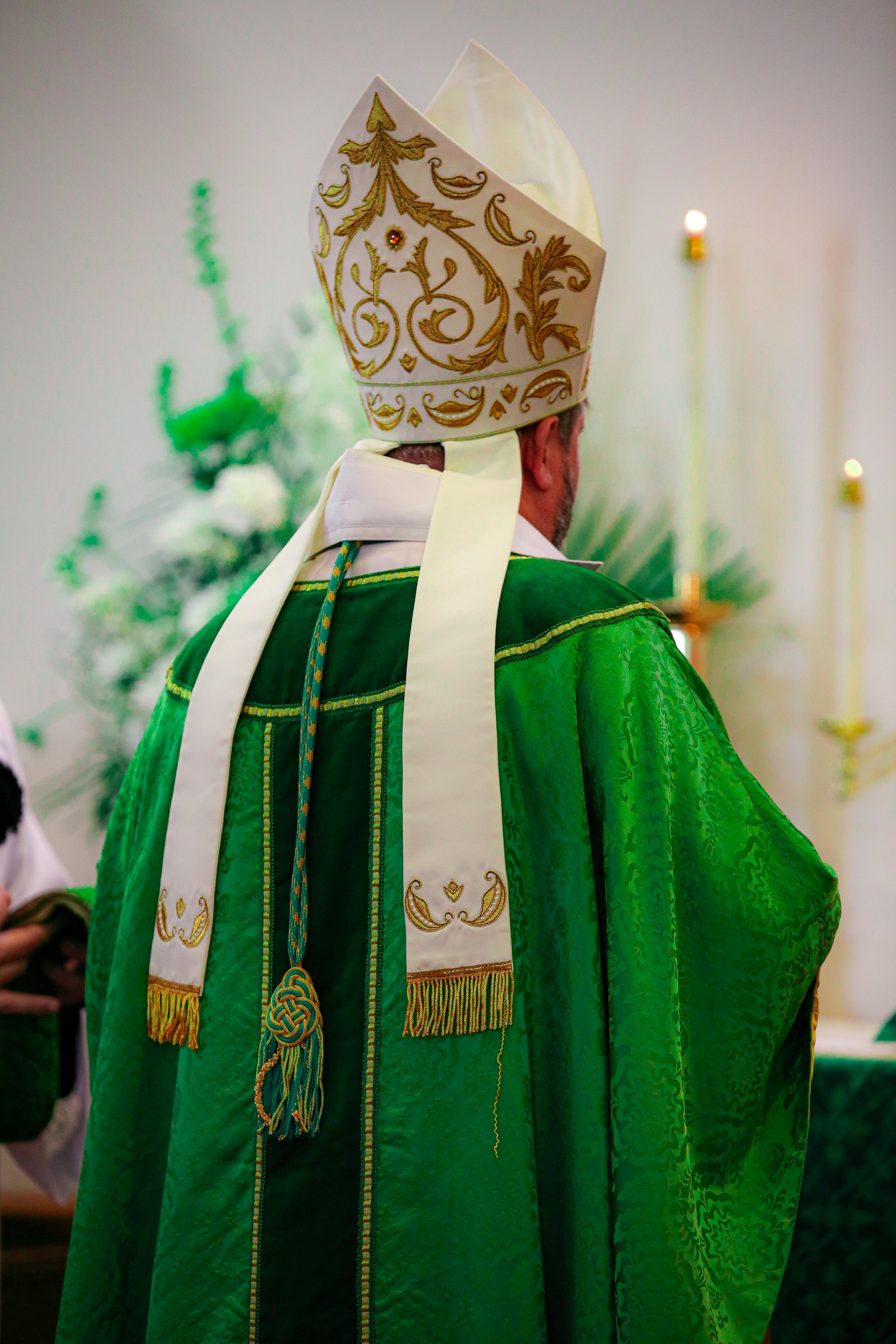
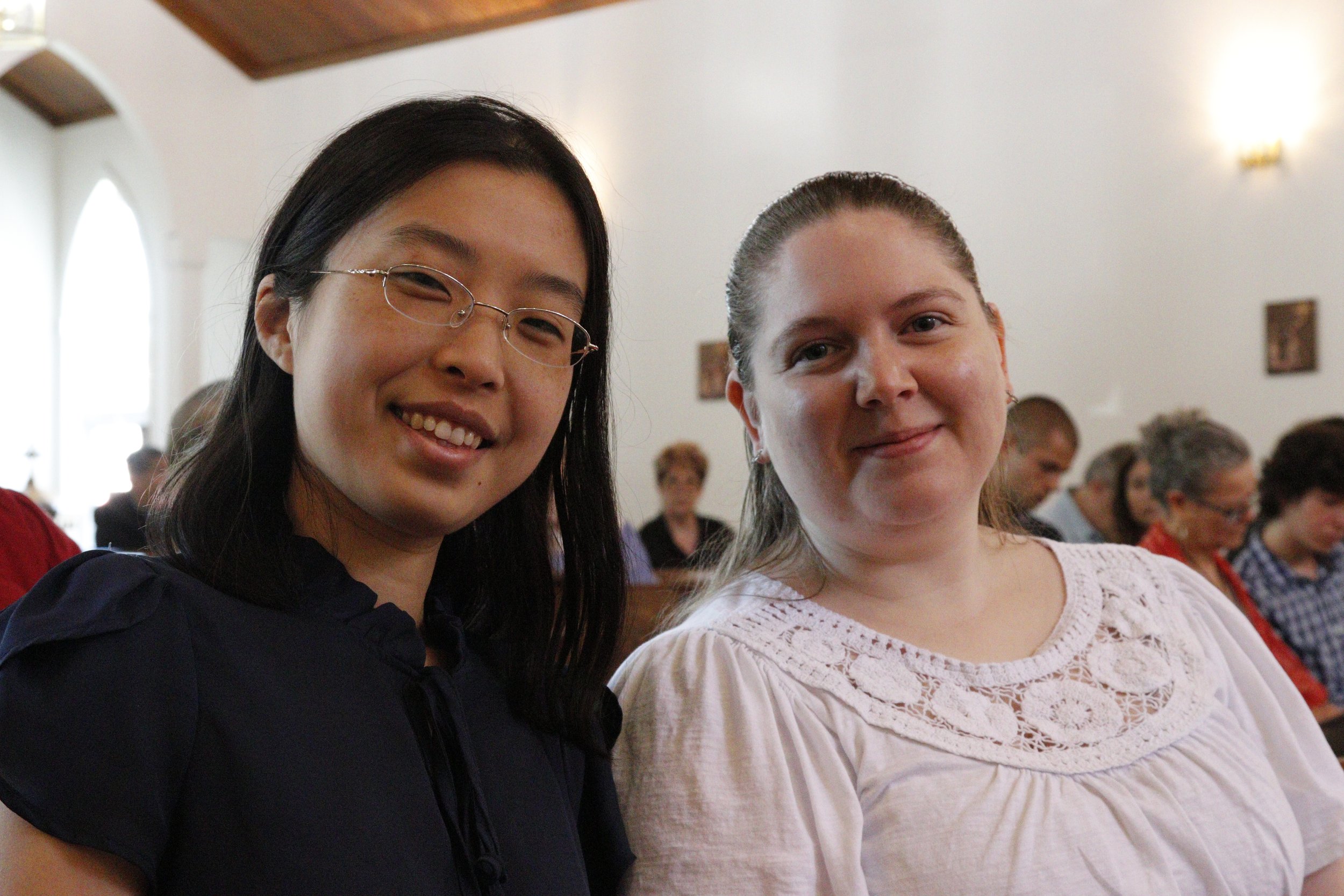
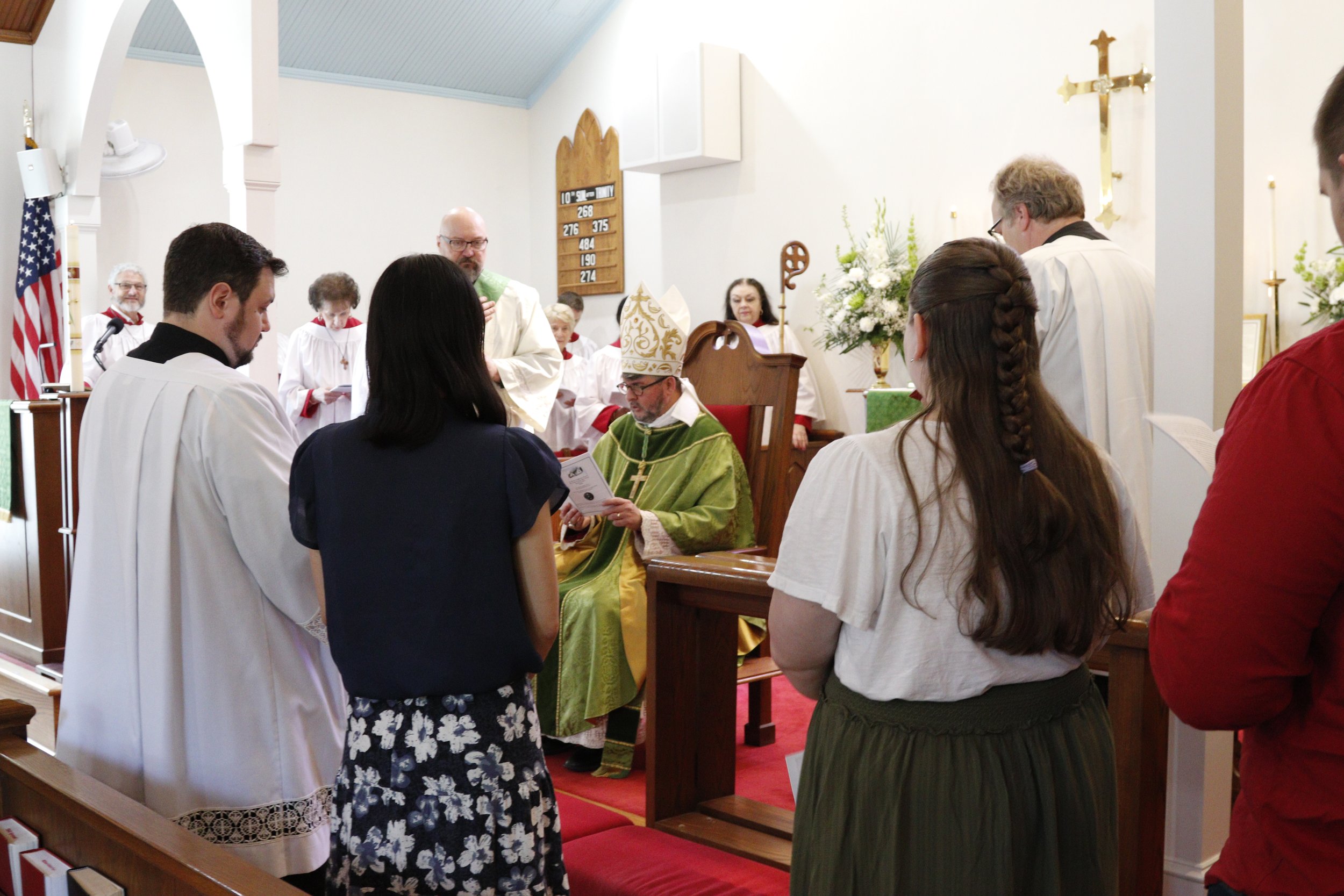
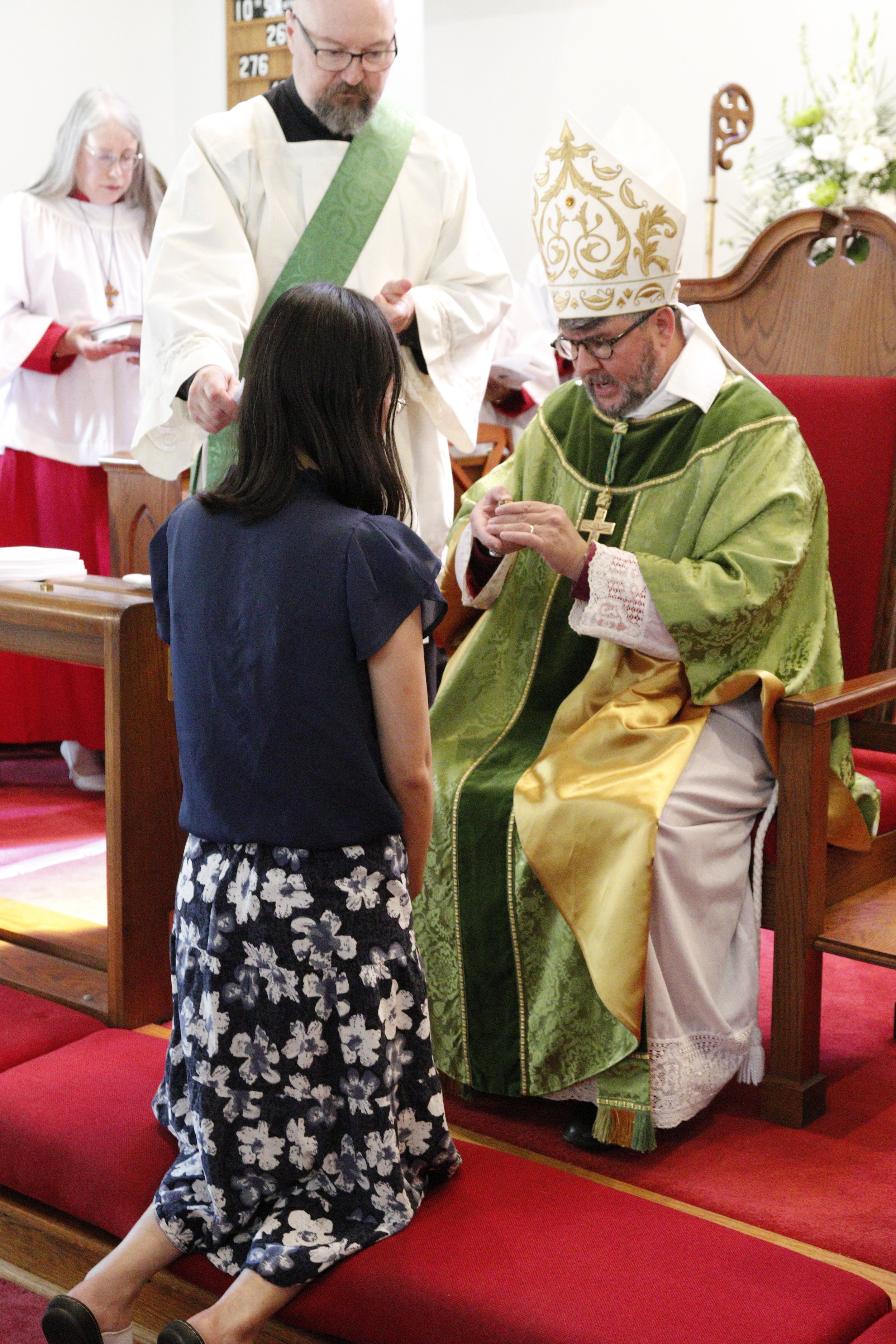
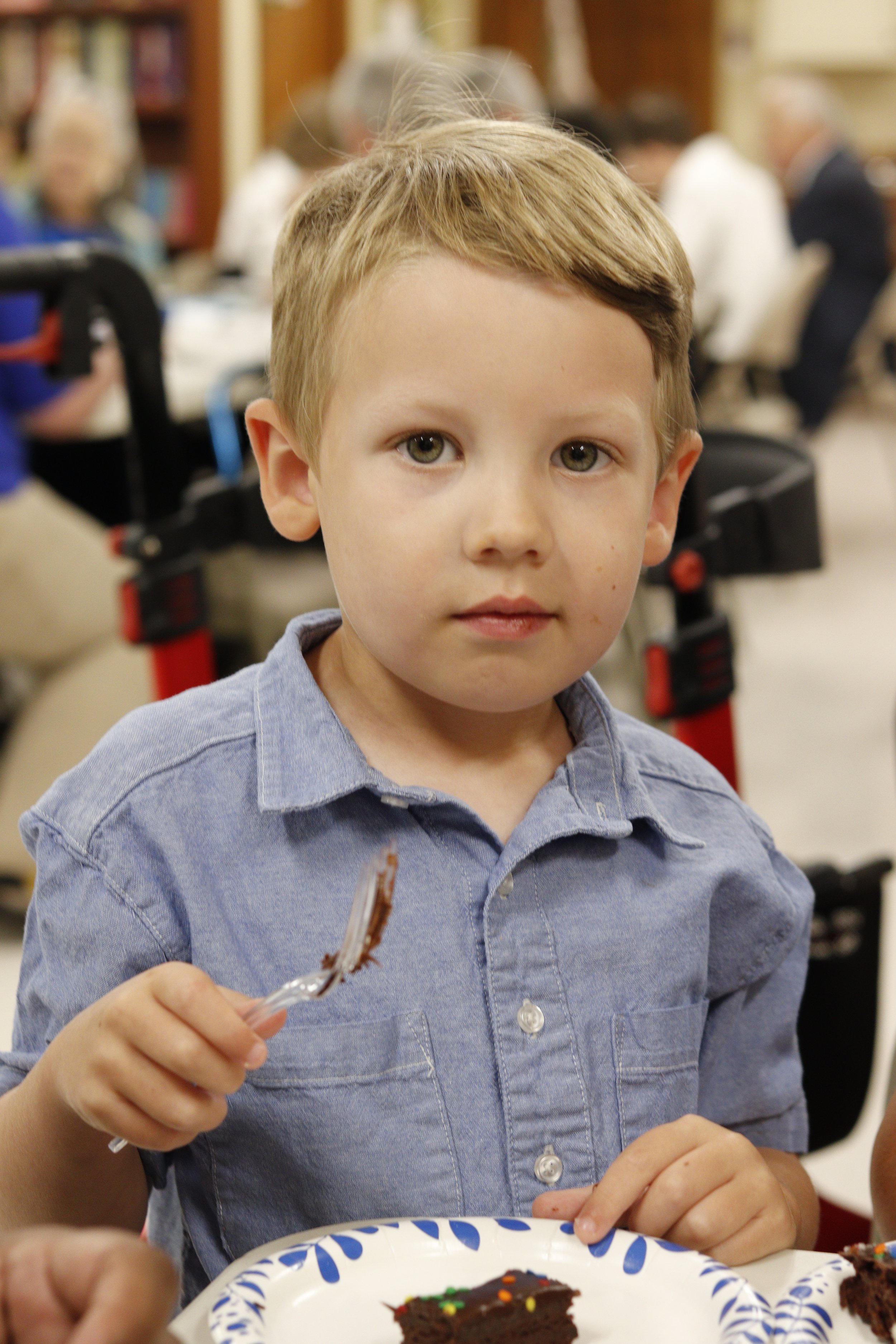
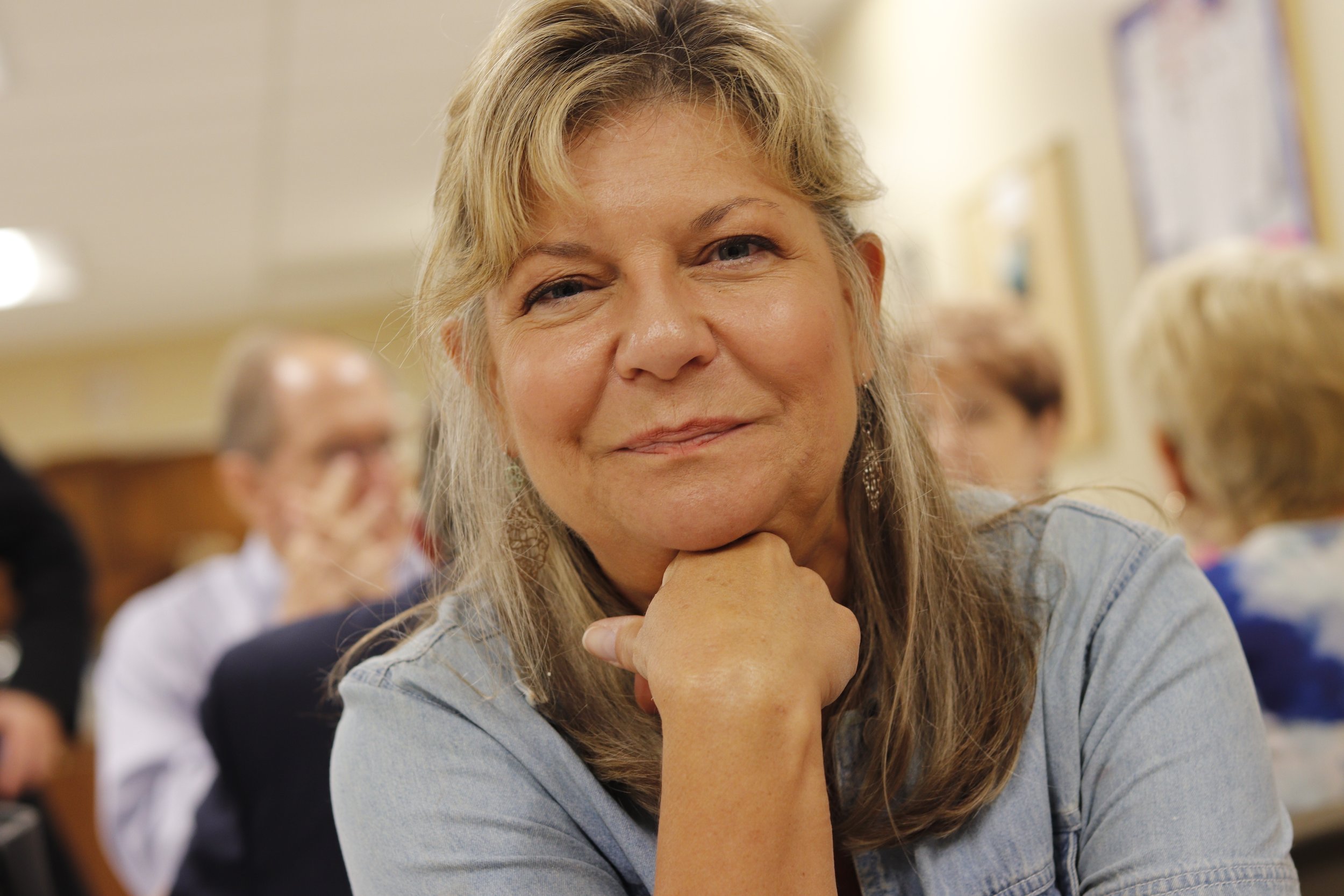
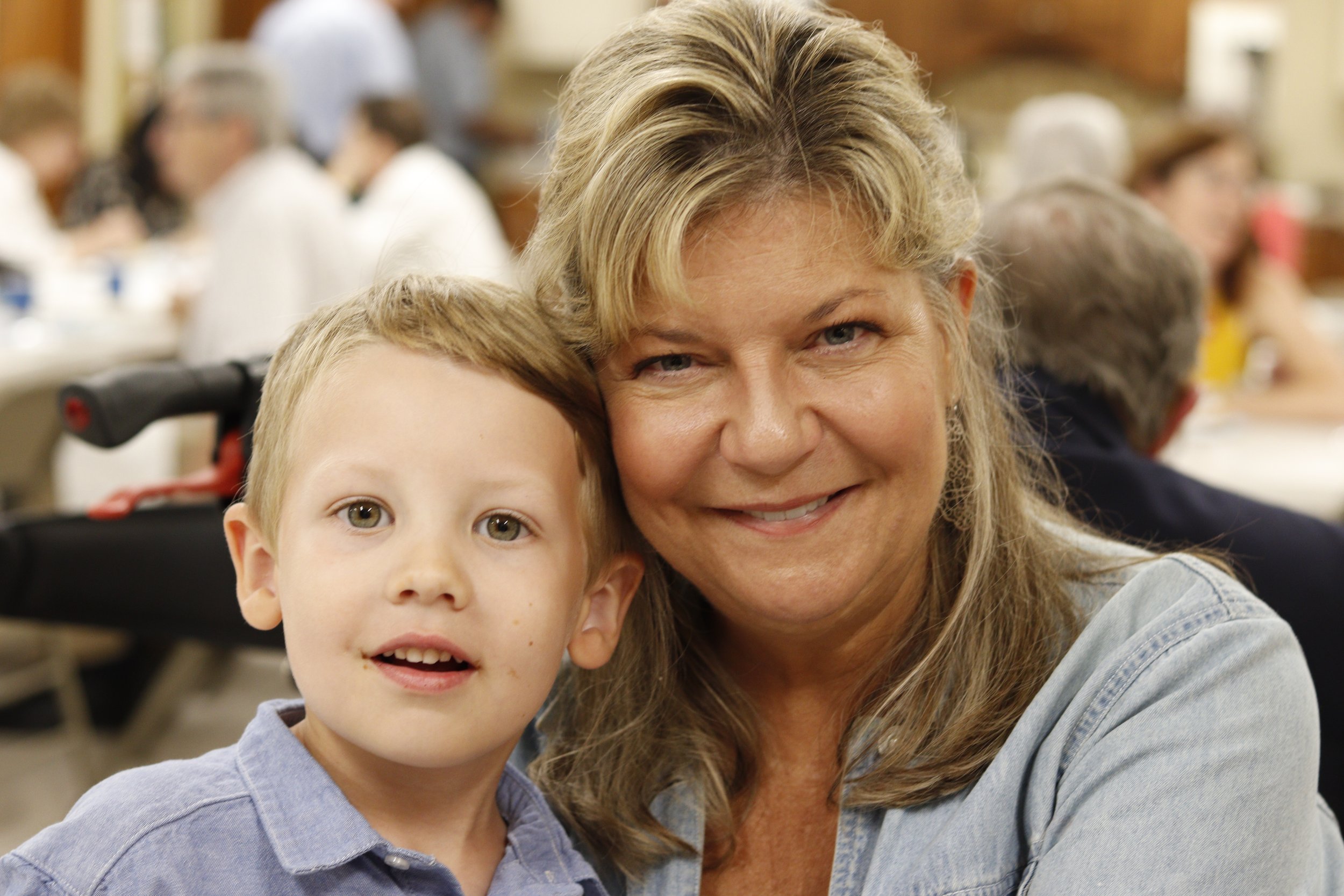
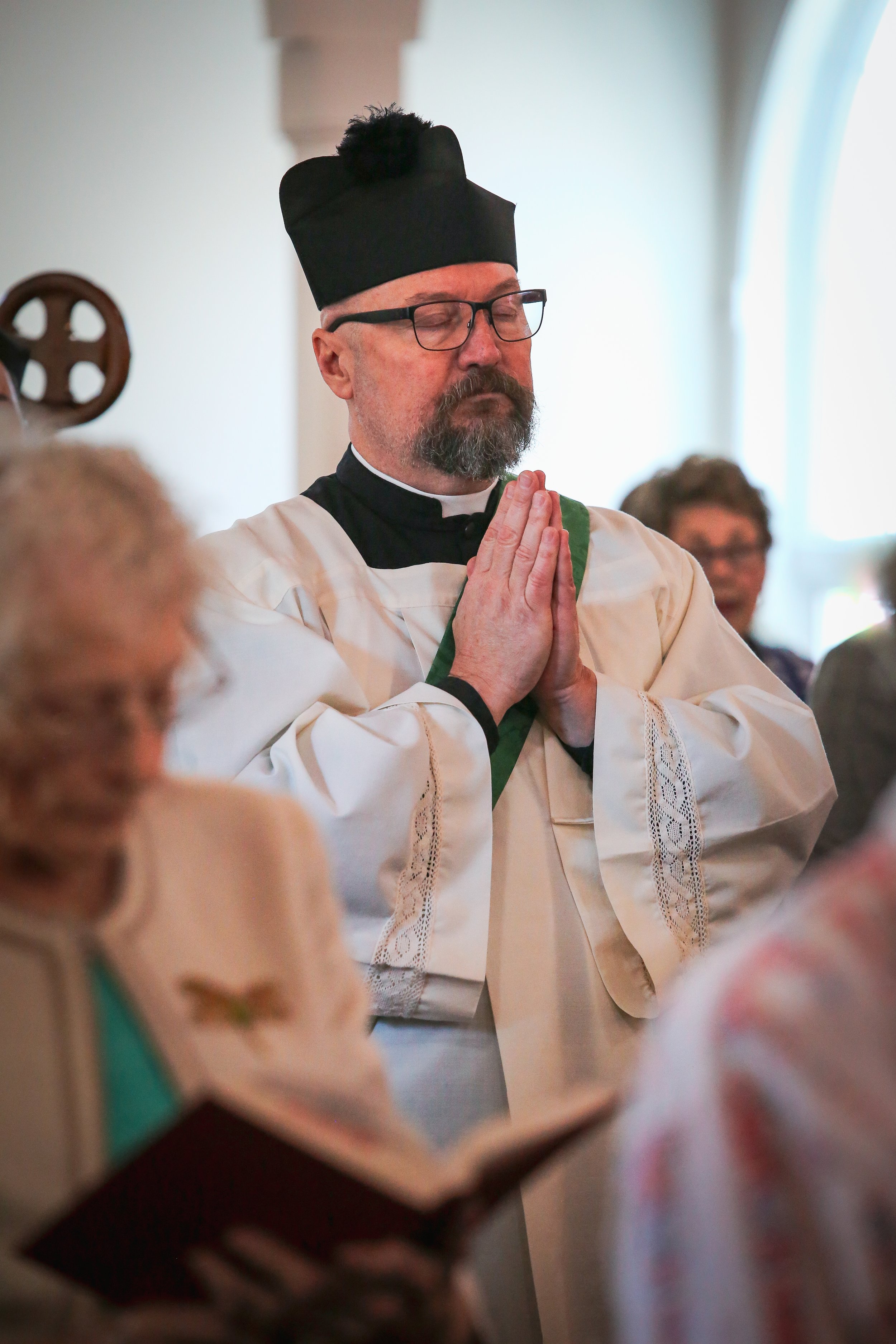
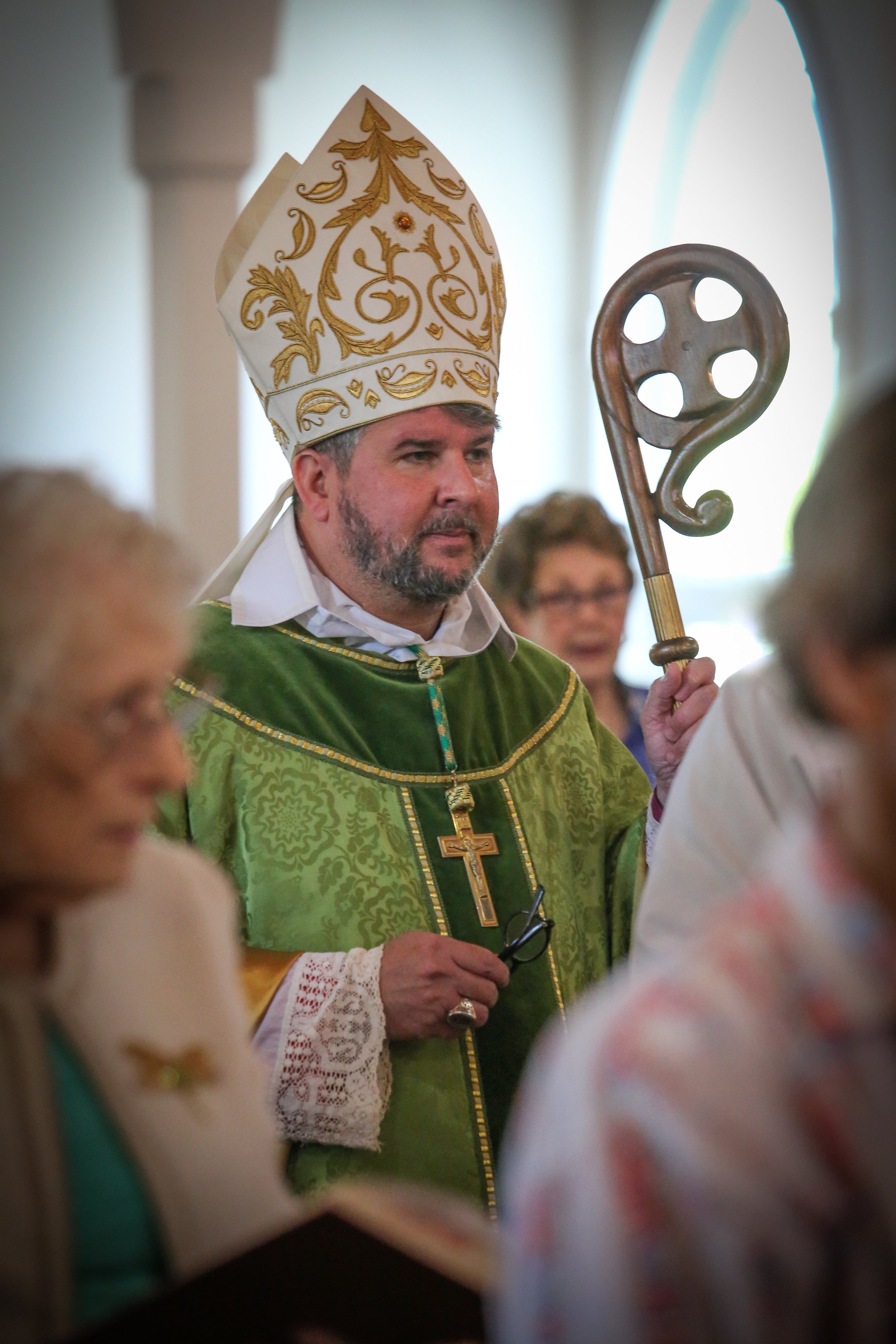
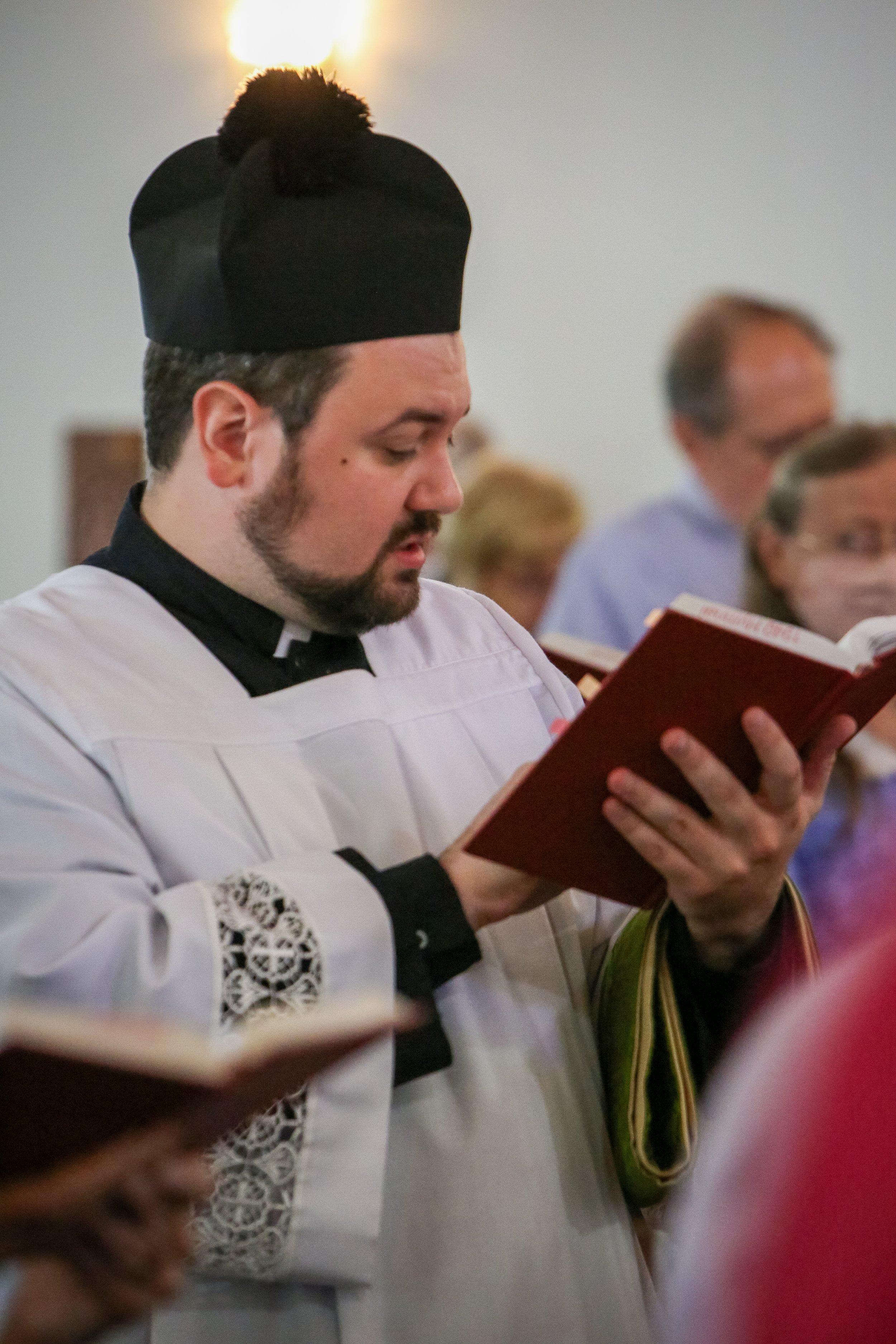
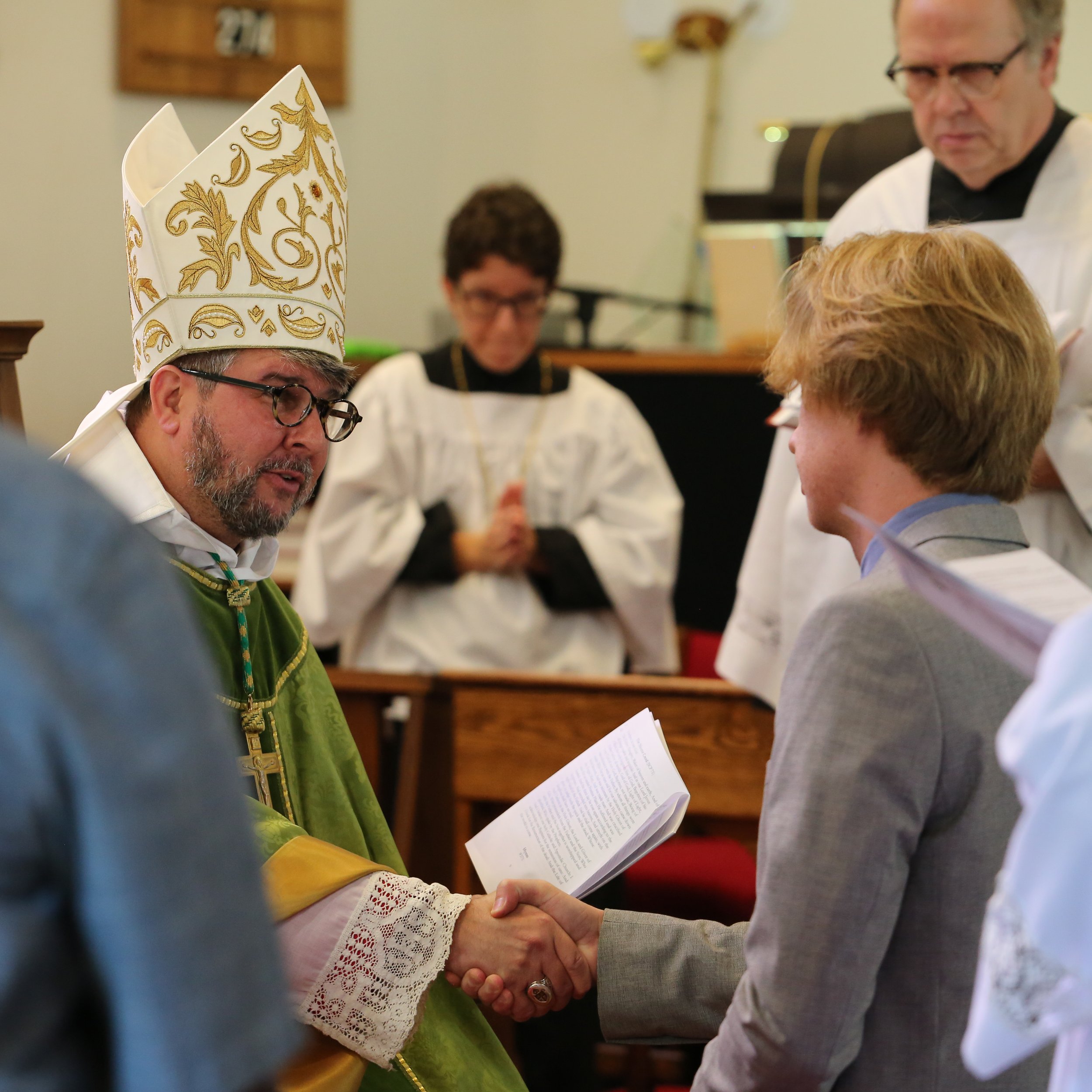
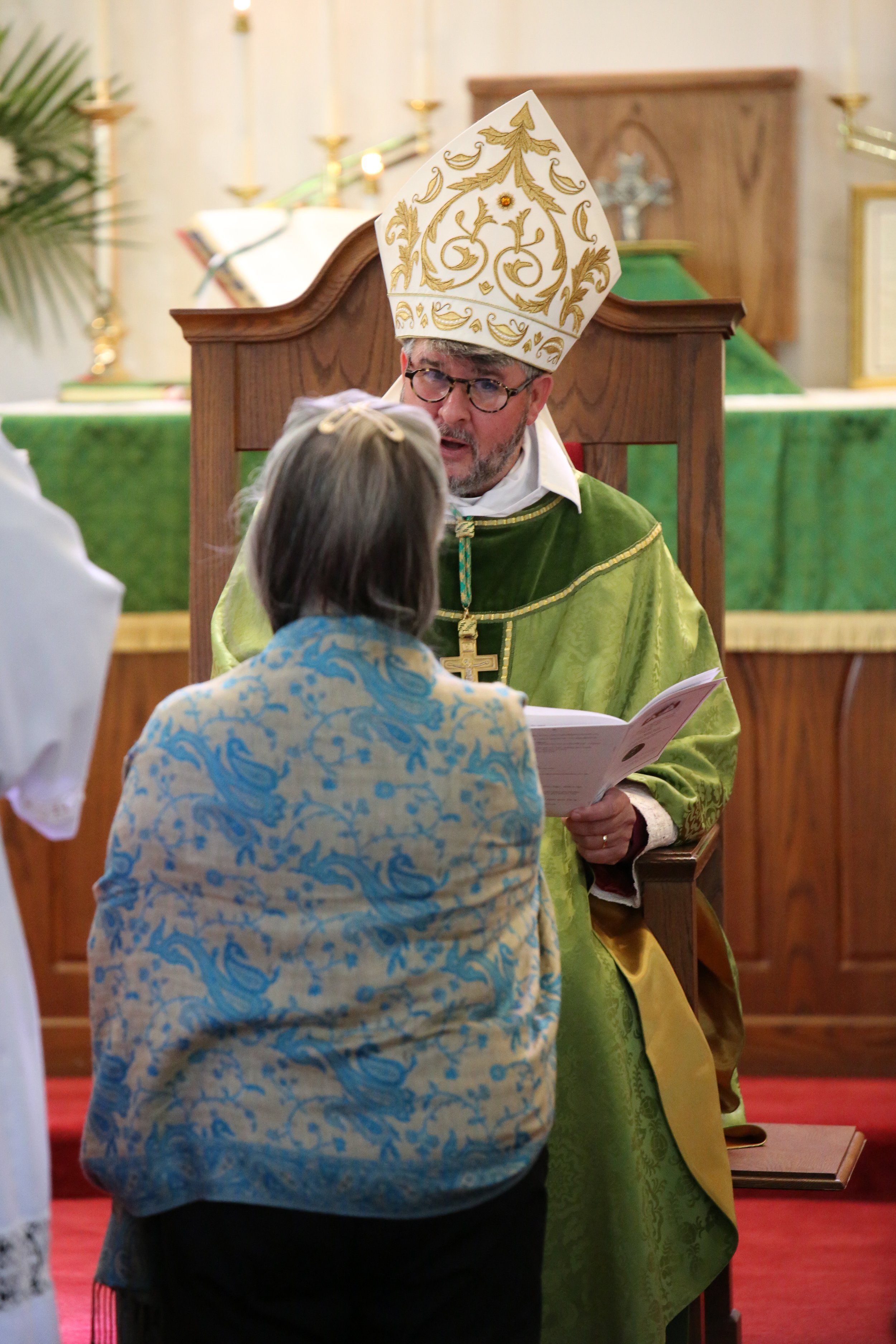
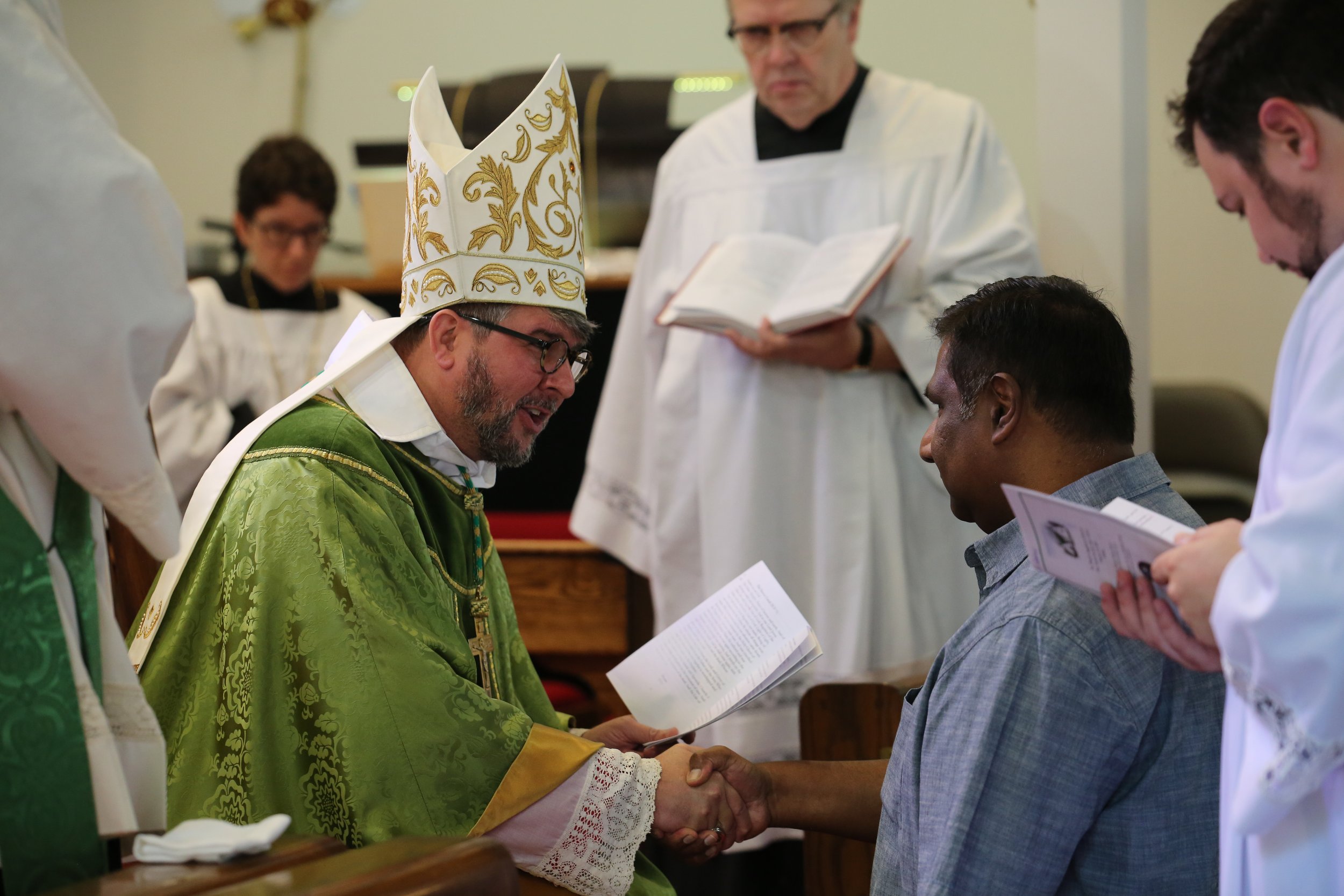
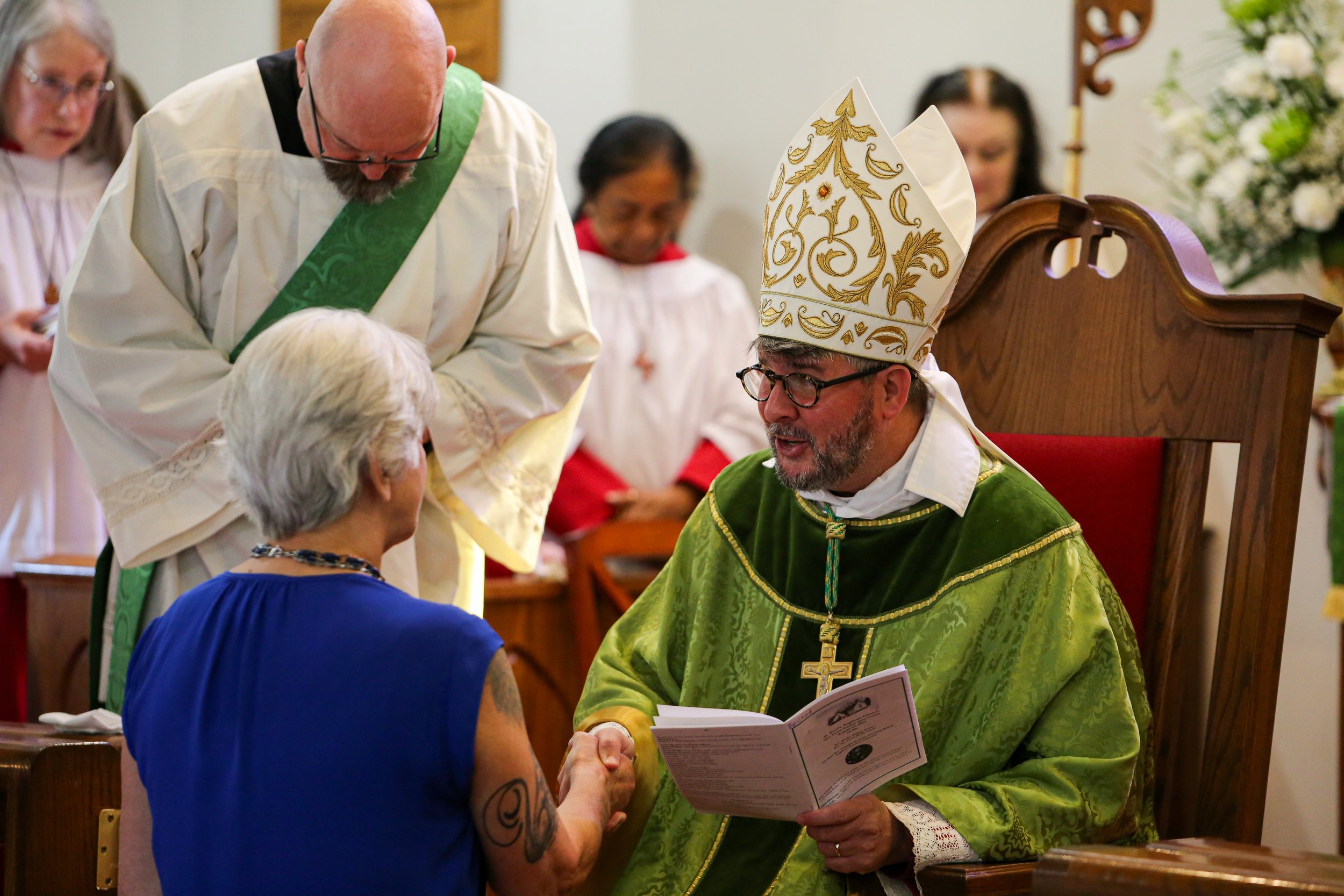
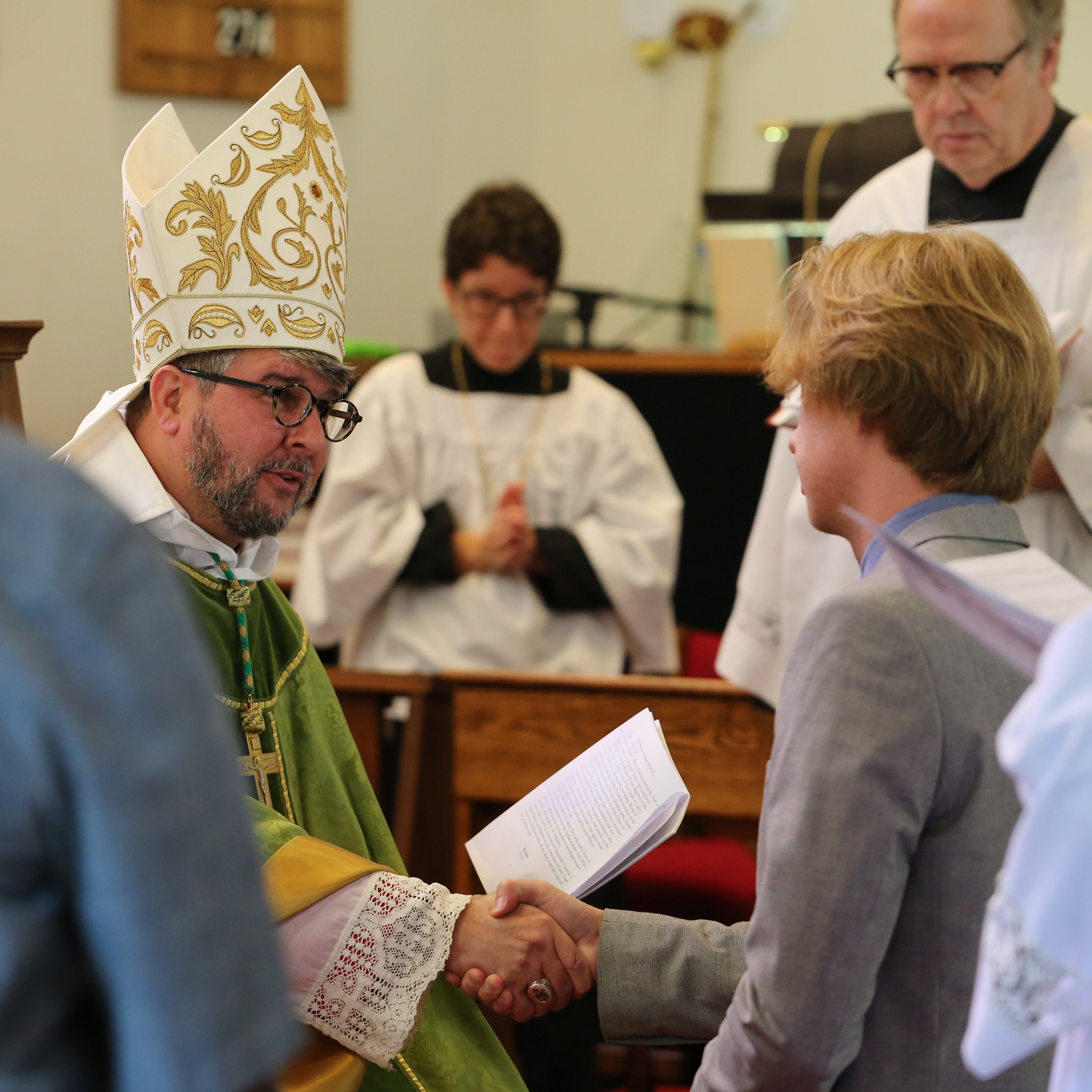
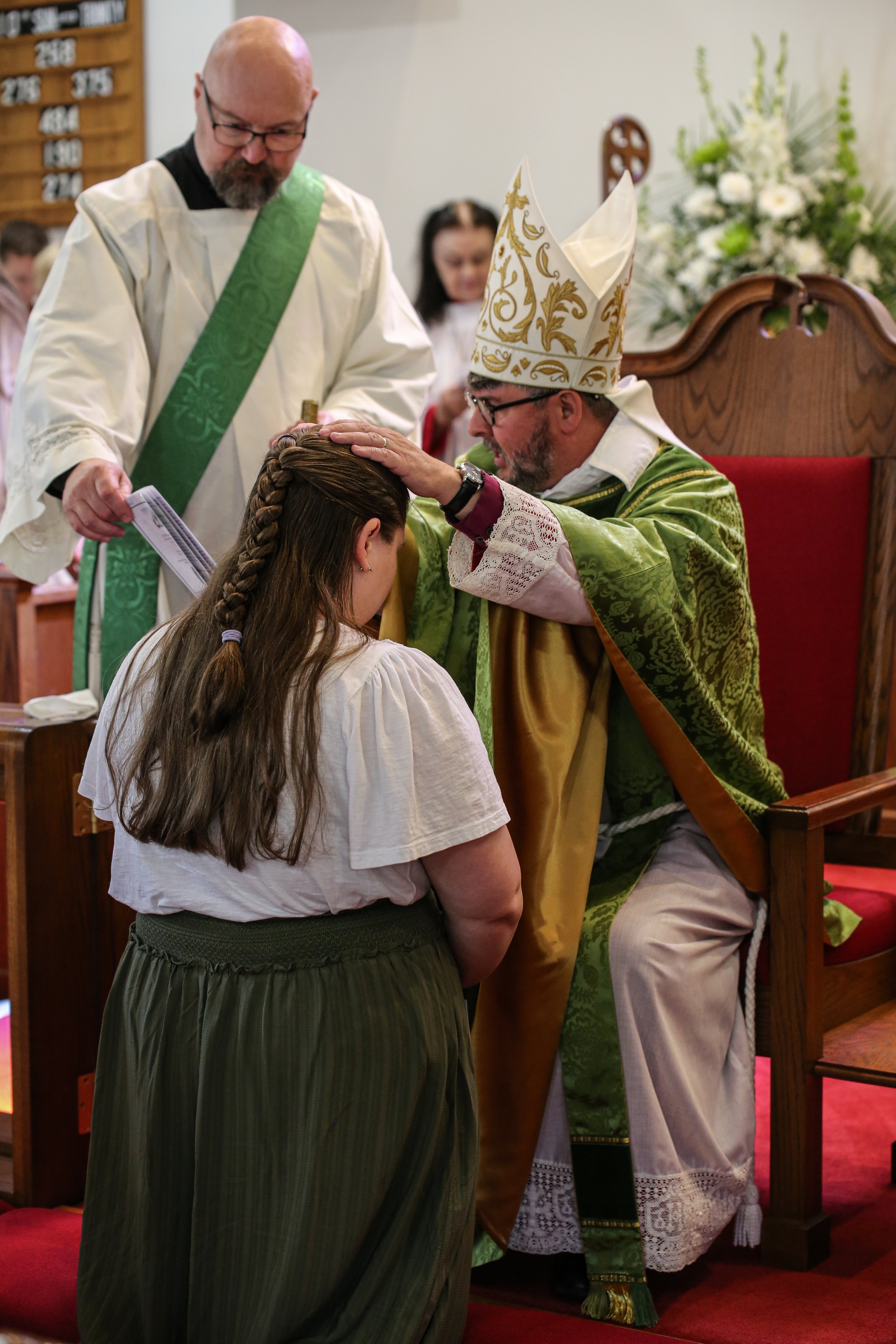
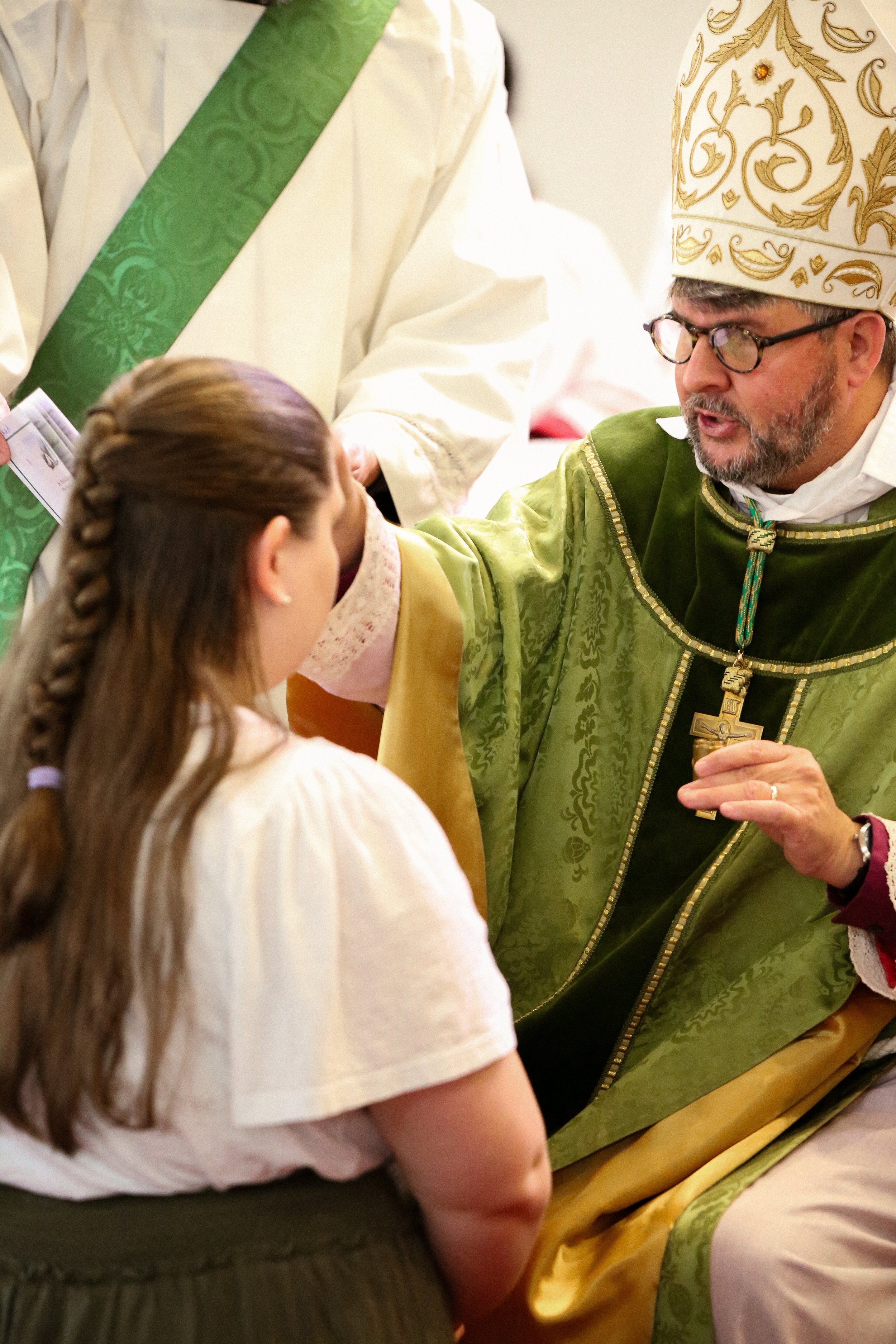
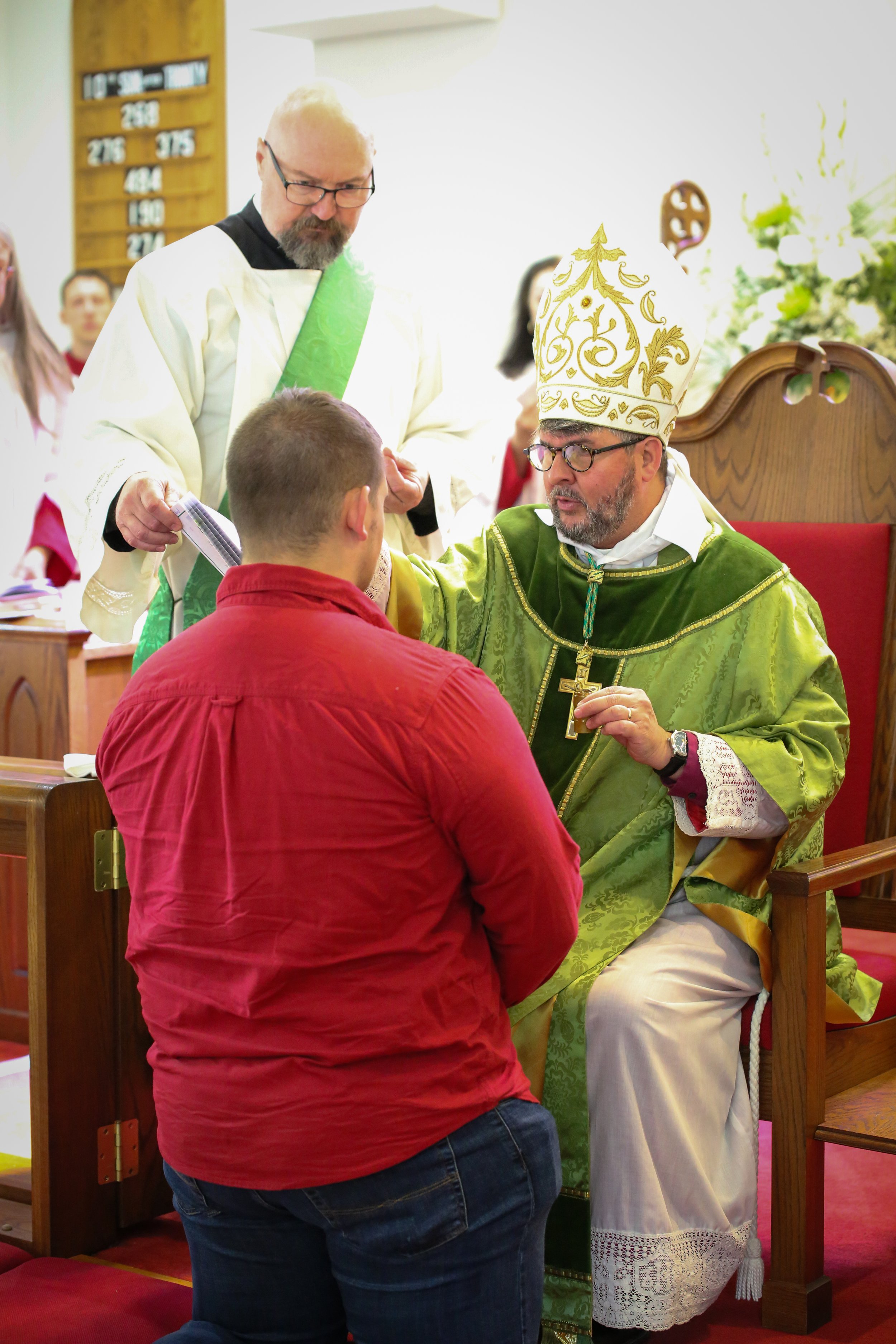
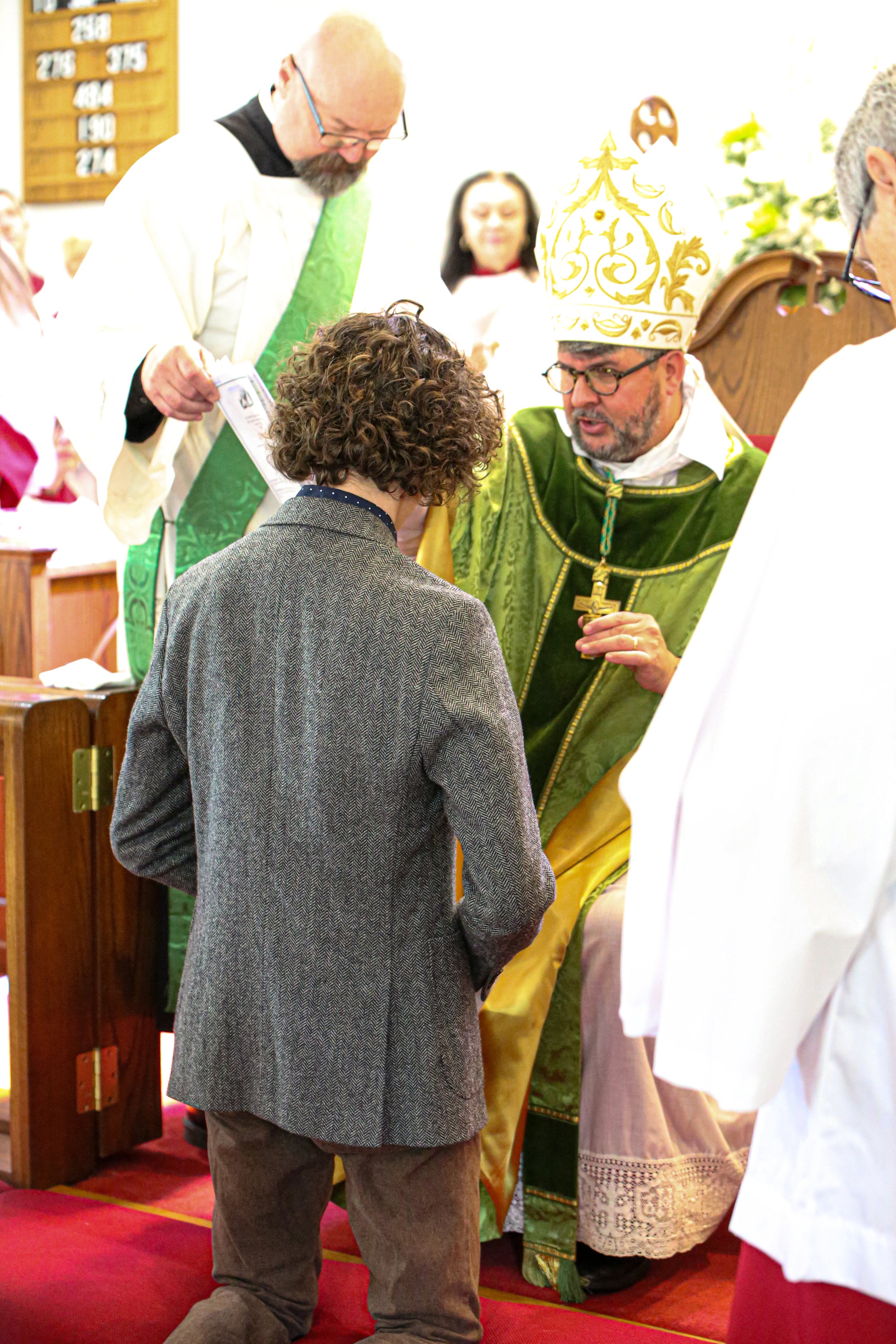
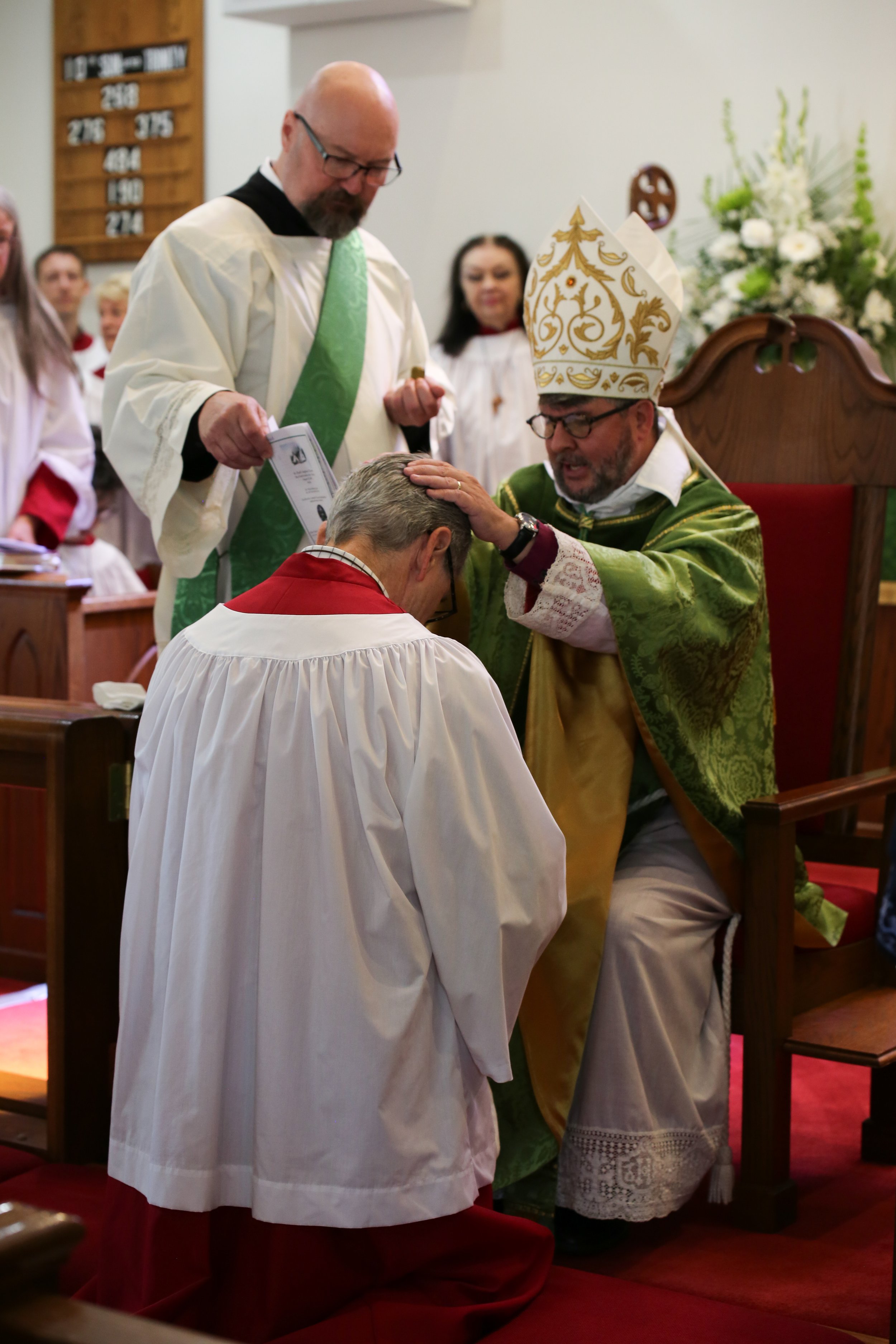
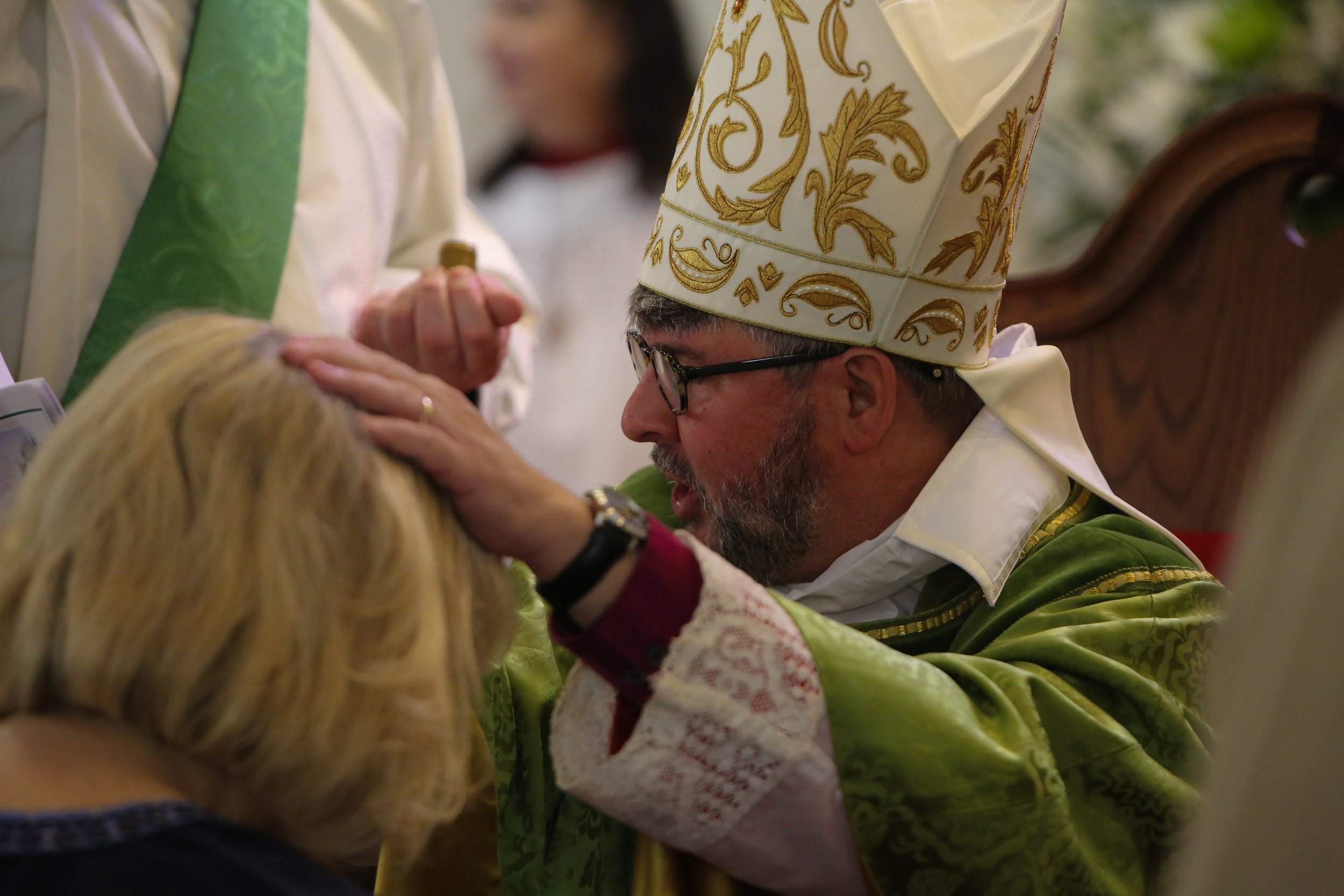
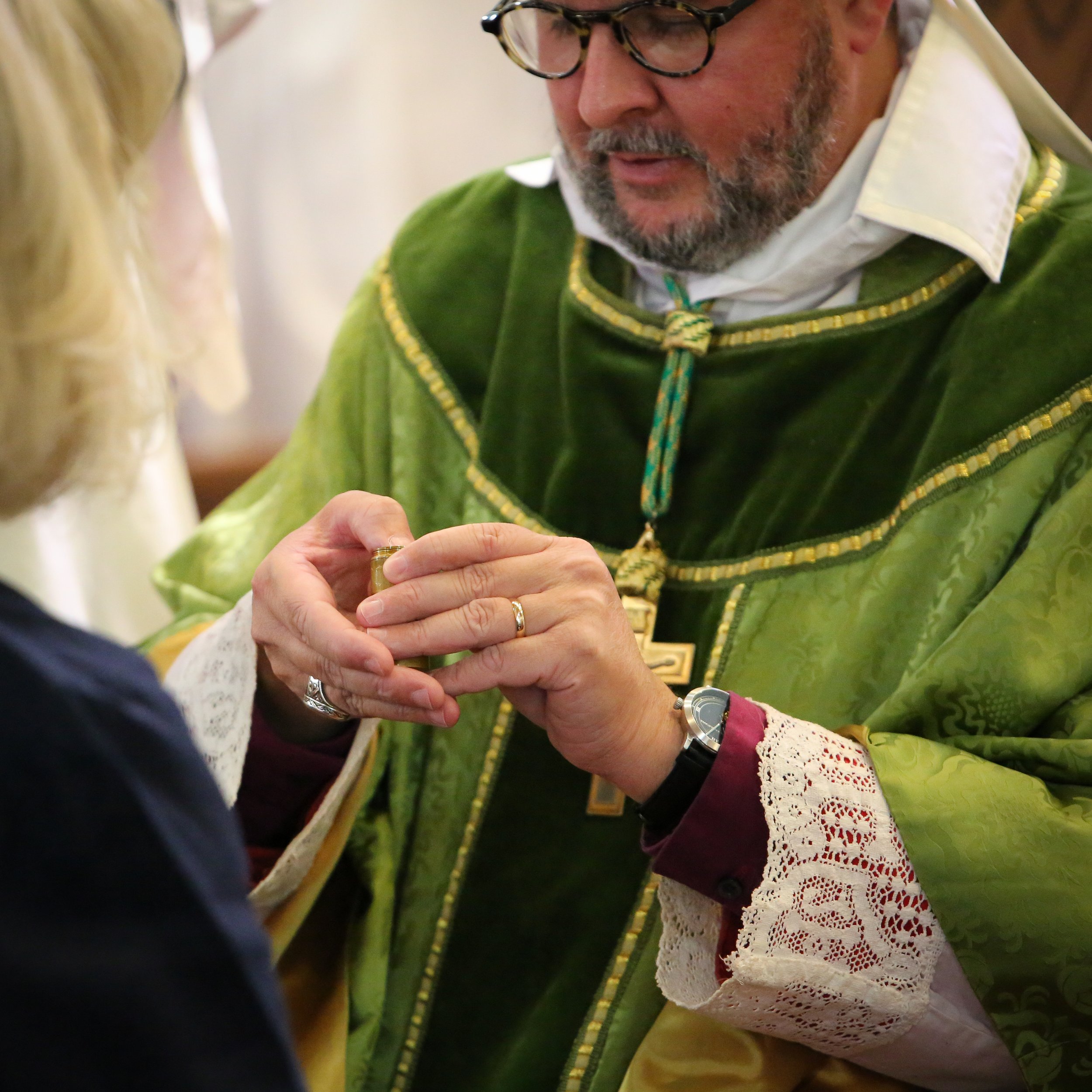
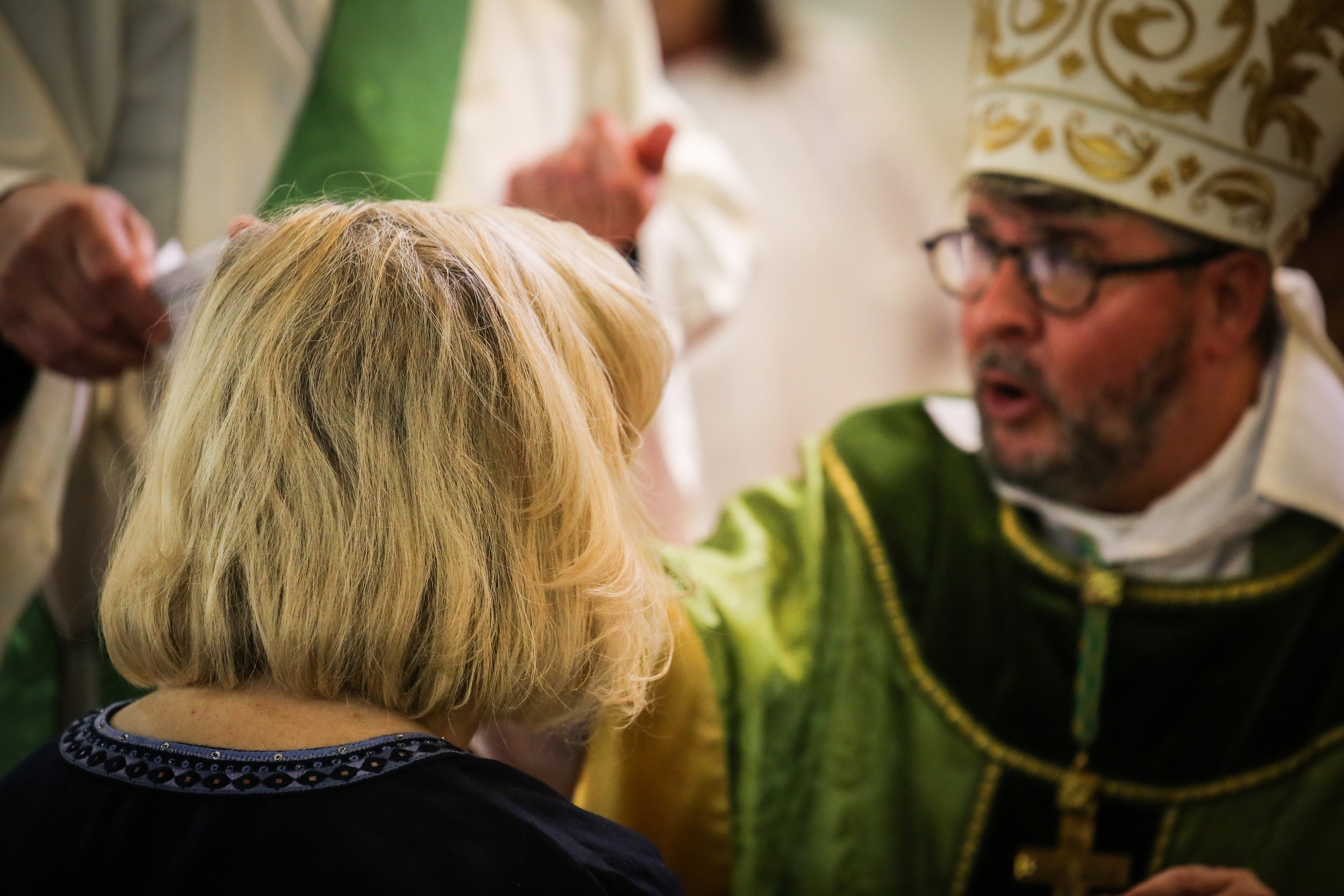
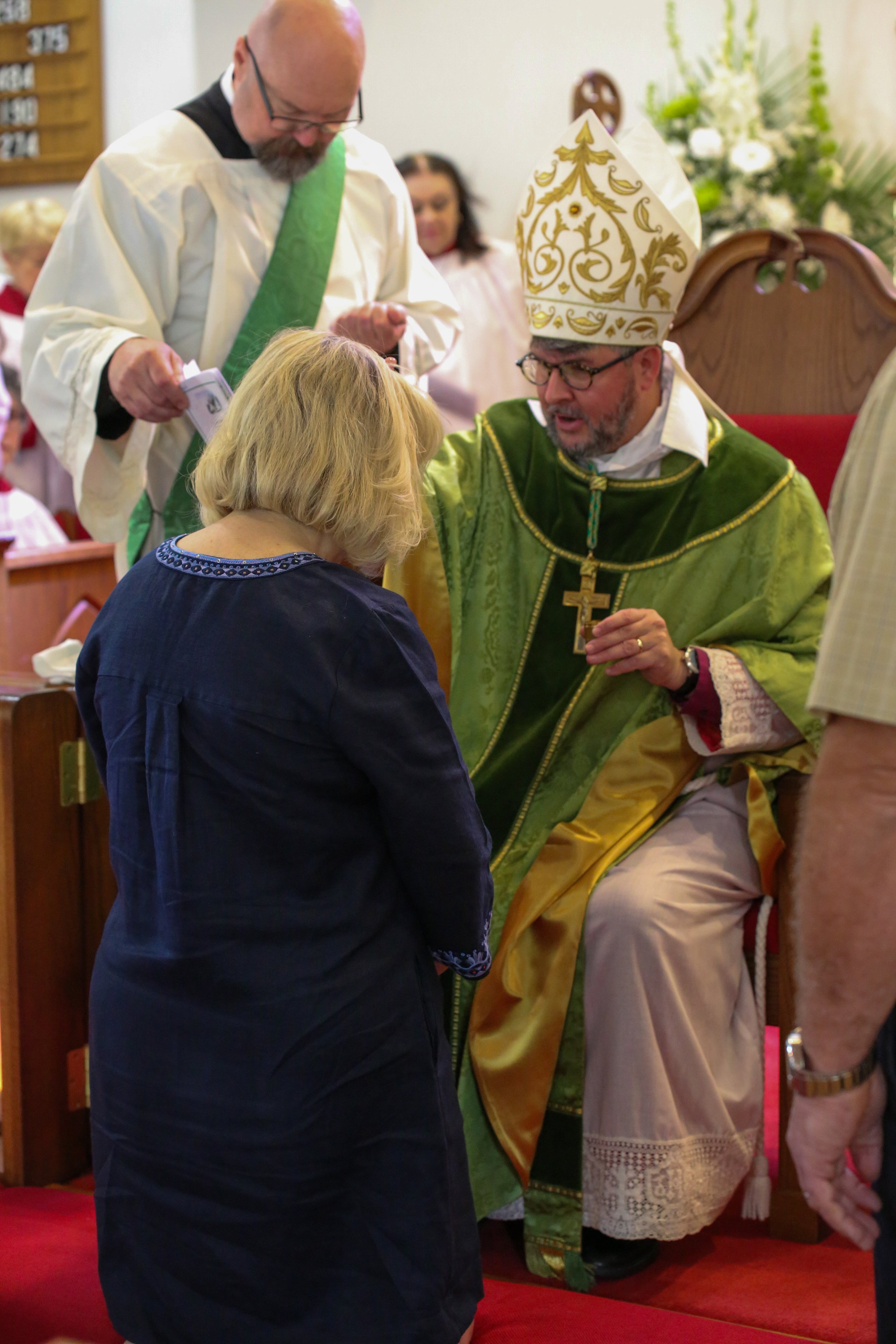
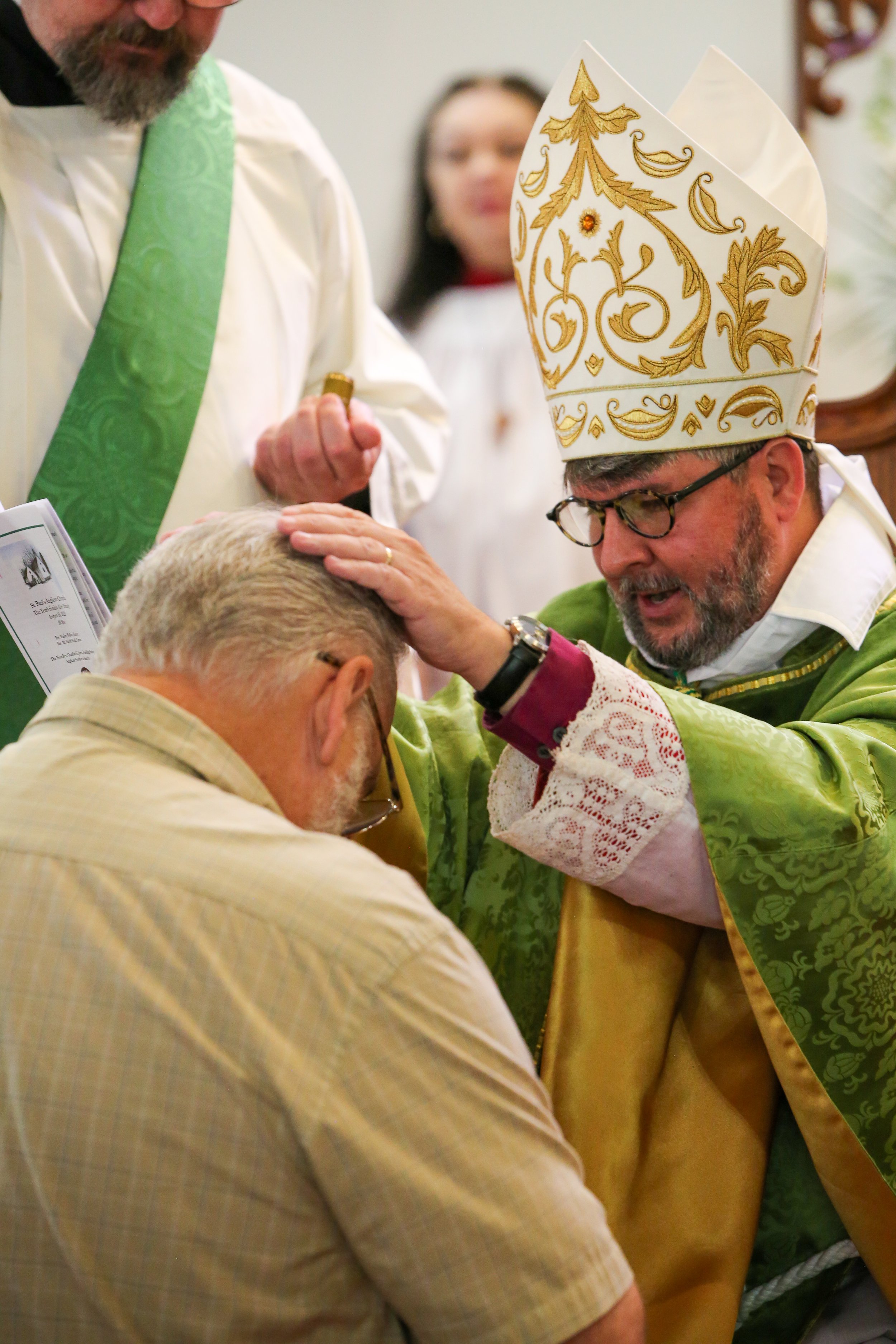
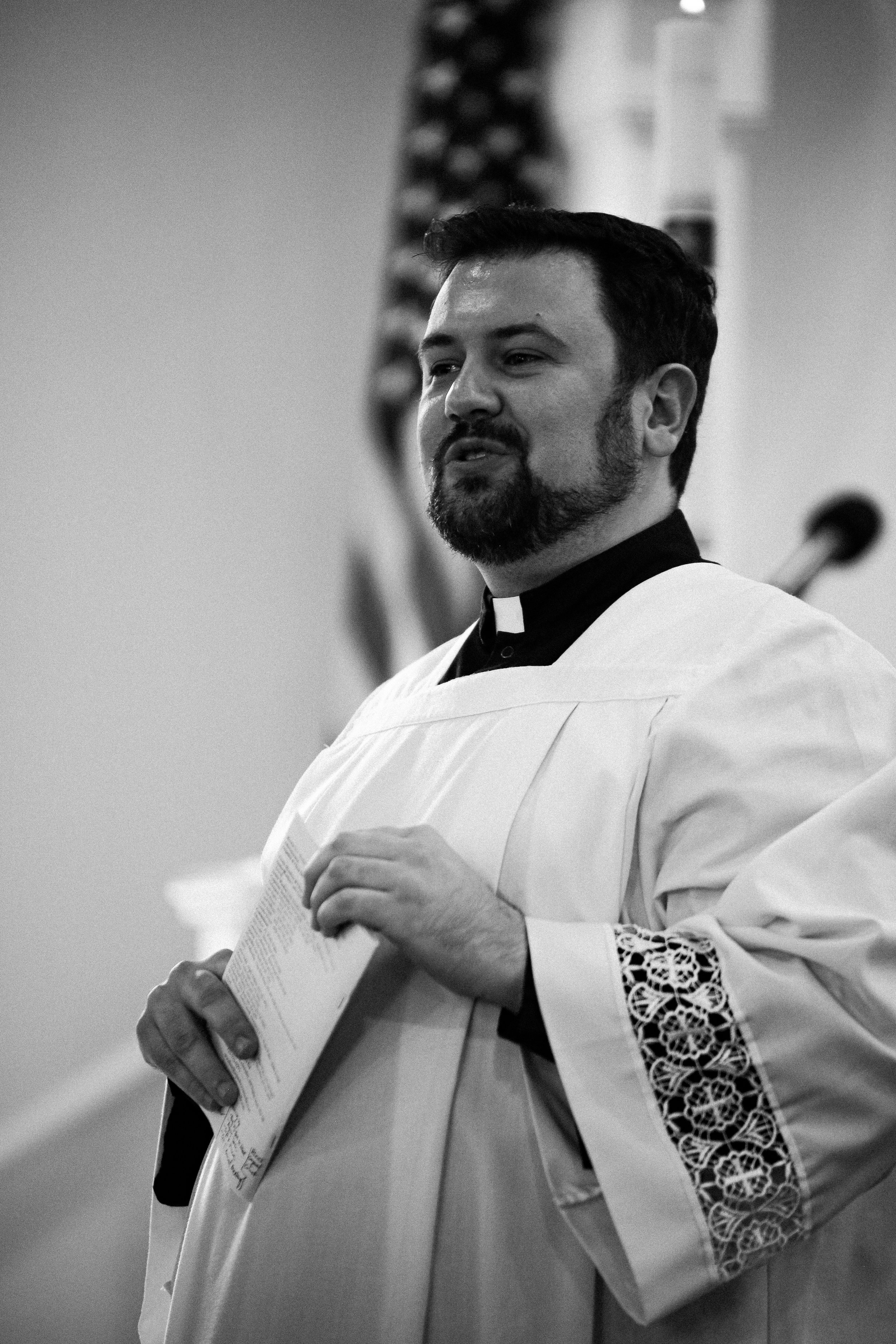
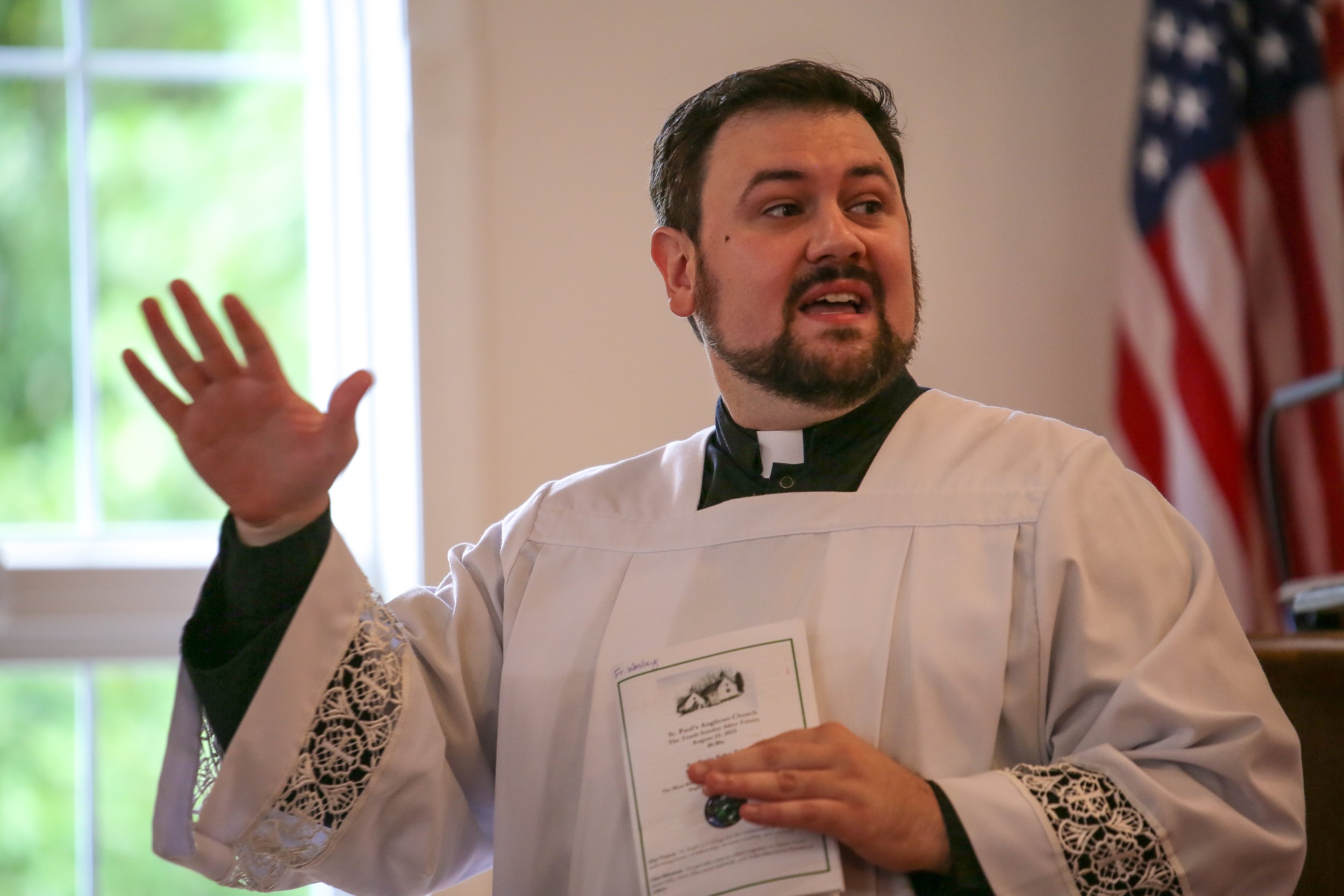
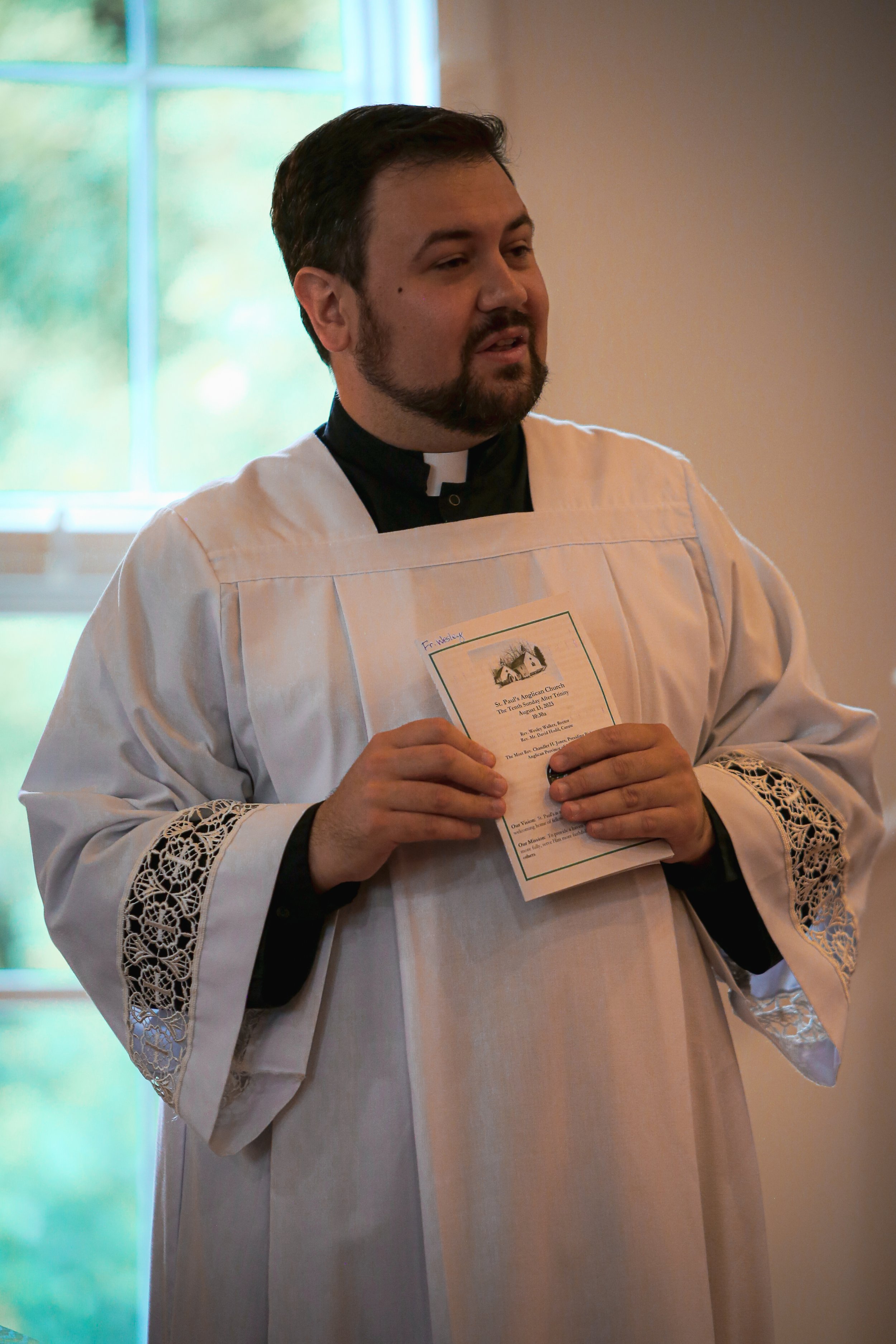
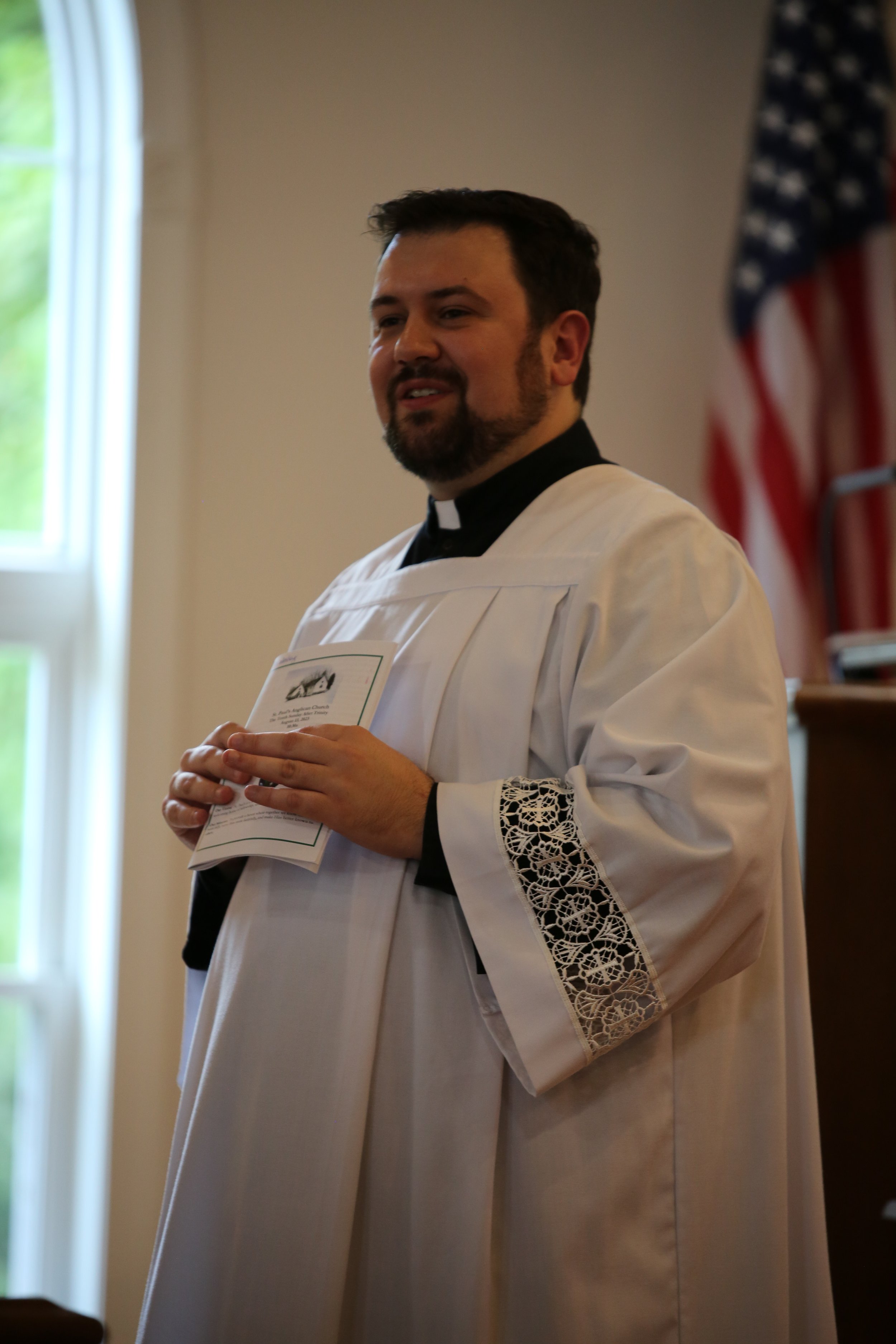
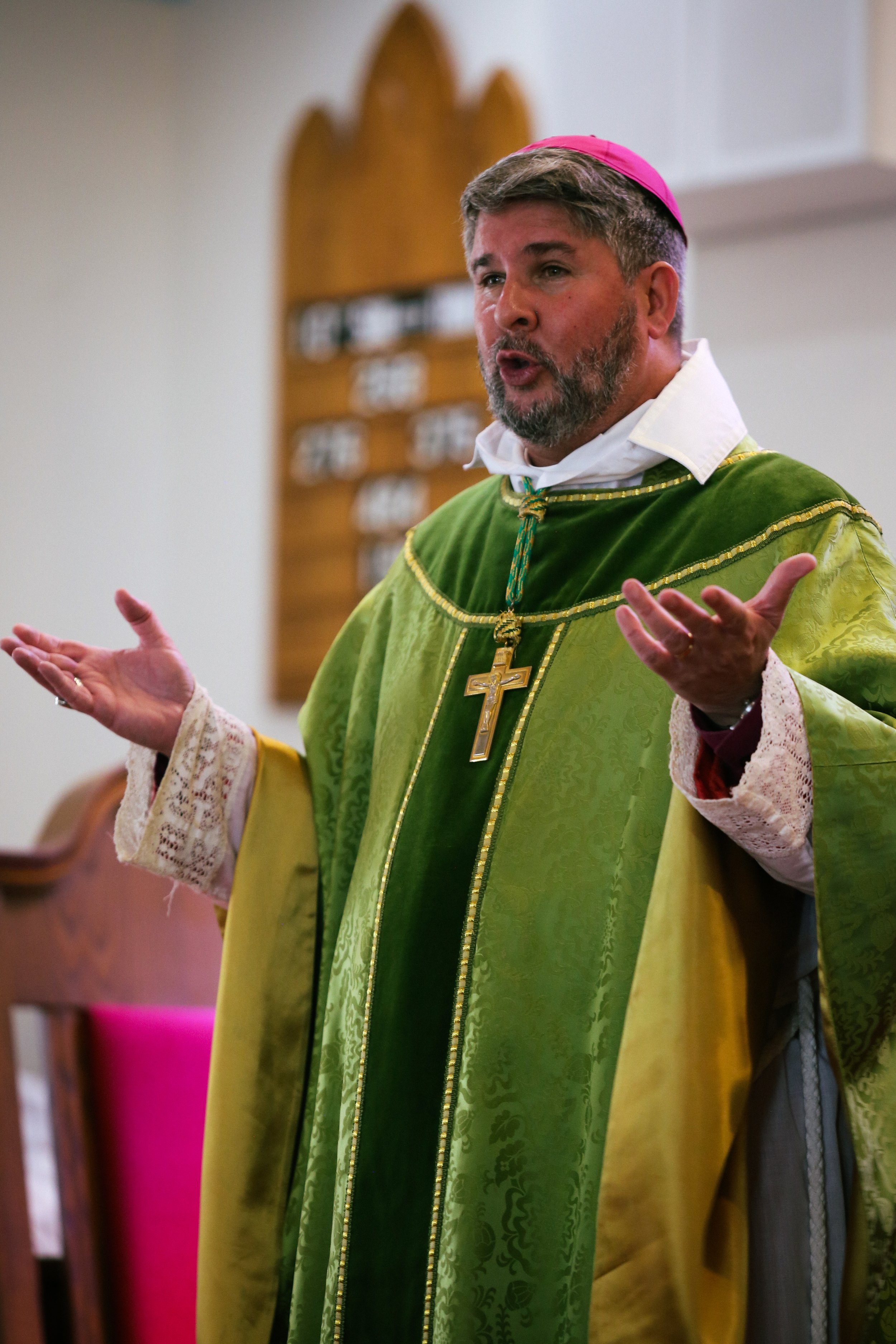
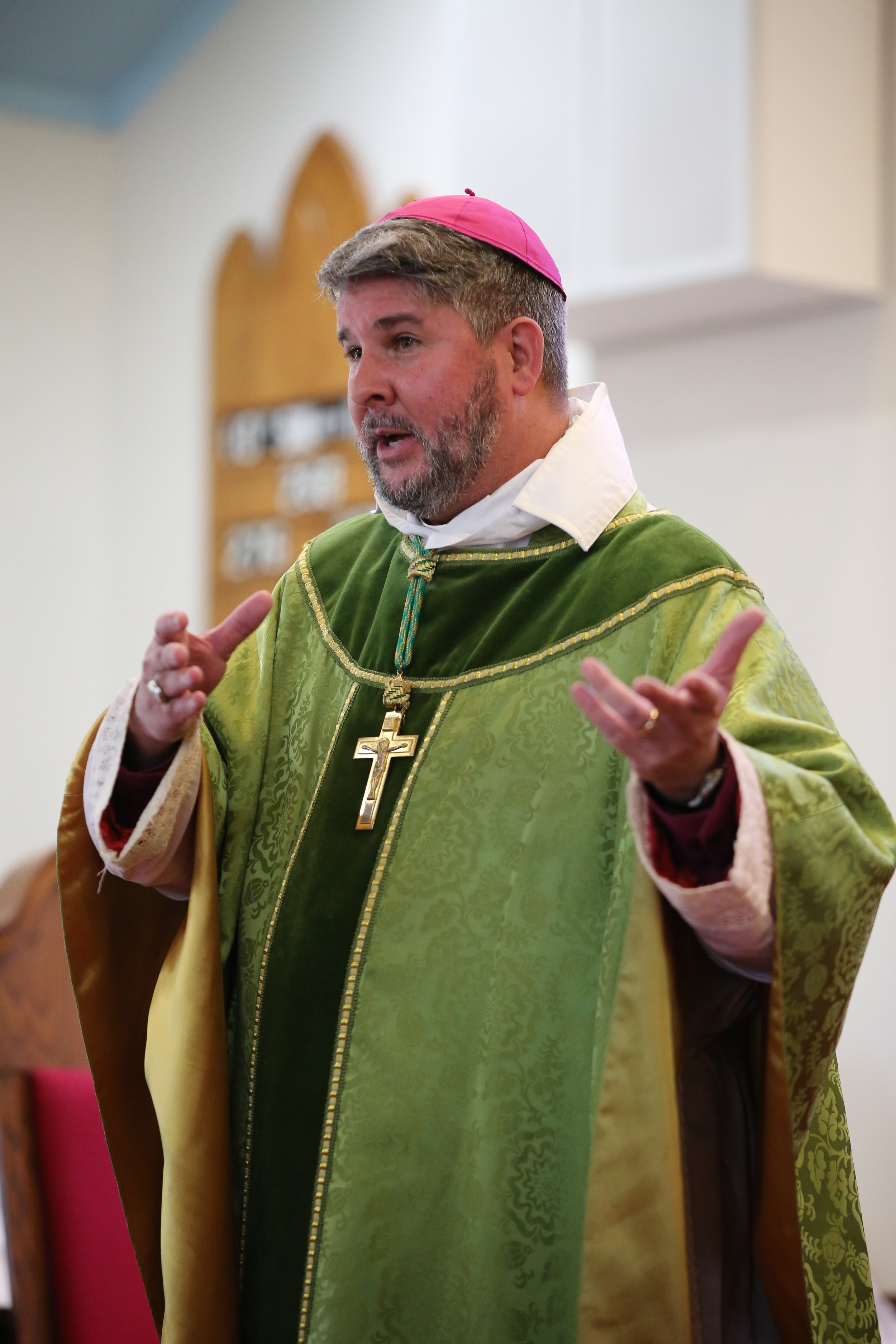
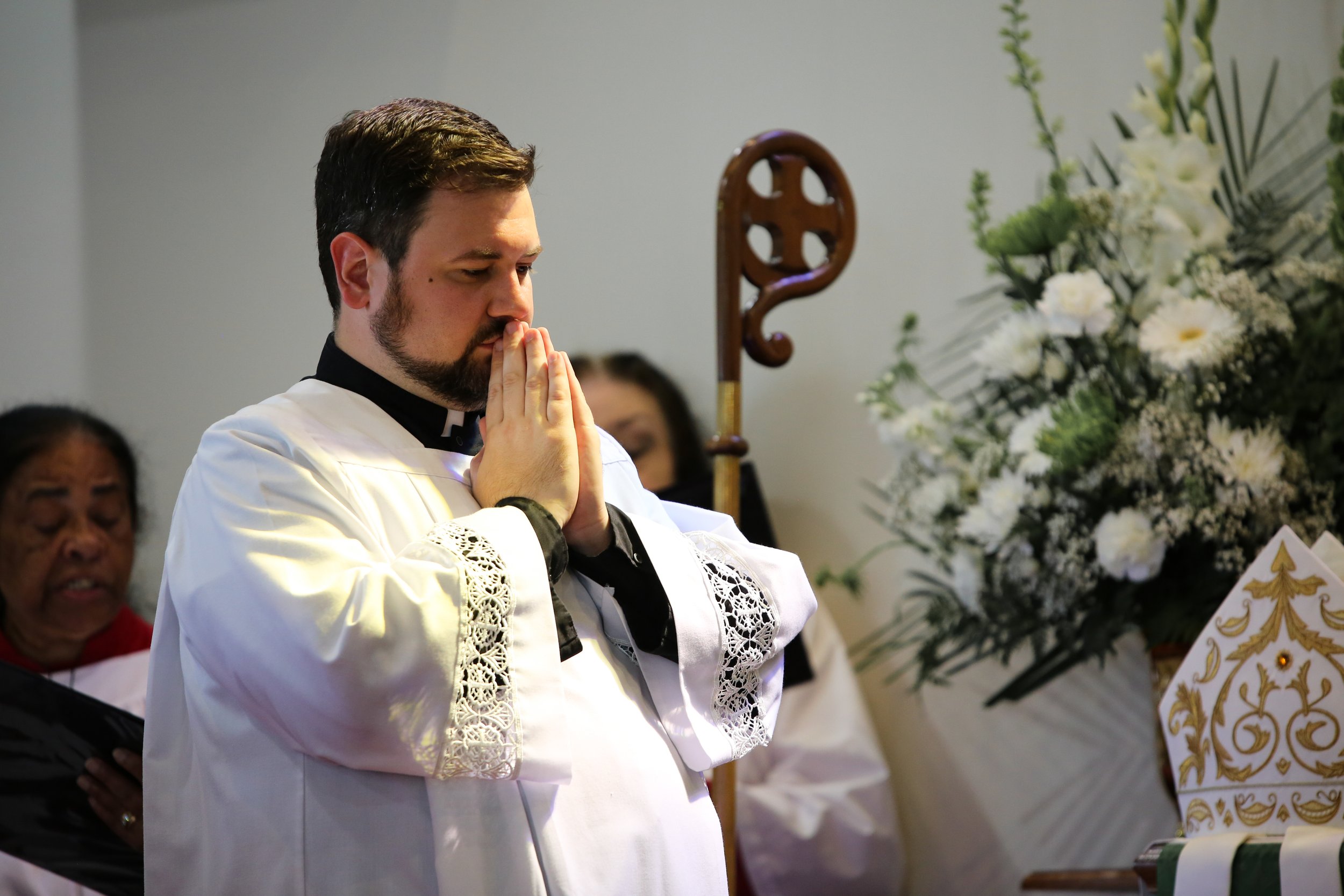
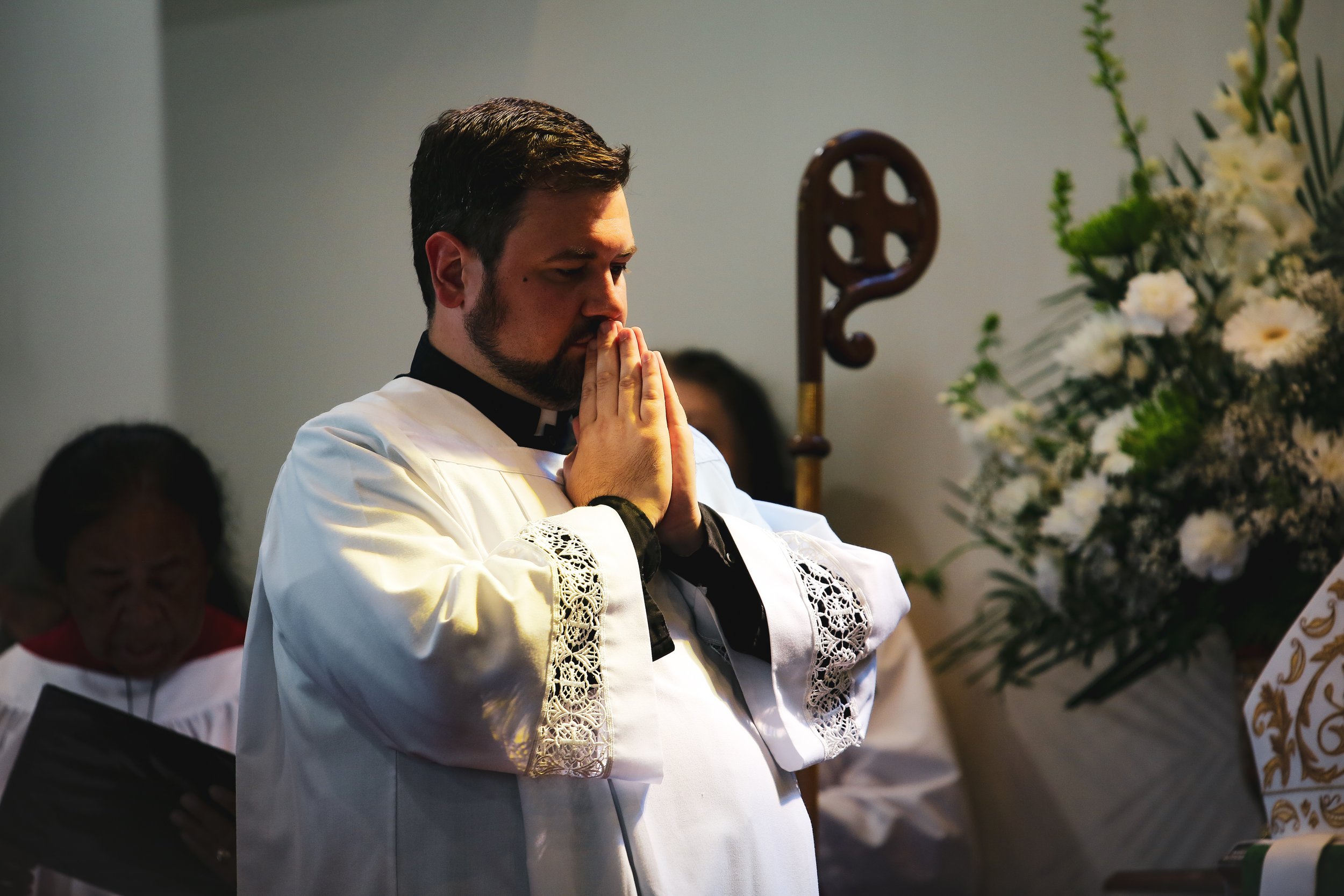
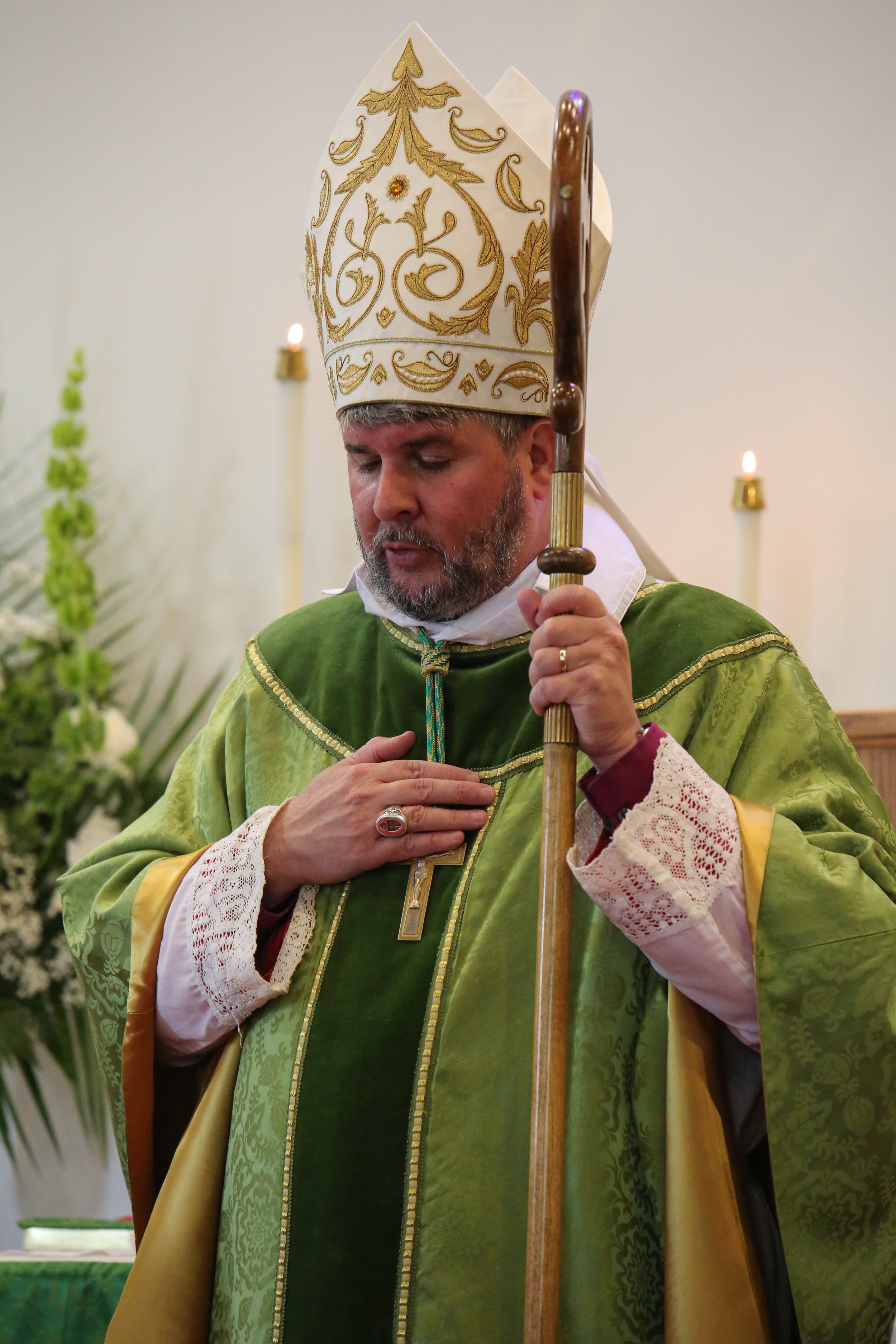
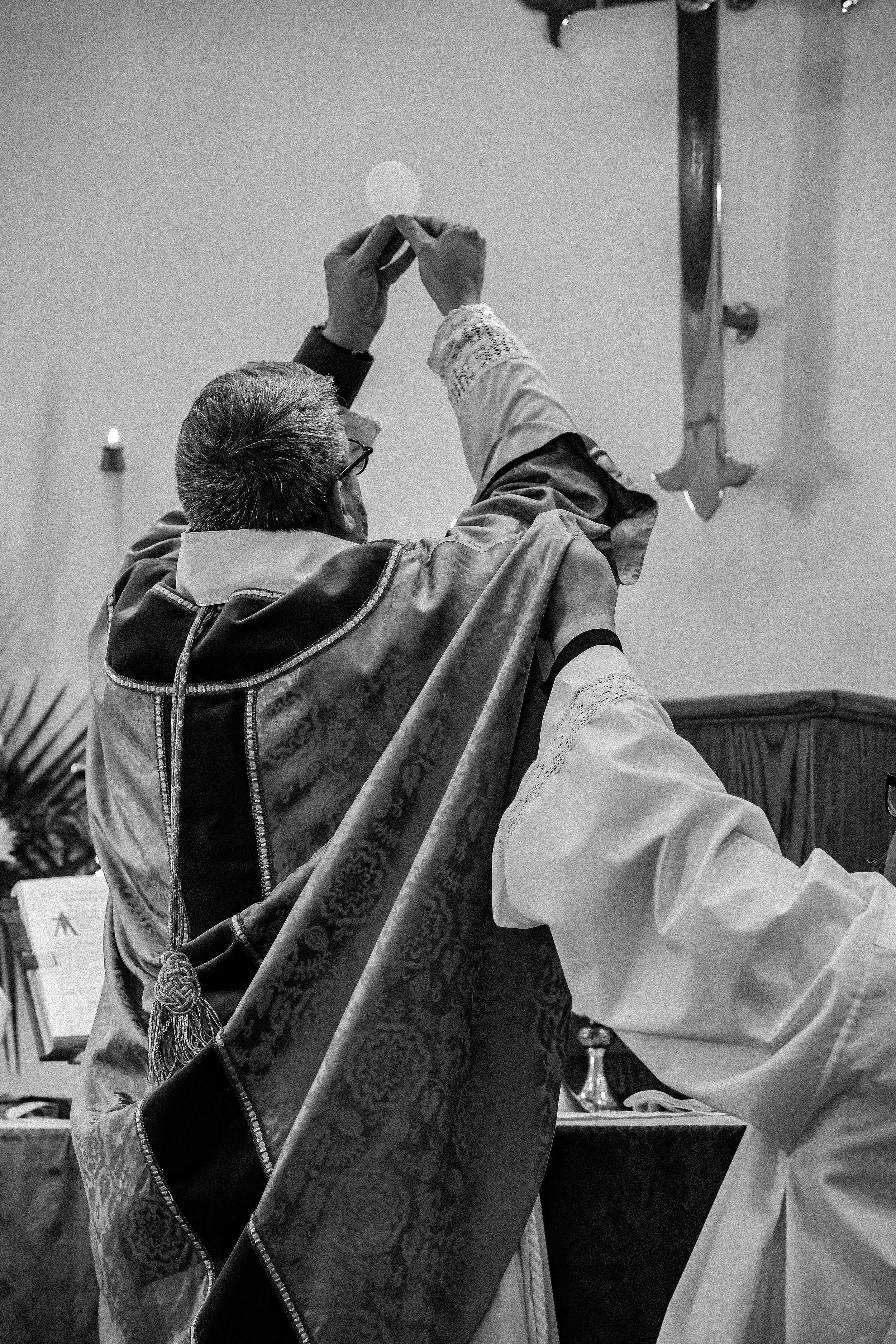
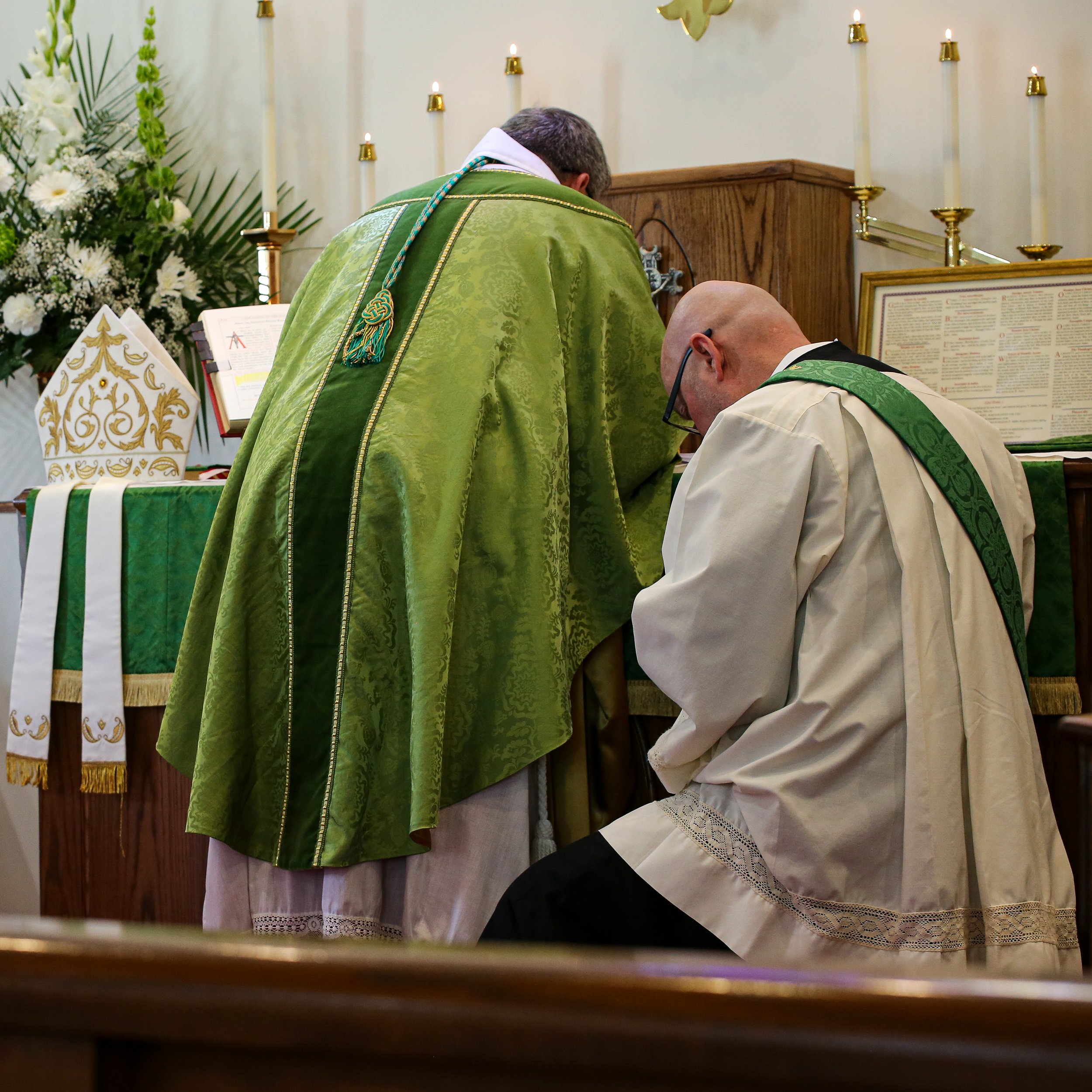
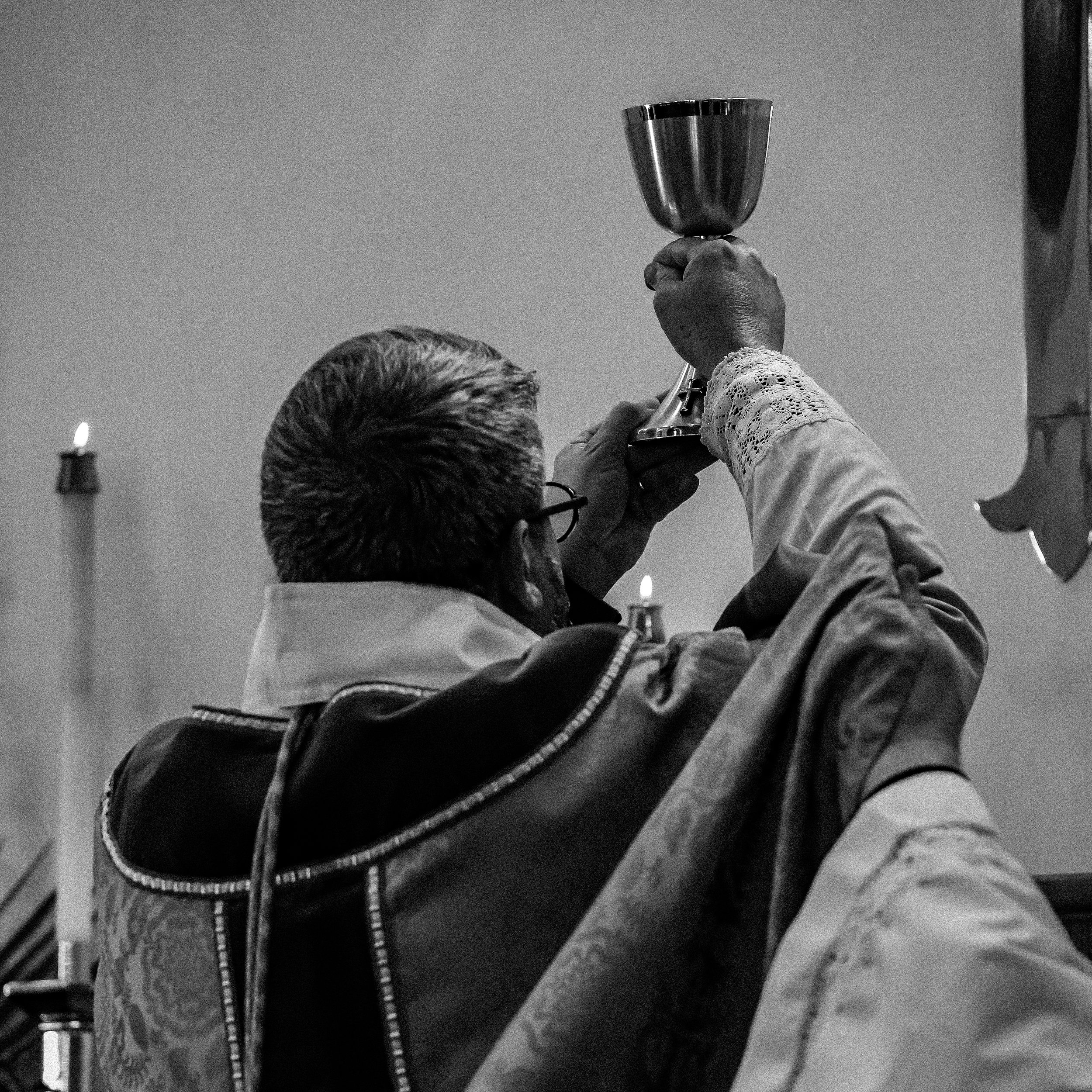
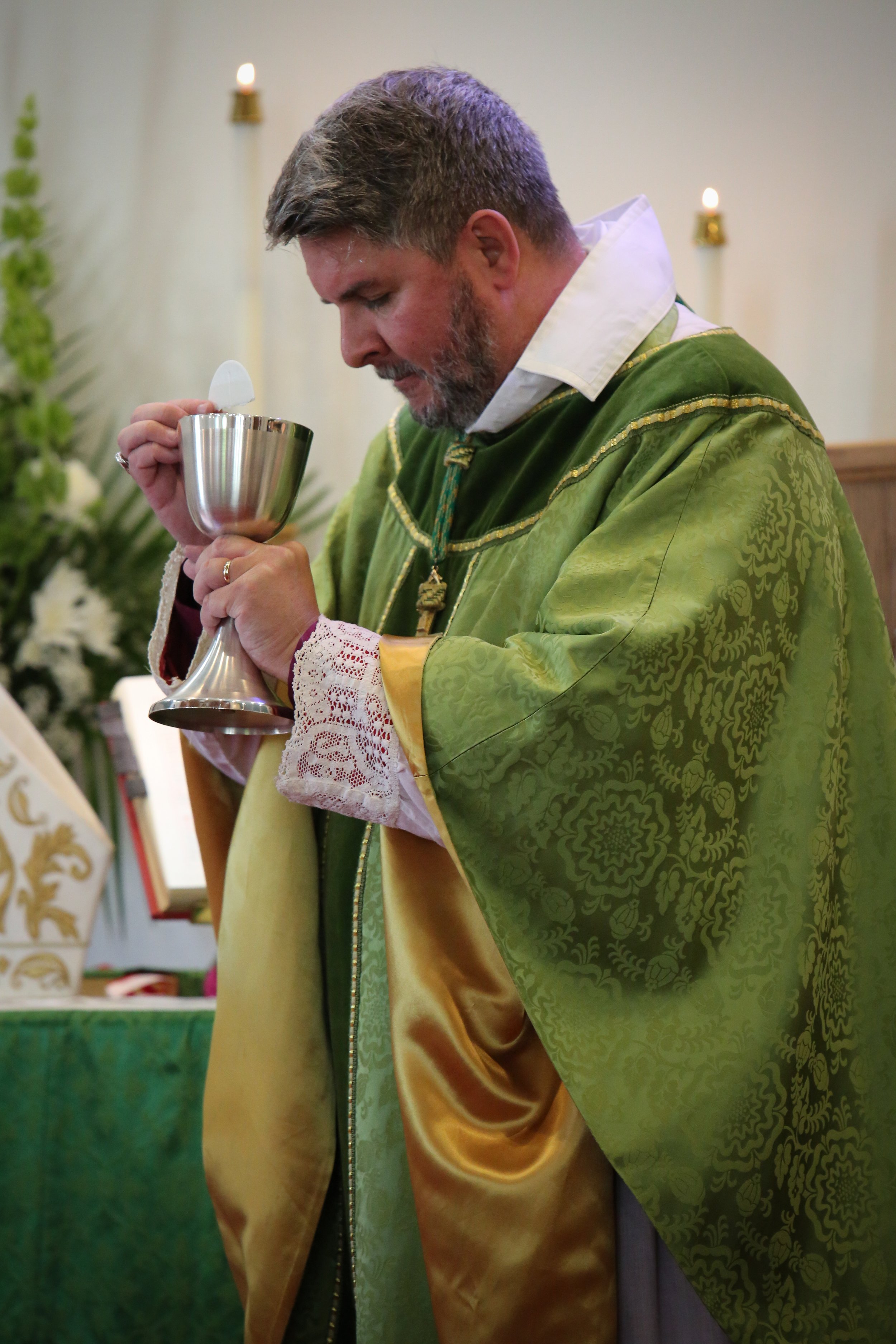
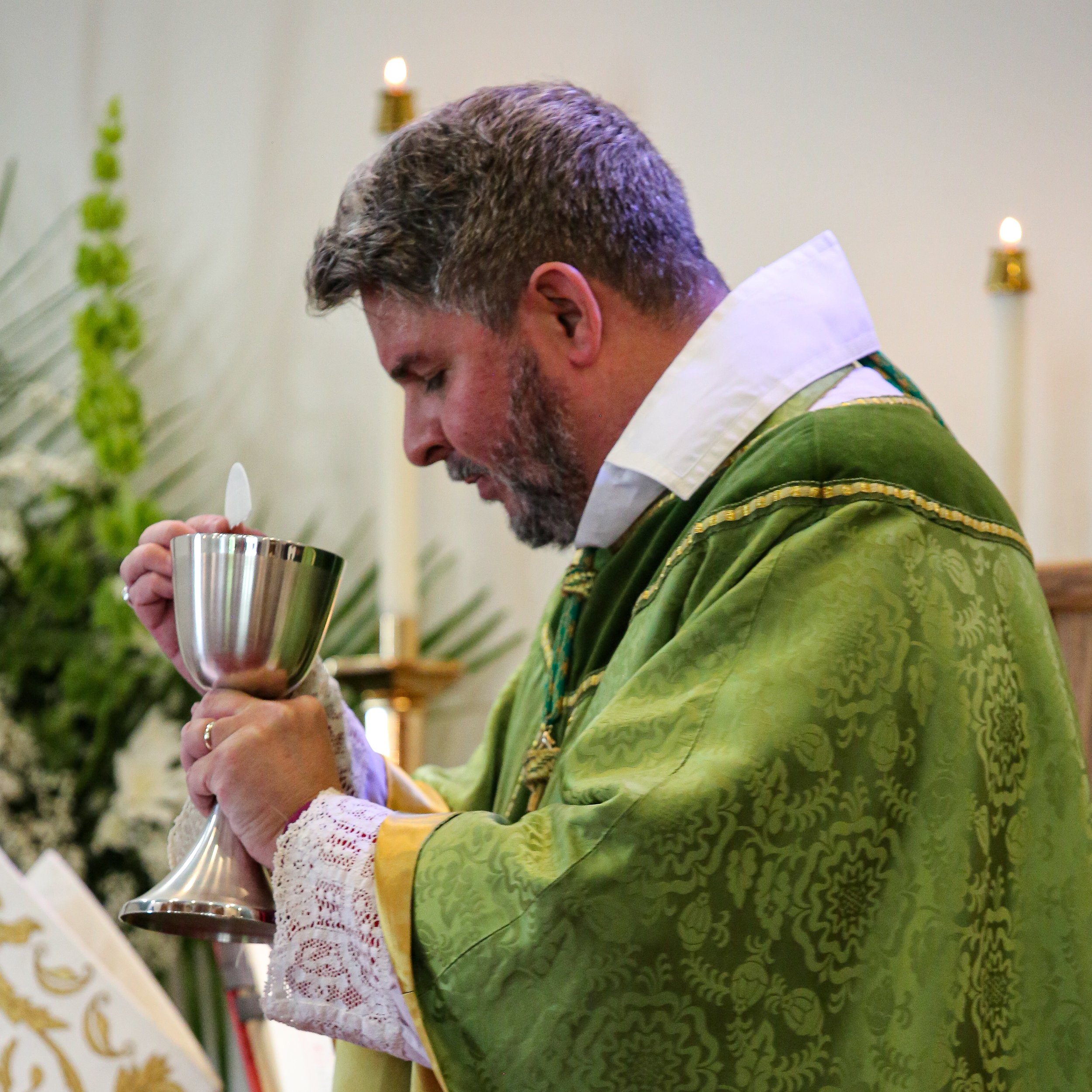
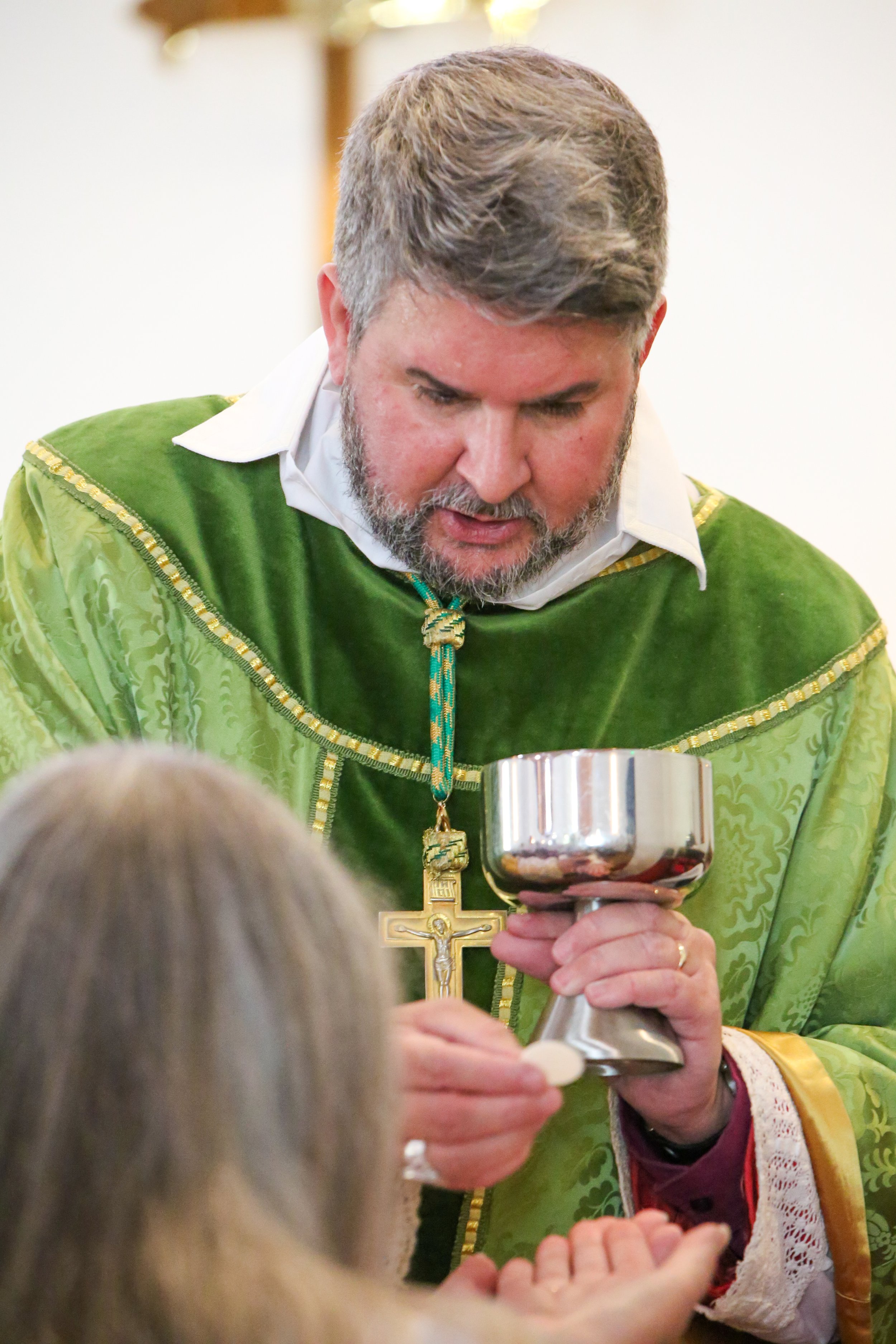
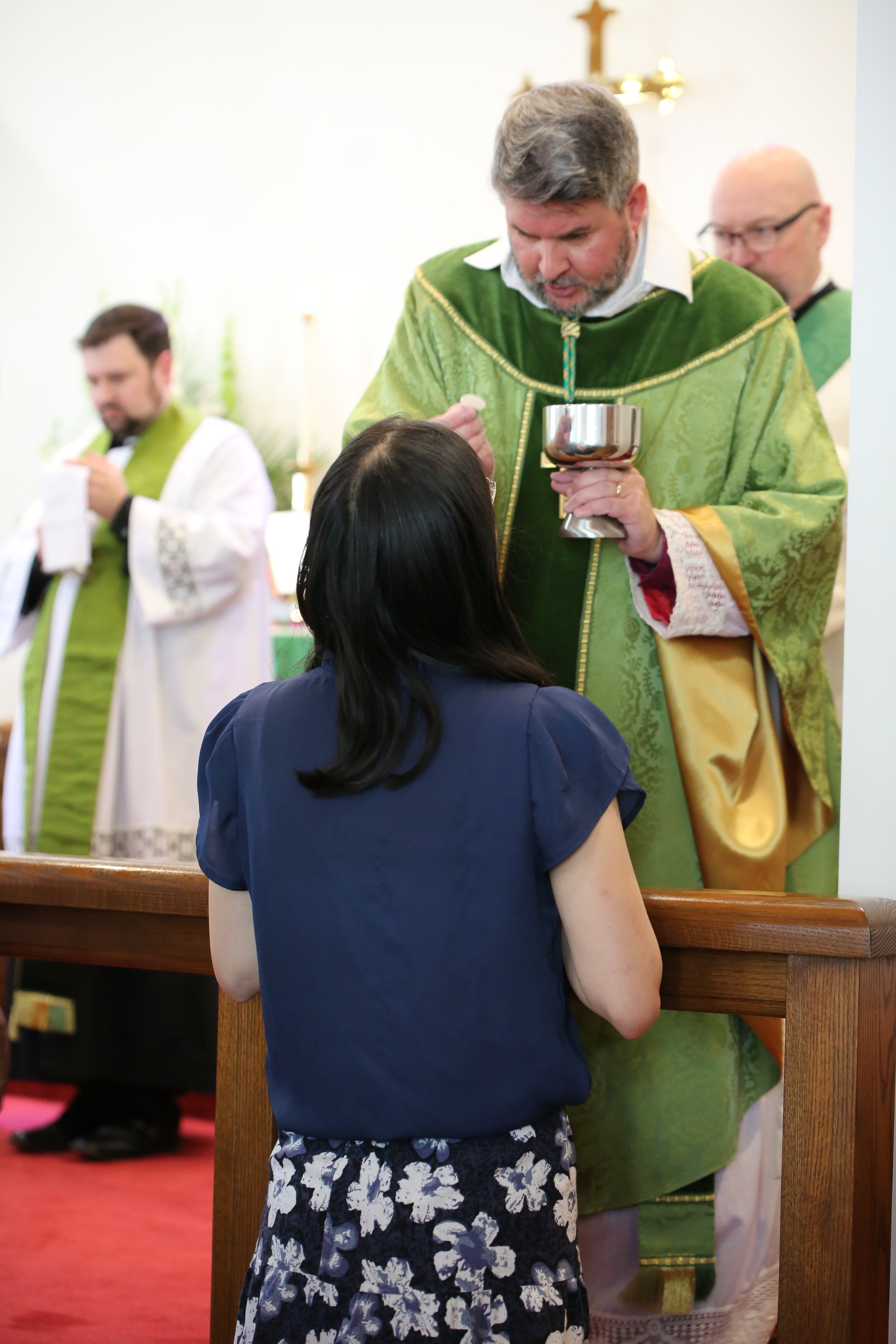
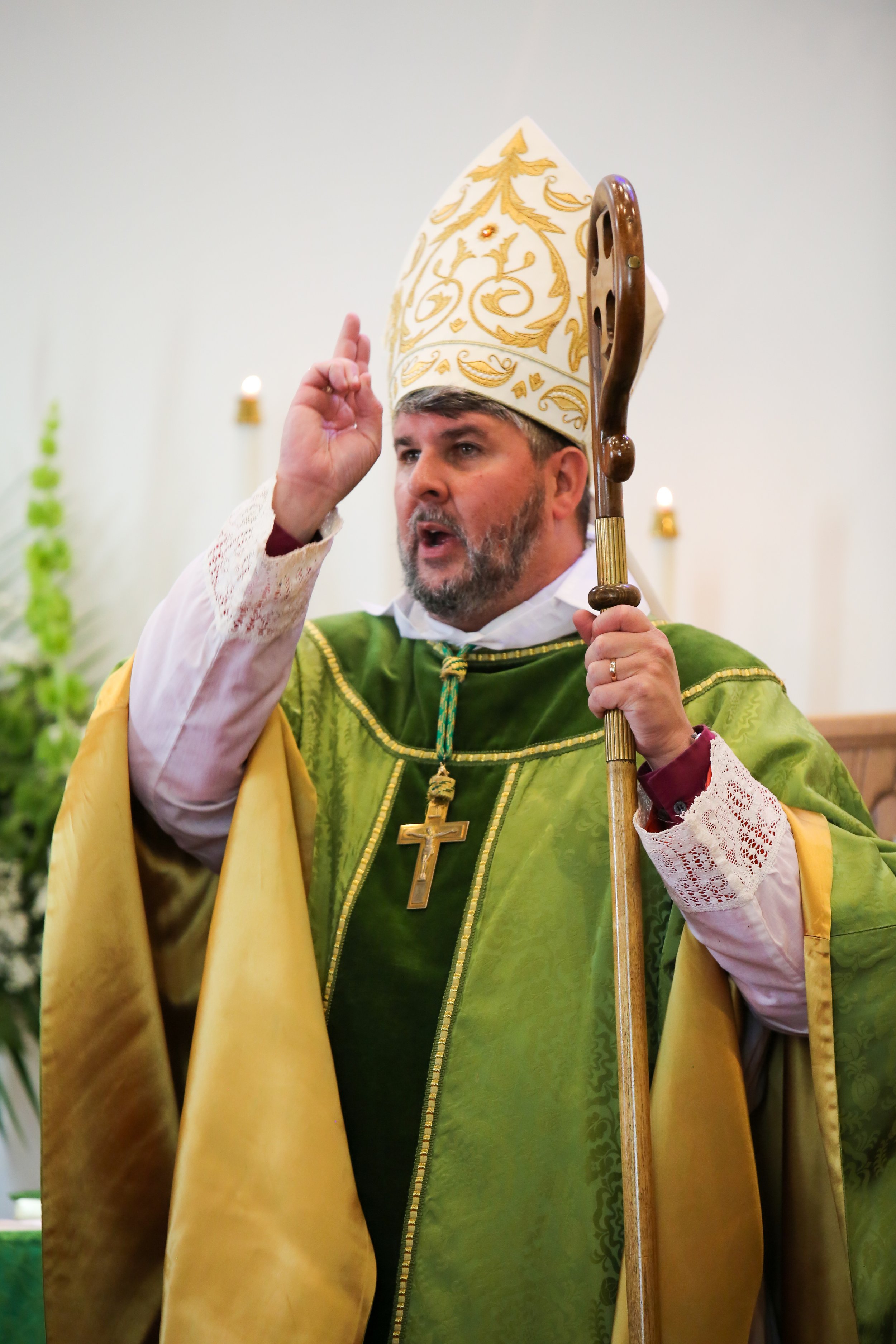
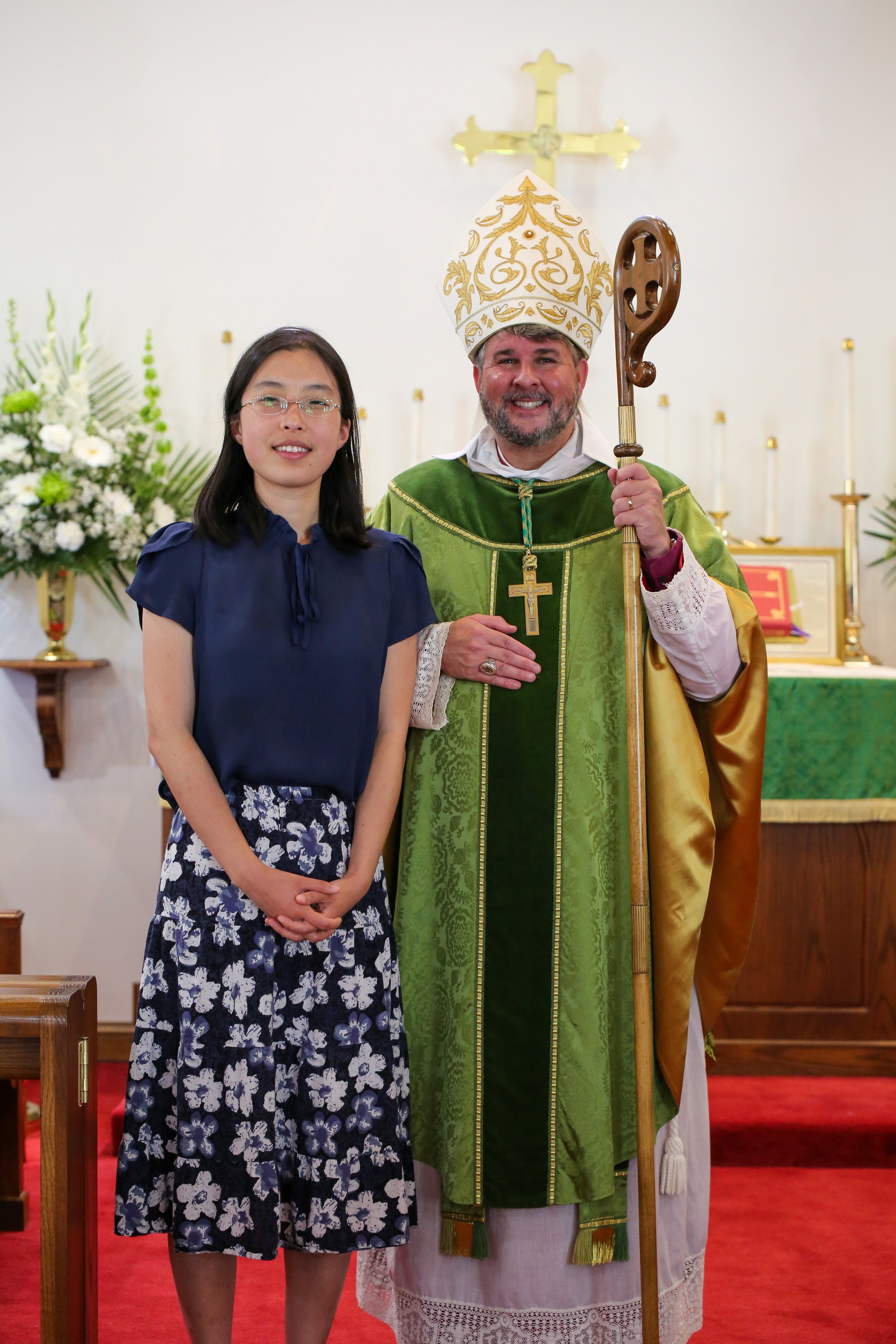
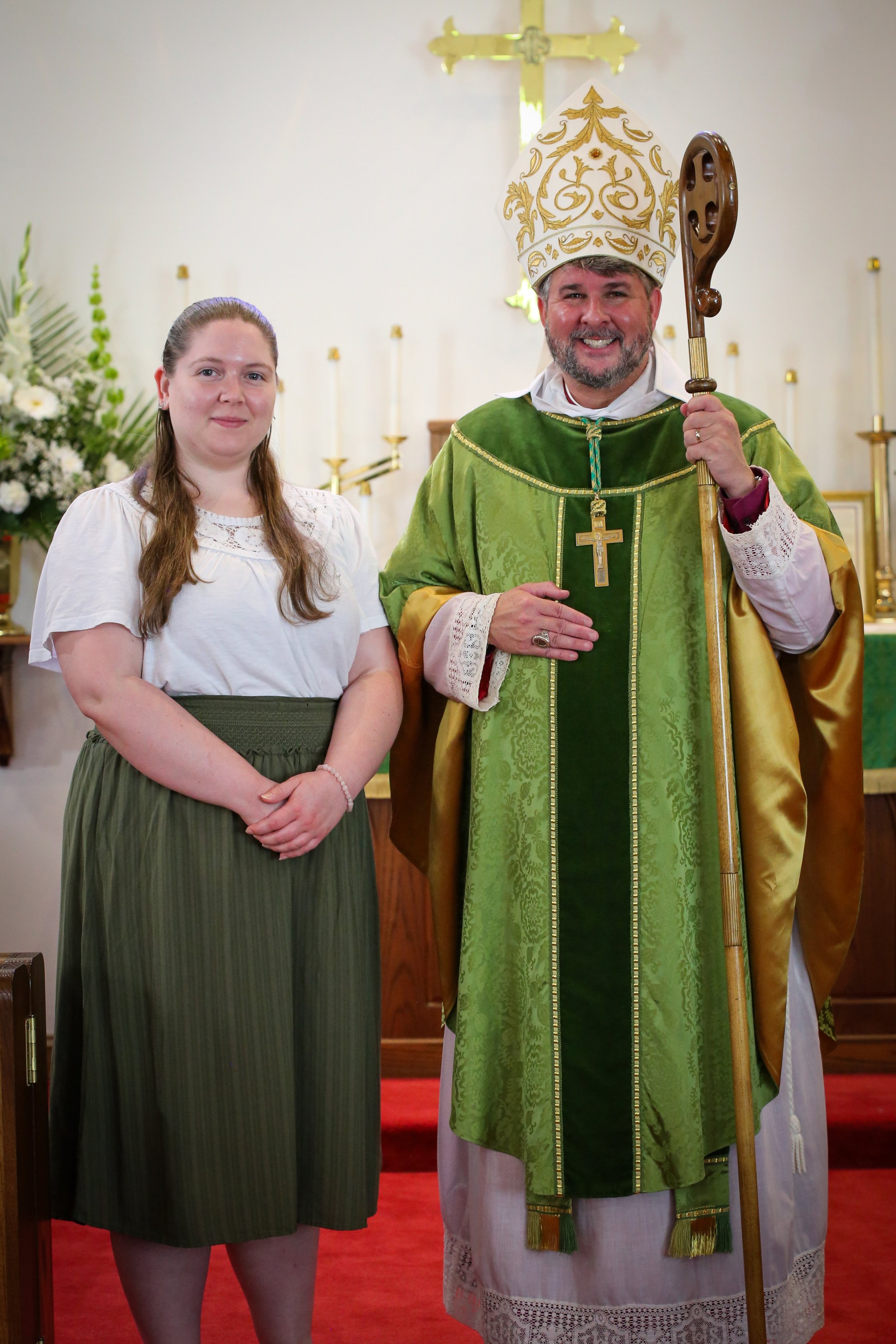
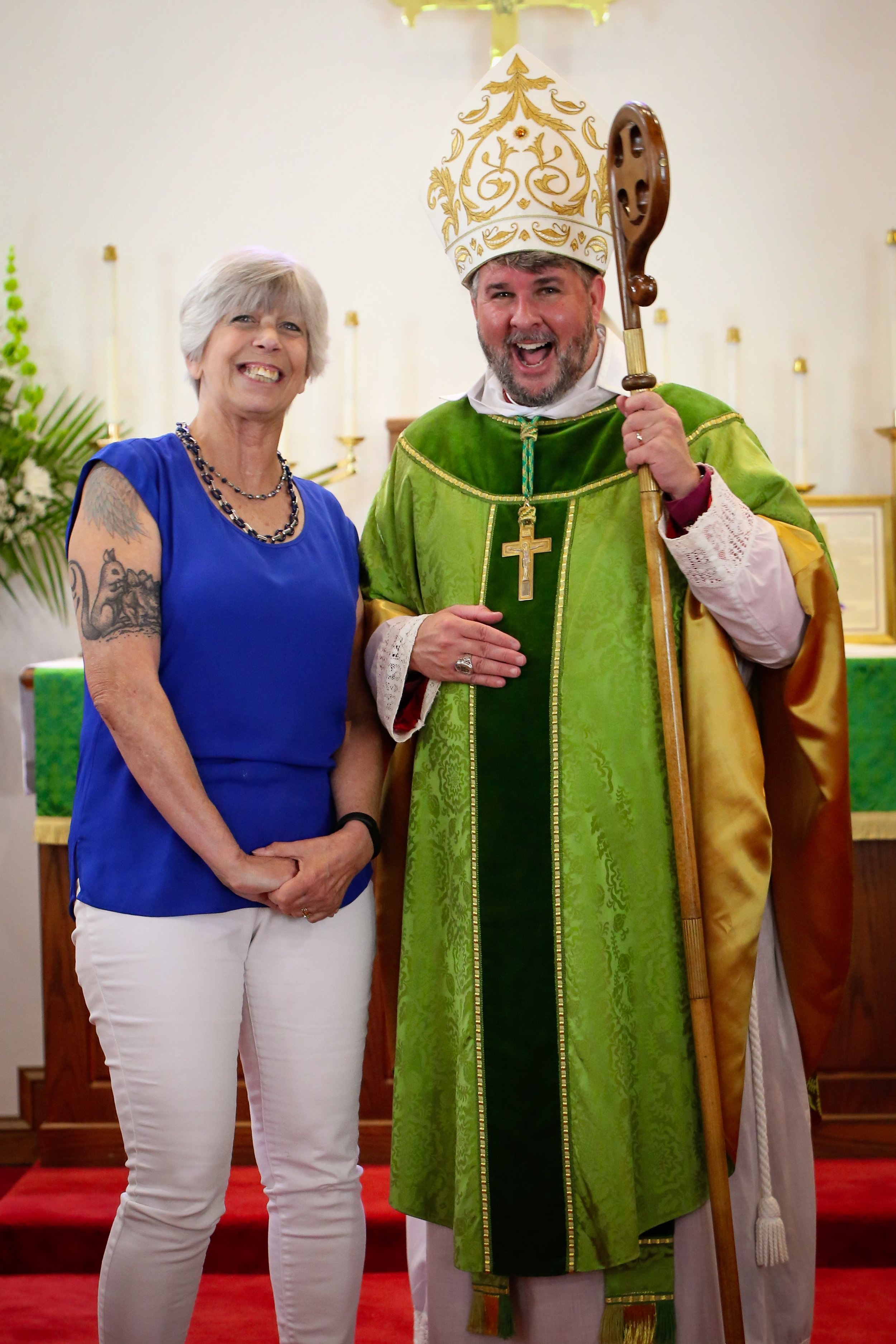
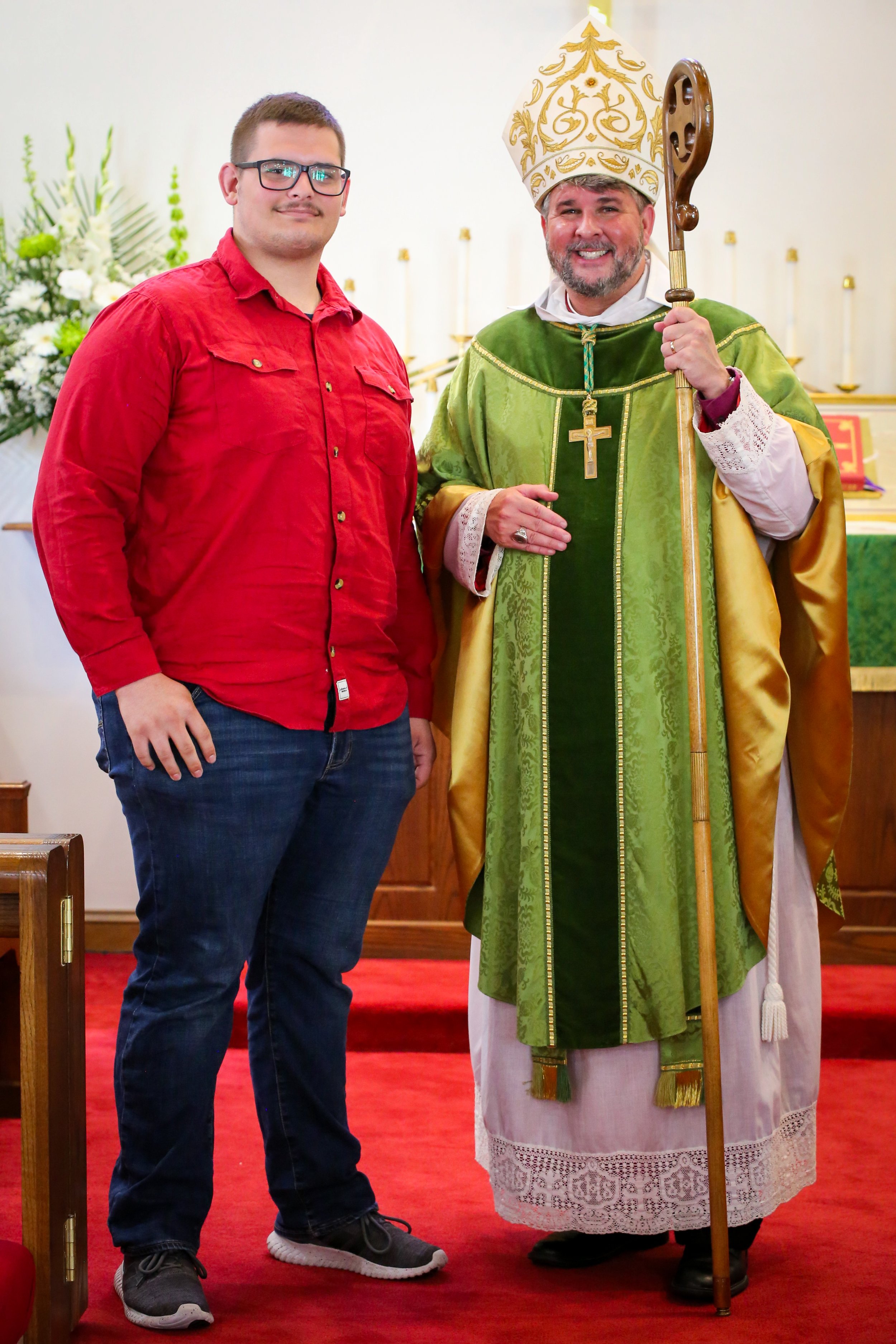
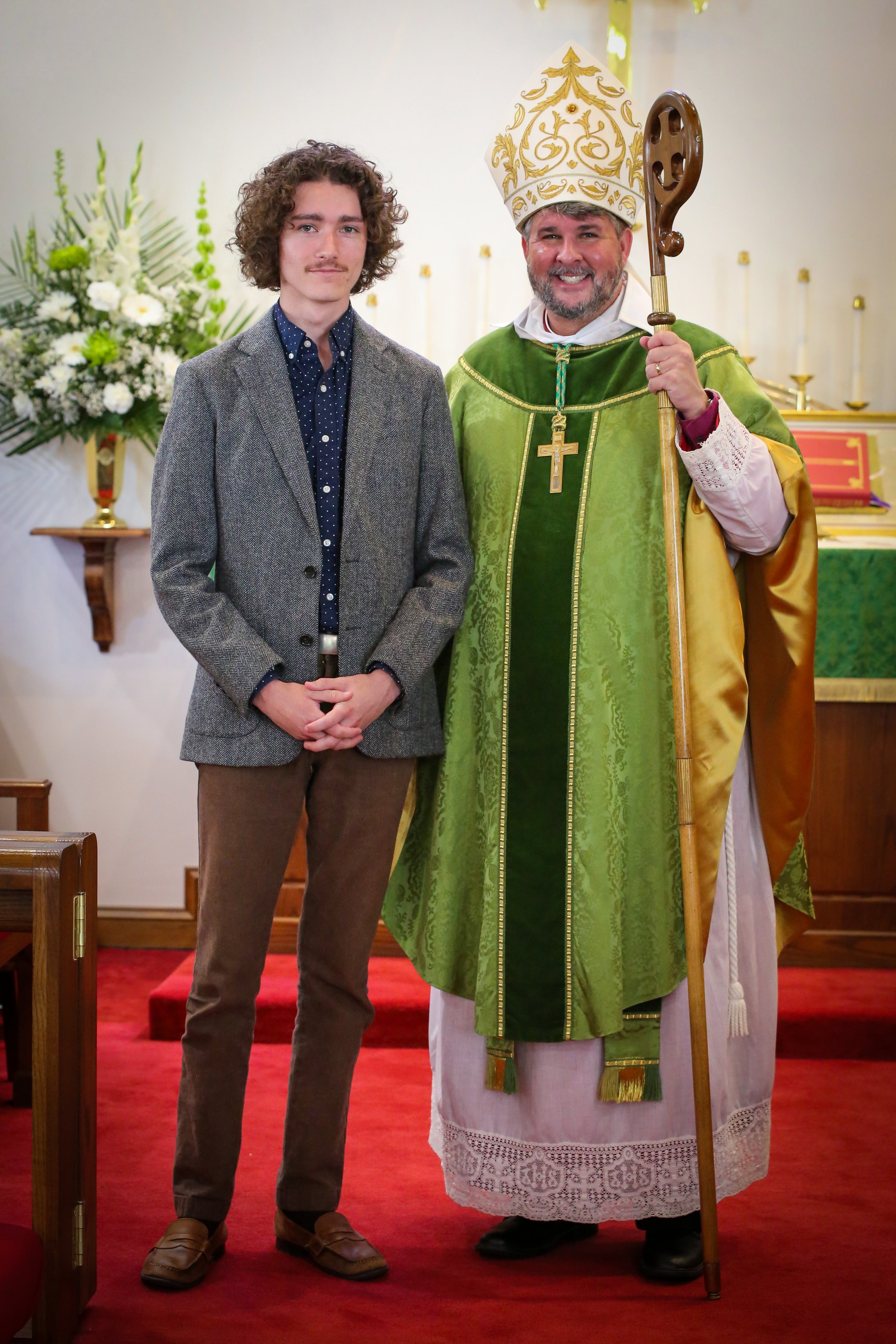
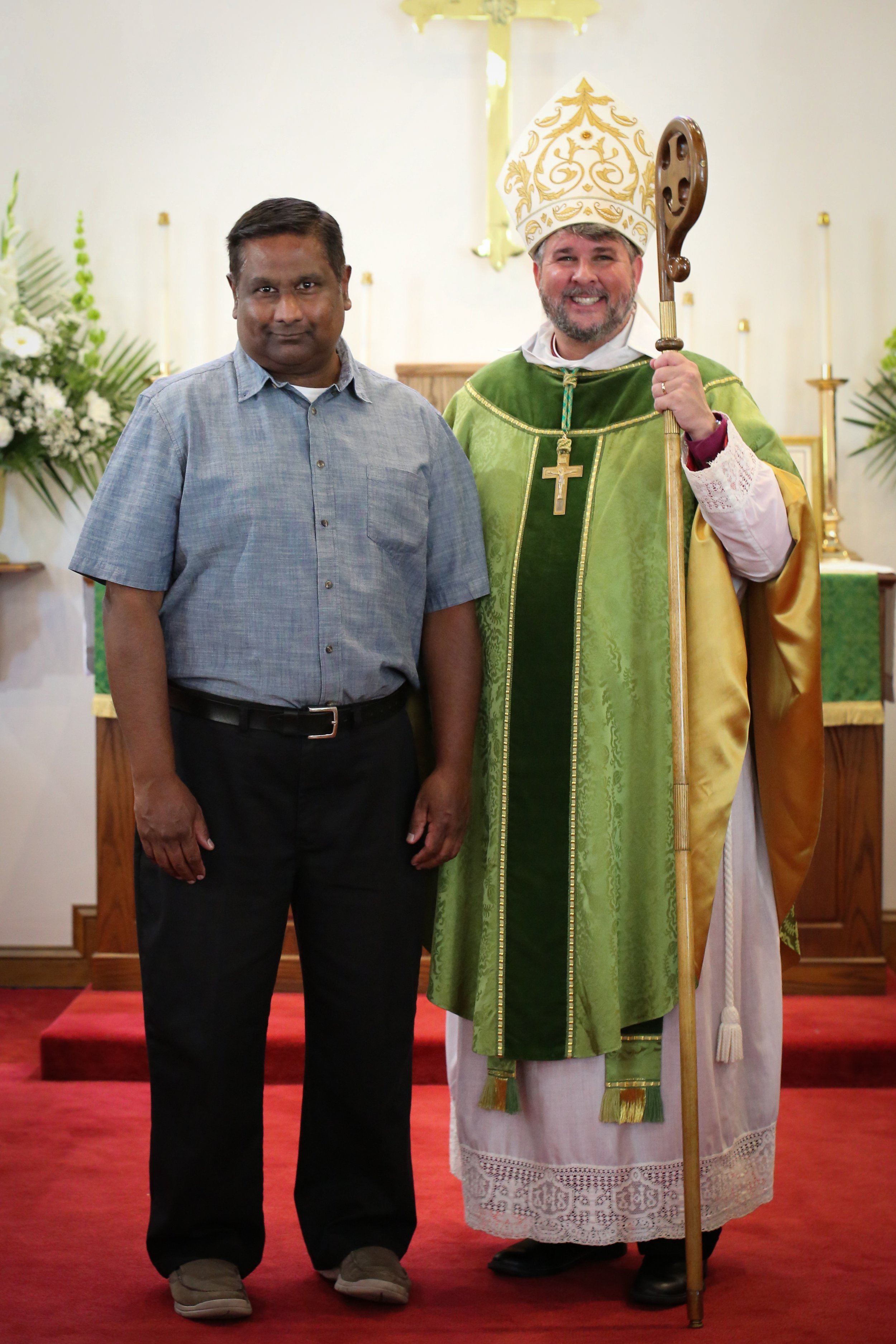
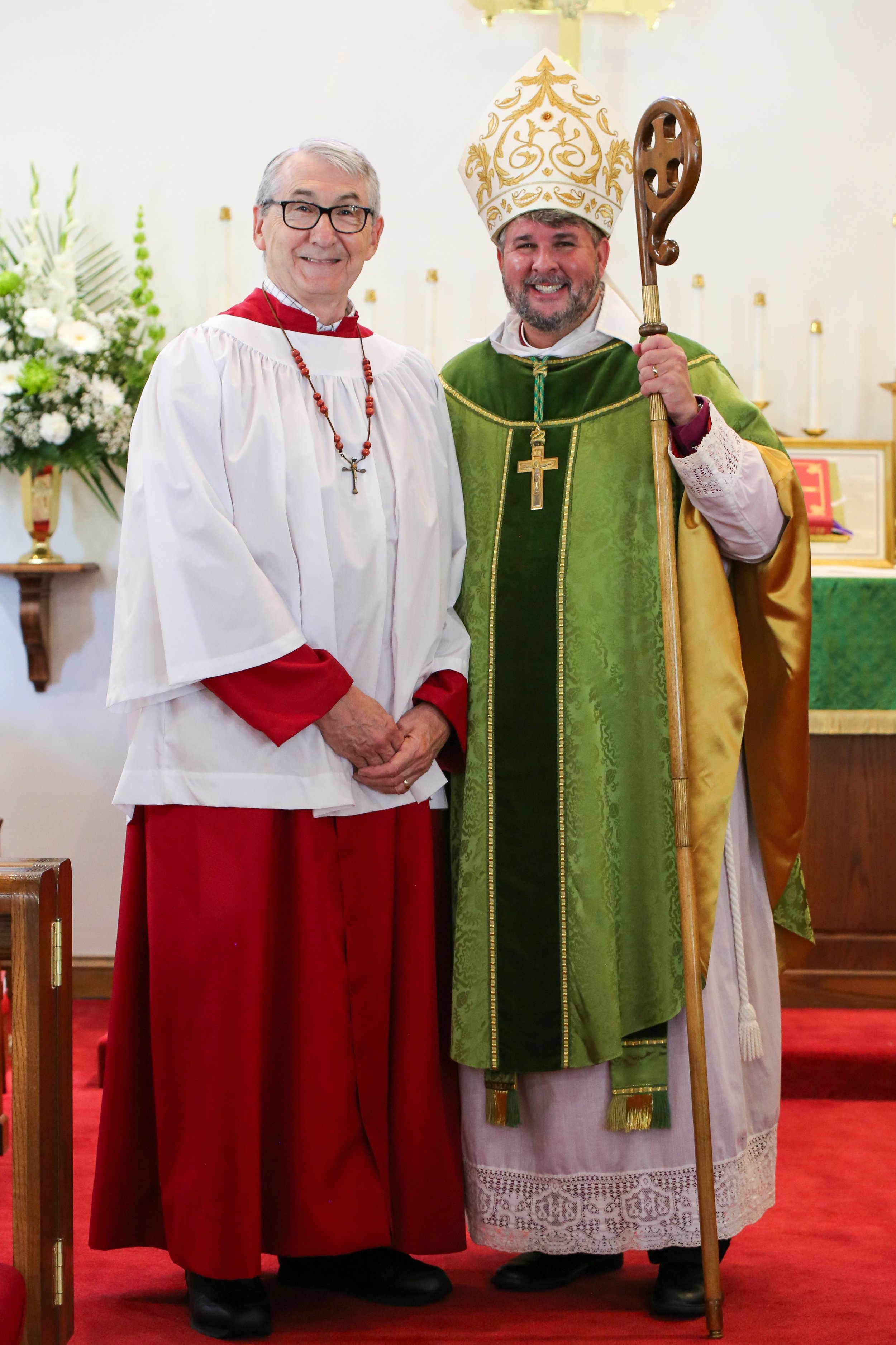
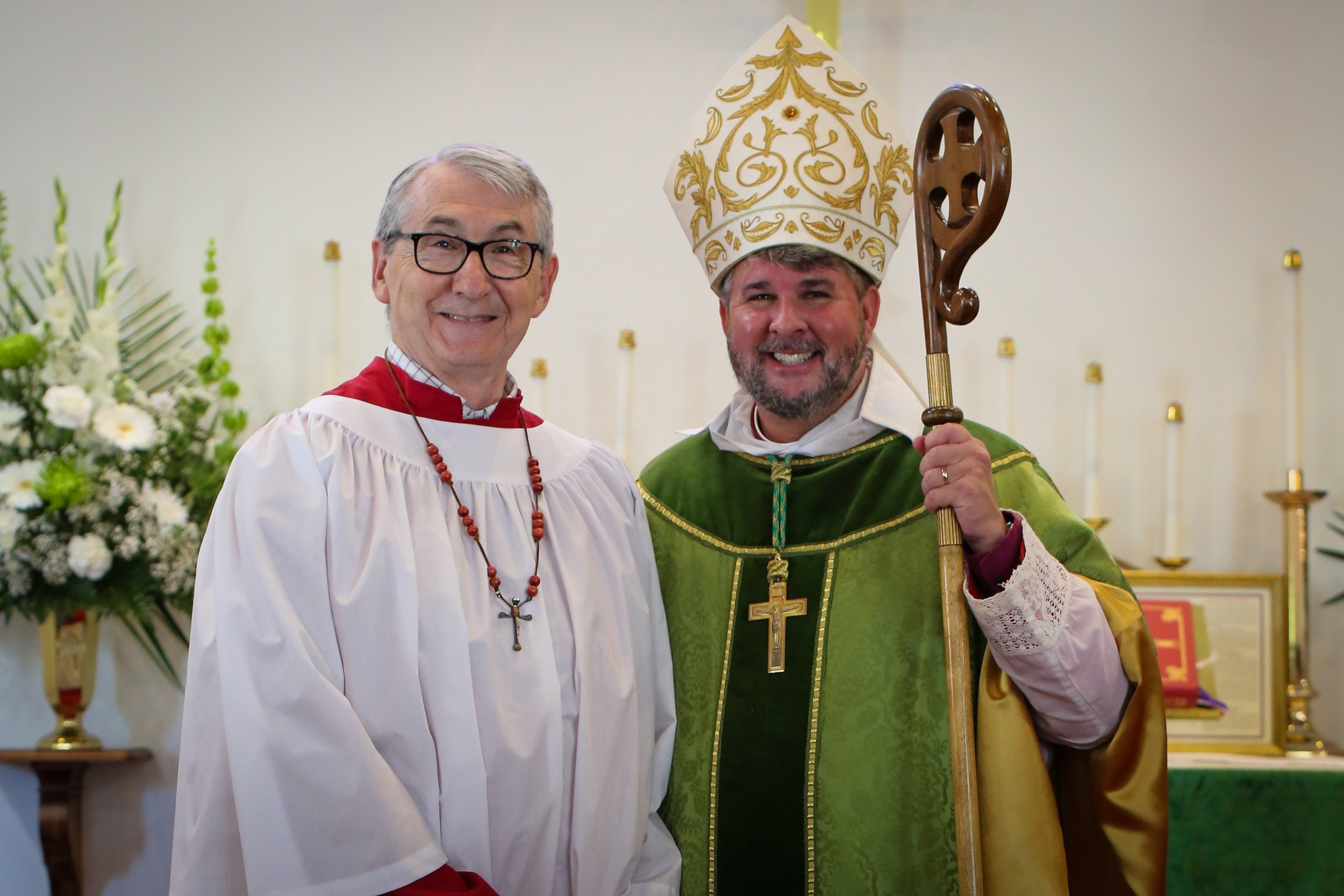
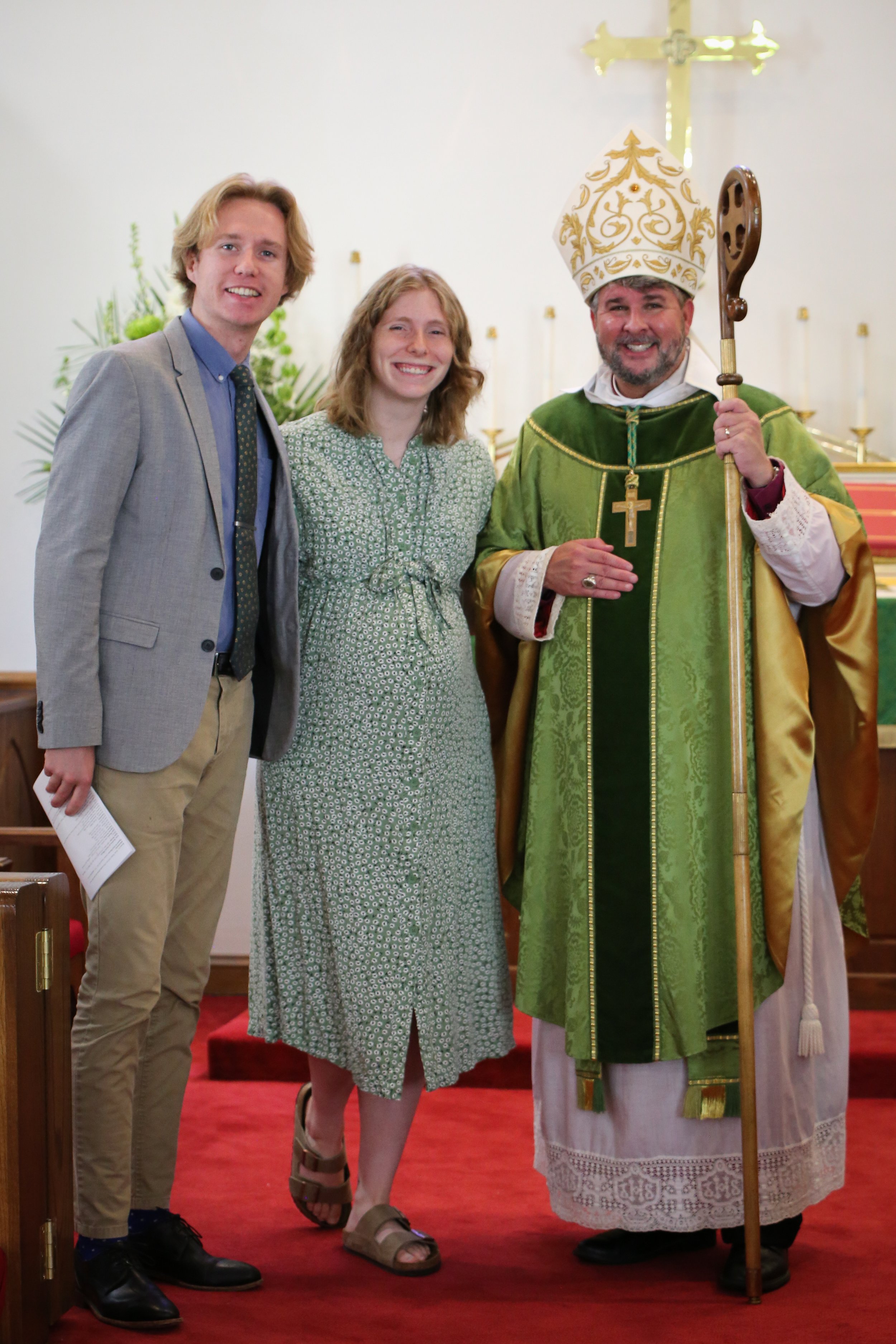
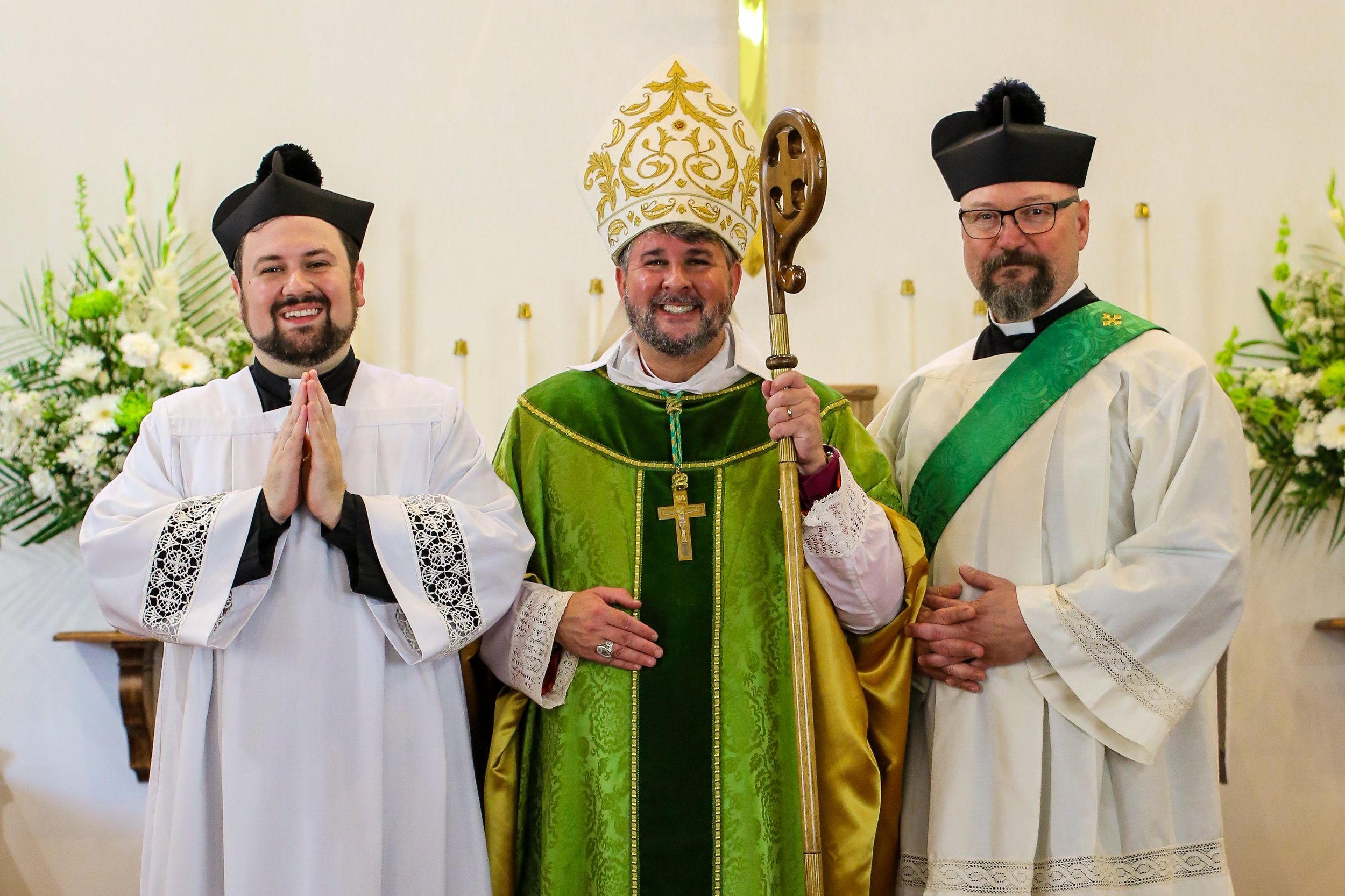
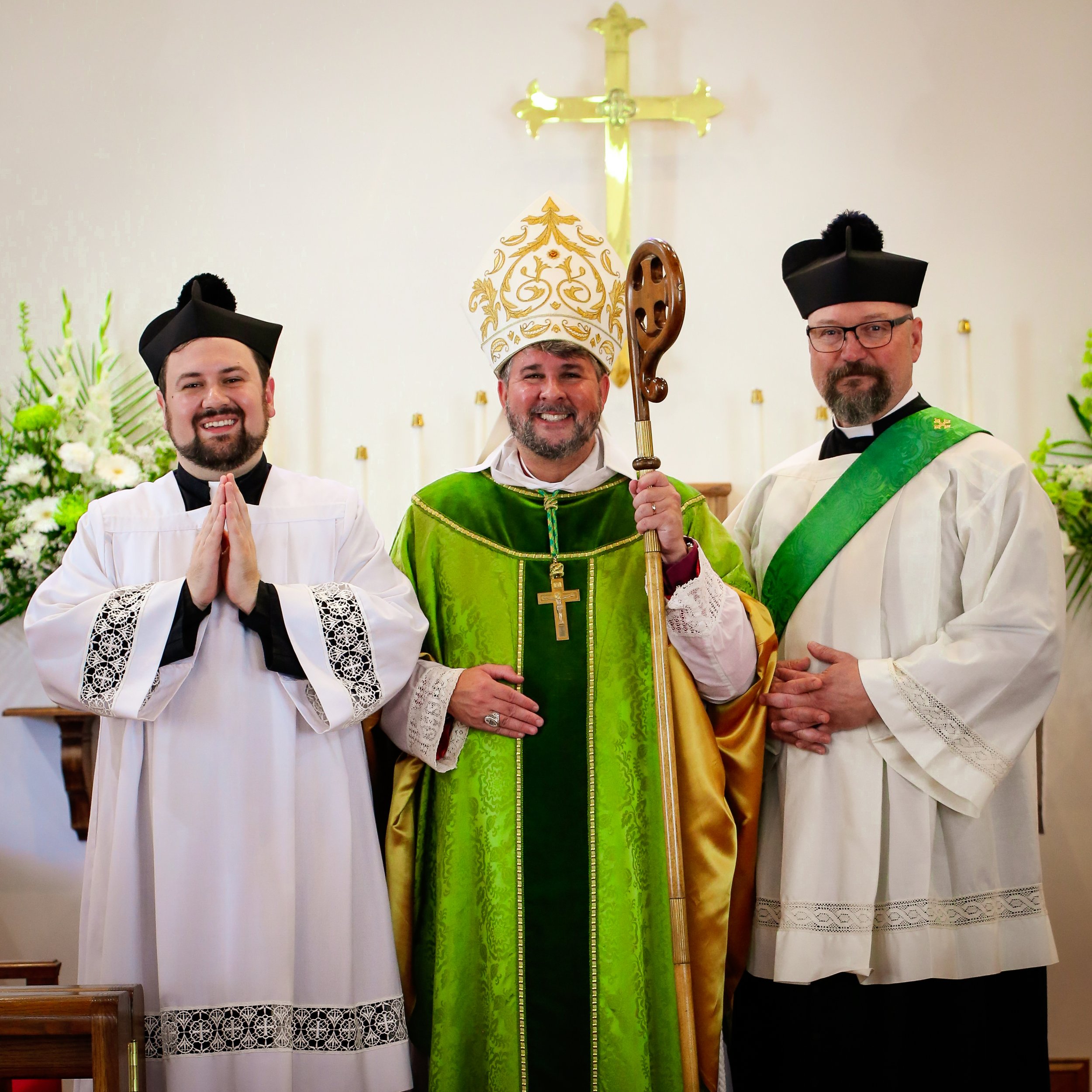
A hearty thank you to everyone who made this Episcopal Visitation weekend a great success! Seven confirmations, seven receptions, and one ordination made for a very busy and exciting weekend!





My Church, and Memories: They Do Come Again
By Eva Gasperich
From the Evening Capital
Tuesday, September 9, 1958
Dcn. David and I were rummaging through the water closet the other day and found a poster board with an old article about St. Paul’s Chapel that ran in the Evening Capital on Tuesday, September 9, 1958 by a woman named Eva Gasperich. We thought it was so neat to have a firsthand account of some of the history at St. Paul’s and wanted to share it with you. Here it is:
In the rugged days of early Anne Arundel, people went to unheated churches and worshipped God on their knees on cold, bare floors. They read the Holy Bible daily, studied their church catechism and prayed out loud in the family circle night and morning.
In Anne Arundel county St. Anne’s in Annapolis was the center of the Protestant Episcopal faith. But the rough dirt roads caused country people great hardship to attend. in order to be on time for Morning Prayer, they had to drive to Annapolis with horse and carriage the day before, and put up over night. to alleviate this situation, sometime in 1730, the Episcopal Diocese had a chapel erected in the North Severn River area on the old Chesterfield Road and called it the Chapel of Ease.
For 77 years hereafter this chapel served the simple needs of the few country Episcopalians, scattered through Severn Parish. Then on a warm Whitsunday a great wind-storm swept in from South River to the Severn and destroyed the Chapel of Ease. A tablet, erected by the Daughters of the Revolution, now marks this old site.
Meanwhile, Francis Asbury, the famous circuit rider who followed the Wesleyan movement from the Episcopal Church, and was the first Methodist Bishop in America, had established special headquarters at Brooksy’s Point on the Severn River, called Asbury’s Station. This also is marked by the D.A.R.
When the Chapel of Ease blew down, one William Thomas Turner, with an inspiration for Christian unity, offered a piece of his property called Warfield’s Plains at Severn Cross Roads for a community church to be jointly built and shared by Methodists and Episcopalians. The sects were financially hard pressed and few in numbers in those days.
This plan was gratefully accepted. The elders met and planned. Every man who could handle a saw and an axe came forward to work. What financial resources the two denominations could muster were pledged.
When the first church opening was held, both denominations took part. The sermon of the day is attributed to Francis Asbury.
It was a stupendous event for many sociable helpful years afterwards Methodists and Episcopalians held alternate services in this building. It was called Old Cross Roads Church. Ivy-covered brick Baldwin Memorial stands there now facing on the General’s Highway.
As times advanced and the population increased, the Episcopalians, let by Basil Hall, who lived nearby, separated from Old Cross Roads Church. Three miles further down on Chesterfield road the Episcopal element built a brick church fired from a clay field opposite the side and named it St. Stephens. This was sometime in 1843.
Severn Parish was then formally separated from St. Anne’s. The Methodists bought out the Episcopal interests in Old Cross Roads. The proceeds were set aside for a chapel fund.

At Crownsville Station of the Annapolis and Elkridge steam railroad, there was a corral in a grove where people taking the train tied their horses. This lot was owned by two spinster gentlewomen named Brown. They were weary of travelling over awful roads in a creaking carriage either to St. Anne’s or St. Stephen’s and offered the old corral to Severn Parish upon which to build a mission chapel. With the funds from the sale of Episcopal interests in Old Cross Roads Church, and pledges from the country faithful, St. Paul’s Chapel was build in the livestock grove at Crownsville in 1850, when Maryland was sorely troubled by the War Between the States.
It was a small frame structure, but Gothic-styled, with steeple and bell and it was hand-hewed, with 16 pitch-pine pews, including four in the slave gallery at the rear. On either side of the steps to the front vestibule, there were smooth chestnut stumps placed where ladies on horseback might alight and mount with ease at the church entrance. Hitching rings were attached to the trees. At the rear of the church was a small carriage shed for the minister’s convenience. Attached to the shed was a vine-covered wooden outhouse divided discreetly in two sections, one for ladies, the other for gentlemen. A little way down under the bank near the Annapolis and Elkridge Railroad tracks, there was a flowing spring where a wooden bucket and a drinking gourd were kept for the thirsty. Here churchgoers filled pewter pitchers with fresh water for baptisms and the minister’s ablutions in the vestry.
Severn Parish in 1860 was pleased with the little new mission, set so conveniently between the railroad tracks and the public road from Baltimore to Annapolis, the very same road traveled alternately by the Continental and British armies during the early makings of America. Along this road the seed of the golden gorse of Scotland, let as waste, had sprouted, rooted and was blooming in profusion. To this very day the colors of Scotland are found in bloom in the Springtime.
St. Paul’s Chapel still stands there, exactly as first built, but the railroad tracks are gone, and the historic road winding by is hard-surfaced now and is known as The General’s Highway. This was the route taken by General of the Continental Army, George Washington, when he went to Annapolis to resign his commission.
It was in a time of tribulation that St. Paul’s Chapel was built at Crownsville. The first services were a prayer for peace between the States. And when the sad years were over, the parishioners gathered there to give thanks for the end of strife and to mourn the dead.
By not seceding Maryland was spared much of the savagery of conflict but sympathies were divided and hearts were torn. The Annapolis and Elkridge trains chugged by daily with soldiers and supplies for the front. Union soldiers patrolled the road and checked the congregation at worship.
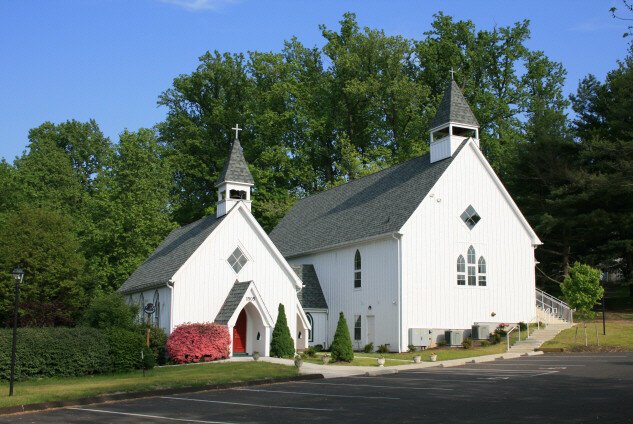
At St. Paul’s Chapel the old families have gathered regularly by twos and threes throughout the years. Here they were baptized, confirmed, married, buried. Through the course of evolving times, dramatic changes have taken place in the countryside, but St. Paul’s Chapel remains the same, no alterations, no additions, still painted a spotless white inside and out. There are the same pitch pine pews, but now they are bright with new varnish, and the same heavy marble baptismal font stands at the rear. There is the same lectern with the old King James Bible; the same little altar with the single stained glass window inscribed in memory of a Rev. Hugh Maycock, and a window. undated, a name unknown, but a constant reminder of someone who long ago had stood for something very sacred in the sight of God.
The only new object is a Hammond organ—lately bought.
St. Paul’s always has a country fair and farm supper in the old grove when the corn is ripe. And then they come home again, the descendants of the founding families, from far and near, to sit and chat and sup in the shade and hear the roundelay of the mocking bird.
The new rector[1] who came to Severn Parish in 1910 was a man of great talents. He had served brilliantly in a large city parish, but his days were numbered with an incurable ailment. The time he had left he devoted to the people of his new parish. Tall, emaciated, but dynamic, his sermons struck like a thunderbolt in this farm neighborhood. The churchmen soon found out he was high church as well as an evangelist for our children. He invited every child of walking age to participate in his Sunday School and vested choir. Never before had there been such a fine choir or any high church ritual in Severn Parish. And the choir was composed of boys only! He was very firm about that. This electrified the parish. Many an indifferent Episcopalian, pleasantly relaxed over church attendance, perked up and came back to long-empty seats. St. Paul’s was thrilled and proud.
There were six Charles and Brice Worthington boys. The three Maynard Carr boys. Nine! Eight to walk two by two, and one to be the cross-bearer! Fair-haired Maynard Carr was chosen for cross bearer because of his fine looks. Full-throated Benjamin Skinner Carr was made the choir leader because of his beautiful appealing voice.
The ladies of the Guild who were the mothers of the boys made the choir vestments. They were ankle-length black cassocks with white linen capes and round turned down white linen collars tied with black silk bows. The 11 A.M. Easter Sunday service was selected for the choir’s premiere at St. Paul’s. The pastor trained his boys privately behind the closed doors of the chapel. Mrs. Brice Worthington, the organist, was the only outsider present at the rehearsals.
The mothers also made new altar cloths, white satin with heavy gold fringe and gold embroidery. Even the lectern had a new white and gold “throw,” and the old Bible a new white and gold “marker.” Local flowers bedecked the altar. Most of them were daffodils, the first flowers of spring to raise their golden trumpets to the Lord.
When the congregation entered St. Paul’s that Easter morning in 1910, they saw something new on the altar. Seven candles were glowing softly among the flowers below the stained glass window!
And all through the years that followed; between the burying and the marrying and the baptizing the survivors came back to the summer festival. Here reunion and farewell are steeped with laughter and hidden tears, and memory flashes bright with unforgettable faces.
“Alleluia! Alleluia! Alleluia!”
Our minister did not die a lingering death. This ardent high churchman died with merciful suddenness in an automobile crash a few years after 1910.
And in a grim time soon after, that choir of little boys were bearing arms in World War One. Benjamin Skinner Carr never came back. Only 18 years old, he was killed in the Argonne Forest in France on the 23rd of October, 1918 while leading a a machine gun squad in action. A placque dedicated to his memory hangs in the old chapel where he sang so happily that Easter in his boyhood. He is honored by the Annapolis Carr-Saffield Post of the 115th Infantry.
And of all the mothers who listened to their sons that day, only the organist is alive in 1958, Mrs. Brice Worthington, serene in her memories of a full life, lives alone in gracious old age as 12 Maryland Avenue.
[1] The new rector mentioned here is Rev. William R. Agate.