NEWS

Reflection: G3 to G1?
In response to these innovations, a group called the Fellowship of Concerned Churchmen sponsored what is called the Congress of St. Louis, a gathering of nearly 2,000 Anglicans from September 14-16, 1977. The result of this conference was a formal split from TEC and the a document called the Affirmation of St. Louis. The Affirmation of St. Louis commits those who broke from TEC “to continue in the Catholic Faith, Apostolic Order, Orthodox Worship and Evangelical Witness of the tradition Anglican Church, doing all things necessary for the continuance of the same.” It emphasizes the need for Anglicans to submit to Holy Scripture, the Nicene, Apostles’ and Athanasian Creeds, the Tradition of the Church “especially as defined by the Seven Ecumenical Councils of the undivided Church”, and the seven Sacraments—Baptism, Confirmation, Eucharist, Matrimony, Holy Orders, Penance, and Unction of the Sick. In the Solemn Declaration of the Anglican Province of America, our Bishops pledge to uphold the Affirmation of St. Louis.
Sadly, whenever there is a split in the Church, even a warranted one, it seems to lend itself to further fracturing. The group that left TEC in 1977 did not stay together. The first things this group did was consecrate four bishops—Charles Doren, James Orin Mote, Robert Morse, and Francis Watterson. Unfortunately, due to personalities, politics, and jurisdiction, this unified movement divided into three different bodies: The Anglican Catholic Church, the United Episcopal Church of North America, and the Diocese of Christ the King. These bodies underwent their own jurisdictional evolutions and splits so that, by the 2000s, the major players were the Anglican Catholic Church (ACC), Anglican Church in America (ACA), and Anglican Province of America (APA), and the Diocese of the Holy Cross.
Happily, the story does not end in disrepair and conflict. In 2017, Abp. Mark Haverland (ACC), Bp. Brian Marsh (ACA), Bp. Walter Grundorf (APA), and Bp. Paul Hewett came together at a Joint Synod in Atlanta, Georgia to sign an intercommunion agreement. The text of that agreement is as follows:
We acknowledge each other to be orthodox and catholic Anglicans in virtue of our common adherence to the authorities accepted by and summarized in the Affirmation of St. Louis in the faith of the Holy Tradition of the undivided Catholic Church and of the seven Ecumenical Councils.
We recognize in each other in all essentials the same faith; the same sacraments; the same moral teaching; and the same worship; likewise, we recognize in each other the same Holy Orders of bishops, priests, and deacons in the same Apostolic Succession, insofar as we all share the episcopate conveyed to the Continuing Churches in Denver in January 1978 in response to the call of the Congress of Saint Louis; therefore,
We welcome members of all of our Churches to Holy Communion and parochial life in any and all of the congregations of our Churches; and,
We pledge to pursue full, institutional, and organic union with each other, in a manner that respects tender consciences, builds consensus and harmony, and fulfills increasingly our Lord’s will that His Church be united; and,
We pledge also to seek unity with other Christians, including those who understand themselves to be Anglican, insofar as such unity is consistent with the essentials of Catholic faith, order, and moral teaching.
For those who know, former St. Paul’s parishioner Jack Wyatt, who served our parish as Senior Warden, was one of the organizers of that Joint Synod at which this agreement was signed. At the time, these four churches were referred to as the G-4. In 2021, the G-4 became the G-3 as the Diocese of the Holy Cross joined the Anglican Catholic Church.
Today, there are three main representatives of Anglicanism in America. The G3 represents Continuing Anglicanism as defined by the Affirmation of St. Louis. The Episcopal Church can be described as “Canterbury Anglicanism” because they are still in communion with the Church of England. They ordain women to the diaconate, priesthood, and episcopate and perform or bless same-sex unions. The final variation of Anglicanism in the United States is embodied by the Anglican Church in North America (ACNA) which was formed in 2009 after the consecration of the Episcopal Church’s first openly gay, non-celibate Bishop V. Gene Robinson. They tend to be Evangelical in their outlook, blending much that can be found in the non-liturgical traditions with contemporary liturgy. While generally conservative on social issues, they also have a varying acceptance of women’s ordination by diocese. Some dioceses ordain women priests, other dioceses will ordain women deacons, but not priests, while still others do not ordain women at all. So there’s Continuing Anglicanism (G3), Canterbury Anglicanism (TEC), and Evangelical Anglicanism (ACNA).[1]
All this brings us to the topic of our retreat next week where the topic is G1. The 2017 Intercommunion Agreement was an awesome first step in bringing our disparate jurisdictions back into unity. What we will be discussing next week, presumably, is what that unity might look like moving forward. These kinds of developments happen slowly and organically so nothing is impending. But it is an exciting time to be a Continuing Anglican! So much of the Christian landscape is being torn apart by disunity, but since 2017, we have been on a trajectory towards unity! So if you think about it, please pray that our bishops would have the wisdom to implement Christ’s prayer for his Church, “That they all may be one” (John 17:21).
The Prayer for the Unity of God’s People (BCP 37-38)
O God, the Father of our Lord Jesus Christ, our only Saviour, the Prince of Peace; Give us grace seriously to lay to heart the great dangers we are in by our unhappy divisions. Take away all hatred and prejudice, and whatsoever else may hinder us from godly union and concord: that as there is but one Body and one Spirit, and one hope of our calling, one Lord, one Faith, one Baptism, one God and Father of us all, so we may be all of one heart and of one soul, united in one holy bond of truth and peace, of faith and charity, and may with one mind and one mouth glorify thee; through Jesus Christ our Lord. Amen.
[1] These categories, while not identical, are based on Canon Robert Bader’s categorization in “Canterbury Anglicanism, GAFCON Anglicanism, and Scranton Anglicanism,” Philorthodox, September 24, 2018, https://philorthodox.blogspot.com/2018/09/scranton-anglicanism.html.
Old Time Bible Hour: Tuesday, March 12th at 6p

The Old Time Bible Hour is a once-a-month gathering where we look at how Christians who have gone before us read the Scriptures. This month, we’re looking at Noah’s Ark through the preaching of the Church Father Origen (185-253) who was one of the most important preachers and biblical exegetes in Christian history. If you have any questions about the event, please reach out to Fr. Wesley.
Please note: the event will be preceded by Evening Prayer which will take place at 5:30p.
Daily Office Workshop: Postponed to February 6 at 6p

The great Anglican ascetical theologian Martin Thornton says “The Eucharist is the heart of the Church; the [Daily] Office is its beat; and Private Prayer is the circulation.” The Book of Common Prayer is an ascetical system that centers our lives around Holy Communion in conjunction with the Daily Offices of Morning and Evening Prayer. This workshop on February 6th will be focused on the why behind this rationale and the how of praying Morning and Evening Prayer. We will begin our time at 6p with Evening Prayer in the Chapel followed by a time of instruction. Please contact Fr. Wesley if you have any questions.

Reflection: The Blessing of Chalk
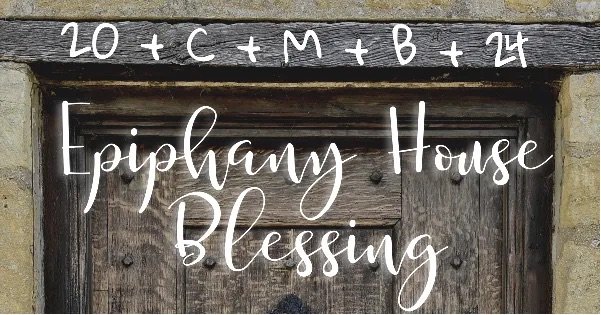
As of this evening, the feast of Christmas is over. But don’t worry, the party continues as we celebrate the next Feast in the Church Kalendar: the Feast of the Epiphany! Epiphany is about Christ as the light to the world and commemorates the journey and visitation of the Three Wise Men to the Christ Child.
At our celebration of the Feast of the Epiphany tomorrow (Saturday), we’ll bless a lot of individual pieces of chalk. On Sunday after each service, we will hand out the chalk along with a prayer card and instructions about chalking your door to everyone who attends. The chalking of doors is a common Epiphany tradition. It’s a season where we celebrate the Wise Men arriving at Jesus’ family home to worship him. By chalking our doors and praying for our homes, we intentionally invite him into our homes so that we might worship him with our families, just like we invite him into our hearts so that we can worship him with all that we are. Not only is the blessing of your home and chalking your door an excellent opportunity to reflect on the mystery of your own salvation, but it can also be a neat way to build missional relationships with your neighbors and friends who might ask you what the numbers and letters above your door means.
So how can you participate in this tradition?
When you receive the chalk on Sunday, take it home with you. When you get to the front door of your house or apartment, stop and write
20 + C + M + B + 24
above the door. The C, M, and B stand for the traditional names given to the three Magi: Casper, Melchior, and Balthasar. It can also act as an abbreviation for the Latin prayer “Mansionem benedicat” which means “Christ, bless this house.”
Once you have chalked your door, say the following prayer:
“Visit, O blessed Lord, this home with the gladness of your presence. Bless all who live or visit here with the gift of your love; and grant that we may manifest your love to each other and to all whose lives we touch. May we grow in grace and in the knowledge and love of you; guide, comfort, and strengthen us in peace, O Jesus Christ, now and forever. Amen.”
It’s important to note that once the chalk is blessed, it should be treated reverently. Please don’t throw it in the trash can. When disposing of something holy, there are three ways you can do it. First, you can burn it. Unfortunately, chalk doesn’t burn, so this doesn’t work. A second option is that you can bury it. A final way of disposing of a holy object can be dissolving it in water and pouring the water out onto fresh ground. The third option is probably the best in this particular instance, but if you would prefer, feel free to bring your chalk back to church next week and we’ll take care of it for you.
Blessed Feast of the Epiphany!
Fr. Wesley
Looking Back at 2023 and Forward to 2024
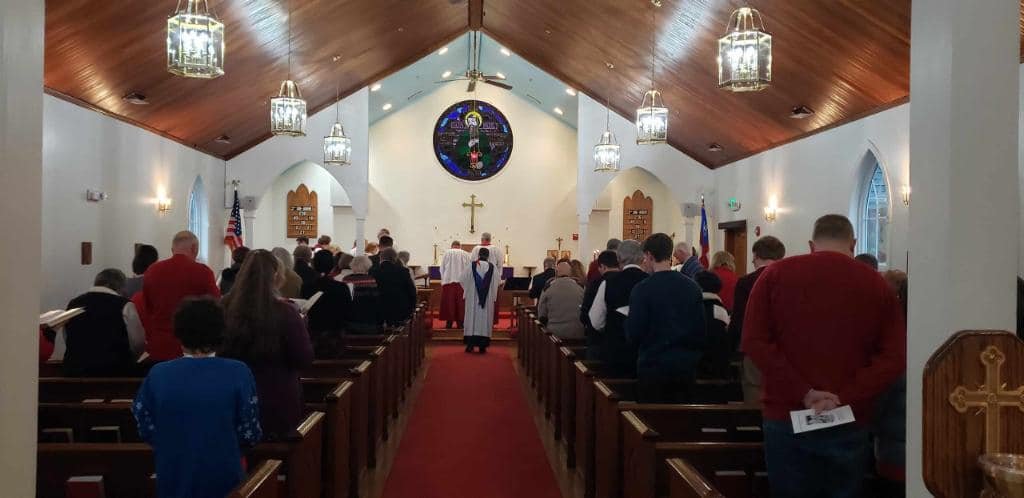
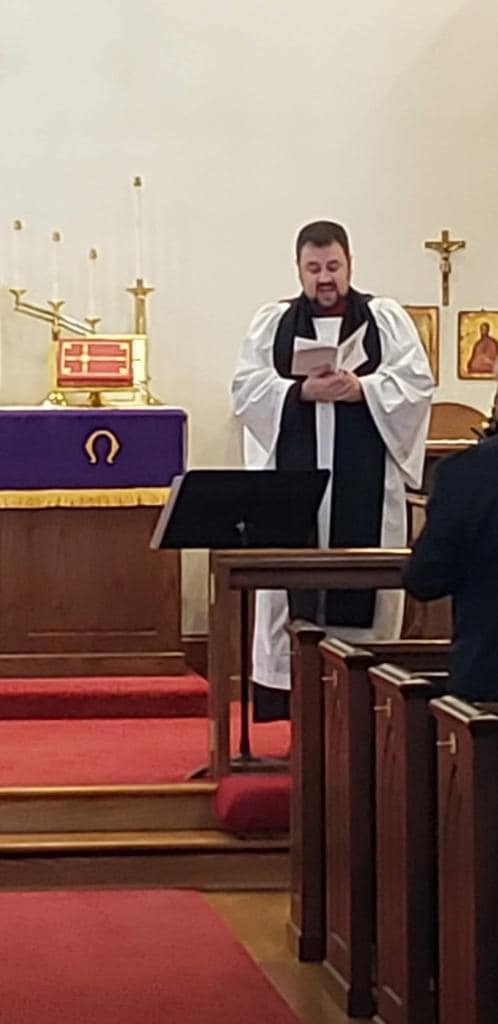
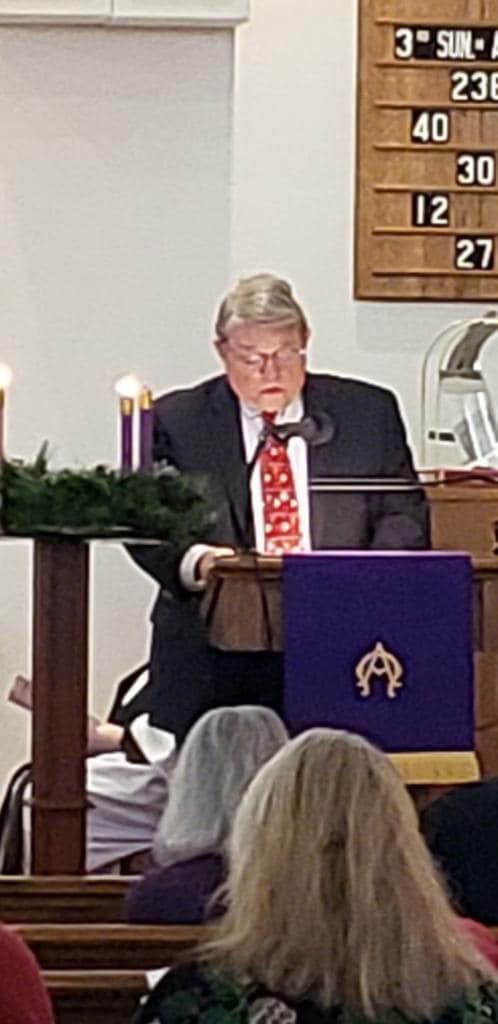
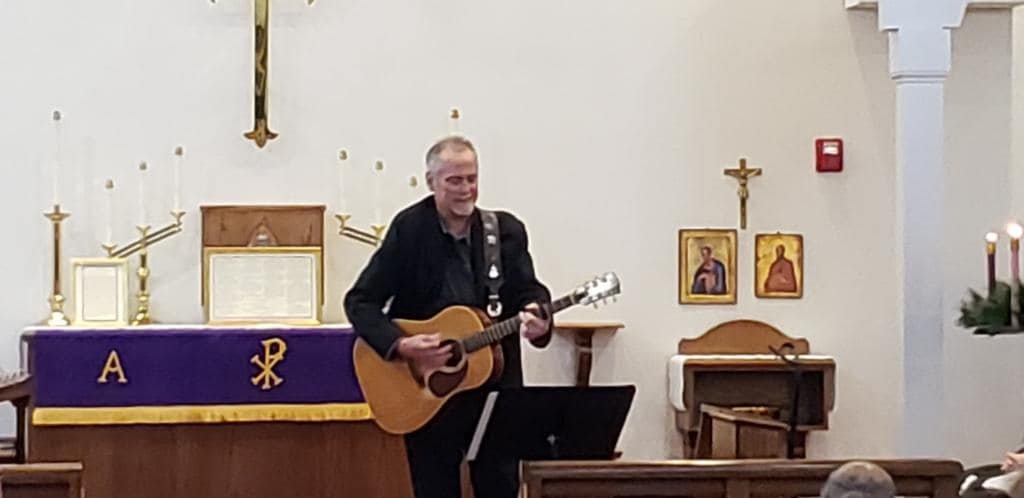
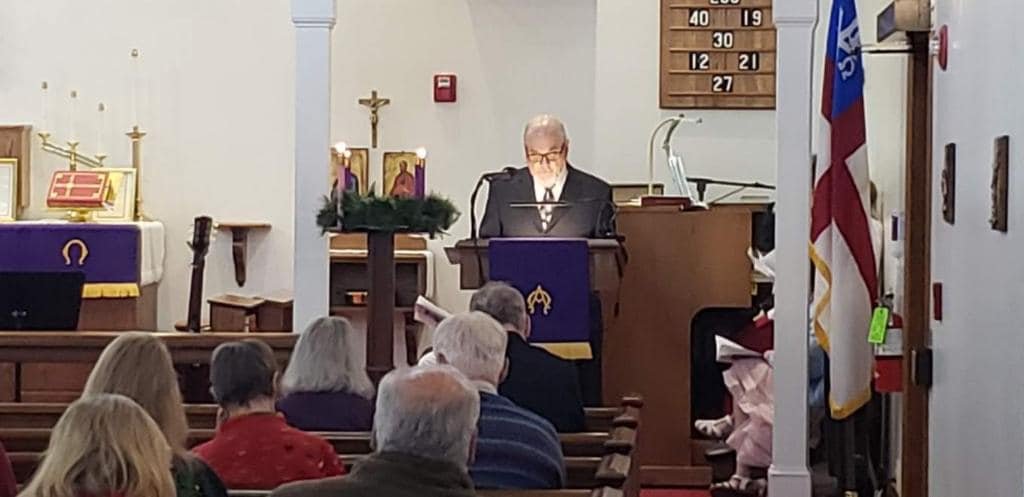
Standing at the end of 2023 and the beginning of 2024, there is so much for us at St. Paul’s to be thankful for. This has been a spectacular year. We got to celebrate Fr. David’s ordination to the priesthood and welcome back Fr. Dennis and Patti Ryan, congratulate Cathy Gates on a tenure as Senior Warden well done (this is bittersweet for us since she is no longer on Vestry, along with Gary Rigby). We welcomed David Smith on as the new Senior Warden and Joann Montgomery and Joan Smith as Vestry Members. Our Vestry has continued to work tirelessly to make St. Paul’s a beautiful, hospitable, and reverent place of worship.
For the first time since I arrived at St. Paul’s in 2019, we performed more Baptisms than Funerals and pray that this trend continues! We saw seven new confirmands and more receptions into the parish when Bp. Chad visited. Fr. David and I have started celebrating Holy Communion on a daily basis and we pray for each and every parishioner of the parish at the Intentions at least once a week. We have also continued shepherding our “satellite congregation” at the Brightview retirement community (Fr. David is primarily responsible for that now and they love him!). God has brought us new people, many of whom were previously unchurched or are “Evangelicals on the Canterbury Trail”. A good number of those newcomers have ended up serving in some capacity through Altar Guild, serving at the Altar during services, ushering, and other capacities.
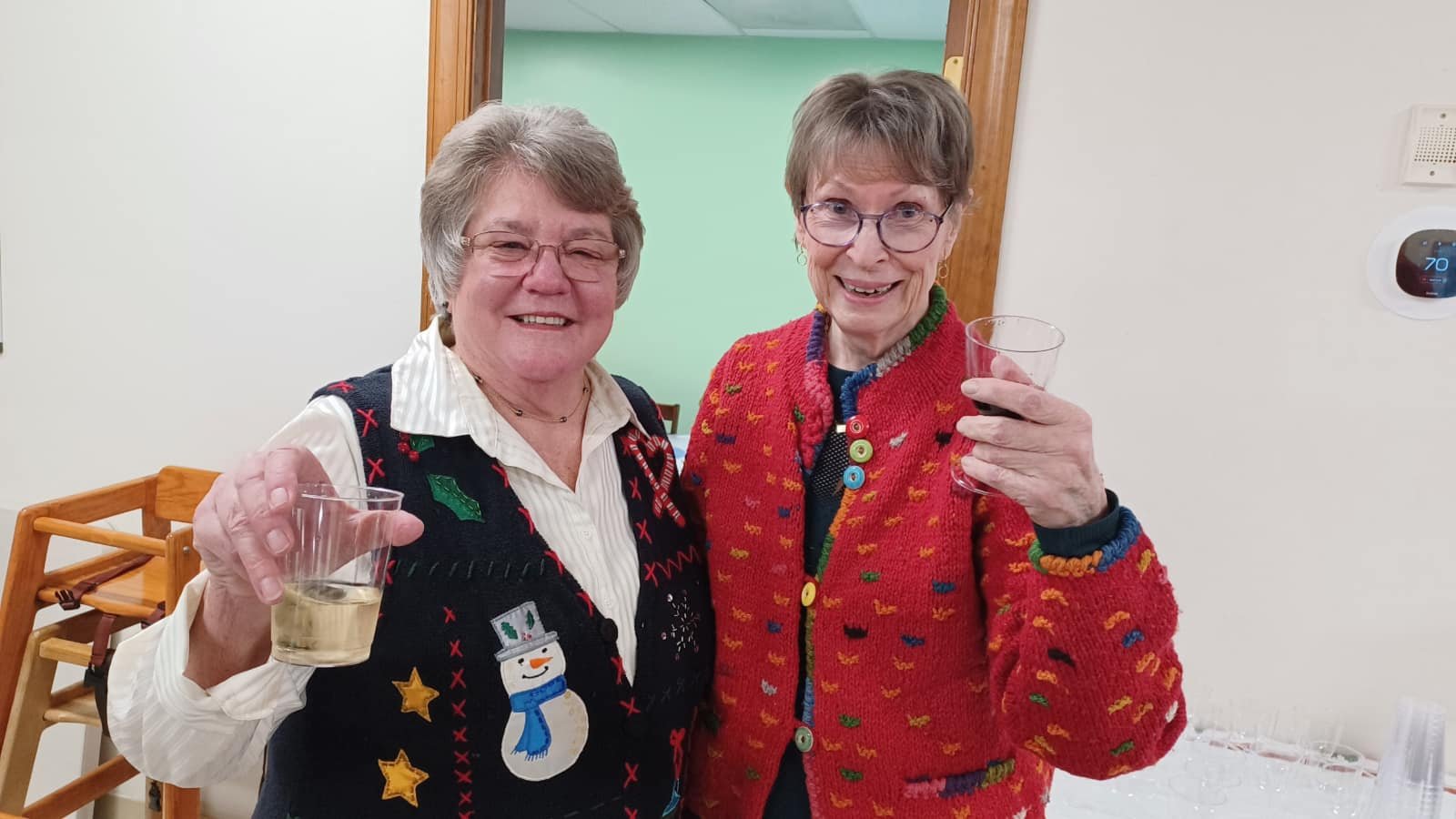
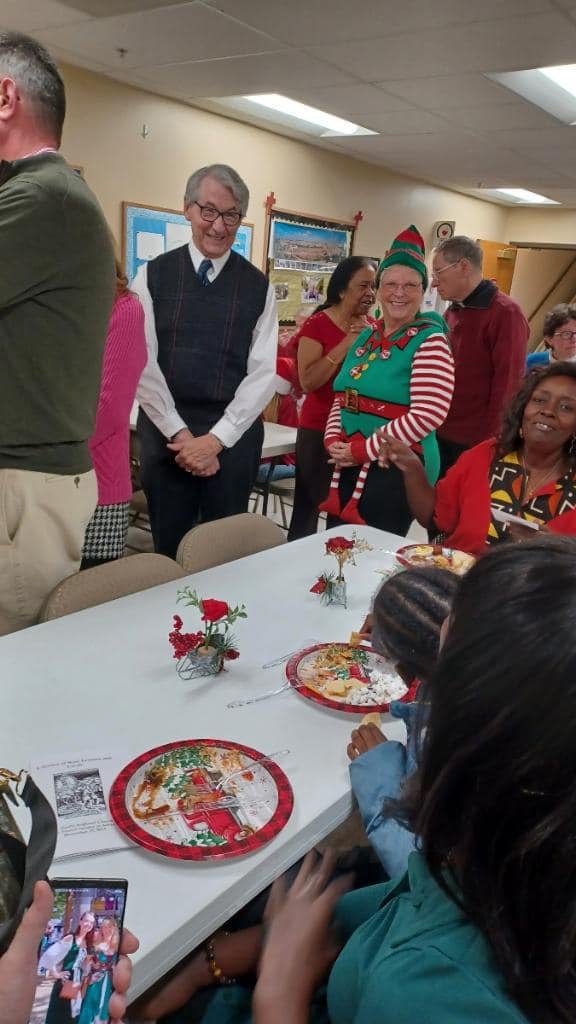
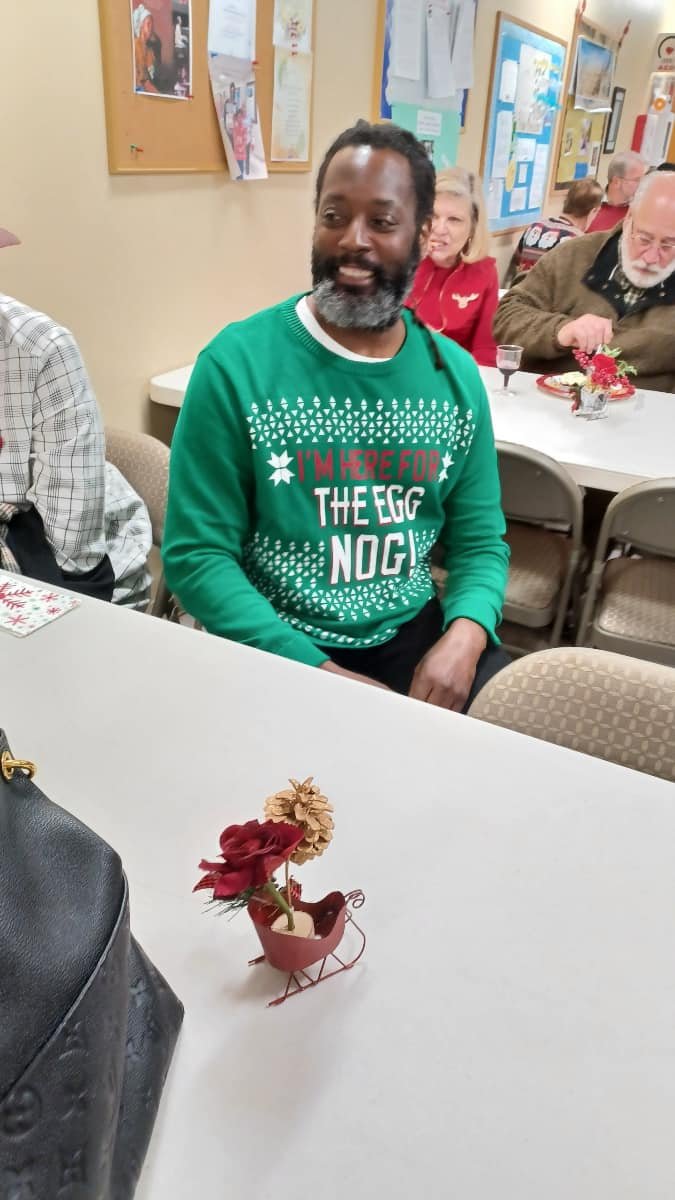
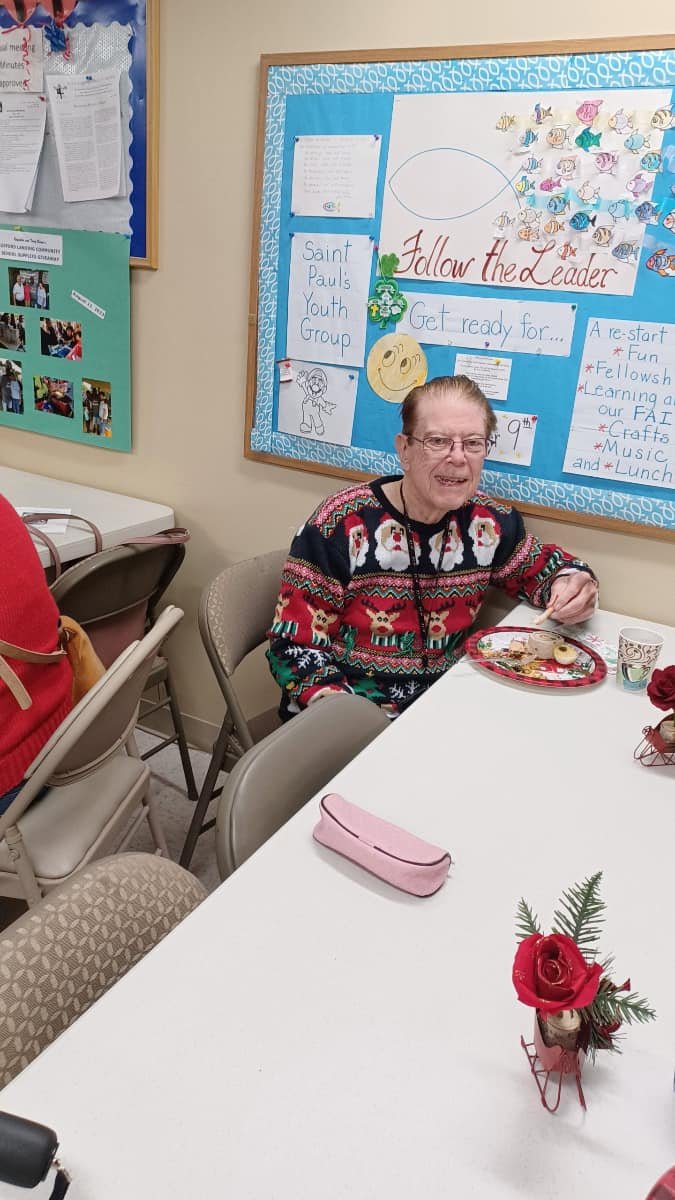
We blessed a number of houses during Epiphanytide. We continued our partnership with Riva Trace Baptist Church to assist them during their Winter Relief by providing a meal for their residents. Shrove Tuesday was another success! Ken Sabel gave a wonderful presentation about the Holy Land Pilgrimage that he and some other parishioners got to go on with Bp. Chad. There was a Sparkle and Shine Day in July as we prepared for our episcopal visitation. Everyone who participated did fantastic work! Bp. Chad communicated to me that he was very pleased at his visit. Raynaldo continues to be a dynamo in our community with the Brown Bag Lunch Program, the Back-to-School event, and his Christmas Party. We began a small reading group at St. John’s College with some of our students who attend. The Parish Picnic was a fun day of fellowship and food at Quiet Waters Park. We blessed a lot of pets for the Feast of St. Francis (still no cats though…). We had a wonderful Stewardship Campaign that once again proves how robust, active, and giving our parish is. in conjunction with that Stewardship Campaign, we had a great Committee and Ministry Fair where the various committees and ministries of our church got to show everyone all the important work they do and solicit help where needed. David Kamioner launched our new Veteran’s Group at St. Paul’s which has already helped out immensely at the Operation Sleigh Ride event on December 19. Lessons and Carols and the 2nd Annual Jingle Mingle were fun ways to get into the Christmas spirit!
On Fridays, we finished our Bible study on Luke-Acts in the Spring and, this Fall, began our ongoing journey through Dante’s Divine Comedy, a demanding but rewarding study! The Thursday night Bible study continues to go strong, as well, studying the Book of Isaiah this Fall. Over the Summer, we had our second annual Summer Study that delved into The Genesis of Gender: A Christian Theory by Abigail Favale. This is a book I highly recommend as our culture wrestles with important questions sexual identity, a debate that really stems from a more fundamental question about whether we are created by God or whether we get to create ourselves. There were multiple retreats over the course of the year. Our first was on the Canticles from St. Luke, the Benedictus, Magnificat, and the Nunc Dimittis that we regularly pray at Morning and Evening Prayer. In June, we looked at the harmony of Christian Marriage, Christian Family, and Parish Life. There was also a Ladies Guild Retreat that focused on the topic of forgiving ourselves. We weren’t able to record audio because of the conversational and personal nature of the retreat but I wrote three reflections on it in previous newsletters that were based on the three sessions of the retreat: The Three Dimensions of Forgiveness and the Problem of Self-Forgiveness; Our Identity in God; and Confession: Hearing God’s Story About Ourselves.
And of course, it’s important that we remember the departed members of our congregation who we said goodbye to (but not an eternal farewell) this year: Catherine Compton-Caputo, Emily Loiselle, Len Bender, and John Johnson. May light perpetual shine upon them, and may they rest in peace.
On a personal note, and I think I can speak for Fr. David when I say this, thank you from the bottom of our hearts for the opportunity to serve St. Paul’s. We are honored to be here and are thankful for each and every one of you.
What can we look forward to in 2024? On the one hand, this is always a precarious question because we will have to wait and see what God brings! However, on our end, we are looking to continue our momentum into the New Year by being faithful ministers of the Word and Sacrament. We will continue celebrating Holy Communion each and every day. We will keep looking for ways to integrate the Daily Offices of Morning and Evening Prayer into our life together alongside other helpful devotions and prayerful activities. Education and catechesis will continue to be a priority: a Newcomers Class begins in January, Thursday and Friday Bible studies will continue, we will be training some more new acolytes soon, and the Old Time Bible Hour will return. We will also look for more ways to intentionally lean into and learn from the Church Calendar so be on the lookout for some opportunities throughout this Church Year. Finally, in addition to being a parish centered on the Sacraments and Word of God, we want to continue being a “parish on the move” that focuses on mission, evangelism, service, and gathering. What God is doing for us here at St. Paul’s is so great, we have to share it with others and invite them into our common life together!
Thank you for making St. Paul’s such a phenomenal parish. It wouldn’t be the same without YOU!
Blessings,
Fr. Wesley
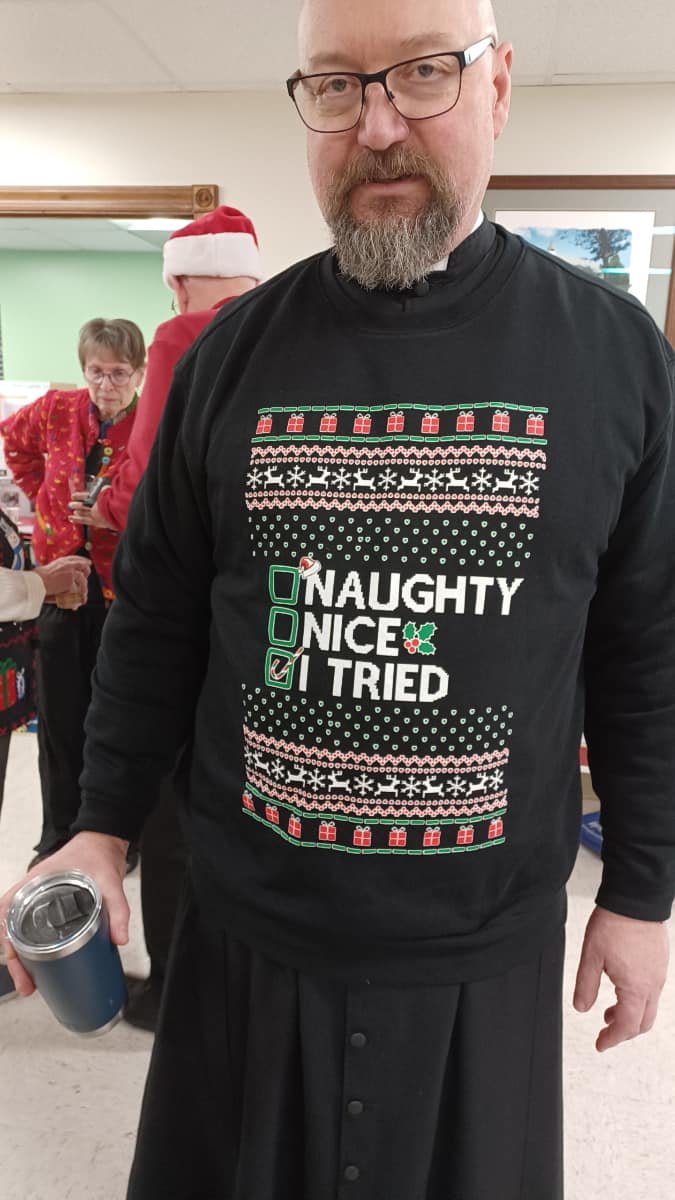
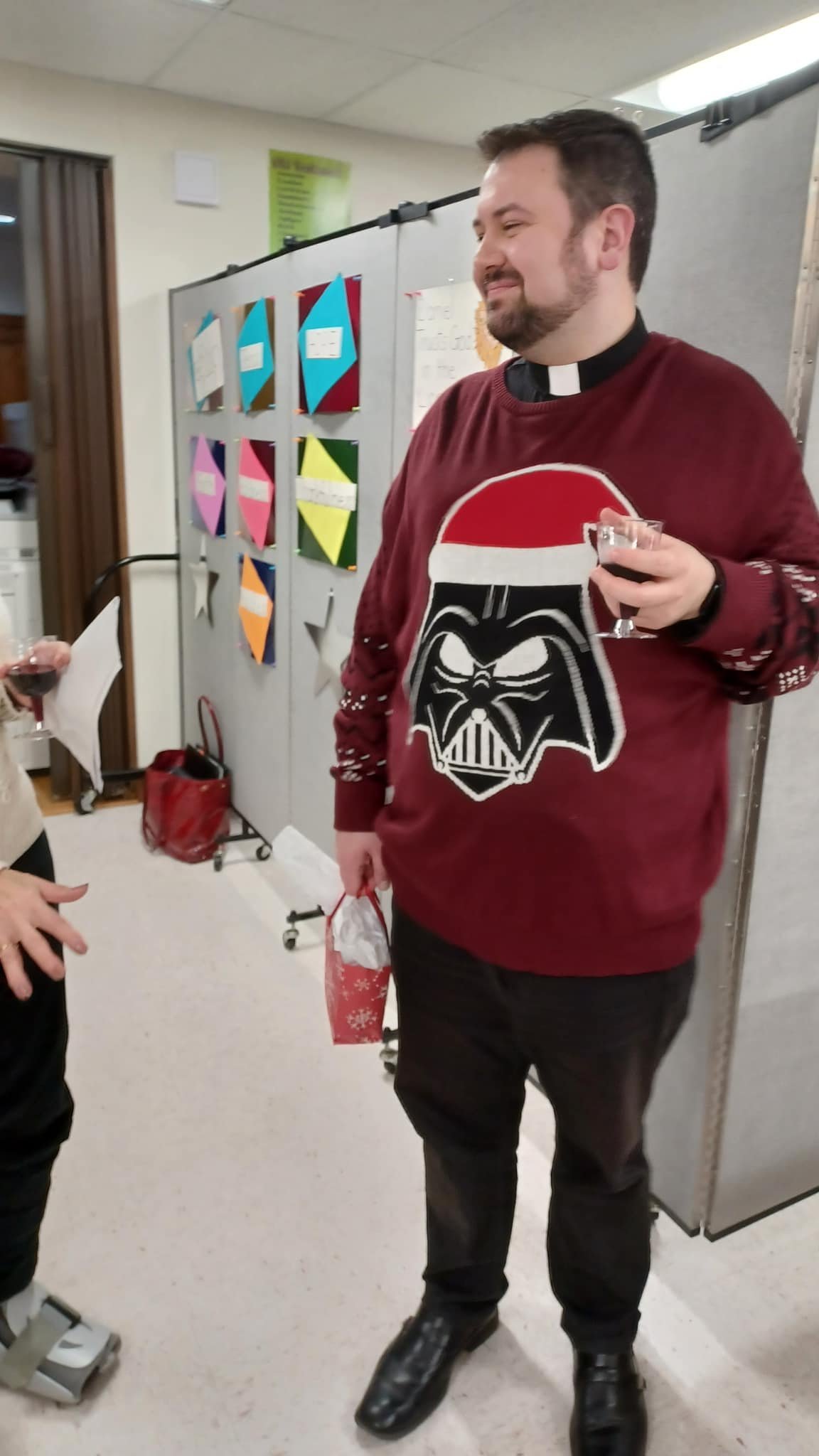
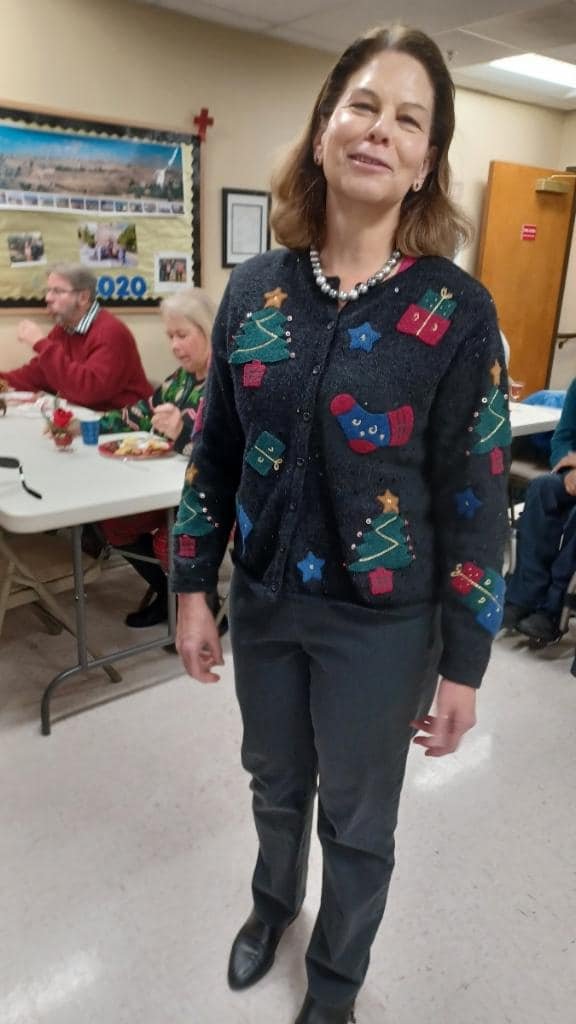
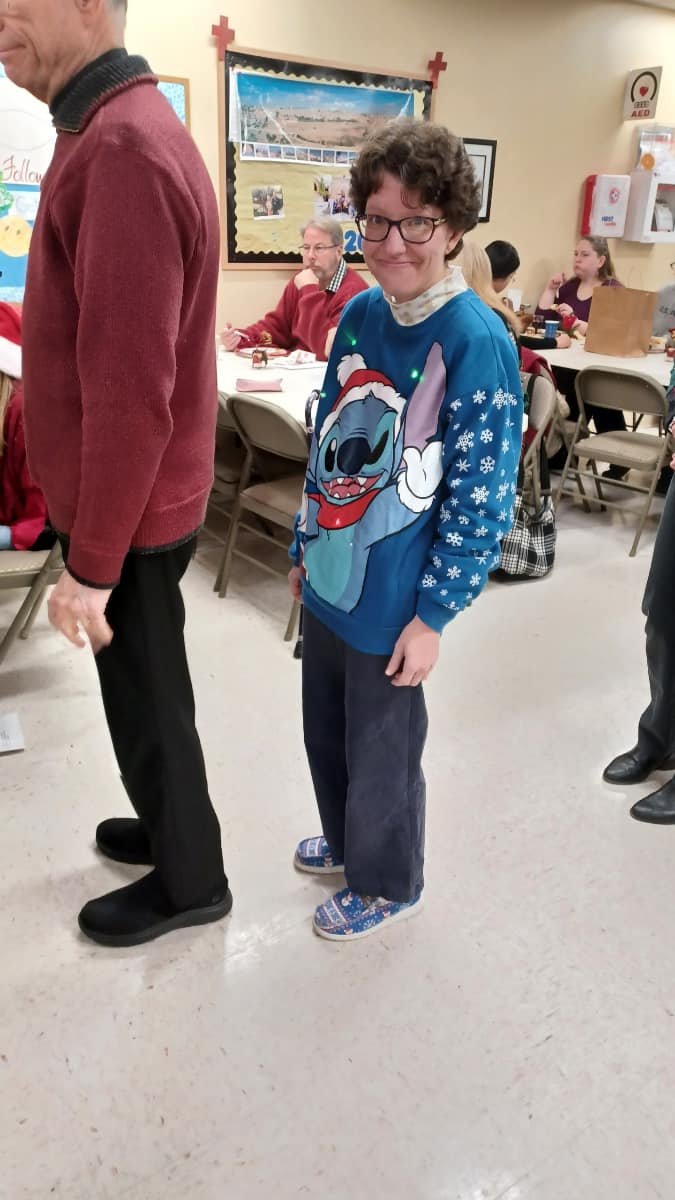

The Three Ts of Giving: Your Talent, Your Time, and Your Treasure
By Cathy Gates
Have you ever wondered what makes us a church? What brings us together? St. Paul’s is a gathering of believers that allows the church:
To praise and worship God, Jesus, and the Holy Spirit; and study and learn what God expects us to be.
To support one another as a family.
To accomplish our God-given mission which is to bring others to Christ by following the example Jesus set—to serve others. “For even the Son of Man did not come to be served, but to serve” (Mark 10:45).
We are a vibrant community that is blessed by the generosity of each member as they share their talent, time, and treasure.
The financial support St. Paul’s receives from each member provides for the maintenance of our charming, historic chapel, lovely church, the peaceful memorial garden, and the well-kept grounds. We are blessed by the spiritual guidance and teaching from Fr. Wes, our Rector, and Fr. David, our assisting priest. And our worship is enriched by the musical talents of our organist, Andrea Linnell.
Because of your generosity, the Missions committee supports several local organizations as well as sending financial aid to disaster areas. The Missions Committee outreach plan represents 23% of our church’s annual budget.
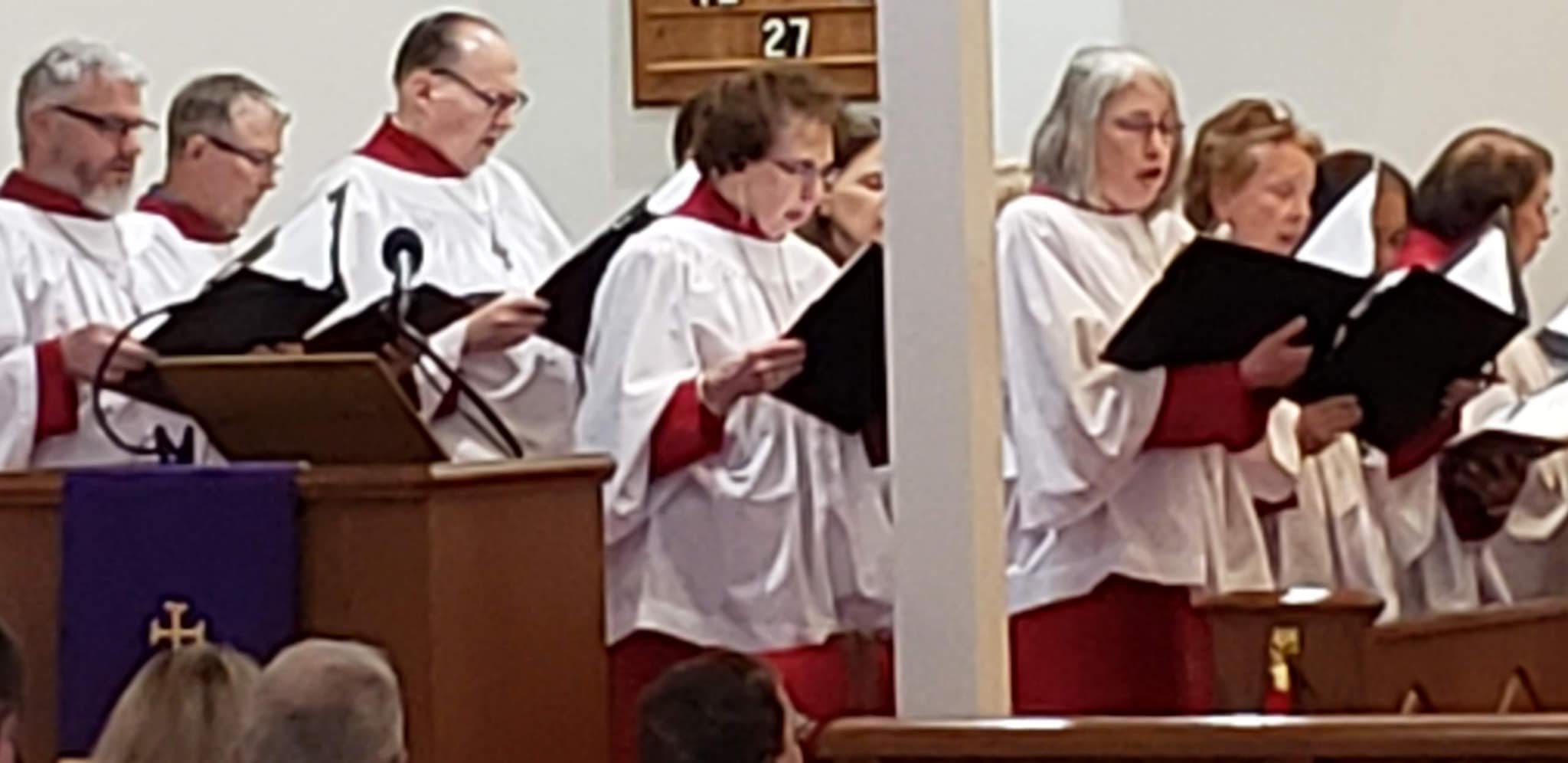
But sharing financial resources is not enough. As servants, we are called to share our time and talent as well. The Choir shares their time and talen as they preapre their music. We are blessed with an energetic Hospitality Committee that sets up and cleans up for our various fellowship get-toghethers. The Altar Guild is dedicated to reverently preparing the altars for every service. You’ll learn more about how you can share your talent and time at the upcoming committee fair.
Finally, we support one another through prayer and fellowship. We are called to rejoice when one of us rejoices, weep when one of us weeps, provide care when one of us needs caring. It is important that we love one another as Christ loves us. Prayer Shawl ministry makes and distributes blessed prayer shawls to anyone who needs Christ’s comfort of healing. Prayer Warriors pray daily for members and non-members who are suffering physically, emotionally, or mentally.
As you consider how you can support St. Paul’s with your time, talent, and treasure, remember God has given us all some measure of time, talents, and treasures. How are you investing yours to support St. Paul’s mission?
Stewardship Season 2024 is Underway!

“He that soweth little shall reap little; and he that soweth plenteously shall reap plenteously. Let every man do according as he is disposed in his heart, not grudgingly, or of necessity; for God loveth a cheerful giver.” -II Cor. ix. 6, 7
The 2024 budget was presented at the Annual Meeting last month. Please consider prayerfully what you can give so the Vestry can successfully fund the budget and fulfill St. Paul’s unique place in the community.
We appreciate your support whether you pledge formally or not. However, pledges are particularly helpful. They allow the Vestry clarity and certainty to make sure we meet all our obligations for the coming year. They also allow us to look to the future and plan for the years ahead. We understand some may be hesitant to pledge lest sudden a change in circumstances make it difficult to meet the pledge amount. Please trust in the Lord and know that God always provides.
May God bless you,
Clint Rosso
Chair, St. Paul’s Stewardship Committee

Confession: Hearing God's Story about Ourselves
This is Part 3 of a series based on our recent retreat “Forgiving Ourselves.” Part 1 can be found here. Part 2 can be found here.
As humans, we think in terms of stories. Beginning, conflict, and end. When we want to get to know someone, we might invite them to tell us their story. Stories are key to understanding the world and our place in it. The great myths in ancient cultures were attempts to understand the world. We tell stories about our experiences and relationships so that we can understand them better. The Christian religion tells us a story, the most meaningful story of all. We might call this a meta-story, the story in which all other stories fit. It has three acts: Creation, Fall, and Redemption. Creation, the opening act, means God made the world and everything in it is good. The Fall, the conflict, means that our sin not only hurt ourselves but subjected the whole cosmos to the futile effects of sin. But the resolution of the Christian story is the most beautiful act of all: redemption. Jesus Christ has come to redeem us and will come again to deliver us once and for all. Everything will be made right. Each of us can understand our own stories—our struggles, failures, victories, relationships, and everything else—in terms of the meta-story of the Gospel. And so when we talk about the Sacrament of Reconciliation, we should understand it as telling us a story about ourselves.
Real life, of course, is often more complicated than the stories we want to tell ourselves about ourselves. We like to think of ourselves as the heroes, the protagonists of our stories. But, sometimes, we might have been the villain. As Christians who have been incorporated into Christ, we might tell the story of our testimony as the resolution of a conflict: I became a Christian because God gave me the grace to realize that I had enough of sin and realized I couldn’t do it anymore. However, it’s important to note that in our day-to-day lives as Christians, we experience a good deal of continuity and discontinuity with that story. That discontinuity we might call sin: when we don’t do what we’re supposed to or when we do what we’re not supposed to. This world and all our short comings is not God’s plan B. He knew that we would still struggle with temptations and sin after our baptisms, hence the great tension of Romans 7: I do what I don’t want to do; I don’t do what I want to do. Who will save me from this body of death? And so God gave us a way of re-storying ourselves: the sacrament of Confession. There are two ways we can enact this story, devotionally or sacramentally.
Devotional confession is that which we experience during the Holy Communion service, what we do during Morning and Evening Prayer, and the confessions we make directly to God in our personal prayers. As Psalm 51:17 states, “The sacrifices of God are a broken spirit: a broken and a contrite heart, O God, thou wilt not despise.” And so, when we begin our Offices or before we come to the Altar at Holy Communion, we pray a prayer of confession, we tell God the broken parts of our stories: “We acknowledge and bewail our manifold sins and wickedness, which we, from time to time, most grievously have committed, by thought, word, and deed against thy divine majesty.” We do this knowing that only God can take the “intolerable burden” of our sins from us. It’s important to note that the absolution given after devotional confessions is contingent on the perfect contrition of the people: “Almighty God, our heavenly Father, who of his great mercy hath promised forgiveness of sins to all those who with hearty repentance and true faith turn unto him; Have mercy upon you; pardon and deliver you from all your sins; confirm and strengthen you in all goodness; and bring you to everlasting life; through Jesus Christ our Lord. Amen” (emphasis added). Imperfect contrition is when we confess our sins because we’re scared of being punished or going to Hell. Imperfect contrition is when we think about absolution like fire insurance. Perfect contrition, on the other hand, occurs when we are sorry for our sins because we know that we have wronged God. Either way, it is important for us to engage in these regular corporate acts of confession because they ground us in a rhythm of life that brings us to an awareness that we are not what we should be and places our faith in what God is capable of.
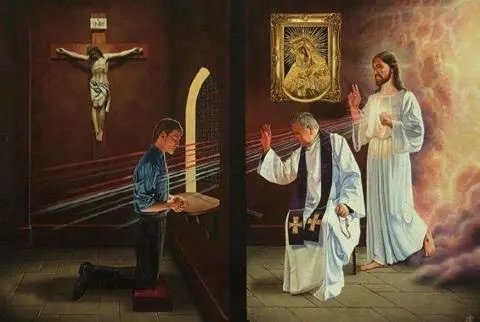
The devotional confessions we make are not, properly speaking, the Sacrament of Reconciliation. This is because Sacraments provide assurance: Baptism is what Jesus says it is in that it brings someone into a covenantal and personal relationship with God; the Eucharist is what Jesus says it is, his Body and Blood, whether we believe that it is or not. Because the Confessions at Morning/Evening Prayer and Holy Communion are contingent, it may be that there are times where you, or others, are not sure if you’ve been absolved because you are not sure whether your contrition was perfect or imperfect. For this reason, God has given us the Sacrament of Reconciliation which finds its roots in the beautiful story of the Johannine Pentecost when Jesus appears to his disciples in the locked room, breathes on them and says, “Receive ye the Holy Ghost: Whose soever sins ye remit, they are remitted unto them; and whose soever sins ye retain, they are retained.” These verses are read over the Priest at his ordination because the Christian Priest participates in the High Priesthood of Christ. In other words, when you come to Confession and the priest says, “I absolve you of all your sins in the Name of the Father, and of the Son, and of the Holy Ghost,” no more hand-wringing is needed; you have been absolved. Your story has been re-written in real time.
The stories we tell ourselves about ourselves matter. It’s possible that we tell ourselves an autobiography that is skewed and self-destructive. The Gospel, the meta-story, is big enough to incorporate and redeem the many twists and turns that might appear in our stories. In Confession and Absolution, we hear God’s version of our stories told authoritatively. “Self-forgiveness” begins here: not with our laxity or scrupulosity, but with God’s Word. The question is whether we believe him or not.

Reflection: Our Identity in God
This is Part 2 of a series based on our recent retreat “Forgiving Ourselves.” Part 1 can be found here.
In our modern world, we view the individual as a collection of identities: Race, class, sex, sexual orientation, vocation, and a whole host of other factors. But as Christians, we don’t believe that “Christian” is simply another adjective alongside the host of other facets of our identities. We believe that “Christian” is the organizing principle of our lives that impacts every part of who we are. You’re not a Christian who is a parent…you’re a Christian parent. In other words, the fact that you’re a Christian impacts you at every level—including how you parent. By describing ourselves as Christians, we aren’t just identifying ourselves with the person of Jesus Christ; we’re identifying ourselves with the entire Godhead. It’s through Jesus that we’re saved, but we’re saved to become partakers of the divine nature (2 Pet 1:4). If that’s true of us—that we are partakers of the divine nature—then who we are isn’t just determined by our families, how and where we were raised, what we studied in school, the jobs we work, or anything else…the most important fact about us is that we are “in Christ” and, therefore, participants in the life of the Trinity.
We can locate our identity in the Father.
God the Father is existence itself. We exist because of the Father. “In him, we live, and move, and have our being” (Acts 17:28). This means that everyone who exists, by virtue of their existence, has a relationship with the Father. Because God didn’t have to make the world or anything in it, but chose to create anyways, we know that he is good and that he loves us. Life is a gift constantly reminding us of his presence. This also means that human nature is good; in our current state, it’s been twisted and perverted by sin but, at its core, it is a creation that God made and said “it is good.”
We can locate our identity in the Son.
The Second Person of the Trinity, the Word, is the Wisdom of God and the Redeemer. The Word is the underlying logic of creation; the fact that we are created in his Image means that we have the ability to reason. But it’s also important that we remember that “the Word became flesh.” Sin means we couldn’t find our way back to God after we sinned; Jesus’ life, death and resurrection are offered to the Father for us. When we are baptized, then, we are immersed into Christ: we receive the remission of our sins, the gift of the Holy Spirit, and adoption as children of God.
We can locate our identity in the Holy Spirit
The Holy Spirit is God’s gift to the baptized. Unlike existence and rationality, this gift isn’t given to everyone necessarily. According to the Church Father Origin, we receive the Holy Spirit “that we should be holy—we become capable of Christ anew in respect of his being the Righteousness of God.” This reminds me of a prayer the Priest prays as he mingles the water and wine during the preparation for Holy Communion: “By the mingling of this water and wine, may we come to share in the divinity of he who humbled himself to share our humanity.” The Holy Ghost, then, is the Person of the Trinity who brings us further up and further in to lives of holiness. It’s important to remember that holiness has both inward-facing and outward-facing features to it. Inwardly, we are called to be pure, unspotted by the world. But that purity is always externally directed, it’s about attracting others to God. And so the Holy Spirit leads us, prompts us, and draws us further into the life of God so that we can live holy lives. He does this by the Eucharist, as we pray during the Canon, “vouchsafe to bless and sanctify, with they Word AND HOLY SPIRIT, these thy gifts and creatures of bread and wine; that we, receiving them according to thy Son our Saviour Jesus Christ’s holy institution in remembrance of his death and passion, may be partakers of his most blessed Body and Blood.” He does this through prayer as the “Spirit of adoption, whereby we cry, Abba father” (Rom 8:15). Finally, the Holy Spirit does this through God’s dynamic ordering of the world, putting us in places that we need to be.
So who are you?
You are created by God. You are a divine Image bearer and you are unique: God created you to be you and no one else.
You are a rational creature who can think, speak, and participate in God’s Wisdom.
You are loved by God as a child, called to be holy and destined to spend eternity in communion with him.
Whatever else happens, we must let God’s story be the setting for our story.